Is Sopot Worth Visiting? An Honest Answer for a Short Break
Sopot suits travellers who want a short, walkable seaside resort with a famous pier, a lively promenade and a spa history, not a big-city sightseeing stop.
On this page
Yes, Sopot is worth visiting, but for a specific kind of day rather than a full city break. The resort packs a 511.5 m wooden pier, a pedestrian promenade running down to the water, a 30 m lighthouse tower and a spa history into a town you can cross on foot in a few hours, so it works best as a half-day or a single full day added to time in Gdańsk. This guide sets out what Sopot does well, which sights earn your time, how long to allow and who should skip it.
The honest trade-off is scale. Sopot gives you roughly 3-4 hours of headline landmarks at a leisurely pace, so anyone expecting museum after museum will run out of things to do by mid-afternoon. Pair it with the beach, the wooded parks or a long lunch and the day stands up; race through it as a tick-box stop and you will wonder what the fuss was about.
What Sopot does well: the pier, Monte Cassino Street and the resort feel
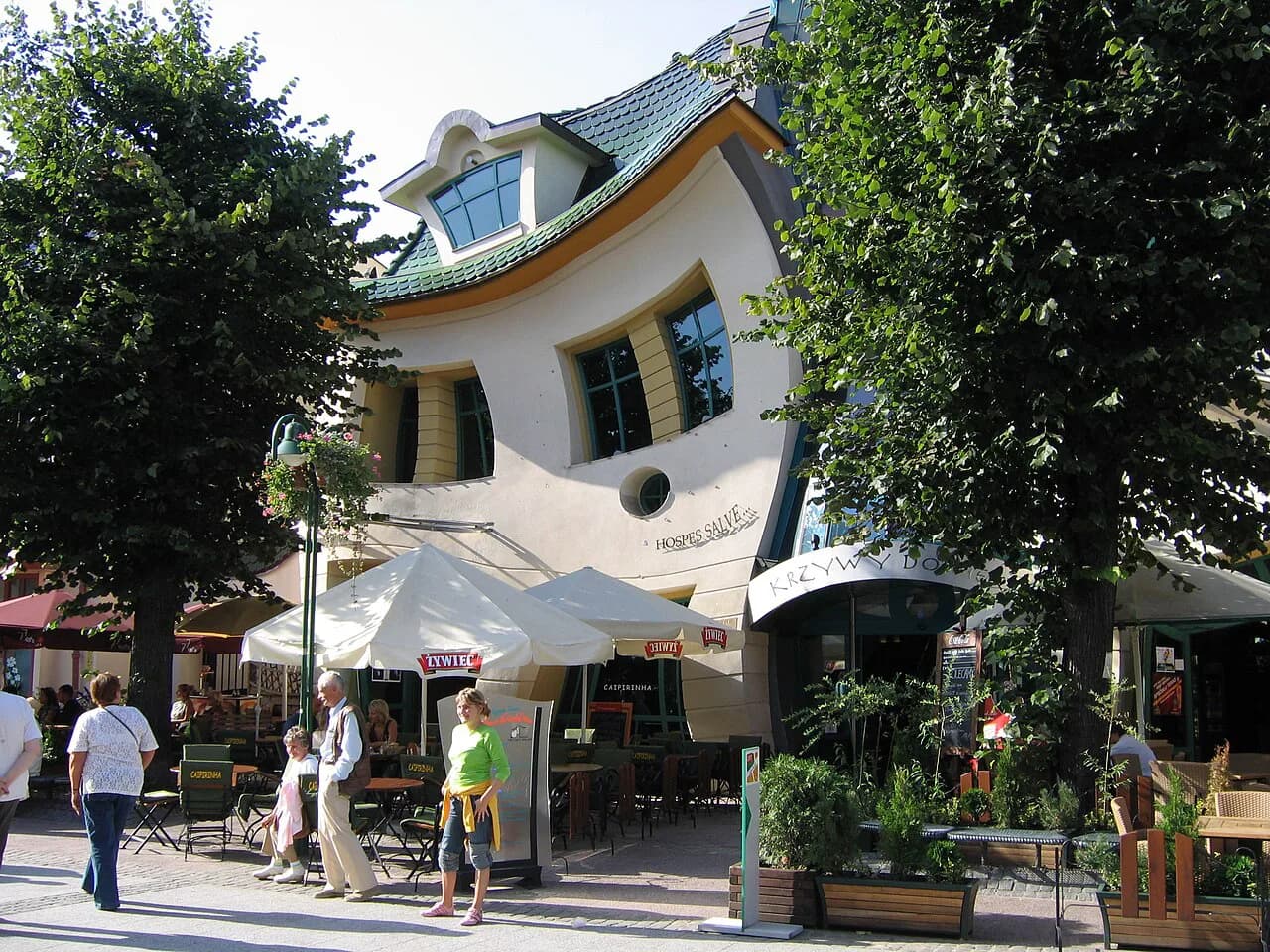
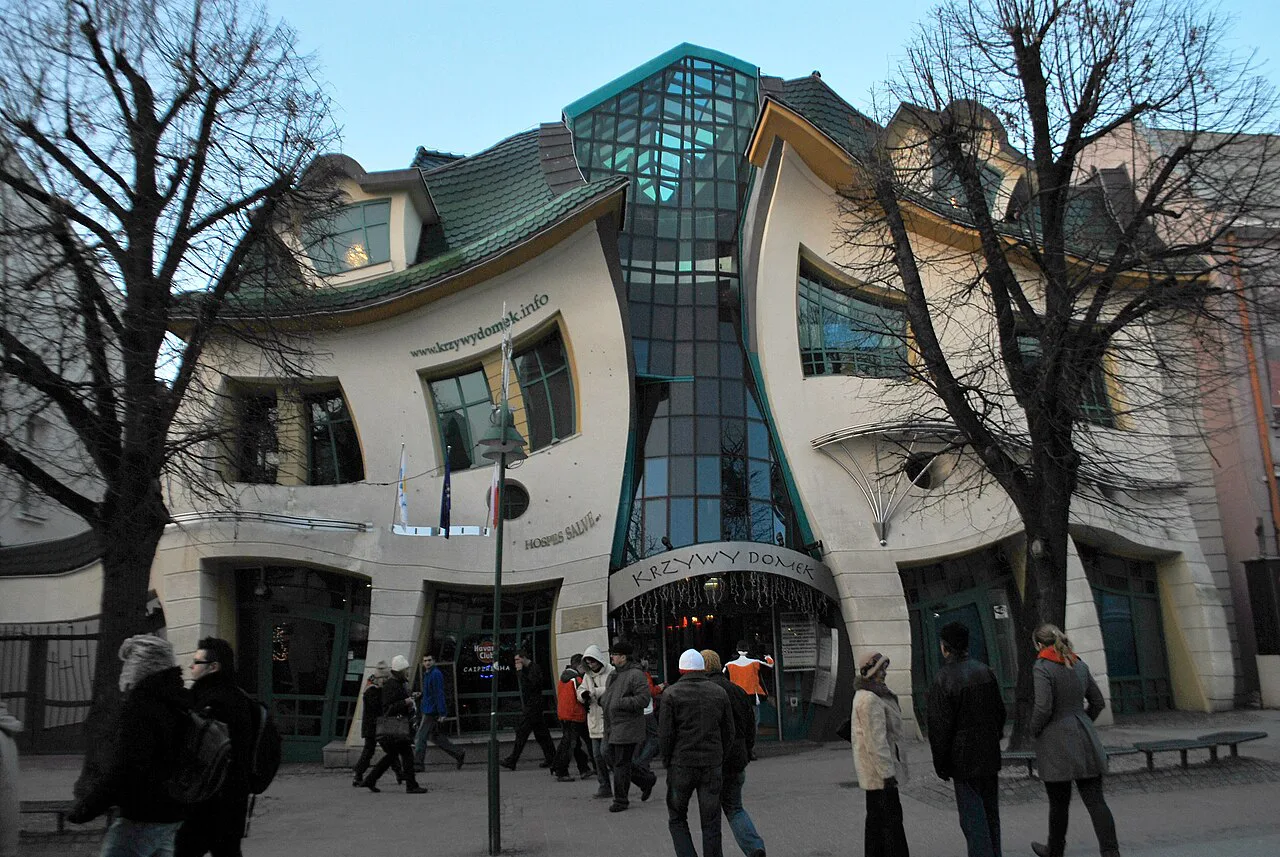
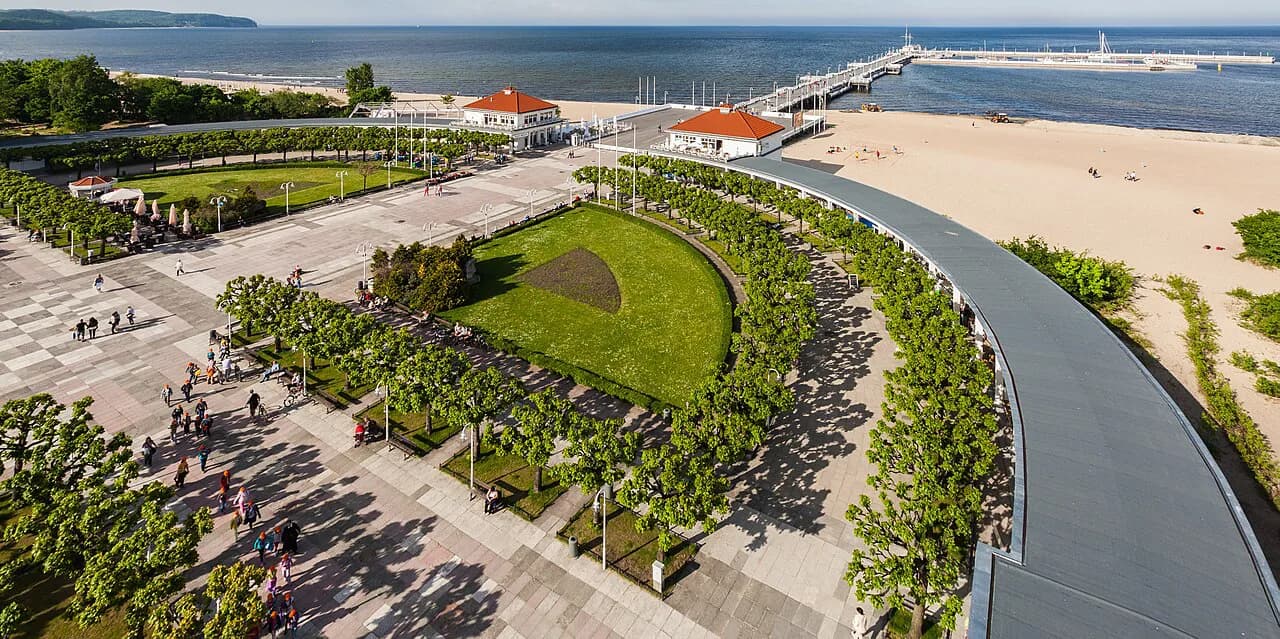
Sopot's strongest card is concentration. Bohaterów Monte Cassino, known locally as Monciak, runs from the town centre straight to the pier and has been closed to traffic since 1963, which makes it a natural spine for a wander rather than a street you have to navigate around cars. Cafés, restaurants and the impossible-to-miss Crooked House line the way, and the Gulf of Gdańsk appears at the end of it.
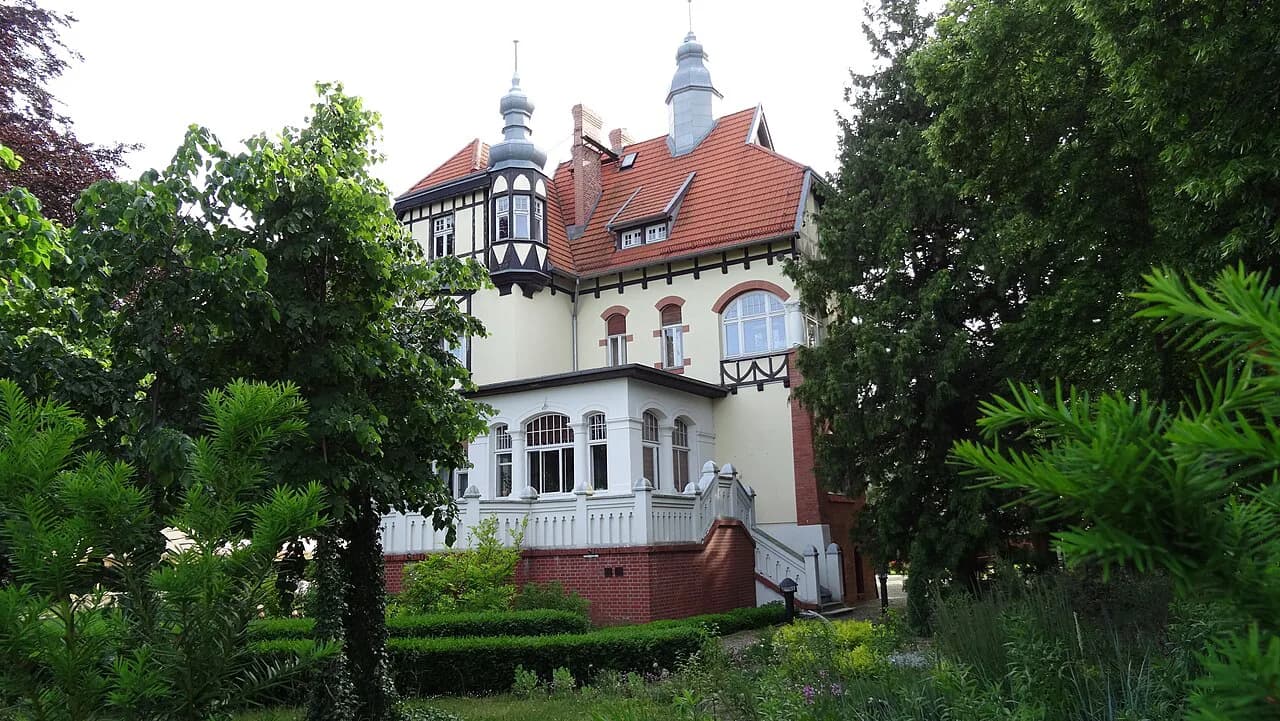
The resort identity is genuine rather than marketing. The Spa House site, first built in 1824 and rebuilt after near-total destruction in 1945, now holds the State Art Gallery, a tourist information point, a brine water pump room and cafés. That mix of health cure, seaside stroll and handsome promenade is exactly the atmosphere people come for.
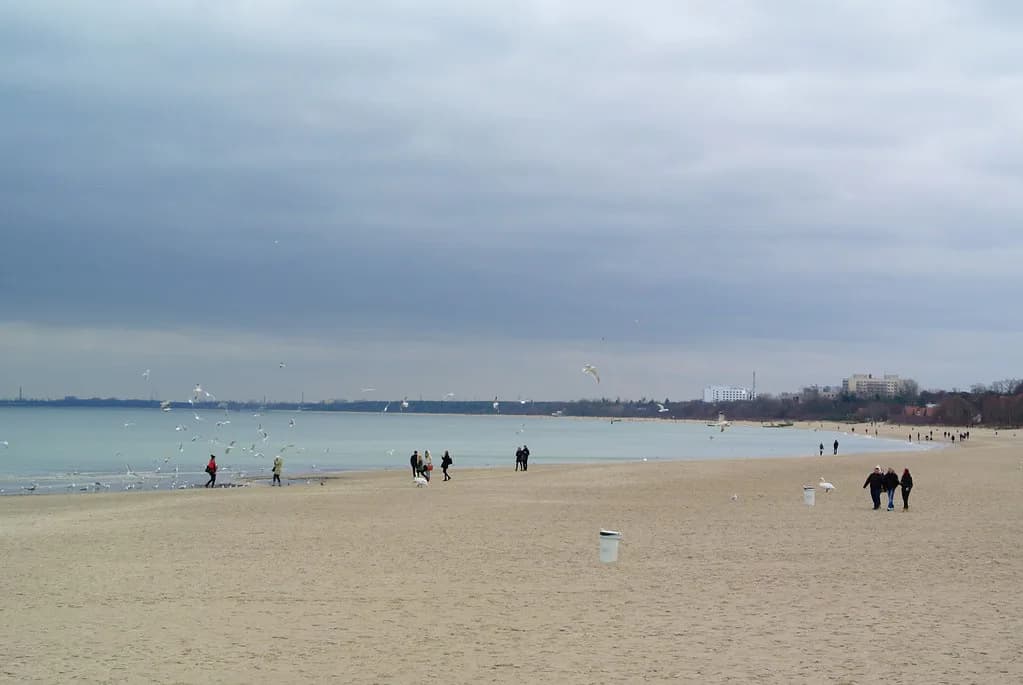
The pier is the set piece: a wooden structure dating from the 1820s, 511.5 m long and holding a 103-berth marina at its end. In winter an ice rink opens on Kuracyjny Square in front of the pier, and the pier stays open all year, so it is not a summer-only attraction.
The sights worth your time: pier, lighthouse, Spa House and Forest Opera
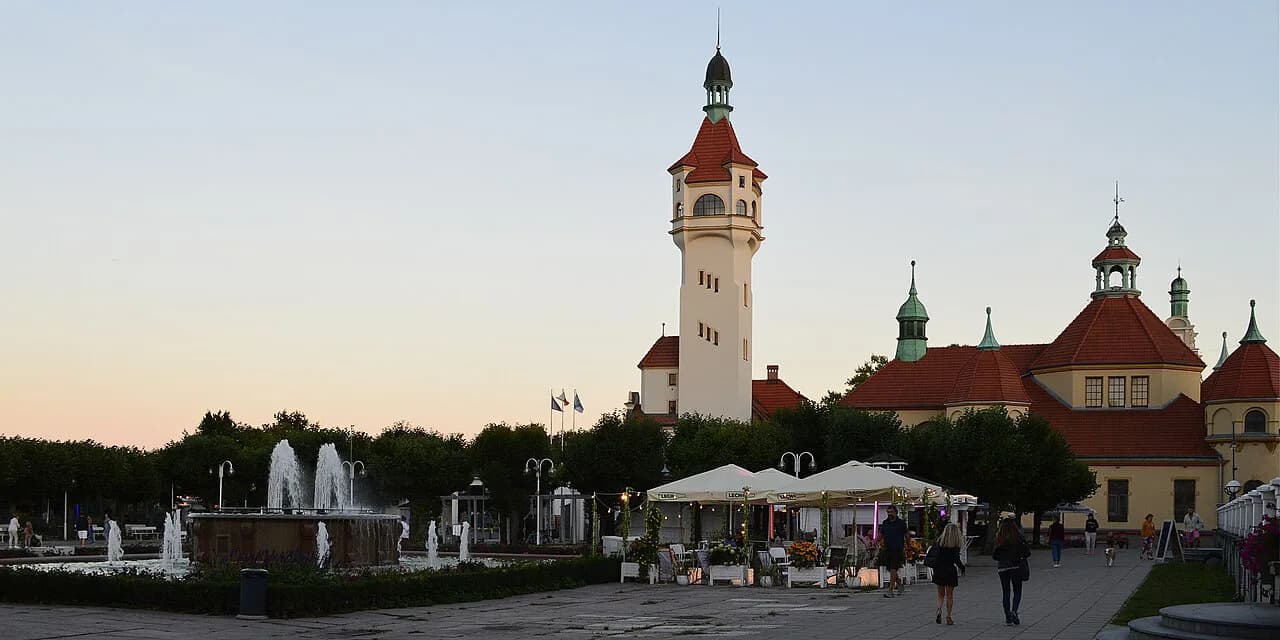
Climb the lighthouse if you want the view. The tower is 30 m high and the viewpoint at the top is open year-round, reached by 136 steps, with a panorama over the Bay of Gdańsk and the wider Tricity. It is a short, sharp burst of effort rather than a half-day outing, and it pairs naturally with the pier in a single loop.
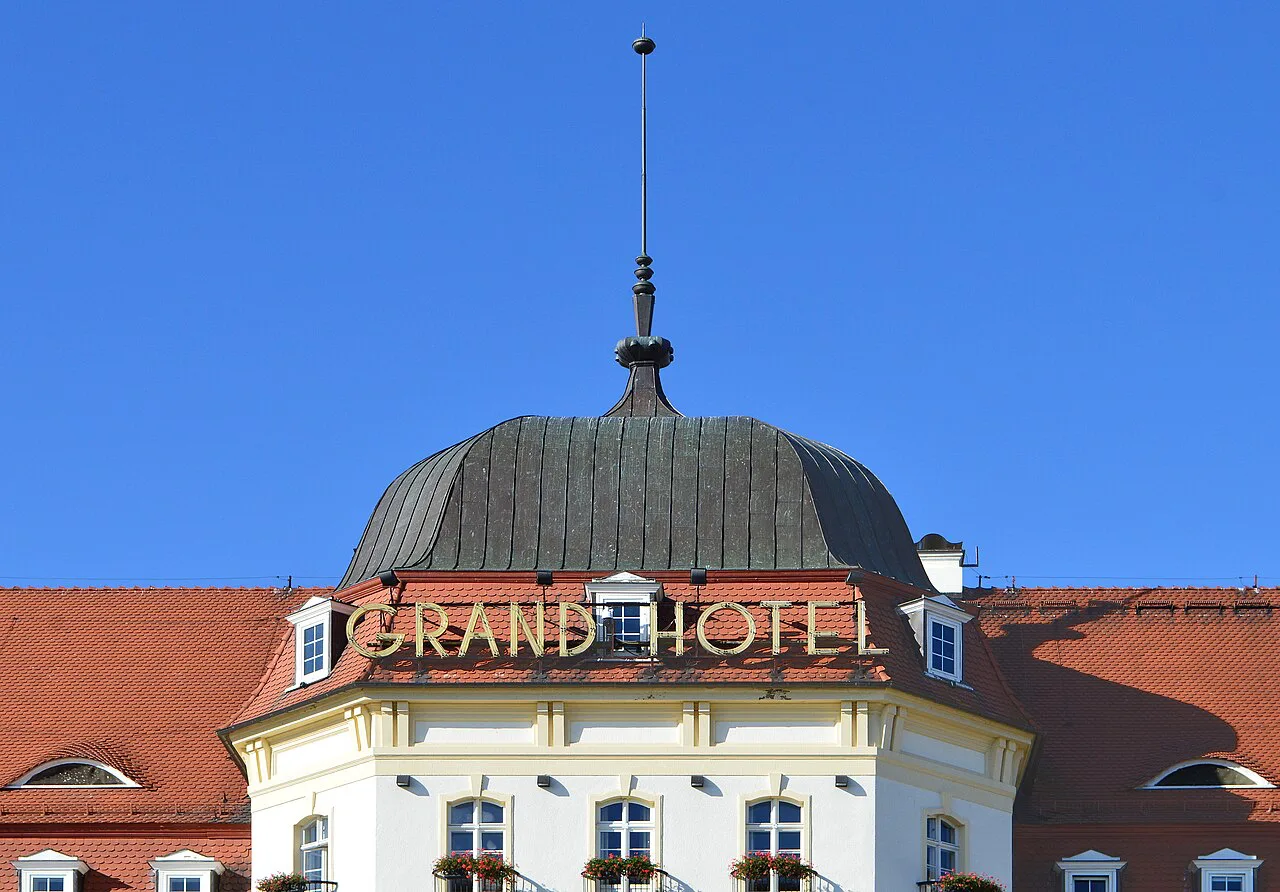
The Grand Hotel, now operating as Sofitel Grand Sopot, sits right on the beach near the pier entrance and is the most recognisable building in town. The Crooked House, inspired by drawings by Jan Marcin Szancer and Per Dahlberg, has become an informal symbol of the city and takes about thirty seconds to photograph.
The Forest Opera is the one sight that justifies walking inland. It is a forest amphitheatre with over a century of history and a capacity of 5,000, and it has hosted festivals, ballet and concerts rather than functioning as a museum piece. Events there are not always confined to summer, so check whether something is on during your dates rather than assuming a closed gate.
Museums and indoor options for a wet or quiet day
The Sopot Museum occupies the Claaszen Villa, a building dating from 1904, with ground-floor rooms recreated from archival photographs as historic bourgeois interiors and temporary exhibitions upstairs themed on the town's history and residents. It is the best rainy-day option and sits close to the beach, so it slots into a seaside day without a detour across town.
Grodzisko, the early medieval fortified settlement, is an open-air site with reconstructed huts, a gate and palisade, and it hosts re-enactment festivals and archaeological workshops that make it the obvious pick with children. The Pomeranian travel service places it in the 8th century and notes it is best visited in warmer months, when the outdoor displays and workshops actually operate.
The fishing harbour gives you the photogenic end of Sopot: working boats pulled up on the sand, stalls selling fresh and smoked fish, and a small fishing museum. Fishermen's Square nearby marks where the fishing settlement was relocated in 1914 as visitor numbers grew, which explains why the harbour feels slightly separate from the resort centre.
How big Sopot is and how long you need
Sopot is small enough to walk end to end, which is both its charm and its limitation. The main landmarks take around 3-4 hours at a leisurely pace, and the pier sits roughly 1 km from the train station, so you can arrive, see the centre and leave without ever needing a bus or taxi.
A half-day covers Monte Cassino Street, the pier and the lighthouse comfortably. Give it a full day if you want the Sopot Museum, a proper lunch, a walk through the Northern or Southern Bath Parks and time on the sand, and consider a second day only if you plan to use Sopot as a base for Gdynia and the Tri-City Landscape Park as well.
If you like a structured route rather than improvising, a Sopot walking tour is a sensible way to link the station, Monciak, the pier and the quieter residential streets in one line without backtracking. Otherwise the town rewards aimless wandering more than most resorts, because almost everything sits within a fifteen-minute walk of the water.
Getting there and around: the SKM train from Gdańsk and Gdynia
The SKM urban train is the practical way in, running from both Gdańsk Główny and Gdynia with a journey of around 20 minutes according to the Pomeranian travel service, and around 10 minutes from Gdańsk in the other account. Either way it is a short hop, and from Sopot station you simply follow the crowds downhill towards the sea.
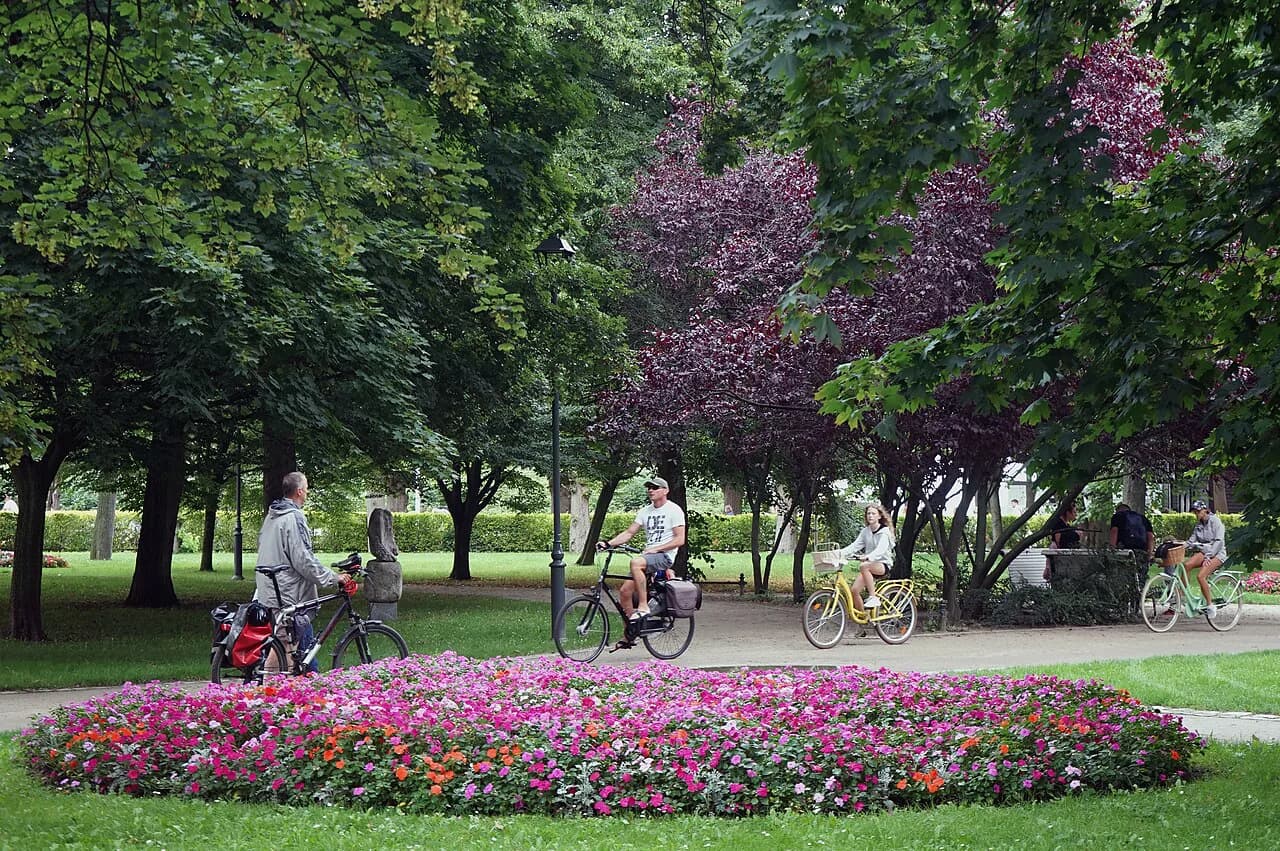
Once you are in town, walking is the whole transport plan: Monciak leads to the pier, the lighthouse and the beach are minutes apart, and the parks sit just behind the shoreline. The Pomeranian service also lists Mevo city bikes for the coastal path and local buses and trolleybuses for Gdynia connections, useful if you want to extend the day along the coast rather than turn straight back.
When to go: summer crowds versus the shoulder season
June to August brings busy beaches, a lively Monciak and a crowded pier, so book accommodation and any tickets early if you go then. May and September are the better-balanced months: fewer tourists, lower prices and pleasant weather, with spring and autumn also the finest time for walks in the parks and the Tri-City Landscape Park.
Out of season Sopot turns calm rather than closed. The pier is open all year, and the empty beach and forest walks have their own appeal for anyone who would rather have space than crowds.
Who Sopot suits and who should skip it
Sopot suits travellers on a short break who want one unhurried seaside day: couples, families with young children, and anyone who values a walkable resort with a promenade, a beach and a lighthouse over a packed sightseeing schedule. It also suits people using Gdańsk as a base who want a change of scene without a long journey.
Skip Sopot, or keep it to a couple of hours, if you are chasing major museums, heavy history or a big-city buzz. Gdańsk delivers all three and is a short train ride away, so basing yourself there and treating Sopot as an excursion gives you the resort without sacrificing the city.
Sopot compared with Gdańsk and Gdynia for a one-to-four-day break
For a one-to-four-day break, base in Gdańsk and give Sopot a single day. Gdańsk carries the historic old town and the weight of twentieth-century history, while Sopot supplies the sand, the pier and the spa-resort atmosphere in a compact package; the two complement each other far better than they compete.
Gdynia is the third point of the Tricity and appeals more to anyone interested in modern architecture and the port, so a short break split between the three works well if you have three or four days. With only two days, choose Gdańsk plus one coastal day and make that day Sopot.
Should you add Sopot to your Gdańsk break?
Add Sopot if you want a walkable seaside day with a famous pier, a lighthouse climb and a promenade worth strolling; it delivers all three in a few hours and pairs easily with a Gdańsk base. Give it a half-day if you are short of time and a full day if you want the museum, the parks and a long lunch by the water.
Treat it as a change of pace rather than the main event. The pier, the resort architecture and the spa history justify the trip, and the short train ride means you lose very little of your city break by going.
Explore more Sopot guides
Sources
Notes for your next Polish city break
Optional updates to our Poland guides.
You might also like
Continue reading
More guides you'll find useful