Things to Do in Katowice: A City Break Guide to Sights and Districts
Plan a Katowice city break around the Culture Zone, Nikiszowiec and the market square, with honest advice on how many days the city needs.
On this page
Katowice needs two days to do it properly, and one day only if you concentrate on the centre and the Culture Zone. The city is a former coal capital that has rebuilt its identity around music, museums and technology, and its sights are clustered enough that you can group them by district rather than chase a list. This guide covers what to see first, how the city is laid out, and how to split a short break.
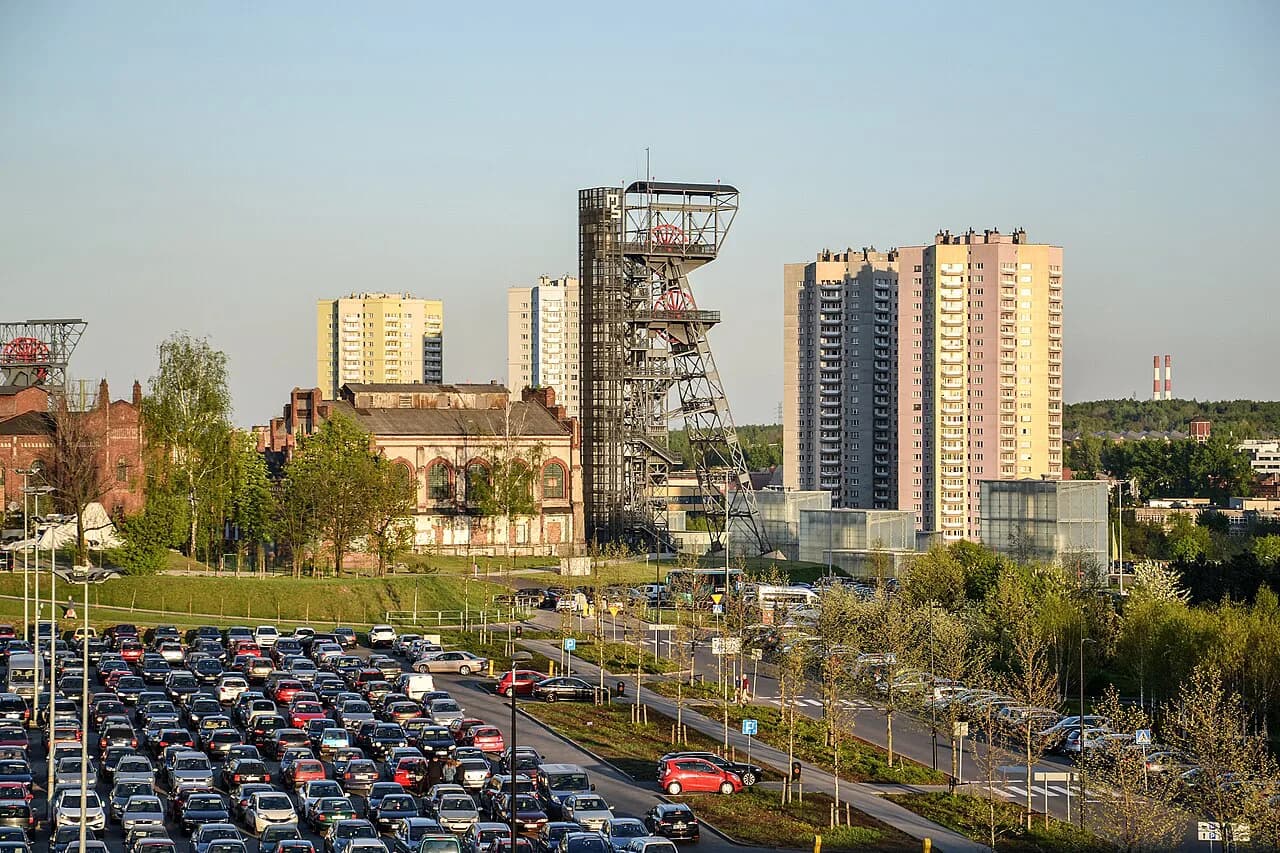
The organising story is transformation. The Culture Zone occupies the grounds of a former coal mine, and the city has held the title of UNESCO Creative City of Music since 2015, a status its own tourist office publicises alongside its blues and festival heritage. Read the city that way and the sightseeing makes sense: industrial fabric reused as concert halls, museums and public space.
What Katowice is known for
Katowice is known as the capital of the Silesian Voivodeship and the centre of a metropolitan area of more than two million people, a city where industrial heritage sits next to new technology and gaming businesses. That double identity is the reason to come: you get heavy-industry landmarks and a serious cultural quarter within a short walk of each other.
Music is the other thread. The city's own tourism office points to the Rawa Blues Festival, running for over four decades, and to the OFF Festival and Tauron Nowa Muzyka as flagship events with a record at the European Festival Awards. Treat these as context rather than a schedule: if a festival is central to your trip, check its own site for dates before booking travel.
How Katowice is laid out
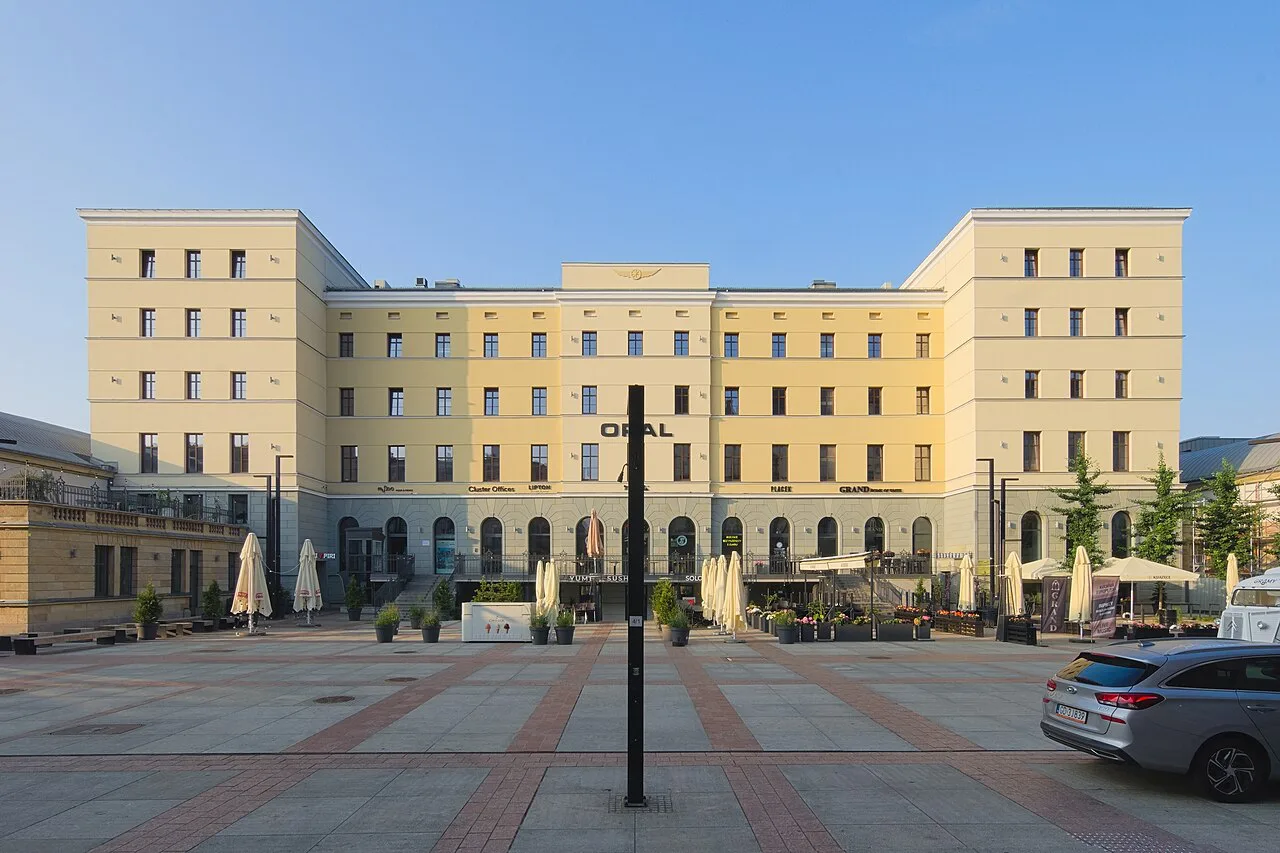
The useful mental map has four pieces. Śródmieście is the walkable centre with the market square and the main streets; the Culture Zone sits just outside it on the old mine grounds; Nikiszowiec is a separate historic workers' estate to the east; and Kosciuszko Park with its wooden church lies west of the centre. Group your days by these quarters and you avoid criss-crossing the city.
Two of those quarters go together on foot. The market square, the surrounding streets and the Culture Zone form one continuous walk of a morning and early afternoon, which is why a single day in Katowice works better than first-time visitors expect.
Nikiszowiec and the park are the outliers that need transport. Plan them as separate half-days rather than trying to slot them between centre sights, and you will spend less time on trams and more time looking at the places you came for.
The market square and Śródmieście on foot
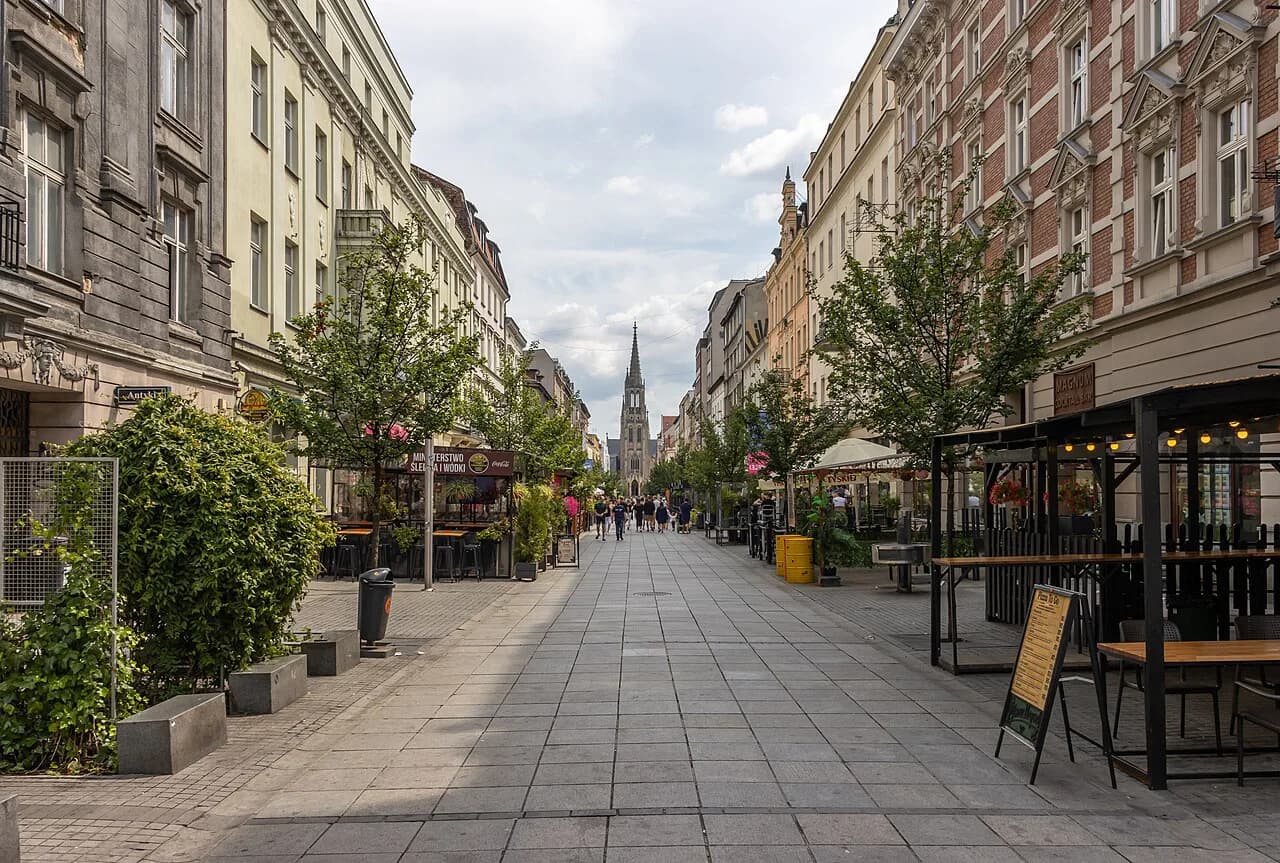
Start at the market square and work outwards through the old town streets; this is the densest part of the city for churches, facades and everyday street life, and it sets up the rest of the visit. A self-guided route is enough here, because the pleasure is the street pattern rather than any single ticketed sight, though our Katowice Old Town guide sets out the main streets to aim for.
If you prefer structure, follow a Katowice Walking Tour that links the square, the surrounding streets and the main churches in one loop, and it keeps you oriented towards the centre when you branch off.
Allow two to three hours for the centre at an unhurried pace, more if you stop for coffee. The centre is compact enough that you will pass the same corner twice, which is a feature: it makes the city easy to learn in a day.
The Culture Zone: museums, orchestras and Spodek
The Culture Zone is Katowice's signature district, built on the site of a former coal mine, and it holds the Silesian Museum and the Polish National Radio Symphony Orchestra alongside concert space. Budget half a day here at minimum; the Silesian Museum alone rewards a couple of hours and is the single best explanation of the region's industrial and social history.
Ticket prices, opening days and any free-entry day vary by venue and season, so confirm them on the Silesian Museum's and the orchestra's own websites rather than relying on a printed guide. Book concert tickets ahead if a performance is the point of your trip, since orchestral programmes are usually fixed well in advance.
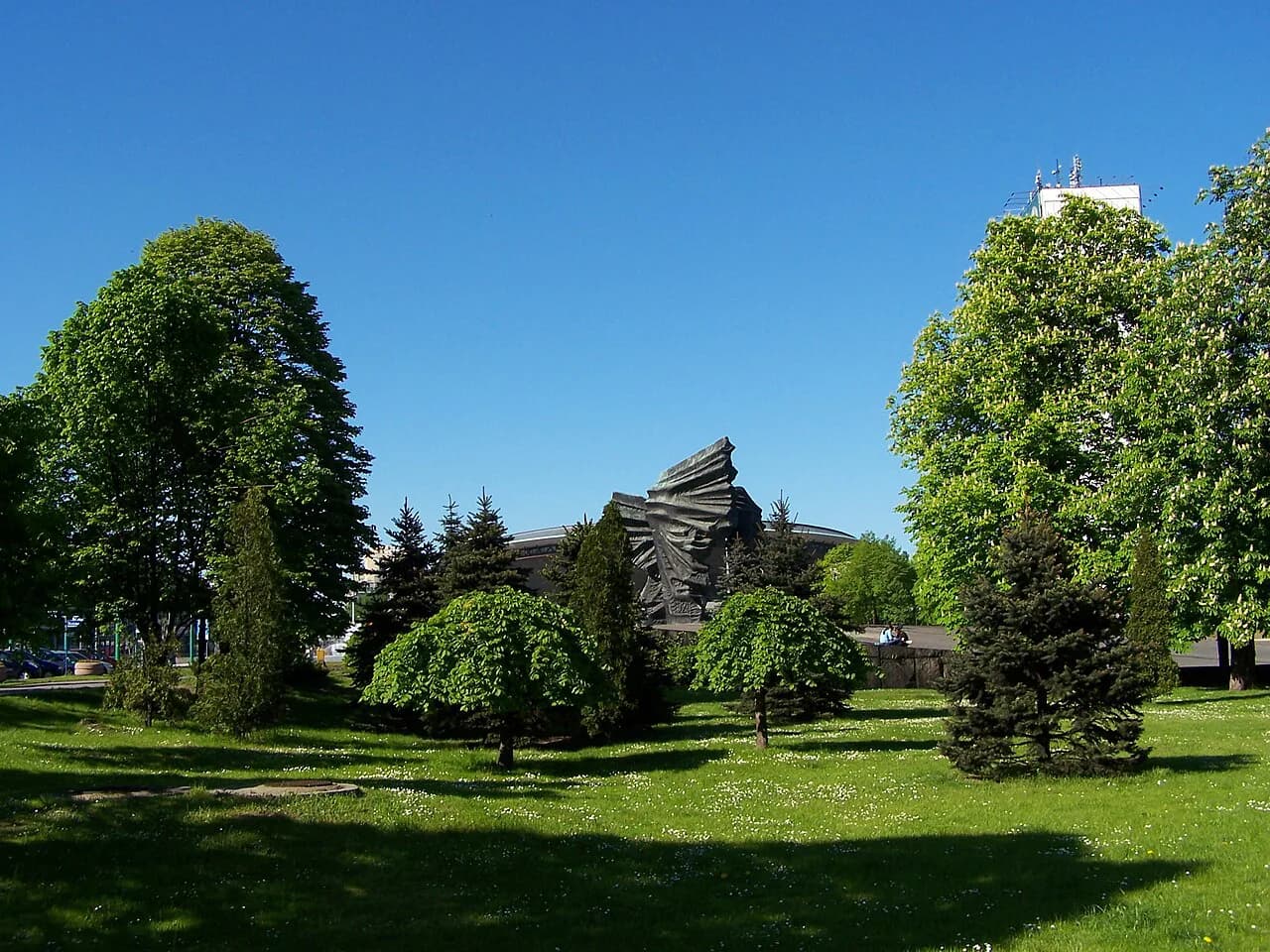
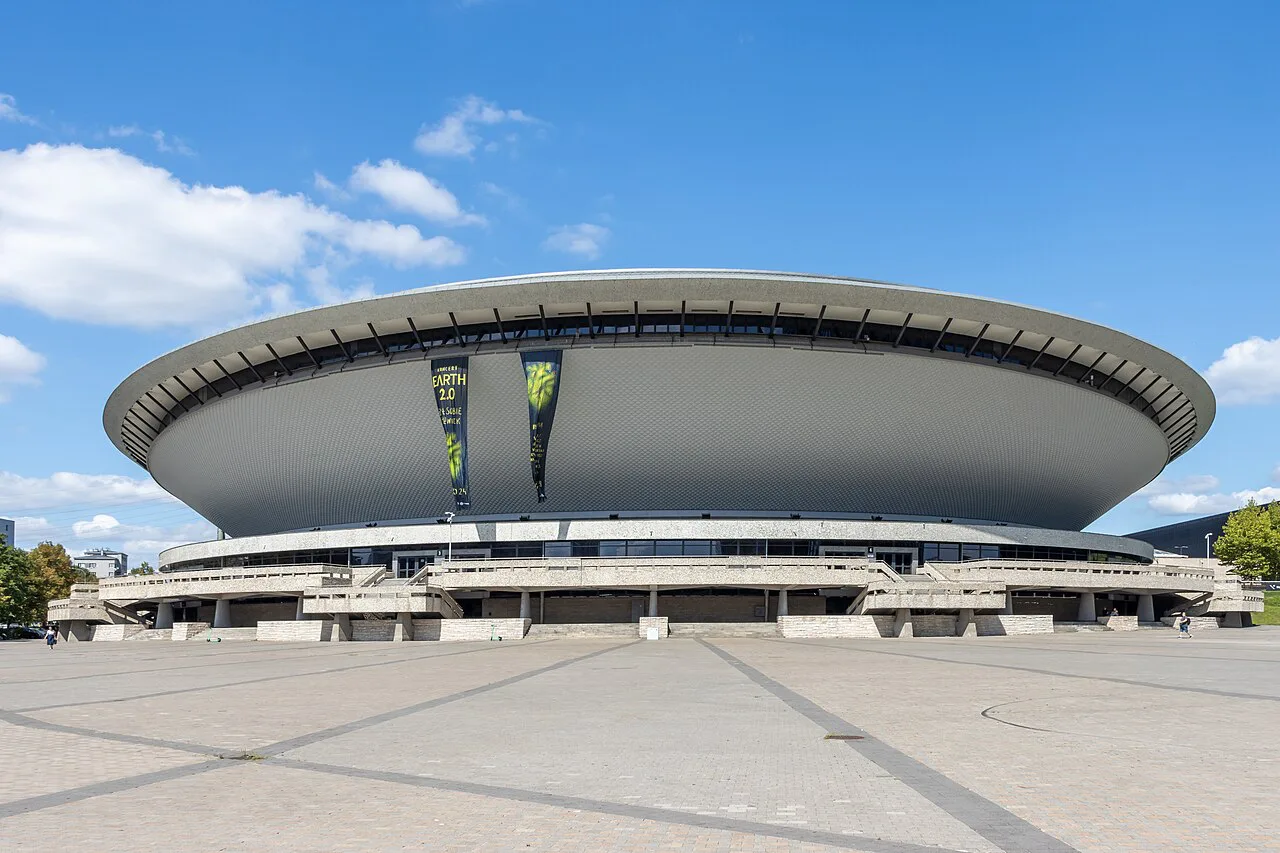
Spodek, the saucer-shaped arena, is the district's other landmark and sits close enough to fold into the same walk. It is an events venue rather than a visitor attraction, so treat it as a piece of the skyline and a photo stop between the museum and the centre.
Nikiszowiec: the red-brick workers' estate
Nikiszowiec is a red-brick workers' estate built for miners, and it is the most photogenic place in Katowice. Come for the architecture, the enclosed squares and the sense of a self-contained neighbourhood rather than for a checklist of sights; an hour or two of walking is the substance of the visit.
It also shows where the city is heading: the Katowice Gaming and Technology Hub is being developed in the historic district of Nikiszowiec. If you want to see the estate undisturbed, check the current situation before you go.
Combine Nikiszowiec with a meal rather than rushing back to the centre; it is a residential district, and eating there gives the visit a natural pause. For what to order in the region, our Katowice food guide covers the Upper Silesian basics.
Kościuszko Park and the wooden church
Kościuszko Park is the city's classic green space, and the wooden church in it is the main draw, a small timber building that contrasts sharply with the surrounding brick and concrete. Pair the church with a slow loop of the park for a gentler half-day after the density of the centre.
The park lies to the west of the centre and is best reached by tram or a longer walk. If you are short on time and choosing between Nikiszowiec and the park, pick Nikiszowiec for architecture and the park for breathing space; neither is essential on a single-day visit.
Music, blues and the city's creative streak
Katowice's music heritage is not confined to concert halls. The Kato Blues Faces exhibition at 13 Staromiejska Street, in the heart of the city, presents graphics, posters, photographs and blues memorabilia with archival concert footage and interviews, plus occasional chamber concerts and jam sessions. It is a small, specific stop that suits a rainy hour and rewards anyone curious about Silesian blues.
The larger claim on your time is the festival calendar, which the city promotes heavily and which shapes hotel prices and crowds. Check dates on the organisers' sites before you commit to a weekend, because a festival weekend and a quiet weekend are two different cities.
How many days Katowice needs
One day covers the market square, the old town streets and the Culture Zone comfortably on foot, which is the honest minimum for a short break. Two days add Nikiszowiec and either Kosciuszko Park or a longer museum visit, and that is the version most travellers should book.
Three days turns Katowice into a base for the wider region and lets you slow down, revisit the Culture Zone for a concert, or spend a morning on the food and market side of the city. Beyond that you are adding day trips rather than more Katowice, and the region is what justifies the extra nights.
When to go and what Silesian weather means
Katowice has a temperate Central European climate, with cold winters and warm summers, so late spring and early autumn give the best balance for walking between districts. Summer brings the festival season and the liveliest streets; winter is quieter and better suited to museums than to long walks around Nikiszowiec.
Build weather slack into a short break. With one day in the city, a wet afternoon should push you towards the Silesian Museum or a concert rather than a park, so decide your indoor backup before you arrive.
What things cost and where the budget goes
Museum and concert tickets are the main variable cost, and they are priced in złoty by each venue, so budget per attraction rather than expecting one ticket to cover the city. Check current prices on the venue websites when you plan, since rates change between seasons.
Walking the centre, the market square and Nikiszowiec costs nothing beyond tram fares, which makes a low-budget day entirely realistic. If shopping is on the agenda, build it into a centre day rather than treating it as a sight in its own right.
Getting around on foot and by tram
The centre and the Culture Zone are genuinely walkable, so save the tram for Nikiszowiec and the park. Check how ticketing works when you arrive and keep a little change or a payment app ready, since systems differ between cities.
Allow more time than the map suggests for the eastern trip to Nikiszowiec, and check the last return tram before an evening visit. A taxi back is a reasonable fallback if you stay late, and it keeps a good day from ending in a long wait at a stop.
One day or two in Katowice?
Book two days. One day gets you the market square, the old town and the Culture Zone on foot, but it leaves out Nikiszowiec, which is the image of Katowice most travellers take home. Two days let you see both without rushing, and the city is compact enough that neither day feels packed.
If you are weighing Katowice against another Polish city, remember that Gdańsk and Poznań offer different pleasures: the things to do in Gdańsk centre on Długi Targ and the Baltic, while the things to do in Poznań revolve around Poznań Town Hall and a very different market square. Katowice is the industrial-to-cultural story, and it rewards travellers who want that specifically.
Explore more Katowice guides
Frequently Asked Questions
What is Katowice known for?
Katowice is known as the capital of the Silesian Voivodeship and the centre of a metropolitan area of over two million people, with a post-industrial identity built around music, museums and technology. Its Culture Zone occupies the grounds of a former coal mine, and the city has held the UNESCO Creative City of Music title since 2015.
How far is Auschwitz from Katowice?
Auschwitz-Birkenau is a memorial site in the wider region rather than a Katowice attraction, and this guide does not cover visiting it. If you plan to go, arrange it through the memorial's own website and treat it as a separate excursion rather than a city sight.
Which city is near Katowice?
Katowice sits at the heart of a dense Silesian conurbation, with neighbouring towns such as Chorzów and Gliwice close by and the region's other cities within easy reach. For comparisons within Poland, Gdańsk and Poznań make useful alternative city breaks with their own distinct characters.
Sources
Notes for your next Polish city break
Optional updates to our Poland guides.
You might also like
Continue reading
More guides you'll find useful