Things to Do in Poznań: Old Town, Museums and Where to Walk
Plan things to do in Poznań by area: the Old Market Square and its goats, the Town Hall, Ostrów Tumski cathedral, the Imperial Castle, museums and Jeżyce.
On this page
Two days cover the core of Poznań: the Old Market Square and its Renaissance town hall, Ostrów Tumski across the Warta, and the Imperial Castle axis between the square and the station. Add a third day for museums, Jeżyce and the parks. This guide groups things to do by walking area so you do not zigzag across the centre, and it flags what you can see free from the street versus what needs a ticket.
What to see in Poznań if you have one day
Start at the Old Market Square in the morning, when the arcaded houses and the town hall front are at their best and the cafés are still quiet. Walk south-east through the old streets to Ostrów Tumski for the cathedral, then cross to Śródka and climb St. Adalbert's Hill for the view back over the river and the church spires. Finish along the castle axis towards the station, where the Imperial Castle and the interwar public buildings sit within a few minutes of each other.
One day is enough to see the city's greatest hits on foot, but it leaves no room for the National Museum or a slow lunch, so treat it as an orientation day and come back to what catches your eye. A guided walk can compress the history into a couple of hours, and the city's self-guided audio and detective-game formats also cover the Old Town if you prefer to move at your own pace.
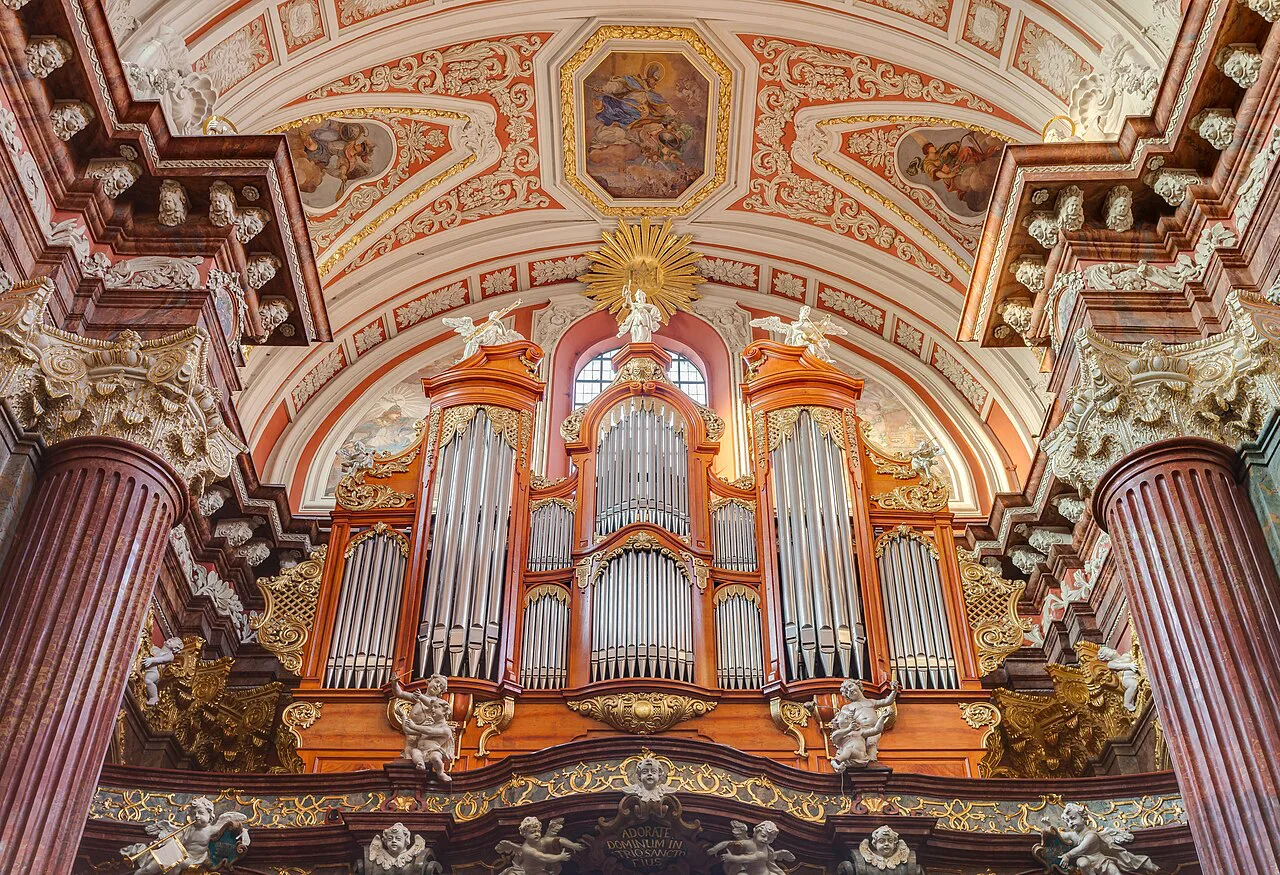
Old Market Square: the Town Hall, the goats and the surrounding streets
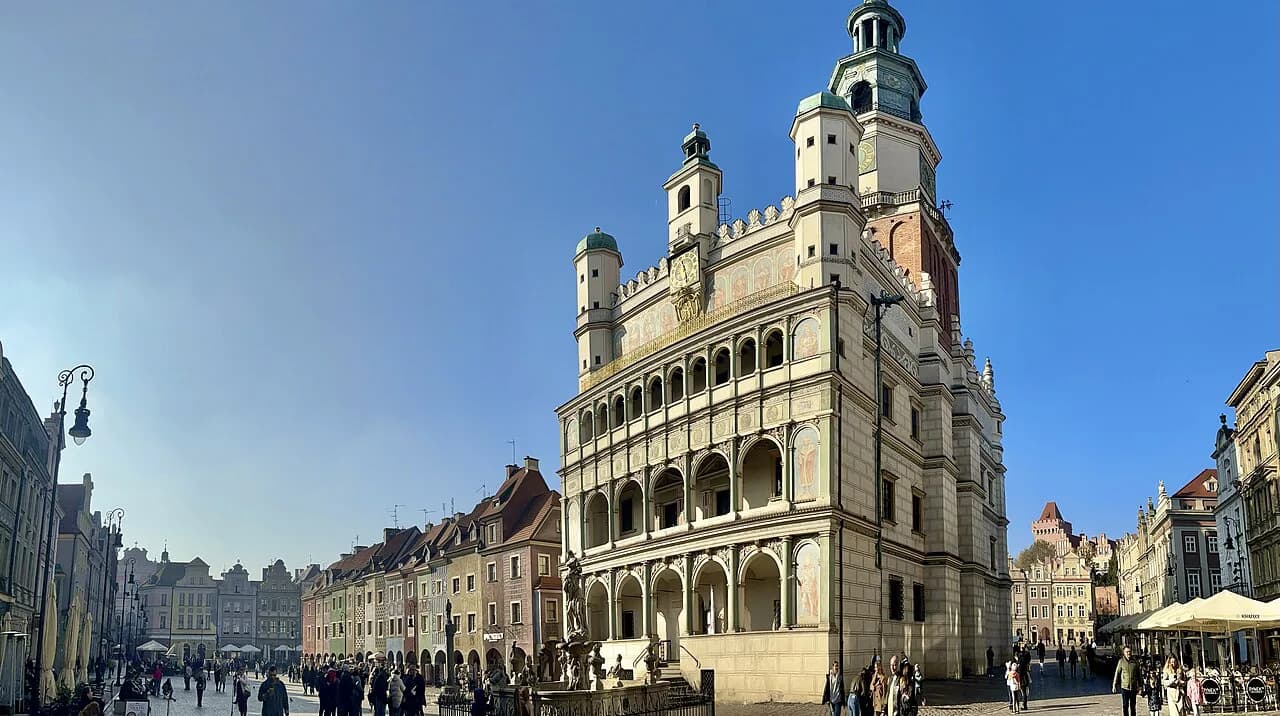
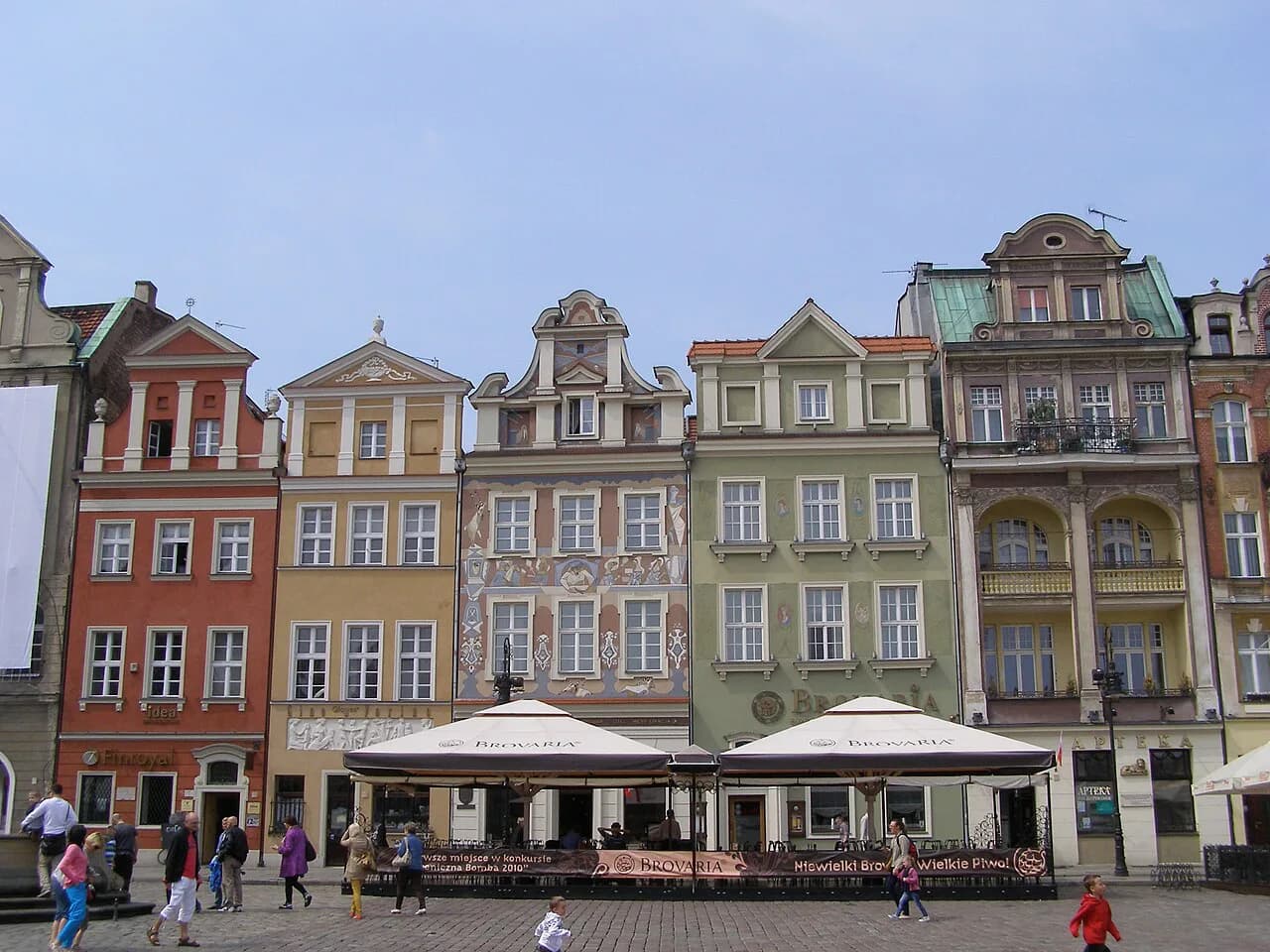
The market square is the natural first stop, and the town hall in the middle of it is the building most visitors photograph first. The square's mix of Renaissance and later rebuilding rewards a slow circuit of the arcades rather than a single look at the front.
The goats above the town hall clock are Poznań's signature sight, performed on the square's most-photographed building. They are also the hook for several of the city's walking and audio tours, which use the story to lead you around the old streets.
Beyond the square, the old town's grid of streets holds the parish church, the Jesuit church and the Franciscan church within a short walk of each other. A two-hour guided walk covers this ground comfortably and gives the dates and context that the facades alone do not.
Ostrów Tumski and the cathedral: Poland's first cathedral across the river
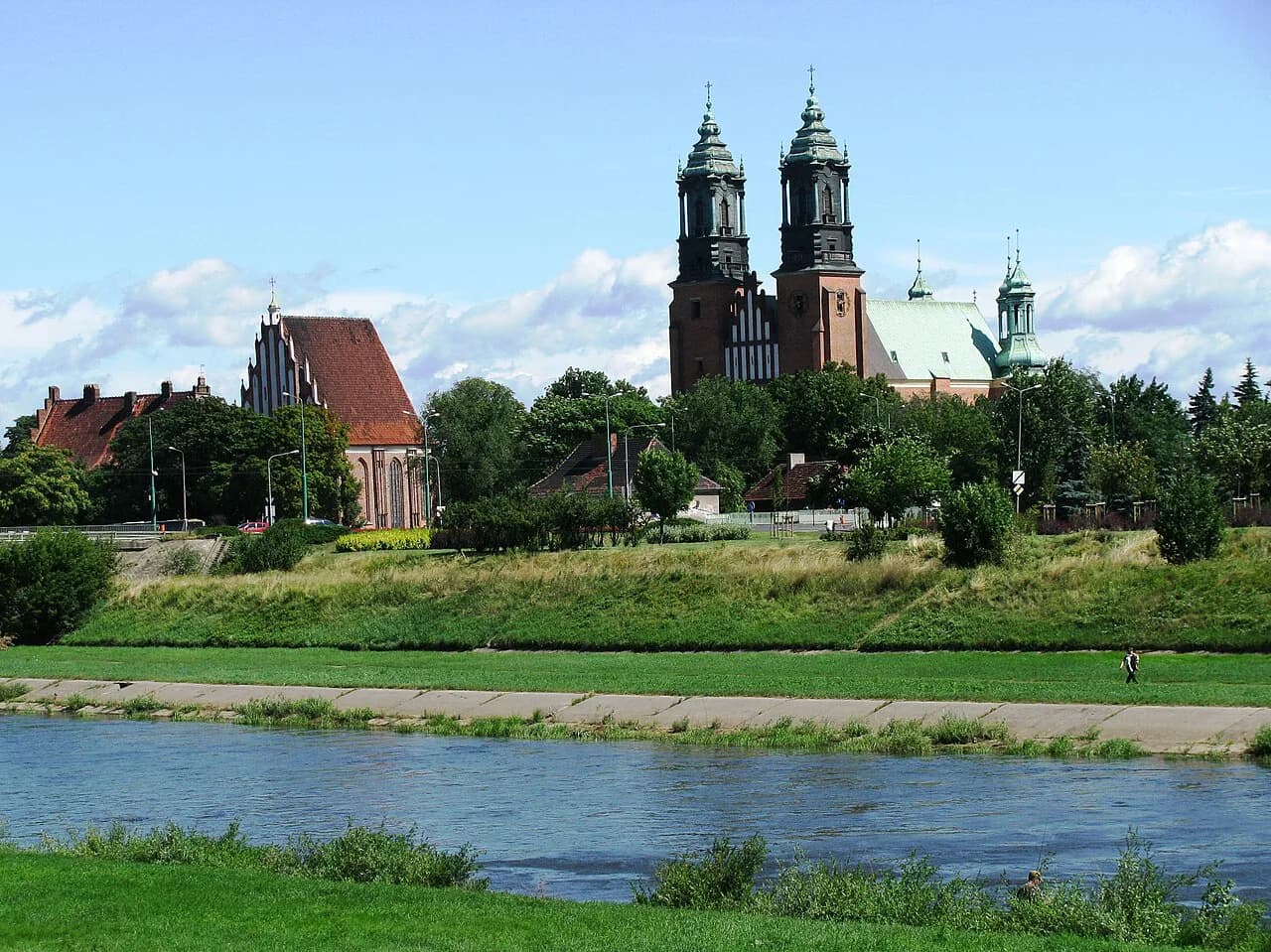
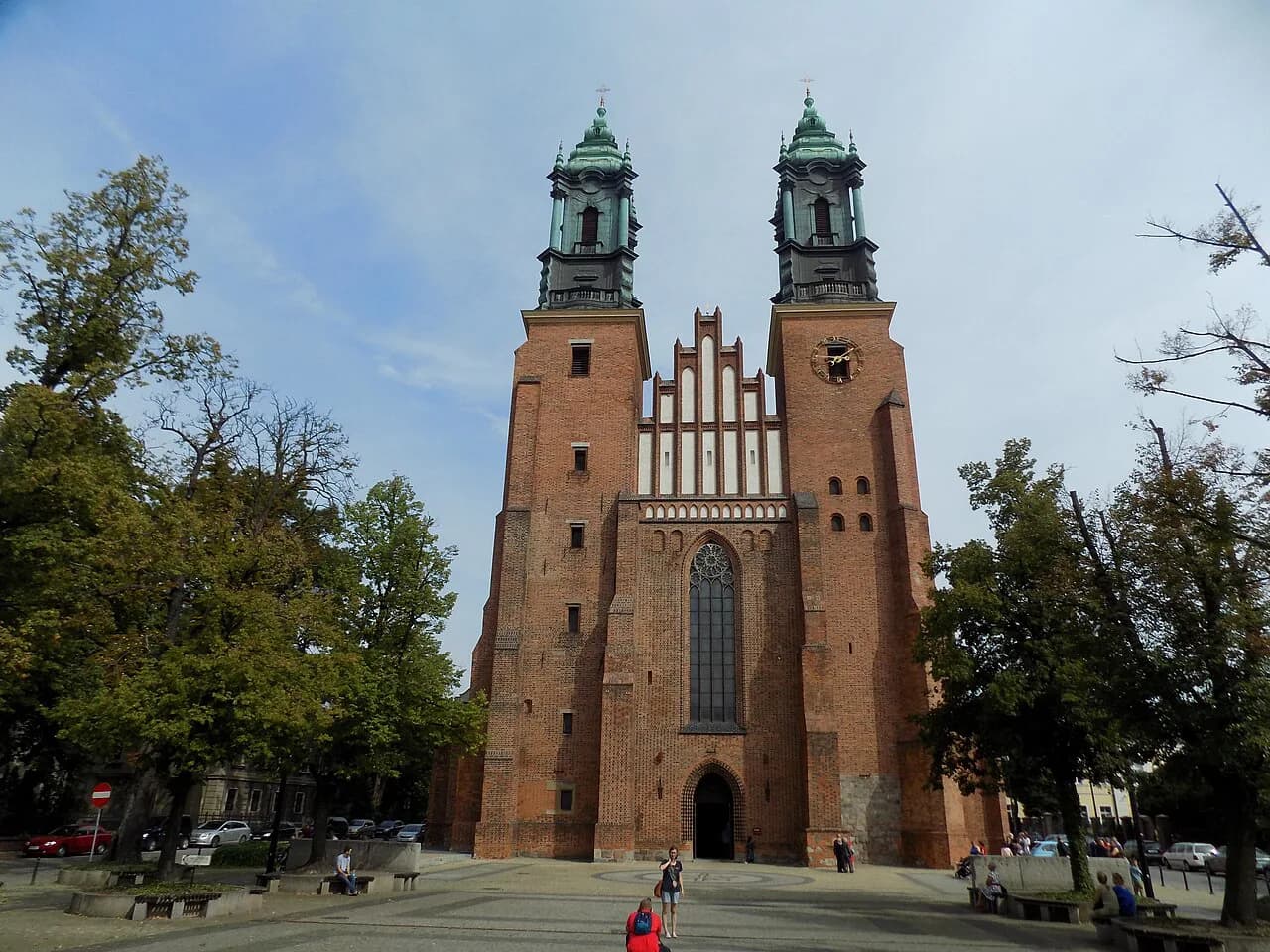
Ostrów Tumski, the island quarter east of the old town, holds the cathedral that city guides describe as Poland's first. The walk there from the market square takes you out of the tourist core and past the river, which makes it a good change of pace after the busy square.
Treat the cathedral as an architectural stop rather than a museum visit: the exterior, the surrounding church buildings and the riverside setting are the draw. The city guides who list it show it as part of a wider Ostrów Tumski walk rather than as a ticketed collection.
Śródka and St. Adalbert's Hill on the right bank
Cross the river to Śródka, the small old quarter on the right bank, and walk up St. Adalbert's Hill for one of the best free views in the city. The hill's church and the surrounding streets are a quiet counterpoint to the Old Market Square, and the walk between them is short enough to combine with Ostrów Tumski in a single morning.
Śródka is a quiet, close-knit quarter rather than a shopping district, so treat it as a breather before you head back across the river. Trams run along the main road at the foot of the hill if you would rather ride than walk back.
The Imperial Castle and the city centre between the square and the station
The Imperial Castle, built for Kaiser Wilhelm II, anchors the wide avenue that runs from the old town towards the station. It is the clearest single piece of evidence of Poznań's Prussian period, and the surrounding streets hold the Raczyński Library, the Polish Theatre and the Great Theatre within a compact area.
Much of this axis is seen from the street, which makes it a good late-afternoon walk when the light hits the facades. Plan the museum stops for a separate block so you are not queuing for tickets when you could be walking.
Museums worth your time: the National Museum and how Poznań's museum week works
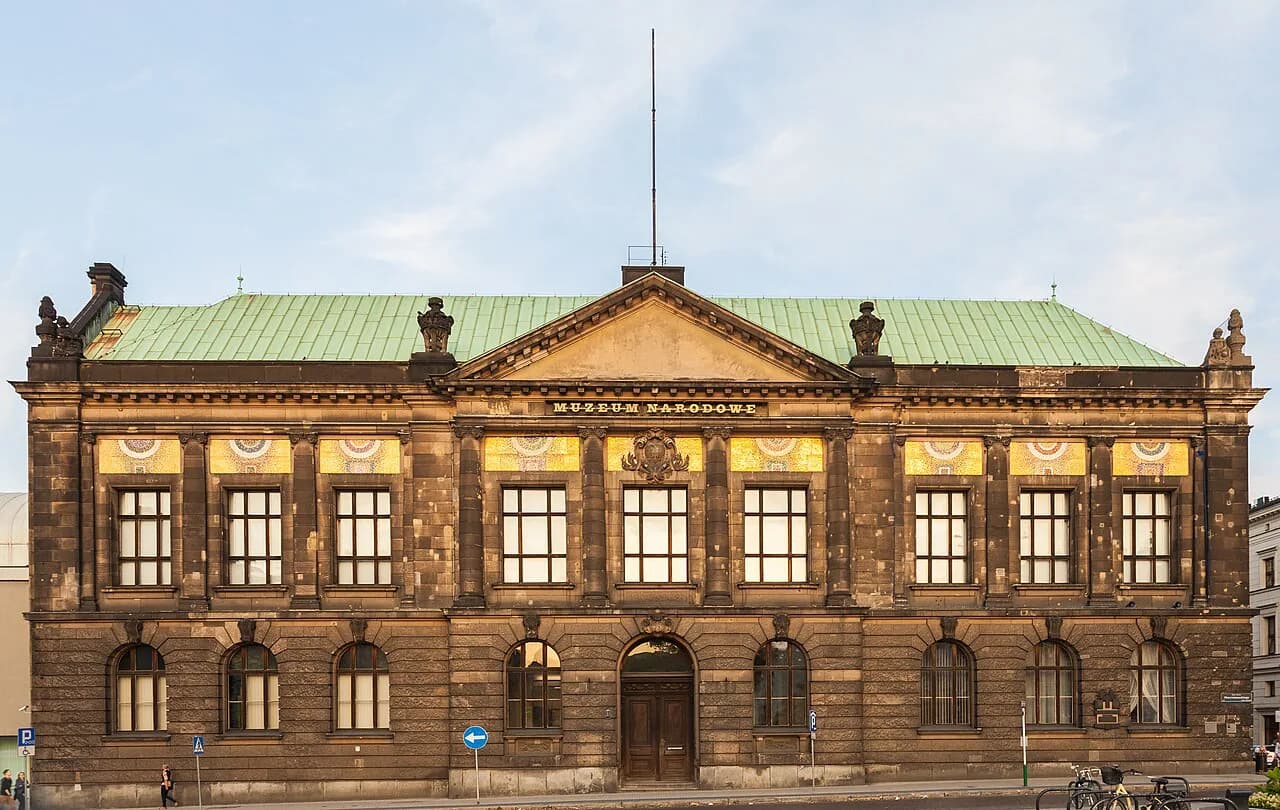
The National Museum is the city's main art collection, and it sits close to the castle axis, so it slots easily into a half-day. City guides also list the Raczyński Library among the central sights worth seeing on the same walk, so pair the two rather than making a separate trip.
Museum opening days vary across the city, and Poznań does not run a single city-wide pattern. Check each venue's own published hours for the days you plan to be there, and bear in mind that a late-in-the-day visit may not leave time for a large collection.
Poznań's wartime and occupation history: Fort VII and what it records
Fort VII, on the northern edge of the city, is the place the city guides list for the German occupation of Poznań, alongside the central monuments. It is a different kind of stop from the old town: expect a sober site and a visit that takes longer than a quick look.
Build the visit around what the site itself presents rather than around a fixed script, and allow time to read without rushing. If you are travelling with children, judge in advance whether the subject matter suits them, since the site deals with the occupation directly.
Jeżyce: the neighbourhood for independent cafés and everyday streets
Jeżyce, west of the centre, is where Poznań feels like itself: a grid of early twentieth-century streets with independent cafés, bakeries and small shops rather than showpiece landmarks. Walk it slowly in the late morning, when the streets are busiest and the cafés are open, and treat it as a counterweight to the tourist core.
Wander from the main tram routes into the side streets to find the everyday architecture the district is known for. It is a good place to eat lunch away from the Old Town if you want to spend a half-day out of the centre.
Wilson Park and Citadel Park for green space and viewpoints
Wilson Park, next to Jeżyce, gives you a shaded walk and a break between neighbourhood stops, and St. Adalbert's Hill on the right bank gives you the elevated view. Citadel Park, the large park on the city's edge, is the place for a longer wander when the weather is good.
The parks work best as transitions: Wilson Park between Jeżyce and the centre, Citadel Park when you want an afternoon under trees rather than in another gallery. Both belong to the days when you are watching the budget rather than booking tickets.
Where to try a St Martin's croissant and what else to eat
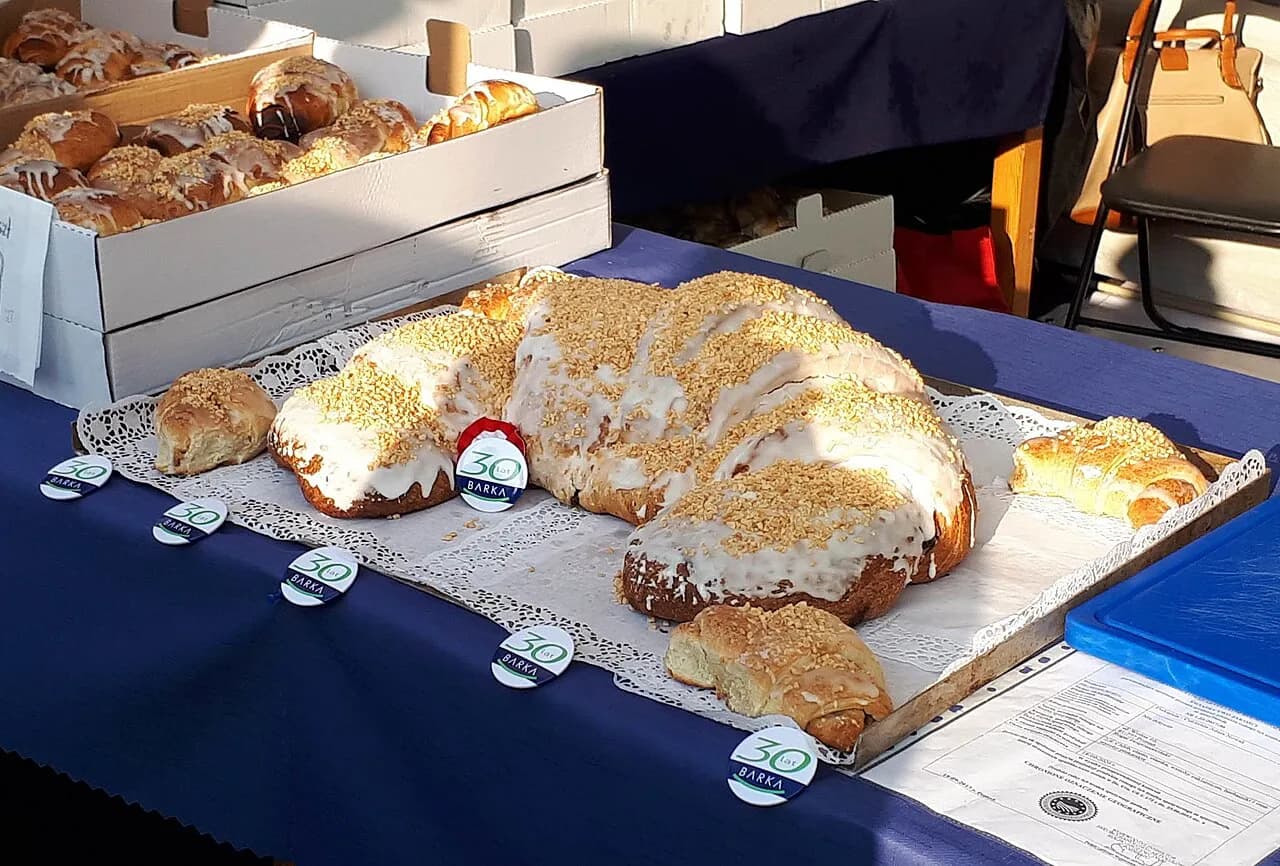
The St Martin's croissant is Poznań's signature sweet, tied to the city's November St Martin's Day tradition, and it is the one local food most visitors want to tick off. Buy one from a bakery anywhere in the centre and eat it with a coffee rather than sitting down for a full meal.
Beyond the croissant, Poznań eats in the same way as the rest of Wielkopolska: hearty, potato-based dishes and seasonal market cooking, best sampled away from the main square. A self-guided or detective-game format that tracks down the goats and the croissant is one of the more popular ways to combine the walk with snacking.
Stary Browar and Okrąglak: shopping and modern architecture in the centre
Stary Browar, the former brewery turned shopping complex, is the most concentrated shopping stop in the centre, and Okrąglak, the round tower office block nearby, is a landmark of postwar modernism. Both sit within a short walk of Adam Mickiewicz Square, so you can see them on the way between the old town and the castle axis.
The shopping streets and arcades of the centre repay a slow walk if you are after local brands or a break from sightseeing. If you are building a route around shops, plan it for the middle of the day, when the streets are busiest.
How many days does Poznań need?
Poznań needs two days for the Old Market Square, Ostrów Tumski and the castle axis, and three days if you add the National Museum, Jeżyce and the parks. The city is compact enough to walk between the main quarters, which keeps the days full without long journeys between sights. If you are weighing up a second Polish city, the same two-to-three-day decision shapes a trip when planning things to do in Gdańsk.
Spread the stops by district rather than by category: one day for the old town and the river, one day for the castle, museums and centre, and one day for Jeżyce and the parks. That pattern keeps your walking distances short and your afternoons free for cafés.
When to go: seasons, light and what closes on which day
Spring and early autumn give Poznań the longest daylight and the most comfortable walking weather, and they are also the busiest times for the parks and outdoor sights. Summer brings long evenings that suit the castle axis and the riverside, while winter light comes earlier and the parks are quieter.
Opening days are the practical constraint on any itinerary, so check the pages of the venues you plan to visit during your trip and shape each day around what is open. The Old Market Square and the parks can be walked through whatever the opening hours, so save them for the gaps.
Practical costs and paying in złoty
Prices in Poznań are quoted in złoty (PLN), so budget in that currency rather than converting everything from pounds on the day. Machine and card payments are widely accepted in the centre, but a few złoty in cash is worth having for small bakeries and market stalls.
On costs, guided walking tours and the city's self-guided formats vary with the operator and the format rather than the city itself, so compare what is included before you book. Book transport, tickets and tours in advance if you want to work to a fixed budget.
Where to start your first morning in Poznań
Start your first morning on the Old Market Square, watch the goats, and then walk to the river and Ostrów Tumski before lunch. That single route covers the square and the cathedral, which are the two sights every visitor comes for, and it leaves the afternoon free for the castle axis or a museum. If you have a third day, spend it in Jeżyce and at Wilson Park, which is where the city starts to feel lived in. For more, see Poznań old town and Poznań walking tour.
Explore more Poznań guides
Frequently Asked Questions
How many days should you spend in Poznań?
Two days cover the Old Market Square, Ostrów Tumski and the castle axis; three days add the National Museum, Jeżyce and the parks without rushing any of them. The centre is walkable, so the days fill easily without long journeys between sights.
Is Poznań cheaper than Kraków?
Poznań is a smaller city than Kraków with fewer visitors in its centre, so its tourist core feels calmer rather than simply cheaper. Compare what you want to see in each and check current ticket prices for museums and guided tours rather than assuming one city is always the budget option.
Is Poznań worth visiting at Christmas?
Poznań's summer and early autumn give the longest daylight and the easiest walking, and the Old Market Square and St. Adalbert's Hill work in any season. Winter means earlier darkness and quieter parks. Christmas is a separate visit. Check opening days for the places you plan to visit in December.
What is Poznań most known for?
Poznań is known for the Old Market Square and its town hall, the goats above the clock, Ostrów Tumski's cathedral and the St Martin's croissant. The compact centre means you can see the best of it on foot in two or three days.
Sources
Notes for your next Polish city break
Optional updates to our Poland guides.
You might also like
Continue reading
More guides you'll find useful