Things to Do in Sopot: Pier, Monciak and the Forest Opera
Plan a short Sopot break with the wooden pier, Monte Cassino Street, the Crooked House, Forest Opera, parks and museums, and see how long each one needs.
On this page
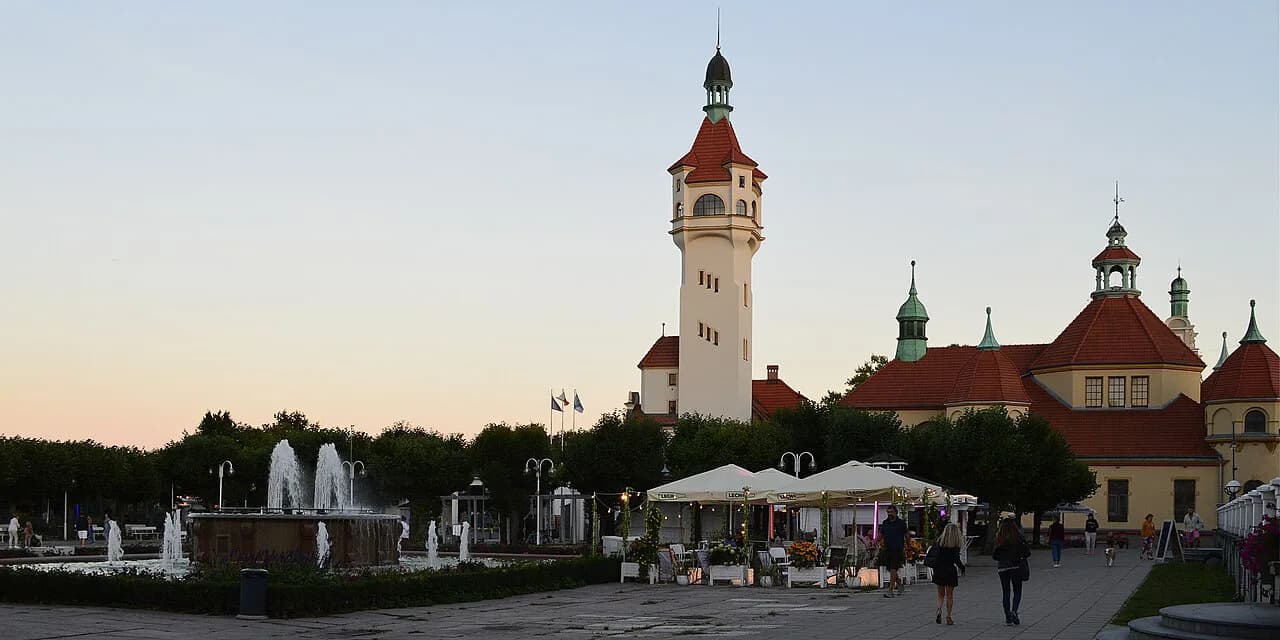
Give Sopot one full day and you can cover the pier, the lighthouse, Monte Cassino Street and a park loop without rushing; a second day lets you add the Forest Opera, the Sopot Museum and the early medieval settlement. The resort packs its headline sights into a compact strip between the station and the sea, so most of the plan is walking. This guide groups the sights into realistic time blocks, explains what each one is, and points out where money changes hands and where it does not.
The wooden pier: start here
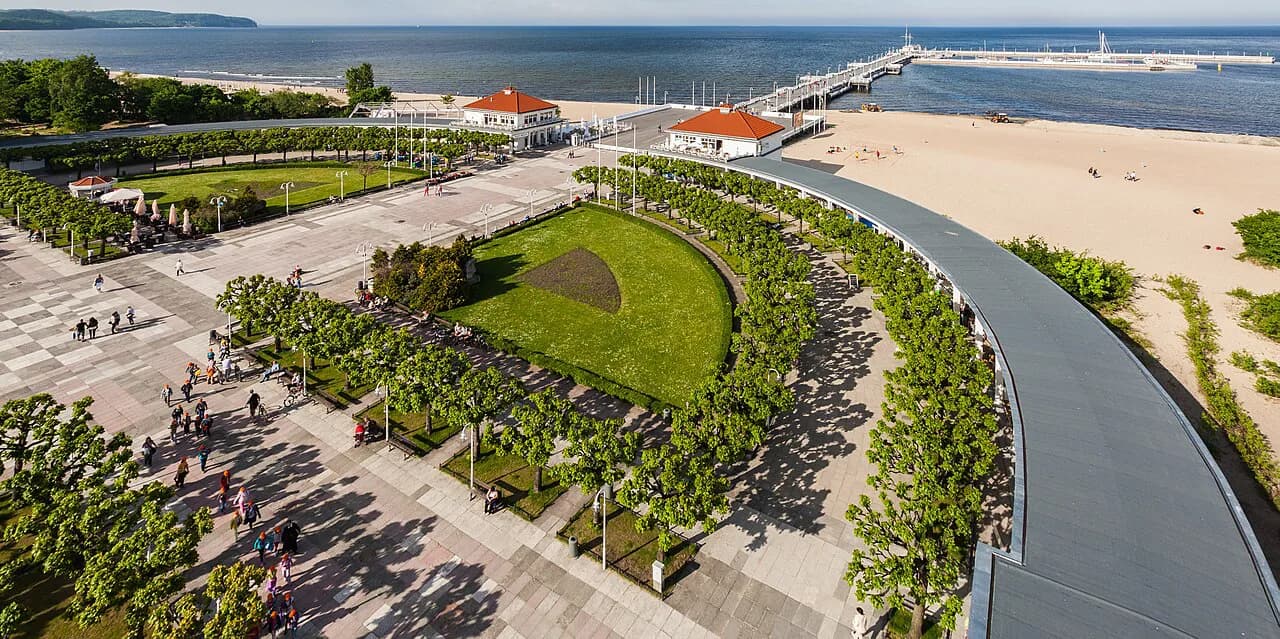
The pier, or Molo, is Sopot's defining sight and the natural first stop: it runs 512 metres out into the Bay of Gdańsk and is described as one of Europe's longest wooden piers. Allow roughly half an hour to walk out and back at an unhurried pace, longer if you stop for photographs of the shoreline looking back at the town. In winter the pier is free to enter, and it stays open all year round, so an empty off-season boardwalk is a realistic option.
Pair the pier with the lighthouse tower for a single block of about one to one and a half hours, which covers the walk out, the climb and the view back over the gulf. The tower gives you the layout of the whole resort in one glance, which makes everything afterwards easier to place. Do this first and the rest of the day navigates itself.
Bohaterów Monte Cassino Street, the spine of the resort
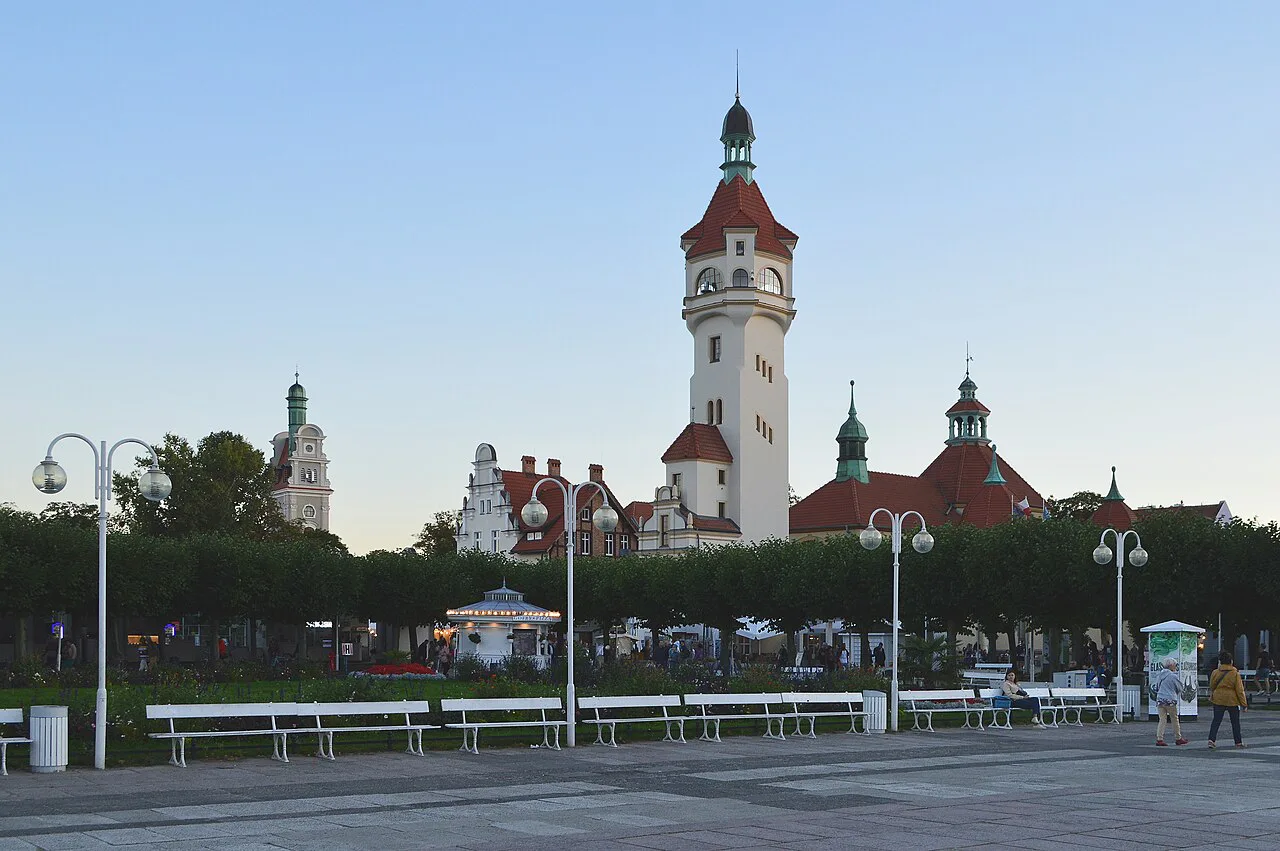
Bohaterów Monte Cassino Street, known locally as Monciak, runs from the railway station down to the pier and is the axis on which Sopot is built. It is lined with cafés, restaurants and shops, and walking it end to end takes maybe fifteen minutes without stops, considerably longer with them. Treat it as the connective tissue of the day rather than a sight in itself: you will cross it several times.
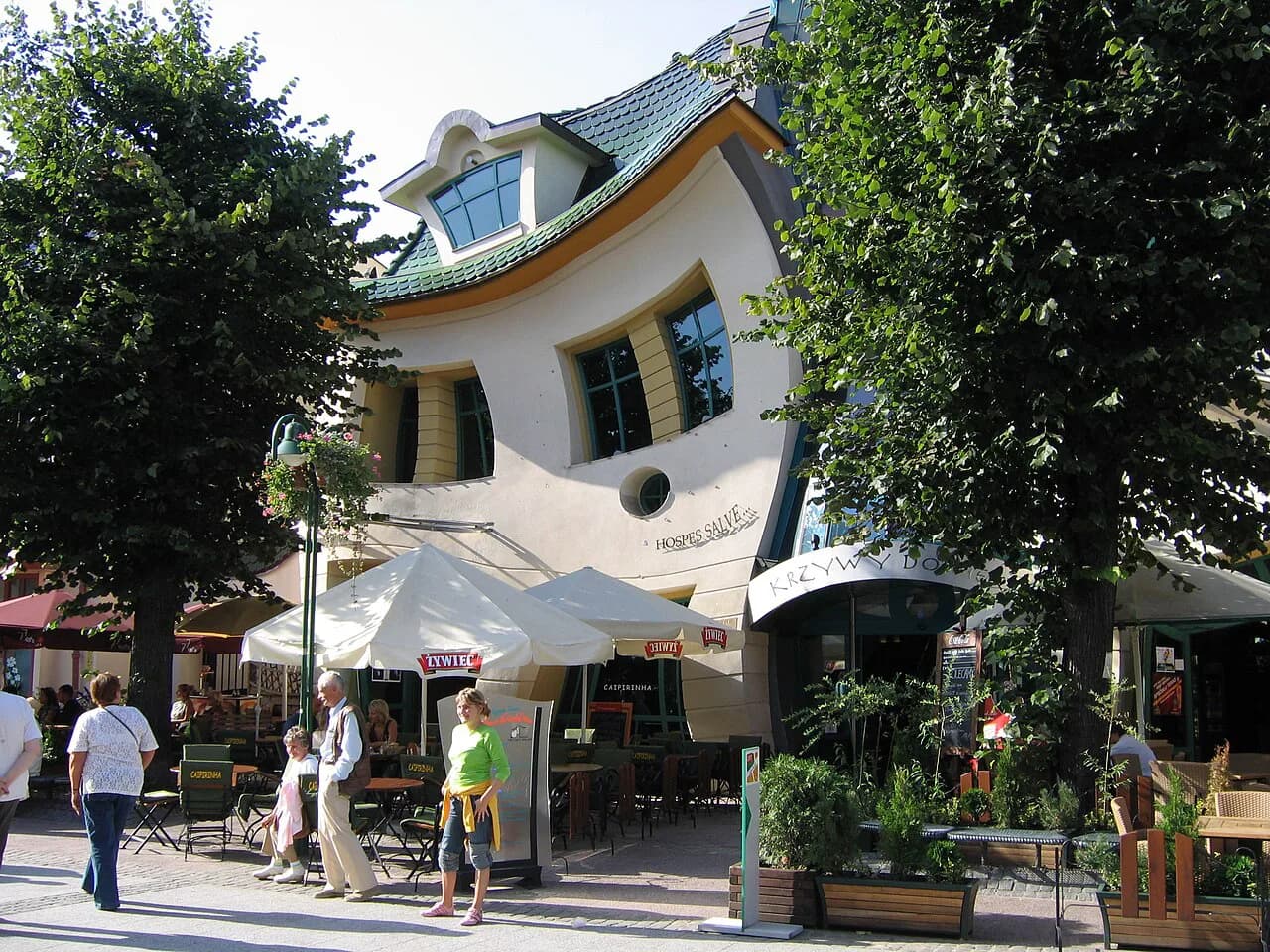
Two curiosities sit on or just off this street. The Crooked House, Krzywy Domek, is an architectural oddity that bends and warps as you look at it, and it is impossible to miss on the walk down. Nearby stands the Tightrope Walker statue by Jerzy Kędziora, a figure apparently defying gravity, which makes a quick stop between the station and the pier. Both are free to look at and take minutes rather than hours.
Plac Zdrojowy and the Dom Zdrojowy gallery
Where Monciak meets the shore you reach Plac Zdrojowy, the spa square that marks the old resort heart, with the Dom Zdrojowy (Spa House) standing on it. The reconstructed building houses the State Art Gallery, whose collection leans heavily towards Polish art, and a natural spring bubbles up inside. It is a sensible rainy-hour stop: compact, central and close to the pier.
Check the gallery's current opening days and ticket price directly with the venue before you build a day around it, since these change by season and exhibition. If you want a wider look at the town's museums, our Sopot museum guide sets out what each one covers, and a Sopot walking tour can string them together without backtracking.
The Grand Hotel and the seafront north of the pier
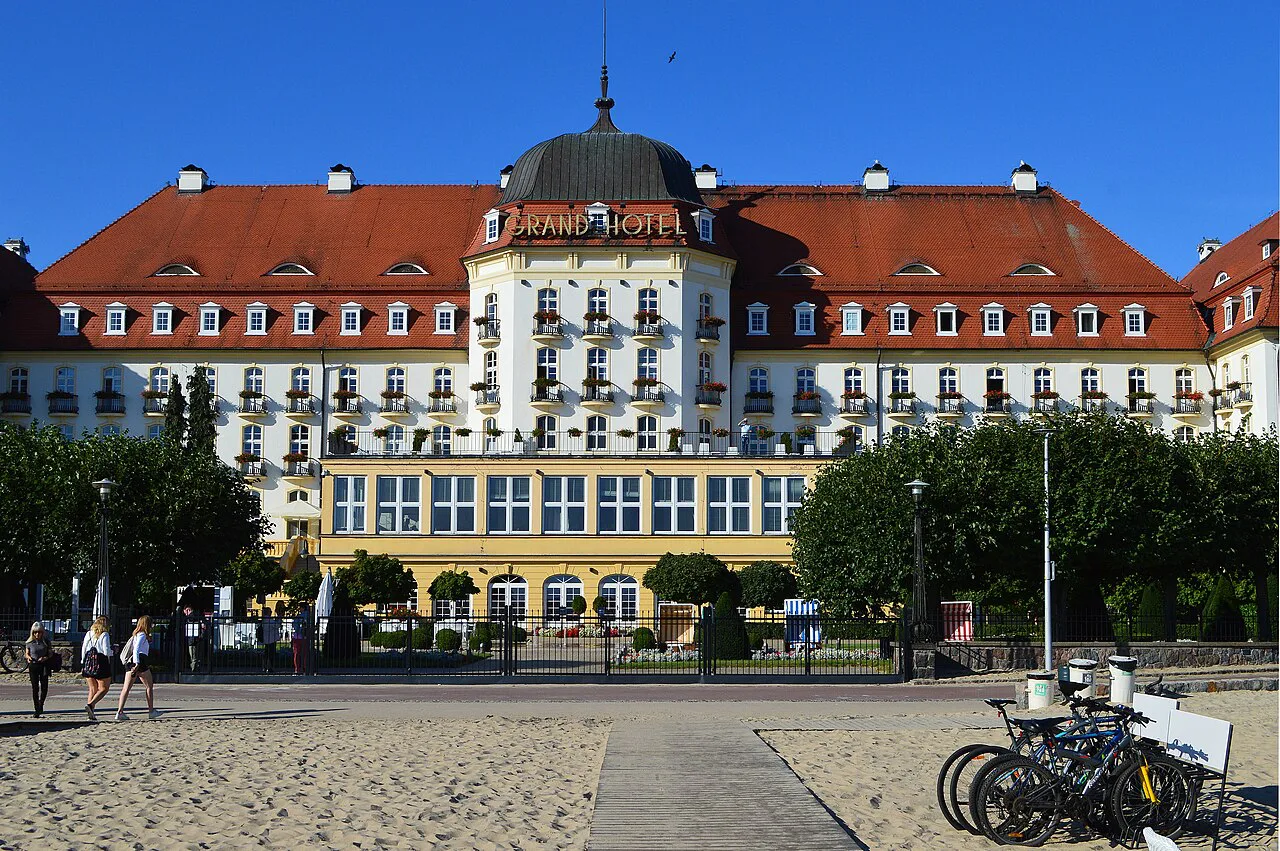
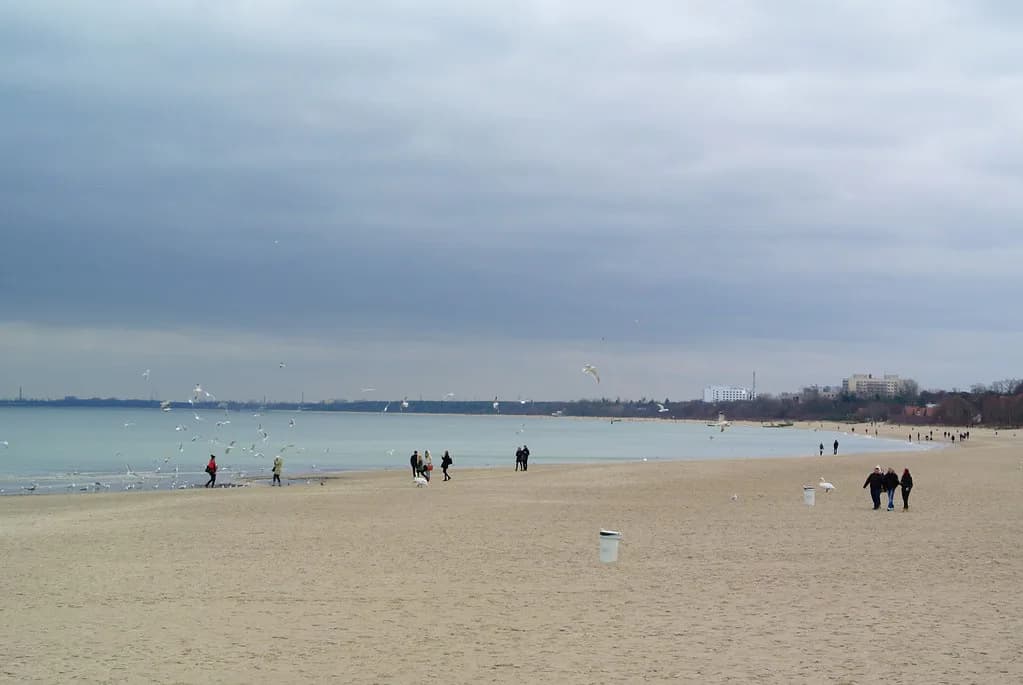
North of the pier stands the Grand Hotel, a landmark dating to 1927 and the resort's most recognisable building after the pier itself. The seafront walk in this direction is the place to see it properly, with the beach on one side and the wooded ridge behind the town on the other. Keep the beach element brief in your plans: the shore is a wide stretch of golden sand and the town's summer drawing card, but it is a place to sit rather than a sight to tick off.
Sopot Museum in its early-20th-century villa
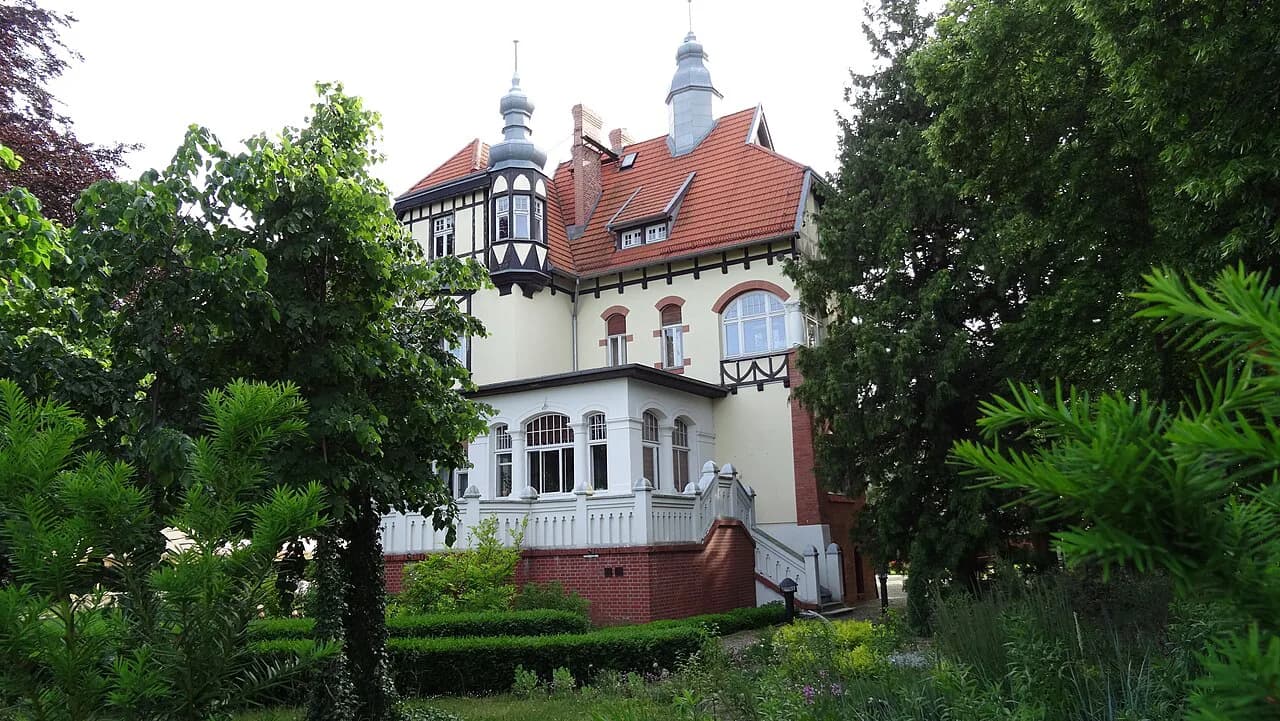
The Sopot Museum occupies an early 20th-century villa on the seafront and tells the story of the resort's growth as a spa town. It is small enough to fit into an hour and works best as an afternoon or wet-weather stop rather than a morning anchor. The building itself, with its period interiors, is half the reason to go.
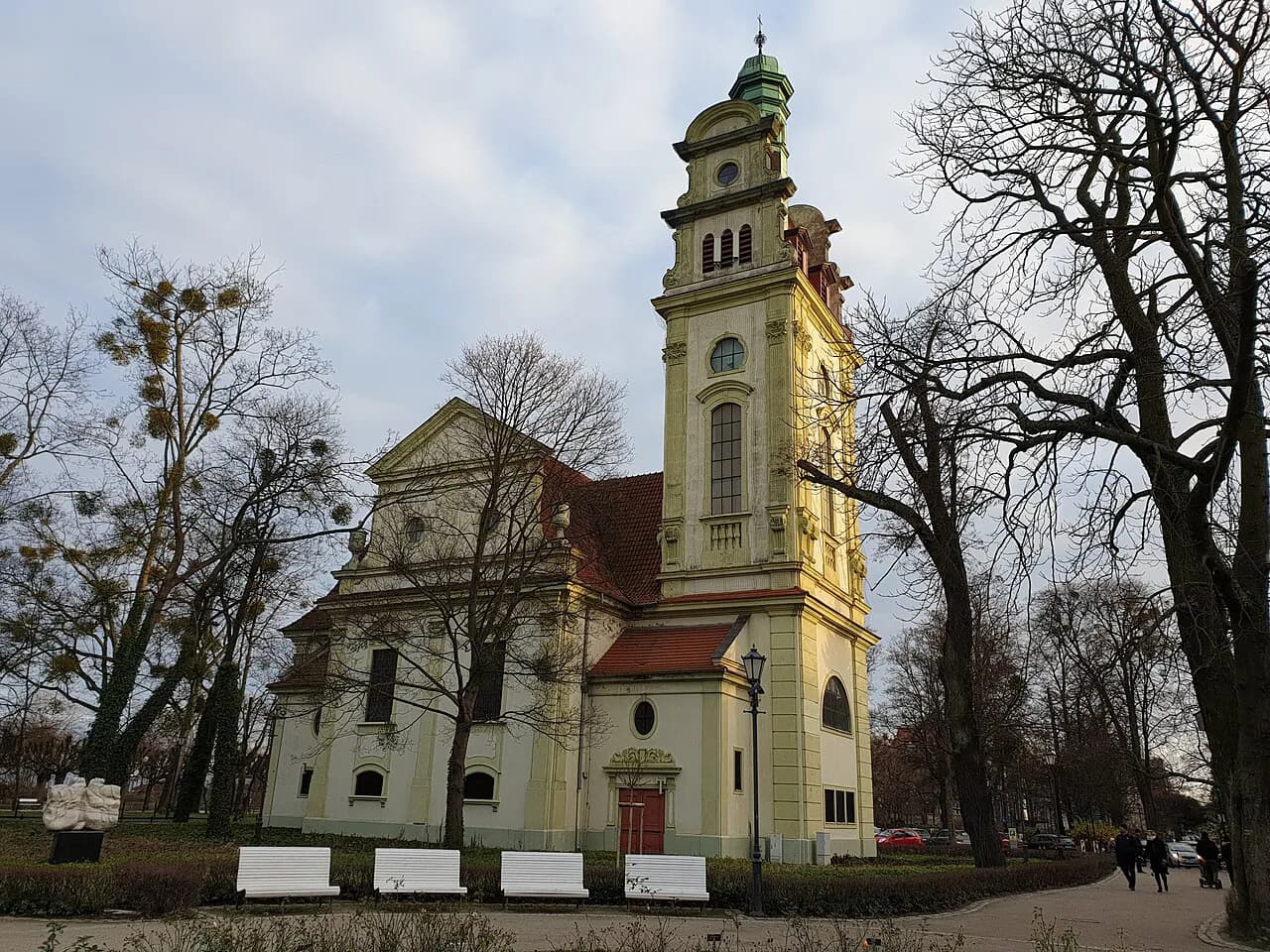
The resort's own history, from nineteenth-century spa guests to the villas that still line the streets, makes more sense after this visit. If churches and older architecture are your interest, the town's places of worship are covered in our Sopot church guide, and the wider Sopot Attractions: 6 Visitor Guides hub lists every sight page in one place.
Grodzisko, the early medieval fortified settlement
Grodzisko is a reconstructed early medieval fortified settlement from the eighth century, and it is the one major sight that behaves seasonally. It suits warmer months and works particularly well with children, with archaeological workshops on offer. Build it into a spring or summer day rather than an off-season one, and confirm the current programme with the site before turning up.
Forest Opera: the amphitheatre in the woods
The Forest Opera, Opera Leśna, is a large open-air amphitheatre set in a hilly, forested part of town, seating around 5,000 people. It is a venue first and a sight second: what is on matters more than the building, and events now run beyond the summer season. The Sopot International Song Festival has historically drawn big crowds here in August, so if you are in town then, look up what is scheduled rather than assuming a quiet forest walk.
Allow a couple of hours if you are attending a performance, including the walk up and back, and much less if you are simply passing to see the setting. It sits away from the Monciak strip, so pair it with the parks or a forest walk rather than with the pier.
The bath parks and the inhalation mushrooms
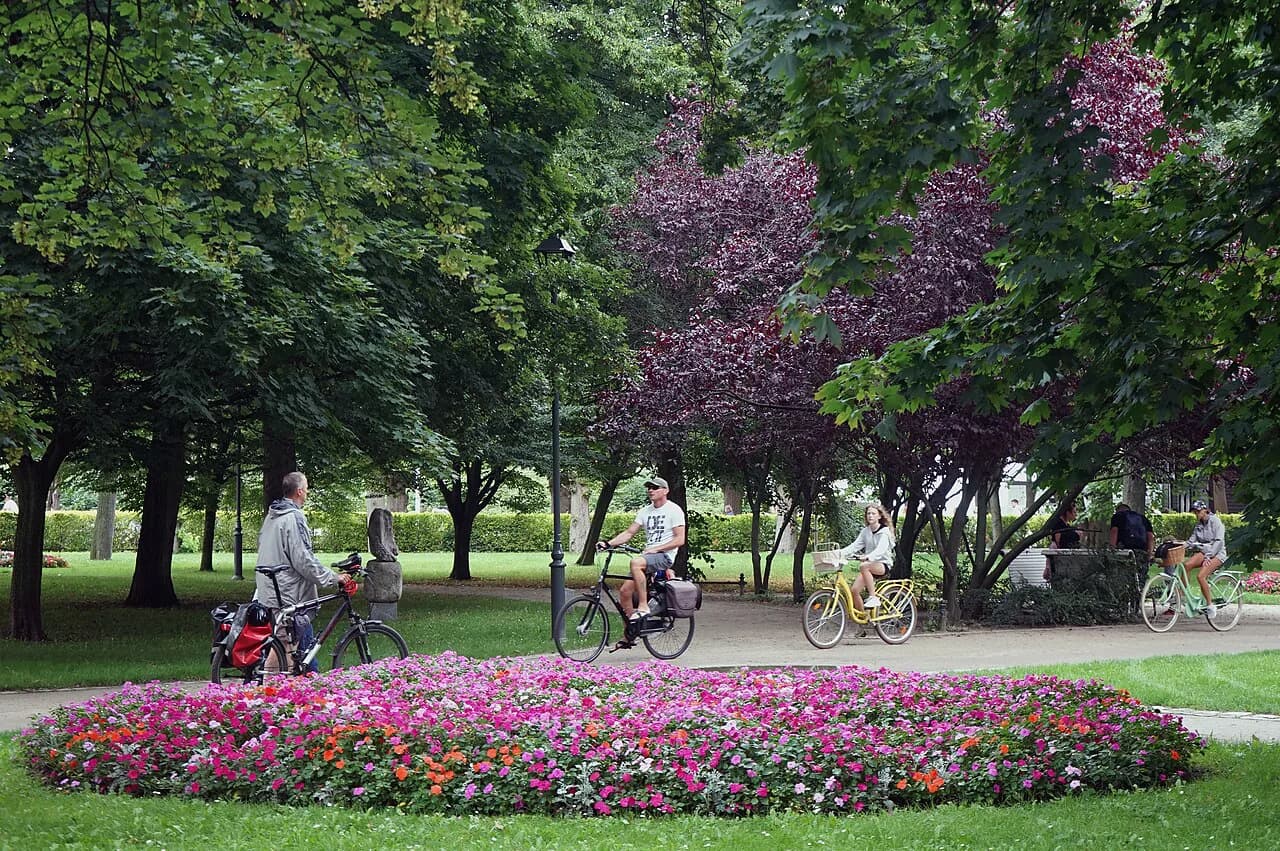
The Northern and Southern Bath Parks, Łazienki Północne and Południowe, sit near the pier and are full of rare trees and shaded walking paths. In the Southern Park you will find the inhalation mushrooms, structures where visitors breathe in healthful brine vapour, a legacy of the resort's spa reputation. A short loop through either park takes under an hour and costs nothing.
Spring and autumn are the best seasons for these walks, when the trees put on their best colour and the crowds thin out. Behind the town, the Tri-City Landscape Park offers longer trails for those who want a half-day of walking.
How many days Sopot needs
Half a day gets you Monciak, the Crooked House, the pier and a quick look at Plac Zdrojowy — enough to say you have seen Sopot. A full day adds the lighthouse, the Sopot Museum and a park loop, which is the version most visitors should aim for. Two days lets you add Grodzisko, the Forest Opera and a proper walk in the Tri-City Landscape Park without watching the clock.
Sopot as a Tri-City base
Sopot sits between Gdańsk and Gdynia and forms part of the Tri-City, roughly 15 kilometres northwest of Gdańsk. The SKM urban train links Sopot with Gdańsk Główny and Gdynia in about 20 minutes in each direction, which makes it practical to sleep in one city and spend the day in another. If you are weighing up where to spend your time, things to do in Gdańsk covers the old town around Długi Targ and makes a natural pairing with a Sopot day.
From Gdańsk Lech Wałęsa Airport, the trip takes around 25 minutes by car or about 40 minutes by PKM and SKM trains combined. Locally, buses and trolleybuses run towards Gdynia, and Mevo city bikes work well for the coastal path. A walking tour starting from the Sopot train station is the simplest way to orient yourself on arrival.
When to go
June to August is high season: busy beaches, a lively Monciak and a crowded pier, so book accommodation and any tickets early. May and September give the best balance, with fewer tourists, lower prices and pleasant weather. Outside those months the town goes quiet, the pier stays open and the museums, parks and forest walks come into their own.
Budgeting in złoty and getting around
The pier is free to enter in winter, and the bath parks, the Crooked House and the seafront walks cost nothing at all. Ticketed sights such as the lighthouse, the Sopot Museum, the State Art Gallery, Grodzisko and any Forest Opera performance carry their own prices, so check each venue's current rate in złoty before you commit. Meals along Monciak vary widely; our Sopot food guide points you towards the better-value options.
On foot is the default for the centre, since the station, Monciak, Plac Zdrojowy and the pier form a straight line of barely a kilometre. For anything further out — the Forest Opera, Grodzisko, the forest trails — use the SKM train, local buses or a Mevo bike. If you are curious how other Polish cities compare, things to do in Katowice shows a very different industrial-city break in the Silesian Voivodeship.
Half a day or a full one?
If Sopot is one stop on a Tri-City trip, give it a full day: Monciak, the Crooked House, the pier, the lighthouse and a park loop, with the Sopot Museum as a rainy-hour backup. Only add Grodzisko and the Forest Opera if you have a second day or are staying locally. The train back to Gdańsk takes about 20 minutes, so an early evening return is easy.
Explore more Sopot guides
Frequently Asked Questions
Is Sopot worth visiting?
Yes, if you want a seaside half-day or full day within easy reach of Gdańsk. The pier, Monciak, the Crooked House and the bath parks give you a compact, walkable resort, and the SKM train makes it a simple addition to a Tri-City break rather than a separate trip.
How far is Gdańsk from Sopot?
Sopot lies roughly 15 kilometres northwest of Gdańsk, and the SKM urban train connects the two in about 20 minutes. The same line continues to Gdynia, so all three Tri-City destinations sit within a short ride of each other.
Can you walk Sopot in a day?
Yes. The station, Monte Cassino Street, Plac Zdrojowy and the pier form a straight, walkable line of about a kilometre, and the pier and lighthouse together take roughly one to one and a half hours. A full day adds the Sopot Museum and a park loop without feeling rushed.
Sources
Notes for your next Polish city break
Optional updates to our Poland guides.
You might also like
Continue reading
More guides you'll find useful