Things to Do in Warsaw: What to See in One to Four Days
Plan Warsaw by area: Old Town and Castle Square, Łazienki Park, Wilanów, Praga and the Palace of Culture, with opening days, złoty prices and walk times.
On this page
Warsaw works best as a one-day city with an Old Town core and a two-day city once you add Łazienki Park and a view from above. Give it three or four days and Wilanów, Praga and the wartime museums open up without long tram hops between every sight. This guide groups Warsaw by district and theme, with walk times, opening days, złoty prices and the trade-offs that decide what to cut.
The city is compact enough to plan on foot once you know which sights sit together: Castle Square, the Royal Castle, St John's Cathedral and the Old Market Square form one cluster, while Łazienki and Wilanów sit south along the Royal Route. Treat the Palace of Culture and Science as the modern centre's anchor, and Praga as a separate half-day on the far bank of the Vistula.
How Warsaw is laid out, and what that means for a one to four day visit
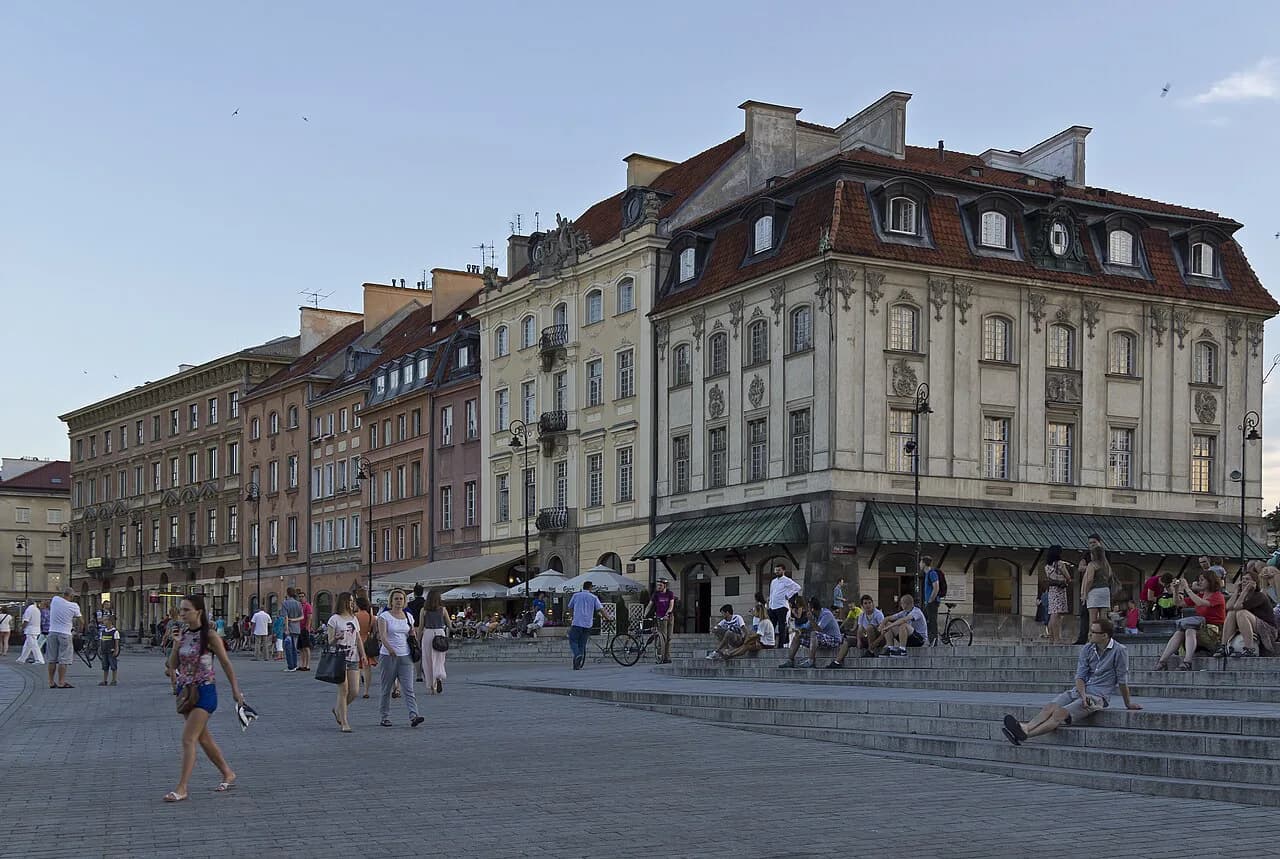
Warsaw divides into a reconstructed historic core, a post-war modern centre dominated by the Palace of Culture and Science, and the Vistula's eastern bank at Praga. The Old Town and New Town sit one after the other north of Castle Square, so you can walk from the castle through the market square and out past the Barbican without doubling back. The Royal Route runs south from the castle through the city's grander streets towards Łazienki and Wilanów.
For one day, stay inside the historic core. For two, add the southern park belt and one high viewpoint. Three and four days let you treat Wilanów and Praga as separate afternoons and give the museums the time they need, which matters because several close one day a week and opening days decide the order of your itinerary.
The trade-off is depth against coverage. Warsaw's centre was rebuilt after the Second World War, with the historic core reconstructed so faithfully that it holds UNESCO World Heritage status. Walking it with context changes what you see, and a guided walking tour is the quickest way to read the plaques, memorial markers and rebuilt facades properly.
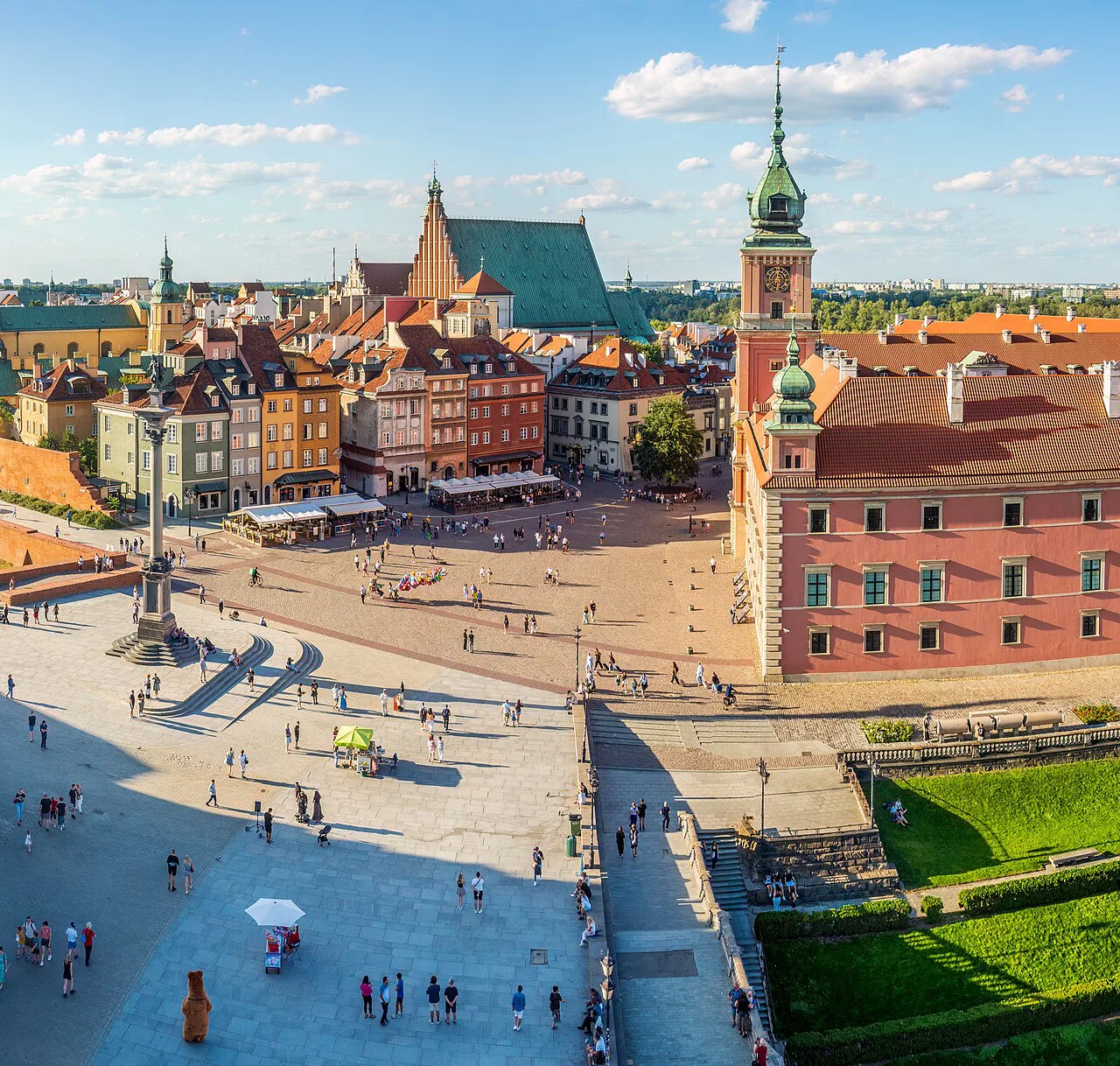
One day: Castle Square, the Royal Castle and the Old Town
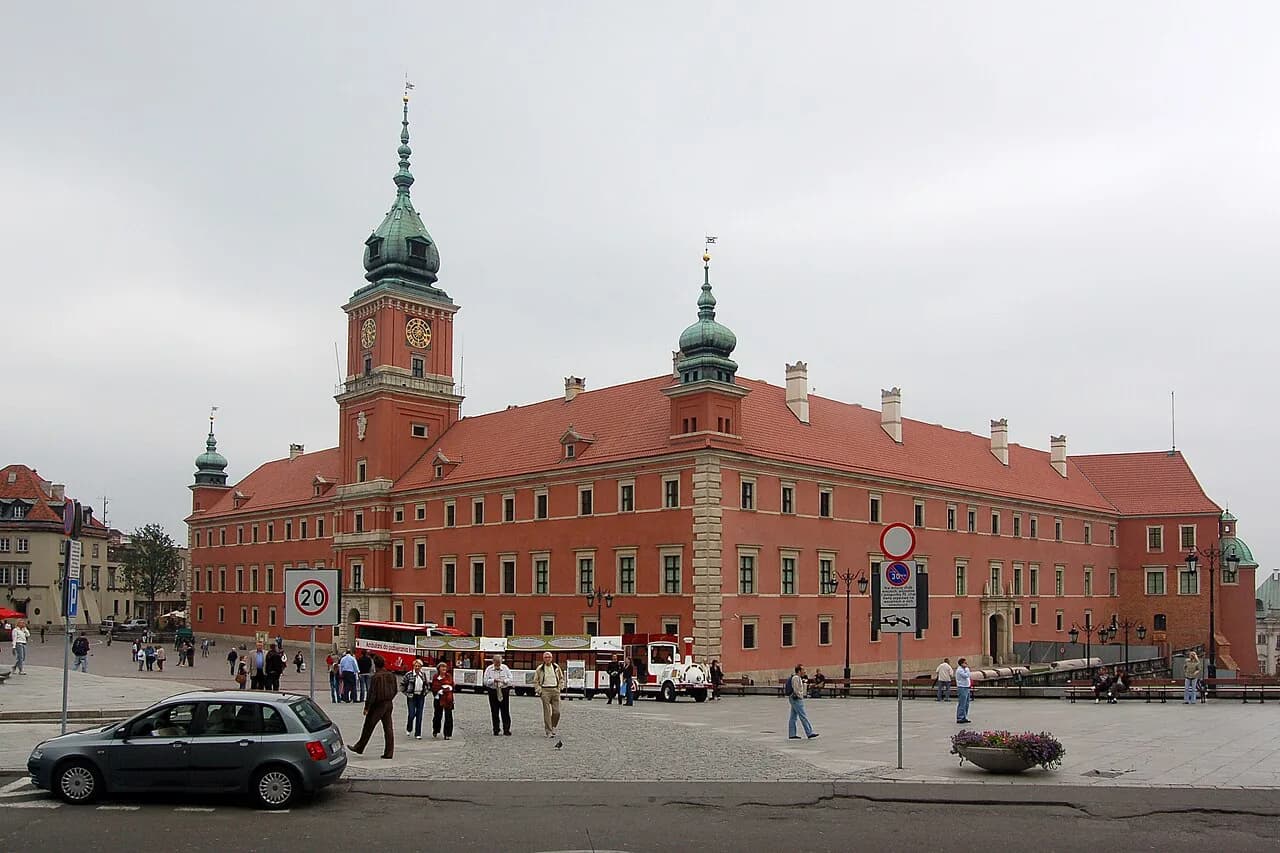
Start at Castle Square, where Sigismund's Column stands on the spot that marks the capital's move from Kraków to Warsaw in 1596, and the Royal Castle fills one side. The castle served as a royal residence from the sixteenth to the eighteenth century, and its state rooms, throne halls and painting collections are the reason to go inside rather than simply photograph the facade. Allow roughly ninety minutes to two hours if you take the audio guide, which fills in the monarchy's history room by room.
The Royal Castle opens free of charge on Wednesdays, which makes midweek the obvious day to build a Warsaw itinerary around if you want the interiors without paying. Confirm the current arrangement with the castle before you rely on it, since free-entry days can change. If your only day in Warsaw falls on another weekday, the castle ticket is still worth it and the Old Town outside costs nothing.
From the castle, walk five minutes to St John's Cathedral, the city's oldest Gothic church, then on to the Old Market Square, which dates from the end of the thirteenth century and is ringed by rebuilt townhouses. Continue north through the Barbican towers into the New Town, quieter than the Old Town and good for an evening meal. The whole loop is under two kilometres and takes an afternoon at an unhurried pace.
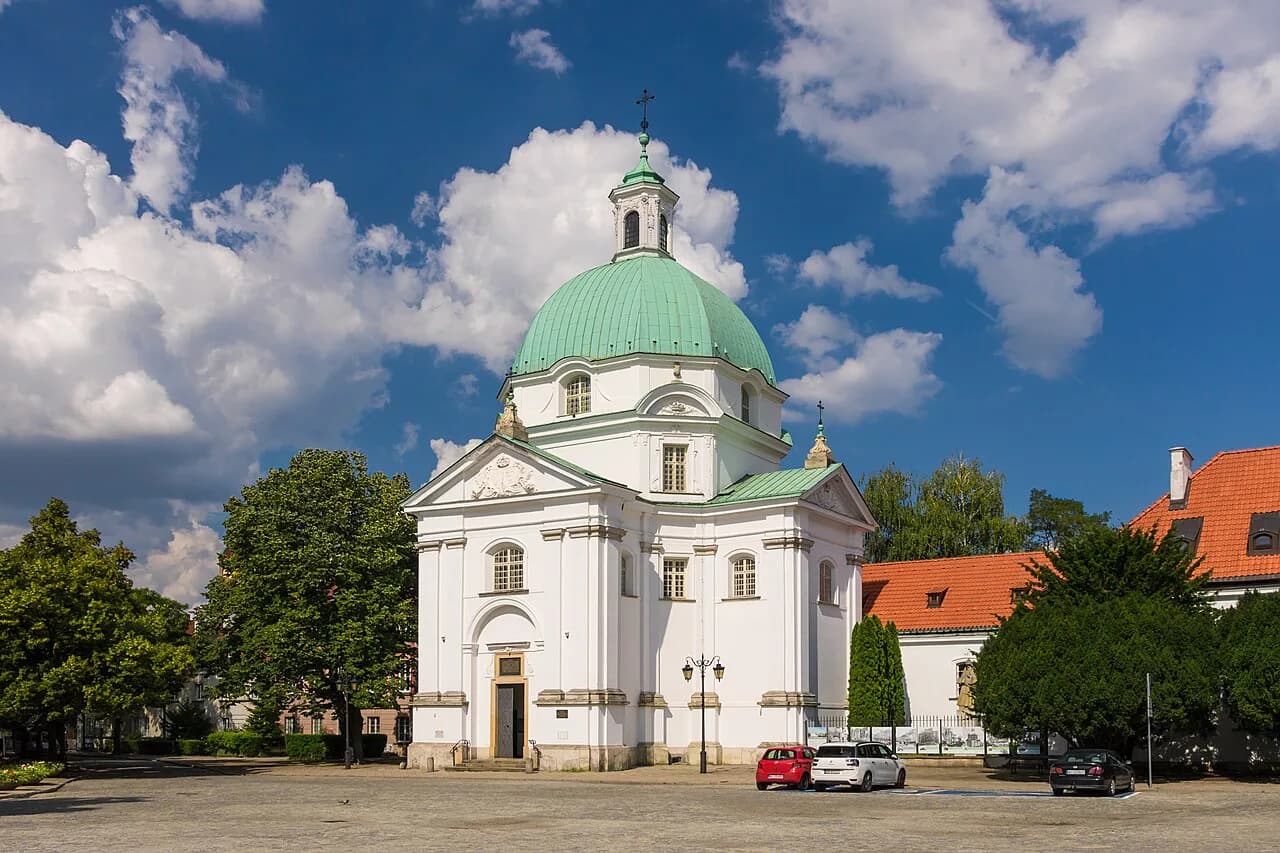
If you have time for one more stop, the bell tower at St Anne's Church near Castle Square gives a view back over the Old Town's roofs. Climbing the tower cost 7 złoty when it was described, so treat that as a historical figure and check the price at the door. It is a cheap way to see the layout of the district you have just walked.
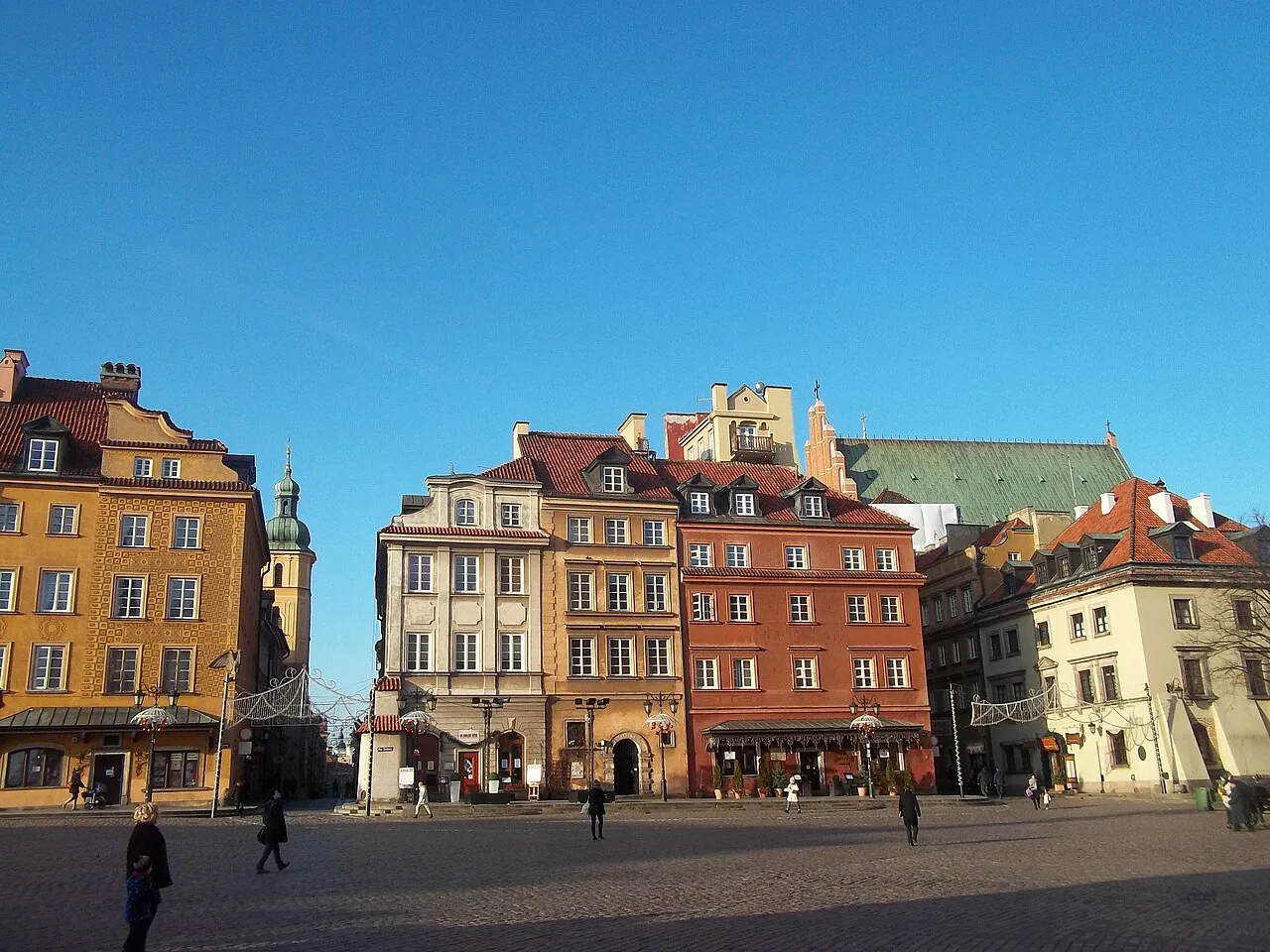
Two days: the Royal Route, Łazienki Park and the Palace of Culture viewpoint
Day two heads south. The Presidential Palace and Hotel Bristol sit a short walk from Castle Square and are two of the buildings that survived the war, because the German Nazi occupiers used them for their own administration and accommodation. Both still function, so admire them from the street and carry on down the Royal Route towards the parks.
Łazienki Park is the day's centrepiece: a large landscaped park with the Palace on the Isle at its heart, peacocks on the lawns and enough shade to make a summer afternoon comfortable. Plan at least two hours simply walking it, more if you add the park's smaller buildings. It is the single best argument for giving Warsaw a second day.
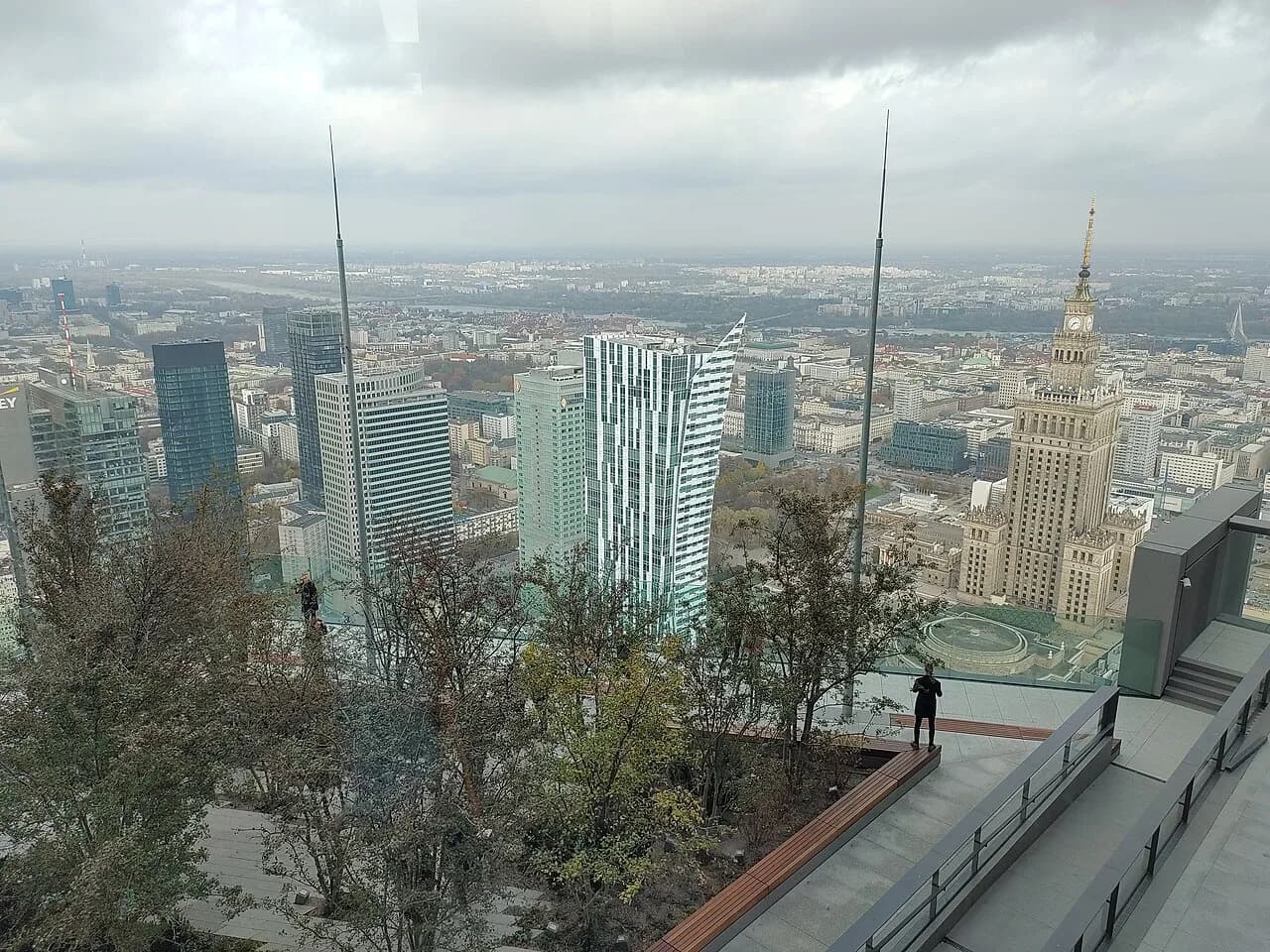
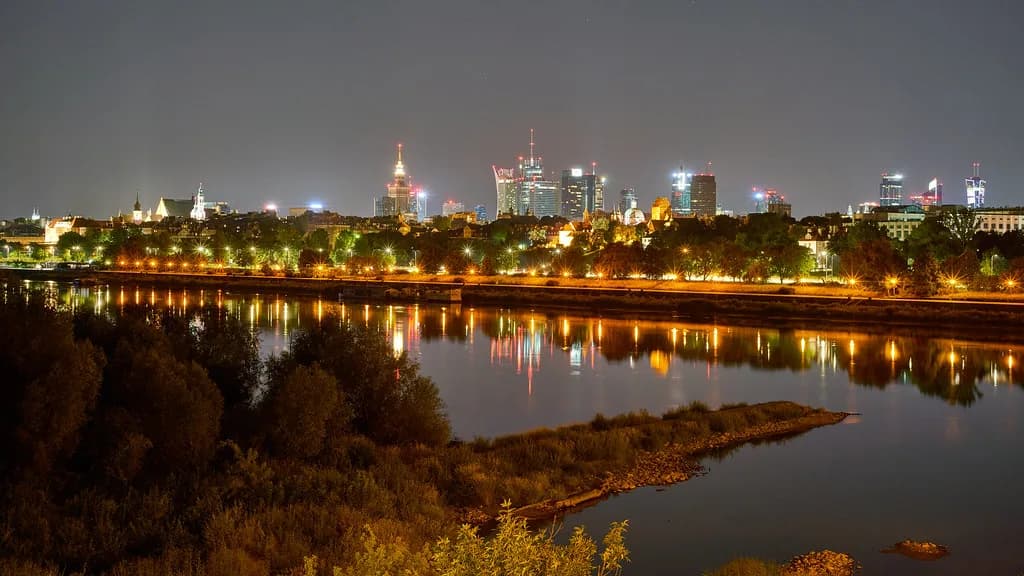
Finish with height rather than another museum. The Palace of Culture and Science, completed in 1955 and 231 metres tall, has an observation deck that shows you the whole city in one sweep, the rebuilt core on one side and the modern towers on the other. It pairs naturally with an evening in the centre and gives you a mental map for the rest of the trip.
If the weather turns, the afternoon alternative is a walk along the Vistula or a river cruise, which shows the skyline from the water and gets you close to the Poniatowski Bridge. It is a lower-effort way to see the city's geography than another long walk.
Three and four days: Wilanów, Praga and the city's museums
A third day should go to Wilanów Palace in the south, a royal residence that sits well outside the centre and deserves a half-day rather than a quick stop. Pair it with Łazienki only if you are comfortable moving between two large palace-and-park complexes in one day. Otherwise give Wilanów its own morning and keep the afternoon light.
Praga, on the eastern bank of the Vistula, is the neighbourhood for readers who want the city's alternative side: the Neon Museum and the Polish Vodka Museum are both there, along with streets that feel less polished than the centre. It is a separate half-day, not something to squeeze between Old Town sights.
A fourth day is for the museums you have skipped and for the ones that need booking. Tours and timed entry in Warsaw are sold through operators including TUI Musement, with walking tours of the Old Town, the Royal Route and the Muranów district among the options. Compare what each tour covers against the ground you have already walked before paying for a guide.
Warsaw's Old Town and New Town on foot: castle, cathedral, market square, Barbican
The Old Town is the most concentrated sightseeing in Warsaw: castle, cathedral, market square and city walls inside a few hundred metres. The Old Market Square, or Rynek Starego Miasta, is the natural pause point, with cafes around the edges and townhouses rebuilt in Renaissance and Baroque styles after wartime destruction. It is also where the district's evening life happens.
The Barbican towers mark the old defensive line and the start of the New Town, which despite the name dates from the fifteenth century. The New Town is quieter, with more churches and a monastery, and restaurants that tend to open at lunchtime and run late into the evening. Walk it in daylight for the architecture and come back for dinner.
Because the whole district was reconstructed after the war, plaques and markers do the work of explaining what stood there before. A self-guided route that follows those markers is more rewarding than wandering at random, and it keeps you from missing the smaller churches tucked between the main streets.
Castles and palaces: the Royal Castle, Wilanów and the Palace on the Isle
Three palaces, three different jobs. The Royal Castle is the one to see on a short trip because it sits in the heart of the Old Town and needs only a couple of hours. Wilanów is the one to save for a longer visit, since its park and interiors reward a half-day. The Palace on the Isle in Łazienki is the one to see even if you skip the interiors, because the walk through the park to reach it is the point.
Inside the Royal Castle, look for the Jan Matejko painting collection alongside the state rooms; it gives Polish history a visual thread that makes the rest of the city easier to read. The audio guide is worth the extra if you want the monarchy's story rather than just the rooms.
Deciding between them is mostly about time and travel. Cut Wilanów first on a two-day trip, keep the Royal Castle because it is on your route anyway, and treat the Palace on the Isle as part of a Łazienki walk rather than a separate ticketed stop. Check each palace's current ticket prices and opening days directly, since they change by season.
Museums worth your afternoon, and the free-entry day to plan around
Warsaw's museum day has a shape: several institutions close one day a week, and at least one major sight opens free on a set day, so the itinerary should follow the calendar rather than the map. The Royal Castle's Wednesday free entry is the clearest example. Build the week around that if the castle interiors are a priority.
For a rainy afternoon, the Neon Museum and the Polish Vodka Museum in Praga are compact and specific rather than encyclopaedic, which makes them easy to fit around other plans. The Museum of Life Under Communism covers the post-war period and suits readers who want the twentieth century rather than the monarchy. Several museums close one day a week, so check before you set out.
Book timed entry in advance for anything you would be sorry to miss, and keep one flexible afternoon free for whichever museum the weather or your energy suggests. That is a better use of a three-day trip than stacking two major museums back to back.
WWII and Jewish heritage: the Uprising Monument, the ghetto boundary and the Tomb of the Unknown Soldier
Warsaw was about 85 percent destroyed during the Second World War, and the city's memorial landscape explains how that happened and what was lost. The Warsaw Uprising Monument, the Tomb of the Unknown Soldier and the markers along the former Jewish ghetto boundary are the three sites to prioritise. Each is outdoors and free to approach.
The Tomb of the Unknown Soldier survived the war, and the Presidential Palace nearby was used by the German Nazi occupiers for their administration, which is why both buildings still stand. Walking between them with a guide who can explain the sequence of occupation, uprising and destruction is far more useful than visiting each in isolation.
In the former ghetto area, marble plaques mark extermination points and sidewalk lines trace the ghetto walls. Approach these as memorial sites rather than attractions: keep voices low, do not pose on markers, and let guided groups pass. A dedicated Muranów and ghetto walking tour covers the district properly if you want the full context.
Churches and towers with a view, including St Anne's bell tower
Warsaw's churches are mostly free to enter and several sit right on the Old Town walking route. The Church of the Holy Cross near the Copernicus monument holds Chopin's heart, which makes it a short, memorable stop rather than a long visit. St Anne's Church, close to Castle Square, has the tower climb that gives you the best cheap view of the historic core.
Climb St Anne's tower late in the day for the light, and expect a narrow staircase rather than a lift. If stairs are a problem, the Palace of Culture observation deck is the accessible alternative. Both give you the same lesson: Warsaw's centre is smaller and more walkable than its skyline suggests.
Parks, the Vistula and where to see the city from above
Łazienki is the park to plan around, but Warsaw's green space extends to the riverbank and the university botanic garden, which makes a quiet contrast to the rebuilt squares. The Vistula itself is the city's best free asset: a walk along the embankment gives you the skyline, the bridges and the sense of how the city sits in the plain.
For views, choose between height and water. The Palace of Culture deck gives the widest panorama, St Anne's tower gives the historic core, and a river cruise gives the skyline from below the bridges near the Poniatowski Bridge. Pick one per day rather than all three.
Markets and food: milk bars and the Nocny market
Warsaw's food scene splits between cheap canteens and evening markets. Milk bars, the surviving communist-era cafeterias, serve plain Polish cooking at low prices and are the best value lunch in the centre. The Nocny night market is the evening option, with street food stalls.
For daytime browsing, the market halls and food halls around the centre cover everything from produce to prepared meals, and they are a sensible stop when you want to eat without committing to a restaurant.
If shopping is part of the plan, the modern malls near the Palace of Culture, including Złote Tarasy, are the practical option for a rainy hour. They are not a reason to visit Warsaw, but they are useful when the weather decides your afternoon.
What a day in Warsaw costs in złoty
Warsaw is affordable by western European standards, and the biggest savings come from choosing free sights and cheap lunches. The Old Town, the New Town, the Vistula embankment, the ghetto markers and the Uprising Monument cost nothing. St Anne's bell tower was 7 złoty when it was described, and the Royal Castle has a free day each week, so a sightseeing day can be very cheap if you plan around those.
Paid entries, guided tours and palace tickets vary, so check current prices in złoty on each venue's own site before you budget. Book any private tour directly with the operator and confirm what the price includes, since entrance fees are not always bundled into the advertised rate.
When to go and which days museums open
Opening days decide the shape of a Warsaw trip more than the weather does. Several museums close one day a week, and the Royal Castle's free Wednesday means midweek visits get the best value from the castle. Check each venue's own page for the week you are travelling, since public holidays shift the pattern.
Seasonally, spring and early autumn give you long walking days without summer heat, and the parks are at their best. Summer brings the longest evenings and the most outdoor life along the Vistula, while winter shortens the sightseeing day considerably. Use typical climate averages rather than a forecast when you pick your dates.
One practical note on Sunday: Poland restricts Sunday trading, so do not plan a shopping day around it. Sightseeing, parks and museums are unaffected, and Sunday is a good day for the outdoor memorial route.
Is Warsaw walkable, or do you need trams?
The historic core is entirely walkable: Castle Square to the Old Market Square is a few minutes, and the Barbican to the New Town is barely further. The Palace of Culture and the modern centre are a twenty-to-thirty-minute walk from the Old Town, or a short tram ride if you are short of time.
The exceptions are Łazienki and Wilanów, which sit south of the centre and are best reached by tram or bus rather than on foot. Plan them as half-day trips with transport at each end, and keep the centre for days when you want to walk from sight to sight.
If you are comparing Polish cities, Warsaw's scale is closer to Łódź than to the compact old towns of Gdańsk or Katowice. The Old Town is dense, but the city as a whole rewards a transport pass for the longer hops.
How many days does Warsaw actually need?
Two full days cover Warsaw's essentials: Castle Square and the Old Town on day one, then the Royal Route, Łazienki Park and an observation deck on day two. Three days add Wilanów or Praga, and four let you include the wartime museums and the ghetto memorial route without rushing. Anything less than a full day gives you the Old Town and little else. If you are weighing Warsaw against the rest of the country, our Poland guide to planning a 4, 7 or 10-day city break shows how to slot it into a longer trip.
Plan the week around the Royal Castle's free entry day and around museum closing days, then book only the tours and timed entries you would regret missing. Keep one afternoon flexible for weather and energy, and let the districts rather than a checklist set the order of your days.
Explore more Warsaw guides
Frequently Asked Questions
Is Warsaw a cheap city to visit?
Yes, by western European standards. The Old Town, the New Town, the Vistula embankment, the ghetto markers and the Uprising Monument are free, and milk bars keep lunch cheap. Paid entries and guided tours vary, so check current złoty prices with each venue before you budget.
What are the best free things to do in Warsaw?
Walk the Old Town and New Town loop from Castle Square through the Old Market Square and out past the Barbican. The Vistula embankment, the Warsaw Uprising Monument, the Tomb of the Unknown Soldier and the ghetto boundary markers are all outdoors and free, and the Royal Castle opens free one day a week.
Is Warsaw walkable?
The historic core is fully walkable, with Castle Square, St John's Cathedral, the Old Market Square and the Barbican all within a few minutes of each other. The Palace of Culture and the modern centre are a twenty-to-thirty-minute walk away, while Łazienki and Wilanów need a tram or bus.
Do I need to book Warsaw museums in advance?
Book timed entry for anything you would be sorry to miss, especially on the Royal Castle's free day when demand is highest. Smaller museums in Praga such as the Neon Museum and the Polish Vodka Museum are easier to fit in on the day, but check opening days first because several close one day a week.
Sources
Notes for your next Polish city break
Optional updates to our Poland guides.
You might also like
Continue reading
More guides you'll find useful