
Krzeptówki, Zakopane: what to see in the Fatima shrine district

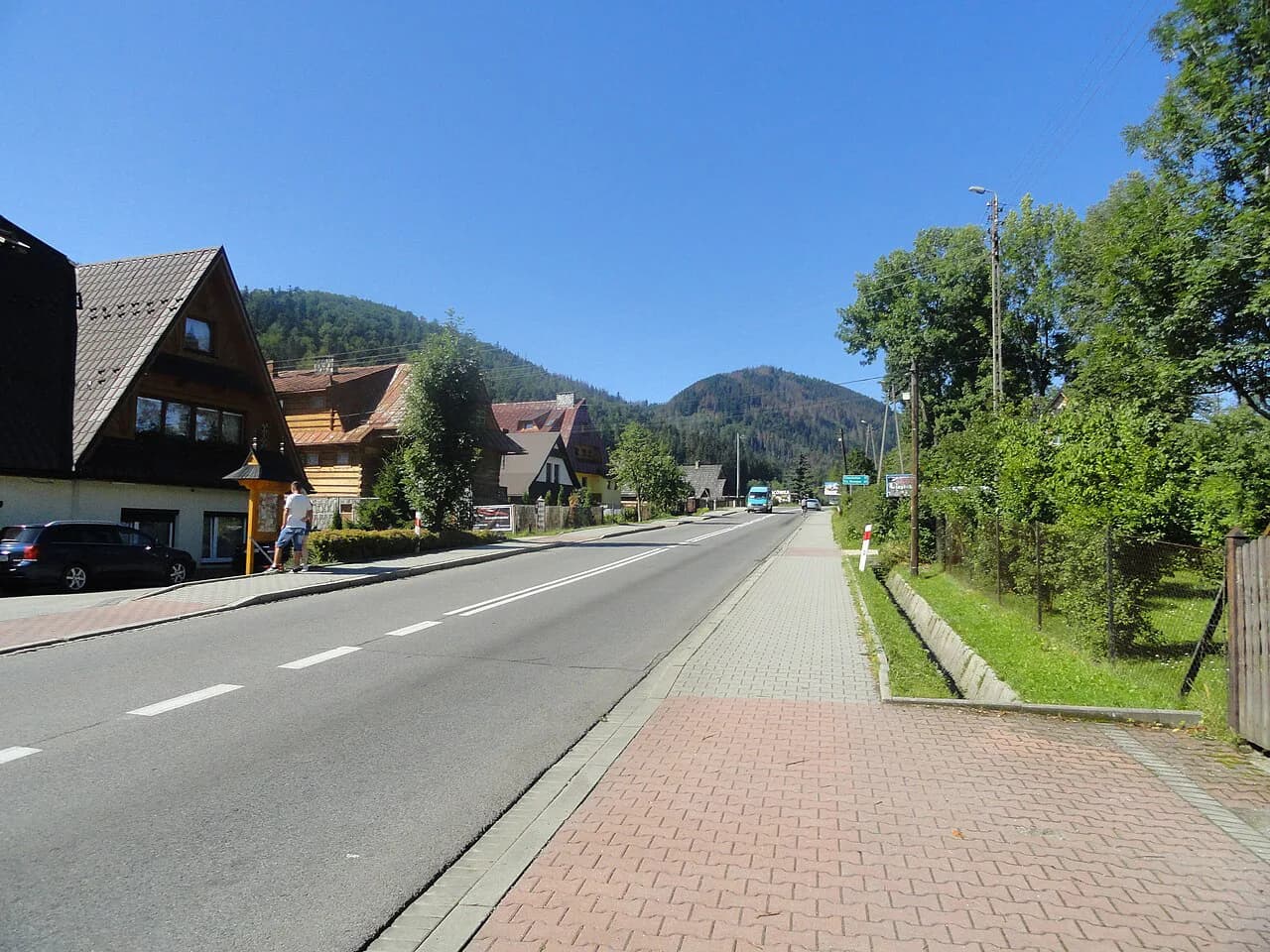
Krzeptówki is a hillside district on the south-western edge of Zakopane, roughly 2.5 km from the centre and built along ulica Krzeptówki where it continues from ulica Kościeliska and Skibówki and heads out towards Kościelisko, Chochołów and Czarny Dunajec. Its centrepiece is the National Shrine of Our Lady of Fatima at ul. Krzeptówki 14, so treat the area as a half-day of religious heritage rather than a full day of sights. This guide covers who the district suits, what the shrine contains, the published service times that shape a visit, and the measured walk the town itself recommends.
Where Krzeptówki is and how it is laid out
The district follows a single main street that climbs south-west out of Zakopane, which makes it easy to read: you walk up ulica Krzeptówki, and everything worth seeing sits along or just off it. The town's own walking guide measures the full route from the shrine through Stare Krzeptówki to Dolina za Bramką at 2.2 km, with a walking time of one hour, so the geography is compact rather than sprawling. The name comes from the Góral surname Krzeptowski, and this was the home ground of that family, including guides and musicians.
Because the street is the district, there is no square to orient yourself by and no dense cluster of cafés or shops to fall back on. Plan your visit around the shrine as the fixed anchor and the walk as the second half, rather than arriving and hoping to find something to do. If you want a livelier base with restaurants on the doorstep, compare the other districts in Zakopane Neighborhoods: 5 Area Guides before committing to this one.

Who Krzeptówki suits, and who it does not
Krzeptówki is for pilgrims, walkers and travellers interested in religious heritage and Góral history who want a quiet, purposeful half-day away from the busiest streets. It is not the district for a first visit to Zakopane if you want Krupówki and the main restaurant strip within a few minutes' walk; that experience belongs to the centre. Families and casual visitors who want a lot of variety in one afternoon will find the offer thin, while anyone drawn to the story behind the church will find it unusually rich for its size.
The district also works well as a quiet contrast to the busier neighbourhoods south of the centre. If your trip mixes heritage stops with leafy streets and wooden architecture, look at Harenda Zakopane and Jaszczurówka for a different side of the town.

The shrine at ul. Krzeptówki 14 and why it exists
The National Shrine of Our Lady of Fatima was built as a votive thank-offering for the survival of John Paul II after the attempt on his life on 13 May 1981, which is the key to reading the building. The town guide records that the site was blessed for construction in June 1987, that the design was by Stanisław Tylka of Zakopane, that building was completed in 1992, and that John Paul II consecrated the church in 1997 during his visit to Zakopane. The interior carries his figure repeatedly in the stained glass and the Stations of the Cross, so the church reads as a monument to that papacy as much as a Marian shrine.
Behind the church, in the garden, stands an altar by Marek Szala at which John Paul II celebrated Mass in 1997. The shrine is run by the Pallottine fathers, whose presence on Krzeptówki goes back to 1950, when priests of the order settled here. Give the church interior and garden somewhere between 30 and 60 minutes if you read the details.
The town guide states that the sanctuary is open for sightseeing outside the hours when Mass is being celebrated, which is the practical rule to plan around rather than a printed opening time. Build your arrival around a service finishing rather than an assumed all-day opening.
The original Fatima figure and the chapel of the Immaculate Heart of Mary
The figure of Our Lady of Fatima that gives the shrine its focus is an original one, given to Cardinal Stefan Wyszyński by a Portuguese bishop and blessed by Karol Wojtyła when he was Bishop of Kraków. It reached Krzeptówki in the early 1960s and now stands in the chapel of the Immaculate Heart of Mary, which is worth finding before you leave the building. Knowing this makes the small chapel, rather than the large modern church, the emotional centre of a visit.
Timing a visit around Mass and the Fatima devotions
Mass times shape any visit, and the shrine publishes its own schedule for Sundays and Holy days and for weekdays. Devotions to the Immaculate Heart are held daily in the chapel, and confession is available during Masses and at set periods on weekdays. The schedule is the one the Pallottine fathers publish, so read it for your own dates rather than relying on a remembered pattern.
The reason to time a trip here deliberately is the Fatima cycle: the shrine holds vigils on the 13th day of each month from May to October, with a penitential rosary, Mass and a rosary procession with candles, and Fatima Sundays on the first Sunday after the 13th in the same months. A Marian procession with a brass band and a mounted band leaves the shrine for the streets of Zakopane on the Sunday after 13 May and the Sunday after 13 October. If you are in Zakopane on those days, build the rest of the day around the shrine and expect it to be busy.
The shrine streams its services, so you can follow the liturgy remotely, but the live broadcast is no substitute for the published times if you intend to attend in person.
Stare Krzeptówki and the Sabała cottage
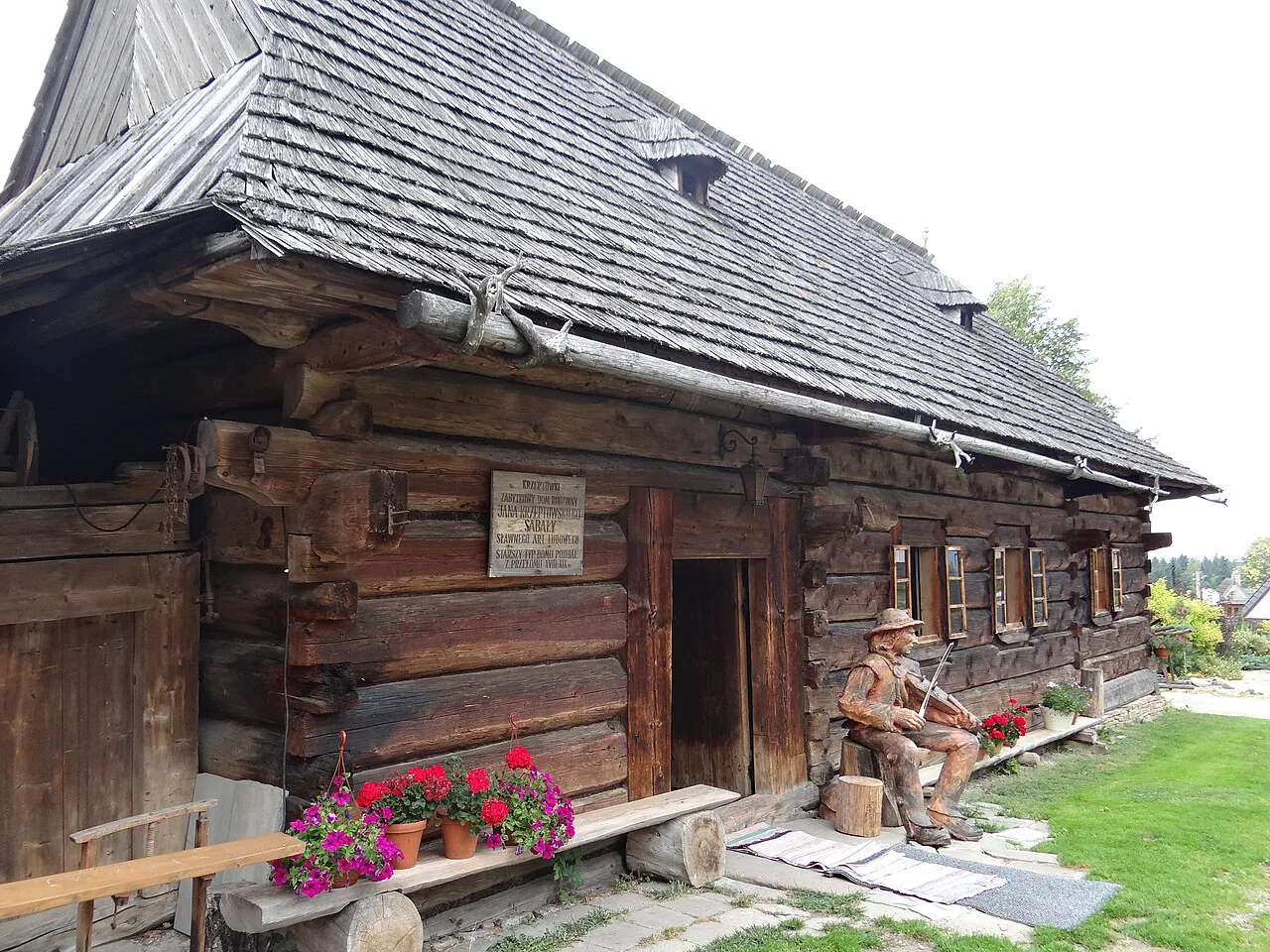
Above the shrine, the lane of Stare Krzeptówki leads to the chałupa Sabały, a wooden cottage from the turn of the eighteenth and nineteenth centuries that belonged to Jan Krzeptowski Sabała. He was a Góral hunter, musician, storyteller and Tatra guide who took part in Dr Tytus Chałubiński's celebrated excursions into the mountains, and his family name is the one the district carries. The cottage is in private ownership and is shown to visitors by arrangement: the town guide gives a telephone number to ring, which is the correct way to ask about seeing it. Do not turn up expecting a museum with published opening hours.
The town's 2.2 km walk from the shrine to Dolina za Bramką
The route the town recommends is a measured one: 2.2 km and about one hour, starting at the shrine, passing through Stare Krzeptówki past Sabała's cottage, and ending at Dolina za Bramką. That is a genuine half-day when you add the time inside the church and a pause at the cottage, and it is short enough to fold into a day that also uses the Kościeliska road. Treat the one-hour figure as walking time in the town's sense, not as a target that includes sightseeing.
If you want to extend the day with other easy walking in the town's neighbourhoods, Jaszczurówka, Zakopane and the wooded lanes around Harenda make sensible companions to this route.
Getting there and combining it with the Kościeliska road
Krzeptówki is about 2.5 km south-west of central Zakopane on ulica Krzeptówki, which is reached by continuing along ulica Kościeliska past Skibówki. It is a walkable approach from the centre for anyone comfortable with a steady uphill stretch, and a short taxi ride if you would rather save your legs for the route above the shrine. The street also functions as the road out of town towards Kościelisko, Chochołów and Czarny Dunajec, so it fits naturally into a day heading west.
Because the district is one street, getting around on foot once you arrive is simple: there is no need for local transport between the shrine and Stare Krzeptówki. Pair the visit with the Kościeliska road if you want a fuller day, and keep the shrine walk as the quieter, more reflective half.
Where to eat and stay in the district
Krzeptówki is predominantly residential and pilgrimage-focused, with little in the way of restaurants or cafés, so plan on eating before or after your visit. Travellers who want a base in the area usually stay in central Zakopane and come up for a morning or afternoon, which keeps restaurant choice and evening options open. This is a stop to build into a day, not a neighbourhood to build a trip around.
The honest trade-offs
The approach is uphill, the district has little in the way of shops or cafés, and the sights reward an interest in religious heritage and Góral history far more than they reward a general sightseer. The shrine is a focused 30 to 60 minute stop and the town walk adds about an hour, which makes Krzeptówki a good half-day rather than a destination in its own right. Come for the story of the votive church and the Fatima devotions, and fit the rest of Zakopane around it.
Is Krzeptówki worth an afternoon?
Yes, if you want a quiet half-day of religious heritage with a clear story behind it: the votive church, the original Fatima figure in the chapel of the Immaculate Heart of Mary, Sabała's cottage by arrangement, and the town's own 2.2 km walk. No, if you want a lively base with restaurants and Krupówki on the doorstep, or a packed day of varied attractions. Time it around a Fatima vigil or Fatima Sunday if the devotions interest you, and build the rest of the day elsewhere.
Explore more Zakopane guides
Frequently Asked Questions
How do I get to Krzeptówki from central Zakopane?
Follow ulica Kościeliska out of the centre and continue onto ulica Krzeptówki, which begins past Skibówki. The shrine sits about 2.5 km south-west of the centre, and the approach is uphill for most of the way, so many visitors walk up and take a taxi back down.
Can I see Sabała's cottage?
The cottage on Stare Krzeptówki is privately owned and shown to visitors by prior arrangement rather than at set opening hours. Ring the number the town's walking guide gives for the cottage before you go, and do not plan your day around a guaranteed interior visit.
Is there an entry fee for the shrine?
The shrine is a working place of worship run by the Pallottine fathers, and the town guide describes it as open for sightseeing outside Mass times rather than as a ticketed attraction. Check the shrine's own site for the current arrangements before you travel.
When is the shrine busiest?
The 13th of each month from May to October brings Fatima vigils with a penitential rosary, Mass and a candlelit procession, and the first Sunday after the 13th brings Fatima Sundays. The Marian procession through Zakopane takes place on the Sunday after 13 May and the Sunday after 13 October, so those dates draw the largest crowds.