Is Zakopane Worth Visiting? An Honest Answer for Travellers
Yes, Zakopane is worth visiting for Tatra mountain scenery and highland culture, but a rushed day trip from Kraków barely scratches the surface.
On this page
Yes, Zakopane is worth visiting, but only if you treat it as a mountain base rather than a town break. The Tatra scenery, the wooden highland architecture and the walking are the reasons to come, and seeing them well takes more than a day. This guide covers what the town does well, who it suits, how many days it needs and how to move between the centre and the valleys.
The honest trade-off is that Zakopane's centre is a lively strip of shops and cafés rather than a sight-packed old town. Travellers who want museums and squares in walking distance may find two days plenty, while walkers can fill three without trying. Zakopane suits people who enjoy the outdoors.
The short answer
Zakopane earns its reputation as the gateway to the Tatra Mountain Park, and that park is the main event. The town itself is compact and walkable, with Krupówki as its main street, so you can cover the centre in an afternoon and spend the rest of your time higher up. If mountains are not your thing, the case for coming weakens considerably.
The mistake most visitors make is squeezing Zakopane into a single day from Kraków. You arrive, walk Krupówki, perhaps ride up Gubałówka, and leave without setting foot on a proper trail. Give it two nights at least and the trip changes character entirely.
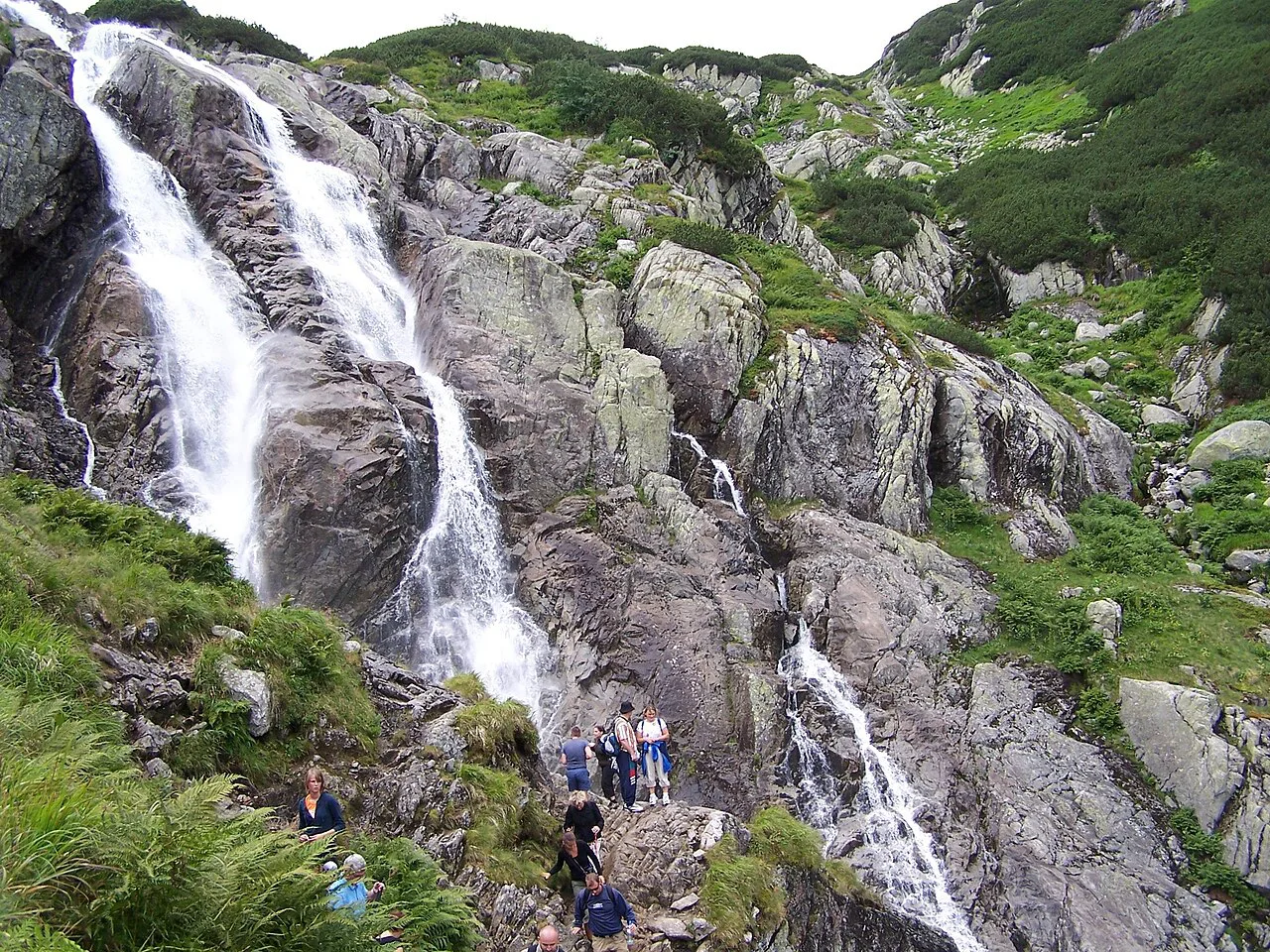
What Zakopane is known for: Krupówki, the Zakopane style and the Tatra National Park
Krupówki is the town's social spine, a lively pedestrian street lined with shops, restaurants and cafés where you can stroll, people-watch and buy local crafts and souvenirs. It runs for less than a kilometre, so it is a place to wander rather than a sight to tick off. Expect crowds in the middle of the day and a calmer, more local feel in the evening.
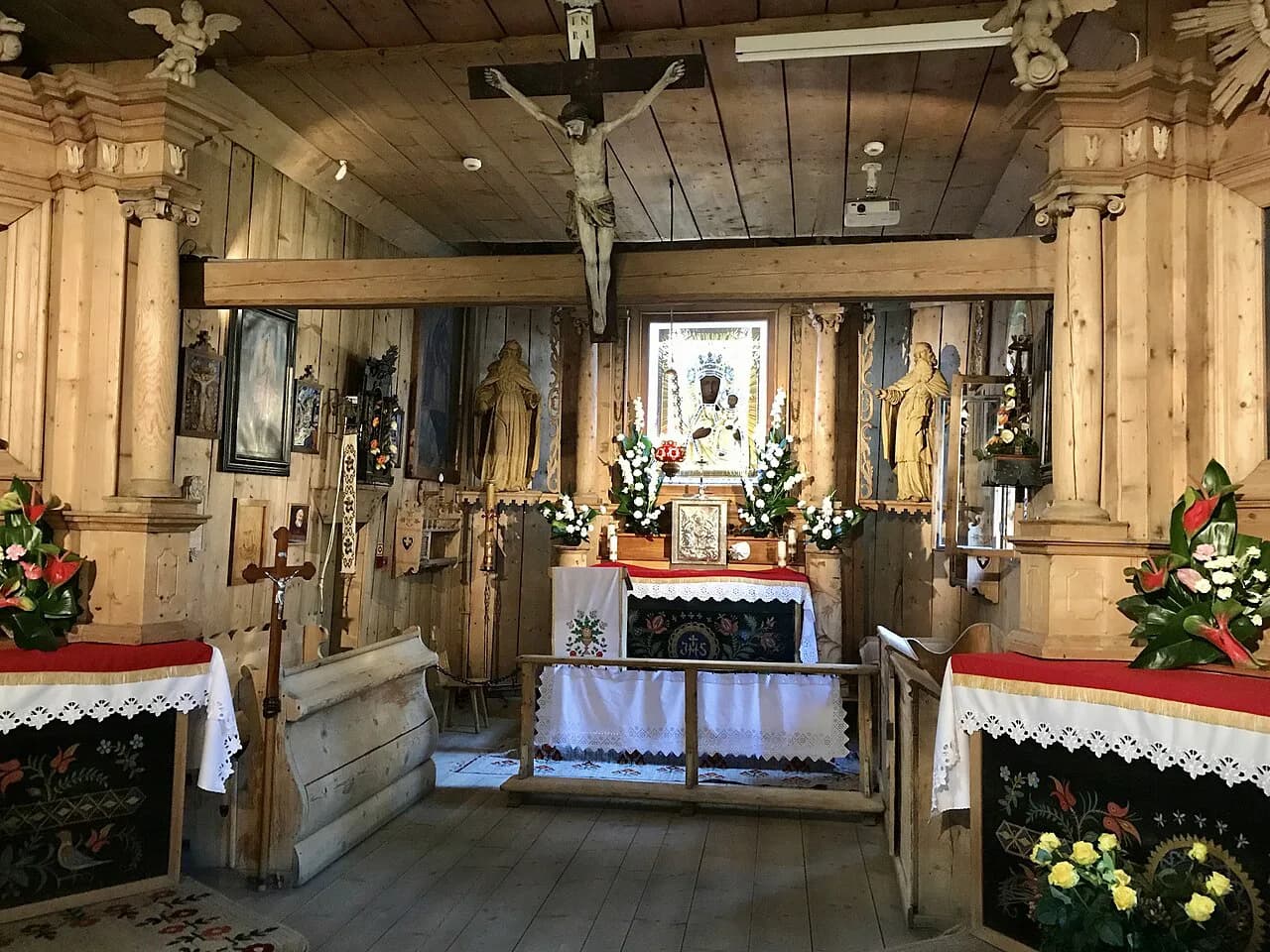
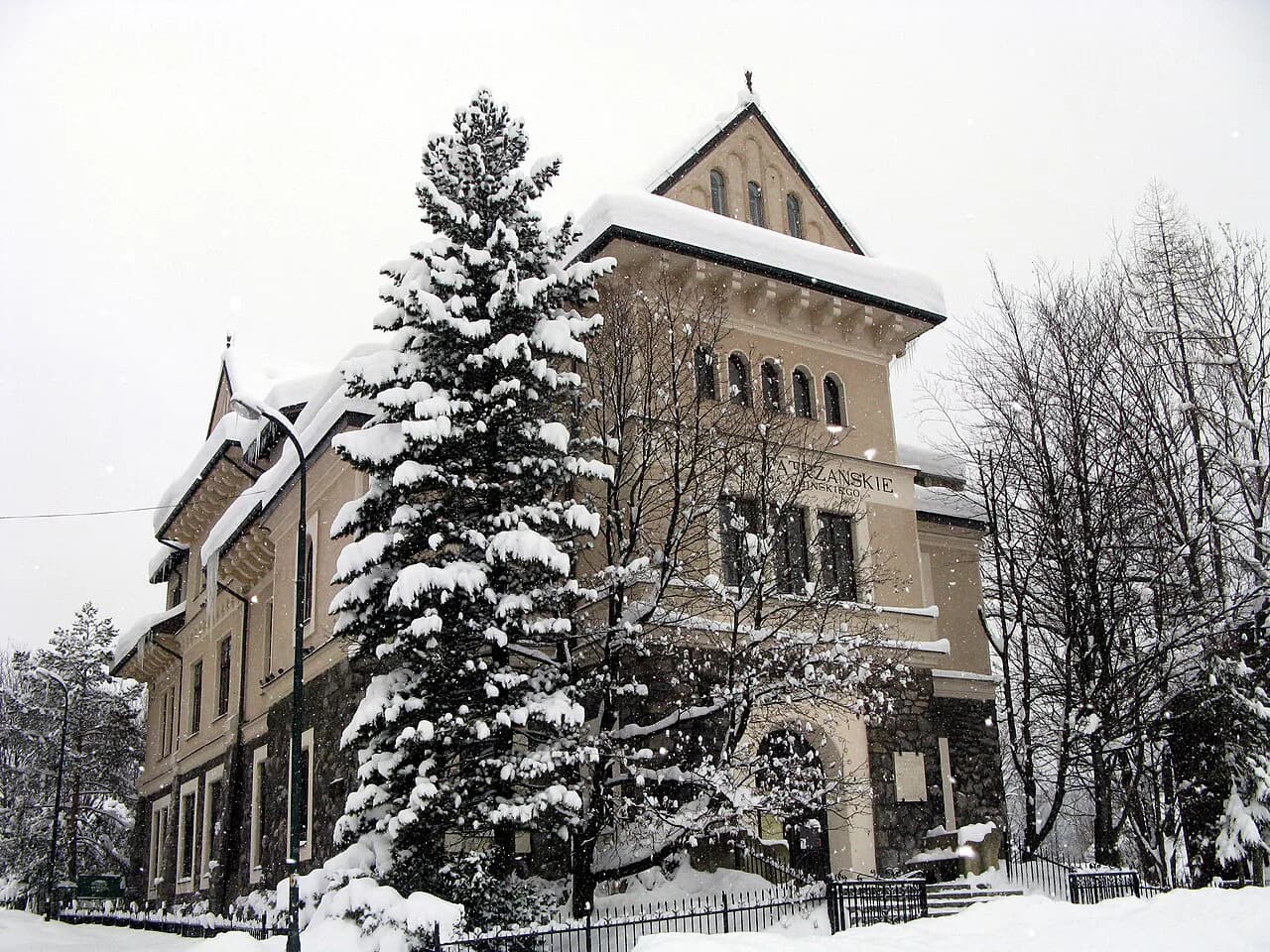
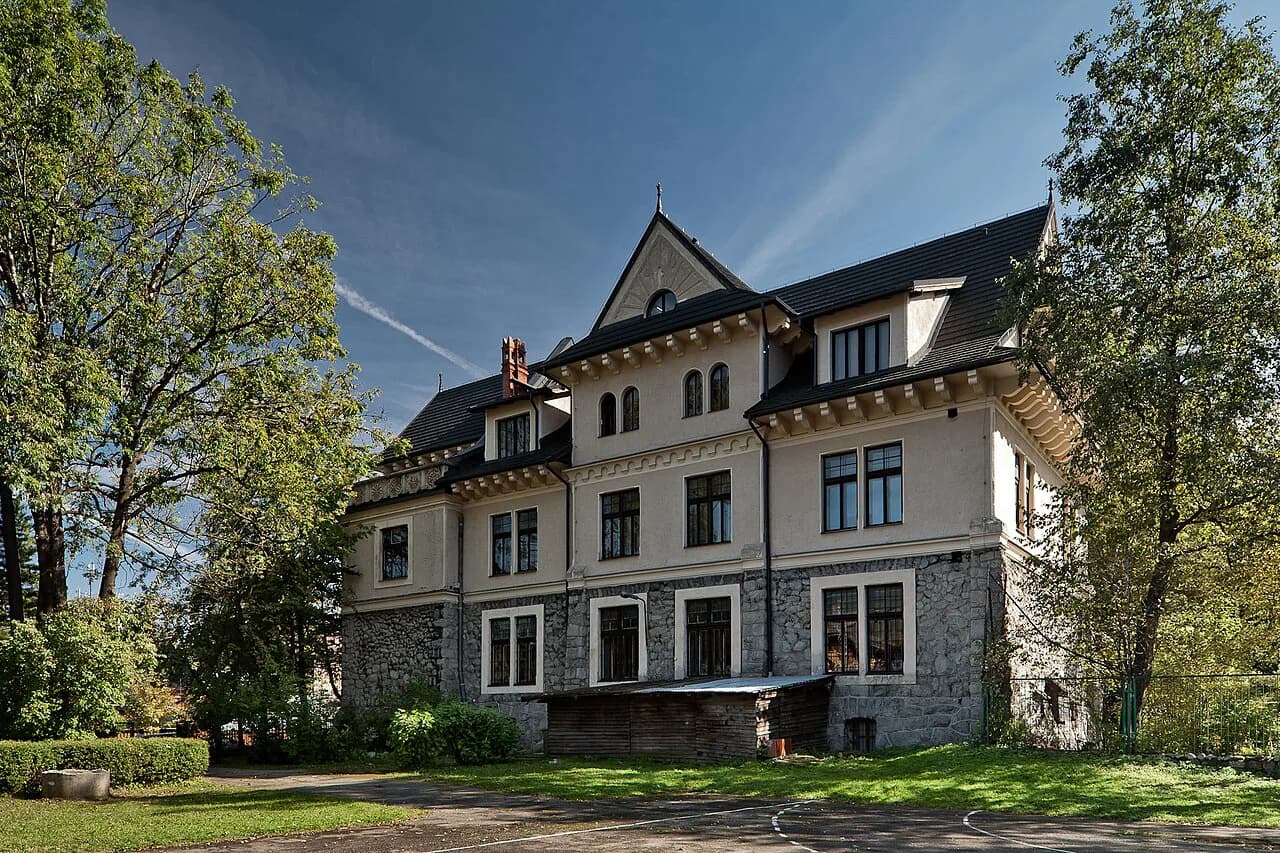
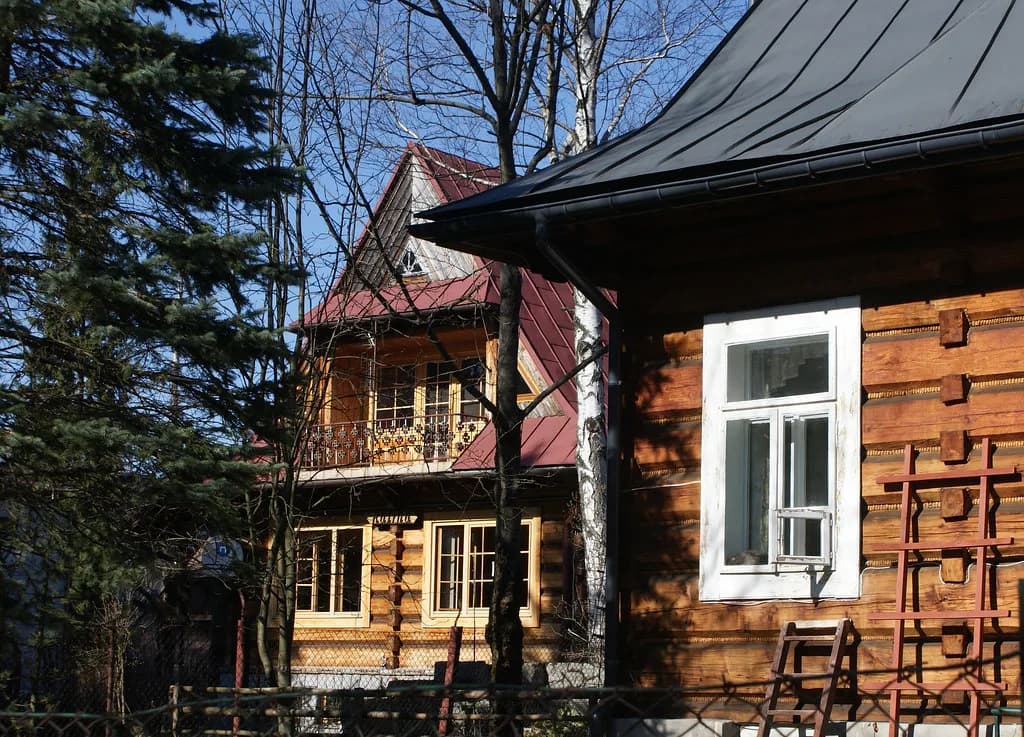
The architecture is the second draw. Zakopane style blends Polish and Górale highland design into wooden houses and public buildings with steep roofs and carved detail, giving the town a character you will not find in lowland Polish cities. Look up as you walk: the best examples are the timber villas and churches rather than the shopfronts.
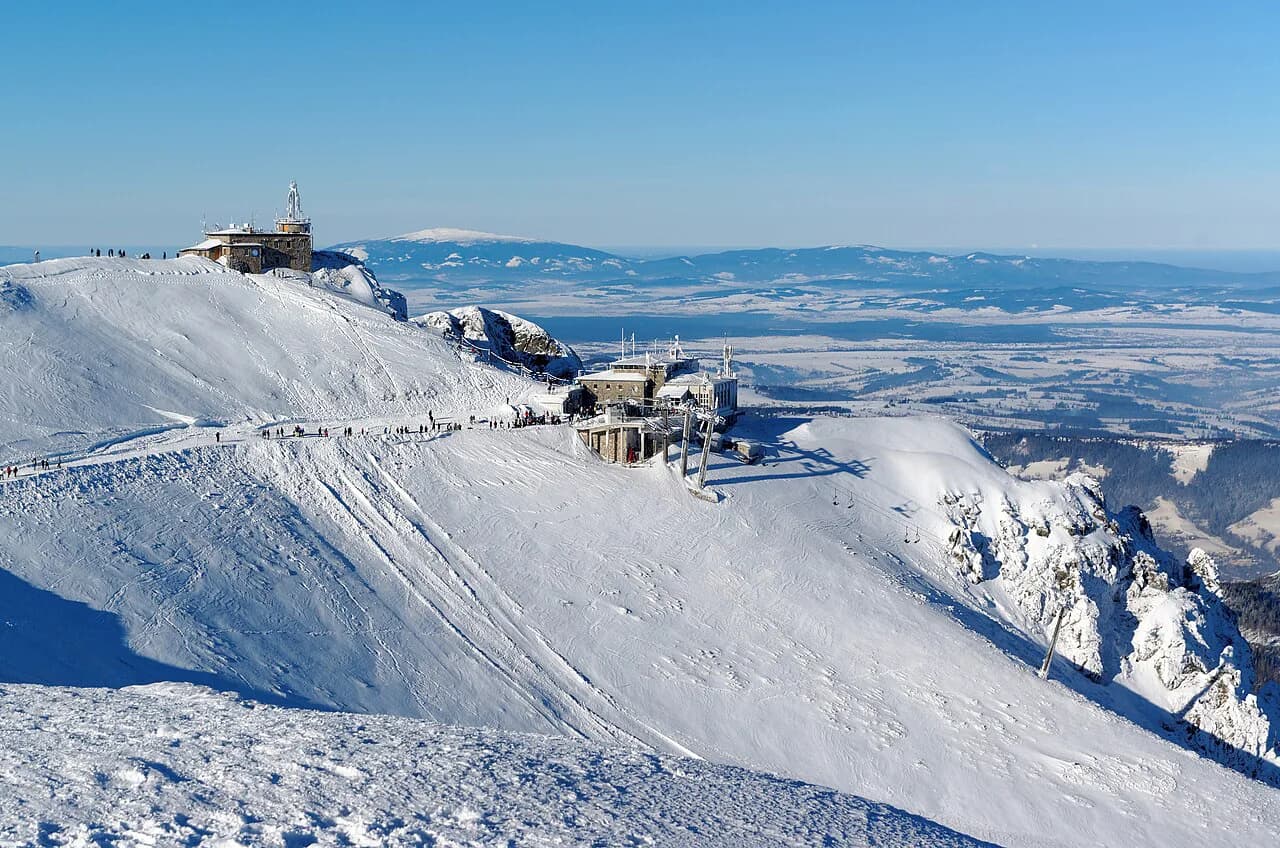
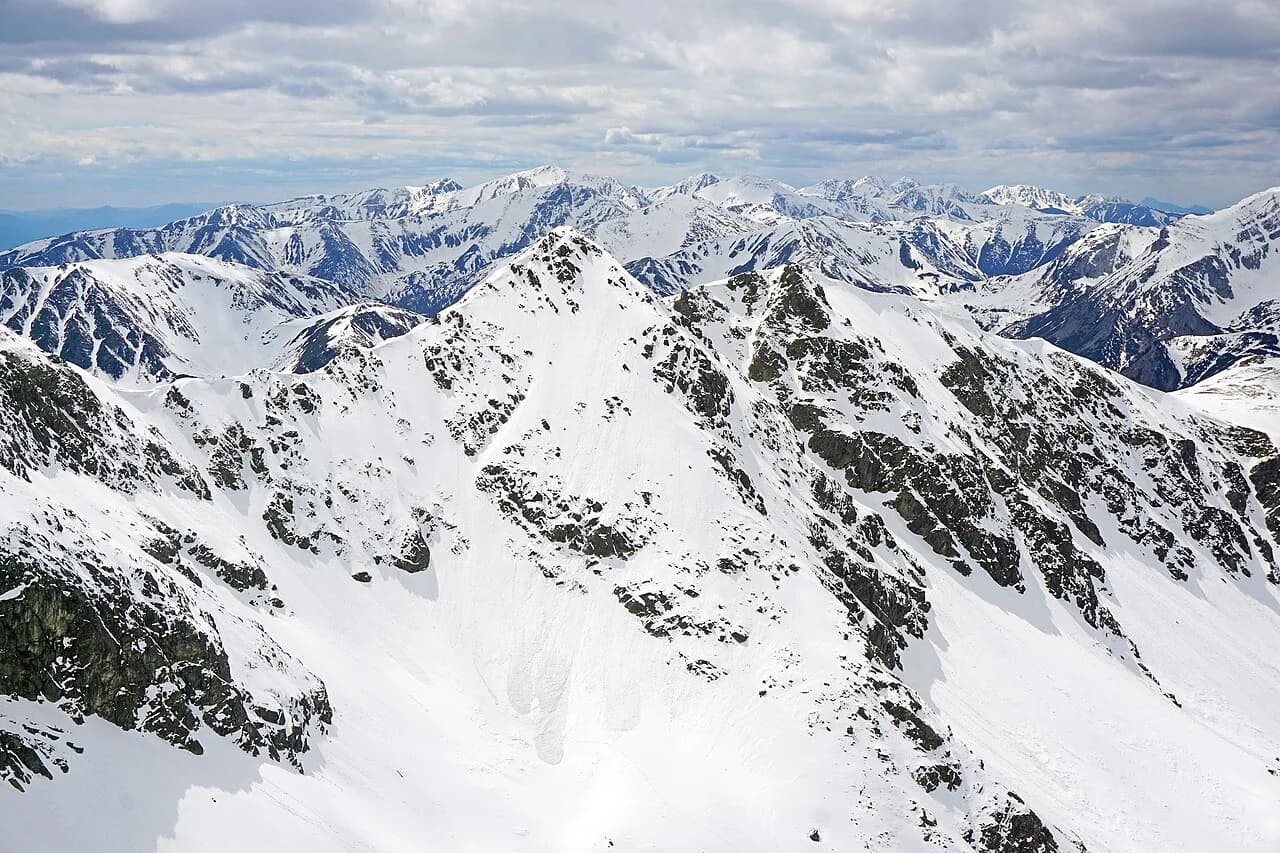
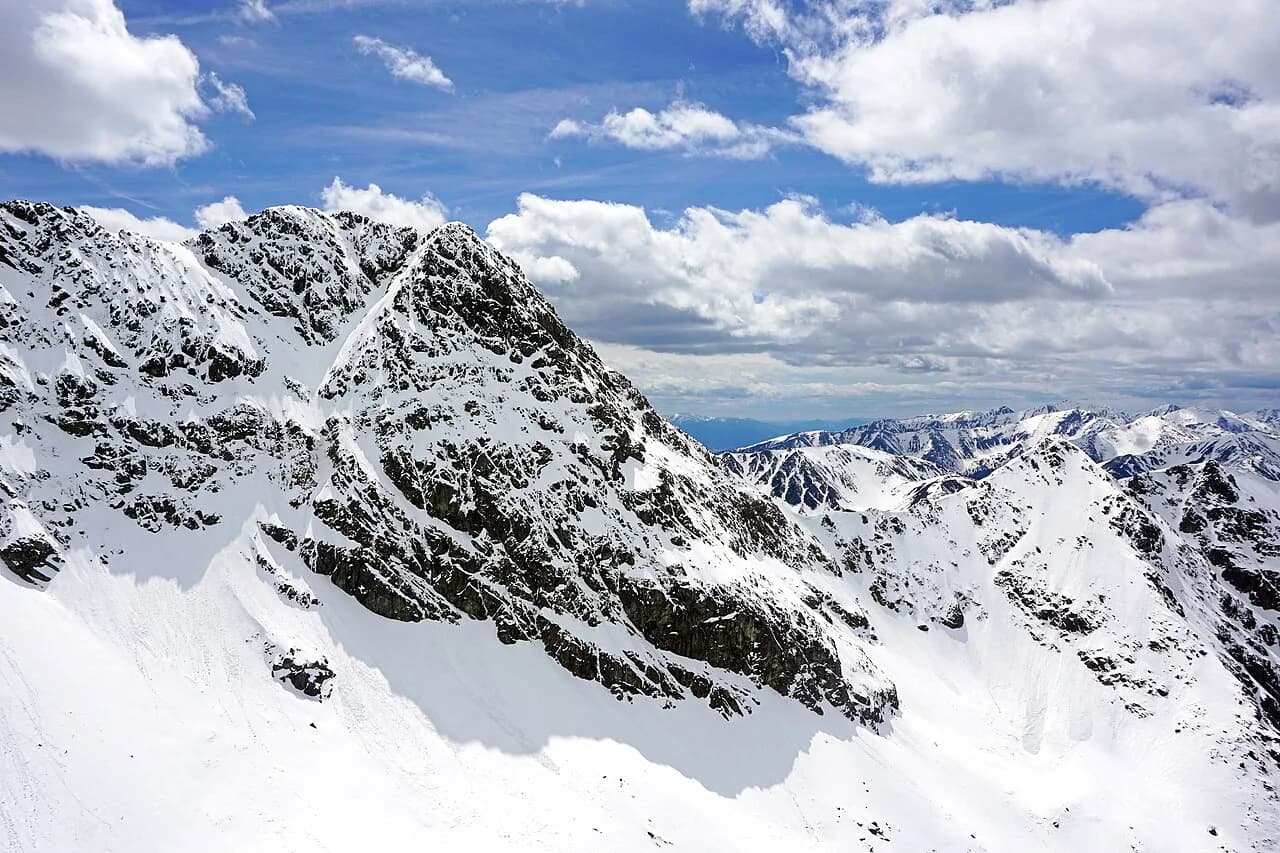
Above all this sits the Tatra National Park, the reason the town exists as a destination. Trails range from gentle valley walks to serious ascents, and the gateway valleys are where most visitors head first.
Who will love it and who might not
Walkers, families who enjoy cable cars and mountain views, and anyone drawn to highland food and craft culture will get a lot from Zakopane. The combination of a lively street, distinctive architecture and quick access to serious mountain terrain is hard to match elsewhere in Poland. It also works as a base for exploring several valleys rather than a single summit.
City-break travellers who want galleries, grand squares and evening restaurant choice may find the centre thin after a day. Anyone hoping for a quick scenic fix from Kraków will spend much of the day travelling and see little of the park. Be honest with yourself about which group you fall into before booking.
How many days Zakopane needs — and why a rushed day trip from Kraków falls short
Three days is a comfortable shape: one for the town and a viewpoint, one full day in the valleys or at Morskie Oko, and one spare for weather or a slower walk. Two days works if you pick a single big outing and accept you will skip the rest. A single day gives you the street and little else.
The day-trip problem is geography. The headline destinations sit well outside the centre, and transport eats into the hours you have. The town centre also rewards unhurried time, which a same-day return does not allow.
If you only have one day, plan it around the town and one hill rather than attempting a valley hike. Treat the mountains as a reason to return and the day will feel less like a failure. A worked-out plan helps here.
Getting around: why a car makes the valleys easier
The single most useful decision for a Zakopane trip is whether to drive. Buses reach the key trailheads, but services are not especially frequent or well co-ordinated, which makes timing awkward when you are trying to fit a long walk into daylight. A rented car turns a day of waiting into a day of walking.
Ride-hailing is not a reliable fallback. In Zakopane, Uber was reported to be limited both in car availability and on price, so do not build an itinerary around it. For travellers without a car, pick one valley per day and check bus times locally the evening before.
Gubałówka hill and the cable car: the view versus the cost
The vintage cable car from the Krupówki area climbs Gubałówka for wide views back over the town and towards the Tatras. It is quick, scenic and popular, which is exactly why it divides people. Some visitors find the ride overpriced for what it is and argue the peaks look better from below anyway.
Treat it as a judgement call. If you are heading into the national park to hike, the hill adds little and you can skip it without regret. If you have a short stay, limited mobility or simply want a big view without a climb, the ride earns its place. Check the current fare at the ticket office before deciding.
Morskie Oko and the valleys on foot
Morskie Oko is the classic target, a mountain lake reached on foot, and Dolina Pięciu Stawów offers a longer alternative for stronger walkers. Both are full-day outings once you account for getting to the trailhead and back. Choose one rather than attempting both.
These are mountain trails, not park paths, and conditions change with the weather. Carry waterproof warm clothing and shoes even in summer, since the weather can shift from rain to clear skies overnight.
A workable two-day shape
Spend your first day on Krupówki, the Zakopane-style architecture and either Gubałówka or the national park, depending on the forecast. Keep the evening free for the street's cafés and a slow walk. This gives you a feel for the town before heading higher.
Give the second day entirely to the mountains: Morskie Oko or a valley, with an early start and no other plans. If you have a third day, add a longer valley walk or a viewpoint, or keep it as a buffer for bad weather. Details of how to sequence the days sit in the full Zakopane itinerary.
Costs vary with how you travel and how often you eat out, but the decisions that matter most are car hire and where you sleep. If you want to see Zakopane attractions in more depth before committing, browse the individual guides.
When to go, and what mountain weather does
Summer opens the hiking trails and brings long daylight hours, while winter turns the town into a base for snow sports rather than walking. Both seasons have their crowds. The shoulder months between them are quieter but come with less predictable conditions.
Mountain weather changes fast. A rainy day in town can turn into clear skies on the ridge, and the reverse is just as common, so build flexibility into your plan rather than a fixed daily schedule. Pack for cold and rain even when the town is warm. Re-check conditions before setting out.
Should you go to Zakopane?
Go to Zakopane if you want the Tatra mountains and can give them two or three days, ideally with a car for the valleys. Skip it, or keep it to a single day of town and a viewpoint, if you are looking for a dense city break. For a shorter trip, see our Weekend in Zakopane guide.
Book the length of stay first, then decide on transport, then fill the days. If the budget is the sticking point, work out the likely costs before you commit.
Explore more Zakopane guides
Frequently Asked Questions
Is two days enough in Zakopane?
Two days is enough for a good taste: one day on Krupówki with a hill or a short valley walk, and one full day at Morskie Oko or in a valley. You will still skip plenty, so add a third day if you want a second big walk or a weather buffer.
What is Zakopane, Poland known for?
Zakopane is known as the gateway to the Tatra Mountain Park, for its wooden Zakopane-style architecture rooted in Górale highland culture, and for Krupówki, the main pedestrian street of shops, cafés and craft stalls. The Gubałówka cable car and the mountain lake at Morskie Oko are its best-known outings.
Can you visit Zakopane without a car?
Yes, but choose carefully. Buses reach the main trailheads, though they are not especially frequent or well co-ordinated, and ride-hailing in Zakopane was reported to be limited. Without a car, plan one valley per day and confirm bus times locally the evening before.
Sources
Notes for your next Polish city break
Optional updates to our Poland guides.
You might also like
Continue reading
More guides you'll find useful