Museums in Zakopane: A Practical Guide to the Ones Worth Your Time
Zakopane's museums range from the Tatra Museum on Krupówki to Willa Koliba and the Hasior Gallery. Here is what each holds, how long to allow and how to choose.
On this page
Zakopane's museums are best for highland culture, art and turn-of-the-century design rather than blockbuster displays, and you can fit two or three into a single day without rushing. Most of the interesting ones are branches of the Muzeum Tatrzańskie, so one organisation's visiting information covers several addresses.
This guide groups the museums by what a traveller actually wants to see, gives honest time budgets, pairs them into a walkable route around ul. Krupówki and flags the outlying timber farmsteads that need a bus or car. It also treats the Tatra Museum's older natural-history displays candidly: charming, but not the reason to come.
How many museums you can fit into a short break
Two museums make a comfortable half-day in Zakopane, and three is realistic if you start in the morning and keep the stops close together. The cluster around ul. Krupówki — the Tatra Museum's main building, Willa Koliba and the Hasior Gallery — is the easiest to combine on foot, because each sits within a short walk of the others. If you enjoy planning museum stops this way, the same approach works for the museums in Gdańsk, where the worthwhile ones also cluster in the old centre.
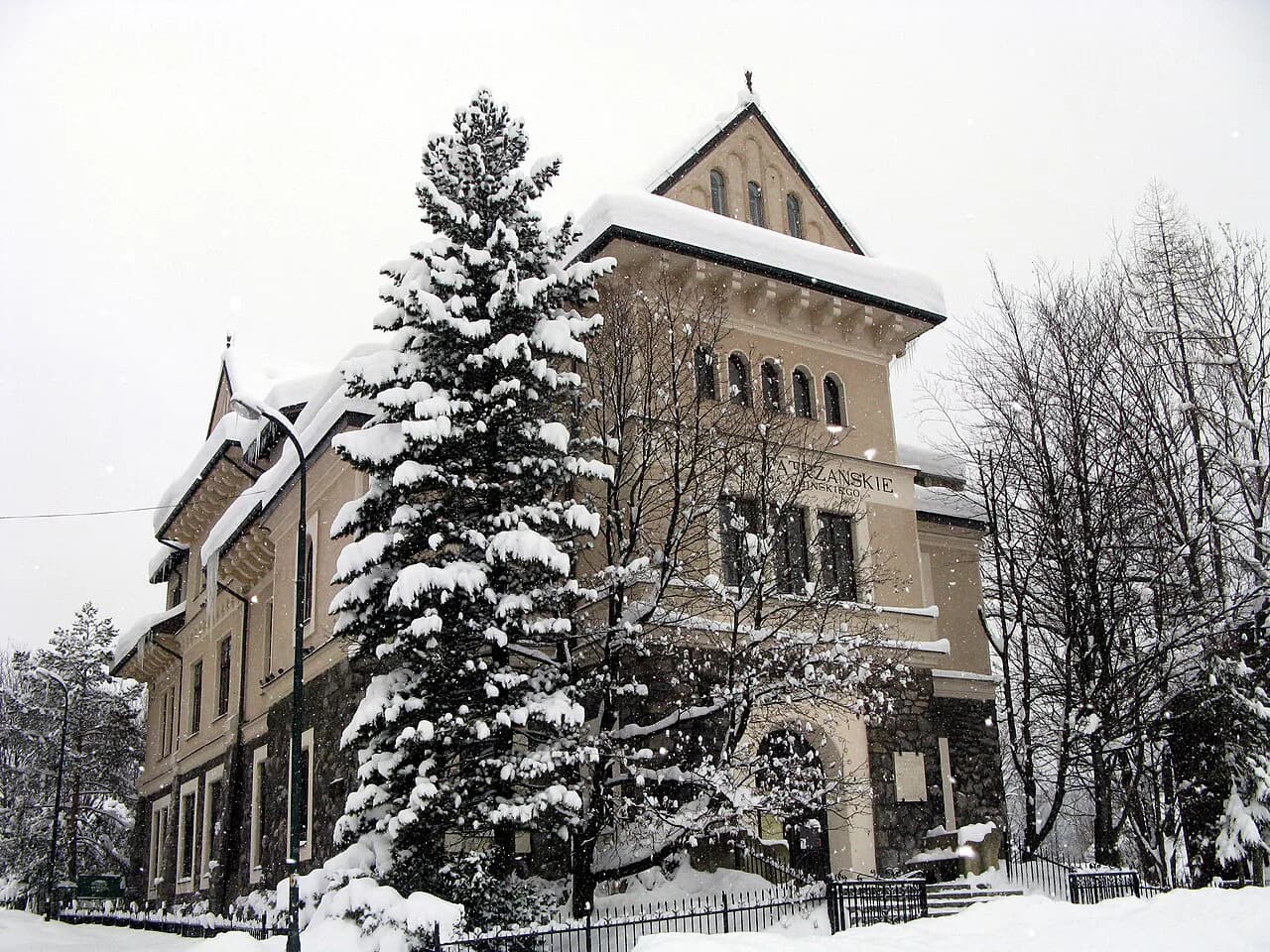
The Tatra Museum was founded in 1875 and moved into its purpose-built home on ul. Krupówki 10 in 1922, which makes it one of Poland's oldest regional museums and the natural starting point for understanding the area. Its collections cover folk art, highland costume, local flora and fauna, and interiors of old highlander dwellings.
Allow around 90 minutes at the Tatra Museum if you read the labels, less if you are mainly there for the wooden interiors and painted glass. The stuffed animals and geological cases upstairs have a nineteenth-century explorer charm, but they are dated — treat them as atmosphere rather than a modern natural-history exhibit.
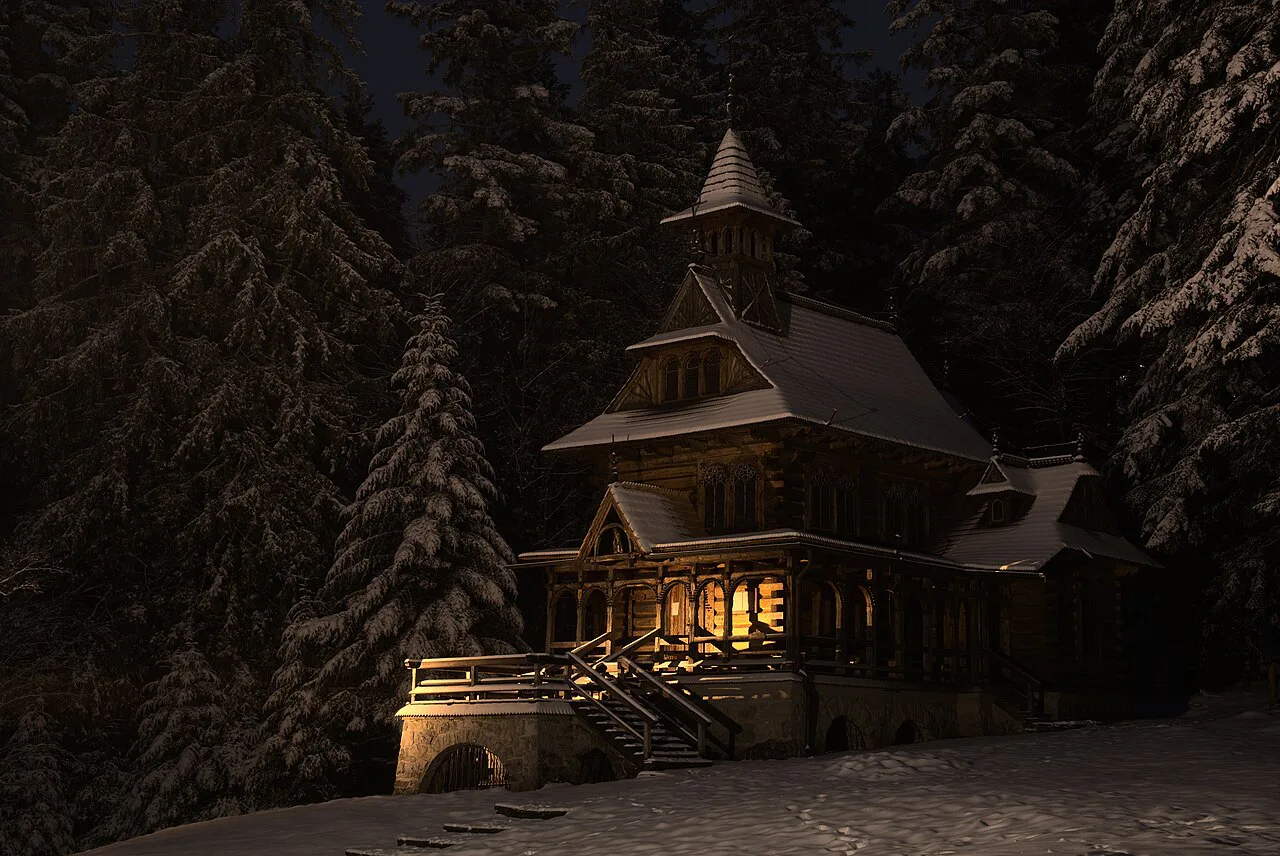
The Tatra Museum on Krupówki: what it holds and how long to allow
The Tatra Museum is the flagship of the Muzeum Tatrzańskie network and the one museum to see if you only have time for a single stop. Its ethnographic rooms, highland costumes and reconstructed wooden interiors explain the region's culture, and the art collections add depth for anyone interested in painting on glass.
The building itself, designed in the local style, is part of the appeal. If you are weighing up whether to spend a wet afternoon here, it is a sensible anchor for a rainy day in Zakopane, alongside the other options in this guide to Zakopane on a Rainy Day.
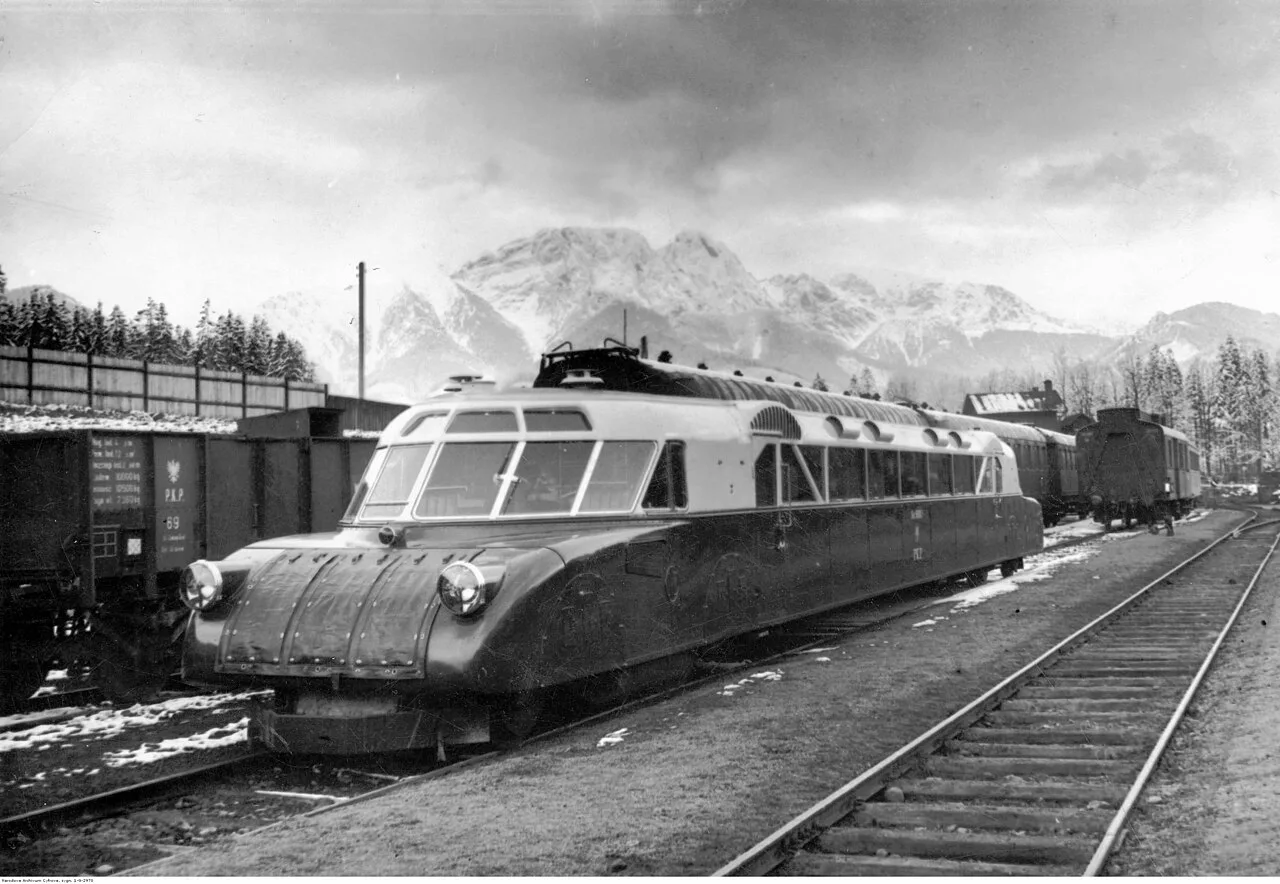
Willa Koliba and the Zakopane Style
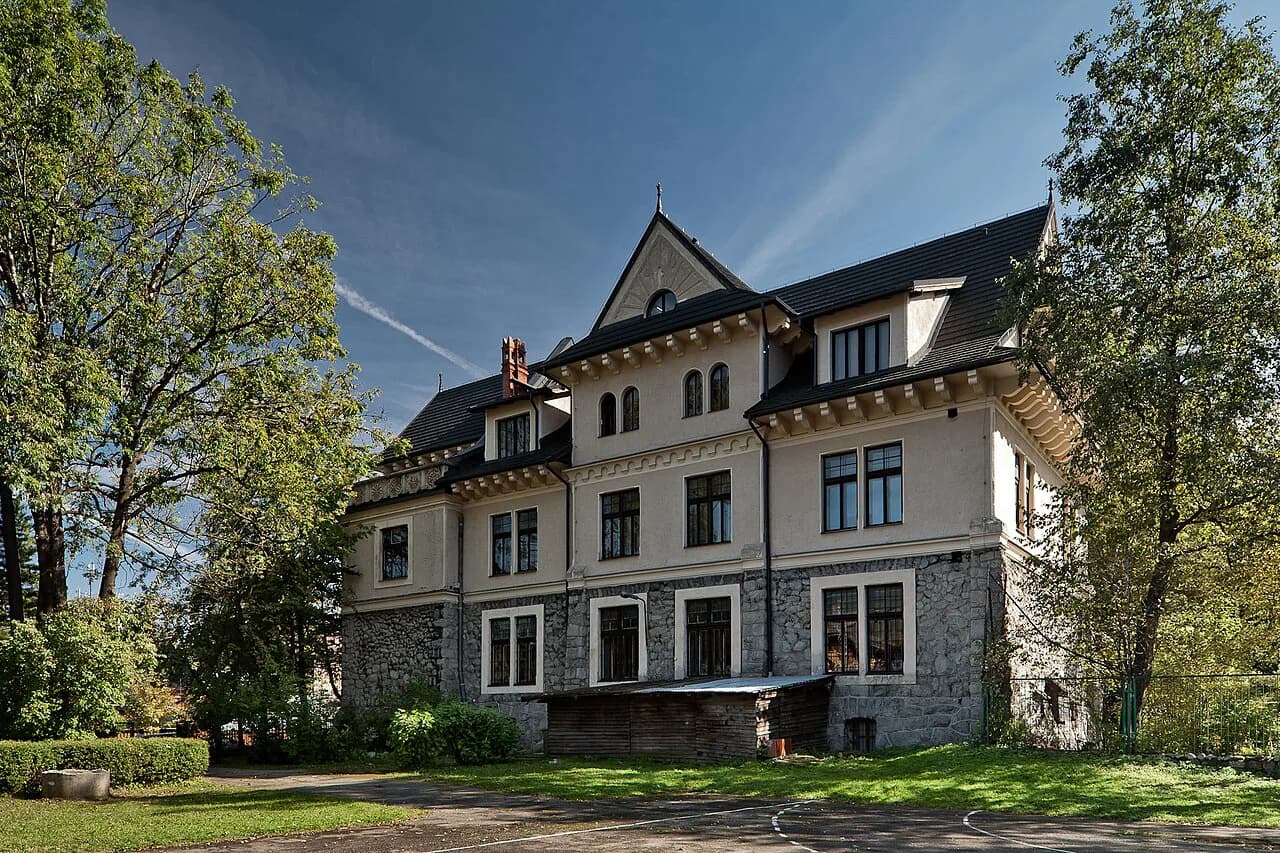
Willa Koliba is Stanisław Witkiewicz's first experiment in the Zakopane Style and now houses the Museum of the Zakopane Style at ul. Kościeliska 18. The villa's interiors are arranged as a period home, with furniture, clocks and textiles designed by Witkiewicz himself, and the whole effect is closer to an Arts and Crafts house than a conventional museum.
The added bonus is a collection of vivid pastel portraits by Witkiewicz's son, Witkacy, which gives the house a second layer for anyone interested in Polish art. Allow around an hour here; it rewards design-minded visitors far more than a quick checklist stop.
Galeria Władysława Hasiora: the artist's own assembled world
The Galeria Władysława Hasiora at ul. Jagiellońska 18b is the most eccentric museum in town, housed in an old wooden building that Hasior designed himself as a setting for his assemblages. Magazine cuttings, toys, prams and old clocks are worked into sculptures, and the result feels unlike any conventional gallery.
Allow 45 minutes to an hour; the space is compact, and the atmosphere does much of the work. It pairs naturally with Willa Koliba, since both are short walks from the centre and both reward curiosity about design rather than passive viewing.
Villa Atma and Karol Szymanowski
Villa Atma at ul. Kasprusie 19 was Karol Szymanowski's home for much of the 1930s and is now a museum devoted to the composer, with personal belongings and a period interior that recreate his working life. Szymanowski drew heavily on highland folk music, so the house makes a good complement to the ethnographic rooms at the Tatra Museum.
It is a quieter, more specialised stop — allow 45 minutes — and is best for travellers who already know Szymanowski's music or want a break from the crowds on Krupówki.
The Kornel Makuszyński Museum: a writer's house
The Kornel Makuszyński Museum at ul. Tetmajera 15 occupies the house where the children's author lived with his wife after settling in Zakopane in 1934. It is a biographical house museum, with manuscripts, personal possessions and artworks, including pieces by Stanisław Wyspiański.
This is the one to choose when you want a quiet hour away from the main street; it suits readers with an interest in Polish literature rather than a general sightseeing checklist. The full list of churches in town is covered separately in Churches in Zakopane Worth Visiting.
Other Muzeum Tatrzańskie branches in and around town
Beyond the main building, the Muzeum Tatrzańskie runs a spread of branches: Muzeum Palace, the Chałupa Gąsieniców Sobczaków, the Gallery of Art in Willa Oksza, the Kulczycki Gallery of Eastern Rugs, the Hasior and Makuszyński houses, and timber farmsteads at Chochołów, Czarna Góra and Jurgów.
The farmsteads are the ones to plan carefully: they sit outside Zakopane and need a bus or car, so do not mistake them for in-town stops. If your time is short, leave them for a return visit and concentrate on the Krupówki cluster.
Which museums to skip, and which pair well on foot
If your time is short, skip the outlying farmsteads and the more specialised branches, and prioritise the Tatra Museum, Willa Koliba and the Hasior Gallery. Those three give you the region's culture, its design movement and its strangest modern art in a single walkable loop.
Pair the Tatra Museum with Willa Koliba in the morning, then add the Hasior Gallery after lunch if you still have energy. Villa Atma and the Makuszyński Museum work as quieter alternatives on a second day, or as a rainy day substitute when the trails are out.
A half-day route built around Krupówki
Start at the Tatra Museum on ul. Krupówki 10 when it opens, spend around 90 minutes there, then walk to Willa Koliba on ul. Kościeliska for an hour. Finish at the Hasior Gallery on ul. Jagiellońska, which is compact enough for the end of a morning.
The walking distances are short enough that you can do the whole route without public transport, and the Krupówki area has cafés for a break between stops. Branch opening days can differ, so check the museum's own visiting page before you set out.
Opening days, ticket prices and checking before you go
Opening hours and ticket prices for the Muzeum Tatrzańskie and its branches are published on the museum's own visiting page, which is the place to confirm what applies on your dates rather than relying on older guidebook listings. The museum's news feed also flags temporary closures, including the café and exhibition space in the main building being shut on specific dates in October 2026.
Opening days vary by branch, so check the premises you plan to visit rather than assuming a fixed weekly closure across the network.
Which museum should you choose first?
Start with the Tatra Museum on Krupówki if you want the broadest introduction to the region, then add Willa Koliba if design interests you or the Hasior Gallery if you prefer modern art with a twist. Leave the outlying farmsteads and specialised branches for a longer stay, when you have a car or more time for bus journeys.
Whatever you choose, confirm current opening days and prices on the Muzeum Tatrzańskie site before you travel. That one check saves a wasted morning and lets you build the rest of your day around what is actually open.
Explore more Zakopane guides
Frequently Asked Questions
Are Zakopane's museums all part of one organisation?
Many of the main ones are branches of the Muzeum Tatrzańskie, including the Tatra Museum, Willa Koliba, the Hasior Gallery and the Kornel Makuszyński Museum. That means one visiting page covers several addresses, but opening days can differ between branches.
How long do I need for the Tatra Museum?
Allow around 90 minutes if you read the labels and take in the ethnographic rooms and art collections. The natural-history displays upstairs are older in style and can be skimmed if time is tight.
Can I visit several museums on foot in one morning?
Yes. The Tatra Museum, Willa Koliba and the Hasior Gallery are all in central Zakopane and short walks apart. A morning is enough for all three if you keep each stop to about an hour.
Do I need a car to reach the outlying farmsteads?
The timber farmsteads at Chochołów, Czarna Góra and Jurgów sit outside Zakopane and need a bus or car. They are best left for a longer stay rather than squeezed into a short city break.
Sources
Notes for your next Polish city break
Optional updates to our Poland guides.
You might also like
Continue reading
More guides you'll find useful