
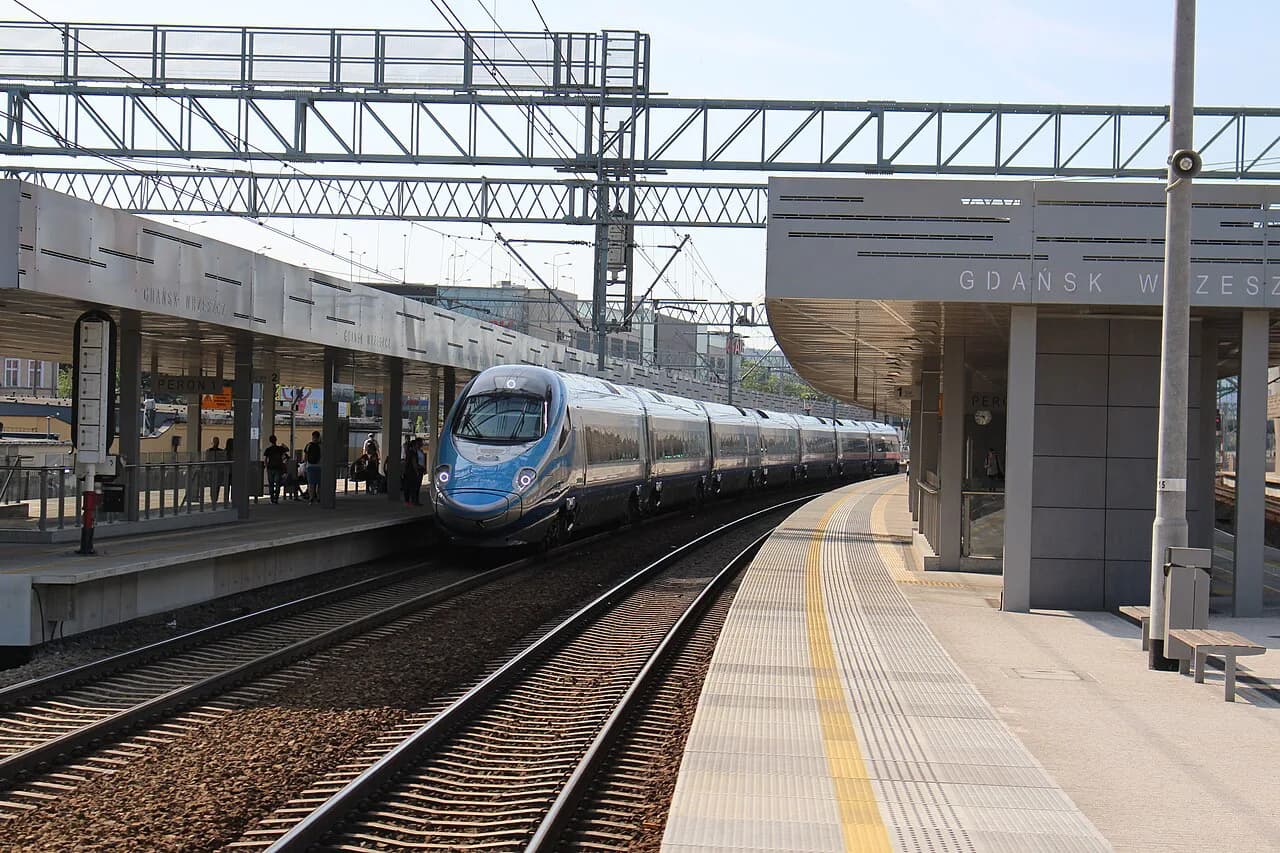
Wrzeszcz, Gdańsk: the district behind the Old Town crowds

Wrzeszcz is worth half a day of a Gdańsk city break, not your base. It is a working, student-heavy district about four kilometres north of the Old Town, not a second Old Town, and its appeal lies in one restored street, a Grass-themed walk and a good cafe scene rather than in sightseeing set pieces. This guide covers the southern old quarter split from the northern shopping side by the rail line, the Grass trail, the churches, the parks and where to eat, so you can judge whether the district earns a slot in a one- to four-day plan.
What Wrzeszcz is and how it fits a Gdańsk break
Wrzeszcz is a district of Gdańsk rather than a separate town, lying north of Śródmieście along the Strzyża stream, and it was known as Langfuhr in its German past. It sits around four kilometres north of the Old Town straight along al. Zwycięstwa, and it is now more of a commercial centre than central Gdańsk itself, with the city's largest shopping mall, a growing business district and around 50,000 residents. For a short-break traveller that means a different texture from the historic core: less picturesque, more everyday.
Wrzeszcz works as a contrast stop rather than the main event. If you want canal-side granaries, the Długi Targ frontage and the great museums, those are in the centre; if you want to see where Grass grew up and eat well away from the crowds, this is the district. It pairs naturally with the other northern neighbourhoods, so read Oliwa, Gdańsk for the cathedral and park side of the city and Brzeźno, Gdańsk for the seaside pier end of the coast.
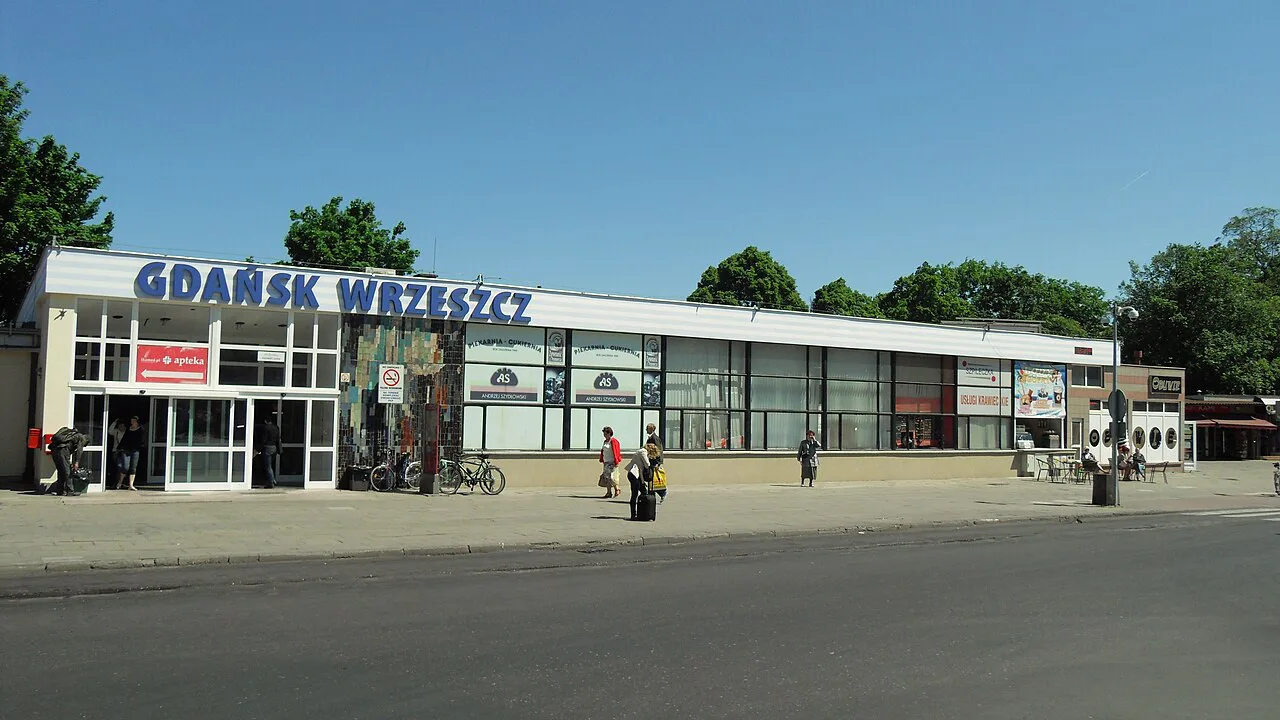

Where Wrzeszcz sits: north of the Old Town, split by the rail line
The district is effectively cut in two by the main Gdańsk–Gdynia rail track and road, and this is the single most useful thing to know before you arrive. South of the line lies old Wrzeszcz, the pre-war Langfuhr of tenements and Grass's childhood, with the cool bars and eateries; north of it sit Galeria Bałtycka and the retail and business side. Arriving on the wrong side means a long walk to the bits you came for, so decide which half you want first.
Orientation within the southern half is simple: ulica Wajdeloty is the spine of the revived quarter, with the Browar mural at its top end as a landmark. The 19th-century grid around it is compact and walkable, and the old villa streets climb towards Park Jaśkowa Dolina. Plan your loop around Wajdeloty and you will pick up most of the district's points of interest on foot.
The historic centre remains the more convenient base for a first visit, and Śródmieście in Gdańsk covers that ground. Treat Wrzeszcz as a half-day excursion north, and browse the wider Gdańsk Neighborhoods: 5 Area Guides if you are weighing which districts deserve your limited time.
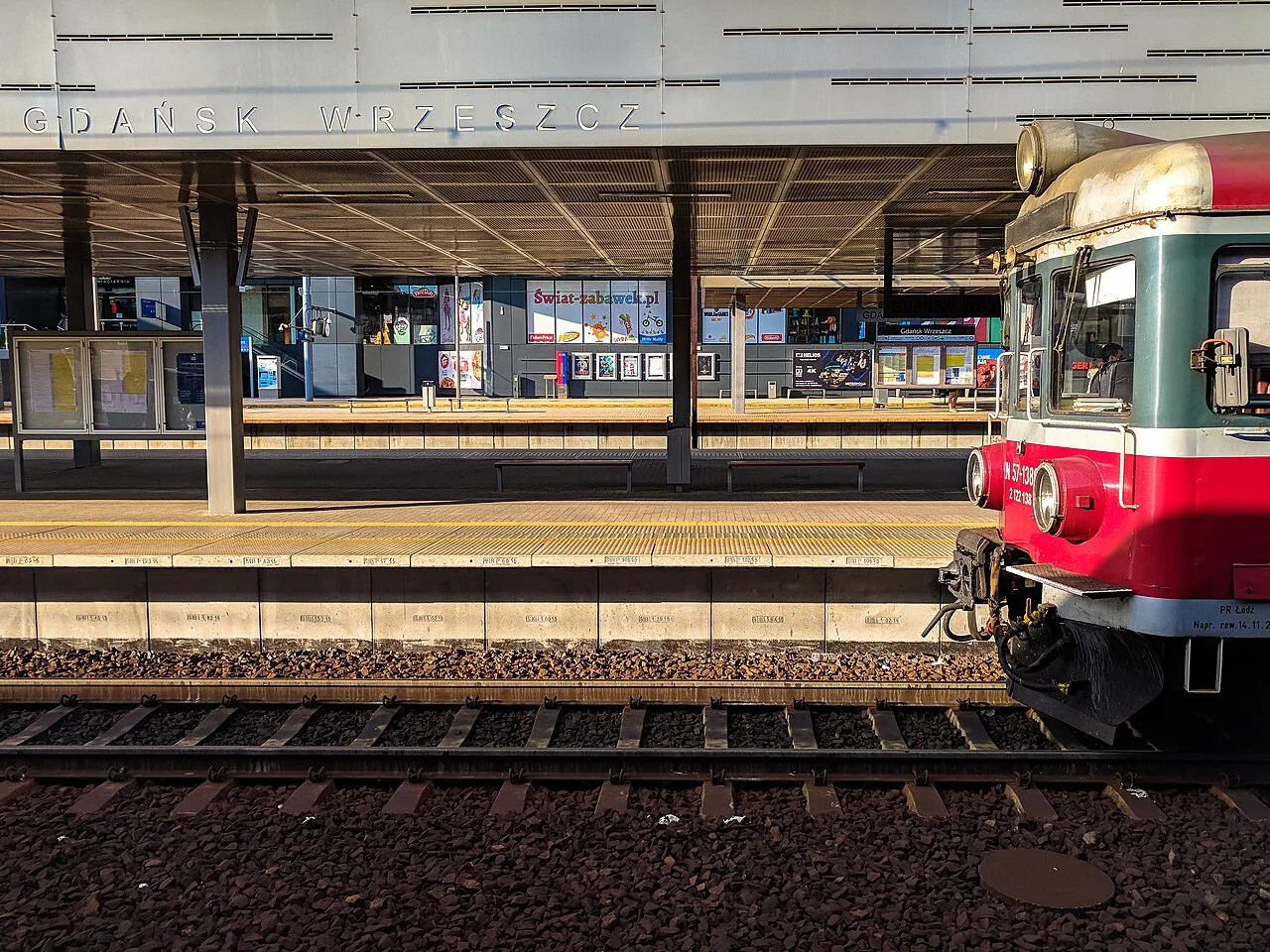

Who Wrzeszcz suits, and who should stay in the centre
Wrzeszcz suits travellers who have already seen the Old Town and want a lived-in district with good coffee, restored tenements and student energy. It also suits anyone following Günter Grass, since his childhood streets, the Ławeczka Oskara bench and the Kuźniczki park connections are all here. The youthful presence of the university and polytechnic students explains the growing number of cafes, bars and restaurants.
It does not suit anyone on a two-night trip who wants atmosphere on the doorstep. Wrzeszcz is not as picturesque as the Old Town, and much of it is commercial or still scruffy, with neglected older buildings alongside the restored ones. If your priority is the waterfront, the great museums and evening strolls among historic facades, stay central and visit here for an afternoon.
Ulica Wajdeloty and the revived tenement streets
Ulica Wajdeloty is the historic heart of the district and the reason most visitors come. After a revitalisation carried out a few years ago it became the centre of neighbourhood life, lined with charming 19th-century tenement houses and small squares, and it stays busy into the evening. This is where you start, whatever else you plan.
The street is often treated as synonymous with Wrzeszcz itself, a restored 19th-century run that is now the obvious place for coffee or a proper meal. It also carries the district's history in its buildings: the Kuźnicki Manor House on ul. Wajdeloty is one of the oldest standing structures in Wrzeszcz. Walk the full length rather than stopping at the first cafe you like the look of.
Günter Grass's Wrzeszcz: the Ławeczka Oskara and the family tenement
The Ławeczka Oskara is a bench monument to the central character of The Tin Drum, the novel by Gdańsk-linked Nobel laureate Günter Grass, and the tenement where the author was brought up stands nearby. Grass was born and raised in Wrzeszcz, and his early life fed several works set in Danzig, most famously The Tin Drum, published in 1959. Treat the bench as one stop on a walk rather than a destination in itself.
The broader Grass trail is what makes this worthwhile: old streets around the southern half still give a sense of pre-war Langfuhr, and Park Kuźniczki appears in his prose as a meeting place for interwar youth. Build a loop from ulica Wajdeloty through the park and back, and you get the district's literary geography in an hour or two of walking rather than a single photo stop.
Sacred Heart of Jesus Church and the New Synagogue
The Sacred Heart of Jesus Church, on ul. Księdza Zator-Przytockiego, is a neo-Gothic landmark and the obvious starting point for the Grass walk, whether or not you are following the author. The Catholic community of Wrzeszcz petitioned the Chełmno diocese in 1894 for its own pastoral centre and, in due course, its own church, which is how the building came about. Look up at the brickwork rather than hurrying past.
The New Synagogue is one of the few surviving signs of Jewish history in the city and sits within the same walking area, making it a natural companion stop on a Grass-and-heritage loop through southern Wrzeszcz.
Kuźniczki Park, Park Jaśkowa Dolina and the villa streets
Park Kuźniczki is a historic park that once formed part of a Gdańsk councillor's estate, and it has a wooden arbour, a children's playground and small paths among trees and hedges. It benefited greatly from the district's wider transformation, and it is the easiest green breathing space to add to a Wajdeloty walk.
Park Jaśkowa Dolina sits just beside Wrzeszcz on hilly ground whose scenic paths were already admired by wealthy townspeople in the 19th century. Villas of the former millionaires still line ulica Jaśkowa Dolina, and the park itself holds a forest theatre among its attractions. If you only have time for one green stop, pick this for the villas and the topography over the flatter Kuźniczki.
Gdańsk University of Technology and the student pulse behind the cafes
Gdańsk University of Technology, Politechnika Gdańska, is one of the oldest technical universities in Poland, having begun its activity in 1904 and holding a strong reputation ever since; the Technische Hochschule was built in the early 20th century. Its presence, and that of the university, is why the district's cafes, bars and restaurants keep multiplying. The students are impossible to escape, and their youthful presence is what drives the food and drink scene.
The district's appeal for a short-break visitor is streets, parks and cafes rather than ticketed attractions; there is no museum cluster here to rival the centre, so treat anything beyond the Wajdeloty and park loop as optional and spend the time walking instead.
Where to eat and drink in Wrzeszcz
Eating here is casual and student-priced rather than destination dining. Ul. Wajdeloty is the reliable strip for coffee and quality food, and the restored street's small restaurants and cafes are the core of the offer. Start there and follow the side streets if the terraces are full.
For something with more of a night out attached, Garnizon is a cultural, gastronomic and live-music complex that has proved popular with the student crowd. The Kuźnicki Manor House on ul. Wajdeloty is one of the oldest standing buildings in the district and is home to a restaurant, so it is worth a look on the walking loop even if you eat elsewhere.
Practical layout: southern old quarter versus the northern retail side
Keep the two halves straight. South of the tracks you have old Wrzeszcz, the residential quarter with the Grass connections and the bars and eateries; north of them you have Galeria Bałtycka and the shopping and business district, built up alongside two smaller malls in a triangle. If shopping is the point of your trip, head north; if it is the streets and the cafes, stay south.
The district's history explains the layout: a settlement recorded as Vrieszt appears in 1261, the area was granted to Gerd von der Beke in 1412, a tramline to Gdańsk arrived in 1872, and four lanes of linden trees were planted along the main street between 1767 and 1770. The name comes from the Polish word for heather. None of this requires a museum visit; it is background for what you see on foot.
How long Wrzeszcz needs and where it fits in a one- to four-day plan
Give Wrzeszcz half a day. A workable plan is a morning or afternoon on ulica Wajdeloty, the Ławeczka Oskara and the surrounding tenement streets, a look at the Sacred Heart church, and a wander through Park Kuźniczki, with a cafe stop in between. That covers the district's real offerings without padding.
In a one- to four-day break, put the Old Town, the waterfront and the major museums first and slot Wrzeszcz in on day two or three as a change of scene. Read the guide to things to do in Gdańsk for the centre, then use the district pages to add Gdańsk Attractions: 5 Visitor Guides and the wider Gdańsk Neighborhoods to build the rest of the itinerary around it.
Is Wrzeszcz worth half a day?
Yes, if you have already given the Old Town its due and want a lived-in district with restored tenements, a Grass trail and good casual food. No, if this is your first short break and every hour should go on the historic core. The honest trade-off is atmosphere for authenticity: Wrzeszcz is not prettier than the centre, but it is more real.
The decision comes down to time. With three or four days, spend a morning here; with two, save it for a return visit. Either way, the Ławeczka Oskara and ulica Wajdeloty are the two things to prioritise, and the parks fill whatever time remains.
Explore more Gdańsk guides
Frequently Asked Questions
Is Wrzeszcz part of Gdańsk?
Yes. Wrzeszcz is a district of Gdańsk, north of Śródmieście along the Strzyża stream, and was known as Langfuhr in its German past. It is not a separate town.
How far is Wrzeszcz from central Gdańsk?
Around four kilometres north of the Old Town, straight along al. Zwycięstwa. That makes it a short trip rather than a day out.
What is the name Wrzeszcz derived from?
It comes from the Polish word wrzos, meaning heather. The area was recorded as Vrieszt in 1261.
Where should I start a walk in Wrzeszcz?
Start on ulica Wajdeloty, the restored 19th-century street at the heart of the southern old quarter, then follow the Grass trail to the Ławeczka Oskara and Park Kuźniczki.