
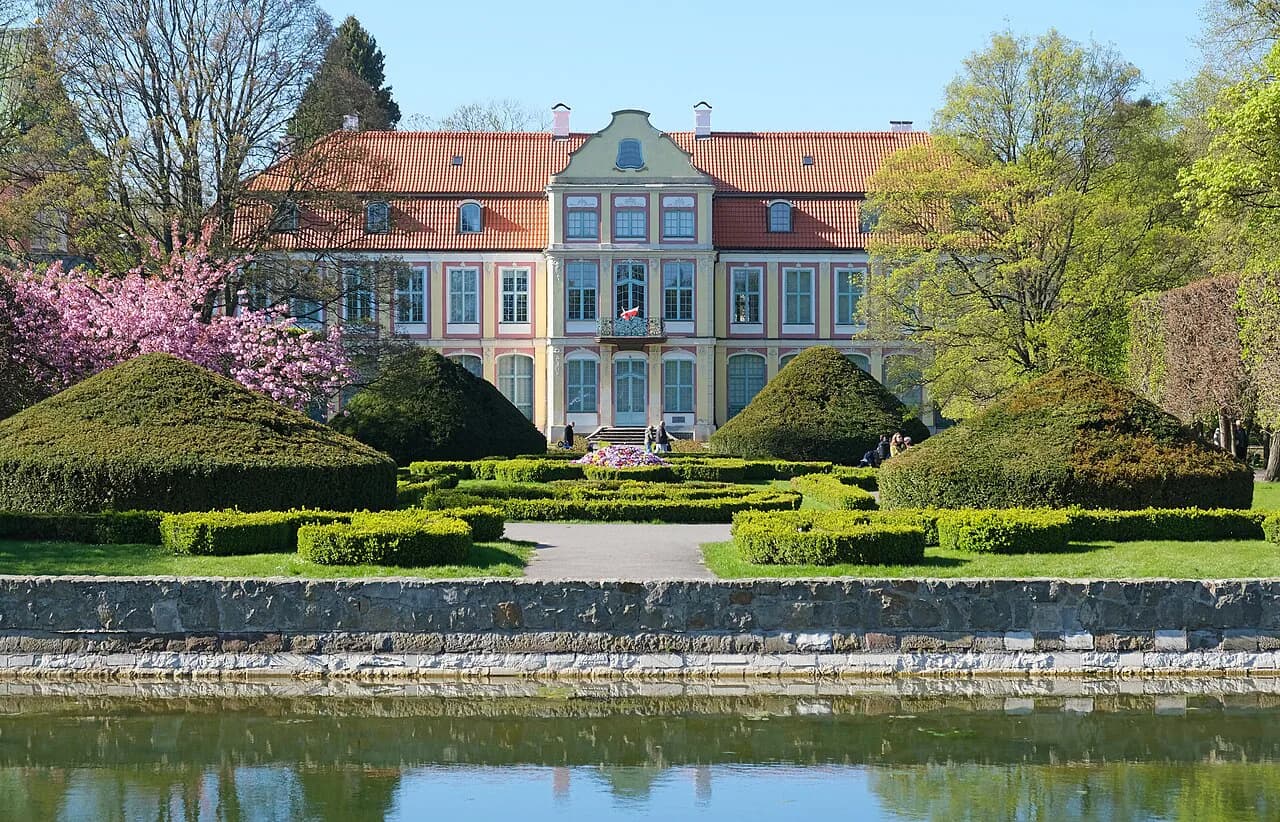
Oliwa, Gdańsk: the cathedral, park and hills north of the Old Town

Oliwa gives you a compact half-day of Cistercian history, landscaped parkland and forested hills, and it works best as a contrast to the busy streets of the Old Town rather than as another sightseeing marathon. Three or four hours covers the cathedral and the park comfortably, while the zoo and the observation terrace push it towards a full day. This guide lays out the district's separate clusters, how to reach them by train from Gdańsk or Sopot, and where its green, residential character fits into a city break, alongside the wider picture in our Gdańsk Neighborhoods: 5 Area Guides.
What Oliwa is and who it suits
Oliwa is one of the oldest districts of Gdańsk, a residential area of quiet streets and handsome townhouses that grew up around a Cistercian monastery founded in the second half of the 12th century. It became an independent town in 1874 and was absorbed into what was then the city of Danzig in 1926, and it escaped major damage during the Second World War. Its appeal today is green space and calm: forested hills, a landscaped park and a monumental church within a few minutes of each other.
Come here if you want organ music, botanical gardens, a good zoo for children or simply a few hours away from the crowds of the city centres. Skip it if your idea of Gdańsk is squares, market halls and dense historic streets, because Oliwa has none of that density and its sights sit in a quiet suburb rather than a tourist quarter. Couples, families and anyone interested in landscape architecture get the most from it.
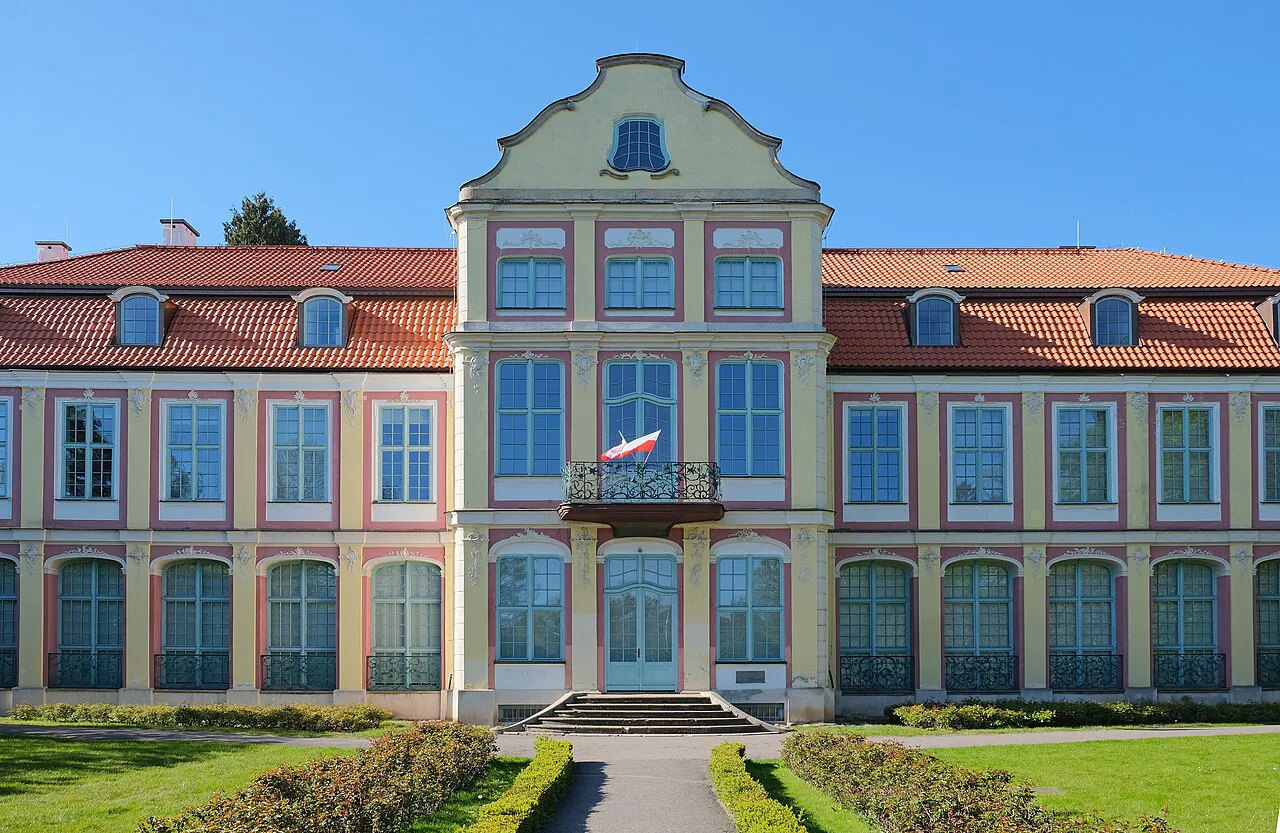

How Oliwa is laid out: station, park, cathedral, zoo and hills
The district splits into four clusters that are best treated separately. The railway station sits close to the main street, the cathedral and Oliwa Park are a short walk inland from it, the zoo spreads over a large site on the edge of the Tricity Landscape Park, and the Olivia Business Centre with its tower stands apart in the business quarter. Deciding in advance which cluster you want saves a lot of walking.
The walk from the station through the park to the cathedral is itself one of the pleasures of the district, and a sensible plan is to go straight up to the church, then drift back downhill through the gardens. The zoo and the hills above it are the part that swallows hours, so leave them for a separate visit or a long day. The business centre is a short taxi or bus hop away rather than a stroll you would combine with the monastery.
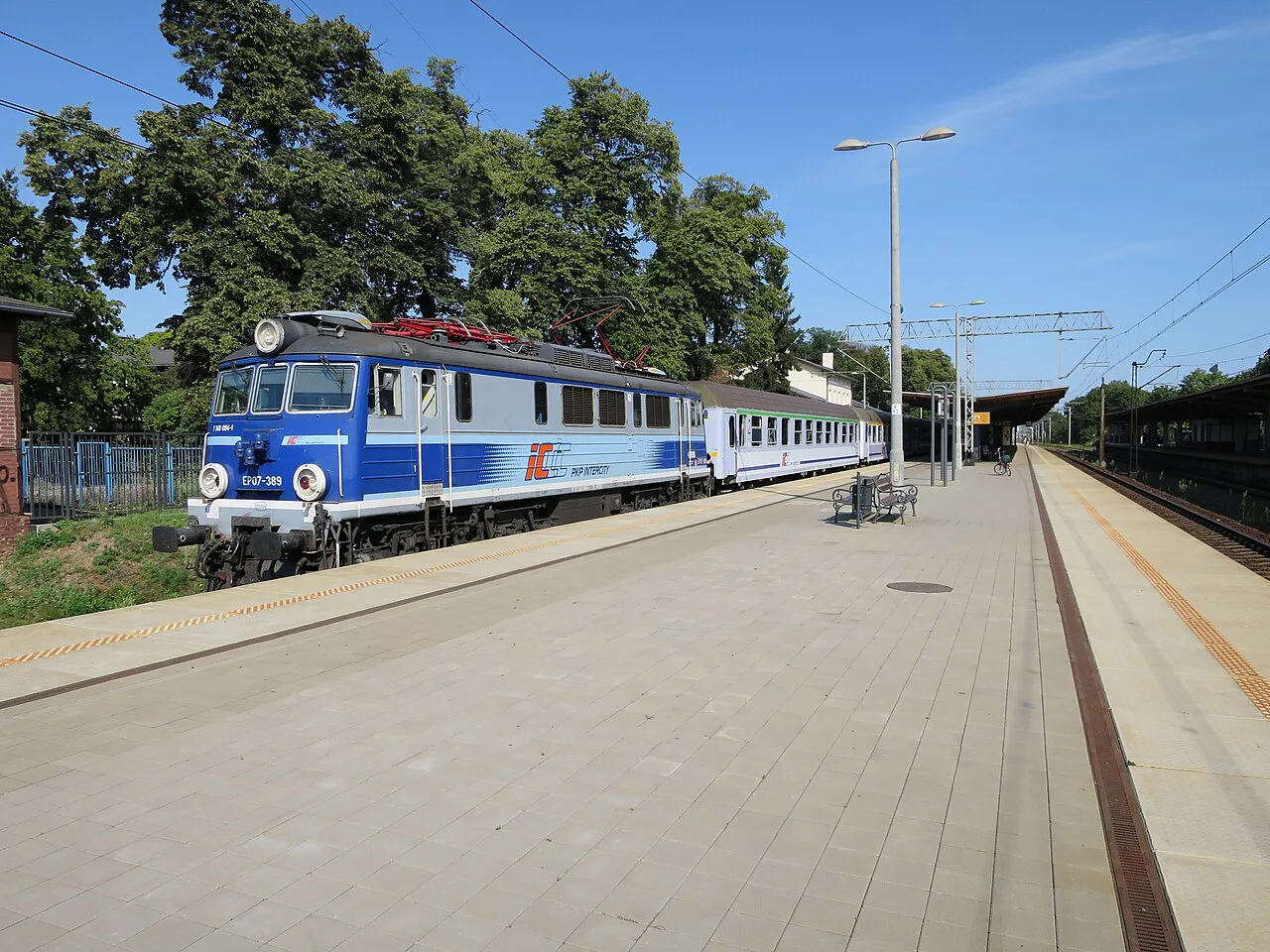

Getting to Oliwa from Gdańsk Główny and Sopot by SKM train
The quickest approach is the SKM commuter train, which links Oliwa with both Gdańsk Główny and Sopot. Oliwa is the sixth stop from Gdańsk Główny in roughly 14 minutes and the third stop from Sopot in about 6 minutes, with recorded fares of 5.40 złoty and 4.20 złoty respectively when those figures were published; treat those numbers as context rather than a quote for your travel date.
Buy a ticket from the machine at the station and stamp it in the yellow validation box on the platform before boarding, because an unstamped ticket is not valid. Driving up road 468 from central Gdańsk takes about the same time as the train and longer in traffic, and a taxi from the Old Town was quoted at around 35 złoty. From Sopot, the district is close enough that a bicycle is a realistic option for a confident rider.
Oliwa Cathedral: the Cistercian church and its organ
The cathedral, dedicated to the Holy Trinity and St Bernard, is a three-nave basilica with a transept and an ambulatory, its two narrow facade towers rising 46 metres each with sharply pointed helmets. The Baroque portal, three windows of different sizes and three cartouches date from 1688, and the bell tower over the crossing is a hallmark of Cistercian building. It stands at ulica Biskupa Edmunda Nowickiego 5.
The famous organ, housed in the church, is what draws most visitors, and recitals are held there. The building sits inside the park rather than on a town square, so you arrive through gardens rather than a street front. Recital timetables and church entry arrangements vary, so confirm the day's programme at the cathedral before you build a trip around a performance.
Oliwa Park: avenues, water features, the palm house and Whispering Caves
Oliwa Park, formally named for Adam Mickiewicz, brings together designed landscape, original trees, a lime avenue and water features, plus a botanical garden with a palm house. It also holds the so-called Whispering Caves, two small museums and the Abbot's Palace, so it can occupy a whole day if you let it. For most visitors the combination of the lime avenue, the water and the palm house is the manageable core.
Treat the park as your route rather than a single stop: the walk between the station, the palace, the cathedral and the gardens is the reason to come. Allow an hour if you are passing through and two or three if you want the museums and the glasshouse. The terrain is gentle, though the paths climb a little towards the hills.
Museums in the park: the Abbot's Palace and the ethnographic collection
The former monastery grounds hold two small museums that are easy to miss. The Museum of Modern Art occupies the Abbot's Palace itself, and an ethnographic collection is displayed in the palace granary, which the district's guides rate highly. Both are modest in scale, so they suit a visitor with a spare hour rather than a dedicated museum day.
Polish museums commonly close one day a week and some run a free-entry day, but the published days for these two vary by season and branch, so check the current opening days with each museum before you travel. Plan the park and cathedral around them rather than the other way round.
Gdańsk Zoo on the edge of the Tricity Landscape Park
The city zoo covers 136 hectares at the edge of the Tricity Landscape Park and keeps around 1,000 animals from roughly 190 species, drawn from every continent. It is a genuine half-day in itself and the obvious pick for families with children. The trade-off is that the site is large and the paths run through wooded ground, so it does not pair well with a cathedral-and-park morning.
The zoo's own accessibility declaration is worth reading in advance: it describes the ground as largely flat, with one adapted toilet and standard ramps with handrails, while some pavilions have no visible ramp and many enclosure signs are hard to read. Visitors with hearing or sight impairments should plan for limited provision, and carers of children with intellectual disabilities or autism are advised to contact staff about quieter times and feeding schedules.
Views from Olivia Star's terrace and Olivia Garden below it
The Olivia Business Centre is the largest office complex in Poland, and its Olivia Star tower has a 32nd-floor observation deck that gives the highest legal viewpoint in northern Poland. The panorama takes in the district's forested hills and the wider Tricity, and the same building holds a restaurant for a meal with the view. It is a business-district add-on rather than part of the old monastery cluster, so slot it into a separate part of your day.
On the ground floor of the same tower, Olivia Garden is a tropical indoor jungle of plants from around the world with an oriental menu of bao buns, ramen and bowls. That makes it a practical sit-down stop alongside the terrace rather than a garden you visit on its own. Terrace admission and restaurant hours change, so confirm them before making the trip across the district.
Eating and staying in Oliwa
Oliwa has cafes and restaurants scattered through its streets to support a day out, and Olivia Garden's menu adds a sit-down option inside the business centre. Beyond those, the district is a residential one, so expect neighbourhood places rather than a restaurant quarter; for the city's broader eating options, see our Gdańsk food guide.
The area's quiet streets and green setting make it a plausible base for a slower stay, though most short-break visitors sleep nearer the Old Town and come up for a half-day. If you do stay, the SKM line puts both Gdańsk and Sopot within a short ride. Compare that against the convenience of walking out of your door into the historic centre.
How much of a day Oliwa needs and how it fits a Gdańsk city break
Give Oliwa half a day for the cathedral and the park, and a full day if the zoo or the observation terrace is on your list. It fits neatly as a change of pace between days in the Old Town and time in Sopot, since the same train line serves all three. It does not replace a day of old-town sightseeing, because it offers a different kind of day entirely.
If you are working through the city district by district, Oliwa pairs naturally with the urban and industrial contrasts elsewhere on the coast line: Wrzeszcz, Gdańsk and its shipyard-side streets sit a few stops south, while Brzeźno, Gdańsk has a pier-and-promenade feel of its own, and each has a station on the same network.
Is Oliwa worth half a day of your Gdańsk trip?
Yes, if you want a green, unhurried contrast to the Old Town and are happy to trade market halls and squares for a Cistercian church, an organ, landscaped gardens and forested hills. Book the trip around the cathedral and the park, then add the zoo or the Olivia Star terrace only if you have the hours. Anyone who wants dense historic streets should spend that time elsewhere and treat Oliwa as an optional extra.
Explore more Gdańsk guides
Frequently Asked Questions
Czy Oliwa to dzielnica Gdańska?
Yes. Oliwa is a district in the north of Gdańsk, formerly an independent town until it was incorporated into the city in 1926. It sits some 8 to 11 kilometres north of the Old Town and less than 4 kilometres south of Sopot, with the SKM commuter train the quickest way there from either Gdańsk Główny or Sopot.
Jak daleko jest z Oliwy do morza?
Oliwa is an inland district set among wooded hills rather than on the coast, and the nearest seafront is at Sopot, less than 4 kilometres north. The SKM train makes that hop in a few minutes, so the beach can be a short add-on to an Oliwa day rather than a separate trip.