
Śródmieście in Gdańsk: the central district explained

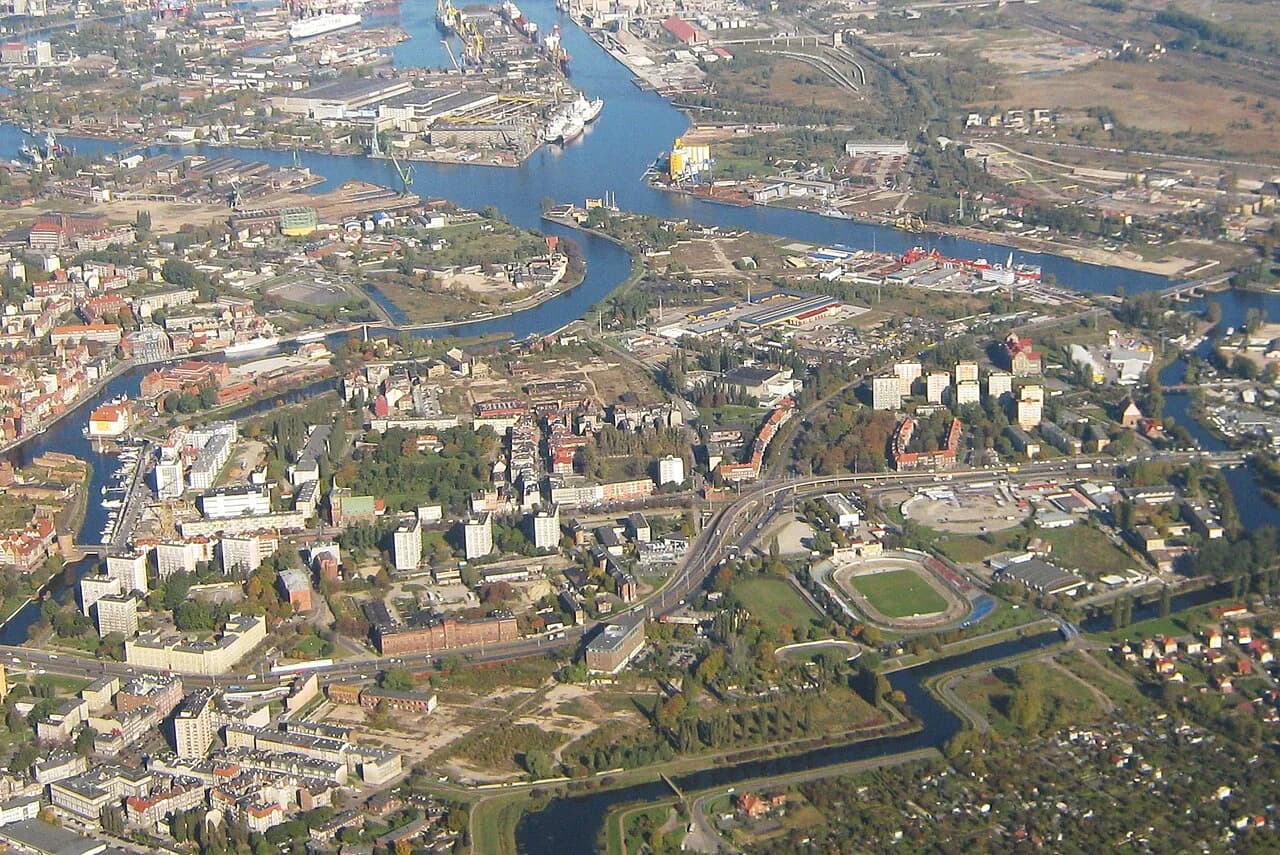
Śródmieście is the central district of Gdańsk, and it holds the whole sightseeing core plus a ring of quieter quarters around it. Treat it as the container rather than the attraction: Główne Miasto is the best-known part inside it, not the district itself. This page maps out the sub-areas, explains how they link on foot, and helps you decide where to spend your days and where to sleep.

A one- to three-day city break can comfortably sit inside the district without ever needing a tram. The trade-off is that the closer you stay to the Motława waterfront, the more of your day you spend among crowds and the more you pay for the convenience; the outer quarters are calmer but add walking to every sight.
Śródmieście versus Główne Miasto: what the names actually mean
Visitors often use 'the centre' and 'the Main Town' as if they were the same thing, and in Gdańsk they are not. Główne Miasto is one historic quarter inside Śródmieście, the district that also takes in Stare Miasto, Stare Przedmieście and a string of waterfront and edge areas. Getting this straight matters because a day that only covers the Main Town leaves out a good share of what the district offers.
The district map shows the internal structure clearly: Główne Miasto sits at the heart, Stare Miasto to its north, Stare Przedmieście to the south, Ołowianka and Wyspa Spichrzów along the water, and Długie Ogrody, Nowe Ogrody, Sienna Grobla, Grodzisko and Rudno spread across the eastern and southern edges. Use those names when you plan, because signage and maps in the city use them too.
In practical terms, everything in that list is walkable from the others, which is why a single base inside the district works so well. The confusion only costs you time if you assume the historic core is the whole district and skip the parts beyond it.

What sits inside the district
Główne Miasto holds the postcard set: Długi Targ, the Long Market, the waterfront with the Żuraw crane, and the streets that fan back from the river. This is where most first-time visitors spend the bulk of their time, and rightly so, because the concentration of architecture and museums is hard to match elsewhere in the city.
Stare Miasto, immediately north, is the other historic quarter, rebuilt after wartime destruction and now a mix of grand civic buildings and quieter lanes. Stare Przedmieście, to the south, is more workaday and less polished, with the kind of streets you cross through rather than linger in. Both are inside Śródmieście and both are easy to fold into a walk.
Along the water, Ołowianka and Wyspa Spichrzów give the district its river character. Ołowianka is the island side, reached by footbridge, while Wyspa Spichrzów takes its name from the granaries that once lined it. Długie Ogrody, Nowe Ogrody and Sienna Grobla form the eastern approach, and Grodzisko and Rudno sit further out towards the district's southern end.
That spread is why Śródmieście feels bigger than a single square. A morning in the Main Town, an afternoon crossing to the islands and an evening on the quieter eastern side is a realistic shape for one day without any transport at all.

The sightseeing core: Długi Targ and the waterfront
Długi Targ is the long market square at the centre of the Main Town, and it is the natural place to start. The waterfront beside it runs along the Motława, where the medieval crane, the Żuraw, anchors the view and the riverside walk draws the crowds. From here the main streets run inland in a fairly legible grid, so you can wander without a map and still find your way back.
The square is also the district's social living room: cafés spill out in season and the arcaded townhouses give it a stage-set quality that holds up even when it is busy. The honest trade-off is that Długi Targ is exactly where everyone else goes first, so early mornings and evenings are when it feels like a place rather than a procession.
From the waterfront, footbridges take you across to Ołowianka and on towards Wyspa Spichrzów, which is the most rewarding short detour in the district. Walking it turns a single-square visit into a proper half-day loop, and it costs nothing but time.
Where the district feels different
Step north into Stare Miasto and the tempo drops: wider streets, fewer tour groups and a mix of reconstruction and modern infill that rewards a slow look rather than a checklist. It is the part of Śródmieście that best shows how the city rebuilt itself, and it is where you can walk for twenty minutes without meeting a souvenir stand.
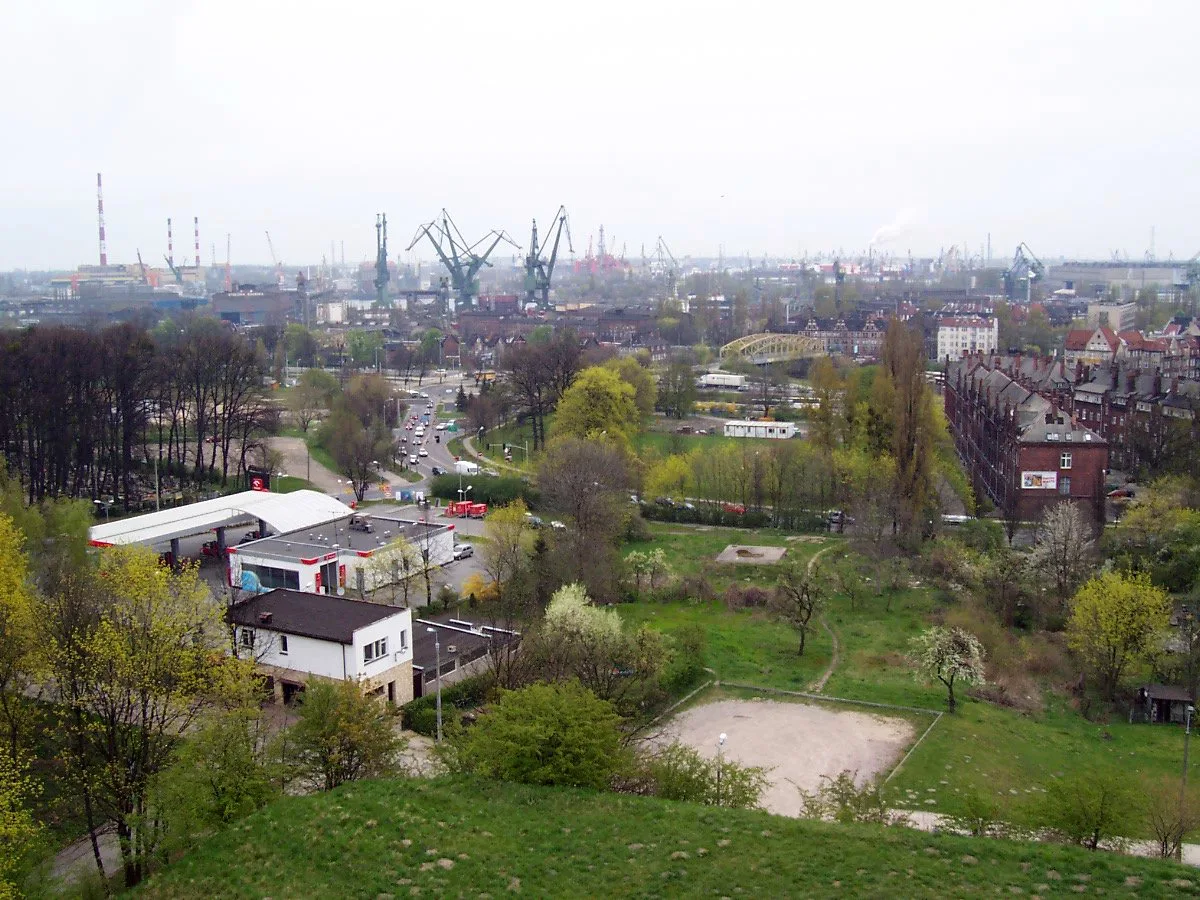
The southern and eastern edges, including Stare Przedmieście, Długie Ogrody and Sienna Grobla, are where the district becomes ordinary city rather than heritage zone. That is not a criticism: these are the streets where you see Gdańsk going about its business, and they make a useful contrast to the polished core. They are lighter on named sights, so treat them as connective tissue rather than destinations.
Further out, Grodzisko and Rudno mark the district's quieter fringe, where the built fabric thins and the walk feels more residential. If you have a spare afternoon after the main sights, this is where to spend it; if you only have one day, the core deserves your time first.
For a completely different texture of Gdańsk, the northern districts beyond Śródmieście make a worthwhile contrast, and Wrzeszcz Gdańsk in particular shows a more everyday face of the city within a short trip of the centre.
Where to eat and stay inside the district
The Main Town and the immediate waterfront are where the greatest concentration of places to eat sits, and they suit anyone who wants to step out of a hotel and into dinner. Expect the highest prices and the most tourist-facing menus right on Długi Targ and the Motława; walk two or three streets inland and both the prices and the crowd thin out noticeably.
For sleeping, the choice is really between the historic core and the calmer edges. A base in Główne Miasto or near the waterfront puts the Żuraw, Długi Targ and the islands within a few minutes on foot, which is ideal for a first visit of one to three days. A base in Stare Miasto or towards Stare Przedmieście trades a little extra walking for quieter nights and, often, better value.
Repeat visitors tend to drift outward, choosing the district's quieter quarters and treating the core as somewhere to visit rather than live in. Neither choice is wrong; it depends on whether your priority is rolling out of bed into the old town or coming back to a calm street at night.
Who Śródmieście suits, and who should look elsewhere
Śródmieście is the right base for most first-time visitors to Gdańsk. It puts the main sights, the river and the museums on your doorstep, removes the need for public transport, and gives you the classic city-break experience of walking everywhere. If your trip is one to three days and you want to see the famous parts without wasting time in transit, stay here.
It suits less well if you want green space, a local neighbourhood feel or lower prices. The district is compact and largely built up, with open landscape concentrated in pockets rather than spread across it, so travellers who need parks and breathing room should look beyond the centre.
For those who prefer a slower, leafier side of Gdańsk, Oliwa Gdańsk offers a genuinely different atmosphere with its own reasons to visit, and it works well as an alternative base or a half-day out.
Getting in and around on foot
Within Śródmieście, walking is the whole transport plan. The sub-areas sit close enough that Długi Targ, the waterfront, Stare Miasto and the islands form one continuous pedestrian day, and the footbridges over the Motława tie Ołowianka and Wyspa Spichrzów into the same loop. Wear shoes you can walk in for several hours; the surfaces range from cobbles to paved riverside paths.
Arriving from further out, the district is compact enough that once you are inside it you rarely need anything else. The pedestrian core is dense and partly traffic-restricted, so plan to drop bags and then move on foot rather than trying to drive between sights.
For the full picture of how this district relates to the rest of the city, the Gdańsk Neighborhoods: 5 Area Guides collection sets Śródmieście alongside the other areas and helps you pick a base for a longer stay.
Should you base yourself in Śródmieście?
Yes for most first trips: Śródmieście puts the Main Town, the waterfront and the islands within walking distance, and it removes the need to plan transport at all. Choose the historic core if you want maximum convenience, or the quieter edges if you value calm and better value over doorstep sights.
Whichever part you pick, plan your days by sub-area rather than by landmark, so a morning in Główne Miasto flows into an afternoon on the islands and an evening in Stare Miasto without doubling back. That single habit gets more out of the district than any list of sights.
Explore more Gdańsk guides
Frequently Asked Questions
Is Śródmieście the same as the old town of Gdańsk?
Not quite. Śródmieście is the administrative district, and the historic quarters people call the old town, Główne Miasto and Stare Miasto, sit inside it alongside waterfront and edge areas such as Ołowianka, Wyspa Spichrzów, Długie Ogrody and Sienna Grobla. Thinking of the district as the container and the Main Town as its best-known room keeps a day out from becoming repetitive.
How many days do you need in Śródmieście?
Two full days cover the Main Town, the waterfront and the islands at an unhurried pace, with time to cross to Ołowianka and walk the quieter northern and southern edges. One day is enough for the core if you move briskly, and three days lets you add the outlying parts of the district and still have evenings free.
Can you walk everywhere in Śródmieście?
Yes. The sub-areas inside the district are close together and linked by streets and footbridges over the Motława, so a normal city-break day needs no transport once you are in the centre. The trade-off is surface: cobbles in the historic streets and paved riverside paths, so comfortable shoes matter more than a map.