
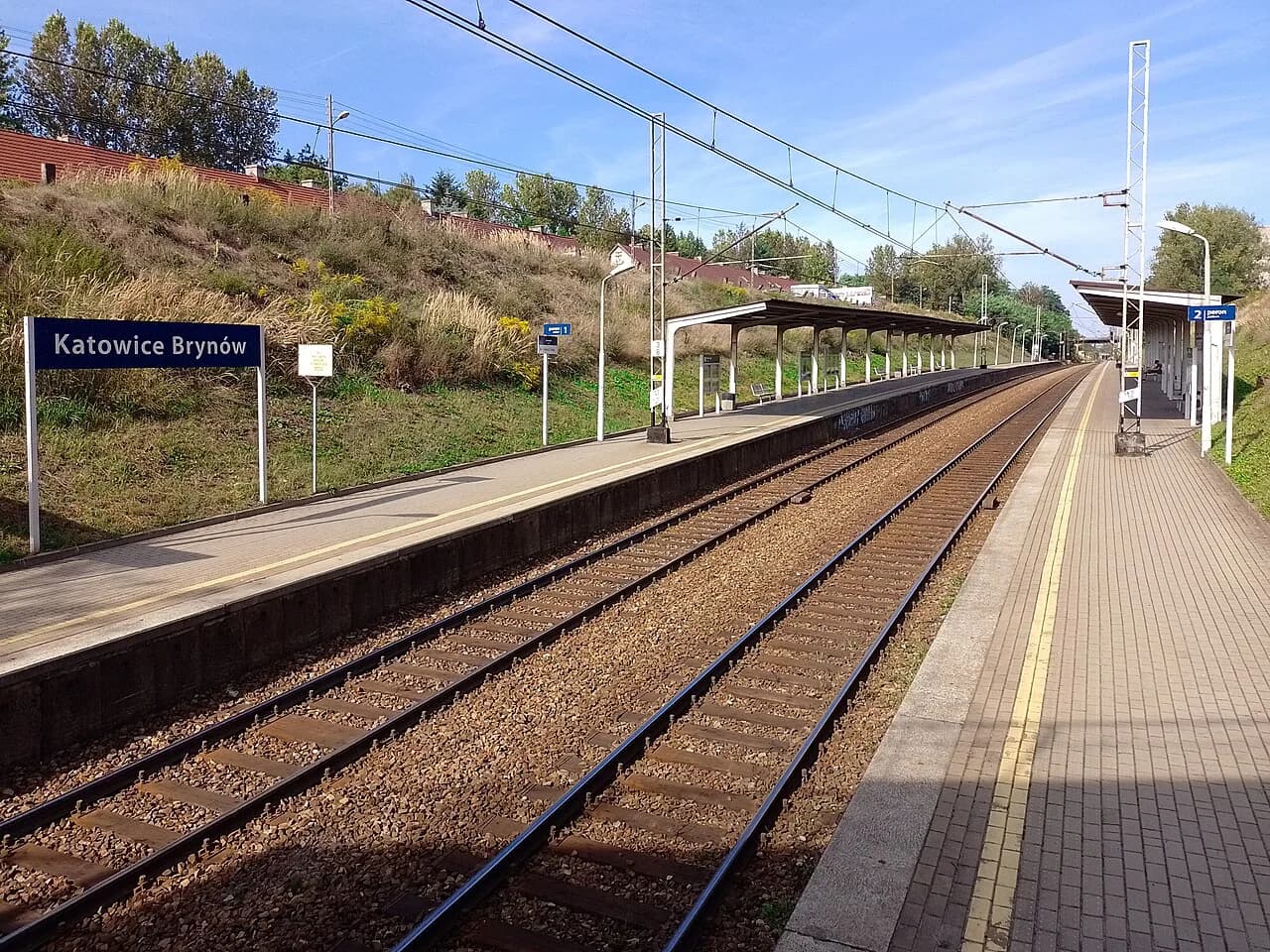
Brynów, Katowice: a guide to the green district around Park Kościuszki

Brynów does not need a full day, and it is not the place to base a Katowice city break. It is a green, largely residential district on the hillside south of the centre, worth half a day to a day for Park Kościuszki, the wooden church inside it and the quiet streets of the Zgrzebnioka estate. This guide covers what the district contains, who it suits, and how it fits around the rest of your trip. For orientation across the city's districts, see Katowice Neighborhoods: 5 Area Guides.
The practical catch is the highway belt that runs between Brynów and Śródmieście, so you feel the separation even though the district sits close to the centre. Treat it as a tram or bus hop plus a walk rather than a stroll out of the main square, and plan the park as the anchor of the visit.
What Brynów is and where it sits
Brynów occupies the ground south of central Katowice, strung along the main road from the centre towards Mikołów, with the motorway belt forming its northern boundary towards Śródmieście. The city portal describes it as a district defined by housing, mostly detached houses, with recreation, sport, shops and medical care as the supporting functions. That mix explains what you find: leafy streets, a large park and everyday amenities rather than a dense sightseeing core.
The city portal places the largest Katowice city park, Park Południowy, in the Brynów–Osiedle Zgrzebnioka area, with its wooden church and recreation facilities, and describes the district's residential, green character. For a visitor, the practical geography is simpler: the park at the heart of the district, residential streets around it, and the green corridor towards Dolina Trzech Stawów.
History sits under all of this. Brynów was first recorded in 1474 as a village in the Pszczyna lands, gained a coal mine, Beate, in 1801 and a zinc works in 1823, became a separate municipality in 1865 and was absorbed into Katowice in 1924. The industrial layer is what turned the mining ground into the park you walk through today.

Who Brynów suits, and who it does not
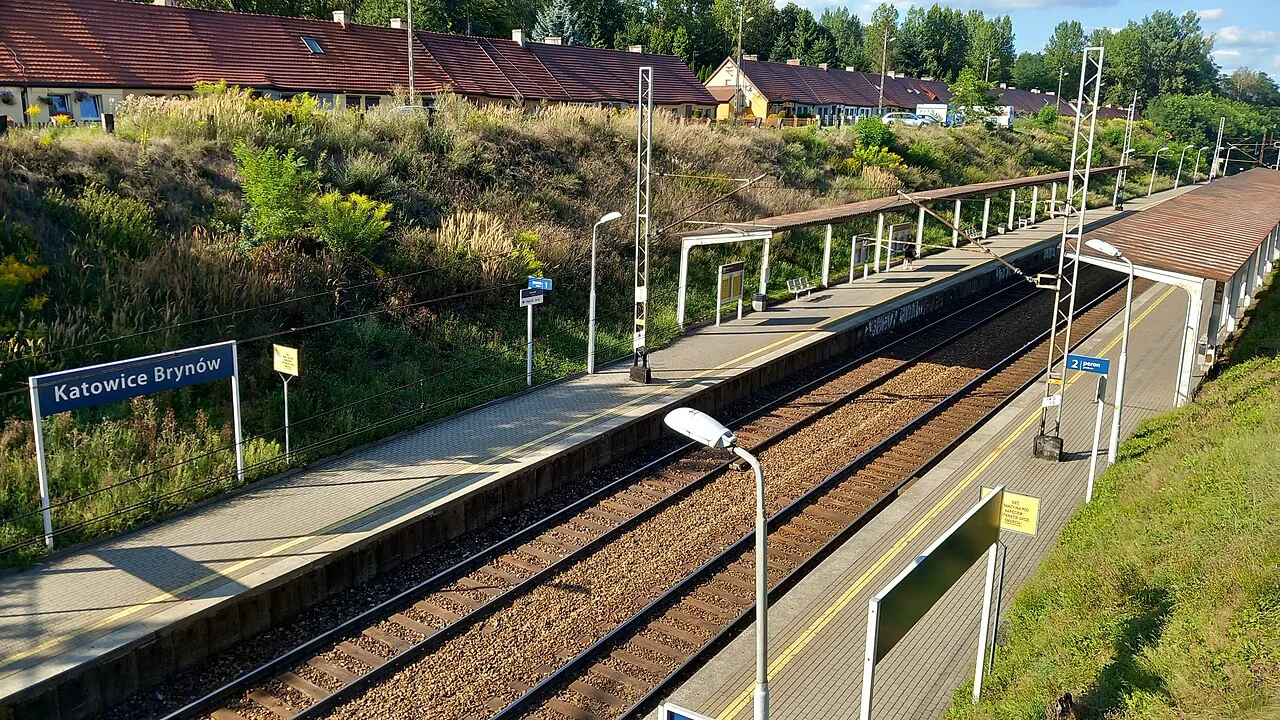
Brynów suits travellers who have already seen the centre and want a slow half-day of parkland, wooden architecture and a quiet residential quarter with a genuine sense of how Katowice lives. It is particularly good for families, for anyone travelling with a pram or a bike, and for people who would rather walk under trees than queue for another museum.
It suits you less if your one or two days in the city are built around big sights, or if you want restaurants and bars on the doorstep at night. The district is primarily residential, and the city portal's own framing of it as a calm, green quarter is the honest pitch. Read it as a complement to a city break, not a replacement for staying central.

Park Kościuszki: the district's anchor
Park Kościuszki, also known as Park Południowy, is the largest municipal park in Katowice and the reason most visitors come to Brynów. It was laid out in 1888 on land left by the closed Beate coal mine, at a time when the area still lay outside the city boundary, and covers about 72 hectares. Those two facts explain its character: a large, rolling landscape park with long avenues rather than a formal city square.
Inside, expect tree-lined alleys, ponds and small footbridges, with notable specimen trees including ginkgo and tulip tree among the planting. Walking the main paths takes an hour or so at an easy pace; plan longer if you want to sit by the water or loop through the quieter corners. It works as a morning or late-afternoon stop, and as a landscape park it is best treated as a walk rather than a ticketed visitor complex.
Bring what you need with you. The park is a landscape park rather than a visitor complex, so treat it as a walk with a couple of historic stops rather than a ticketed attraction with facilities at every turn.
The wooden church of St Michael the Archangel and the parachute tower
The park's most distinctive building is the wooden church of St Michael the Archangel, a 16th-century timber church moved here in 1938 from Syrynia. It is one of the best examples of Silesian wooden architecture in the city, and it stands among the trees as a contrast to Katowice's brick and concrete. Approach it as an architectural monument within the park rather than as a parish visit.
Nearby stands the parachute tower, which the city portal presents as a symbol of the scouts who defended Katowice during the Second World War. It is a memorial landmark, so read it in that spirit: a short stop for reflection rather than a viewpoint or an activity.
Osiedle Zgrzebnioka, the bird estate
East of the park, Osiedle Zgrzebnioka, also called Osiedle Ptasie or the bird estate, was built between 1978 and 1994 and is laid out on an unusual plan. Its streets carry bird names such as Słowików, Drozdów and Wróbli, which makes navigation easy once you spot the theme. The housing mixes modernist detached houses with small blocks, giving the estate a low, intimate scale.
It is a residential quarter rather than a sightseeing destination, so walk it for the architecture and the street layout, keep noise down and stay on the public streets. Twenty minutes of wandering is enough unless modernist housing is your particular interest; combine it with the park rather than making a separate trip.
Dolina Trzech Stawów on the district's edge
Dolina Trzech Stawów, the Valley of Three Ponds, is a separate green space on Brynów's edge rather than part of Park Kościuszki, and it does a different job. It is a recreation complex with paths for walking, cycling and running, surrounded by open green land, and in summer there is a beach at one of the ponds plus water-equipment hire. Both the beach and the hire operate seasonally, so confirm current arrangements with the operator before building a day around them.
Choose between the two according to your mood: Park Kościuszki for historic buildings and shaded avenues, the valley for a longer, flatter circuit and water. If you have a bike, the valley's paths suit it better than the park's footpaths.
The Church of the Most Holy Names of Jesus and Mary
The Church of the Most Holy Names of Jesus and Mary is the district's other notable sacred building, described as modernist in architecture with interesting interior decorations that draw people interested in sacred art. It is an active parish church, so visit respectfully and around services rather than treating it as a museum.
Getting there and around
The district lies along the main road from central Katowice towards Mikołów, with the motorway belt separating it from Śródmieście. That belt is the key planning fact: the walk from the centre is not a pleasant short stroll, so use public transport or a taxi to reach the park or the estate and walk within the district from there. Check current tram and bus routes and stops on the city's transport information before you set out.
Once inside, the distances are walkable: the park, the wooden church and the bird estate sit close together, and the valley is a further walk towards the green edge. Build the day as one loop rather than several separate trips. For orientation across the city's districts, compare this area with Ligota, Katowice to the west and Koszutka, Katowice to the north, and Zawodzie, Katowice elsewhere along the valley, each a separate area guide.
Where to eat and stay in Brynów
Brynów's food and accommodation are everyday neighbourhood amenities rather than a visitor scene. The practical approach is to eat in Śródmieście or another central district and come to Brynów for the park, or to pick up supplies near the park entrance and picnic instead. Staying here makes sense only if you specifically want quiet, green surroundings and are happy to travel into the centre for meals and sights.
How long Brynów needs
Allow half a day for the core: an hour and a half in Park Kościuszki with the wooden church and parachute tower, twenty minutes in the bird estate, and a walk down to Dolina Trzech Stawów if the weather holds. Stretch it to a full day only if you want a long cycle circuit in the valley or a slow picnic.
Fit it into a Katowice city break as a green half-day between more urban stops, ideally on a dry day since almost everything here is outdoors. If your time is short, prioritise the park and the wooden church and leave the estate for a return visit. Katowice Attractions covers the ticketed sights to pair with it in the centre, and parks in Katowice covers the city's other green spaces.
Should you add Brynów to your Katowice itinerary?
Add Brynów if you want one unhurried, green half-day in Katowice, built around a 72-hectare park with a 16th-century wooden church, a wartime memorial tower and a curious bird-named estate. Skip it if your trip is short and centred on the city's museums and squares, or if the weather is against you.
Plan it as a transport hop from the centre, bring a picnic or eat before you come, and keep the park as the fixed point with the estate and the valley as optional extensions. That way the motorway belt and the district's residential quiet work in your favour rather than against you.