
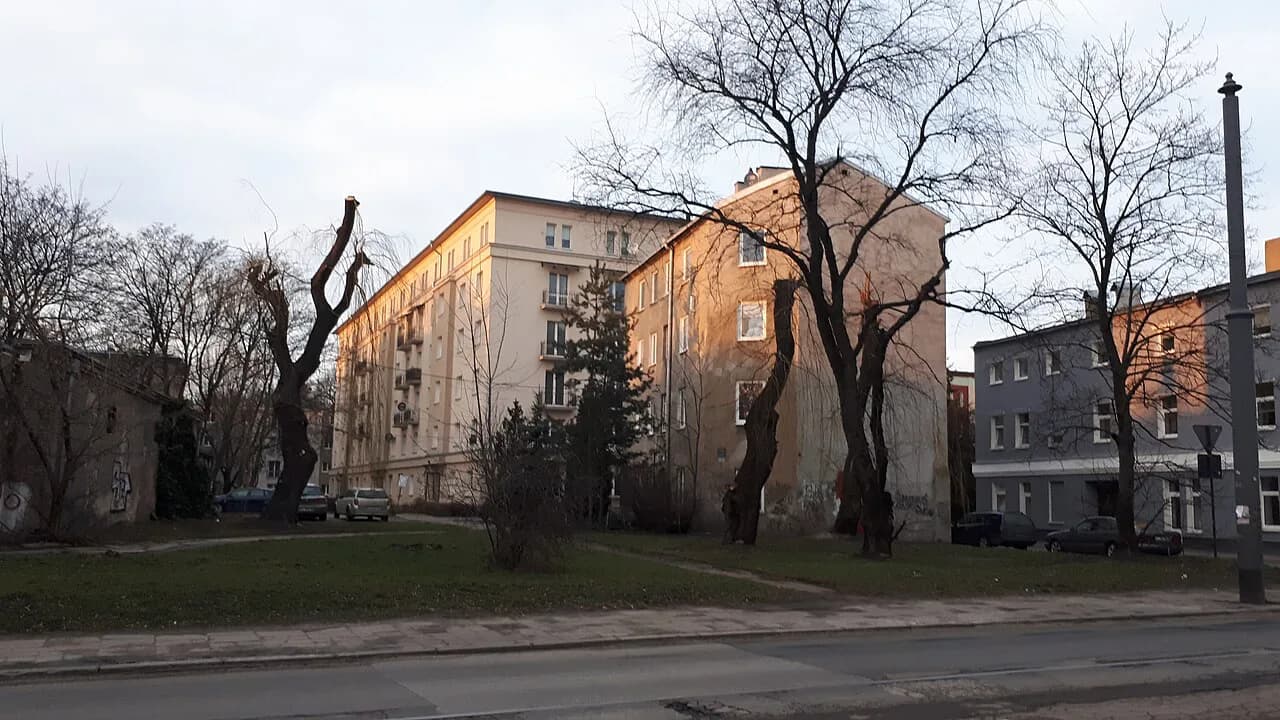
Bałuty, Łódź: What the District Is Like and Whether to Stay There

Bałuty suits travellers who want to understand Łódź rather than tick off a pretty old town: it is the city's big northern district, and its historic core sits within a short walk of Stary Rynek and the northern end of Piotrkowska Street. It is not the place to base yourself if you want cafés and museums within ten minutes of your bed. This guide explains how the district is laid out, what the wartime heritage asks of visitors, and how much of a one to four day trip it deserves. Our Łódź Neighborhoods: 5 Area Guides map the rest of the city for comparison, and the Śródmieście, Łódź guide covers the Piotrkowska Street base.
What Bałuty is and where it sits in Łódź
Bałuty occupies the north of Łódź, running from the edge of the historic centre out towards the northern suburbs. The part that matters most to a short-break visitor is the southern edge, where the district meets Stary Rynek, the old market square, and the top of Piotrkowska Street. Beyond that, Bałuty becomes a dense residential district with its own markets and everyday life.
That split explains most of the confusion about the name. When people say Bałuty is close to everything, they usually mean the southern strip beside the centre; when they describe somewhere far out and residential, they mean the northern expanse, which is a long walk from the sights. Treat them as two different places when you plan your days.
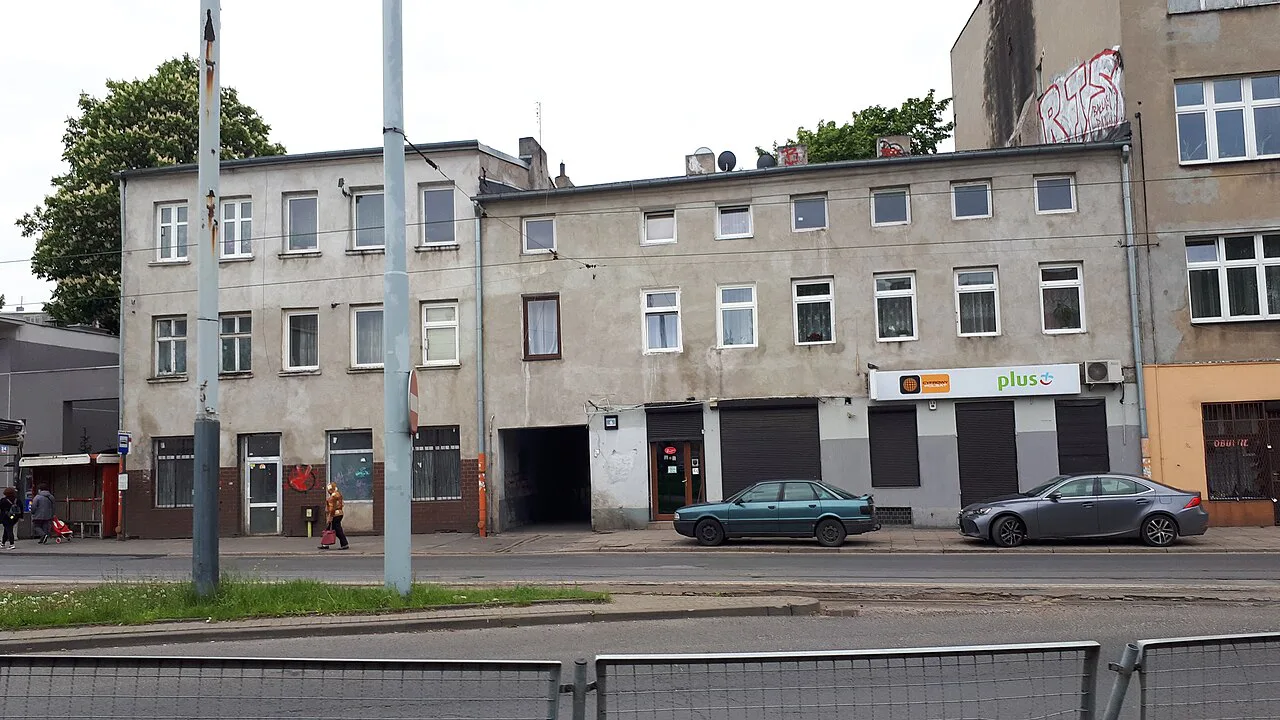

Who Bałuty suits and who should base themselves elsewhere
Choose Bałuty if your interests lean towards industrial history, the wartime story of the city and seeing how a Polish city works away from its showpiece street. The district rewards slow walking and curiosity rather than a list of ticketed attractions. It also gives you a quieter, more local base if you do not mind walking or using public transport to reach the centre.
Look elsewhere if this is your first Łódź trip and you have two days or less. Travellers who want museums, restaurants and bars on the doorstep are better off in Śródmieście, along or just off Piotrkowska, where the main sights cluster — our Śródmieście, Łódź guide covers that base in full, and the Widzew, Łódź guide covers a quieter eastern alternative. Bałuty works best as a half-day excursion or as a base for a return visitor.
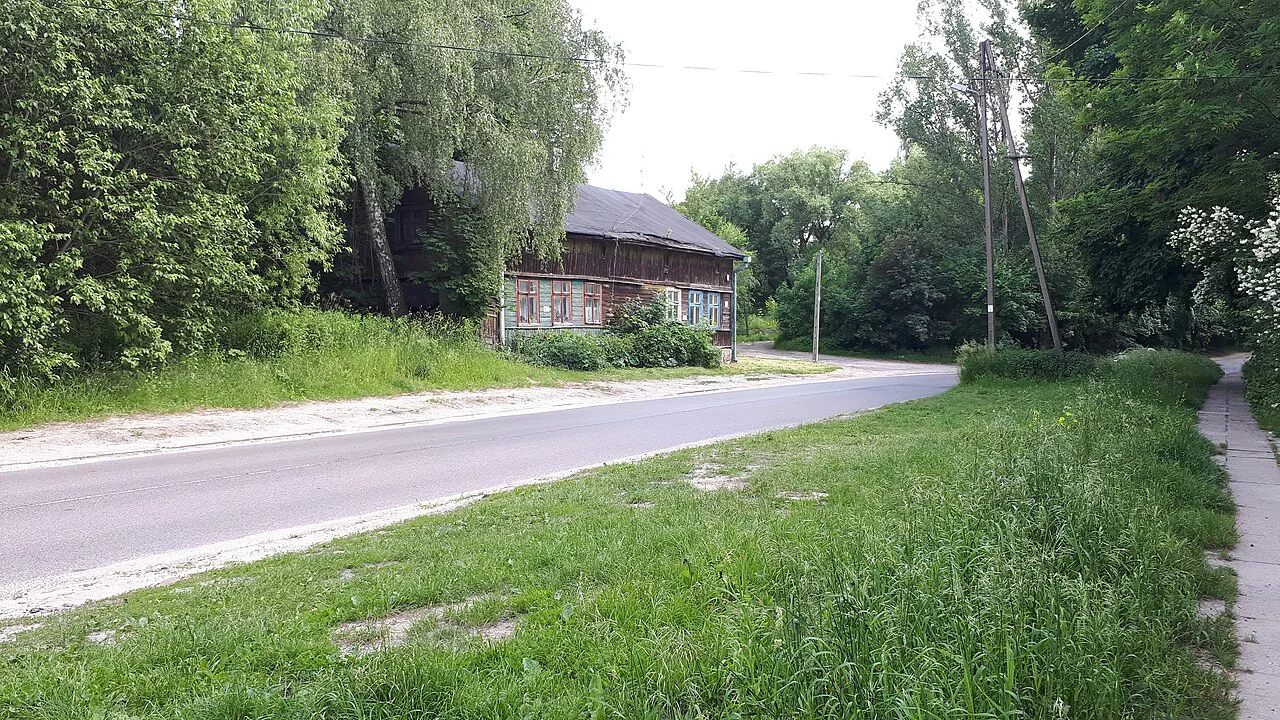

The Litzmannstadt Ghetto heritage in Bałuty and how to approach it
During the German Nazi occupation, the Łódź ghetto — known in German as Litzmannstadt — was imposed on the poorest northern part of the city, in the area that includes Bałuty. It was the second-largest ghetto in occupied Europe and existed from 1940 until August 1944, when its remaining inhabitants were deported. The site is a place of memory, not a conventional sight, and the city's own materials treat it as such.
Approach it on foot along the surviving streets, read the memorial markers as you go, and allow time to stop rather than rushing between points. Photography is fine, but keep voices low near commemorative sites and do not treat the area as a backdrop for cheerful holiday pictures. The Łódź tourism portal lists the Litzmannstadt Ghetto among its what-to-see entries if you want the city's own framing before you go, and Łódź Attractions: 9 Visitor Guides covers the city's other museums.
Bałuty sites worth adding to a short break: the Old Town area and Stary Rynek
Stary Rynek, the old market square at the southern edge of Bałuty, is the natural starting point: it marks where the historic town ends and the district begins, and it gives you a fixed point to walk back to. From there, the streets heading north take you into the older working-class fabric of the city.
Two of Łódź's heavyweight sights sit within easy reach of this boundary rather than deep inside Bałuty, and both are worth pairing with a district walk. Manufaktura, the former Izrael Poznański factory complex, now holds shops, restaurants, museums and a cinema around its own square, and the Muzeum Miasta Łodzi is housed in Poznański's palace. The city tourism portal describes the Poznański industrial empire and its later reuse in detail.
For the textile story that made the city, the Central Museum of Textiles occupies the White Factory on Piotrkowska at number 282, with a steam engine, looms and a reconstructed weavers' setting in the Łódź City Culture Park behind it. That is a southern Piotrkowska address rather than a Bałuty one, so plan it as a separate stop; the museum portal sets out the visiting arrangements.
Getting to Bałuty from the centre and getting around on foot
The southern edge of Bałuty is genuinely walkable from Śródmieście: from the Piotrkowska area to Stary Rynek is a short stroll, and you can carry on north into the district without needing transport. Trams and buses run up the main northbound streets, which is the sensible option once you are heading deeper into the residential north or carrying bags.
Within the historic southern strip, walking is the only practical way to see it, and the pavements are ordinary city pavements rather than a tourist circuit. Work out your route on a map before you set off, because street patterns bend around former factory land and the grid is less regular than it looks.
Where to eat and stay in Bałuty
Eating in Bałuty is everyday Polish city eating rather than destination dining: expect milk bars, bakeries and small local restaurants serving straightforward food at local prices, with the widest choice around the Stary Rynek end and along the main northbound streets. For a wider spread of restaurants and cafés, the centre around Piotrkowska gives you far more options.
On accommodation, Bałuty works if you want an apartment-style base or a cheaper room and are happy to walk or ride into the centre each day. If your priority is stepping out of the door into the museum-and-restaurant cluster, base yourself in Śródmieście instead and visit Bałuty as a half-day. Book only after checking the exact address on a map against Stary Rynek and Piotrkowska.
How much time Bałuty needs within a one to four day trip
On a one-day trip, skip Bałuty unless the ghetto heritage is your main reason for coming; the centre and Manufaktura will fill the day comfortably. On two days, give the district a morning: Stary Rynek, a walk north through the ghetto area and a slow return.
On three or four days, Bałuty earns a fuller half-day, and you can add the green side of the city. The Botanical Garden on Krzemieniecka opens daily from 1 April to 31 October, with hours from 9.00 to 19.00 in April and September, 9.00 to 20.00 from May to August and 9.00 to 17.00 in October, and a normal ticket at PLN 8; card payment is not accepted at the ticket counters, so bring cash.
Two rules keep a Bałuty day honest: decide in advance whether you are doing heritage or general sightseeing, and keep the two walks separate. The district is large, and trying to cover the memorial streets and the shopping stops in one push leaves you hurrying through the part that deserves quiet.
Should Bałuty be on your Łódź shortlist?
Yes, as a half-day for the wartime heritage and the older streets around Stary Rynek — not as the base for a first two-day trip. Put Śródmieście at the centre of your plan, add Manufaktura and the textile museum, and give Bałuty the morning when you want to understand what the city went through.