
Jeżyce, Poznań: what to see, where to eat and whether to stay

Jeżyce deserves half a day of a Poznań city break, and it earns that time through everyday city life rather than a polished old-town set piece. The district sits on the far side of the railway line from the historic centre and centres on a market square that still sells fruit, vegetables, meat and clothes. This guide covers what to see, where to eat and stay, and how to walk it in an afternoon.
Come here for 19th-century tenements, a functioning market and a handful of named sights you can tick off on foot. Skip it if you want every sight within five minutes of Stary Rynek, because Jeżyce rewards a proper walk rather than a quick detour.
What Jeżyce is and who it suits
Jeżyce began as a village on the edge of Poznań and was a typically Polish settlement until it was incorporated into the city in 1900. Growth followed the railway line through the centre, and by 1910 the rural landscape had largely gone. A few street patterns survive from the old village, with Rynek Jeżycki still acting as its centre.
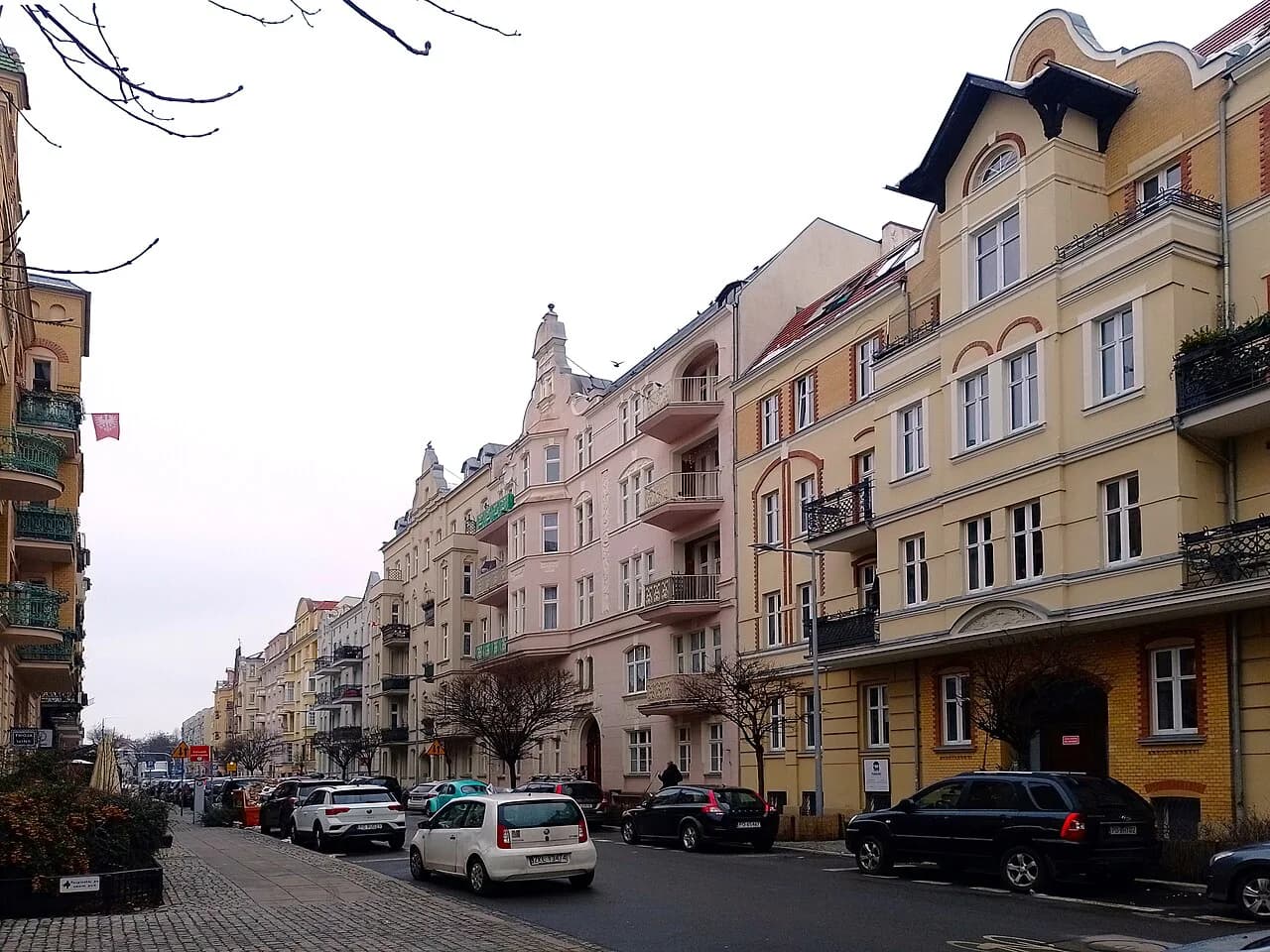
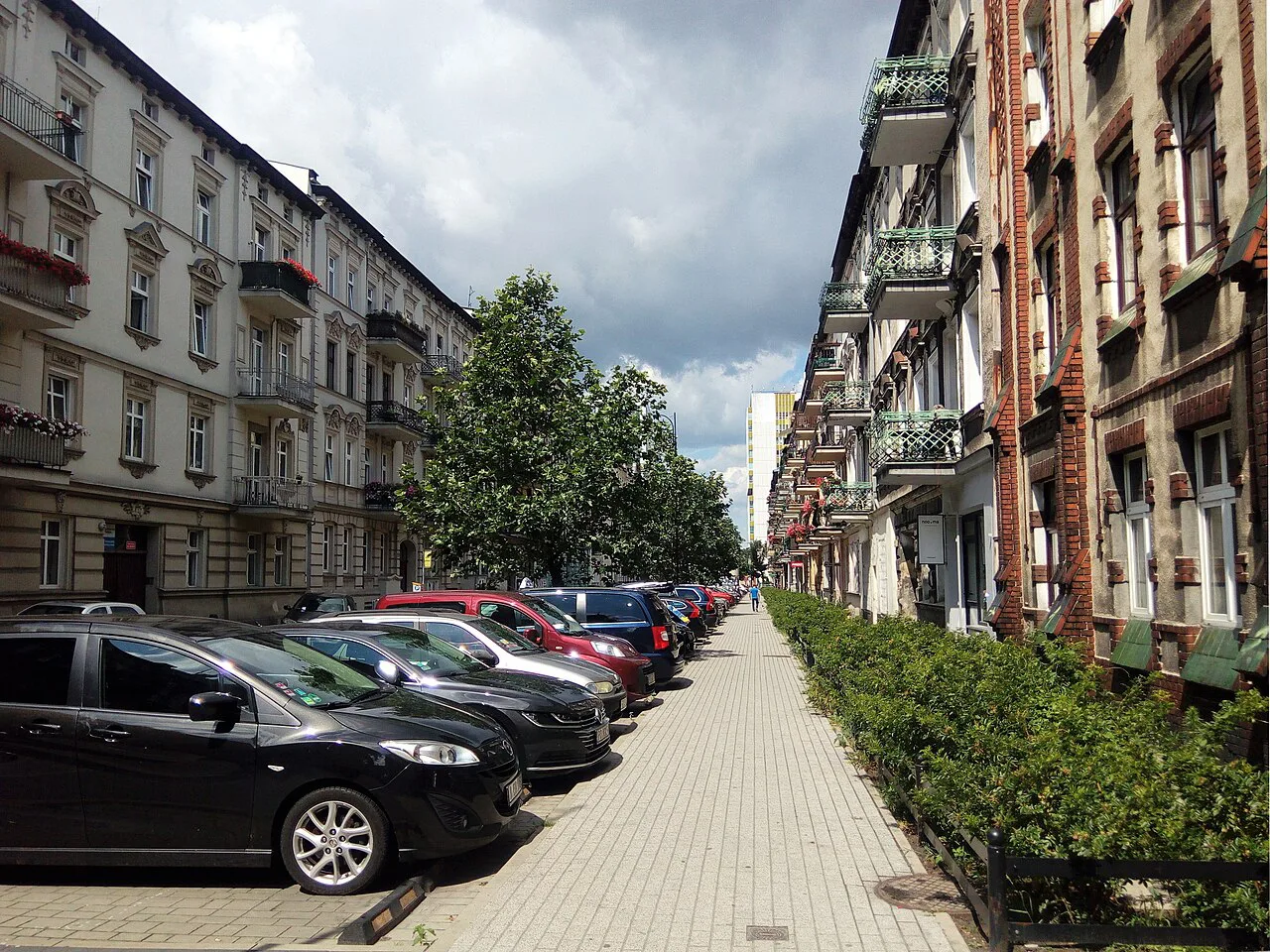
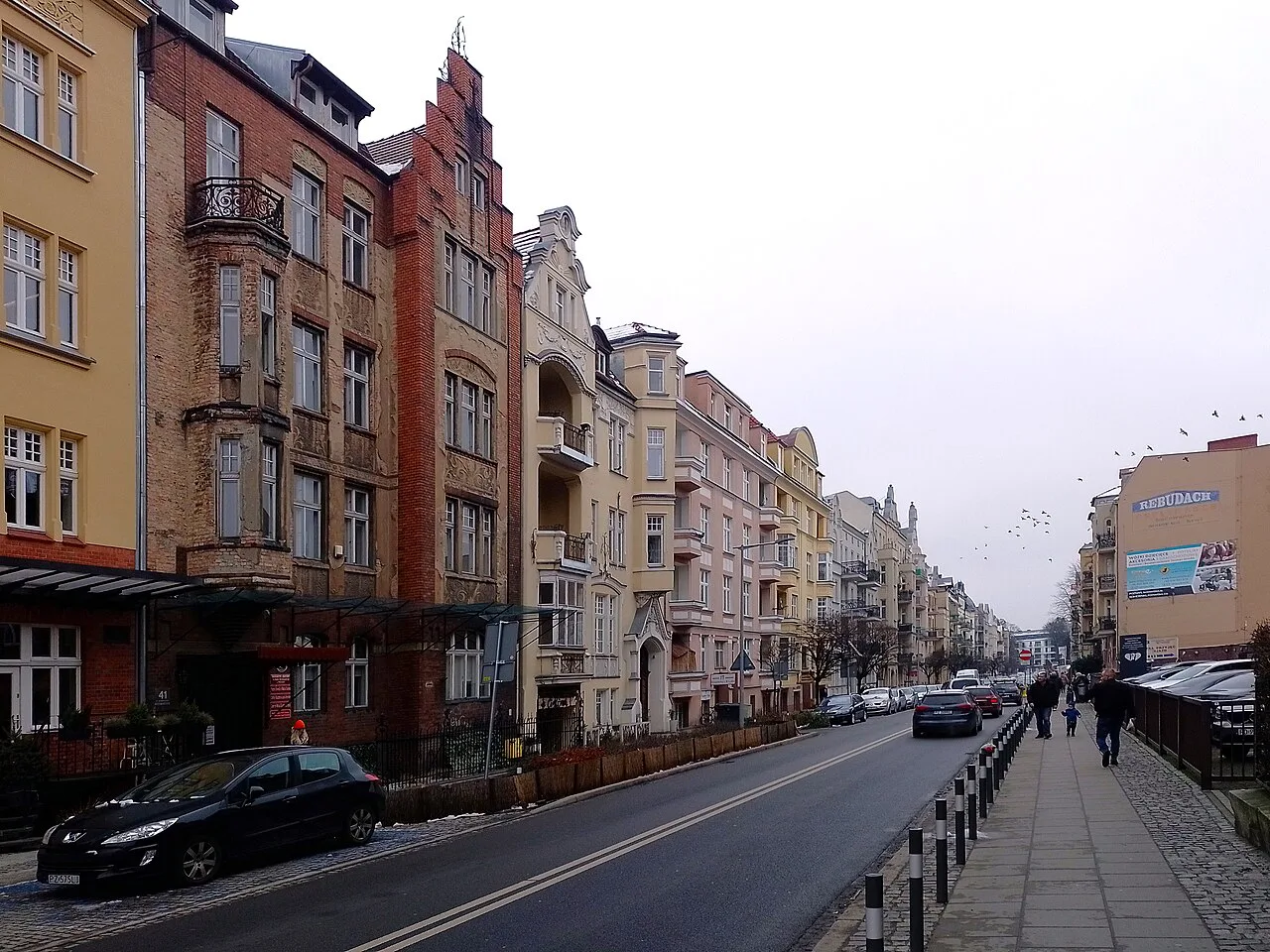
The district has roughly 24,000 residents against a city population of about 534,000, so it feels lived-in rather than curated. Most of the main streets are lined with buildings from the turn of the 20th century, and those hundred-year-old houses remain the area's visual signature. New apartment blocks are steadily replacing single-family housing, which gives the streets an honest mix of old and new.
This suits travellers who like real neighbourhoods: a market you can shop in, a parish church at the heart of things and cafés along a single street. It does not suit anyone hoping to step out of a hotel into a museum quarter. Come expecting a lived-in district and you will get the most from it.

Where Jeżyce sits in Poznań and how to get there from the centre
Jeżyce lies in the north-west of Poznań, on the opposite side of the railway line from the historic centre. That line is the practical boundary: cross it and the street pattern changes from the old town's tight grid to Jeżyce's longer, straighter streets. The main axis is ulica Dąbrowskiego, the longest street in Poznań at 8.5 km with around 500 addresses, running through the district from the western side of the city.
Walking from the centre is the most straightforward approach, and the distance is short enough to make the crossing on foot part of the day rather than a separate journey. If you are coming from the other side of the city, compare Jeżyce with Wilda Poznań and Grunwald Poznań, which sit on different sides of the centre and suit different plans.

Rynek Jeżycki: the market at the centre of the district
Rynek Jeżycki dates from 1890, ten years before the district joined Poznań, and it still works as a market rather than a decorative square. Stalls sell fruit and vegetables, meat and clothing, and the market draws several thousand visitors a day. Its surrounding buildings are among the clearest examples of Poznań Secession in the city.
This is the anchor of any visit to the area. The market is the kind of everyday place where you can pick up local produce and have small practical jobs done on the pavement. Come in the morning for the full spread of stalls, and treat the square as a place to buy lunch supplies rather than a photo stop.
Ulica Dąbrowskiego and the Secession streets around the Rynek
Ulica Dąbrowskiego carries you through the whole district, and it is the street to follow if you want a sense of how Jeżyce is laid out. Much of the architecture along the main streets comes from the turn of the 20th century, and the Rynek's surroundings hold the brightest Secession facades. Not every historic house is as showy as those on the square, but the streets are well kept and architecturally interesting.
Allow time to step off Dąbrowskiego into the side streets, where the tenement scale is easier to read and the mix of renovated and waiting-for-renovation frontages is clearest. This is the part of Jeżyce that most rewards slow walking, and it is also where you will notice how the modern apartment blocks slot in between the old houses.
Kościół Najświętszego Serca Pana Jezusa i św. Floriana
The parish church of the Sacred Heart of Jesus and St Florian was built at the end of the 19th century and underwent a thorough restoration in 2005, which is why it stands out so sharply against the surrounding Secession tenements. It is a working neighbourhood church, so visit respectfully around services and keep the interior for quiet viewing rather than conversation.
Treat the church as a ten-minute stop on the walk between the Rynek and the green spaces rather than a destination in its own right, and time your visit so it fits the rest of the route.
Stare Zoo and the botanical garden
Stare Zoo lies within Jeżyce and is the second oldest zoo in Poland and the oldest still operating continuously since its founding in 1874. By 1907 it held more than 900 animals across 400 species and drew about 250,000 visitors a year. The district also contains the city's botanical garden.
For a city-break schedule, one of these two green spaces is usually enough alongside the market walk, especially if you are planning Jeżyce as a half-day. The official zoo and botanical garden websites carry current opening times and ticket prices in złoty, and these change by season.
Ulica Kościelna and where to eat in Jeżyce
Ulica Kościelna is the district's eating street, a run of places to eat just off Dąbrowskiego. Its food strip begins on the Dąbrowskiego side with burger places and continues along the street, making it the obvious place to stop after the market. It is casual, everyday eating rather than destination dining, and individual venues change, so check current hours before you set out.
If you are staying nearby, Kościelna is where you will end up in the evening. Elsewhere in the city, Łazarz, Poznań and Śródka in Poznań offer different eating and drinking characters worth comparing before you commit to a base.
Where to stay in Jeżyce
Jeżyce has apartment-style accommodation and small guesthouses rather than large hotels. The listings mapped across the district include an apartment on ulica Jackowskiego, apartments on ulica Zwierzyniecka and Alphia Hostel on ulica M. Rodziewiczówny, alongside other rooms and guesthouses. These are individual properties rather than a price benchmark, so compare current rates directly with each property.
Staying here puts the market, Dąbrowskiego and Kościelna within walking distance and gives you a base in a residential district. The trade-off is that the centre's sights are a walk across the railway line rather than on your doorstep, which matters most on a short break. Book a place near the Rynek if you want the market on your doorstep every morning.
Jeżyce on foot: a workable half-day route
Start at Rynek Jeżycki, walk the square and its Secession surroundings, then follow Dąbrowskiego east towards the church of the Sacred Heart. From there, choose either Stare Zoo or the botanical garden depending on how much time you have left. Finish on ulica Kościelna for a late lunch or an early dinner.
The whole loop sits comfortably in half a day, with the market and the church taking the least time and the green spaces the most. This is a district for walking, so wear shoes that cope with pavements and keep the route flexible. A morning start gives you the best of the market and leaves the afternoon free for the zoo or garden.
Who Jeżyce is not for
If your Poznań plan is built around Stary Rynek, the Poznań Town Hall and everything within five minutes of the old square, Jeżyce will feel like a detour. The district's pleasures are domestic: a market, a parish church, streets of tenements and a zoo rather than a grand set piece. There is no reason to force it into a one-day itinerary that is already full.
Travellers who want a compact, walkable old-town experience should think about that first and treat Jeżyce as an optional extra. Those who have a spare afternoon and like ordinary city fabric will find it one of the more rewarding parts of Poznań.
Should Jeżyce make your Poznań plan?
Yes, if you have a spare half-day and want a working neighbourhood rather than another restored square. Build the walk around Rynek Jeżycki, Dąbrowskiego and Kościelna, then add the church or one green space depending on the season and your energy.
No, if your trip is a short dash around Stary Rynek and you would rather not cross the railway line for a market and a few streets of tenements. Either way, check current opening times and prices on each venue's own site before you go.
Explore more Poznań guides
Frequently Asked Questions
When were the Jeżyce incorporated into Poznań?
In 1900. Jeżyce had been a village on the edge of the city, and it grew rapidly once the railway line through the centre and its station were built, so that by 1910 little of the rural landscape remained.
Is Rynek Jeżycki worth visiting?
Yes, if you want to see how the district actually works. The market dates from 1890, still sells fruit, vegetables, meat and clothing, and is surrounded by some of Poznań's clearest Secession architecture.
Do you need a whole day in Jeżyce?
A half-day is enough for the market, Dąbrowskiego, the Sacred Heart church and one of the green spaces. Adding both Stare Zoo and the botanical garden stretches the visit, so pick one if your time in Poznań is short.