Zakopane in Summer: What to Do, Weather and How Many Days
Plan a summer break in Zakopane with the Tatras, Krupówki, Gubałówka, mountain lifts and museums, plus how many days you need and what to book ahead.
On this page
Zakopane in summer gives you two days of town and easy views, or three if you want a full mountain day on top. The Tatras rise straight above the rooftops, Krupówki carries most of the crowds, and the cable cars at Gubałówka and Kasprowy Wierch do the climbing for you. This guide separates the indoor sights from the mountain days, so you can see what a wet afternoon really costs you.
The town is compact and walkable from end to end, which makes a short break easy to plan. What shapes your trip is how you use the lifts and how many of the museum branches you want to see.
What Zakopane in summer is actually like
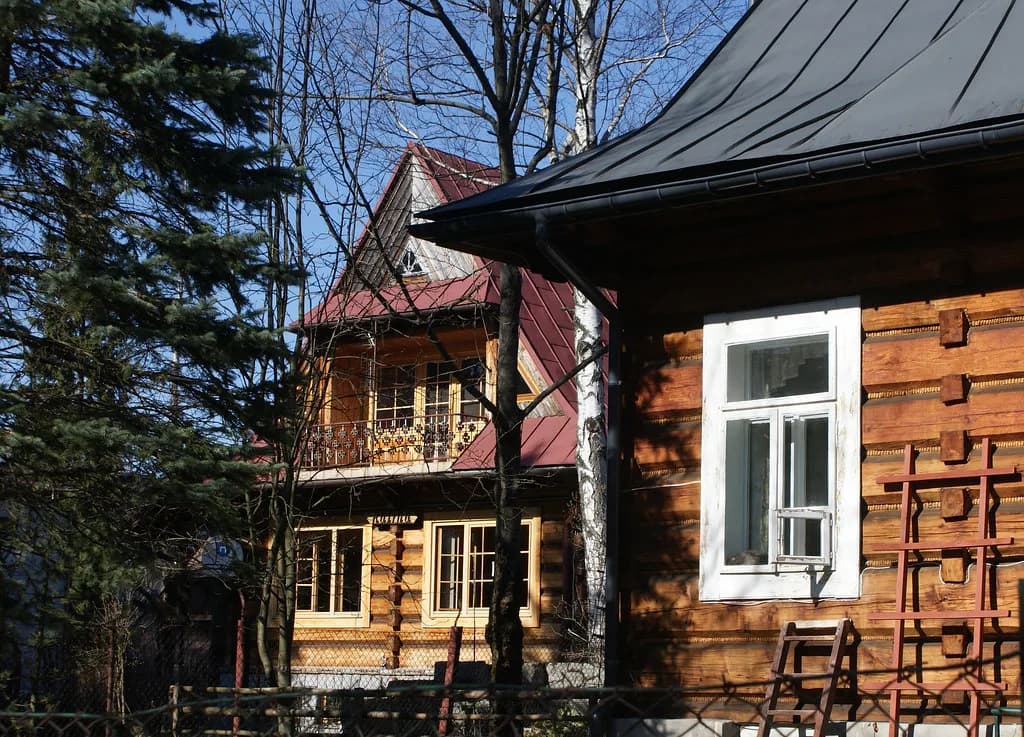
This is a working mountain resort rather than a pretty old town. Krupówki is the spine of it: a long pedestrian street of shops, cafés and souvenir stalls that runs from the centre towards the foothills, and it is where summer crowds concentrate. Behind it, steep-roofed wooden villas and guesthouses climb the slopes toward the tree line.
The layout is simple to hold in your head. Krupówki runs through the middle of town, with the main bus and rail arrival points at its northern end and the walk toward Kuźnice, the valley station for the Kasprowy Wierch cable car, at its southern end. The Tatra Museum's main building sits on Krupówki, so you can combine the street and a museum in one block of time.
Summer here is about early starts outdoors and afternoons in town. Go up a mountain in the morning while the views are clear, then spend the warmer, busier part of the day on the street or in a museum. That rhythm also keeps you out of the worst of the lift queues.
Typical summer weather and what it means for planning
Treat summer as mountain weather, not city weather. Days are warm enough for a T-shirt in the valley, but the higher you go the cooler and windier it gets, and cloud can swallow a summit while the street below stays sunny. Plan the outdoor day flexibly and keep a museum or two as your fallback rather than booking your whole stay around one summit.
Layers matter more than a heavy coat. A light waterproof, a warm mid-layer for the top stations and shoes with proper grip will cover most summer days, because the paths around the lifts are rocky and steep. If a clear morning arrives, take it: that is the day to head for Kasprowy Wierch or a longer walk.
How many days you need
Two full days is the sensible minimum. Day one covers Krupówki, the Tatra Museum and the wooden villas around Kościeliska, and day two takes one lift, either Gubałówka for the easy view or Kasprowy Wierch for the high one. Add a third day and you can do both mountains properly and still have an afternoon for a museum branch or the walk to Krzeptówki.
A single day only works if you pick one thing. Choose the high mountain or the town, not both, because the cable car eats a half day once you count the trip up, time at the top and the descent. If you are coming from Kraków, two nights gives you one full day and two half days.
The town centre on foot: Krupówki and the wooden villas
Start on Krupówki and walk its length once, then leave it. The street itself is more commercial than scenic, but it is the easiest place to orient yourself, buy supplies and find somewhere to eat. The real interest sits just off it: the side streets of Kościeliska and Kasprusie hold the town's signature wooden villas and small museums.
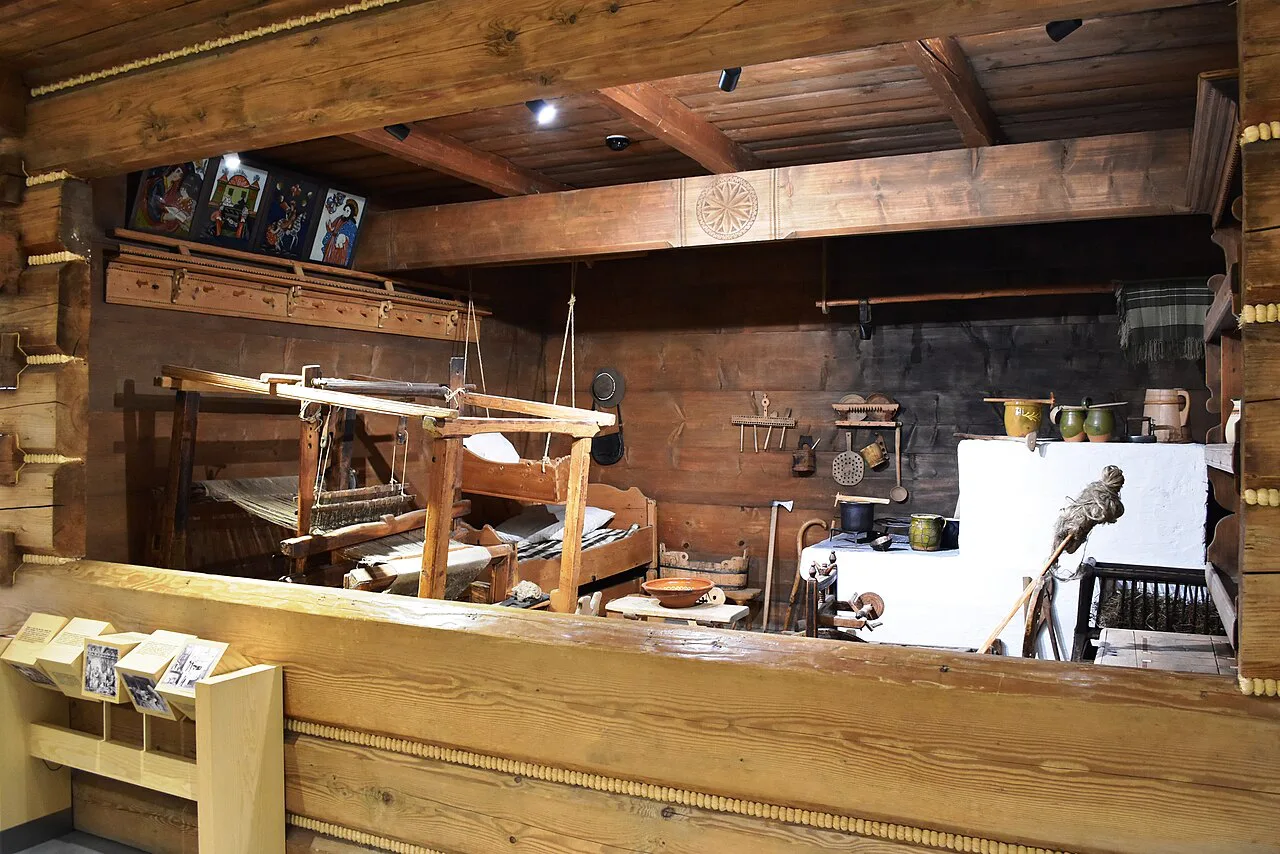
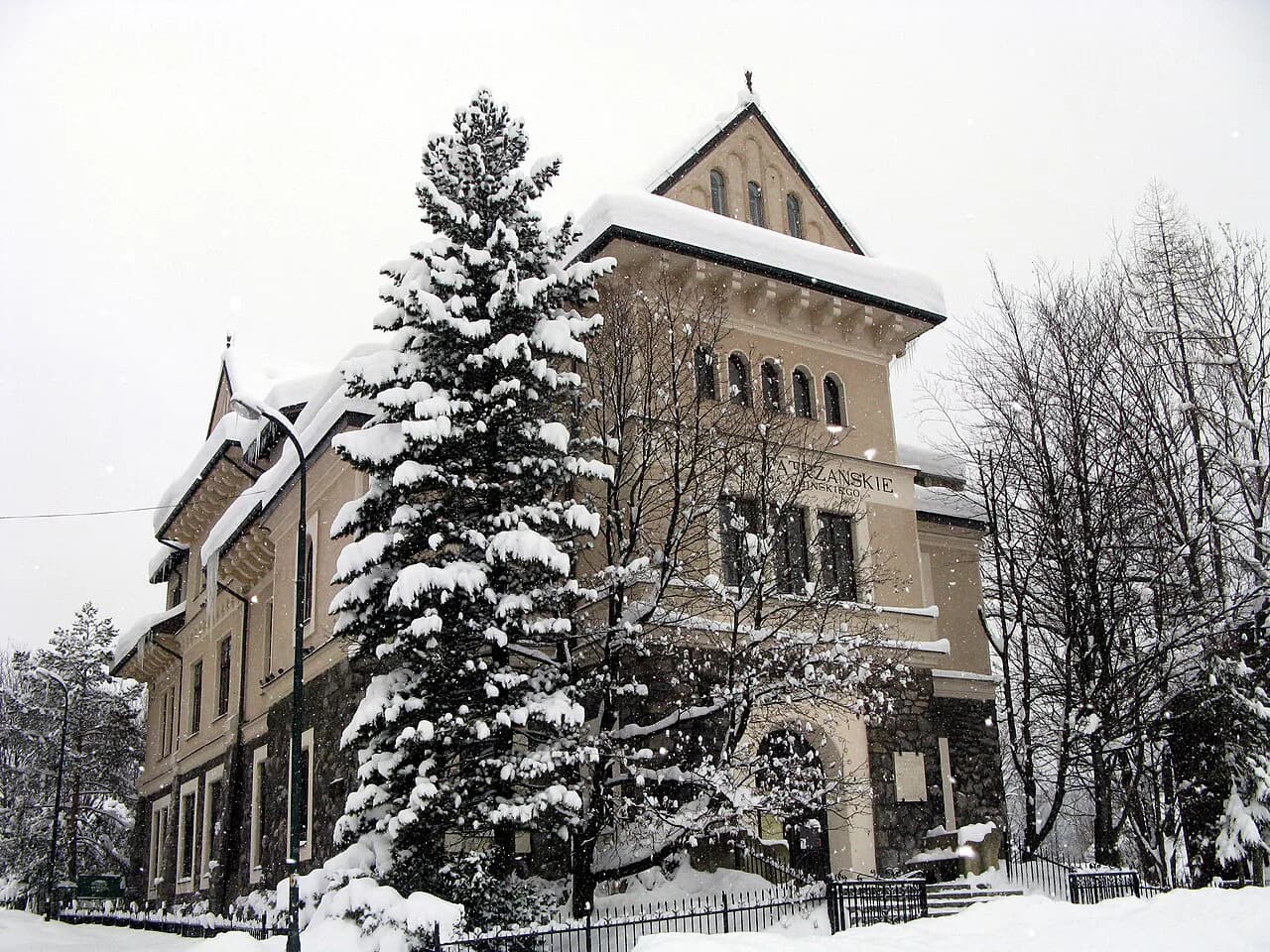
The Tatra Museum is the anchor of the town day. Founded in 1875, it is one of Poland's oldest regional museums, and its Krupówki building holds folk costume, highland interiors, art and natural-history collections. Its branch museums are spread across town and further out, so pick one or two rather than trying to tick them all off.
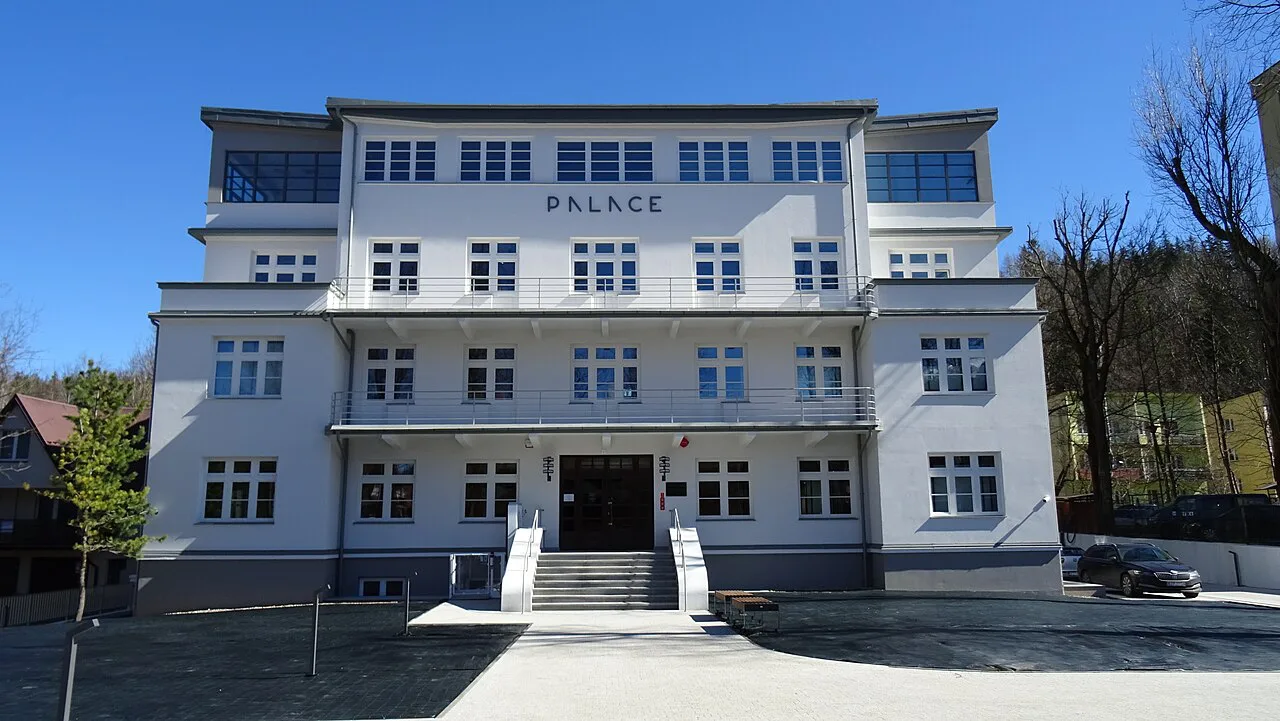
The museum publishes its opening hours and ticket prices on its own site, so check those before you build a day around a particular branch. Its listed branches include the main building, Willa Koliba, Muzeum Palace, the Hasior and Oksza galleries and several rural farmsteads outside town. Hours can vary by branch, so confirm before setting off.
Gubałówka and the easy viewpoints
Gubałówka is the low-effort option, and for most summer visitors it is the better first lift. The funicular climbs from the top of Krupówki to a long grassy ridge with the Tatras laid out in front of you, and you can spend as little as an hour up there or walk along the ridge for longer. It suits mixed groups, short breaks and anyone who wants the postcard view without a climb.
Go early or late in the day. The ridge gets busy around midday in high summer, and the light on the Tatras is better either side of it. On a clear evening the view down over the town rooftops is worth the trip on its own, and you can walk down instead of riding if your knees are happy with the descent.
Kasprowy Wierch by cable car
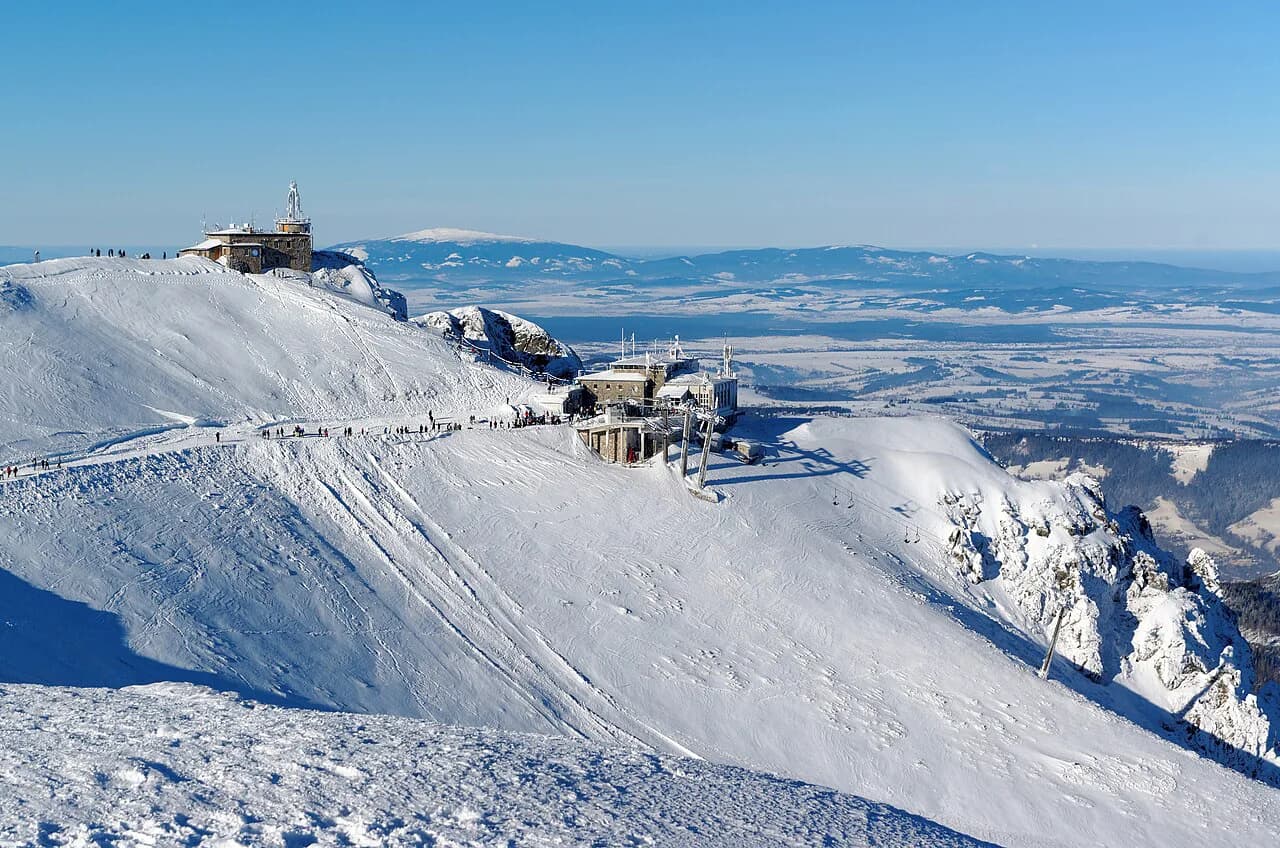
Kasprowy Wierch is the bigger commitment and the more serious mountain. The cable car is Poland's only high-mountain aerial tramway, and its top station sits at 1,959 m, just 26 m below the summit, making it and the weather observatory beside it the highest buildings in the country. That puts you in genuine alpine terrain within minutes of the street.
From the top, marked routes run down to Hala Gąsienicowa and along the ridge towards Świnica, so the lift is a starting point for a walk rather than a viewing platform. Be honest about your footwear and the weather before you commit, because the paths off the summit are rough and exposed. If cloud is sitting on the ridge, save the fare and take Gubałówka instead.
The lift operator publishes current hours and fares on its own site, and these change with the season, so check them for your dates rather than relying on last year's prices. In summer, aim for the first departures to avoid the worst of the queue, and buy your ticket in advance if the operator offers it.
Museums worth your time
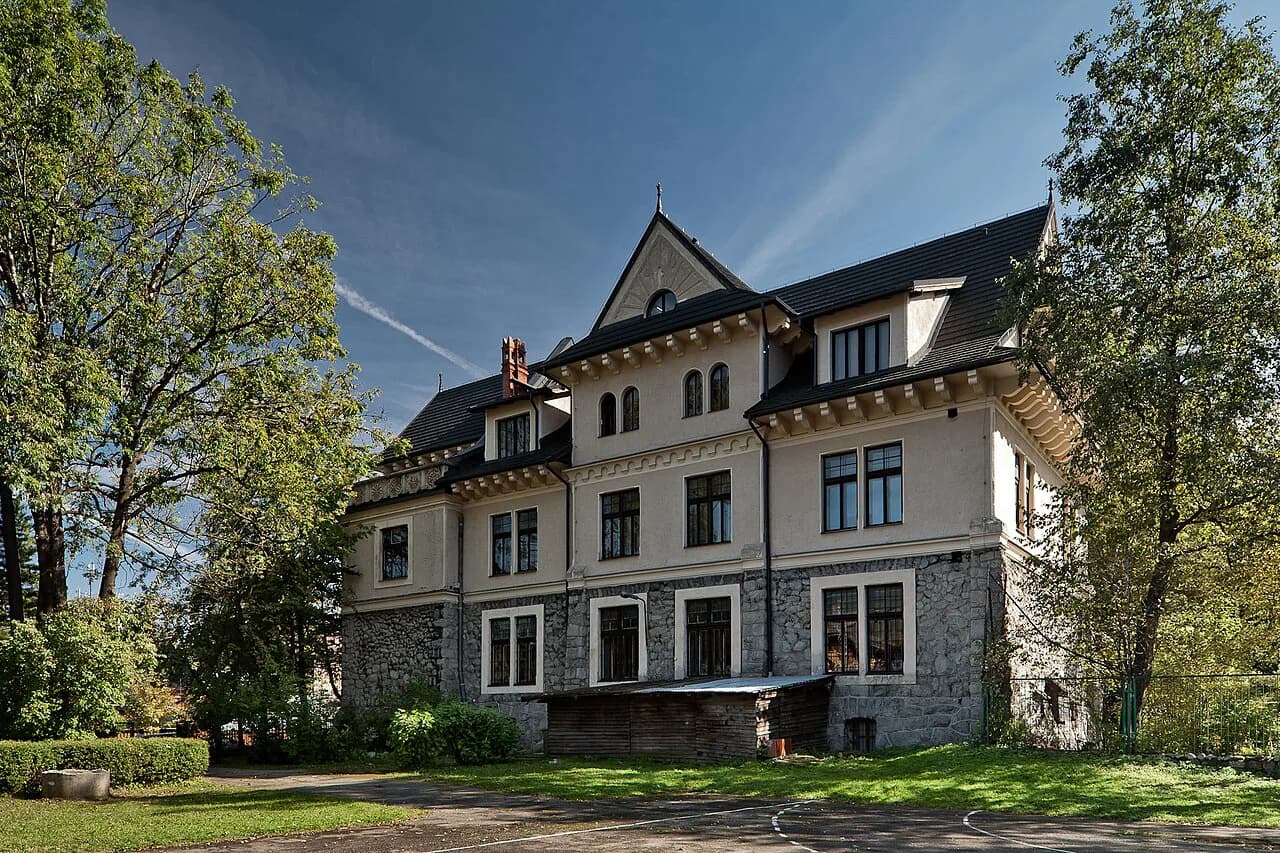
Willa Koliba is the one to prioritise after the main museum. It was the first house built in the Zakopane Style and now tells the story of that movement room by room, with furniture, textiles and fittings designed as a single scheme. The style drew on highland building, which makes it the clearest place to see what the movement was about.
The Władysław Hasior Gallery is the eccentric pick and the one people remember. Hasior, a leading post-war Polish artist, designed the gallery himself, filling it with assembled sculptures made from everyday objects, and the atmosphere is closer to an installation than a traditional museum. It is small, so it fits neatly into a wet hour.
Beyond those, the Szymanowski and Makuszyński house museums appeal if you know the names, and the Kulczycki gallery holds art collections. Every branch has its own hours, so the museum's own pages are the place to confirm which is open on the day you want.
Krzeptówki on foot: the sanctuary and Sabała's cottage
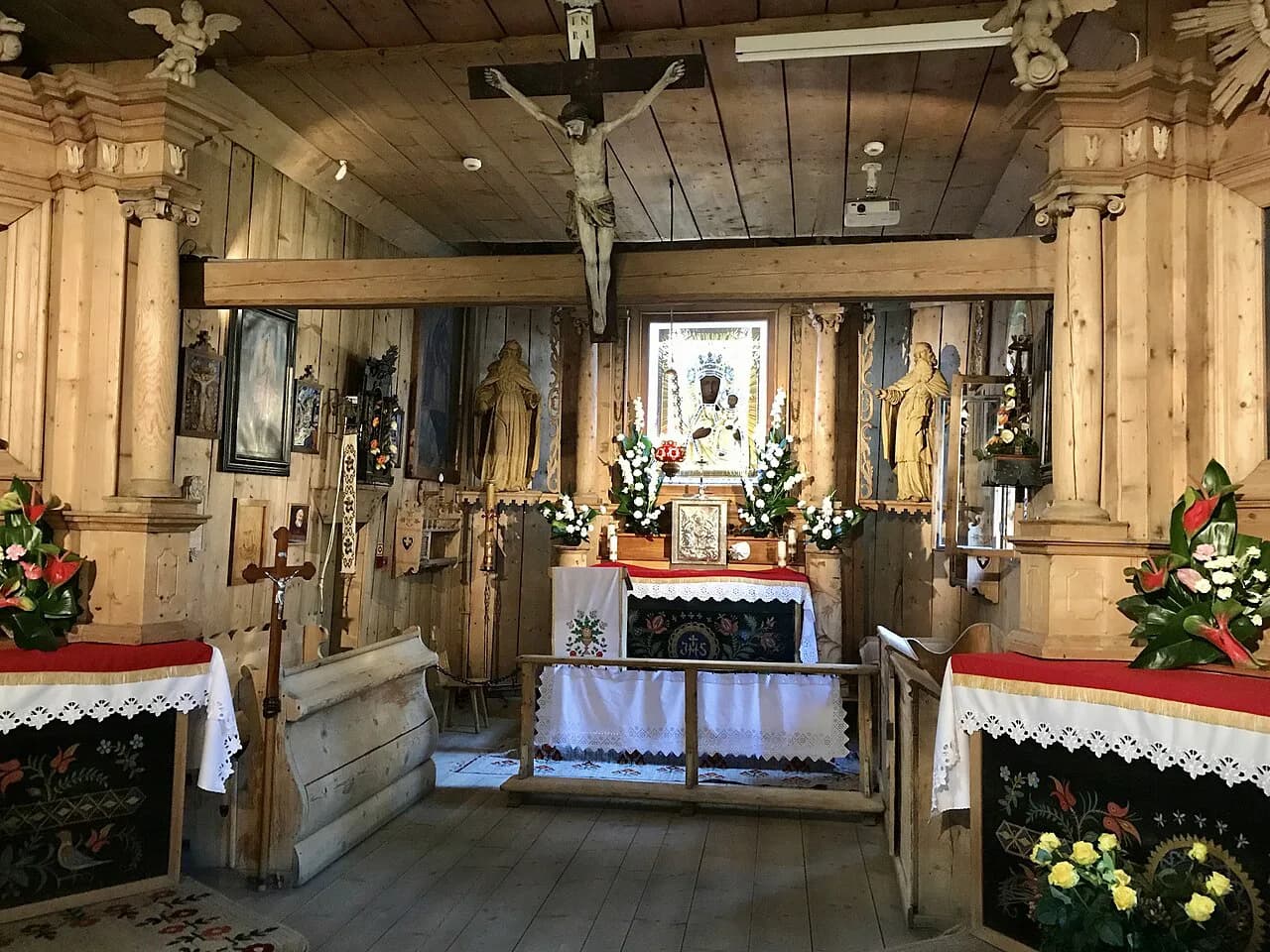
Krzeptówki makes a good half-day on foot. The town's own walking route runs 2.2 km and takes about an hour, starting at the Sanctuary of Our Lady of Fatima on ulica Krzeptówki and heading through Stare Krzeptówki to the Dolina za Bramką. The sanctuary is open to visitors outside Mass times, and John Paul II consecrated it in 1997.
The second stop is Sabała's cottage, a timber house from the turn of the eighteenth and nineteenth centuries where the highland guide and musician Jan Krzeptowski Sabała lived. It is privately owned, and the official route gives a phone number to arrange a visit rather than fixed public hours. Ring ahead if this is a priority for you.
Where to eat and what a day in złoty looks like
Budget in złoty and expect town-centre prices on Krupówki itself. A day's costs come down to three things: lift tickets, museum entries and food, and the lifts are the big variable. Check current lift fares with the operator and museum tickets with the museum, because those two lines dominate the budget.
For eating, look just off the main street. The side streets around Kościeliska and Kasprusie hold smaller restaurants and bakeries where the same highland staples, dumplings, potato dishes and grilled meats, tend to cost less than on Krupówki. Buy picnic supplies from a shop before heading up a mountain, since the top stations sell food at mountain prices.
What to book ahead and how to avoid the crowds
Book the mountain lifts in advance where the operator allows it, and go early. The Kasprowy Wierch cable car is the one that fills, and a first-departure slot buys you a quieter summit; Gubałówka queues move faster but still peak around midday. Museum tickets rarely need booking, but a quick check of branch hours saves a wasted trip.
Give the town a wide berth on the busiest summer weekends. If your dates are flexible, weekdays are noticeably calmer on Krupówki and on the lifts, and the hills are quieter in the morning whatever the day. Local events can pull extra crowds into town, so glance at the diary before you fix your dates.
Zakopane in summer with children or without a car
Children do well here because the effort-to-view ratio is good. Gubałówka's ridge is open ground with room to run, the funicular saves little legs, and the town's museums are compact enough not to wear anyone out. Keep the mountain days short and pair each one with time on Krupówki for ice cream and a sit-down.
You do not need a car. The town centre, both lower lift stations and most museums are walkable or a short ride apart, and the walk to Krzeptówki needs nothing but shoes. A car mainly helps for rural branch museums and trailheads further out, so leave it at home if your plan is the town, Gubałówka and Kasprowy Wierch.
If you want to compare seasons before committing, the case for late spring or early autumn is different again, mainly in crowd levels and how much of the high ground stays open to walkers.
Which mountain should you book first?
Book Gubałówka first if this is your first summer in Zakopane or you have limited time. It delivers the Tatras panorama for modest effort and leaves you the rest of the day, while Kasprowy Wierch is a half-day commitment in serious mountain terrain that rewards good weather and early starts.
If you have three days, do both, putting Kasprowy Wierch on the clearest morning of the stay and keeping a museum branch in reserve for the day the cloud comes down.
Explore more Zakopane guides
Frequently Asked Questions
Is 2 days enough in Zakopane?
Two full days covers Krupówki, the main Tatra Museum building and one lift, usually Gubałówka. Add a third day if you want the Kasprowy Wierch cable car or a proper walk from the summit, because that trip takes most of a day once you count the ride up and down.
What is the closest airport to Zakopane?
Zakopane has no airport of its own, and the usual approach is overland from Kraków. Check current connections with the operator or the town's tourist information centre before you fix your dates, as timetables change.
What can you do in Zakopane in summer if you don't ski?
Almost everything here is summer activity. Ride the Gubałówka funicular or the Kasprowy Wierch cable car, walk the town's museum circuit including Willa Koliba and the Hasior gallery, and take the hour-long route to the Krzeptówki sanctuary and Sabała's cottage.
Sources
Notes for your next Polish city break
Optional updates to our Poland guides.
You might also like
Continue reading
More guides you'll find useful