Zakopane in September: Weather, Crowds and What to Do
September in Zakopane means thinner crowds and changeable mountain weather. Here is how to plan around Krupówki, Gubałówka and the Tatra trails.
On this page
September is a good month for a short Zakopane break because the summer holiday peak has passed and the town is calmer, while the mountains remain the reason to come. Plan two to three full days if you want one mountain day, one valley or viewpoint day and time on Krupówki, and keep the order flexible so a wet day can swap with a clearer one. This guide covers the town centre, Gubałówka, higher ground and Morskie Oko, then how to pace the days and budget. For the wider picture, see our guide to the best time to visit Zakopane.
Treat September as two climates rather than one. Down on the streets you are planning a market street and a viewpoint; on higher Tatra ground you are planning around daylight, cloud and trail conditions, which is why the day order matters more than any fixed itinerary.
Is September a good time to visit Zakopane?
Yes, with one condition: you go for the mountains and accept that the weather sets the plan. The July and August holiday months are the busiest stretch of the Zakopane summer, and staying outside them means fewer queues at the popular draws and more room to move. The trade-off is that mountain days need a fallback, because a clear morning can close in by afternoon.
The quieter weeks suit travellers who would rather walk a street than queue on it. Popular targets such as Morskie Oko, Gubałówka and Kasprowy Wierch still draw crowds in season, so a midweek visit gives you a better margin than a weekend.
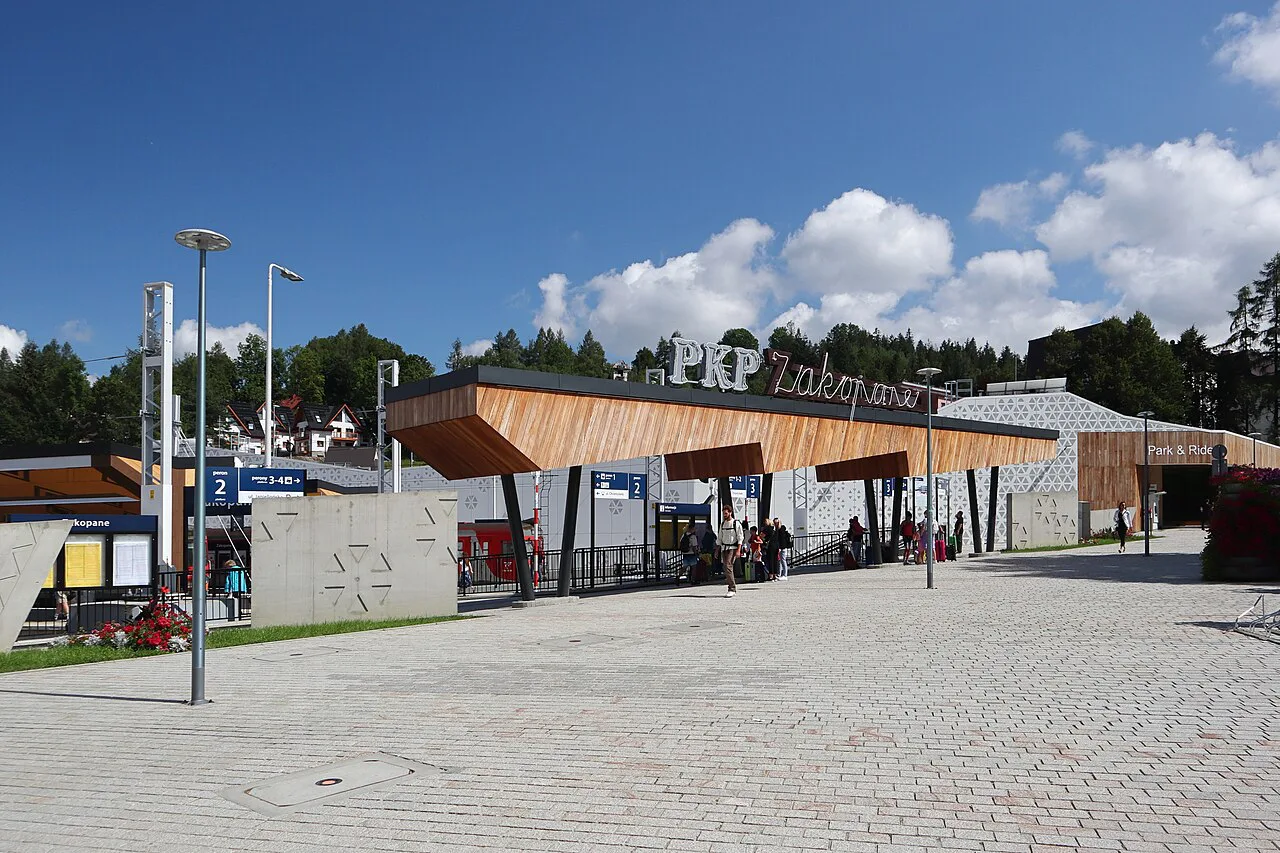
What the weather is like in September and how to dress for it
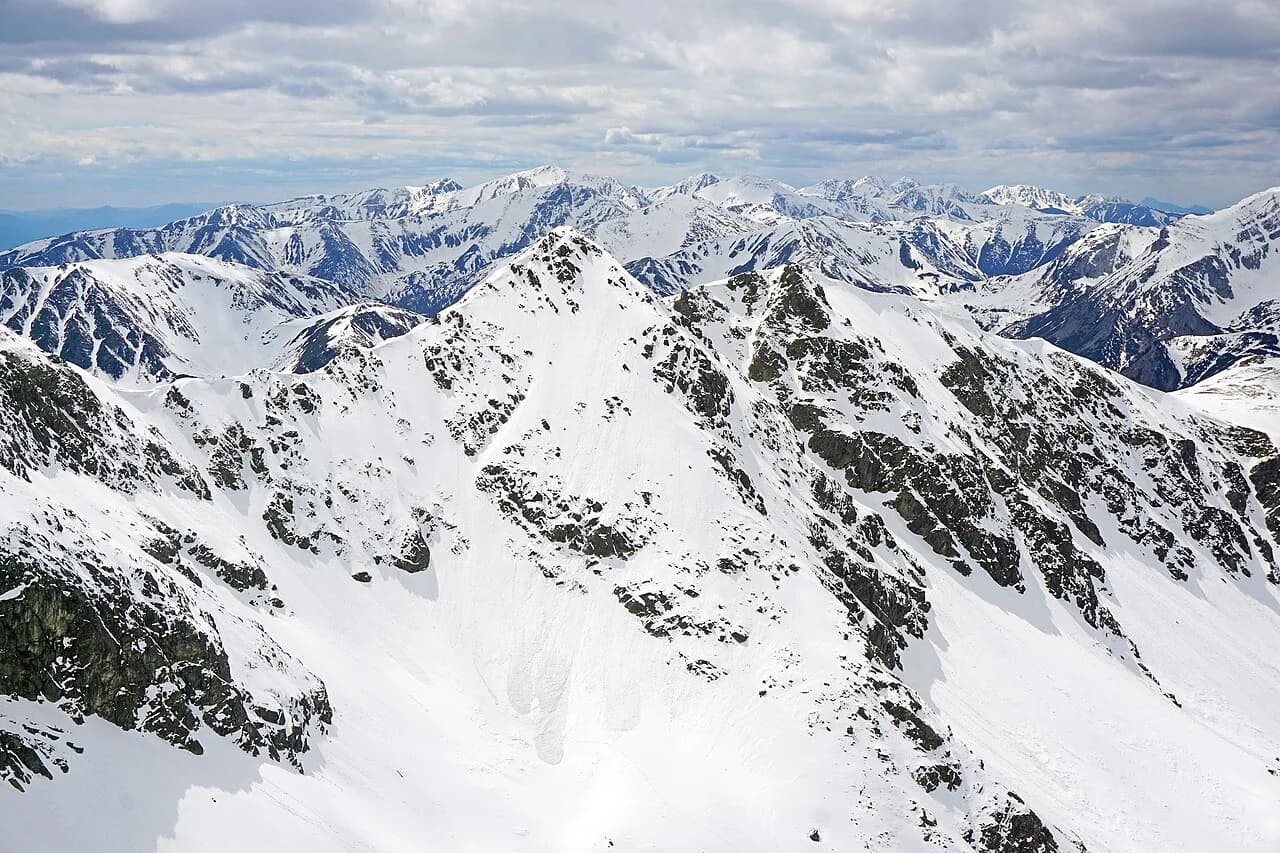
Expect changeable mountain weather rather than a settled late-summer week. Conditions shift quickly in the Tatras, so layer up, carry rain protection and take food and water on any valley or ridge walk rather than assuming a hut will be open when you need it.
Check forecasts, trail conditions and any notices from the Tatra National Park authorities and TOPR, the mountain rescue service, before committing to higher ground. If you are unsure of a route, allow more time or shorten it instead of pushing on.
How busy Zakopane is once the July and August peak ends
The town thins out noticeably once the holiday months are over, and staying from Sunday to Thursday is the simplest way to keep it that way. Weekends and long weekends still pull Polish visitors, so shifting your dates by a day or two can change the feel of the trip.
Crowds concentrate on a short list of names: Morskie Oko, Gubałówka, Kasprowy Wierch and the best-known valleys. Choosing a less obvious route on the busiest day gives you the same scenery with fewer people.
Krupówki and the town centre on a cooler, quieter day
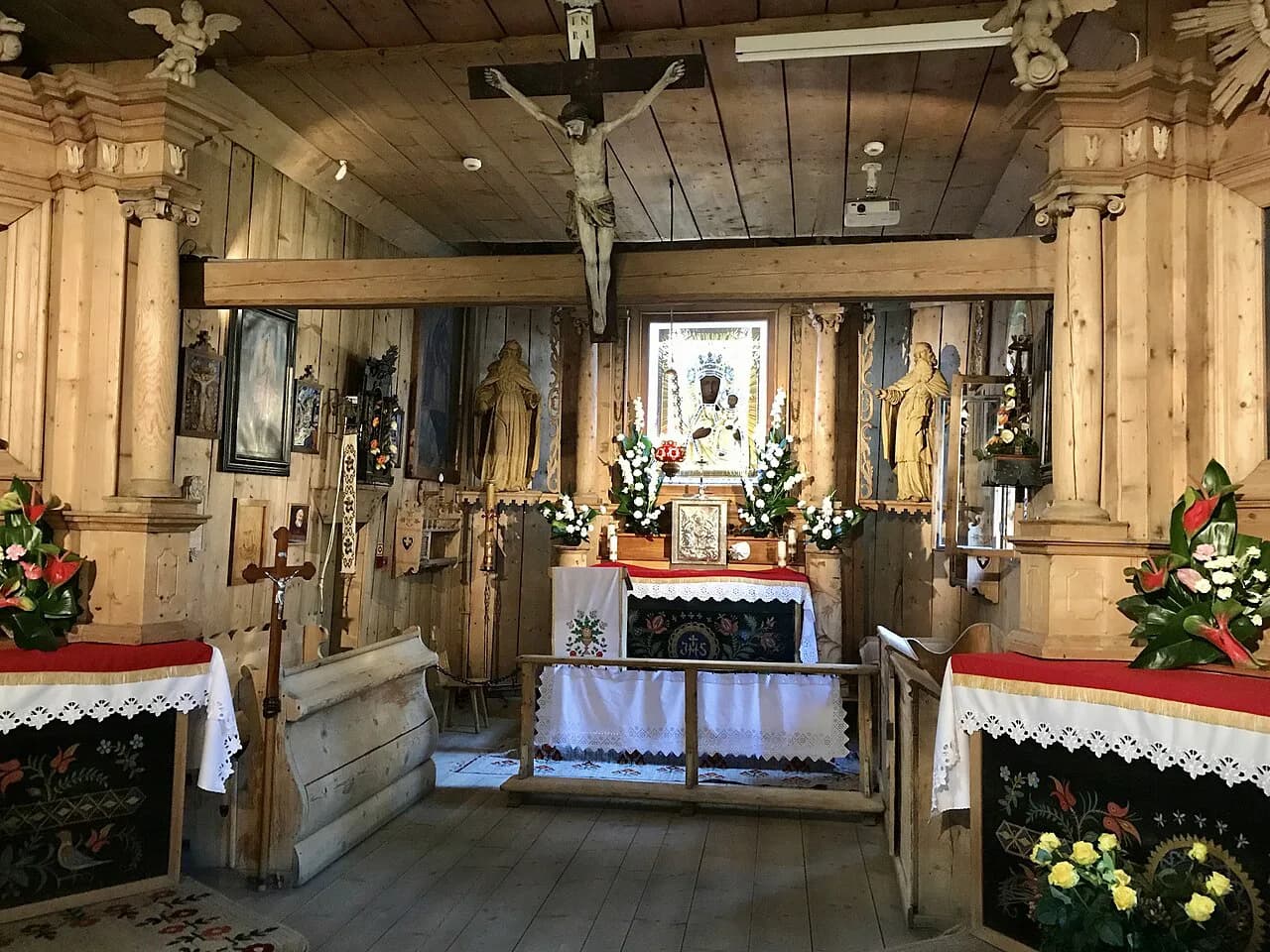
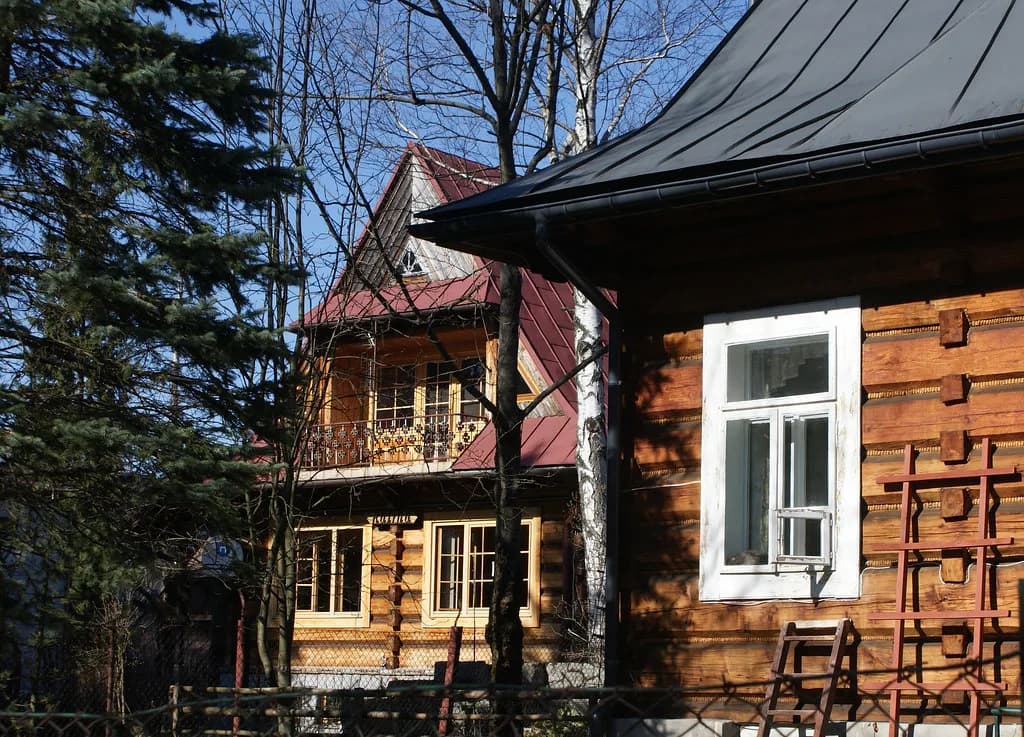
Krupówki is Zakopane's main pedestrian street and the busiest commercial strip in town, so treat it as a place to stroll, eat and people-watch rather than the reason for the trip. On a cooler September day it is a comfortable hour or two on foot, with the wooden architecture of the older streets within easy reach.
Give the town centre a half day and no more. Its value on a short break is as the base between bigger days, not as a sight in itself, and you will want the remaining daylight for the mountains.
Gubałówka and the valley views when the peaks are clear
Gubałówka is the easy viewpoint above town and the best choice when you want a view without a full mountain day. Go on a morning when the skyline towards the peaks is clear, since the whole point is the panorama across the valley.
Check the current operating times and ticket prices with the operator on the day rather than relying on a summer timetable. If cloud sits low over the ridge, save the trip for later in your stay and walk the town instead.
Kasprowy Wierch and higher ground: what changes in September
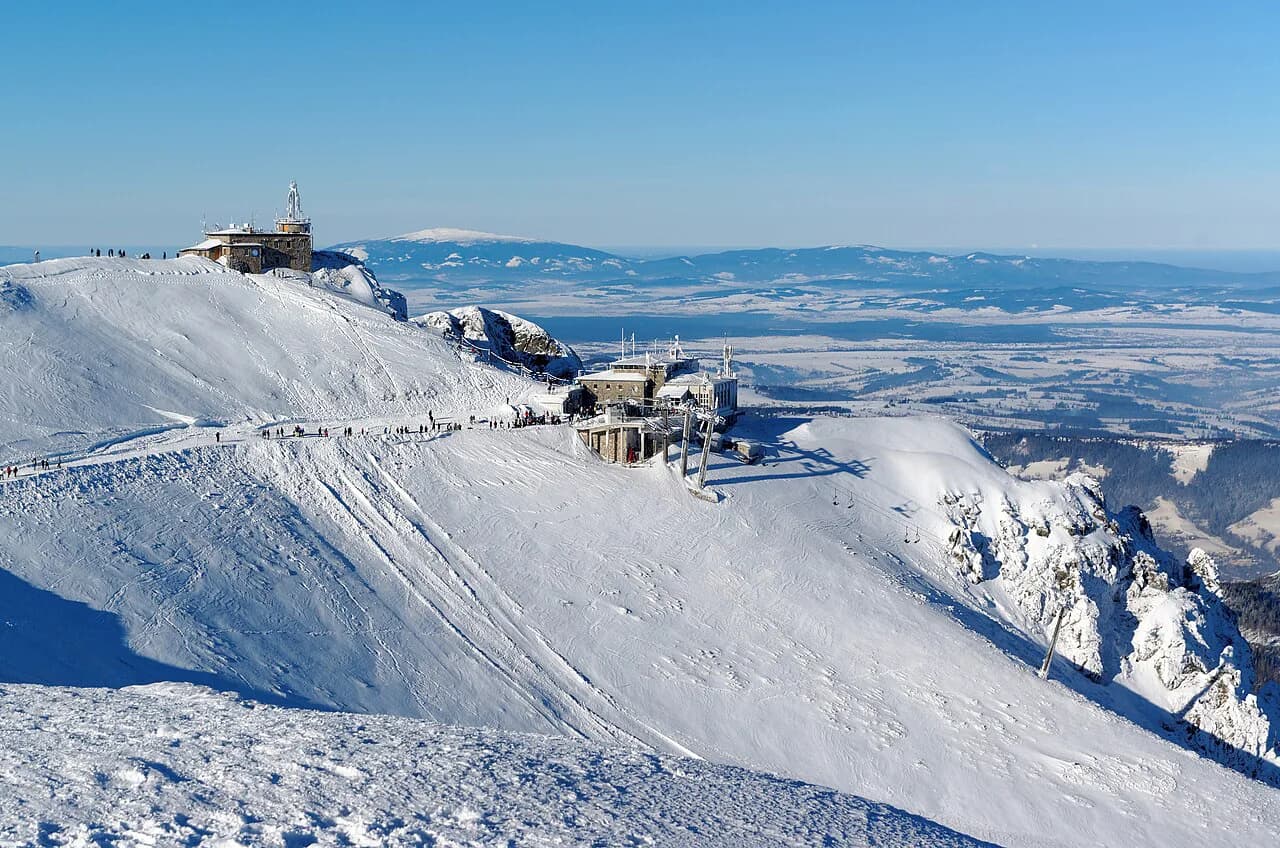
Kasprowy Wierch is the high summit above Kuźnice, and it puts you well above the town with trails running down from the top station. In September the mountain is still walkable, but the weather turns faster and daylight ends earlier, so start early and do not plan a long descent after a late lunch.
Cable-car timetables and tickets are seasonal and are not fixed year-round, so check the operator's own information before you build a day around it. If the summit is in cloud, a valley walk at lower altitude is the sensible substitute.
Morskie Oko and Tatra National Park: planning around daylight and conditions
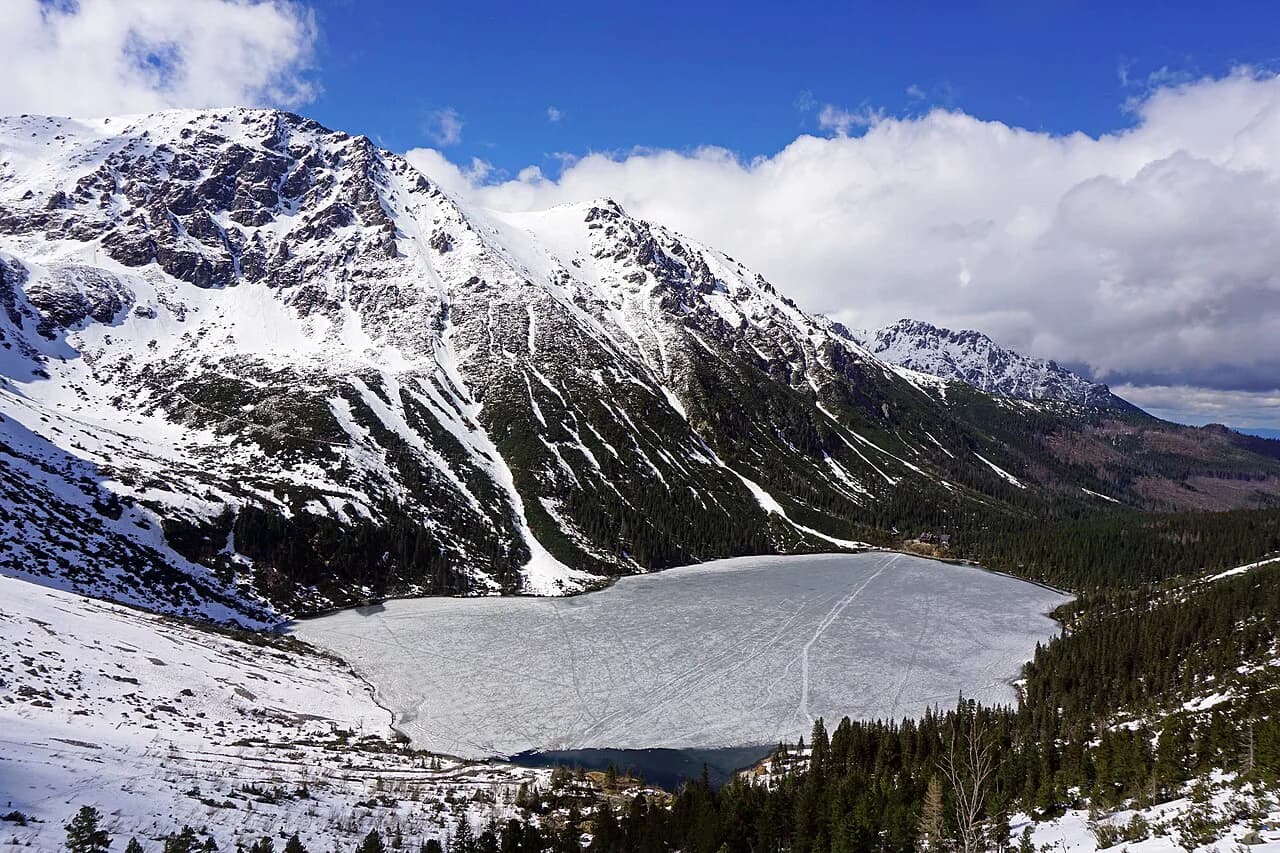
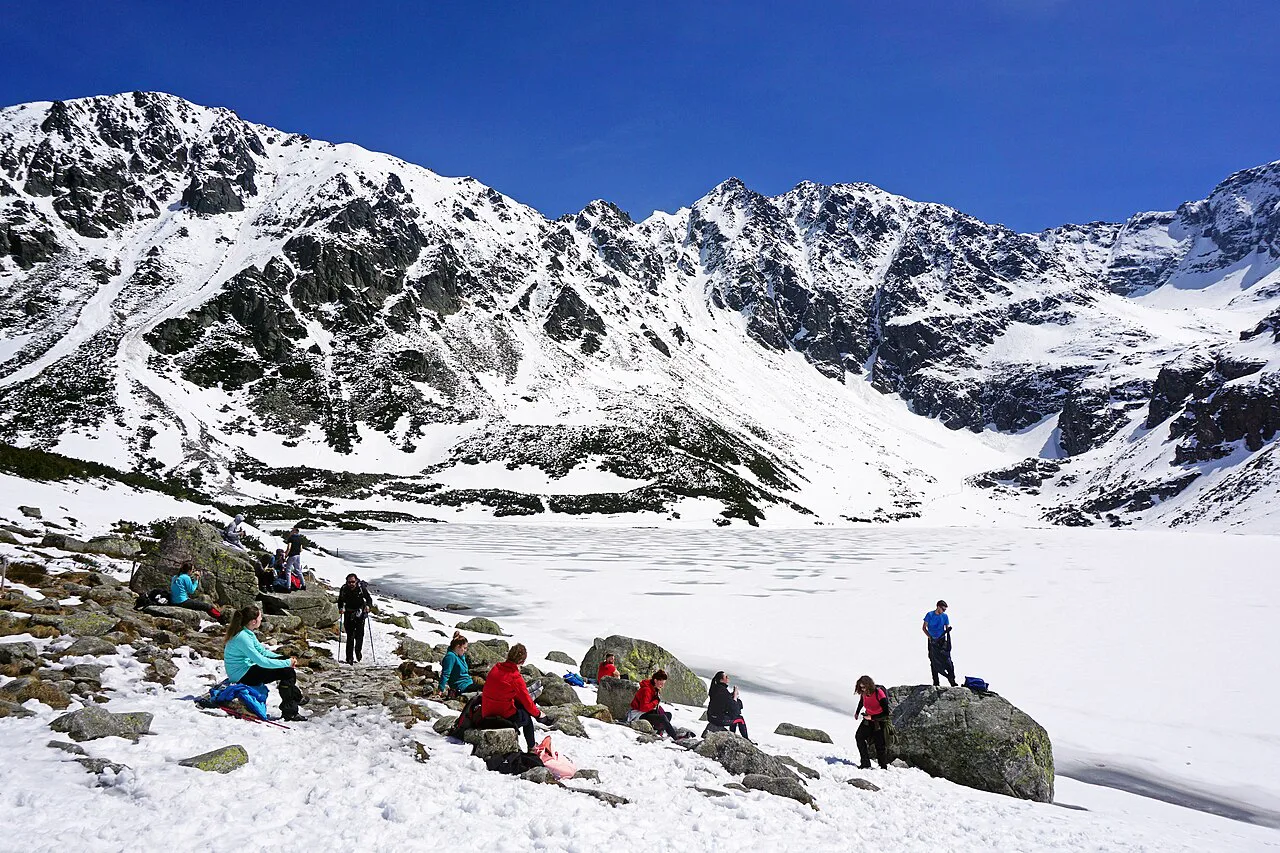
The walk to Morskie Oko, the best-known lake in the Tatra National Park, is the classic Zakopane outing, and on a September break it deserves a full day with an early start. Shorter daylight is the real constraint: aim to be back down well before dusk rather than squeezing the lake in after a morning in town.
Access and trail rules are set by the Tatra National Park authorities, and conditions can close or change routes without notice. Read the park's own notices the evening before, along with the forecast, and keep a lower-level plan ready if conditions look poor.
Rainy-day fallbacks in and around the town
When cloud and rain settle in, move the town to the front of the plan: Krupówki and the older streets around the centre fill a wet morning without a mountain commitment. If the weather forces your hand and you are visiting earlier in the year, our guide to Zakopane in April covers spring conditions. For more indoor and low-level options, see our ideas for a rainy day in Zakopane.
Build the week so each day can swap with another rather than booking a fixed sequence. A wet Tuesday becomes the museum and Krupówki day, and the clear Wednesday becomes Morskie Oko.
How many days you need in September and how to pace them
Two full days cover the essentials if the weather cooperates: one for Morskie Oko or higher ground, one for Gubałówka plus the town centre. Three days give you the cushion to move a mountain day when the forecast turns, which matters more in September than in high summer.
Keep each day to one main target rather than chaining several. Tatra weather and shorter daylight make a packed itinerary fragile, and a single well-planned outing will beat three half-finished ones.
What September costs compared with peak summer
Late-summer dates outside July and August are usually gentler on the wallet, and midweek stays are typically easier to fill than weekends. Asking for a longer-stay rate is worth the email if you are booking a week or more, and our guide to whether Zakopane is expensive sets out where the money goes.
Ticket prices for the cable car and park entry are set by their operators and vary by season, so budget from their published rates rather than from a guide. Note the złoty figure for each before you go, and leave a margin for the days when plans change.
Should you book Zakopane for September?
Book it if you want the mountains without the August crush and can accept that the weather writes part of the plan. Two or three midweek days, a flexible order and an early start on mountain days will get you the best of the month.
Leave a wet-weather day in reserve and keep your mountain targets to one per day. That way a cloudy morning costs you a morning, not the trip.
Explore more Zakopane guides
Sources
Notes for your next Polish city break
Optional updates to our Poland guides.
You might also like
Continue reading
More guides you'll find useful