
European Solidarity Centre, Gdańsk: what to see and how long it takes

The European Solidarity Centre (Europejskie Centrum Solidarności) is Gdańsk's flagship museum of the Solidarity movement, built directly beside the shipyard gate where the 1980 strike began. Allow three to four hours for the full permanent exhibition with the audioguide, or about ninety minutes for a quicker pass. This guide covers the building, getting there by tram, bus, bike or car, the room-by-room route, the rooftop view and the practical details worth confirming before you set out.
What the European Solidarity Centre is
The museum documents the history of NSZZ Solidarność, the independent trade union founded at the Gdańsk Shipyard, and the wider movement for democracy in Poland. Its permanent exhibition is arranged as seven rooms that carry visitors from the strike of 1980 through martial law to the Round Table talks and the first partially free elections. The building sits at Plac Solidarności 1.
The centre is part of a growing set of modern museums in the city. If you are building an itinerary, our Gdańsk Attractions: 5 Visitor Guides covers the other major sights and how they fit into a short break. The ECS is the one that explains the shipyard and the movement that changed the country.
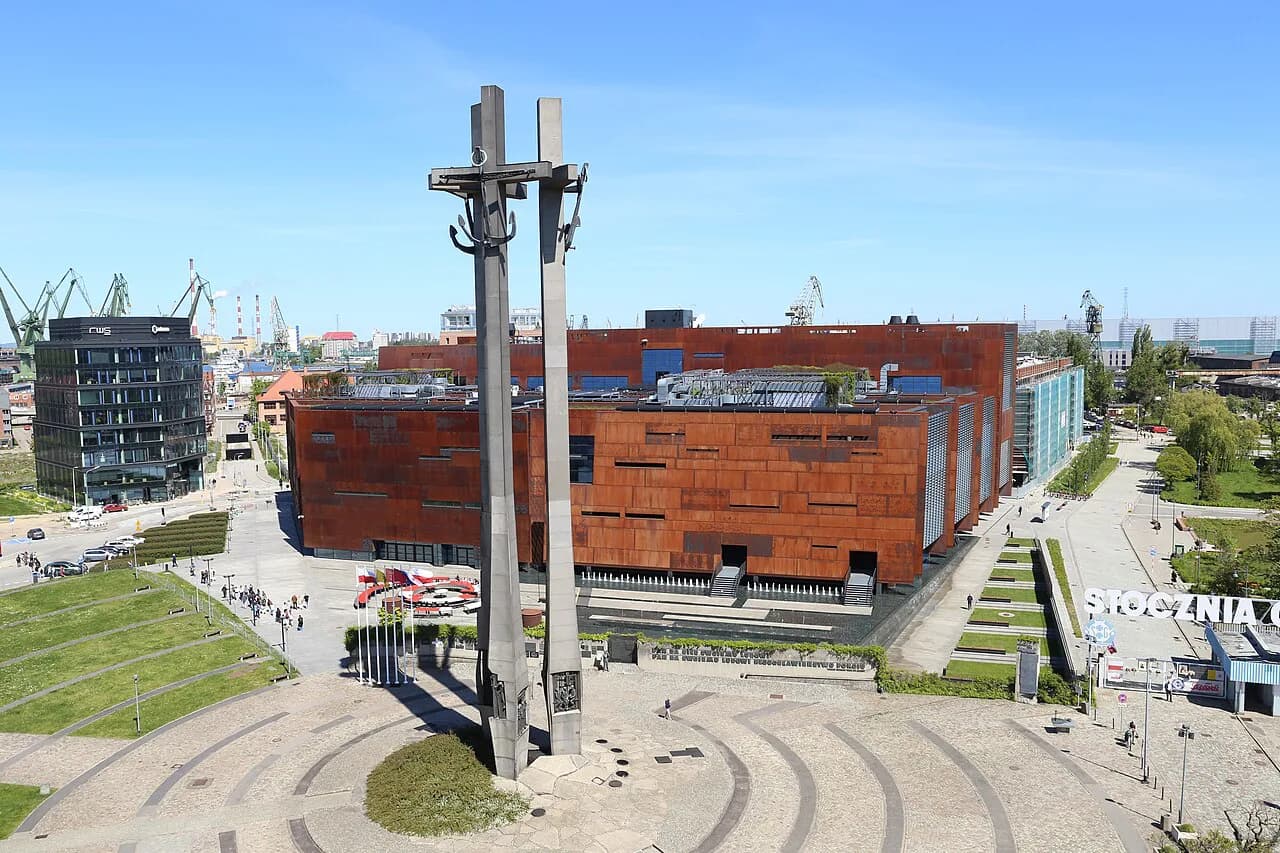
The location is deliberate: the building stands at the historical Gate No. 2 of the Gdańsk Shipyard, the entrance linked to the strikes. Visitors enter the building through that gate and also use a side exit on Nowomiejska street, so the approach on foot is part of the experience rather than just a museum door off a main road.

Where it is and how to get there
The main railway station, Gdańsk Główny, is about 700 metres from the centre, a walk the museum estimates at nine minutes. The route includes stairs, so allow extra time with luggage or a pushchair. Trams stop at Plac Solidarności 150 metres away; the Brama Oliwska stop is around 520 metres away and also involves stairs.
Bus passengers can use the Europejskie Centrum Solidarności stop, also 150 metres from the entrance. Drivers reach the underground car park via Nowomiejska street, from Jana z Kolna or ks. Jerzego Popiełuszki street. There are 287 spaces and the car park opens from 06:00 to 22:00. The first 30 minutes are free, then each commenced hour costs PLN 5, payable by card only. Cyclists have 16 racks in front of the main entrance and 8 in the car park on level -1, and MEVO city bike stations sit at the main entrance and at Solidarity Square.

The permanent exhibition, room by room
Room A, The Birth of Solidarity, covers the 1980 strike at the shipyard and displays the original boards on which the strikers wrote their demands. Room B, Strength of the Powerless, deals with the communist authorities' repression, including the 1970 protests and the role of the church, and includes a papamobile. Room C, Solidarity and Hope, follows the registered union and shows popular culture of the period.
Room D, War with Society, examines martial law, including Jaruzelski's speech and details of everyday life during the period. Room E, The Road to Democracy, covers the Round Table talks and the first partially free elections, with a wall of Solidarity election posters. Rooms F and G, The Triumph of Freedom and Culture of Peaceful Transformation, summarise the fall of communism across Central and Eastern Europe.
The route is deliberate and chronological, so you do not need prior knowledge of Polish history to follow it. The movement itself was the mass independent trade union that emerged from the shipyard strike, and the museum is the place to understand how it began. A sister subject, the German occupation of the city and the wider war, is covered at the Museum of the Second World War in Gdańsk, a short walk away.
How long to allow and how the audioguide shapes the visit
The audioguide uses location-aware narration that continues as you move between rooms. One published account reports spending over four hours there with the audioguide, though a faster pass is possible if you follow the main route without pausing at every information board. Allow three to four hours for the full route, or about ninety minutes if you only want the essentials and the roof.
Visitors who followed the nightly news coverage of the 1980s have described the museum as especially rewarding. If you prefer a modern, multimedia presentation to a display-case museum, it is worth building your day around this visit.
The observation deck and the shipyard view
The roof observation deck is part of the visit, not an afterthought. It gives a panorama of the shipyard and the city, with the audioguide explaining what you are looking at. Take it after the exhibition, because the narration ties the view to the history you have just walked through.
The deck is exposed, so the view is best on a clear day and you should dress for the wind. It also gives you a useful orientation for the rest of the shipyard district before you head back into the city centre. If you are short of time, prioritise the roof alongside the seven rooms rather than cutting it entirely.
The Monument to the Fallen Shipyard Workers outside
The Monument to the Fallen Shipyard Workers, known as the Gdańsk Crosses, stands outside the centre. Even travellers who skip the museum come to see it, and it gives the building its context. The monument is the anchor of Plac Solidarności and the natural starting point for a walk around the shipyard.
Read the monument and then approach the centre through the historical gate, which is how the site is meant to be seen. If you arrive from the station, the crosses appear before the museum entrance, so you can pause there before buying a ticket. That sequence makes the museum galleries easier to read.
Tickets, opening times and the car park fee
Ticket prices change, so confirm the current admission on the centre's website or at the ticket desk before you travel. A 2021 account lists an admission ticket at PLN 25, a reduced ticket at PLN 20 and a family ticket at PLN 70 for up to five people, with the audioguide included; treat those as historical figures rather than today's prices. The car park fee is PLN 5 per commenced hour after the first 30 free minutes, payable by card.
The centre's site displays a dated opening line, so check the specific day you plan to visit rather than assuming a weekly pattern. The car park itself is open from 06:00 to 22:00, which matters if you are driving and arriving late.
What is nearby in the shipyard district
If you have an hour spare, the Museum of the Second World War in Gdańsk is within walking distance and makes a natural second half to a history-focused day. In the other direction, the reconstructed Main Town with Długi Targ and St Mary's Church, Gdańsk is a longer walk or a short tram ride away. Both are covered in our Gdańsk Attractions guide to the city.
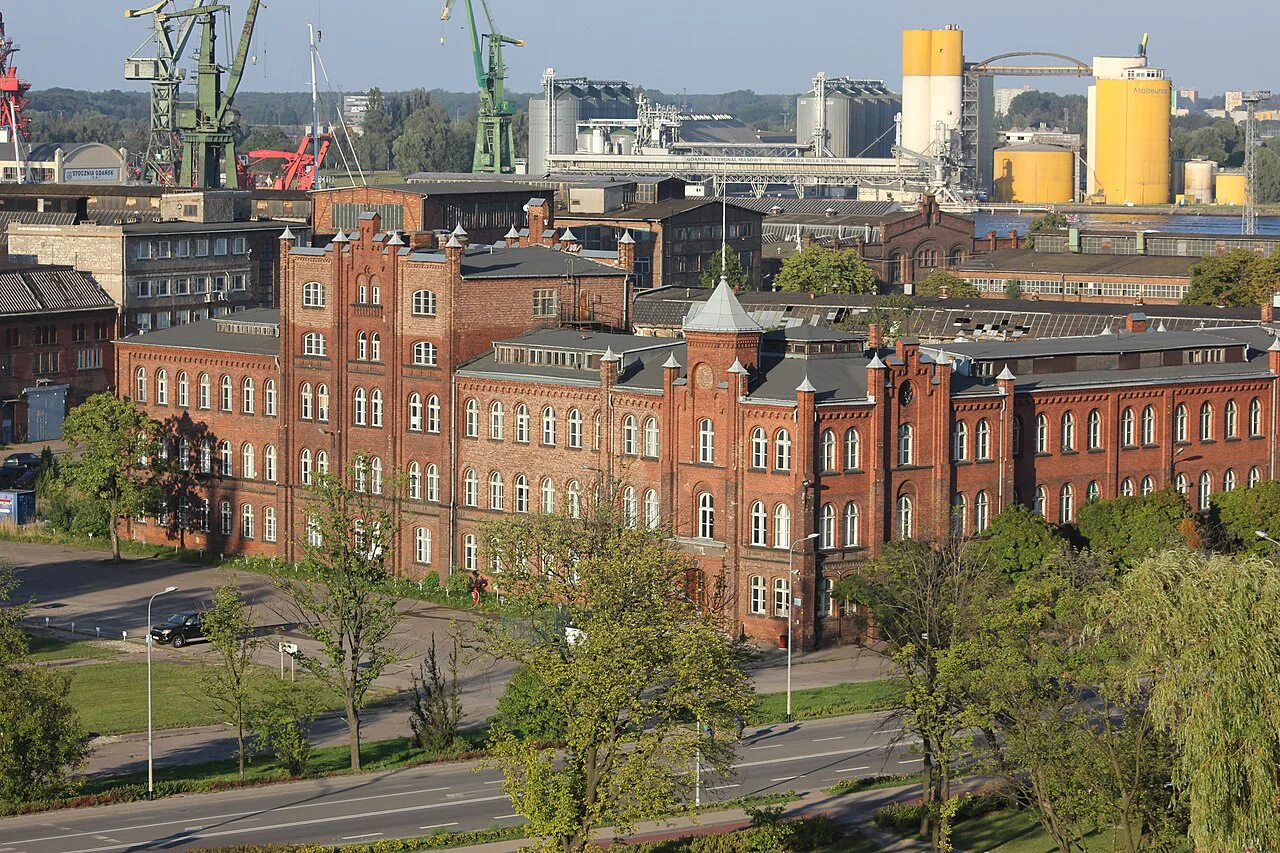
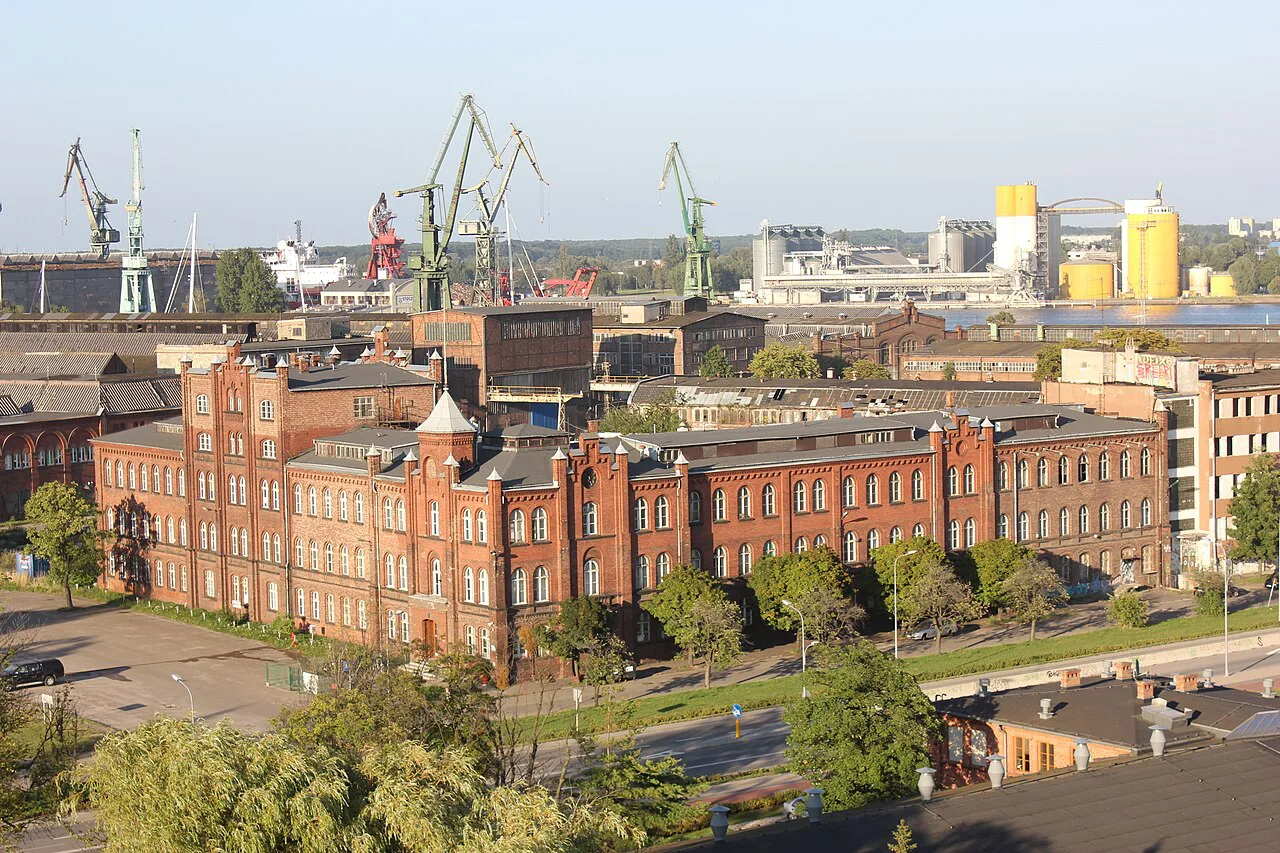
The shipyard buildings themselves are worth a slow walk, especially if you are interested in industrial architecture. The centre's own building, with its rust-coloured facade, is one of the more striking modern additions to the city. If you have time for one more museum in the centre, the Amber Museum Gdańsk (Muzeum Bursztynu) and Artus Court (Dwór Artusa) in Gdańsk are both in the Main Town.
Is the European Solidarity Centre worth your time in Gdańsk?
Yes, if you want to understand the city's modern history rather than just its reconstructed old town. The centre pairs a strong seven-room exhibition with a rooftop view, and the monument at the gate gives the visit its context, so it justifies a half-day. Build it into a wider plan with our things to do in Gdańsk guide, and check ticket prices and the day's opening hours before you travel.
Frequently Asked Questions
What was the Polish Solidarity movement?
Solidarity (Solidarność) was the independent trade union founded at the Gdańsk Shipyard in 1980. The European Solidarity Centre's exhibition explains how it began, how it survived martial law and how it contributed to the end of communist rule in Poland.
Is Gdańsk a cheap city?
Gdańsk is generally good value for a Polish city break, but prices vary by season and venue. Museum admission, tram tickets and meals should be checked against current prices in złoty, and the European Solidarity Centre's own website is the place to confirm its current ticket price.
How long should I spend at the Solidarity museum in Gdańsk?
Allow three to four hours for the full route with the audioguide, or about ninety minutes for a quicker pass. The roof observation deck adds time, and the monument outside can be seen before or after the museum.
What should I not miss in Gdańsk?
The reconstructed Main Town around Długi Targ, St Mary's Church and the European Solidarity Centre are the core sights. The Museum of the Second World War and the shipyard district fill out a longer break; our Gdańsk Attractions guide covers the rest.