
Museum of the Second World War in Gdańsk: what to see and how long it takes

Allow at least three to four hours for the Museum of the Second World War in Gdańsk, and consider a whole afternoon if you read the displays properly. The main exhibition alone covers more than 6,000 square metres, which is why this is not a museum you can slot into a spare hour between other sights. This guide sets out where the building is, the sequence of the permanent exhibition, where to pause for a meal, and what to check before travelling.
What the museum is and why it rewards a full morning
The Museum of the Second World War is Gdańsk's principal historical museum, built around a permanent exhibition that the museum describes as one of the largest presented by any historical museum in the world. Its subject is the war as a whole rather than Gdańsk alone, so the displays move from the collapse of the interwar order through occupation, terror and the camp system to the post-war settlement. That breadth is exactly why visitors tend to stay far longer than they planned, and why arriving early in the day pays off.
Write the museum into a Gdańsk itinerary as a half-day anchor rather than a filler stop, and build the rest of the day around it. Visitors who treat it as a quick warm-up before the waterfront usually end up leaving early or wishing they had booked more time. If your trip is short, decide before you arrive whether this or the European Solidarity Centre gets your main history slot, because doing both properly in one day is punishing. The wider Gdańsk Attractions: 5 Visitor Guides covers the alternative picks in more detail.

Where the museum is and the walk from Główne Miasto
The museum stands at plac Władysława Bartoszewskiego 1 on the Motława, on the flat land north of the reconstructed Main Town. From the heart of Główne Miasto, along Długi Targ and past the river, the walk is short enough to do on foot in well under half an hour, and it is a pleasant one along the water rather than a trudge through traffic. Anyone based near St Mary's Church Gdańsk or the Long Market can simply head north towards the river and follow the bank.
The area around the museum is part of the post-war reconstruction of the city, so the streets here feel more open and modern than the tight lanes of the Main Town. That makes the approach easy to navigate but less atmospheric than the old centre, and it is worth allowing a few extra minutes to look across the water towards the shipyard cranes before you go in. The building sits in a cluster with other modern cultural venues rather than among historic townhouses, which is a useful orientation cue if you are coming from the station side.

The building: scale and the angled glass facade
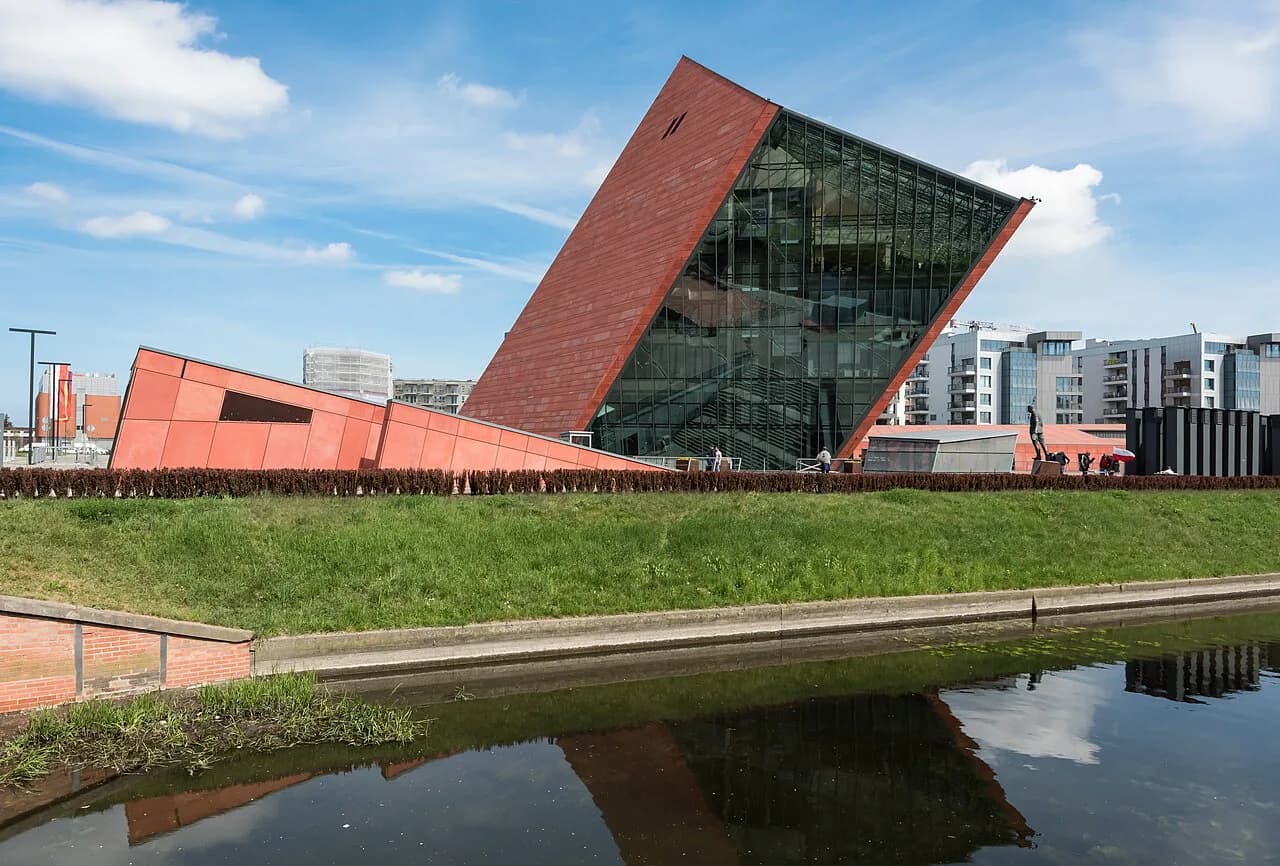
The museum occupies a large modern structure with a striking angled glass wall in a bold rust-orange tone, and it reads as architecture first and museum second from the outside. The scale is deliberate, matching the weight of the subject, but it also means there is no chance of mistaking it for a small local collection. Photographs of the exterior rarely convey how big the footprint is, so give yourself a moment on the approach to take it in before heading for the ticket desks.
Inside, the public areas are spread over several levels, with the permanent exhibition sitting below the entrance level and other facilities stacked above it. This vertical layout is worth understanding early, because it explains why the museum can absorb a crowd without feeling crushed and why you keep discovering another floor. Keep your bearings by noting which level you entered on, since the exits and the cafe areas are not all on the same floor.
The main exhibition: more than 6,000 square metres
The permanent exhibition is the reason to come, and its size is the single most important thing to know before you buy a ticket. The museum gives the area as over 6,000 square metres, and the route through it is long, dense and deliberately paced so that each section builds on the last. Treat the figure as a planning tool: it translates into several hours of walking and standing, not a brisk circuit.
Because the exhibition is thematic rather than a simple timeline of one city, first-time visitors often underestimate how much reading is involved. Display text is substantial, objects are numerous, and the rooms are arranged to slow you down rather than rush you through. If you prefer to skim, decide in advance which themes matter most to you and accept that you will skip parts of the rest.
What you walk through: film, reconstructed street, objects and the camps
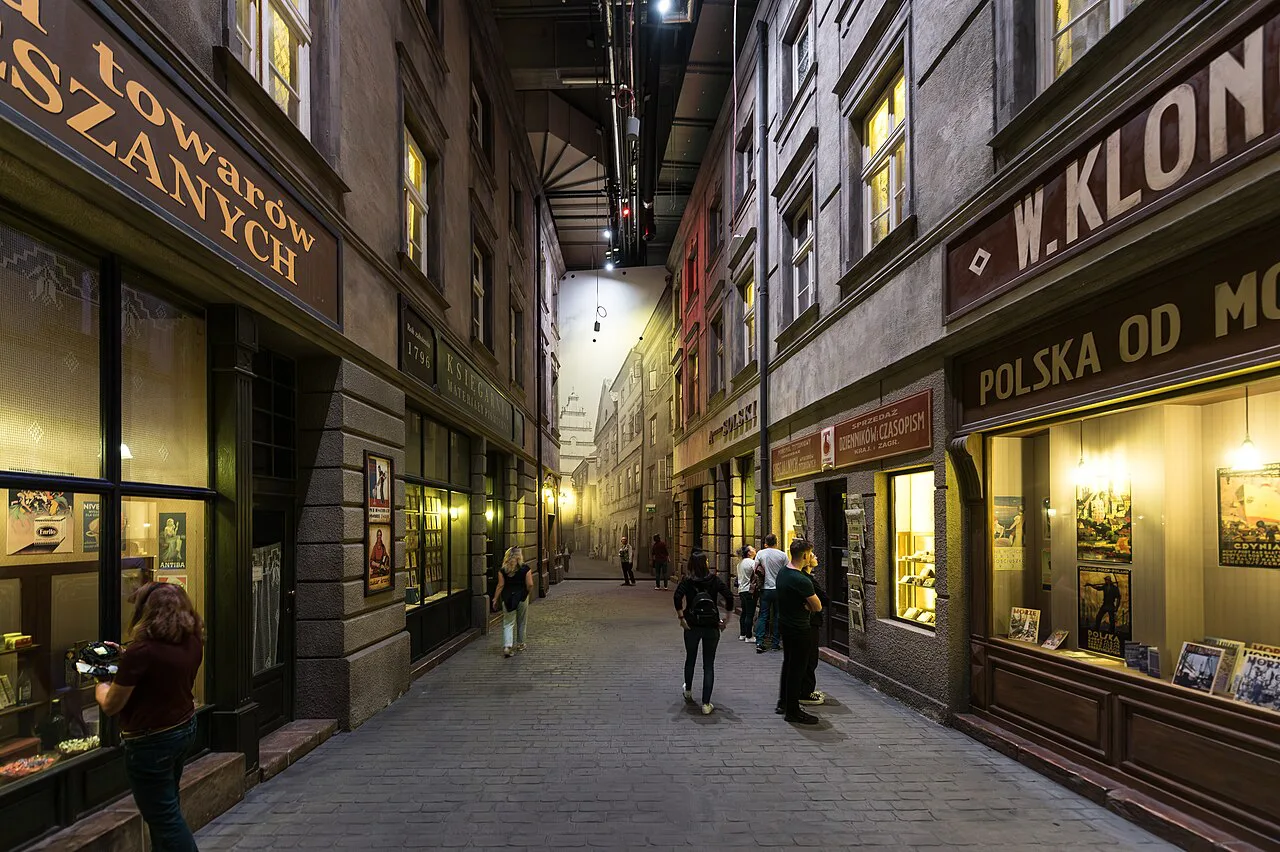
The exhibition opens in a darkened room with a film that introduces the origins and course of the war, a device that sets the tone before you reach the galleries. From there the route moves through rooms of propaganda material, uniforms and other objects, and at least one reconstructed street built to evoke the wartime city. The effect is immersive rather than chronological, and it is the reconstructed street that many visitors remember longest.
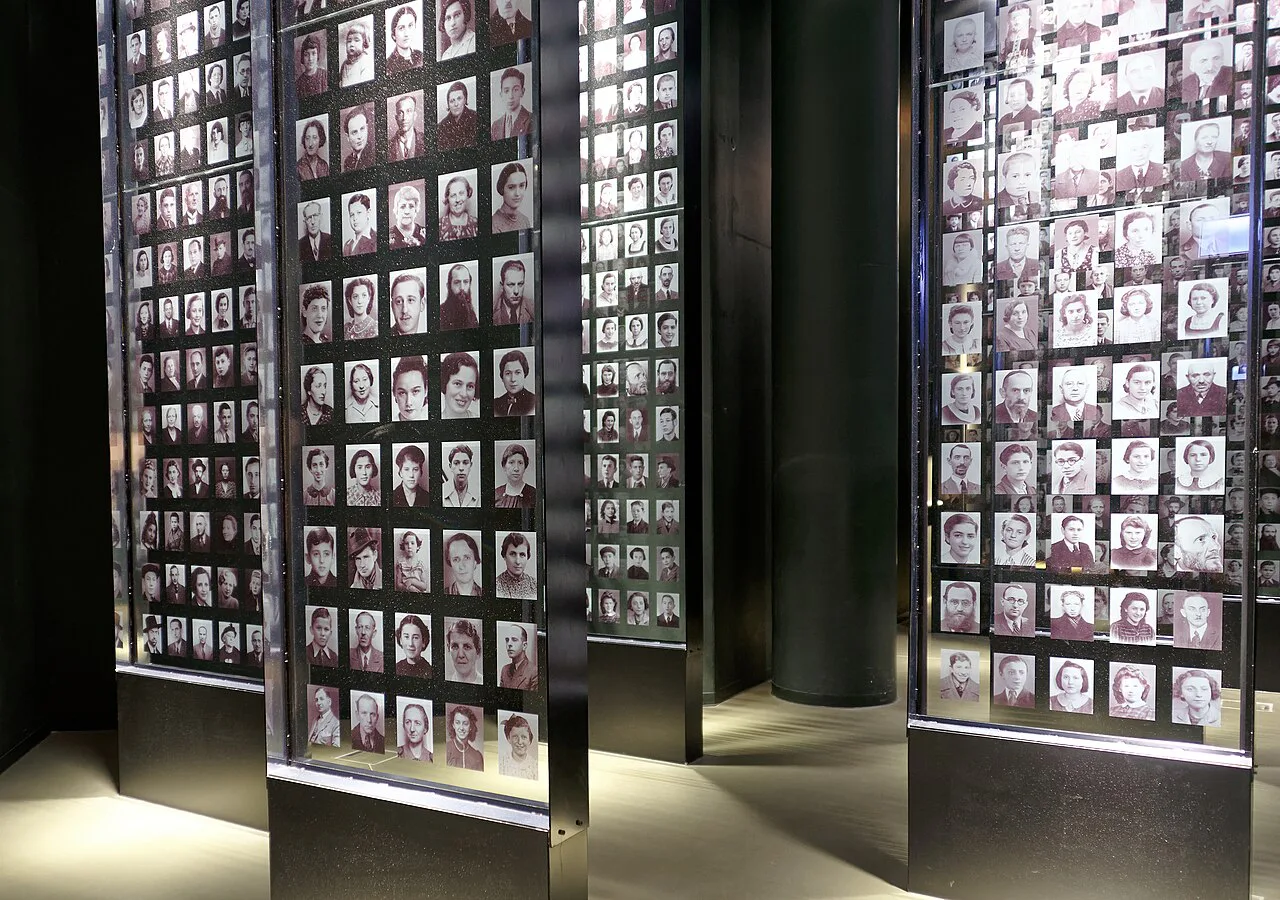
The sections dealing with the German Nazi camp system and the people murdered in it are handled soberly, and they are the part of the visit that most deserves unhurried attention. Read the panels rather than walking straight through, keep your voice low, and give yourself permission to stop afterwards rather than pressing immediately into the next gallery. Visitors often describe this part of the exhibition as emotionally heavy, which is a fair warning rather than a reason to stay away.
How long to allow and where to break for food
Budget three to four hours for the permanent exhibition and add time for temporary displays, the shop and a proper sit-down, which brings a comfortable visit closer to half a day. The museum has its own places to eat, including Vidokova Restaurant with a cafe in the tower on the fourth floor and the Museum Bistro on level three, so you can break up a long visit without leaving the building. A mid-visit pause makes the second half far more bearable than pushing straight through.
For a shorter trip, aim for a focused two hours on the galleries that matter most to you and accept that you will leave sections unread. That is a reasonable trade-off if history is only one part of a two- or three-day city break and you still want the waterfront, the churches and the river walks. The opposite trade-off, a full afternoon here, means cutting something else from the same day rather than trying to fit both in.
Tickets and opening hours: what to confirm before you go
Ticket prices and opening hours change, so check the museum's own Visit and Tickets pages before you travel rather than relying on older figures. The museum publishes its current hours on its site, including separate hours for the Westerplatte site and its ticket offices, which close earlier than the exhibition itself. Buy or reserve in advance if your dates are fixed, particularly at weekends and in summer.
A student newspaper travel account reports free entry on Tuesdays, but that is a secondary report rather than the museum's own published terms. Do not build a trip around it, because free-entry arrangements at Polish museums can be limited to specific exhibitions or suspended altogether. Check the museum's own Visit and Tickets pages for your dates and look for its published concessions rather than assuming one applies.
Westerplatte: a separate site under the same museum
Westerplatte, the peninsula where the war's opening shots in this region were fired, is run as a separate site by the same museum rather than as an annexe of the main building. It has its own opening hours, its own ticket arrangements and a visitor centre, all listed separately on the museum's website, so do not assume one ticket or timetable covers both. Travellers who want to see the peninsula should plan it as its own outing.
The two sites serve different purposes: the main building gives the broad history, while Westerplatte gives the specific place where the fighting began. If your interest is in the military opening of the war, Westerplatte is the more direct experience; if you want context and interpretation, the main exhibition does more work. Visiting both in one day is possible but leaves little room for anything else.
What is nearby on the water side of the city
The museum sits on a stretch of waterfront that pairs naturally with the shipyard memorials and the European Solidarity Centre, both a short walk away along the revitalised quays. The European Solidarity Centre, Gdańsk tells the later story of the strikes and the movement that changed the country, making it a sensible companion visit on a different day rather than the same afternoon. Walking between the two along the water is straightforward and gives you a view of the cranes and dry docks.
Back towards the Main Town, the Amber Museum Gdańsk (Muzeum Bursztynu) in the Great Mill and the Artus Court (Dwór Artusa) in Gdańsk on Długi Targ offer lighter counterweights after a heavy morning of war history. Both sit within easy walking distance of the Long Market, so they work as late-afternoon stops rather than full visits. Leave the Second World War until you have the energy for it, and finish the day somewhere less demanding.
Who should skip it and who should not
Skip the museum if your city break is built around food, architecture and river life and you have no appetite for several hours of dense historical reading. Skip it too with younger children who will not manage the long, quiet galleries, or if you are squeezing Gdańsk into a single day. There is no shame in choosing the waterfront and the churches instead.
Do not skip it if the Second World War is the reason you came to this part of Poland, or if you want one substantial, well-interpreted exhibition rather than a scatter of small ones. The museum rewards people who read, linger and accept that they will not see everything. If you are weighing it against other history sights in the city, read about the European Solidarity Centre, Gdańsk first and decide which story interests you more.
Is the museum worth half a day of your Gdańsk trip?
Yes, if you give it proper time: half a day here beats a rushed ninety minutes at three separate sights. The main exhibition is enormous, the subject is treated seriously, and the building itself is worth seeing even from the outside on your walk along the Motława.
Book your slot, check the museum's published hours and ticket details for your dates, and plan a break at the tower restaurant or the level three bistro. Then leave the rest of the day light, because the galleries will take more out of you than the distance suggests.
Frequently Asked Questions
How long does the Museum of the Second World War in Gdańsk take?
Allow three to four hours for the permanent exhibition, plus time for temporary displays and a sit-down break. The main exhibition covers more than 6,000 square metres, so a rushed hour will only get you through a fraction of it. A focused two-hour visit is possible if you decide in advance which sections to skip.
Is the museum free on Tuesdays?
A student newspaper travel account reports free entry on Tuesdays, but that is a secondary report rather than the museum's own published terms. Check the museum's own Visit and Tickets pages for your dates, since free-entry arrangements can be limited to particular exhibitions or paused. Do not plan your trip around a free day without verifying it.
What is the difference between the museum and Westerplatte?
They are two separate sites run by the same museum, with their own hours and ticket arrangements. The main building near the Motława holds the broad permanent exhibition, while Westerplatte is the peninsula where the fighting in this region began. Check each site's page before travelling, because one ticket does not cover both.