
Amber Museum Gdańsk (Muzeum Bursztynu): A Visitor's Guide

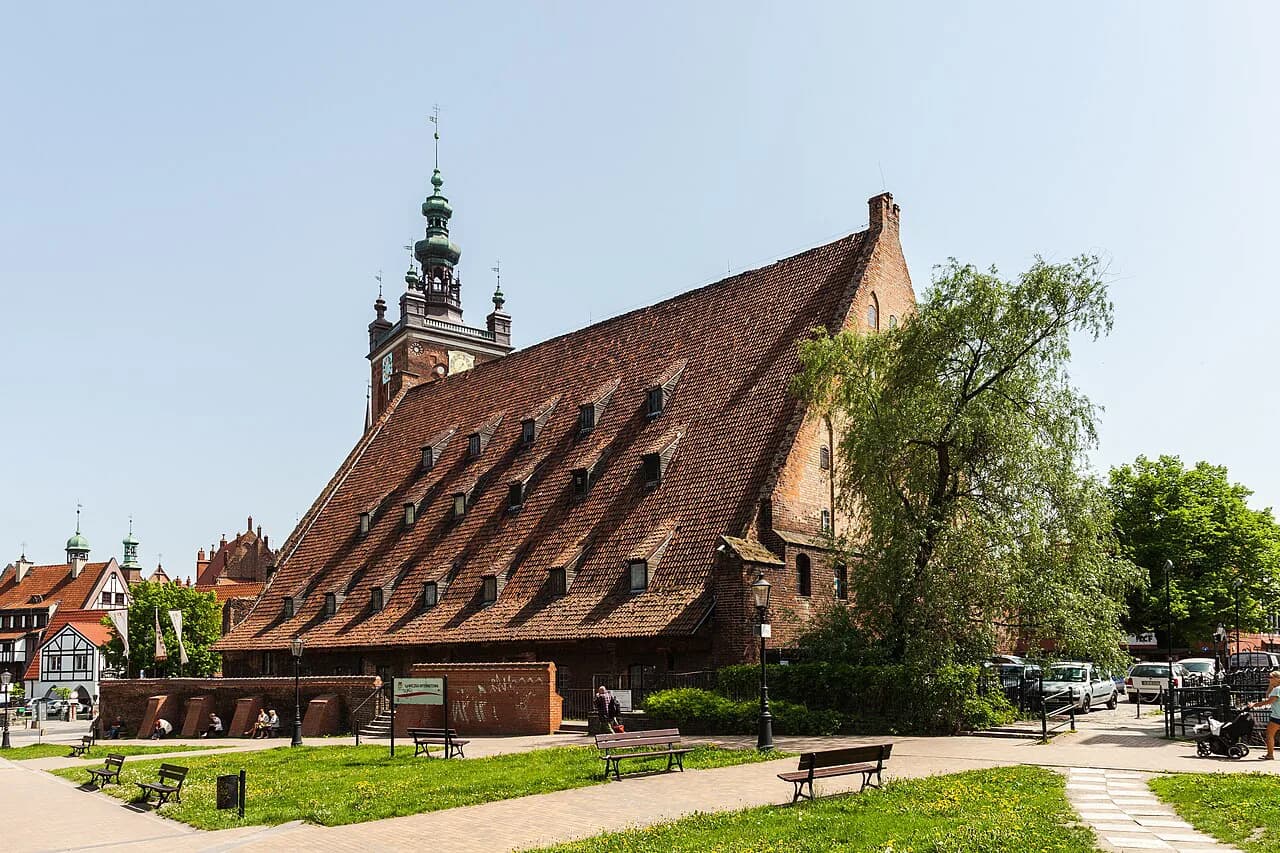
The Amber Museum in Gdańsk is worth two hours of a city break, and it sits in the Great Mill on Wielkie Młyny 7, a short walk from the heart of the Główne Miasto. It is the museum to choose if you want one collection that explains why the Baltic coast and this city in particular became synonymous with amber. This guide covers what is inside, how to pace the visit, how ticketing works and what fits around it.
The museum is a branch of the Museum of Gdańsk, and it moved into the Great Mill after 15 years in the Fore Gate complex of the Torture Chamber and Prison Tower. The new home offers roughly three times the space of the old one, with more than 1,000 exhibits spread across two storeys.
Where the Amber Museum sits in the Great Mill
The address is Wielkie Młyny 7, inside the Great Mill, a landmark building on the northern edge of the Główne Miasto. The museum occupies more than 1,000 square metres of interior, with dimmed lighting and exhibits set into alcoves rather than lined up in long cases. That layout gives the collection a deliberately mysterious mood, which suits the subject.
Amber has been tied to Gdańsk for centuries through the old amber routes, and the museum treats that trade as part of the story rather than background colour. Exhibits cover amber in its natural state, how it is extracted, the history of the trade routes, and its uses in medicine and as a magical stone as well as an artistic material.

Getting there and finding your way in
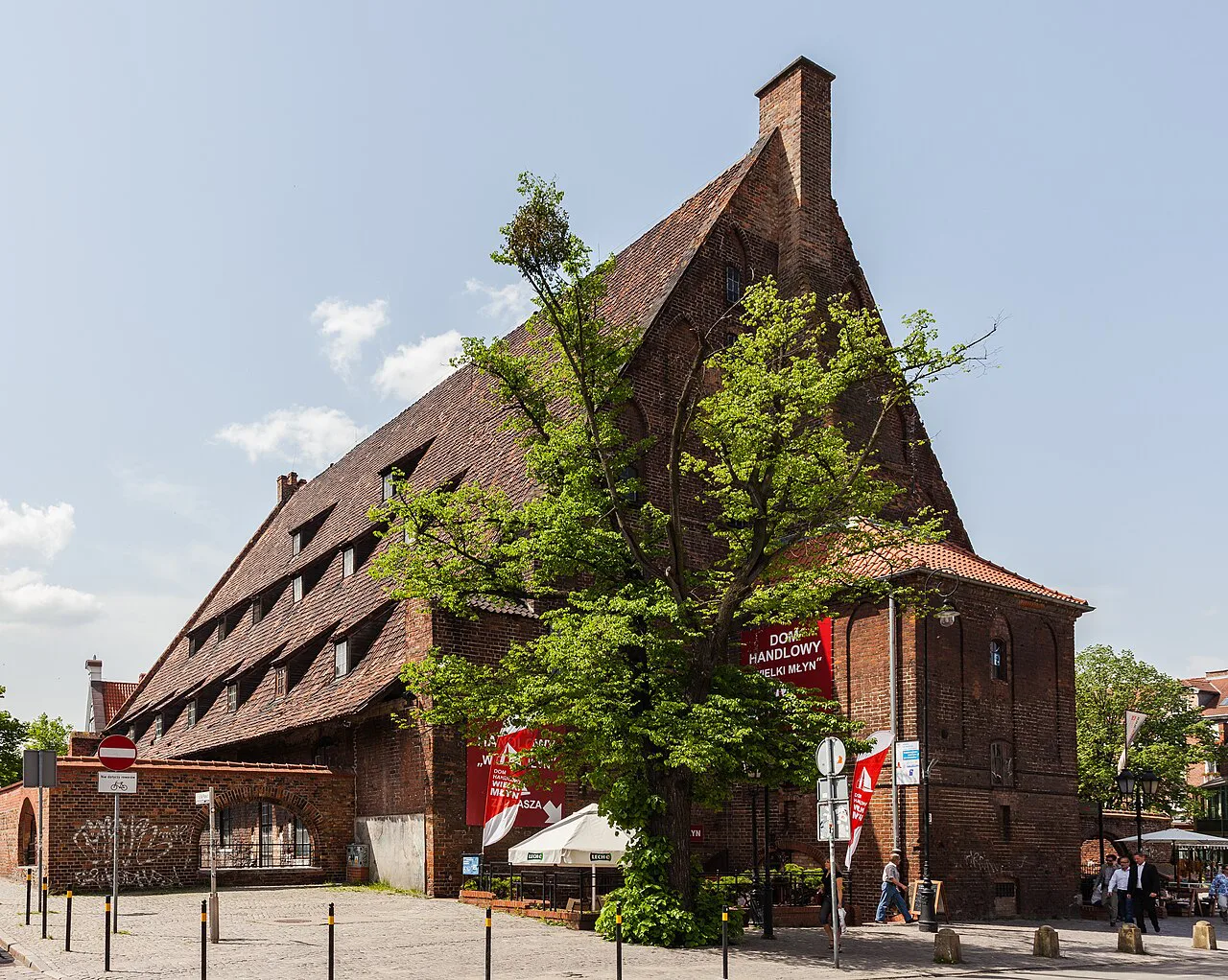
From Długi Targ and the Motława waterfront, the Great Mill is a short walk north through the Główne Miasto; use the mill's bulk as your landmark. If you are planning the wider day, the Amber Museum combines well with the riverside sights, so it helps to see how the main sights sit together before you fix an order.
The museum sits inside a historic mill building rather than a purpose-built pavilion, so look for the museum entrance at the Great Mill itself. The interior has been adapted for visitors with mobility impairments, which makes the two-storey layout manageable.

What is inside: two storeys of amber
The collection runs to more than 1,000 exhibits over two floors, with information boards and interactive screens placed among the objects rather than in a separate room. Traditional outfits and tools used by amber catchers sit alongside the displays, which gives the collection a human side beyond the gemstones.
The museum also carries historic amber art made in Gdańsk in the 17th and 18th centuries, on loan from a private collector in Munich. That section rewards a slower read: it shows how the city's craftsmen worked the material long before the modern souvenir trade existed.
The pieces to look for
Head first for the world's heaviest amber piece, a 68-kilogram lump that anchors the collection. Nearby, look for amber inclusions that trapped insects and other material, including a gecko and a giant spider, which show how the resin preserved small creatures millions of years ago.
Then seek out the crafted pieces: an amber chess set, an amber guitar and copies of elements from the Amber Room. These are the exhibits that make the museum more than a geology display, and they are the ones children tend to remember.
The shop on the ground floor
The ground floor doubles as a shop, where you can buy jewellery, books and other amber-related merchandise before or after the exhibition. It is a sensible place to buy if you want a piece with some provenance rather than an unlabelled stall purchase, though it pays to compare prices across the Główne Miasto shops too.
How long to allow and how to pace it
Budget around two hours for the museum, with a shorter 75-minute run if you move briskly through the craft displays and linger only at the headline pieces. The two-storey layout means you climb between floors, so build in a pause rather than trying to see everything in one push.
If amber is the main reason for your trip, put the museum first thing and leave the afternoon free for the waterfront and the Long Market. If it is one stop among several, treat it as a focused 90 minutes and resist the urge to read every board.
Tickets, visitor limits and last entry
Tickets can be bought online or at the counter at the entrance. The museum caps the number of guests it admits each day, so booking a timed online ticket before you travel guarantees entry and is the safer option on a short break.
Entry closes 60 minutes before the museum shuts, so a late-afternoon arrival needs checking against closing time rather than assumed. Current ticket prices and opening days are published by the Museum of Gdańsk, the operator, and the Gdańsk tourist card scheme lists the Amber Museum among the branches it covers.
Accessibility and practical points
The interior has been adapted for visitors with mobility impairments, and the exhibition spreads over two floors. If you have specific access needs, ask at the ticket desk when you arrive rather than relying on the building's historic shell to signal what is available.
The museum is a branch of the Museum of Gdańsk, so its ticketing and any combined offers sit with that organisation rather than with the city's separate museums. Buy online if you are visiting at a weekend or in high season, when the daily cap bites hardest.
What to pair with it in the Główne Miasto
The obvious pairing is the waterfront and Długi Targ, a short walk south, where the Artus Court and the Green Gate front the Long Market. The Artus Court is worth an hour for its 11-metre tiled stove alone, and it sits a short walk from the Amber Museum's neighbourhood.
For a different register, St Mary's Church dominates the Główne Miasto skyline and its tower gives the best view back over the rooftops you have just walked through. It works well after the museum if you still have daylight and want one more climb.
If you are building a museum day, the Museum of the Second World War in Gdańsk and the European Solidarity Centre sit north of the Główne Miasto and each take several hours, so pick one rather than attempting both after amber.
The European Solidarity Centre, Gdańsk pairs naturally with a walk through the shipyard area, but it needs a fresh morning rather than a tired late afternoon. Allow it its own half-day and keep the Amber Museum for the other one.
Is the Amber Museum worth your afternoon?
Yes, if you want one collection that explains Gdańsk's relationship with amber rather than a scattering of shop windows. The Great Mill setting, the 68-kilogram piece and the amber guitar make it a solid two-hour stop that suits a wet morning as well as a bright one.
Book a timed ticket before you travel, aim to arrive at least 90 minutes before closing, and leave room afterwards for the Long Market and the waterfront. That sequence gives you a coherent half-day without retracing your steps.
Explore more Gdańsk guides
Frequently Asked Questions
Do you need to book Amber Museum tickets in advance?
Booking online before you travel is the safer choice. The museum limits how many guests it admits each day, and a timed online ticket guarantees entry on your chosen date, while walk-up tickets depend on what is left at the counter.
How long does a visit to the Amber Museum take?
Most visitors should allow around two hours across the two storeys. A focused visit of about 75 minutes works if you prioritise the 68-kilogram amber lump, the inclusions and the crafted pieces such as the chess set and guitar.
Why is amber so closely linked to Gdańsk?
The Baltic region holds the most abundant amber deposits, and Gdańsk's connection runs through centuries-old amber routes and a long craft tradition. The museum sets out the extraction methods, trade history and the city's 17th- and 18th-century amber artistry.