
Silesian Museum, Katowice: a visitor guide to Muzeum Śląskie

The Silesian Museum, or Muzeum Śląskie, is the main reason many visitors add Katowice to a Polish city break: a large museum whose galleries sit mostly underground on the site of a former coal mine, with the preserved pit-head buildings standing around them. Budget two to three hours for the galleries alone, and longer if you want to walk the whole site. This guide covers where the museum is, what to see inside and above ground, how much time to allow, and what to do nearby.
Where the museum is: the Culture Zone in Bogucice
The museum occupies the site of the former Katowice coal mine in Bogucice, a district just north of central Katowice, and forms part of the wider Culture Zone. The mine worked from the 1830s until the end of the twentieth century and excavated roughly 120 million tons of coal, which is why the site feels like a small industrial town rather than a single building. The Culture Zone groups the museum with other large cultural venues on and around the former mine grounds.
Because the museum is outside the immediate city centre, it works best as a half-day plan rather than a quick stop between cafés. Walking from the central streets takes longer than the map suggests once you factor in the site's size, so many visitors combine the museum with the other Culture Zone venues in one outing. If you are choosing which Katowice attractions to prioritise on a short break, this one rewards the detour.

How the site is laid out
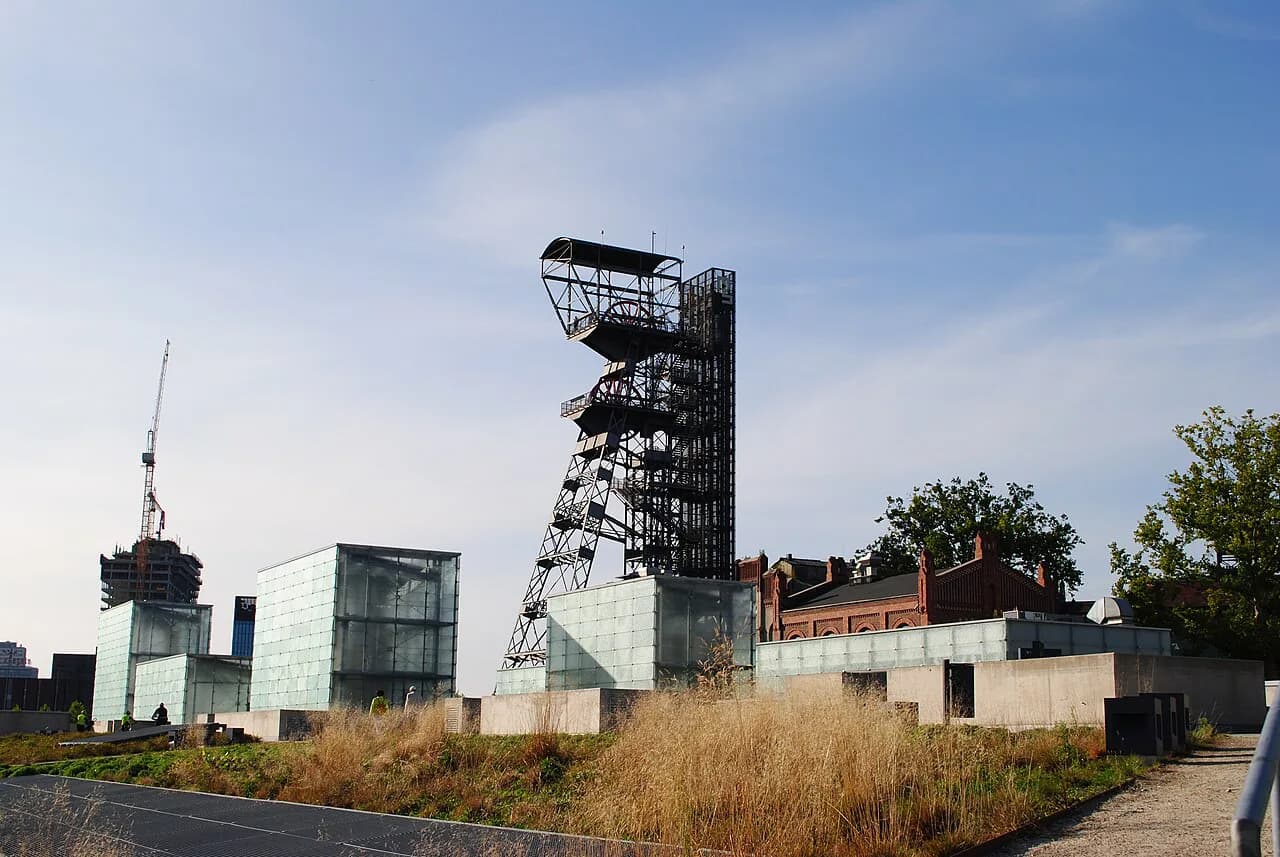
The defining feature of the Silesian Museum is that most of its exhibition space is underground, sunk into the former mine yard, while the surface is given over to the surviving pit-head architecture. Visitors move between the two, so a visit mixes indoor galleries with an outdoor walk among brick engine houses, shaft towers and headframes. Wear shoes you can walk in and allow for weather on the surface section.
The preserved buildings include the headlamp building with the hoist tower of the Bartosz shaft from 1883, the engine room of that shaft with a steam machine built in 1895, a former power station from the 1890s, and the lift tower of the Warszawa shaft from the early twentieth century. Some of these structures borrow Romanesque and Gothic shapes, which gives the surface buildings an unexpectedly monumental feel. Treat the buildings as part of the museum rather than scenery on the way in.
The layout rewards a loose plan: start with the exhibitions underground while you are fresh, then come back up to walk the mine buildings and the open ground at your own pace. The site is large enough that doubling back costs time, so check a site map at the entrance and decide the order before you set off. The underground setting also makes the museum a sensible choice on a wet day, since the core of the visit is indoors.
What to see inside
Inside, the museum presents its collections through galleries that draw on the region's industrial, cultural and artistic history, and the way the exhibits are staged is part of what makes the museum memorable. Reviewers consistently single out the presentation as the strength of the visit rather than any single object. Give yourself room to read the displays instead of racing through, because the underground galleries are the heart of the museum.
Temporary exhibitions rotate through the museum alongside the permanent galleries, so what is on during your visit will differ from what other travellers saw. Check the museum's own website, Muzeum Śląskie, before you travel to see which exhibitions are running and whether any gallery is closed for changeover. That check is worth doing a day or two ahead if a particular display is the reason for your visit.
Silesia's identity runs through the museum's subject matter, and the galleries make more sense if you know a little about the region before you arrive. If you are still building your list of things to do in Katowice, pairing the museum with a walk through the centre gives you both the industrial story and the city that grew around it.
How long to allow
Plan on two to three hours for the underground galleries, which is enough to see the main displays without rushing. Add another thirty to sixty minutes for the surface buildings and the walk between them, because the pit-head structures are spread across the site rather than clustered at the entrance. A half-day in total is realistic if you also want a coffee or a look at the neighbouring Culture Zone venues.
If your city break is short, the museum can be trimmed to a focused hour and a half by choosing one or two galleries and skipping the rest. The trade-off is that you see less of the collection but still get the underground setting and the mine architecture, which are the parts most visitors remember. Families with children often need the longer end of the range, since the site invites wandering.
Tickets, opening days and hours
Ticket prices, opening days and hours for the Silesian Museum change with the season and with exhibition programming, so confirm them on the museum's own website before you set out. Polish museums often close one day a week and some run free-entry days, but which day applies here is something to check on the museum's site rather than assume. Buying or reserving ahead is worth considering for weekend visits and for special exhibitions.
The same applies to any temporary exhibition that charges separately, and to group or guided visits, which may run on a fixed timetable. Check the museum's site for the day you plan to visit, and note the ticket desk closing time, which is usually earlier than the building's closing time. If you are travelling on a public holiday, verify the opening hours rather than relying on normal weekday patterns.
The trade-off: an out-of-centre industrial site versus a compact city museum
The Silesian Museum asks more of you than a small city-centre museum: it is a big site with indoor and outdoor parts, and getting there and back takes a bite out of a short break. In return you get scale, the drama of the underground galleries and the mine buildings above them, which no compact museum in the centre can match. If you have only an afternoon in Katowice, decide whether the industrial setting or a tighter central cluster suits you better.
For travellers on a one- or two-day visit, the museum works best as the anchor of a half-day, with the rest of the Bogucice site and the walk back towards the centre filling out the same outing. The Spodek Katowice and the International Congress Centre Katowice are not on the former mine grounds but sit a short distance away towards the city centre, so treat them as a separate stop rather than part of the same walk around the pit-head buildings.
Visitors with a full day can do the museum properly and still have time for the centre, which is the more comfortable arrangement. Those with a tighter schedule should treat the museum as their main Katowice sight rather than squeezing it in alongside everything else. Either way, the visit is more satisfying if you know before you arrive roughly how long you have.
What is nearby on the same visit
Back towards the centre, the Spodek concert hall and the International Congress Centre Katowice are the most recognisable modern landmarks and make an easy stop on the way in or out, though they are not on the museum's own ground. Together with the museum they turn a single outing into a proper half-day, provided you allow for the walk or ride between the two areas.
Back in the centre, the Cathedral of Christ the King, Katowice and the Silesian Insurgents' Monument are the obvious next stops, and the Mariacka Street area is where many visitors end up for food and drink after a museum morning. All of these sit within a walkable central cluster, so you can plan them for the same day without extra travel. If you are staying centrally, do the museum first and the centre afterwards.
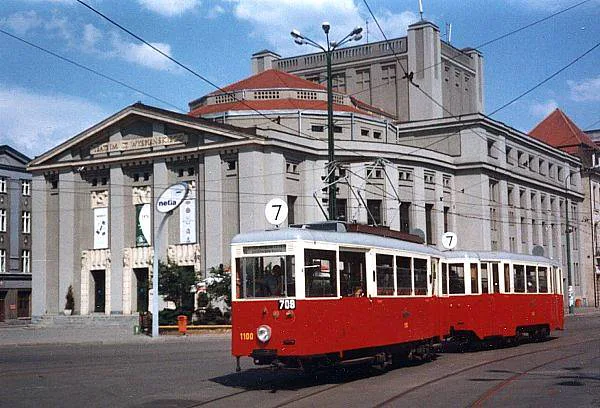
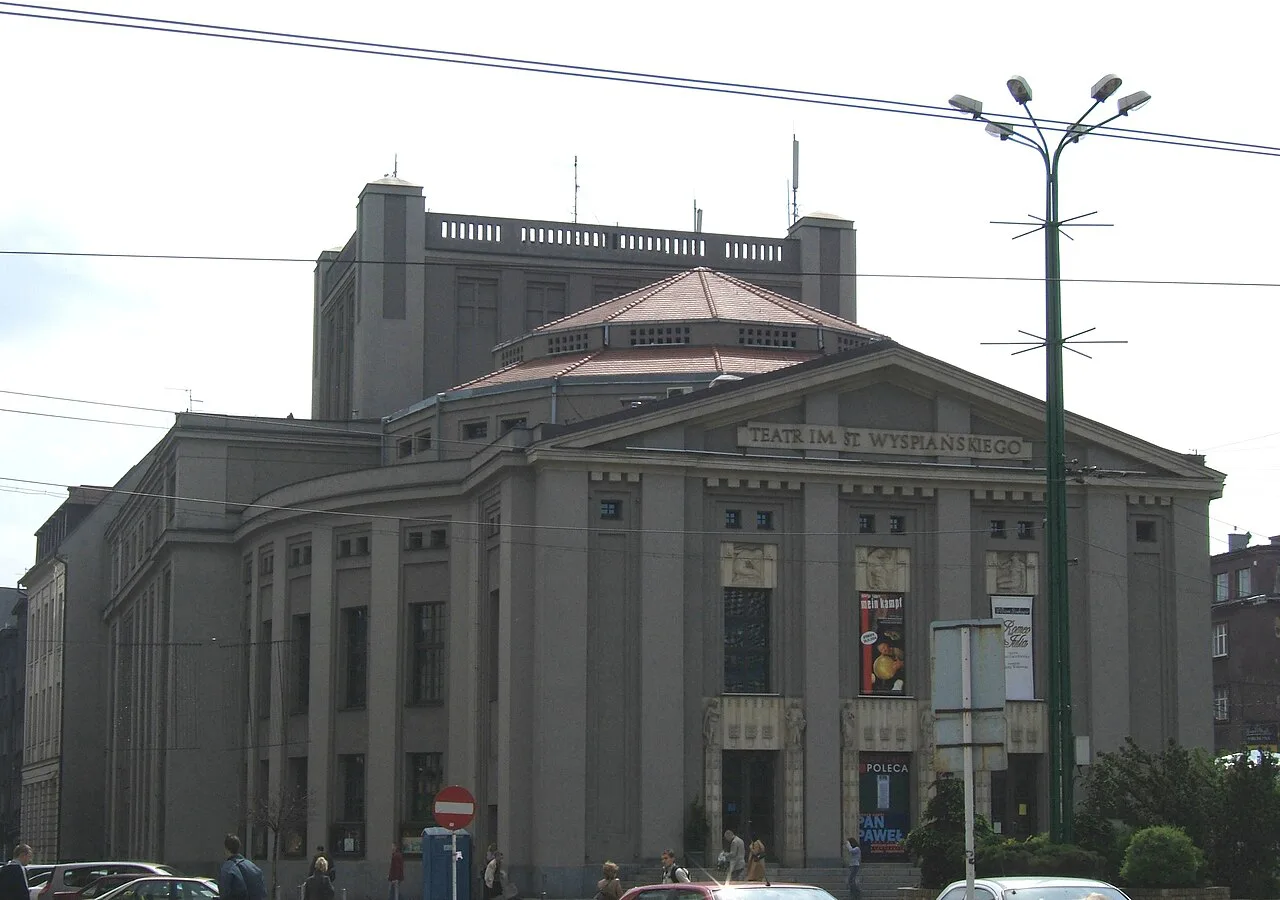
If you have time for one more cultural stop in the centre, the Silesian Theatre in Katowice and the Goldstein Palace, Katowice are both worth a look and are close to the main square. They are small stops rather than half-day commitments, which makes them easy to fit around a museum visit. Build them into the same walk rather than making separate trips.

Is the Silesian Museum worth half a day?
Yes, if you want one substantial museum in Katowice and are happy to travel a short way out of the centre for it. The underground galleries and the preserved mine buildings together give you something you will not find in a compact city-centre museum, and the Culture Zone around it fills the rest of the half-day. Check the museum's own site for current tickets and opening days before you go, then plan the centre for the afternoon.
Frequently Asked Questions
How long does a visit to the Silesian Museum take?
Allow two to three hours for the underground galleries and another thirty to sixty minutes for the preserved mine buildings and the walk between them. A half-day in total leaves room for the rest of the Culture Zone.
Is the Silesian Museum good on a rainy day?
Most of the exhibition space is underground, so the core of the visit is indoors and works well in wet weather. The pit-head buildings and the site walk are outdoors, so bring a jacket if rain is likely.
Where can I check ticket prices and opening hours?
The museum's own website, Muzeum Śląskie, publishes current tickets, opening days and any temporary exhibition charges. Check it for the specific date you plan to visit, especially around public holidays and exhibition changeovers.