Gdańsk Food: What to Eat and Where to Try It
Plan your Gdańsk food days around Baltic fish, pierogi and Kashubian cooking, with named Old Town restaurants and cited bill totals in złoty.
On this page
Gdańsk food is Baltic first and Polish second: herring, fish soup and coastal cooking sit alongside pierogi, ribs and duck, with Kashubian regional dishes from the countryside west of the city. Plan one sit-down meal a day and fill the gaps with doughnuts and snacks so eating never swallows your sightseeing. This guide covers the dishes worth ordering, the restaurants that serve them and what cited bills actually came to.
What Gdańsk food is: Baltic fish, Kashubian cooking and Polish staples
The city's position on the Baltic shapes its menu more than most Polish cities. A traveller expecting only potatoes, sauerkraut and pork finds fish served widely, and even meat dishes lighter than the stereotype suggests. That coastal layer sits on top of the standard Polish repertoire and a distinct Kashubian tradition from the region west of Gdańsk.
Kashubia lies west of Gdańsk, and its cooking turns up in the old town in the form of fish soup with mussels, potato cakes and hearty bread-baked mains. Look for menus that name the region rather than generic "Polish food", because that is where the local character is. The rest of the time you are eating the Polish staples done well: pierogi, duck, herring and pork.
Dishes to try first: pierogi, potato cake and fish soup
Pierogi come in two useful formats. Steamed dumplings arrive soft with a wide choice of meat, vegetarian and sweet fillings, and some kitchens will fry them in butter for a crisp edge; larger oven-baked pierogi are denser and more filling. A portion of potato pancakes with goulash stew and sour cream makes a solid lunch when you want something other than dumplings.
Kashubian starters are the other must-order: a potato cake filled with smoked bacon, and a Kashubian fish soup with mussels. Goulash with buckwheat served inside a wholemeal bread loaf is the signature main at the Kashubian table, and portions run large, so a starter and one bread-baked main between two is often enough.
Baltic herring and other fish, and why the coast changes the menu
Herring is the reliable test of a Gdańsk kitchen. Served as a Baltic herring tartare or with an apple horseradish mousse, it arrives fresh rather than aggressively salted, which is the point of eating it here rather than inland. Fish soup with mussels does the same job in winter.
The coastal effect also shows in the smarter rooms, where game and fish share the menu: wild boar tenderloin with a rosemary-mustard sauce, saddle of venison with cherry sauce, and beef tenderloin carpaccio to start. If you want one meal that reads as modern Polish cooking rather than tradition, this is the register to book.
Where to eat traditional Polish food in the Old Town
Pierogarnia Stary Młyn is the pierogi specialist, with English-speaking staff, an extensive menu and both steamed and oven-baked dumplings; it also does the potato pancake with goulash. Gdański Bowke takes the meat route instead: pork schnitzel, meaty soups and ribs served with potato dumplings and sauerkraut, with vegetarian options on the side. Neither is a place to linger over a tasting menu; both are reliable, filling and central.
For a homey regional dinner, Velevetka is a tiny cellar room opposite the town hall and the Neptune statue, decorated in Kashubian style and described by one visitor as both cheap and homey. Expect to eat goulash or pork chop inside a bread loaf in close quarters, which is charming if you want atmosphere and awkward if you want space. The Rekawiczka, near the Brama Wyżynna at the main entrance to the old town, is the comfortable middle option, with pierogi in cheese sauce, duck fillet and beef cheeks.
One practical note on liquor: Goldwasser, the herb vodka with gold flakes, is a Pod Lososiem speciality, and it is worth tasting once if you like anise. The flavour is strong and not to every palate, so order a single measure rather than a bottle.
A splurge meal: Pod Lososiem on ulica Szeroka
Pod Lososiem on ulica Szeroka is the historic choice, a restaurant run by the third generation of one family and known for hosting visiting presidents and politicians. The dining room carries that history heavily, and the signature main is a beef sirloin served to three presidents in 1997. Portions are generous, and the kitchen will serve a half portion of the beef on request.
The trade-off is straightforward. Velevetka gives you regional cooking in a cellar for little money; Pod Lososiem gives you a grand room and the Goldwasser ritual, and the bill reflects it. Pick the historic room for one evening and keep the other meals cheap.
Doughnuts and sweet stops
Gdańsk does doughnuts well: fresh, sphere-shaped pączki, some without filling and some with Nutella, salted caramel, Kinder Bueno or cherry. Dobra Pączkarnia is the small bakery to aim for, and going early matters because the fillings sell out through the morning. Treat it as breakfast or an afternoon stop rather than a sit-down meal.
For a sit-down breakfast, look for the cafés around the Basilica of St Mary, which fill the morning slot before the museums open. At least one café in that area, which served breakfast until around two in the afternoon, has since closed permanently, so check current openings before you rely on a particular room.
What a meal costs in złoty, with cited bill examples
Two diners sharing a starter, two mains and a bottle of Chilean red at the Rekawiczka came to 174 zł after a 15 per cent food discount for hotel guests, and the buffet breakfast there was 35 zł per person. A breakfast for two with coffees cost 71 zł, and a three-course dinner for two with wine at Literacka, the upmarket game restaurant, reached 345 zł.
Read those figures as a shape rather than a price list. A cheap cellar dinner and a mid-range Old Town meal sit far below the game-and-wine splurge, and eating out is generally cheaper than in the UK. For current prices, check the menu at the door.
Fitting food into a one to four day city break
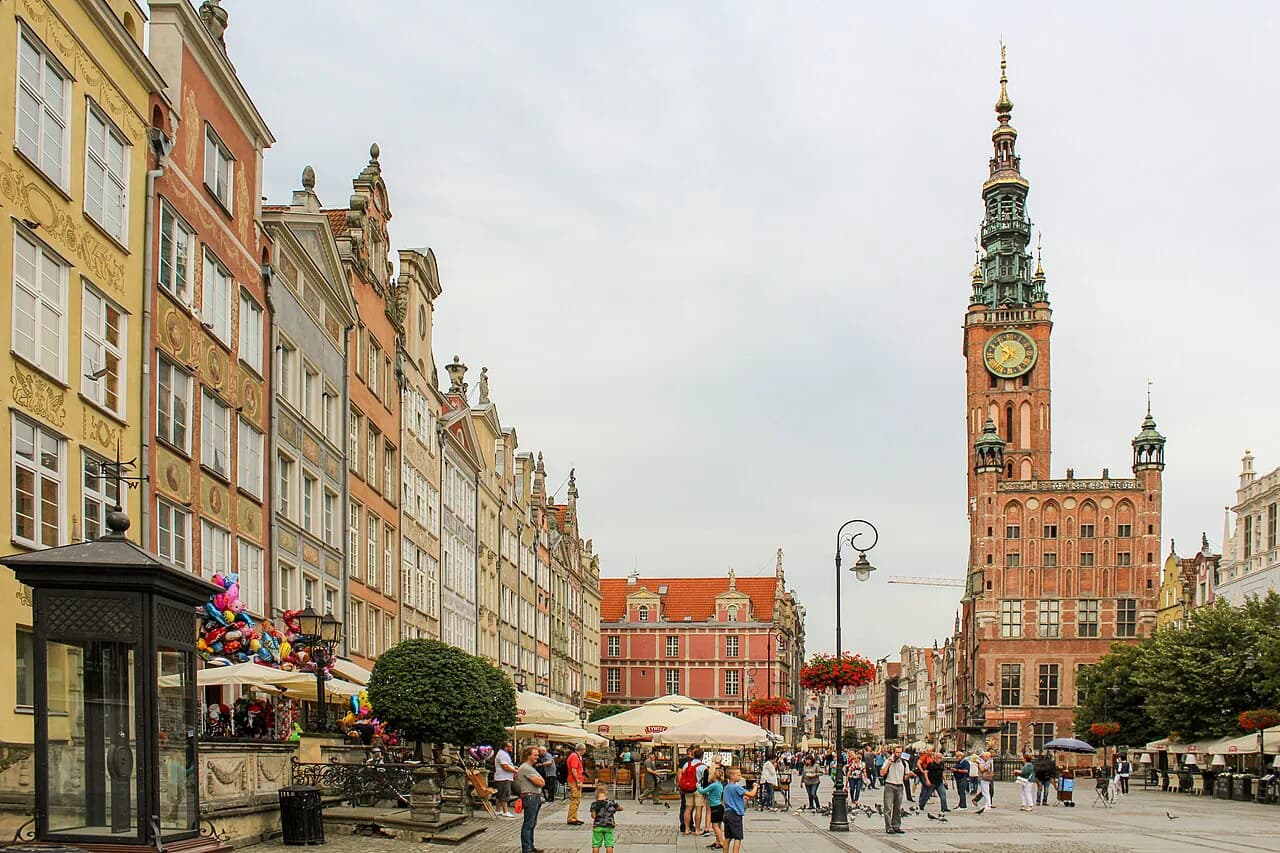
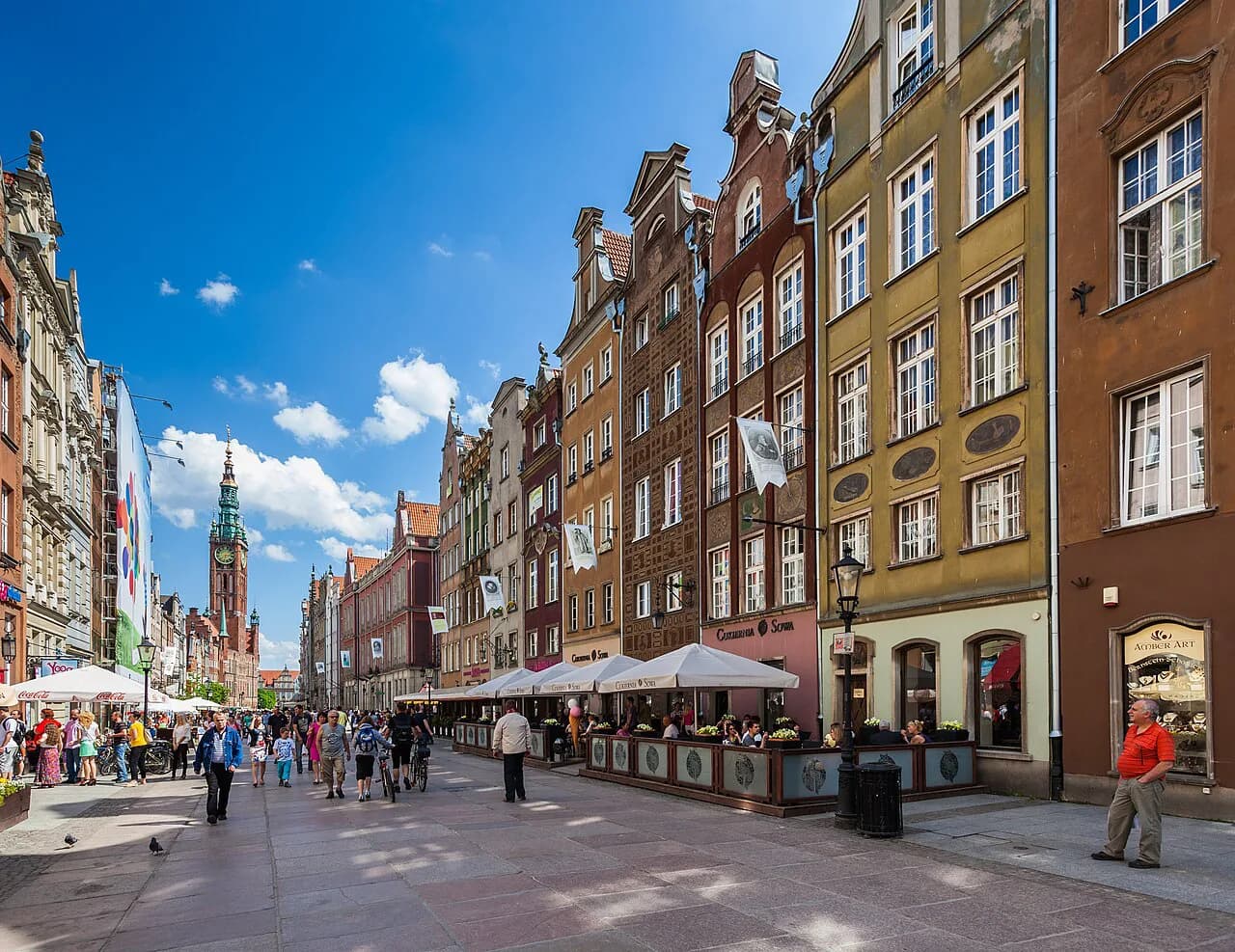
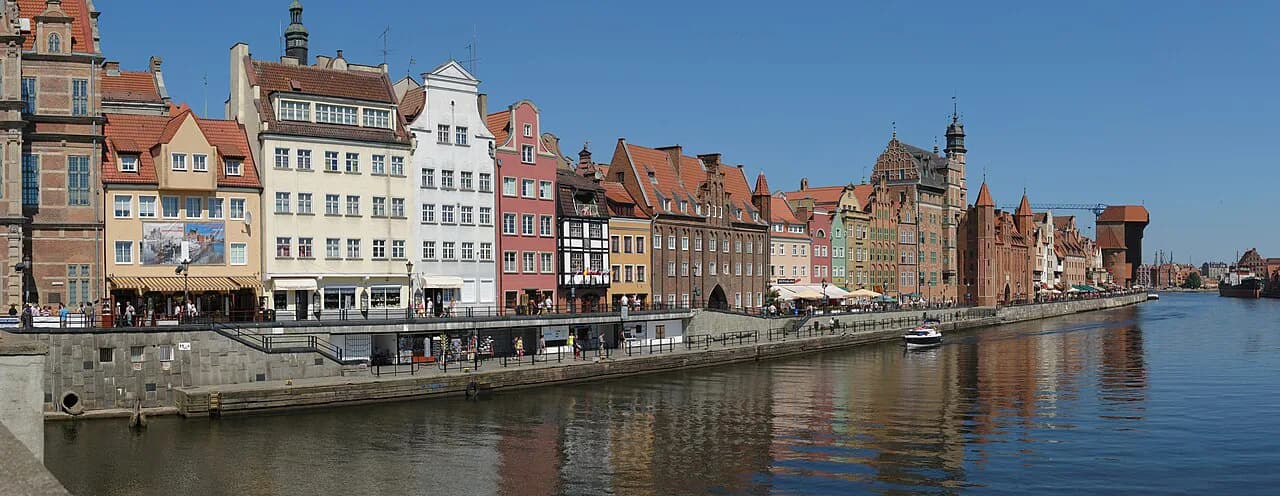
On a one-day visit, keep food to one sit-down meal and eat standing up the rest of the time. Walk the length of Długi Targ and the Motława waterfront, stop for a doughnut, then book either Velevetka for Kashubian cooking or Pod Lososiem for the historic room.
With two or three days, give lunch to pierogi one day and ribs the next, and put the fine-dining meal on the evening you are least tired. A cellar restaurant fills quickly in the evening, so plan it for a night when you can eat early.
On a four-day break, keep an evening free for the splurge, and use the morning slots for the sights, with coffee and a doughnut instead of a long breakfast.
Which Gdańsk restaurant should you book first?
Book Pod Lososiem if you want one memorable room, a half portion of the famous beef and a glass of Goldwasser; book Velevetka if you want a tiny Kashubian cellar and would rather spend the money on the rest of the trip. Fill the other meals with pierogi at Stary Młyn, ribs at Gdański Bowke and a doughnut from Dobra Pączkarnia, and you will have covered the coast, the region and the staples in three days.
Explore more Gdańsk guides
Sources
Notes for your next Polish city break
Optional updates to our Poland guides.
You might also like
Continue reading
More guides you'll find useful