Zakopane History: The Story Behind the Town in 5 Periods
Zakopane's history in five periods, from Vlach shepherds and the 1898 railway to the interwar cable car, with the streets and landmarks where each era still shows.
On this page
Zakopane's history falls into five usable periods: highlander settlement, mining and ironworking, the arrival of tourism around Kościeliska Street, the railway and health-resort years, and the 1930s winter-capital boom. Each one left something you can walk to in an afternoon, from the wooden church to the lower station at Kuźnice. This guide takes them in order and points to the place where each era still shows.
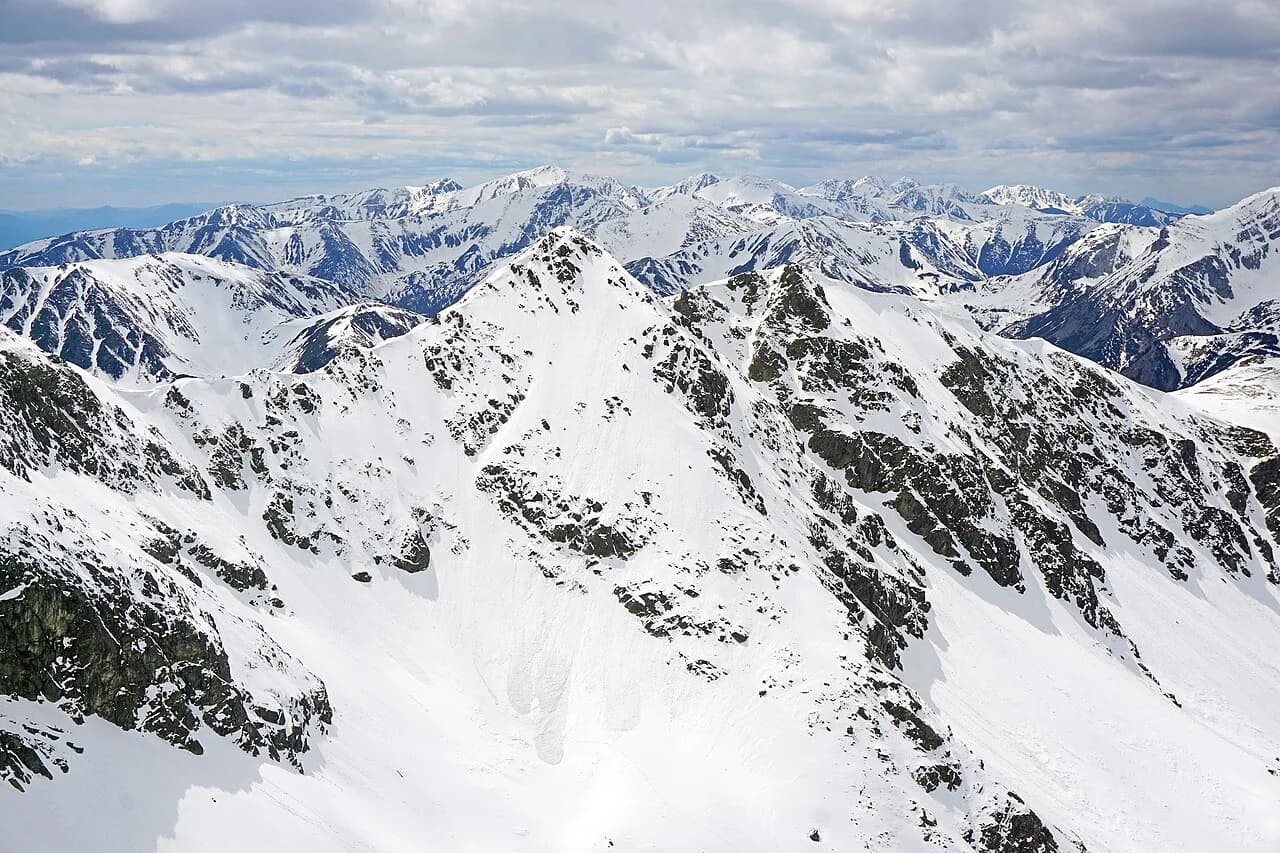
The setting explains most of it. Zakopane sits in a valley between the Tatra Mountains and Gubałówka Hill, at roughly 750 to 1,126 metres above sea level, which makes it the highest-situated town in Poland. Its administrative highest point is Świnica Peak at 2,301 metres.
Highlander roots: shepherds under the Tatras
The first settlers appeared beneath the Tatras in the 15th century, descended from Vlach shepherds who moved through the Carpathians. A royal decision by King Michael I let them settle legally on the land that became Zakopane.
For centuries this was farming, grazing and mining country, with large highlander families living on separate farms that gradually merged into one village. The highlander population, its dialect and its costume remain the cultural reference point for the town today.
Mining and ironworking in the western valleys
From the 16th century, prospectors searched the Tatras for copper, silver and gold, with early mines in the Kościeliska and Chochołowska valleys and later work around Morskie Oko. In the 18th century an ironworks operated at Kuźnice, the spot that now holds the lower station of the cable car to Kasprowy Wierch.
The ironworks closed at the end of the 19th century, around the time the railway line to Zakopane was built. Mining and ironworking gave way, and the town that emerged was a tourist resort rather than an industrial one — the clearest single thread in its history.
Kościeliska Street and the first tourists
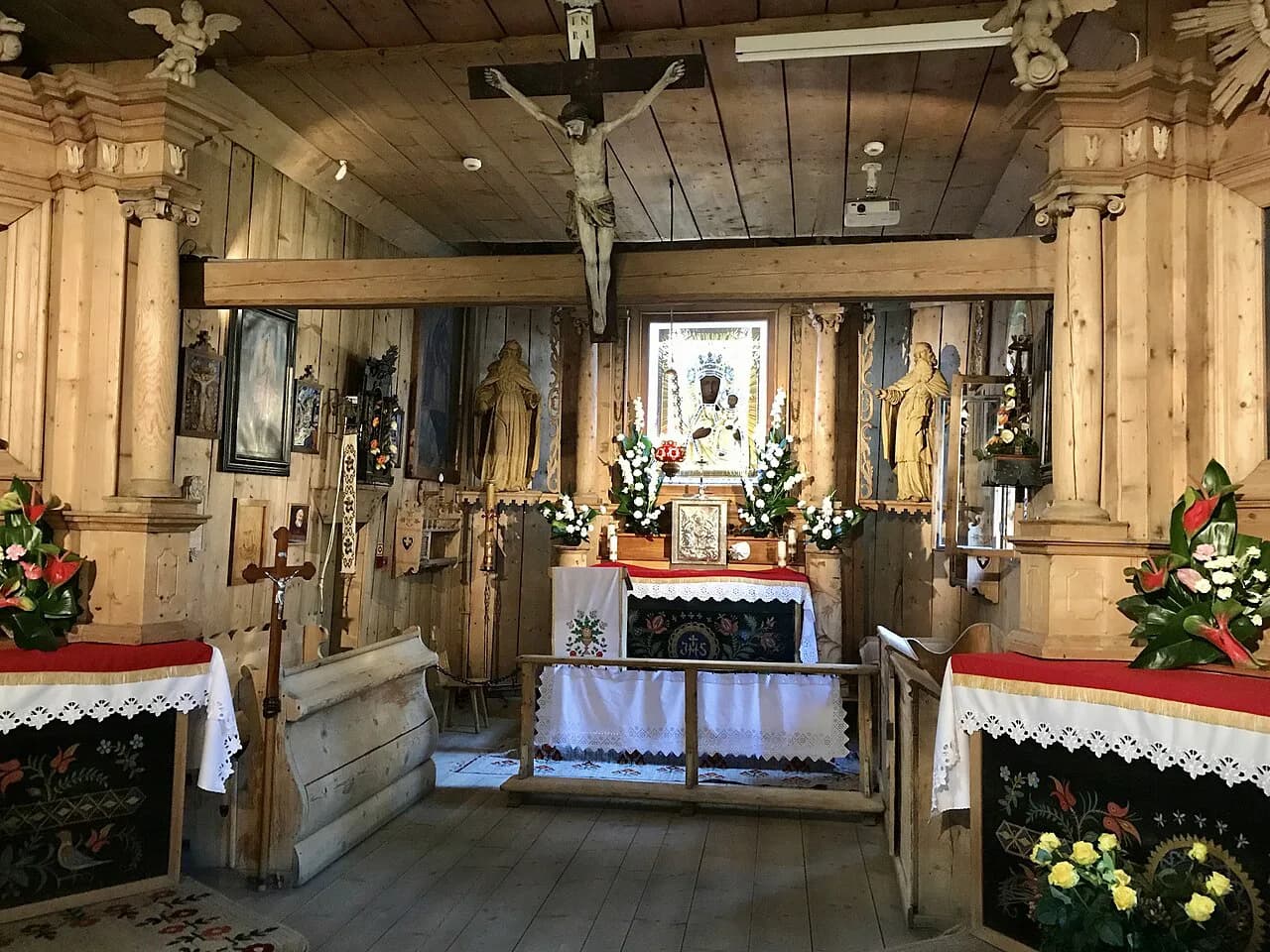
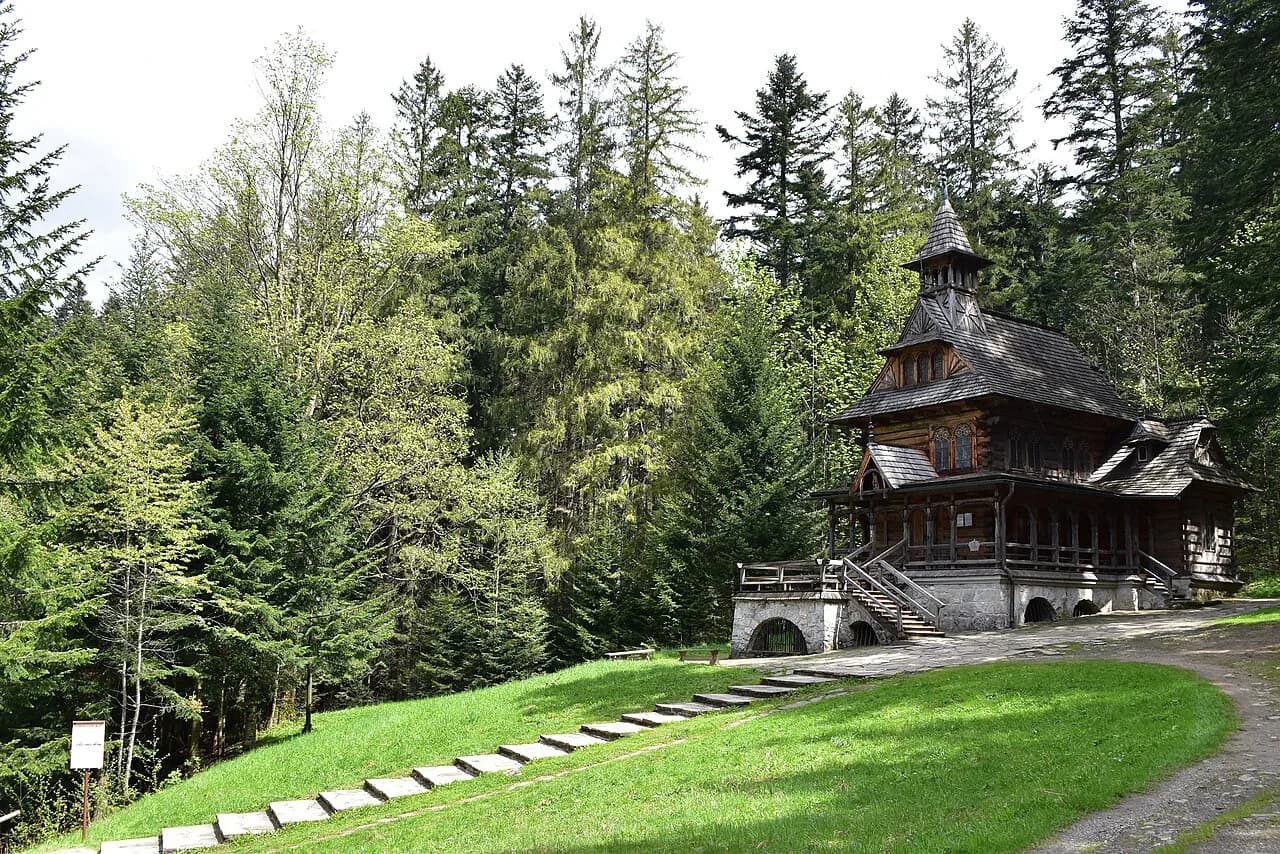
In the 19th century a small wooden church went up on the oldest street in Zakopane, and the surrounding area became the village centre. The street took the name Kościeliska, from the Polish word for church, and it is still the historic core to walk.
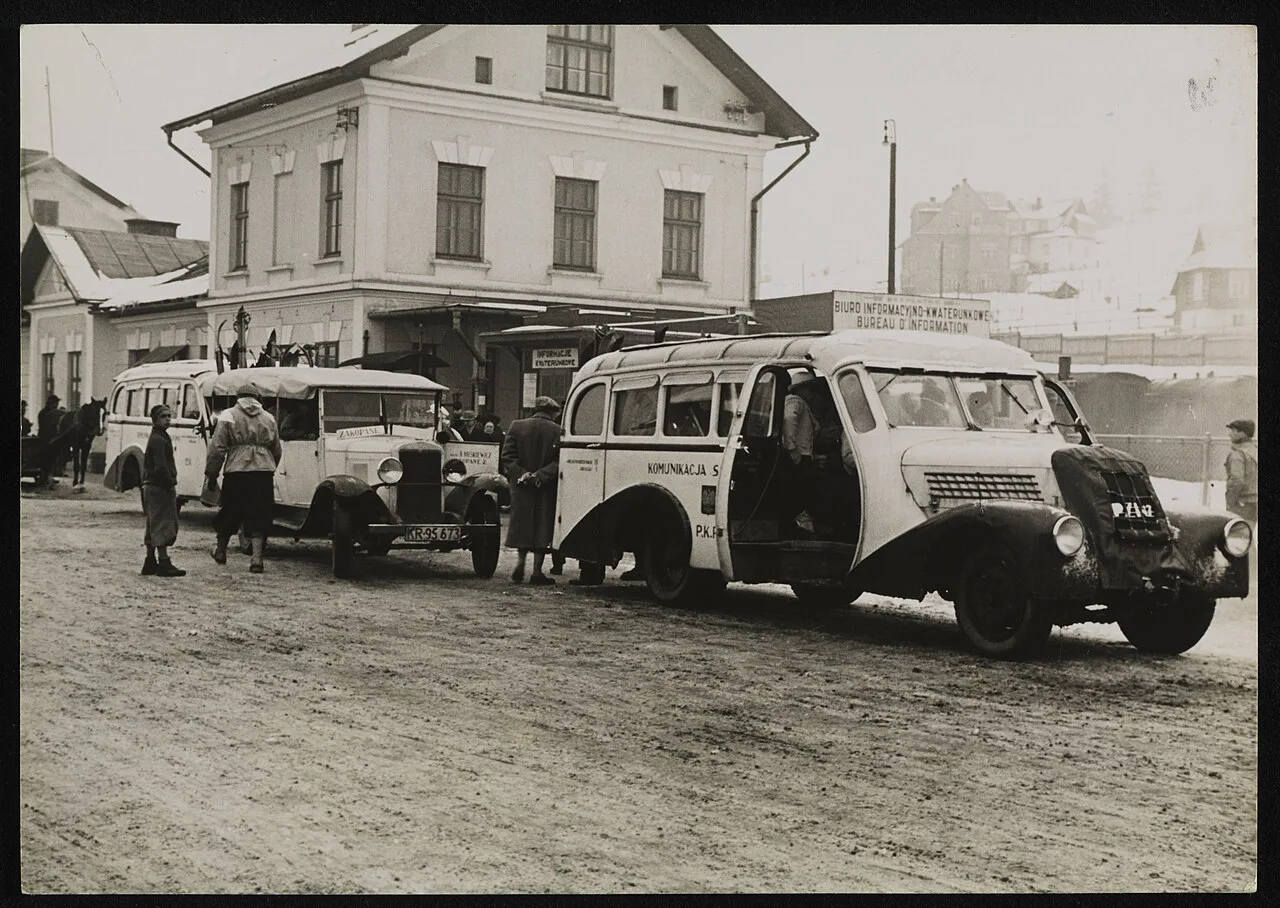
Summer visitors had begun arriving from Kraków by the late 18th century, travelling in horse carts and bringing household goods because the highland cottages offered so little. Poets and artists popularised the Tatras, and highlanders earned from renting rooms, cooking meals and guiding.
The wooden church on Kościeliska Street belongs with the other historic places of worship covered in Churches in Zakopane Worth Visiting, which is the practical companion to this period.
1889 and 1898: health resort and railway
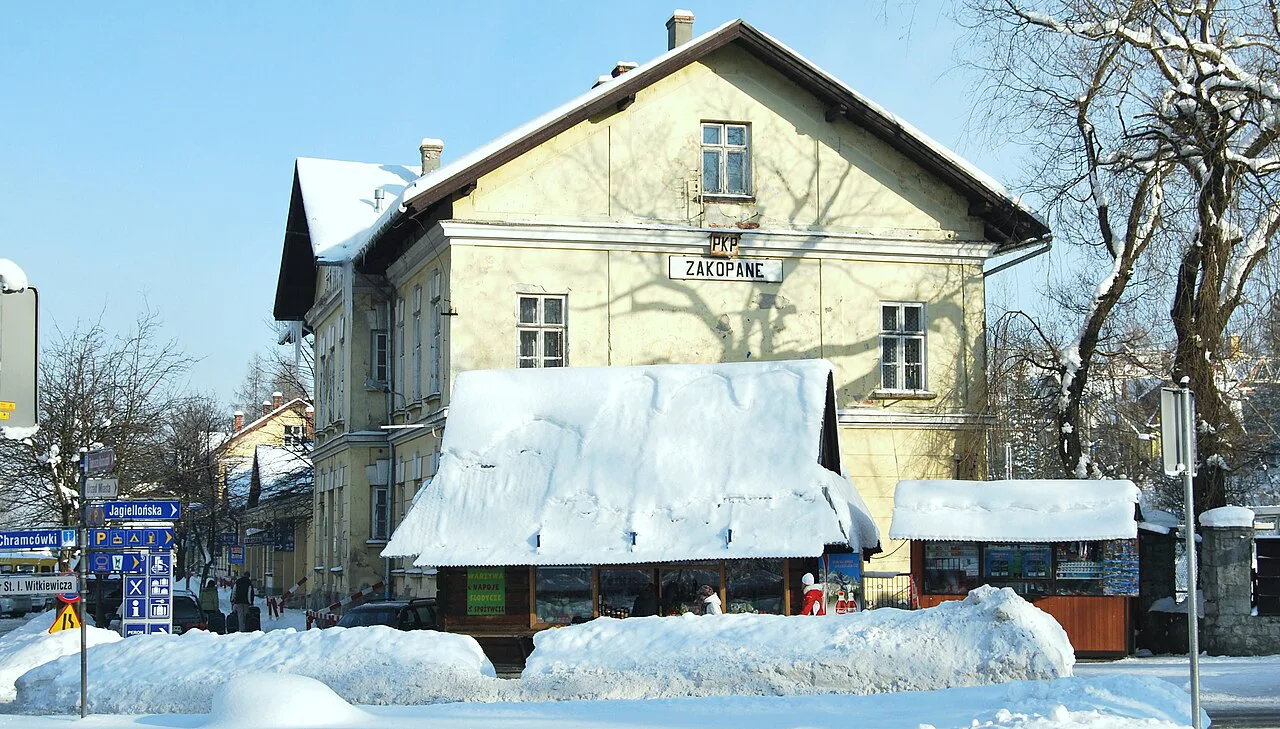
Zakopane gained health-resort status in 1889 and drew patients being treated for tuberculosis. Nine years later, in 1898, the railway from Kraków reached the town. Visitor numbers jumped from about 1,600 in 1898 to more than 10,000 in 1900.
Zakopane received its town rights in 1933, by which point it was already a resort rather than a village. Those two dates, the railway and the charter, mark the shift from a place people endured a cart ride to reach into one they could book a train to.
Krupówki: from ironworks road to promenade
Krupówki began as the road linking the village centre with the iron mine and works at Kuźnice. It is now the most popular street in Zakopane and the obvious place to start any walk through the centre.
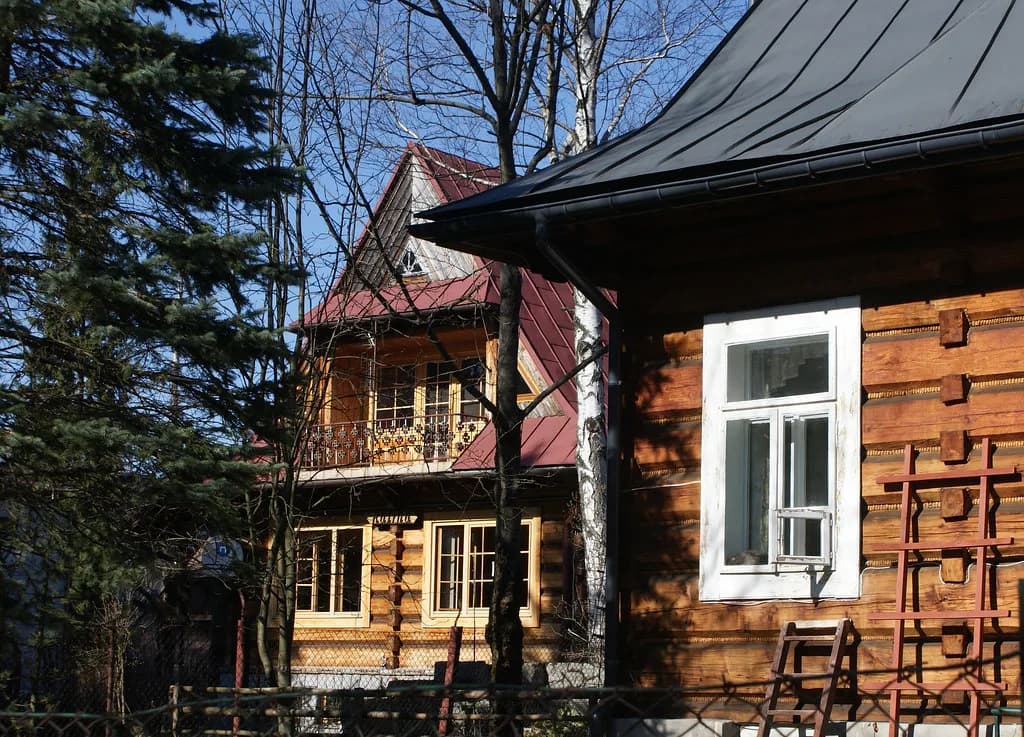
The buildings along it and around Kościeliska Street are where the town's history turns into Zakopane architecture you can actually look at, from timber villas to the later resort frontages.
The Giewont cross and local identity
In 1900 the local priest Kazimierz Kaszelewski asked residents to fund a cross for Giewont, and they raised the money to have it made in Kraków. Parts were carried by horse cart as far as the animals could go, then hauled up by about 250 residents; the dedication took place on 19 August 1901.
The episode is worth knowing because it shows how the mountain became a symbol rather than just scenery. The cross is over two tonnes and roughly 50 feet tall, and the story is one of collective fundraising rather than a single benefactor.
Skiing and the winter capital years
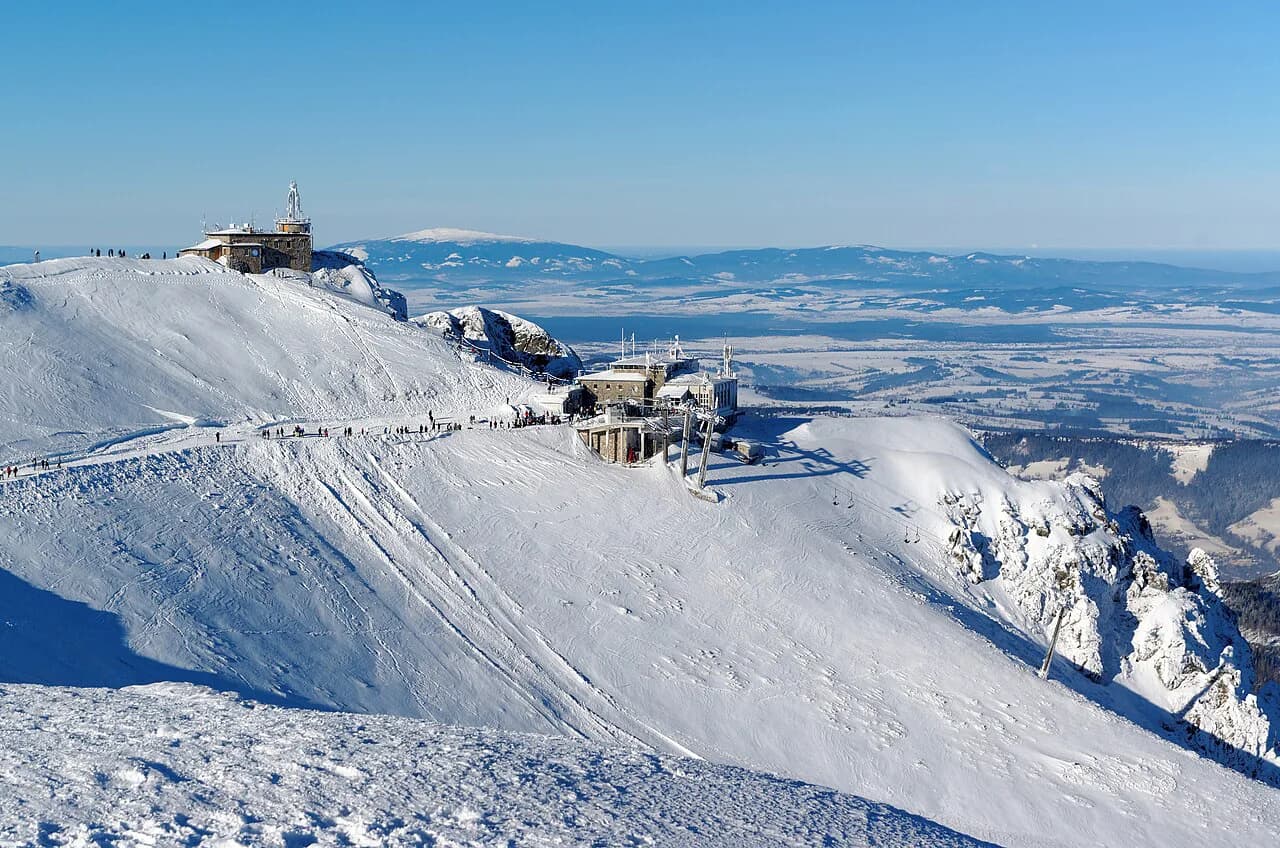
The 1930s brought the skiing boom and two investments that fixed Zakopane's winter reputation. A cableway to Kasprowy Wierch at 1,998 metres was built in just six months in 1936, and a chairlift from the centre to Gubałówka opened in 1938.
Both still structure a visit: the Kuźnice valley for the high mountain and Gubałówka for the view back over the rooftops. You do not have to ski to use either, and the historical point is that the town built its tourist economy around getting people uphill.
War years and the post-1989 shift
During the German occupation Zakopane was a centre of resistance, and highlanders from Podhale acted as couriers carrying information through the Tatras to Hungary and beyond. Many Tatra guides and skiers risked their lives helping refugees cross the border through the mountains.
Through the communist decades the town was mainly a domestic destination, because travelling abroad was hard to arrange until 1989. After the collapse of communism the number of Polish visitors dipped slightly while international arrivals grew.
Where to see Zakopane's history today
Start on Kościeliska Street for the wooden church and the old village centre, then walk Krupówki to see how the route to the ironworks became a promenade. Ride to Gubałówka for the view the 1938 chairlift was built to sell, and go to Kuźnice to stand where the ironworks and the Kasprowy cable car share a site.
For the archive photographs and collections that record this story, the museums in Zakopane hold the documented material, and the Muzeum Tatrzańskie is the natural first stop. The town's own museum collections include early images of Kościeliska and Krupówki.
If you want to plan around individual sights rather than the chronology, our Zakopane attractions guide groups them by area and type.
Which piece of Zakopane's past should you walk first?
Choose by interest: Kościeliska Street for the village that existed before tourism, Kuźnice for the industrial centuries, and Gubałówka for the 1930s resort boom. All three fit into one unhurried day on foot and by lift, and none needs a guide to make sense of.
If the weather turns, the museum collections are the sensible indoor substitute; Zakopane on a Rainy Day covers how to reshuffle the day around them.
Frequently Asked Questions
What is the population of Zakopane?
Zakopane is described as a town of around 30,000 inhabitants, the figure stated in town histories. It is not a live census count, so treat it as an approximate scale rather than an exact number.
Why did Zakopane become a tourist town?
Its position in a valley between the Tatras and Gubałówka made it a natural base, and 19th-century artists and writers made the mountains fashionable. Health-resort status in 1889 and the railway from Kraków in 1898 then brought visitors in far greater numbers.
When did the Kasprowy Wierch cable car open?
The cableway to Kasprowy Wierch, at 1,998 metres, was built in six months and completed in 1936. A chairlift from the centre of Zakopane up Gubałówka followed in 1938, together establishing the town as Poland's winter capital.
Sources
Notes for your next Polish city break
Optional updates to our Poland guides.
You might also like
Continue reading
More guides you'll find useful