Zakopane on a Rainy Day: Indoor Things to Do
Plan a wet day in Zakopane with Tatra Museum branches, highland villas and the Tatra National Park education centre, plus how to judge when the rain will pass.
On this page
Zakopane on a rainy day means picking one or two indoor venues in the town centre, not trying to fill the hours with a long list. The Tatra Museum and its villa branches, the Władysław Hasior gallery and the Tatra National Park education centre near the roundabout for Kuźnice are the strongest wet-weather options, and each one suits a different kind of afternoon.
This guide groups the town's museums and highland villas into a wet-afternoon circuit, explains what the education centre adds when the peaks are hidden, and sets out the trade-off between waiting out a shower in the centre and heading up towards Kuźnice when cloud is down. Zakopane is a small town surrounded by villages rather than a metropolis, and most of its attractions are built around the outdoors, so indoor sightseeing works best when you plan around one or two venues rather than a full day of galleries.
What to do in Zakopane when it rains: the short answer
Choose the Tatra Museum's main building for the natural and ethnographic collections, add one villa or gallery that fits your interests, and keep the Tatra National Park education centre as a backup for a second wet session. That is a realistic wet day: two interiors, a walk between them in the centre, and no scramble to reach a mountain viewpoint that will be inside cloud. Zakopane's indoor offer is spread across small historic buildings rather than concentrated in one large complex, so a single venue visited properly beats three rushed ones.
If you have only one wet afternoon, the main Tatra Museum building is the safest default because it covers both the Tatra landscape and Podhale folk culture in one place. If art appeals more, the Hasior gallery and the painting collection at Villa Oksza give you two compact stops, and you can add the composer's villa Atma if music is your reason for visiting.

Museums and villas worth a wet afternoon
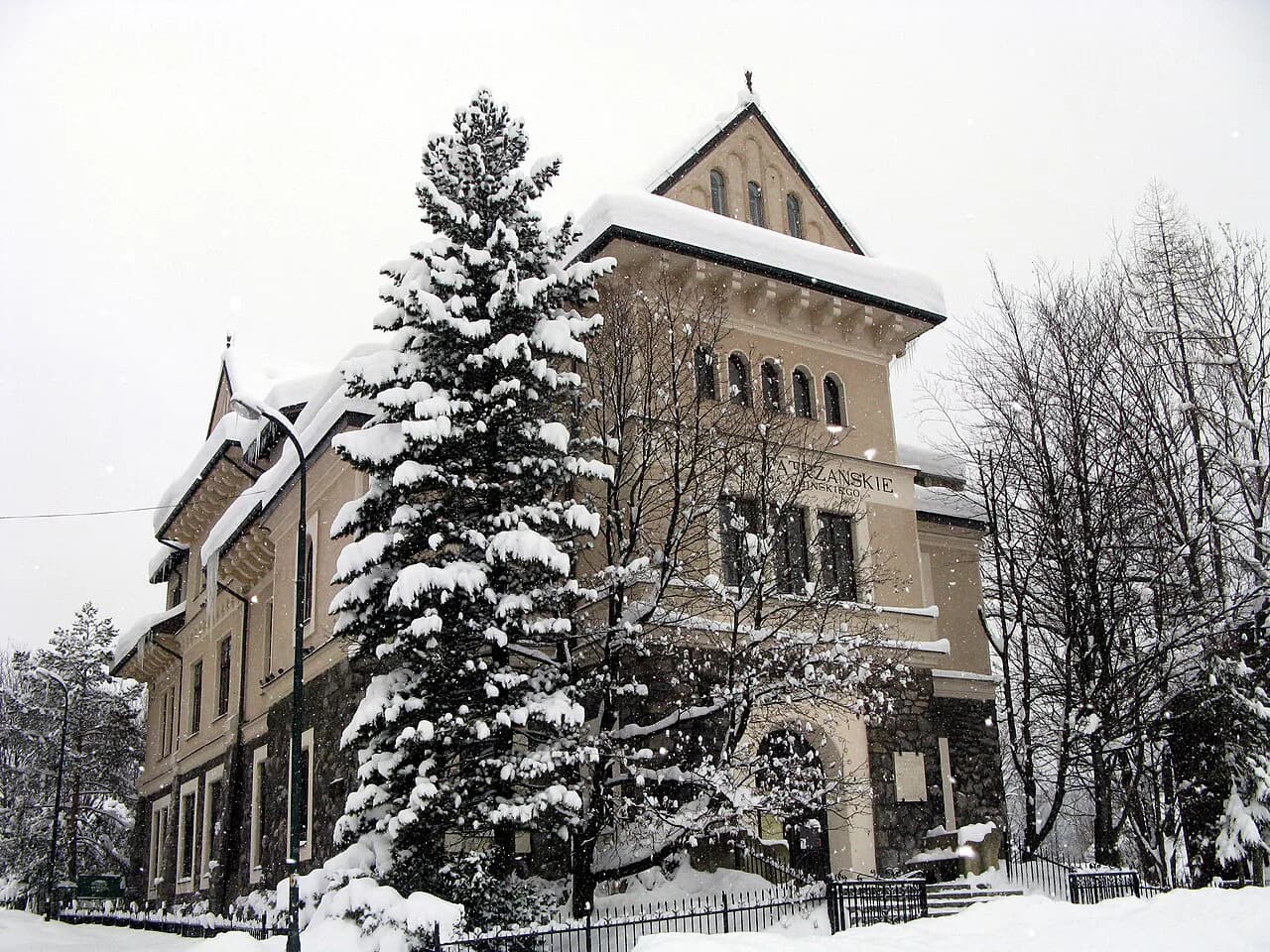
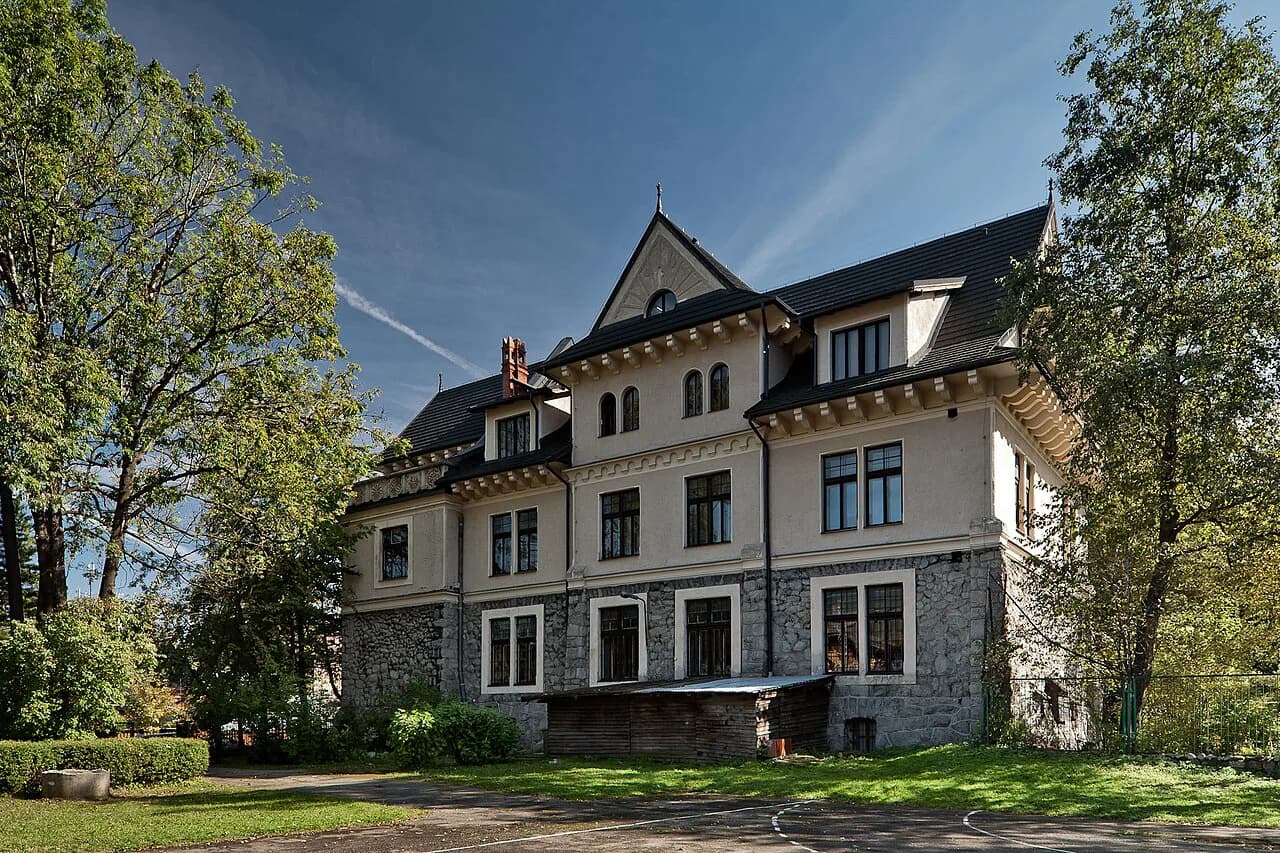
The Tatra Museum runs several branches across Zakopane, each with a different focus. The main building leads with natural and ethnographic displays, Villa Oksza holds painting, and the Władysław Hasior gallery shows the artist's work in a presentation that is striking even if you have never heard of him. Czerwony Dwór has been renovated and is one of the town's showcase buildings.
Two smaller houses reward a quieter hour. The Jan Kasprowicz Museum on Harenda is devoted to the poet and sits in an old house that still looks lived in, while Atma is the villa where the composer Karol Szymanowski lived, making it the obvious stop for anyone drawn to Polish music. Both are intimate rather than blockbuster venues, which is exactly why they suit a wet afternoon when you want somewhere calm to wait out a shower.
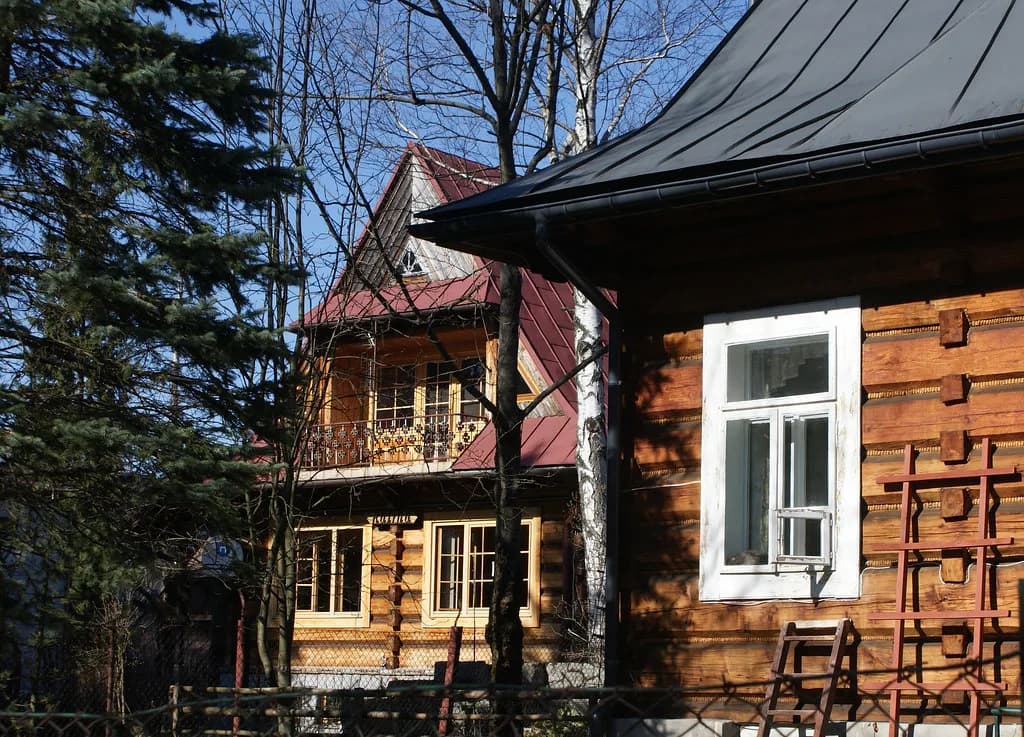
Several of these buildings are themselves examples of highland building traditions, so a wet day doubles as a lesson in Zakopane architecture without stepping outside for long. Wooden villas, glass paintings and everyday objects from highland households appear across the collections, and the effect is a picture of the town as it was when painters and writers adopted it as a base around a century ago.
The Tatra National Park education centre near the roundabout for Kuźnice
The Centre for Nature Education of the Tatra National Park sits at the roundabout where the road leads to Kuźnice, the starting point for many trails and the cable car to Kasprowy Wierch. Its exhibition mixes traditional displays with multimedia elements and is built to be handled as much as read, covering the animals that live in the Tatras, the local vegetation and how the range was formed. It works for small children and adults alike.
The centre is open daily except public holidays, with the last entrance at 16.00, and an interactive film about the Tatras is screened on set days of the week. Because the exhibition explains the landscape before you walk into it, it is a sensible first stop on a trip where the higher trails are likely to stay clouded in, and it gives children something concrete to do when the outdoor plan collapses. Confirm the day's film schedule and any holiday closure at the entrance or through the national park's own pages before you set out.
How to read a wet Tatra day: cloud, avalanche risk and when to stay low
The signal that matters most is cloud sitting on the ridges. When the peaks are hidden, the cable car to Kasprowy Wierch and the high trails around Kuźnice give you little beyond wind and grey, so stay in town and put the education centre first instead. A low, wet day in the centre is not wasted time; it is the moment the museums and villas earn their place on the itinerary.
Winter adds a second consideration: avalanche risk can be present even in weather that looks fine from the street, and plans to trek in the Tatras can be undone by it. Treat any day with fresh snow and poor visibility as an indoor day rather than a mountain day, and use the town's museums as the plan rather than the fallback. That approach keeps a short break workable when the weather turns.
Rain does not empty the town, and other visitors are making the same decision at the same time. On a wet week, travellers on TripAdvisor forums describe reworking outdoor plans around showers, which is a reminder to go early to the most popular interior and keep the second venue flexible. A short walk between the centre and the Kuźnice road roundabout is manageable in drizzle; a long detour across town in heavy rain is not.
Rainy-day practicalities: opening days, last entry and checking before you set out
Opening days vary by venue across the Tatra Museum's branches, and a wet day is the worst moment to discover that your first choice is shut. Check the days and last entry for each building you plan to visit before leaving your accommodation, and build the day around the one venue that is definitely open. Because these are small historic interiors rather than large museums, closing times tend to arrive quickly and the last admission is the figure that matters.
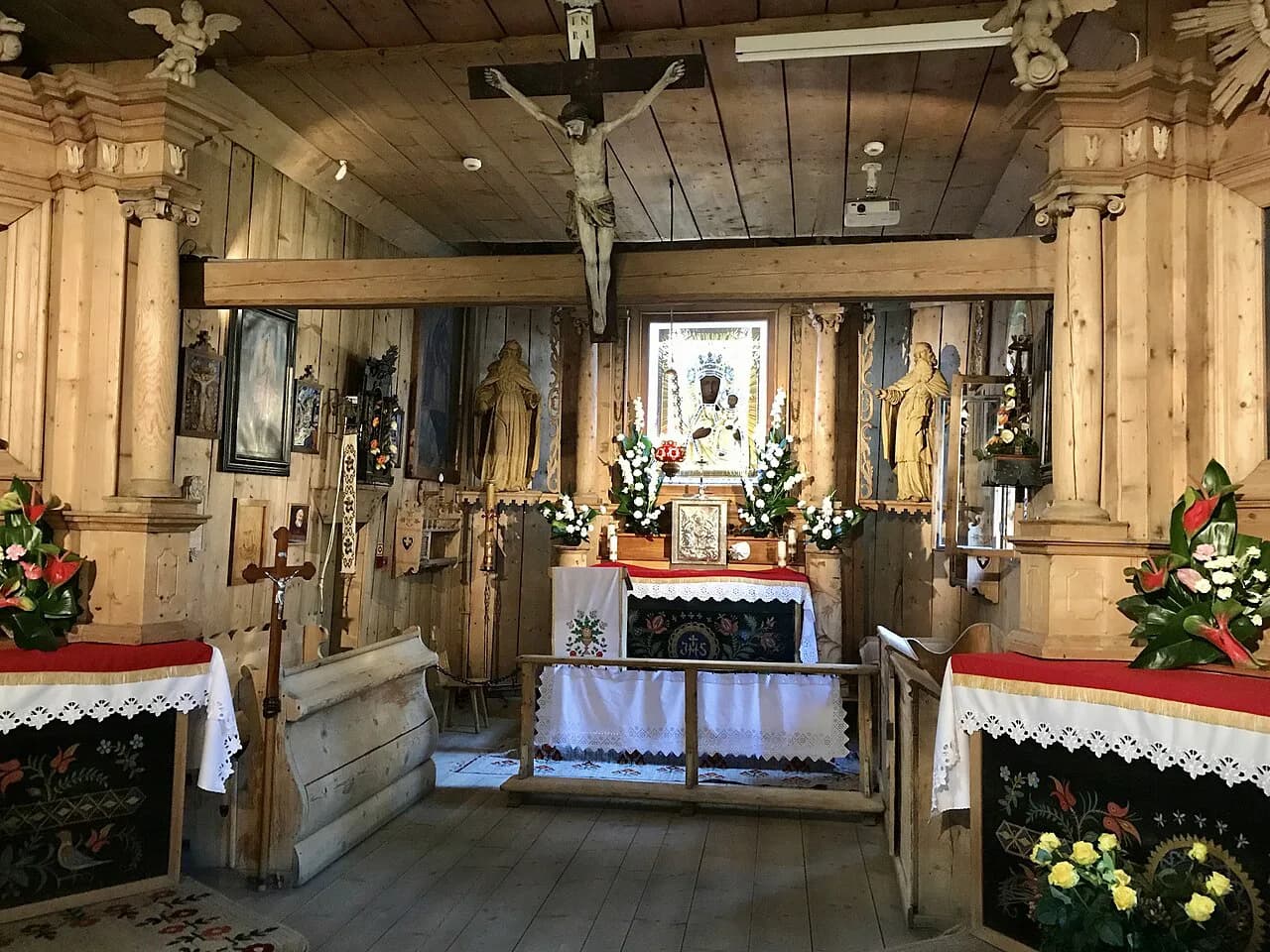
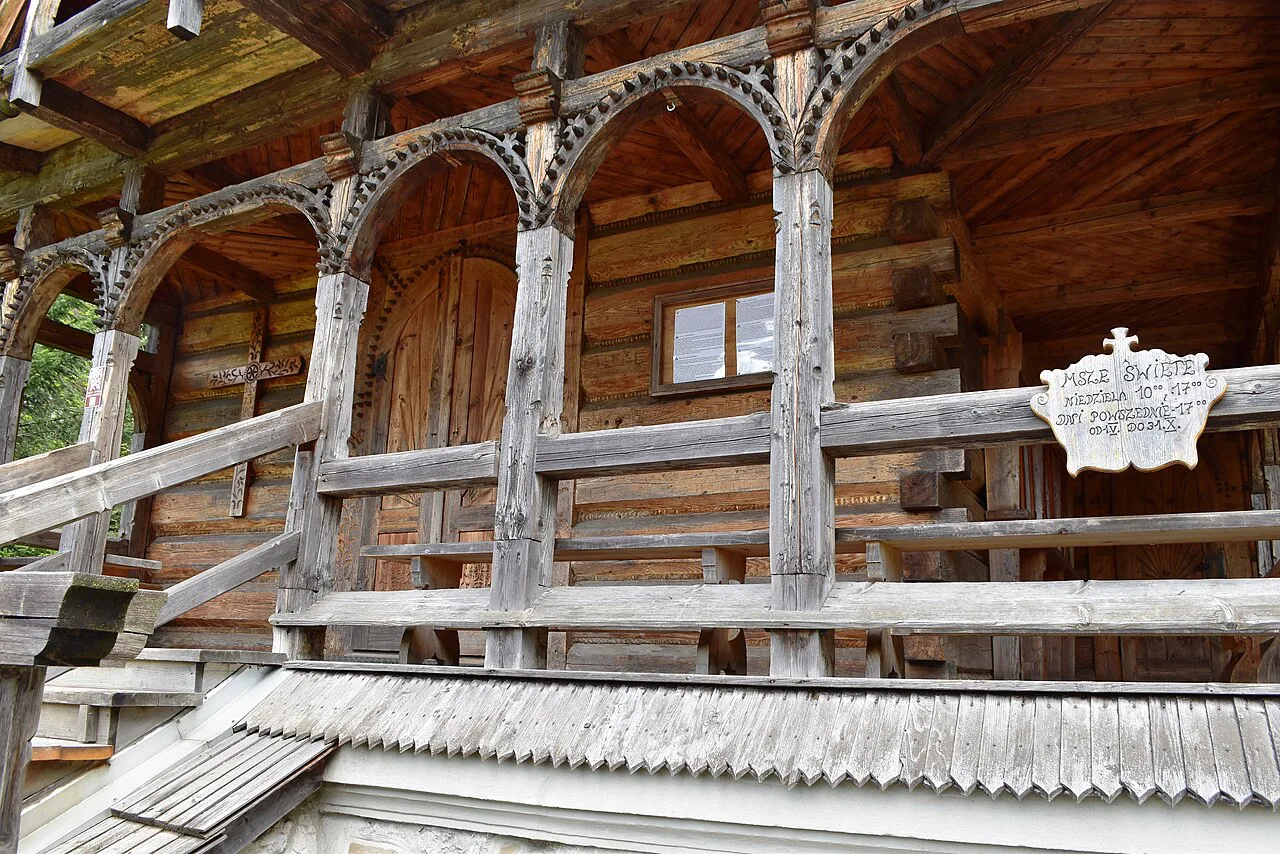
Zakopane's churches are a useful addition to a wet circuit, since several sit close to the centre and give you a dry stop between museum visits. If the rain eases, a short walk past the town's wooden churches fills the gap before your next timed entry, and a church interior is often the warmest place to wait out a heavy shower.
Which indoor stop comes first?
Start with the Tatra Museum's main building and let the weather decide the second stop: the Hasior gallery or Villa Oksza if you want art, Atma if you want music, and the education centre near the Kuźnice roundabout if the cloud is down and you would rather understand the mountains than look at them. Two venues is a good wet day in a town this size.
Build in a margin for the walk between stops and check the day's opening times at the door or on the museum's own pages before committing, particularly for the smaller villas. If the forecast clears by mid-afternoon, save the outdoor plan for then and treat the morning as your indoor session.
Explore more Zakopane guides
Sources
Notes for your next Polish city break
Optional updates to our Poland guides.
You might also like
Continue reading
More guides you'll find useful