
Mokotów, Warsaw: a neighbourhood guide for visitors

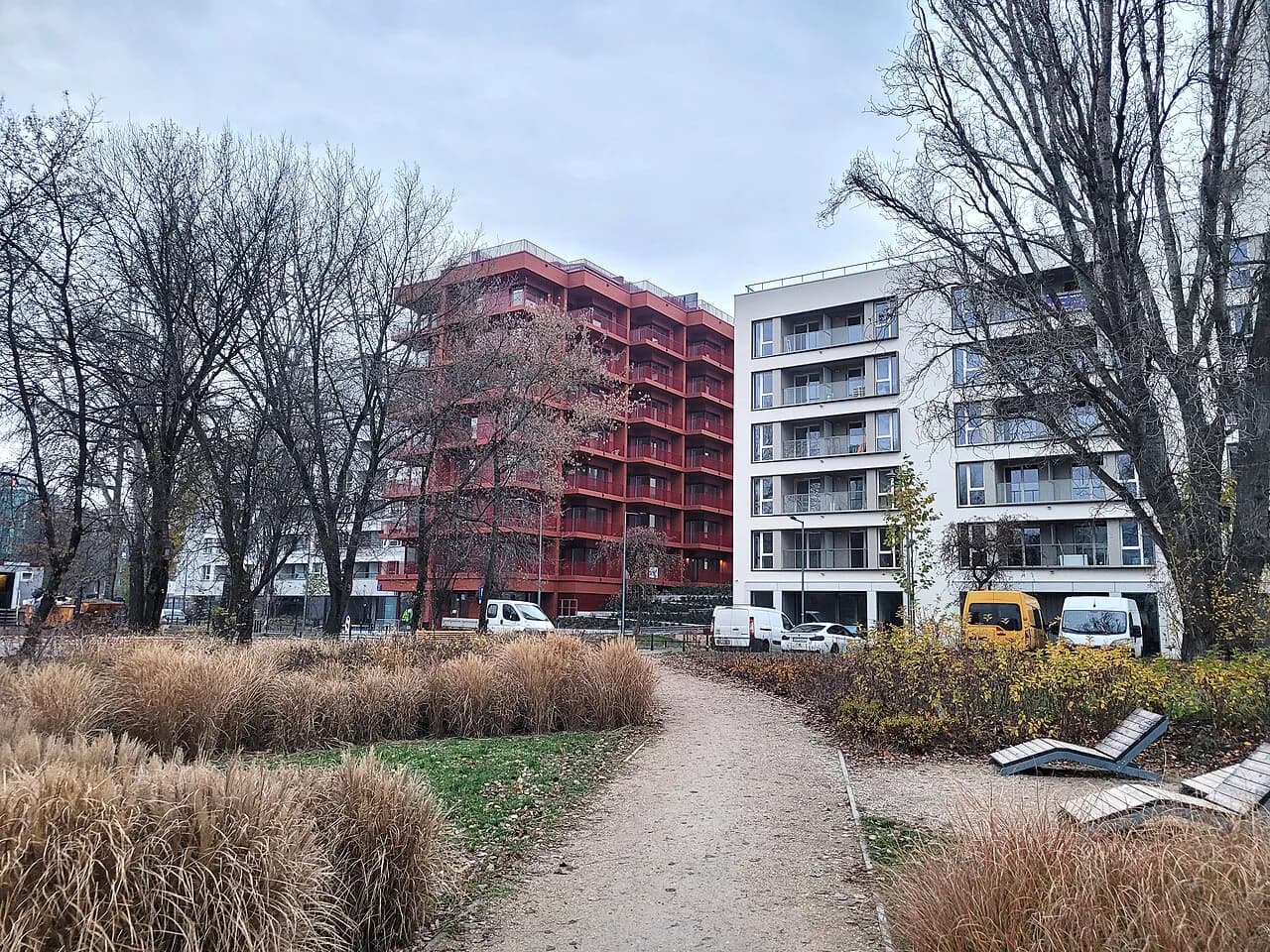
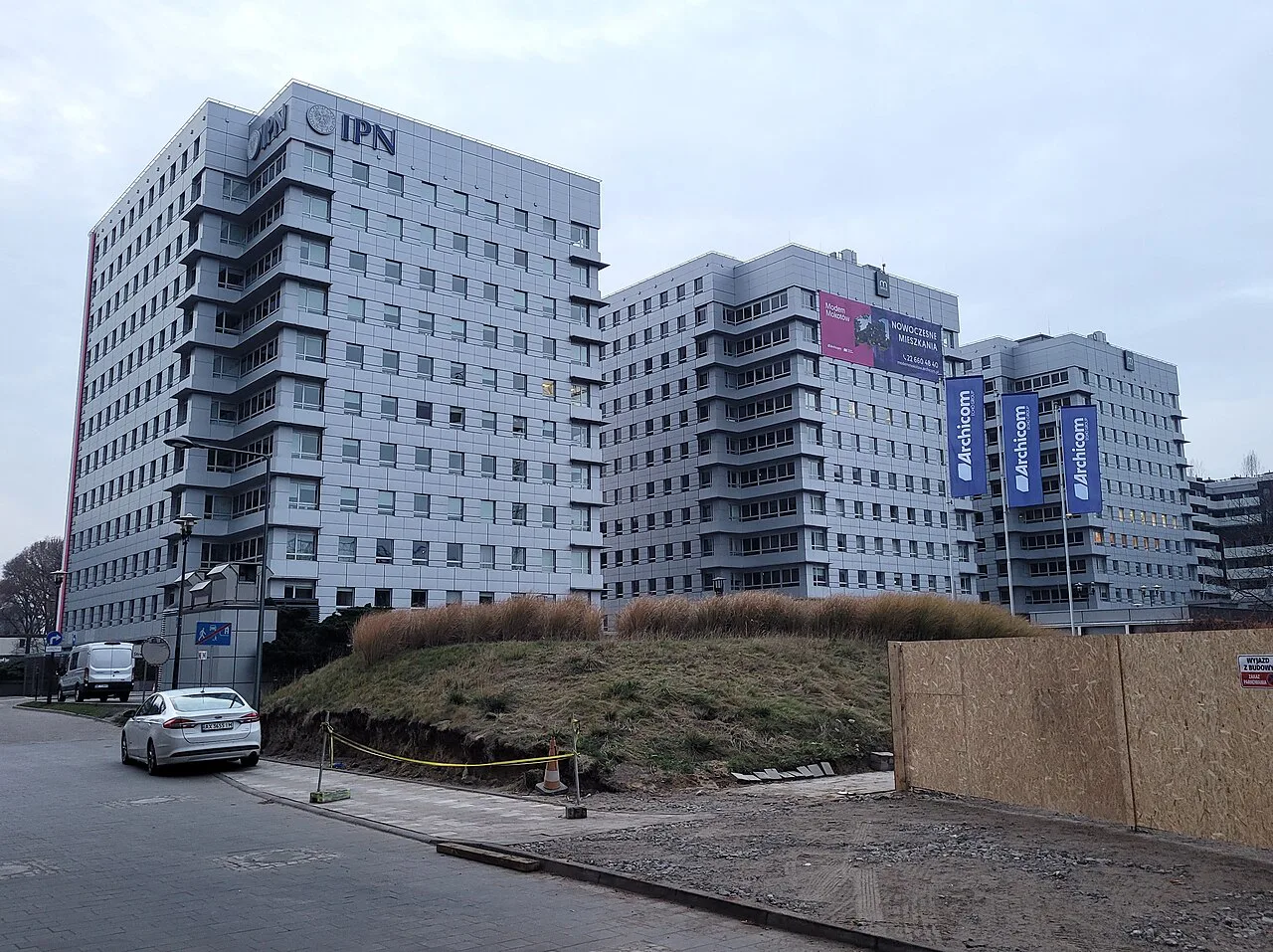
Mokotów suits travellers who want a quiet, green, residential base a short metro ride from central Warsaw, and it is a poor fit for anyone who wants bars and sights on the doorstep. Warsaw's largest district is mostly apartment blocks and parks, with far more flats than visitor attractions, so it works as somewhere to sleep and eat rather than somewhere to sightsee. This guide covers what to see in Mokotów, where to eat, how to get in and out, and the honest trade-offs against staying in the centre.
The district's pull is specific rather than general: Łazienki Park close by, the Puławska Street corridor of restaurants and bars, and the Sunday Breakfast Market that brings people in from across the city.
What Mokotów is and where it sits
Mokotów is a large residential district of apartment blocks and green spaces where Varsovians live, rather than a tourist quarter. That shapes the visit: you come here for parks, everyday streets and food, not for a checklist of monuments. If you are weighing up areas for a short break, Warsaw Neighborhoods: 5 Area Guides sets Mokotów beside the centre, Praga and Żoliborz so you can see what each offers.
Stary Mokotów, the older part of the district, is close to the centre, extremely green and one of the most desirable places in the city to live, which tells you most of what you need to know about its character. Its green, near-central streets make it a pleasant area to wander rather than a museum trail.

Who Mokotów suits on a one-to-four-day break
Mokotów is a good choice if you have already seen the Old Town and want a calmer, better-value base with real local life, and a bad choice if this is your first Warsaw trip and you want to walk out of the hotel into the historic core. Late-night activity is limited, so evening plans usually mean taking the metro back towards the centre.
It also rewards travellers who build a day around a park and a long lunch rather than a schedule of timed entries. Families fit the district's rhythm well: the residential pages rate it highly for walking by day and at night, with good lighting and a family atmosphere in the residential streets.

Stary Mokotów and Puławska Street
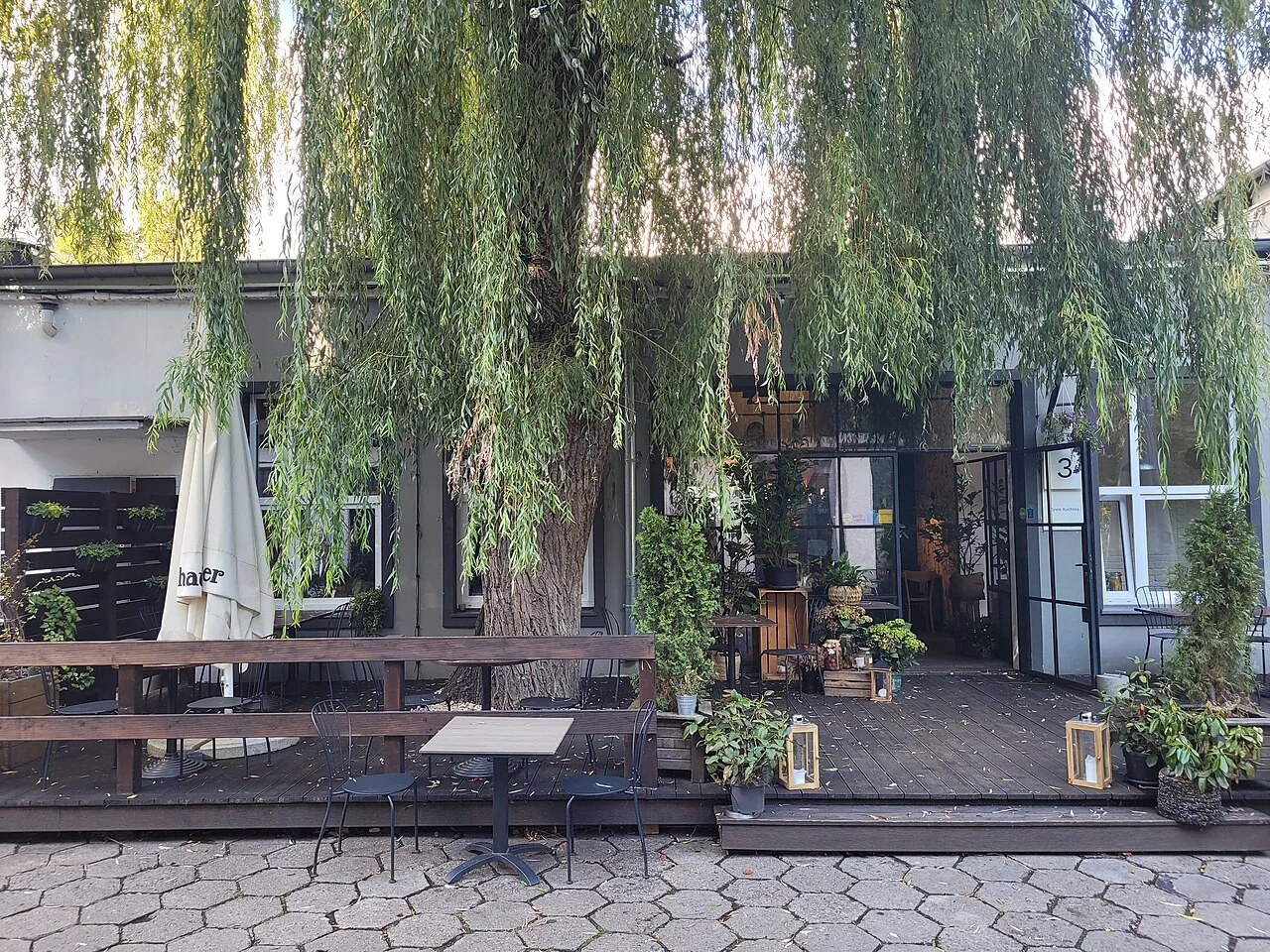
Puławska Street is the district's main eating and drinking spine, lined with Polish restaurants, microbreweries and wine bars that get busy at weekends. This is where to wander in the evening if you are staying locally; it is a working commercial street rather than a pretty promenade.
The city's food press has covered Mokotów as a dining story in its own right, with restaurants such as Delhi by Niranjan and Akademia featured on its neighbourhood pages. Treat the district as a place to eat well rather than to tick off sights, and plan a loop on foot between meals.
Łazienki Park on the district's edge
Łazienki Park is the single strongest reason to base yourself in Mokotów: a large landscape park with a palace, peacocks roaming the grounds and summer Chopin concerts that draw crowds from across the city. Mokotów is described as close to the park, so it is not quite on the district's own doorstep.
Allow a half day rather than an hour, since the park is spread out and the palace interiors are a separate draw from the gardens. Pair it with the rest of the city's sights using our Warsaw Attractions: 10 Visitor Guides if you are building a full itinerary.
The Sunday Breakfast Market
Targ Śniadaniowy, the Sunday Breakfast Market, is the district's recurring social event, with international street food and artisan goods that pull in visitors from other parts of Warsaw. It is the natural anchor for a Sunday in Mokotów: arrive hungry, graze, then walk it off in Łazienki Park.
Because it runs on Sundays, it fits awkwardly with a short break that starts on Friday and ends on Sunday morning. If the market matters to you, build the trip so Sunday lunchtime is free, and keep the rest of the day light.
Getting in and around
Mokotów is connected to central Warsaw by metro, which is how most visitors will move between a local base and the Old Town, the Royal Route and the main museums. Build your days around the metro rather than trying to walk into the centre each time.
Within the district, walking is the sensible way to link Puławska Street, the older streets and the park, and the residential blocks are laid out on a grid that is easy to follow. For the historic core at the other end of the line, our New Town Warsaw and Praga, Warsaw guides cover the areas most visitors pair with a Mokotów stay.
Eating in Mokotów
The district's food scene runs from cafés such as Po Drodze Relaks and STOR Cafe to wine-bar cooking at kontakt wino & bistro, Middle Eastern plates at Mezze and Neapolitan pizza at Pollypizza Neapoletana, with further Neapolitan-style pizza at Marcello, covered separately by a Warsaw food blog.
For an evening drink close to home, Wieczorny Bar and Gringo Bar are local spots that keep you in the district rather than sending you back into the centre. Prices in Mokotów are generally lower than in the centre, and Puławska Street is lined with Polish restaurants.
Elektrownia Powiśle, a department store in a post-industrial power station, sits just beyond the district boundary and is a realistic add-on if you want shops and food halls in one building.
Language and pace
More Polish is spoken than English in Mokotów, and service can be slower if you do not speak the language; that is the practical cost of staying somewhere locals actually live. Menus and staff in the busier Puławska Street places tend to cope, but do not assume it everywhere.
The pace is slower too: mornings are quiet, the streets fill at weekends, and there is little late-night activity. If you want a district that feels lived-in rather than staged, that is the appeal; if you want buzz, stay central.
Practical trade-offs
Mokotów trades central convenience for local life: expect limited tourist infrastructure, less English, and a metro ride whenever you want the Old Town or the main museums. In return you get green streets, lower prices and a district that does not empty out after the day trippers leave.
Three or four days is enough to use Mokotów as a base without wasting travel time, provided you group central sights into one or two full days. On a one-day trip, stay central and visit the park instead.
Should you base yourself in Mokotów?
Choose Mokotów if you want a green, residential, better-value base with Łazienki Park within walking distance and the Sunday Breakfast Market as a built-in Sunday plan. Skip it if this is your first short break and you want the Old Town, museums and evening life on foot from your hotel.
If you do stay, plan one park day, one Puławska Street evening and one Sunday morning at the market, and use the metro for everything else.
Explore more Warsaw guides
Frequently Asked Questions
Is Mokotów a good area to stay in Warsaw?
It works well as a base if you prioritise green streets, lower prices and local life over central convenience. Mokotów is described as close to Łazienki Park and the metro links the district to the centre, but late-night activity is limited and you will travel for the Old Town and main museums.
How far is Mokotów from Warsaw's Old Town?
Mokotów is Warsaw's largest district, and the Old Town is not walkable from most of it. Plan on the metro for the journey, and choose accommodation close to a station if you intend to spend most days in the historic core.
When is the Sunday Breakfast Market held in Mokotów?
It is the district's Sunday market, with international street food and artisan goods that draw visitors from across the city. Confirm the current location and timings before you travel, in case it moves or pauses.