
Żoliborz, Warsaw: the garden district and how to visit it

Żoliborz is worth half a day or a full one if you want Warsaw's quieter, greener side: a low-rise district of 1920s and 1930s housing, parks and the Citadel, connected to the centre by the M1 metro at Plac Wilsona. It suits travellers on a one- to four-day break who have already covered the Old Town and want a residential neighbourhood to walk, not a sightseeing core. This guide covers its character, its three parts, the main sights and how to reach it.
What Żoliborz is and who it suits
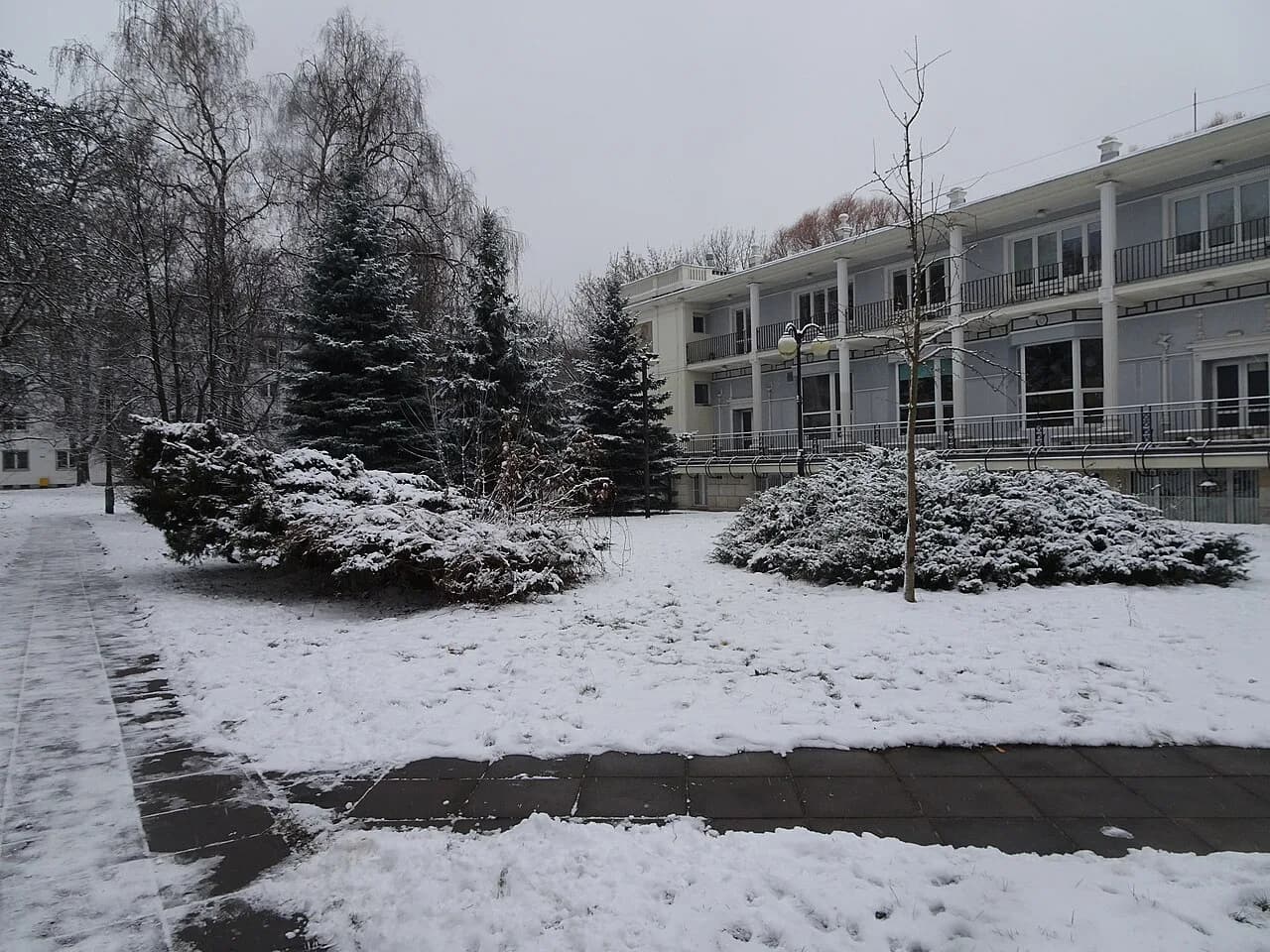
Żoliborz is an elite, green residential district, known for spacious avenues, modernist buildings from the 1920s and 1930s, intimate streets and lush greenery.
That makes it a good fit for repeat visitors, architecture fans and anyone who prefers a slow wander through real neighbourhood streets to queueing at another museum. It is a poor fit if this is your first Warsaw trip and you have only a day: the headline sights sit elsewhere. Treat Żoliborz as a half-day add-on, or as a base if you value calm over proximity.

Where Żoliborz sits
The district lies on the left bank of the Vistula and is the smallest in Warsaw by area, bordering Bielany to the north, Bemowo to the west, Wola and Śródmieście to the south, and the river to the east.
Its shape has changed over time: until 1994, Bielany and Młociny were part of Żoliborz, so older descriptions of the district may cover a larger area than today's boundaries.

Stary Żoliborz, Sady Żoliborskie and Marymont-Potok
Żoliborz divides into three areas, and knowing them keeps a walk coherent. Stary Żoliborz holds the garden-city estates, including Żoliborz Oficerski around Słoneczny and Inwalidów Squares, Żoliborz Urzędniczy near Wojska Polskiego Avenue and the Church of St Stanisław Kostka, and Żoliborz Centralny by Wilson's Square.
Marymont-Potok, in the north of the district, contains Kaskada Park near Gdańska Street and Kępa Potocka Park. Sady Żoliborskie, to the west, takes in the estate of the same name, Zatrasie and the Powązki area around the Military Cemetery.
The 1920s and 1930s housing cooperatives around Plac Wilsona
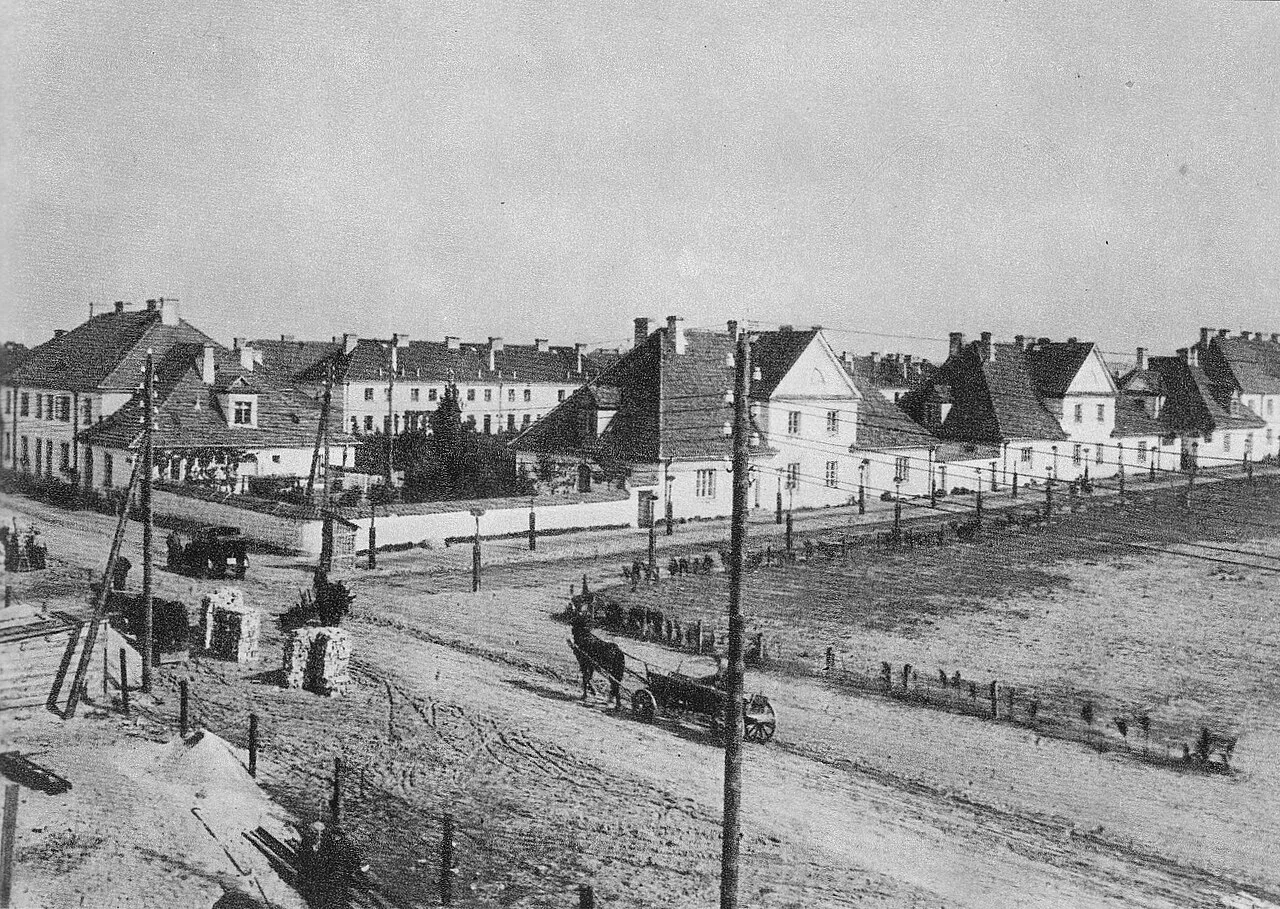
The streetscape you come for was built by the Warsaw Housing Cooperative, one of the oldest cooperatives of its kind. A loan of 0.5 million dollars from Bank Commerciale Italiana started the estate, the cornerstone of the first WSM house on Wilson's Square was laid in 1925, and the first tenants moved in during January 1927.
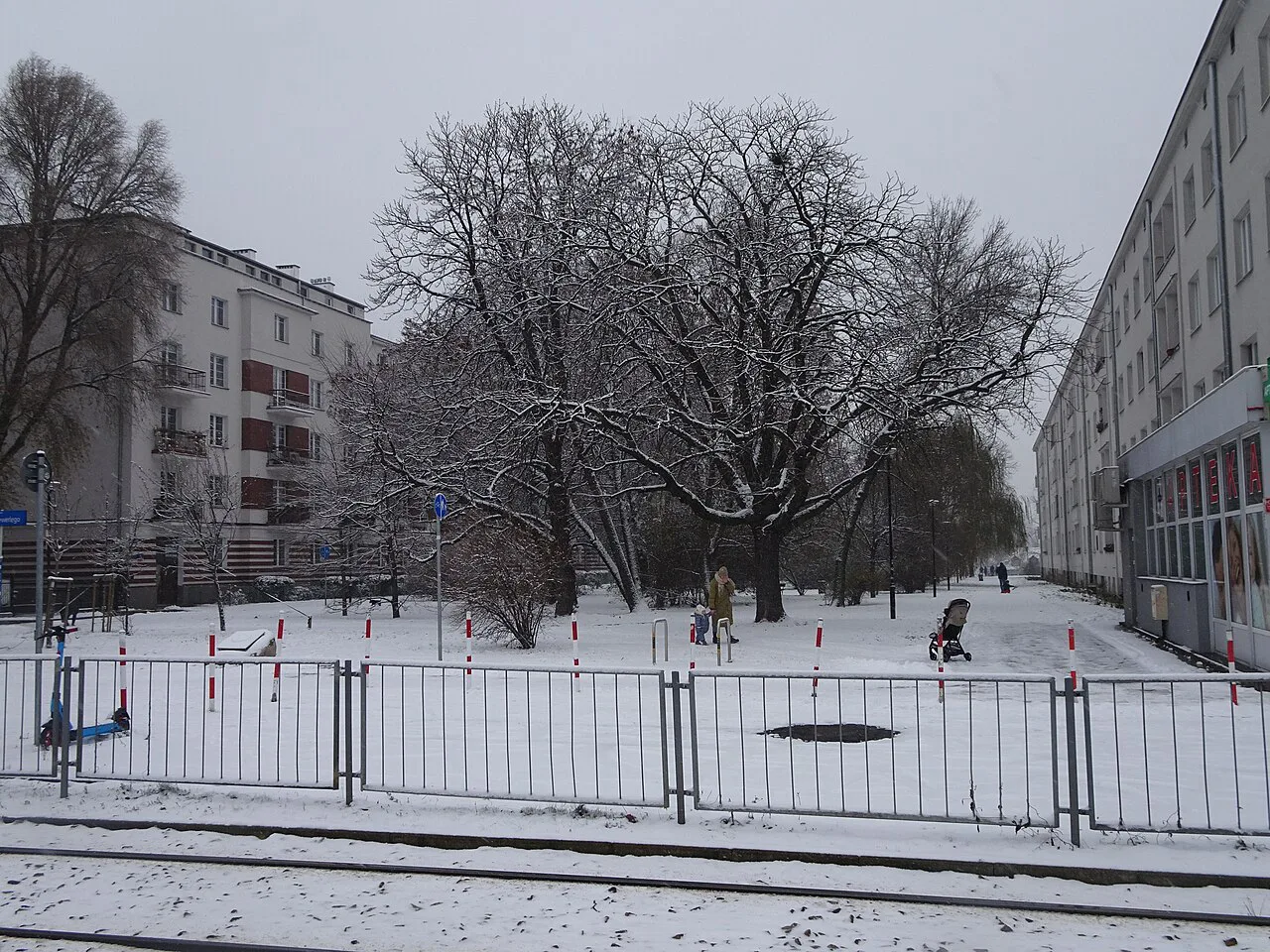
Walk the blocks radiating from Plac Wilsona to see the result: modest, human-scale blocks with courtyards and mature trees rather than towers. The area around Wilson's Square also holds the Wisła cinema, a useful landmark when you orient yourself.
Parks and green space
Green areas make up around 250 hectares of the district, which is why Żoliborz feels like a garden suburb rather than a city quarter.
The main ones for a wander are Kaskada Park and Kępa Potocka Park in Marymont-Potok, and Stefan Żeromski Park, which holds the Alina with a jug monument. Smaller pockets include Żołnierzy Żywiciela Park, Sady Żoliborskie Park and the Fosa i Stoki Cytadeli park around the fortress.
Kępa Potocka and the riverside edge are the best picnic or breathing-space options on a warm day; in colder months, the parks are more of a route between sights than a destination in themselves.
The Warsaw Citadel and the X Pavilion museum
The Citadel is the district's single biggest sight and the reason many visitors come at all. Its story starts after the November Uprising, when the Russians occupied part of the village to build the Alexandria Citadel.
Inside the fortress complex you can visit the Museum of the X Pavilion of the Warsaw Citadel, which sits on ul. Wybrzeże Gdyńskie. The trade-off is the walk: the Citadel is a long, exposed stretch from the metro, so give it proper time and wear decent shoes rather than squeezing it between two other stops.
Churches and memorials
The Church of St Stanisław Kostka, near Wojska Polskiego Avenue, anchors the Urzędniczy part of Stary Żoliborz, and the district's other churches include the Church of Our Lady Queen of Poland and the Church of the Infant Jesus.
Memorials are scattered through the streets rather than gathered in one place: the 1st Armoured Division monument on Plac Inwalidów, the Home Army soldiers of the "Żywiciel" group on ul. ks. J. Popiełuszki, and the Witold Pilecki monument on al. Wojska Polskiego. These make a natural walking thread between the housing estates, and they reward a pause rather than a photo stop.
Museums and culture
Beyond the Citadel, the district holds the Museum of Sports and Tourism on ul. Wybrzeże Gdyńskie and the Katyń Museum. The Komedia theatre on ul. Słowackiego gives an evening option if you want to stay local rather than head back into the centre.
Opening days and ticket prices vary by venue and change through the year, so confirm them before you build a day around a single museum.
Getting there and around
The M1 metro stops at Plac Wilsona and Marymont, and the ride to the city centre takes a dozen minutes or so. Buses and trams fill in the gaps, and the S8 road runs close by if you are arriving by car.
The Vistula bicycle trail runs through the district's eastern edge towards the centre and Młociny, which makes a bike a genuinely practical way to cover the spread-out sights. Warszawa Gdańska station is also a short distance away if you are arriving by rail from elsewhere in Poland.
Eating and staying in Żoliborz
The district has plenty of atmospheric restaurants and cafés, spread through the older streets and around Plac Wilsona rather than concentrated on one strip.
Żoliborz is primarily a residential district rather than a hotel quarter, so it suits travellers who want space and quiet over a central address once you have found somewhere to stay. If you are weighing Warsaw's districts against each other, our Warsaw Neighborhoods: 5 Area Guides sets out how the centre, Mokotów, Praga and the rest compare for a short break.
How to fit Żoliborz into a one- to four-day break
On a one-day trip, skip Żoliborz. On two days, give it an afternoon: metro to Plac Wilsona, a loop through the Stary Żoliborz streets and the memorials, then a park.
With three or four days, add the Citadel and one of its museums as a half-day of its own, and use the riverside trail or a bike to link the pieces. If you want a contrast, Praga Warsaw across the river offers a very different, rougher-edged neighbourhood to explore, while Mokotów, Warsaw is the quieter, greener alternative on the city's other flank.
Should Żoliborz make your Warsaw itinerary?
Yes, if you have at least two days and want a half-day of modernist streets, parks and the Citadel away from the crowds. If you are here for one day only, spend it in the centre and leave Żoliborz for next time.
Whichever you choose, plan around the M1 stops at Plac Wilsona and Marymont rather than trying to walk in from the Old Town, and check opening days for the Citadel museums before you set out.
Explore more Warsaw guides
Frequently Asked Questions
Is Żoliborz a good area to stay in Warsaw?
It suits travellers who prefer a quiet, green, residential base with fast M1 metro access to the centre. It is less convenient if you want to walk out of your door into the Old Town or the main museum district, and it offers fewer late-evening options than the centre.
How long does it take to see Żoliborz?
Allow an afternoon for the Stary Żoliborz streets, Plac Wilsona and one park, or a full half-day if you add the Citadel and one of its museums. The district is spread out, so walking between the parks and the fortress takes longer than the map suggests.
How do I get to Żoliborz from central Warsaw?
Take the M1 metro to Plac Wilsona or Marymont; the journey from the centre takes roughly a dozen minutes. Buses and trams also serve the district, and the Vistula bicycle trail runs along its eastern edge.