
New Town Warsaw: A Guide to Nowe Miasto

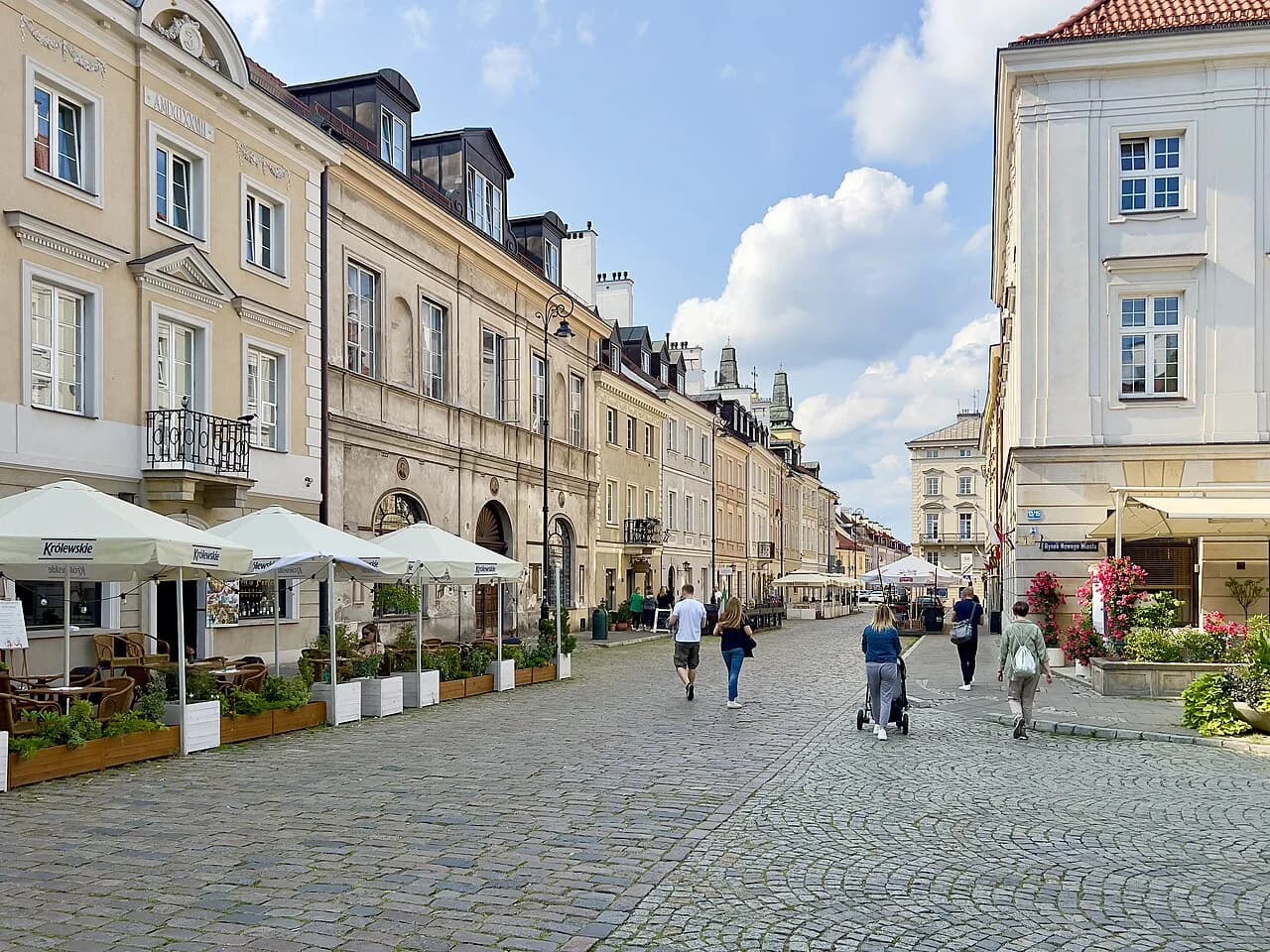
New Town Warsaw, Nowe Miasto in Polish, is the district directly north of the Old Town and best treated as an afternoon extension of a Stare Miasto walk rather than a place to build a city break around. It is quieter and thinner on sights than its famous neighbour, but it holds two of Warsaw's most recognisable stops in the Warsaw Uprising Monument and the Multimedia Fountain Park. This guide covers what the New Town is, how to walk there from the Old Town, what to see, who it suits, and how much time to give it on a short break.
What New Town Warsaw is and its main sights
The Tripadvisor landmark listing for Nowe Miasto groups the Warsaw Uprising Monument, the Multimedia Fountain Park, New Town Square and St Mary's Church together as the district's principal sights. That short list is the practical shape of a visit: a handful of major monuments and a square rather than a continuous run of attractions. Come with a specific list in mind rather than expecting to wander from sight to sight.
The named New Town sights are concentrated enough to combine into one walk, with the monument and the fountain park as the anchors and the square and church as the quieter stops between them.

Where Nowe Miasto sits and how to walk there from the Old Town
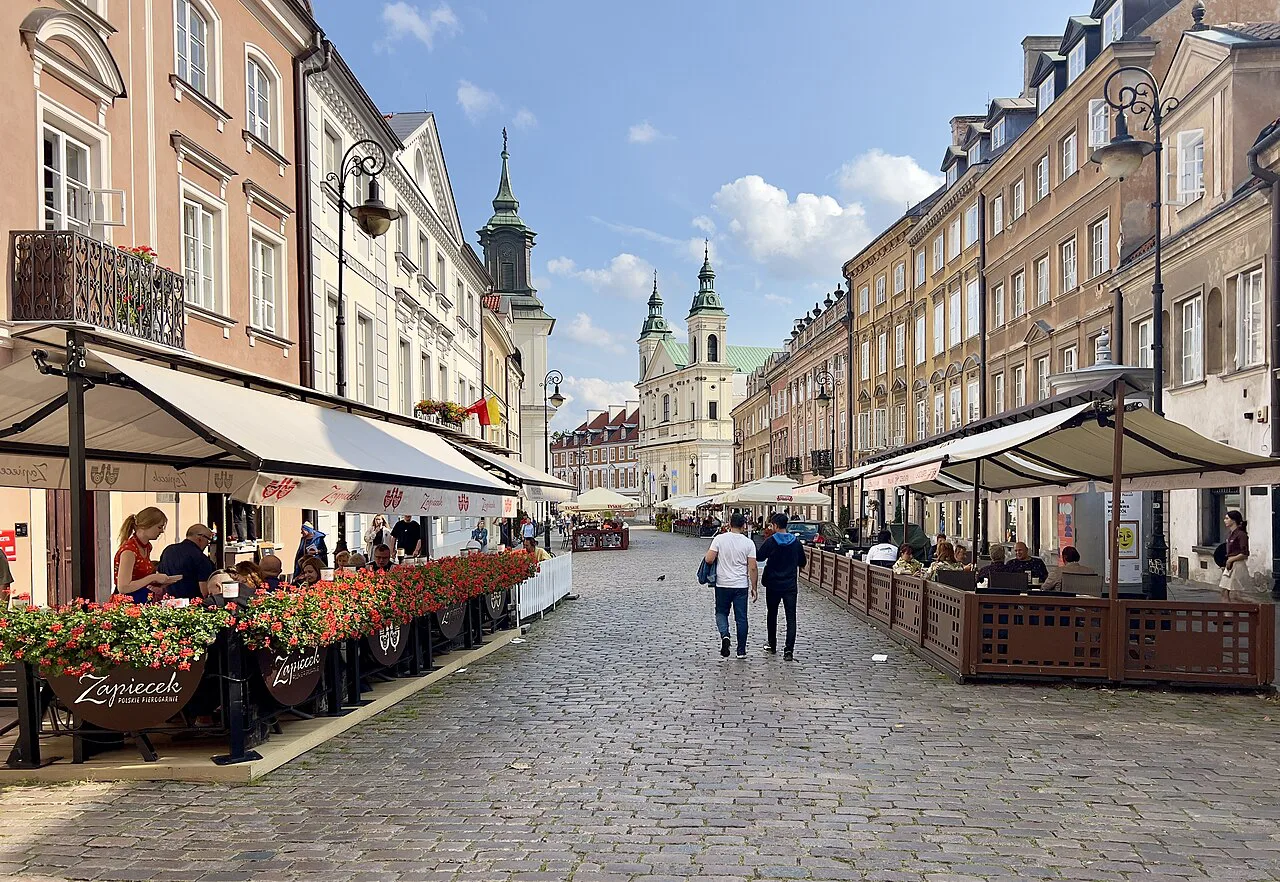
Nowe Miasto begins just beyond the northern edge of the Old Town, so the natural approach is on foot from the Old Town's streets. Walk north out of the Old Town and you cross into the New Town without noticing a border; there is no gate or formal entrance. That continuity is the reason the two districts combine so easily into one morning or afternoon.
Because the two sit side by side, the realistic plan is to finish an Old Town circuit at its northern end and keep going. If you are weighing up where to spend a limited number of days, the wider Warsaw Neighborhoods: 5 Area Guides sets the Old Town and New Town alongside the city's other districts.

The Warsaw Uprising Monument: how to approach it
The Warsaw Uprising Monument is the New Town's headline sight and the reason many visitors cross into the district at all. It is a memorial rather than an attraction with a queue or a ticket, so approach it quietly and give it time; the scale of the sculpture is the point, and it rewards a few minutes of standing still rather than a photo and a move on. If you want the monument placed among the city's other major sights, the Warsaw Attractions: 10 Visitor Guides covers the wider list.
The monument is one of the district's listed landmarks and sits close to the streets that link the New Town with the Old Town, which makes it a natural first or last stop on a walk between the two. Pair it with the surrounding streets rather than treating it as a standalone stop.
The Multimedia Fountain Park and New Town Square
The Multimedia Fountain Park is the New Town's other big draw, a water-and-light installation that appears on the district's landmark lists and works as a family-friendly stop in the warmer months. Show times and seasons vary, so check the park's own schedule for the days you are in Warsaw before planning an evening around it. Outside show times the surrounding park is simply a pleasant open space between the Old Town and the New Town's streets.
New Town Square is the third named sight and a modest, low-key space rather than a second Old Town market square. Come for the shape of the district and a coffee stop rather than for spectacle. It sits within easy walking distance of both the monument and the fountains, so the three fit naturally into a single loop.
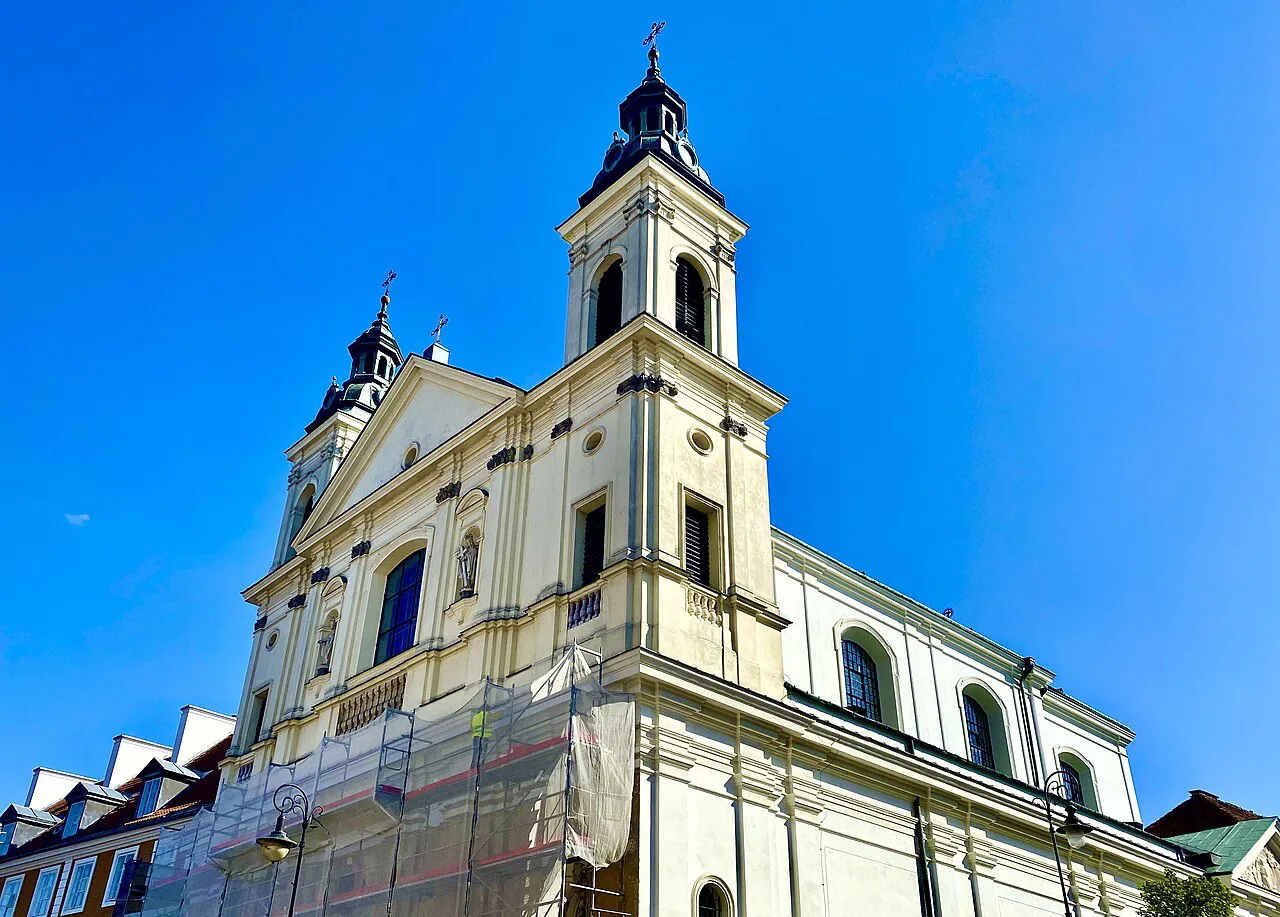
St Mary's Church, Kościół Najświętszej Marii Panny, is the fourth landmark named for the district and sits among the streets around the square. Visit it as you would any active place of worship and keep quiet if a service is under way. The cluster of church, square and surrounding lanes is the most rewarding part of the New Town to wander slowly.
Who the New Town suits and who should stay in the Old Town instead
The New Town suits travellers who have already seen the Old Town and want a quieter hour or two, plus anyone with a specific interest in the 1944 uprising and its memorials. It also works well for families in the warmer months, when the fountain park gives children something to do. If you have only one day in Warsaw, the New Town should be the second half of it, not the first.
It does not suit travellers who want a base with restaurants, bars and sights on the doorstep, or anyone whose short break is built around a single dense historic core. The Old Town remains the stronger choice for that, and it is only a short walk away. The Old Town versus New Town debate on the Warsaw Tripadvisor forum is the place to see how other travellers weigh the two.
If you want to compare the New Town with districts further out, Mokotów, Warsaw is a greener, more residential area to the south, while Praga, Warsaw across the river has a different, rougher-edged character. Neither replaces the New Town for a first visit, but both show how varied the city's neighbourhoods are.
Eating in the New Town
The New Town is a residential district first, so its eating options are everyday rather than destination dining. The realistic plan is a coffee or a light lunch around New Town Square between sights, saving a proper meal for the Old Town or the wider centre. Look for the streets just off the square rather than the monument end, which is more exposed and busier with passing walkers.
For a wider choice, the adjacent Old Town and Śródmieście, Warsaw are a short walk south and hold a much larger spread of restaurants and cafés. Basing your eating there and using the New Town for a daytime stop is the sensible split. It also means you are not tied to the New Town's quieter evening scene.
Getting there and getting around on foot
The New Town is a walking district, and every sight named here sits within a single loop on foot from the Old Town. There is no need for public transport within it, and the rebuilt layout makes walking the sensible way to see it. Wear shoes you can walk in; the distances are short but the surfaces are uneven in places.
You can also approach from the north, through Żoliborz, Warsaw, which borders the New Town and offers a longer walk into the district from a greener, quieter direction. That route suits anyone staying north of the centre who wants to arrive on foot. For most visitors, though, the Old Town approach is the obvious one.
How much time to give the New Town within a Warsaw city break
Give the New Town a half-day at most, and often less: two to three hours covers the monument, the fountain park, the square and the church at an unhurried pace. Slot it into the morning after an early Old Town walk, or into the late afternoon if you want to catch the fountains in the evening. It is not a district that rewards a full day.
On a three-day break, one New Town half-day is plenty, leaving the rest of your time for the Old Town, the river and the city's museums. The district's value is as a change of pace between heavier sights rather than as a highlight in its own right. Build it in as a link between the Old Town and whatever comes next, and it earns its place.
Should the New Town be on your Warsaw list?
Yes, as a half-day, not as a base: the Warsaw Uprising Monument alone justifies the walk north, and the fountain park, New Town Square and St Mary's Church fill out a gentle two to three hours. Walk up from the Old Town, see the core, eat elsewhere, and treat the New Town as the quieter second act of a Stare Miasto day.