
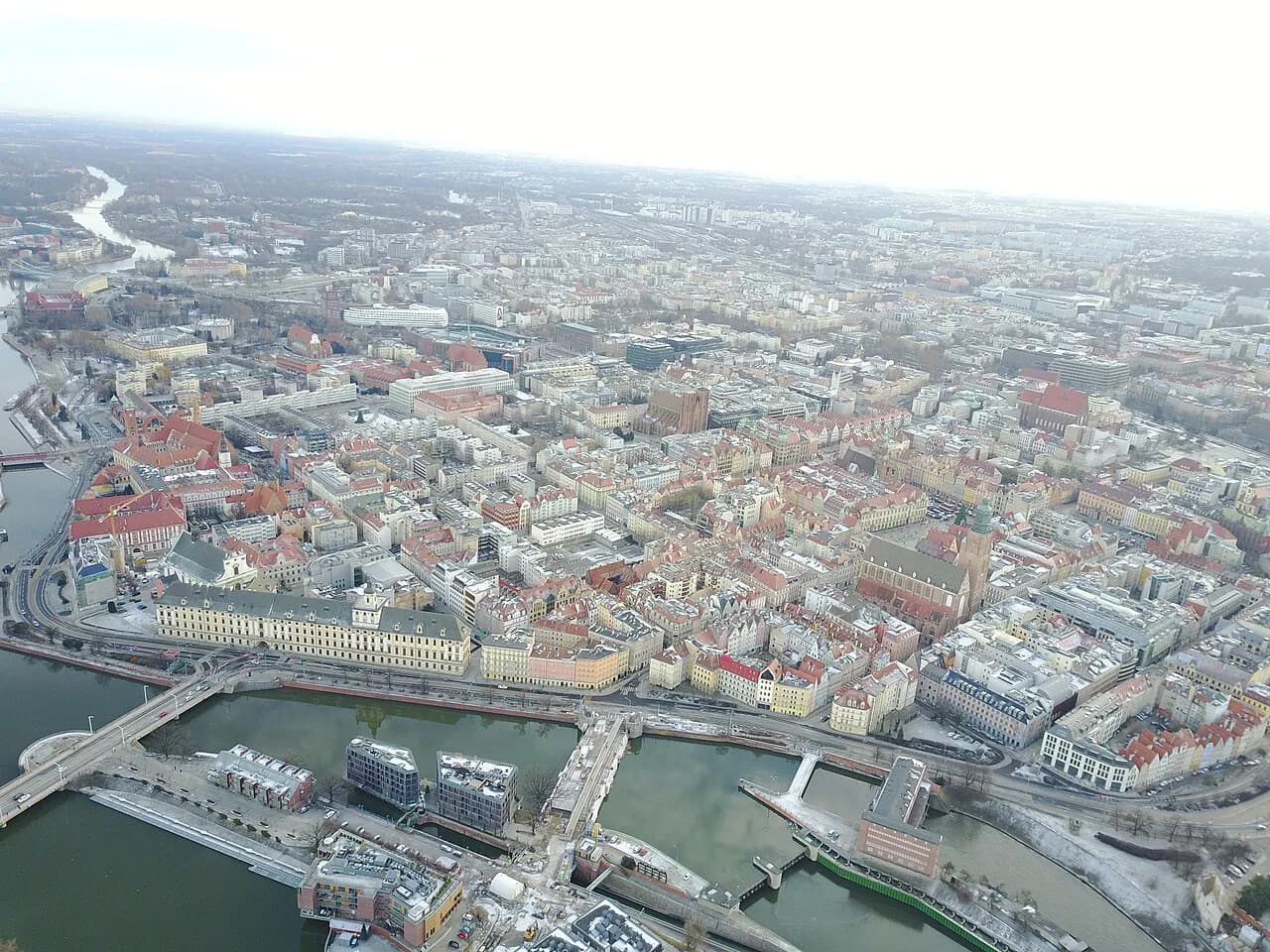
Planning Wrocław neighbourhoods: where each area fits
Ostrów Tumski draws the crowds, and rightly so: about 20 minutes on foot from the Rynek over Most Tumski, the city's oldest quarter delivers a Gothic cathedral, cobbled lanes and gas lamps lit by hand each evening. It is also a rebuilt, quiet district short on food and beds, so most visitors treat it as a half-day of walking rather than a base.
The quieter rewards sit further out. Nadodrze, across the Oder from the Old Town, hides its real draws under archways — courtyard murals and faded German shop signs resurfacing as paint peels — and needs around two hours, best saved for a second day. Fabryczna spreads across the left bank with a baroque castle, the city's biggest forest and a park; choose carefully rather than attempting everything in one visit.
Biskupin, a green residential quarter of villas and tree-lined streets in eastern Wrocław beside Sępolno, suits stays of three nights or more, though you will take the tram into the centre. Krzyki, an outer district, only works as a walking base at its Przedmieście Oławskie edge; elsewhere trams are essential, and the name can cover addresses kilometres apart.
| Area | Best for | Where |
|---|---|---|
| Ostrów Tumski, Wrocław | slow walks, churches and river views | Ostrów Tumski |
| Nadodrze, Wrocław | street art and slow wandering | north of the Odra, Wrocław |
| Fabryczna, Wrocław | walkers wanting parks and forest | western Wrocław, left bank of the Odra |
| Biskupin, Wrocław | quiet stays of three nights or more | eastern Wrocław, next to Sępolno |
| Krzyki, Wrocław | repeat visitors, longer stays | Krzyki |
Wrocław neighbourhood guides
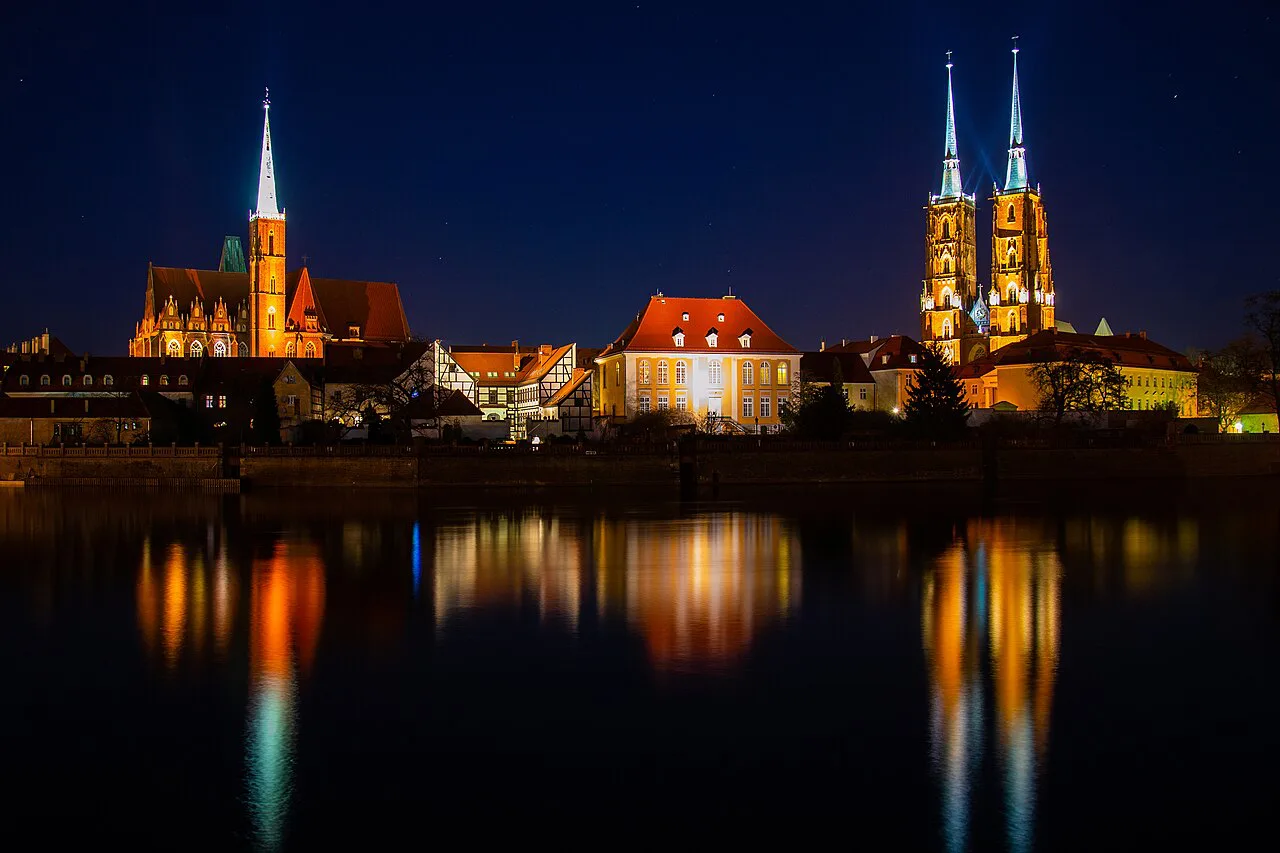
Ostrów Tumski, Wrocław: What to See on Cathedral Island
Wrocław's oldest quarter, reached in about 20 minutes on foot from the Rynek over Most Tumski. Come for the Gothic cathedral, cobbled lanes and gas lamps lit by hand each evening; it is a rebuilt, quiet district short on food and beds.
2-3 hours · Best for slow walks, churches and river views
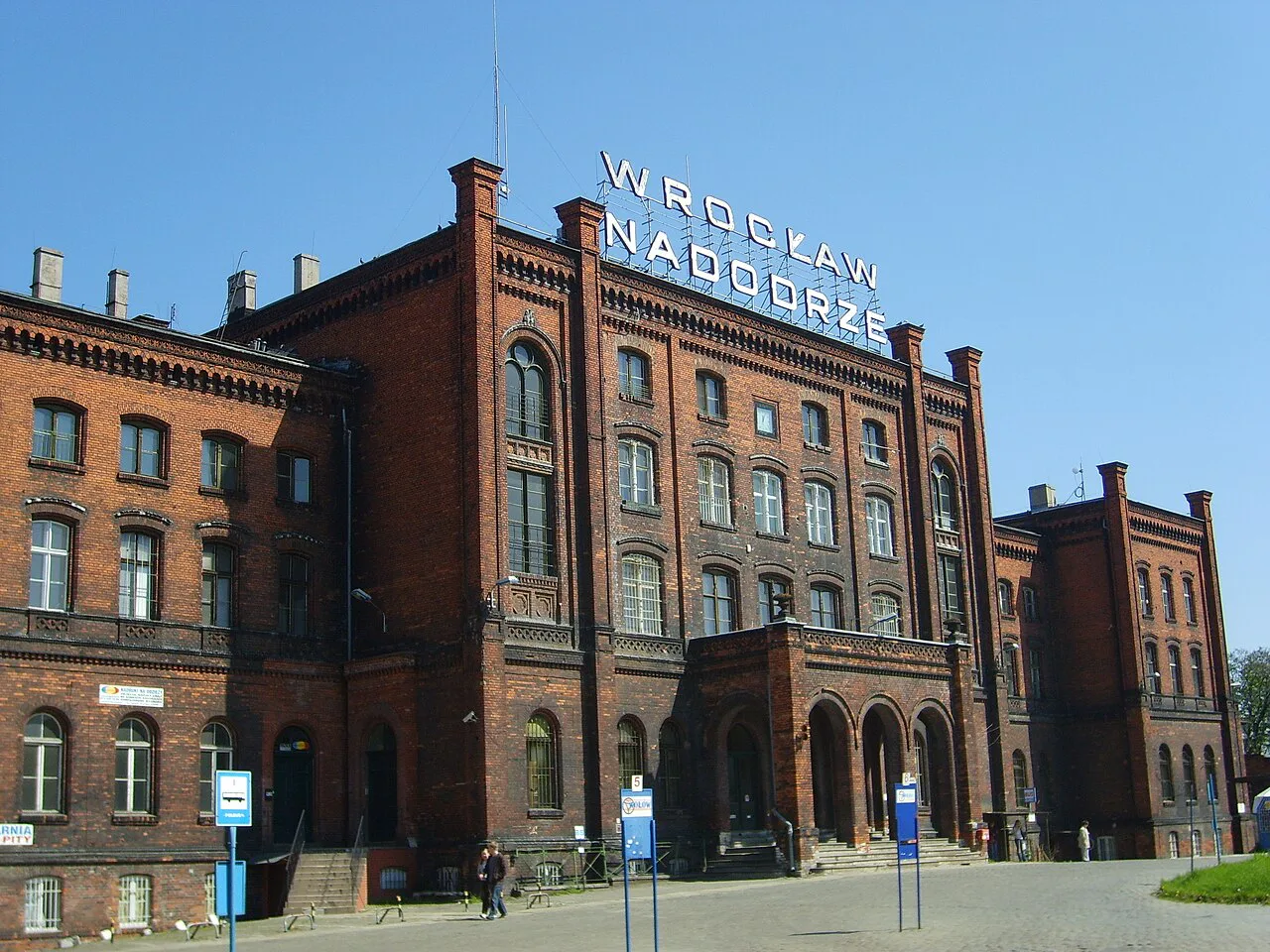
Nadodrze, Wrocław: A Guide to the City's Street-Art District
Cross the Oder from the Old Town and the real draws are set back under archways: courtyard murals, plus faded German shop signs resurfacing as paint peels. Allow around two hours and skip it if this is your only day.
about two hours · Best for street art and slow wandering
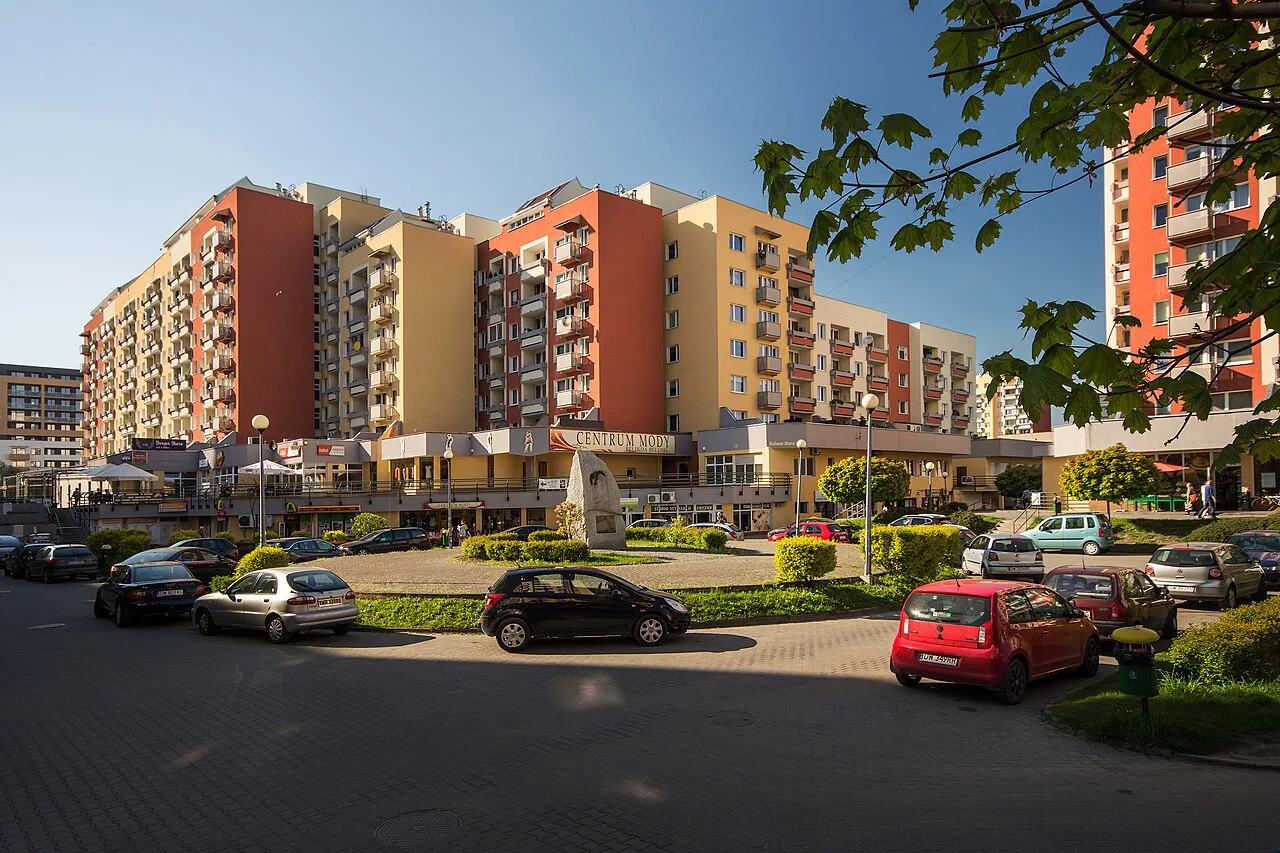
Fabryczna, Wrocław: District Guide for a City Break
Wrocław's spread-out western district pairs a baroque castle with the city's biggest forest and park, so pick two sights rather than trying to tick all three in one visit.
half a day · Best for walkers wanting parks and forest
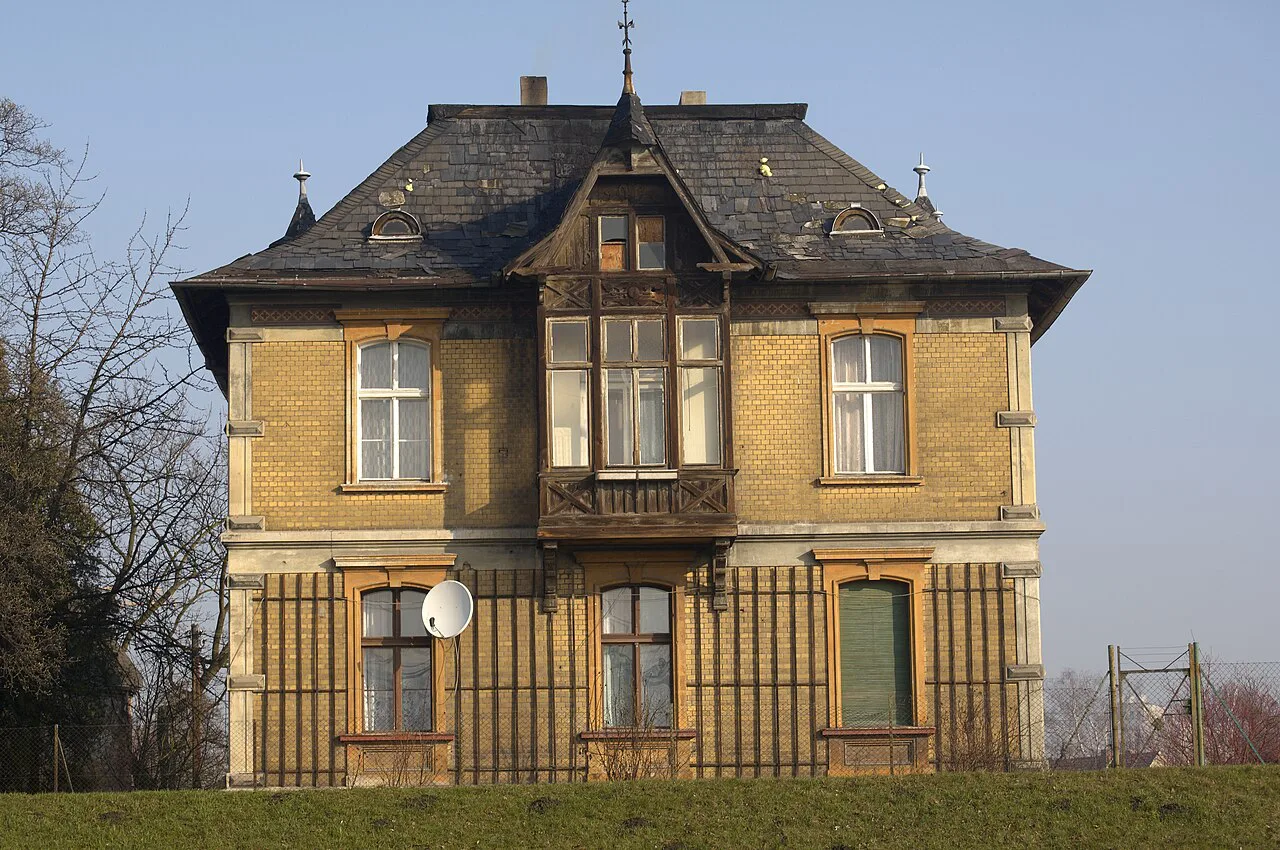
Biskupin, Wrocław: a quiet riverside district guide
Wrocław's Biskupin is a green residential quarter of villas and tree-lined streets on the eastern side of the city — not the Iron Age settlement near Żnin. Come for quiet evenings and riverside walks, but expect to take the tram into the centre.
couple of hours · Best for quiet stays of three nights or more
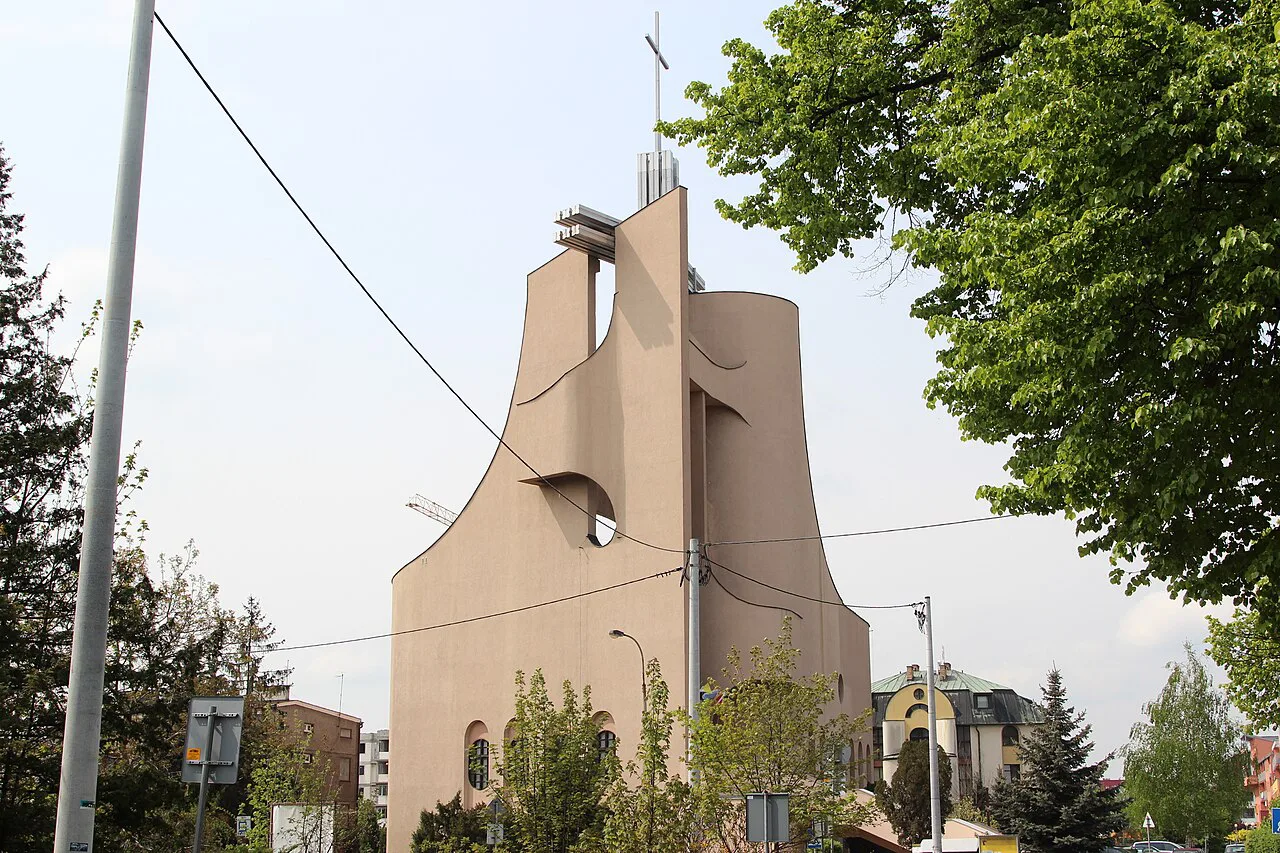
Krzyki, Wrocław: A District Guide for Visitors
One of Wrocław's four outer districts, Krzyki runs from old tenements near the centre to suburbs and estates. Only the Przedmieście Oławskie edge works as a walking base; elsewhere you'll need trams, and the name can cover addresses kilometres apart.
Best for repeat visitors, longer stays
Which Wrocław district suits your trip
For a first visit, stay central and give Ostrów Tumski a slow morning or afternoon: it rewards 2–3 hours of churches and river views, not an overnight. Nadodrze suits street-art hunters with time for a two-hour wander; skip it if you have only one day. Fabryczna is for walkers wanting parks and forest, with half a day enough for the baroque castle and the green spaces. Biskupin fits longer, quieter stays of three nights or more, and Krzyki works for repeat visitors who know to head for the Przedmieście Oławskie edge.