
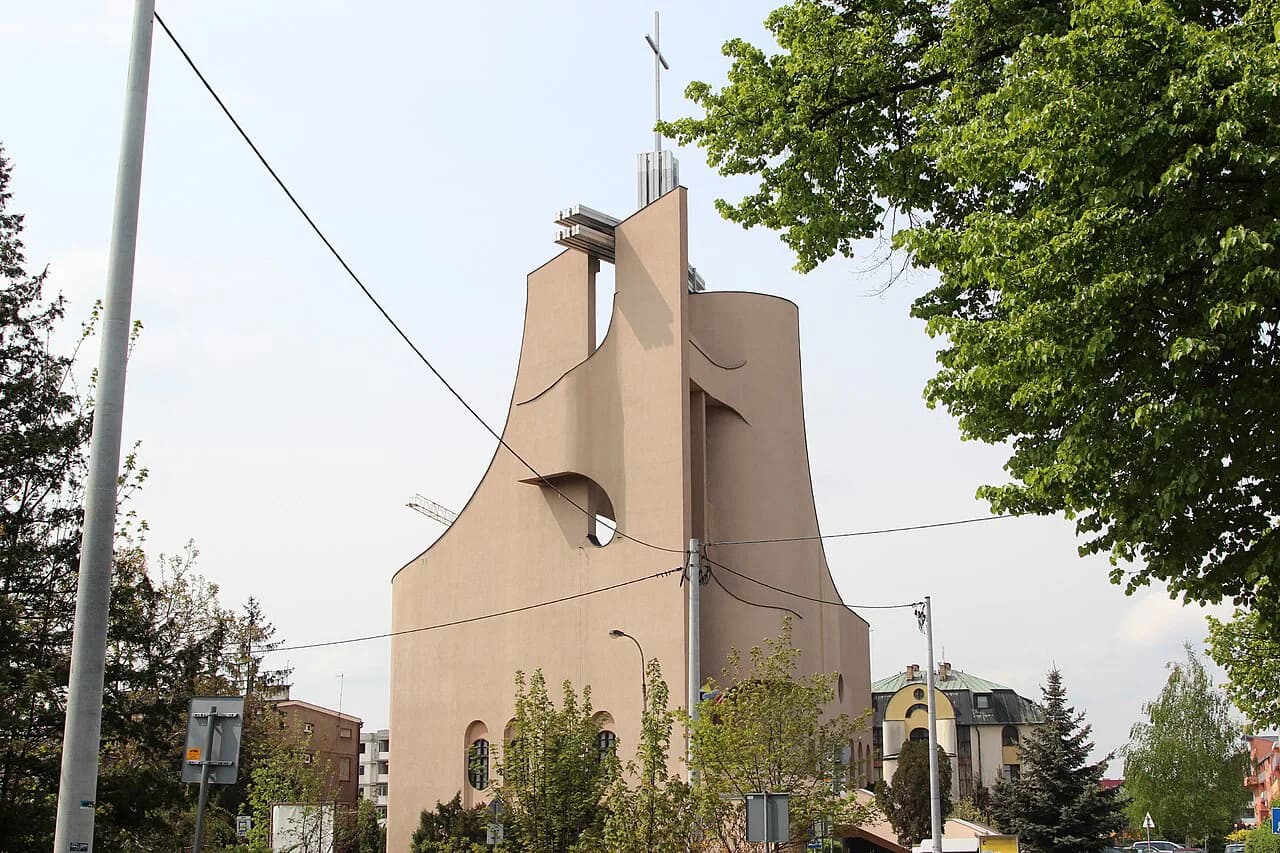
Krzyki, Wrocław: what the district is like and who it suits

Krzyki is not one neighbourhood and not a sightseeing district: it is one of Wrocław's four administrative districts and runs from streets close to the centre out to the city boundary. It rewards travellers who want a residential base or a quieter few days rather than a tick-list of monuments. This guide breaks the district into its genuinely different parts and says who each one suits.
The practical answer for a short break is that only the old-tenement edge closest to the centre works as a walking base. The rest is suburban, well connected by tram but not somewhere you stroll between sights.
What Krzyki actually is
Wrocław is built with Stare Miasto and Śródmieście at its core and the remaining districts wrapped around them, each stretching from the centre to the edge of the city. Krzyki, Fabryczna and Psie Pole are those outer districts, and Krzyki spreads from the Odra across Jagodno to Bielany Wrocławskie. That single fact explains most visitor confusion about the name. For the practical details, see the Fabryczna Wrocław.
Within those boundaries the district runs from the old tenements of Przedmieście Oławskie out through Księże and Brochów, and from villa streets such as Borek to large housing estates like Gaj. Because the label covers everything from historic villas to tower blocks, a street address tells you far more than the district name does.
Online map listings are loose with the name: one accommodation portal files areas as far-flung as Południe, Strachowice, Grabiszyn, Karłowice and Żerniki under the Krzyki heading, so a search for the name can point you at places several kilometres apart. Check the specific street before booking anything described as being in Krzyki.

Przedmieście Oławskie: the old-tenement quarter nearest the centre
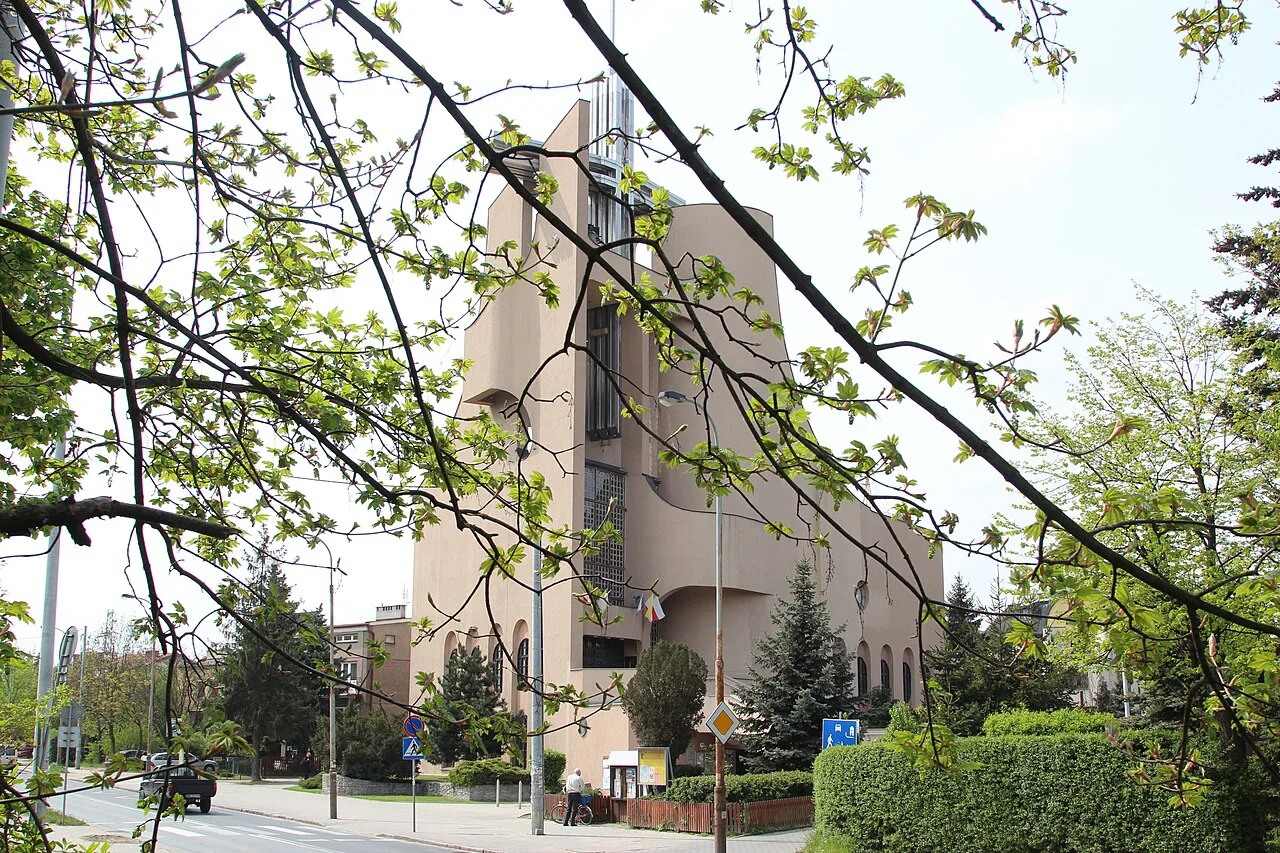
Przedmieście Oławskie, known locally as the Trójkąt, is the part of Krzyki a visitor is most likely to walk through. It is a grid of old tenement blocks just beyond the centre, with a mixed population that has been shifting for years. This is where the district feels urban rather than suburban.
The trade-off is the housing stock. Many of these buildings are older tenements still heated by stoves, and in winter that adds up to noticeably poor air in the side streets. Treat it as a reason to look closely at where a winter let is heated from, not as a reason to avoid the area outright.
For sightseeing, this edge of the district is the useful one, because it sits closest to the centre. Ostrów Tumski, the cathedral island, lies out in the city centre and is a natural extension of a day on foot from here.

Borek and the villa streets
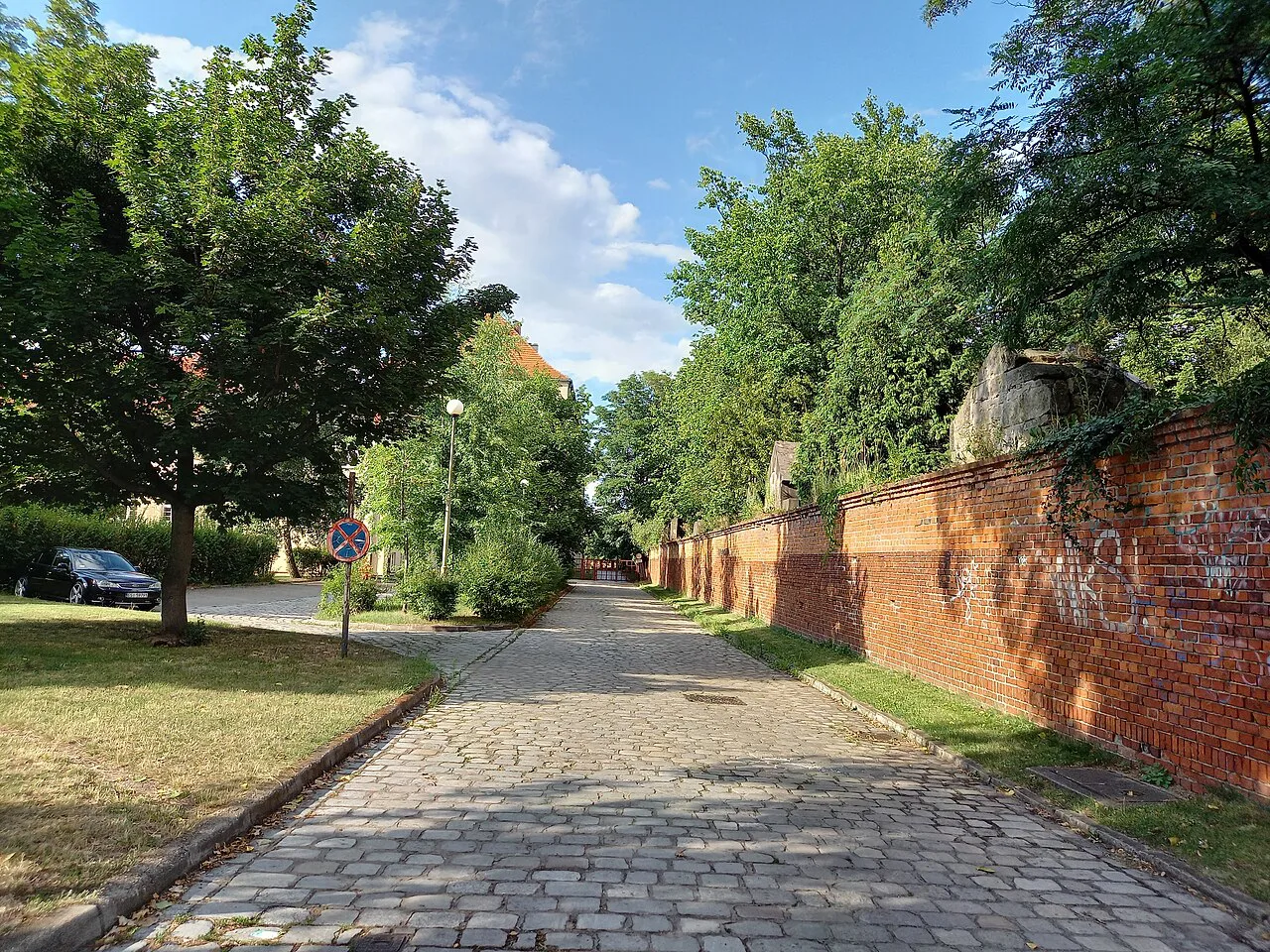
Borek and the streets around the old osiedle Krzyki are the green, low-rise face of the district, with detached houses and villas rather than blocks. It is a quiet, residential part of Krzyki rather than a visitor-focused one.
What it does not offer is much of interest on foot. There is little within the villa streets themselves, so a stay here depends on trams or a car to reach the centre.
Gaj and the housing estates
Gaj and the other large estates are the practical, well-connected side of Krzyki, built up in blocks with transport links into the centre. They are ordinary, workaday places rather than sightseeing bases.
For a one-to-three-day break, though, there is little to see in the estates themselves. Choose them only if you value space and quiet over walking distance, and plan to spend your days elsewhere.
Where to eat, drink and shop in Krzyki
The named local businesses cluster in the older, closer-in parts of the district. Casa Flora is a plant shop on Komuny Paryskiej, the confectionery Słodki Chłopak is nearby, and Trembecki is a hair salon in the area. These are the kind of independent places that make the tenement streets pleasant to wander.
Beyond these, treat the district's eating as residential rather than destination dining: local bakeries, cafés and shops serving the people who live there. For a concentrated choice of restaurants, the centre and neighbouring districts give you far more in a short walk.
Who Krzyki suits and who it does not
Krzyki suits repeat visitors and longer stays who want a residential base with room to breathe and easy tram access into the centre. It also works for travellers who have already seen the main sights and want to experience an ordinary Polish city district rather than a tourist one.
It is a poor fit for a first one-to-three-day break built around sightseeing on foot. The distances between the district's parts are real, and a base deep in Gaj or Księże will have you commuting to everything you came to see.
If you want a district with character that is close to the centre, comparison with neighbouring areas is worthwhile before you commit to Krzyki; the wider set of area guides sets out the alternatives.
Getting around and into the centre
The old-tenement edge is the part most closely connected to the centre on foot, and even there that proximity is the reason to choose it. Borek, Gaj, Księże and Brochów all rely on trams and buses for the trip in, and each estate has its own connections rather than one shared solution.
That means your street matters more than your district when you book. Pick a place within a short walk of a tram stop on a line that reaches the centre directly, and check the route on a map before you commit.
Ślężna, the district's main artery, runs through its western side and is a useful mental reference line when working out how far west or east a given address sits.
Honest trade-offs
Two things temper the appeal. Winter air in the coal-heated tenement streets is the district's weakest point, and the spread of Krzyki means two addresses in the same district can be a long tram ride apart.
Both are manageable with planning: ask how a winter let is heated, and choose the Przedmieście Oławskie edge if walking matters. If a leafy, low-rise residential district is what you picture instead, Biskupin offers that character on the other side of the city.
Should you base your Wrocław trip in Krzyki?
Base in Krzyki only if you want a residential stay with space and calm, and pick the Przedmieście Oławskie edge so the centre stays within easy reach. For a first short break, stay closer in and visit Krzyki for an afternoon of cafés and tenement streets instead.
If you are comparing bases, check the wider Wrocław attractions and neighbourhood guides before deciding, and confirm your specific street on a map rather than trusting the district name alone.
Explore more Wrocław guides
Frequently Asked Questions
Is Krzyki a good area to stay in Wrocław?
For a longer stay or a repeat visit, yes: it offers residential calm and easy tram links into the centre. For a first one-to-three-day sightseeing break, a base closer to the centre makes better use of your time.
How far is Krzyki from Wrocław's Old Town?
The old-tenement edge, Przedmieście Oławskie, is the part closest to the centre. Other parts, such as Gaj, Borek and Księże, are several kilometres out and reached by tram or bus.
Is Krzyki part of central Wrocław?
Only a small slice of it. Krzyki is one of the three outer districts wrapped around the Stare Miasto and Śródmieście core and stretches from near the centre to the city boundary.