
Fabryczna, Wrocław: what the district is and who it suits

Fabryczna is Wrocław's western district, lying on the left, southern bank of the Odra, and it rewards an afternoon rather than a whole break. Treat it as one half-day of parks, forest and a baroque castle, not as a base for sightseeing the old town; for the wider picture, see Wrocław Neighborhoods: 5 Area Guides.
The district takes its name from the factories that once dominated its landscape, and today forests and parks balance that industrial character. This guide covers where Fabryczna sits, what is genuinely visitable, who it suits, and how to reach it by tram, bus or train.
What and where Fabryczna is
Fabryczna occupies the western part of the city, on the left, southern side of the Odra. It is a former administrative district, formally established on 12 February 1952, and its name comes from the factories that once shaped the area. For a visitor, the practical point is that the district sits well west of the old town, so it is a destination in its own right rather than a stroll from the Rynek.
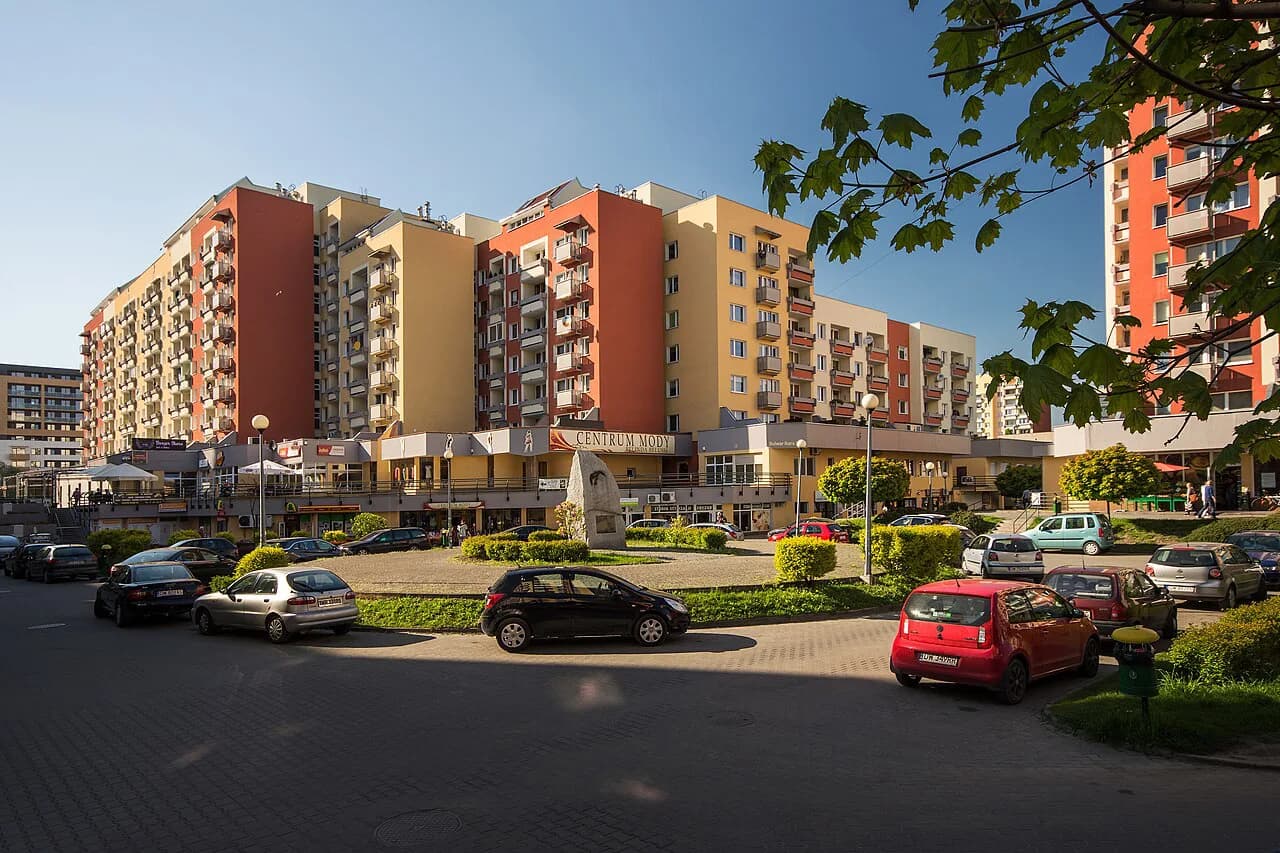
The district guide singles out the airport and the football stadium as its two best-known landmarks. Around them sits a mix of housing estates, business parks and large green areas, which is why parts of the district feel suburban rather than urban. If you are comparing areas for a short break, Krzyki Wrocław and Nadodrze Wrocław cover very different kinds of neighbourhood closer to the centre.

How Fabryczna is laid out
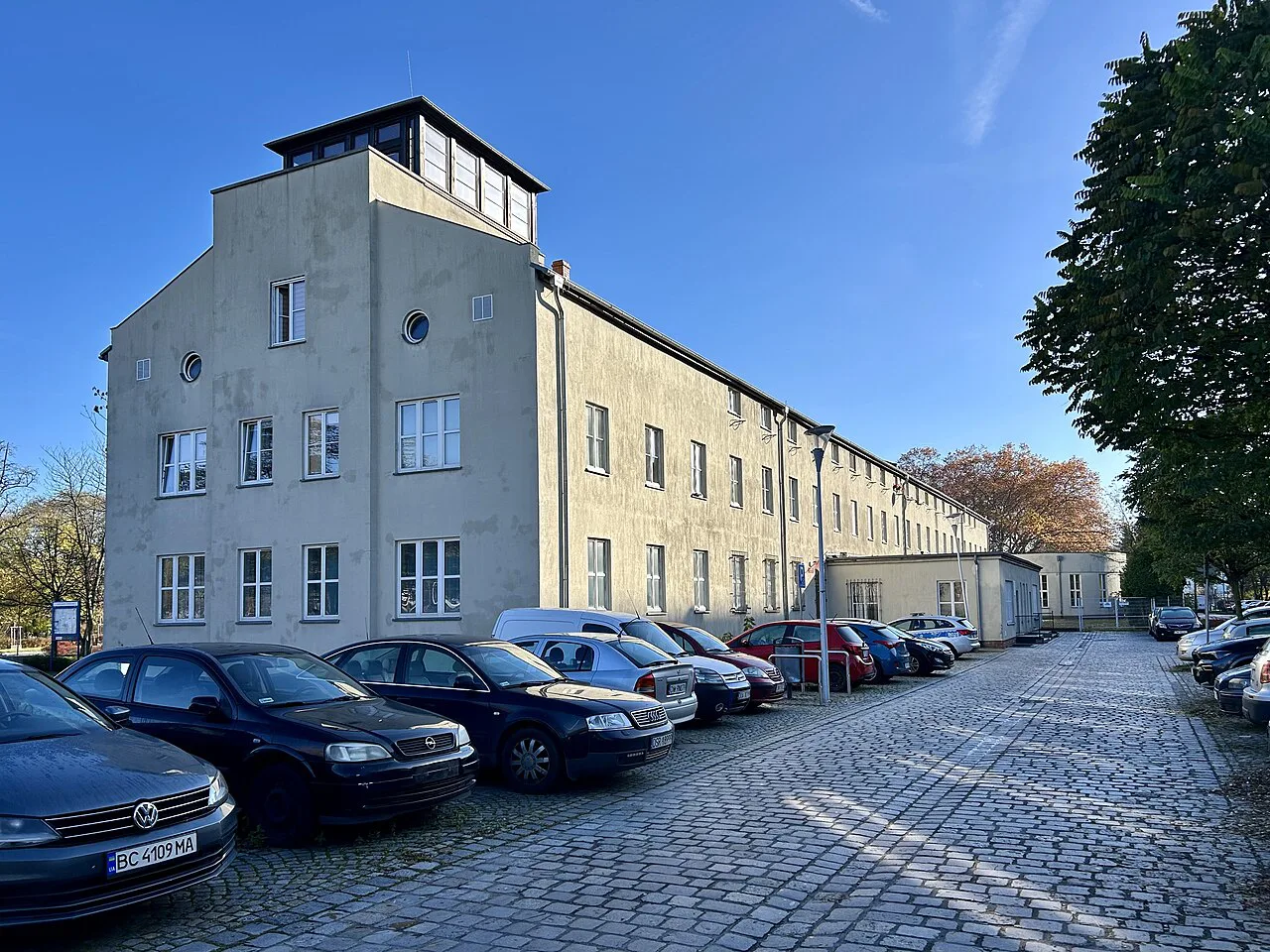
Fabryczna is large and loose, with no single walkable core, so plan on covering distance rather than wandering between sights. The Leśnica area in the west holds the castle, the northern edge holds the forest, and the riverside developments sit closer to the Odra. That spread means a tram or bus ride between stops is normal, even inside the district.
New housing schemes have changed the map: Port Popowice is planned to deliver around 2,500 flats beside a small harbour among parks and riverside woodland. Other projects such as Lokum Porto and Apartamenty nad Rzeką are clustered near the river. These are residential developments rather than attractions, so read them as context for the district's changing face, not as places to tour.

What there is to see: Zamek Leśnica and the parks
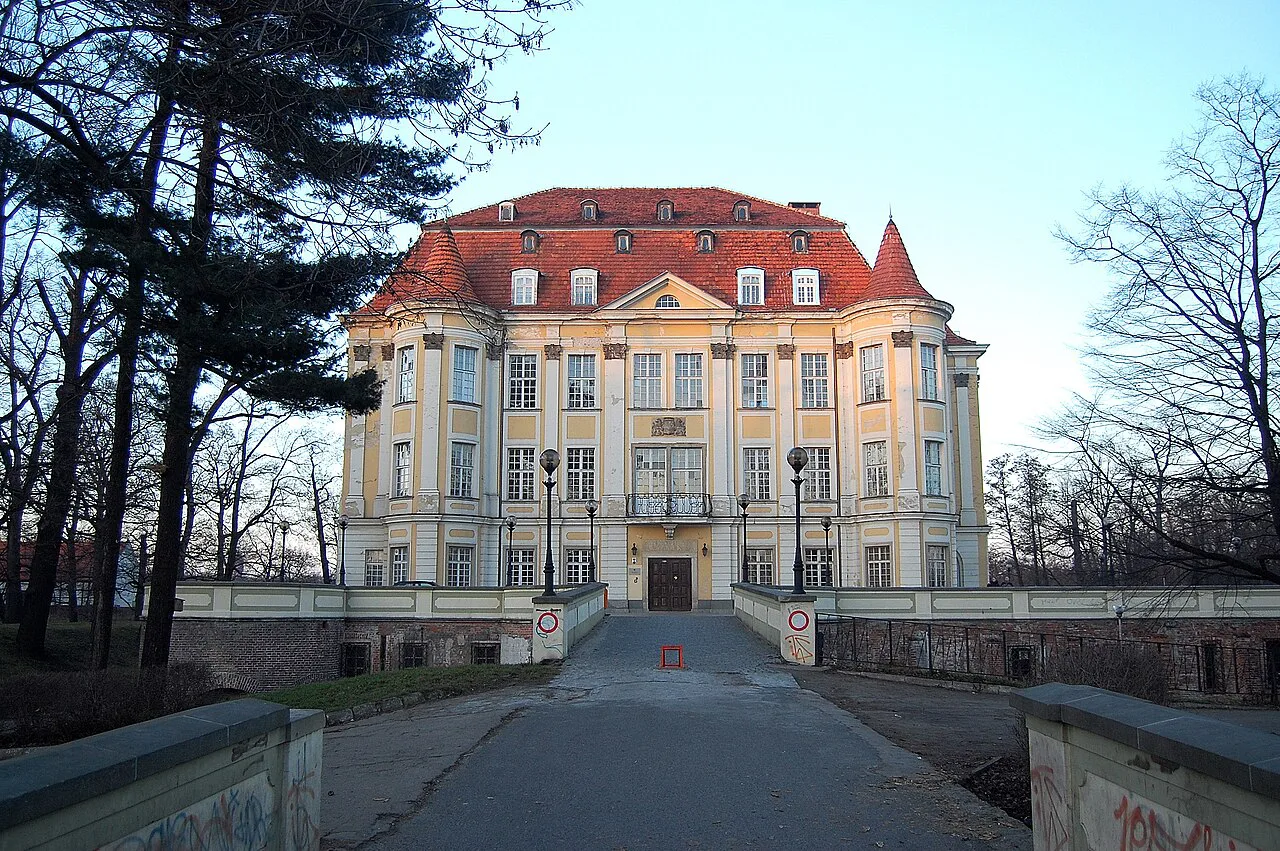
The historic hook is Zamek Leśnica, rebuilt in baroque style in the 18th century and now a cultural centre known for hosting an annual beer festival. It is the one sight in Fabryczna that justifies the trip on its own, and it anchors the western end of the district. Check the castle's own programme before you go for what is on and how to visit.
For green space, Las Mokrzański is Wrocław's largest forest, covering 550 hectares, with walking trails, cycle paths and the ruins of a pre-war German restaurant. Park Tysiąclecia is the city's largest park, with meadows, streams and a playground styled as a historic castle for younger visitors. Both are the reason to bring sturdy shoes rather than a sightseeing checklist.
Between the castle, the forest and the park you have a solid half-day, especially if you like walking. The catch is that these places sit apart from each other, so pick two rather than trying to tick all three. If you want a compact cluster of churches and riverside streets instead, Ostrów Tumski is the better half-day.
The industrial and modern architecture angle
Fabryczna's architecture story runs from the industrial to the contemporary. The WuWa estate, inspired by interwar modernist housing exhibitions, is being reworked so that former air-raid shelters become a cultural and community space, with green avenues and recreation areas alongside. Business Garden Wrocław and the seat of the Wyższa Szkoła Bankowa represent the district's newer commercial face, and more firms keep choosing this side of the city.
These are sites to look at in passing rather than destinations with tickets and opening hours. A walk or tram ride through the newer estates gives you a sense of how Wrocław is expanding westwards, which is genuinely interesting if you follow urban planning. If you would rather spend the time on museums and squares, put that energy into the old town instead.
Who Fabryczna suits and who it does not
Fabryczna suits travellers who want forests, parks and quiet, and who are happy to ride public transport to reach them. It also suits anyone curious about modernist housing and the city's industrial past. It does not suit a first-time visitor who wants churches, museums and restaurants within a ten-minute walk of the bed.
If your priority is an old-town base for a one-to-four-day break, look at the central districts and use Fabryczna as an excursion. If you have already seen the centre and want green space, the district earns its half-day easily. Biskupin Wrocław is another green, low-rise alternative if you want riverside walks closer in.
Where to eat and stay inside the district
Independent dining is limited in the outer parts of Fabryczna, so plan meals around your route rather than expecting a restaurant strip. For a student-oriented stay near the district's eastern edge, the Wroclaw Fabryczna student residence at Fabryczna 22a/24 offers furnished apartments with a gym and study lounges and an all-in rent that the operator advertises as covering utilities and internet. It is built for students rather than short-break travellers, but it shows what longer-stay accommodation here looks like.
For a city break, most travellers will do better basing themselves centrally and treating Fabryczna as a daytime trip. If you do stay out here, check that your accommodation is near a tram or bus stop, because the district's size makes an isolated address inconvenient. Nadodrze, just north of the old town, is a more practical base if you want somewhere with its own character.
Getting there and getting around
Public transport does the heavy lifting in Fabryczna. The student residence lists Otyńska and Fabryczna bus stops and the Park Biznesu tram stop all within roughly half a kilometre, and Wrocław Muchobór train station about the same distance away, which is the kind of connection that makes a western base workable.
Use those named stops as your planning anchors: Otyńska and Fabryczna for buses, Park Biznesu for trams, and Muchobór for rail. From there, check current routes and timetables with the city transport operator, since services change. Walking between the castle, the forest and the park is possible but slow, and a bike covers the distances better on the forest paths.
How much time Fabryczna needs
Give Fabryczna one half-day within a longer Wrocław break, and possibly a full day if you want to walk seriously in Las Mokrzański. A sensible shape is a morning at Zamek Leśnica, lunch nearby, then an afternoon in Park Tysiąclecia or on the forest trails. That leaves your other days free for the centre, the museums and the river.
Avoid scheduling the district on your arrival or departure day unless you are staying nearby, because the travel time eats into short breaks. Pair it with a central morning rather than with another far-flung sight. If you only have two days in the city, save Fabryczna for a return visit.
Should Fabryczna make your Wrocław shortlist?
Fabryczna belongs on your shortlist if you want forests, a baroque castle and a look at how Wrocław is growing westwards. It does not belong there if you want everything within walking distance of your hotel. Book it as one half-day, take a tram to Park Biznesu or a train to Muchobór, and keep the rest of your break central.
Explore more Wrocław guides
Frequently Asked Questions
Is Fabryczna a good area to stay in Wrocław for a city break?
For most short breaks it is a stretch: the district is large and spread out, and the main sights sit far apart. It works better as a daytime excursion, or as a base if you specifically want green space and are comfortable using trams and buses.
How do I reach Zamek Leśnica from central Wrocław?
Head west towards Leśnica by tram or bus and allow time for the onward walk. Check the current route and timetable with the city transport operator before setting out, as services change.
Is there an entry fee for Zamek Leśnica?
The castle runs as a cultural centre with a changing programme, so what you pay depends on the event or exhibition. Check the castle's own listings before your visit rather than relying on a fixed price.