Zakopane Parks and Green Spaces: What to See and How to Plan
Zakopane's green spaces run from Tatra National Park trails to valley walks. Here is what each offers, how long it takes and how to plan a day.
On this page
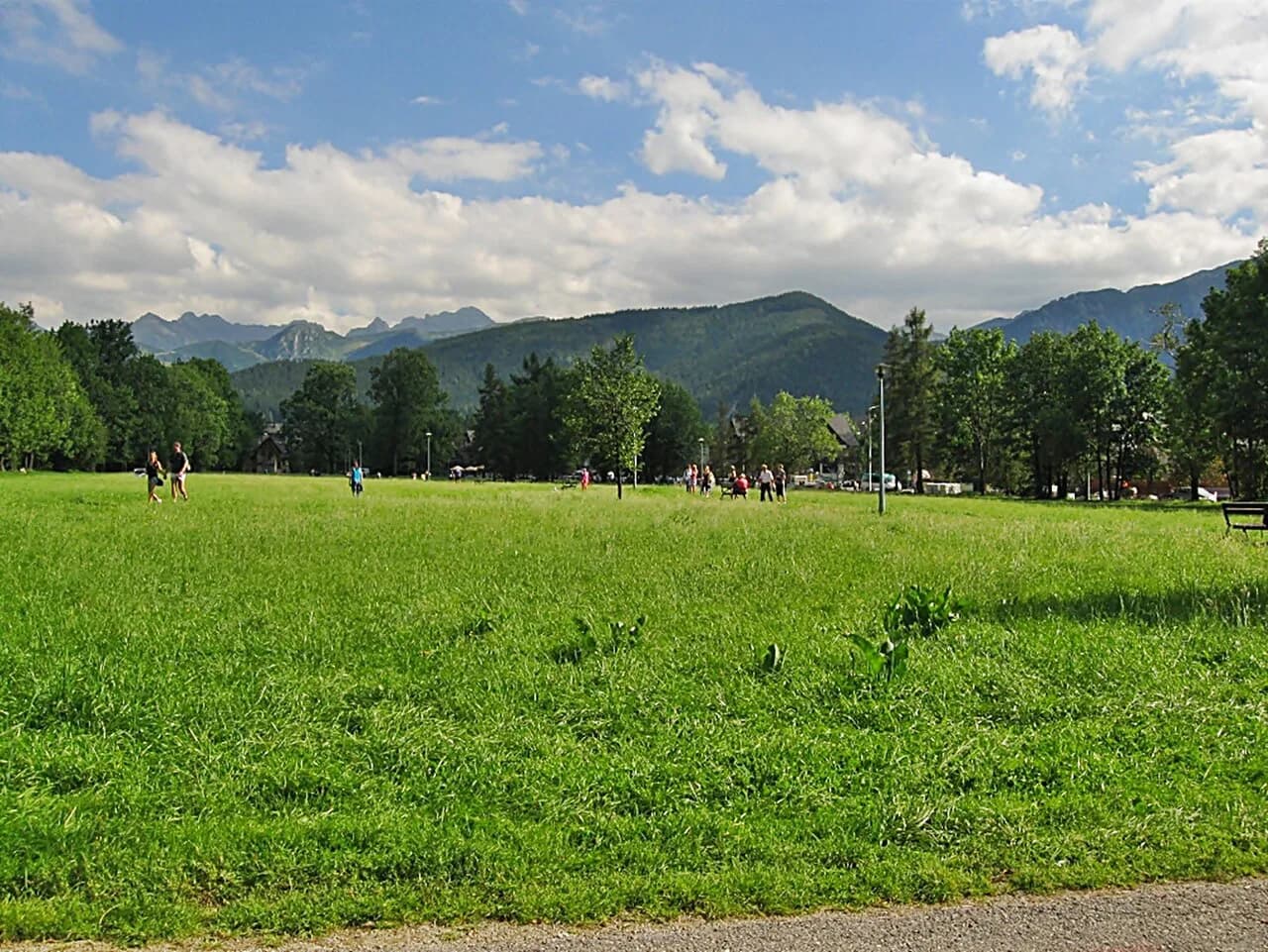
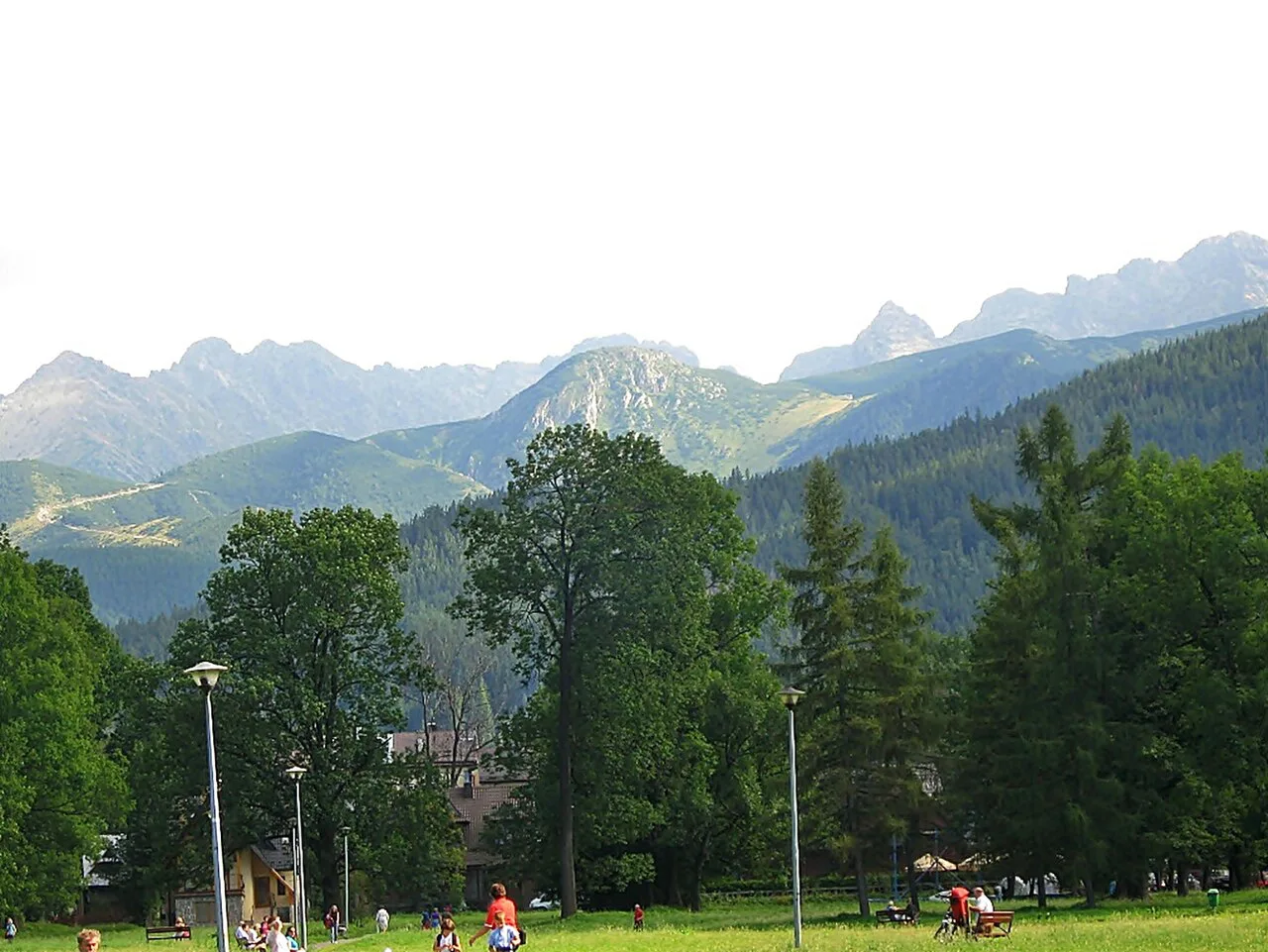
Zakopane's park is Tatra National Park, a mountain reserve on the town's southern edge rather than a fenced municipal garden with lawns and benches. Plan around that: you are choosing a valley, a lake or a ridge, and the walking is the point. This guide covers what the park protects, the rules and seasonal closures that decide which routes work in which month, and the specific valleys and peaks worth building a day around.
The town works as a base for the Polish Tatras, and the park authority publishes its own ticketing, transport and parking information for visitors arriving on foot, by bus or by car. Zakopane sits about two hours from Kraków, which makes it realistic as a mountain day from the city or as a two-night stop of its own.
What Zakopane's green space actually is
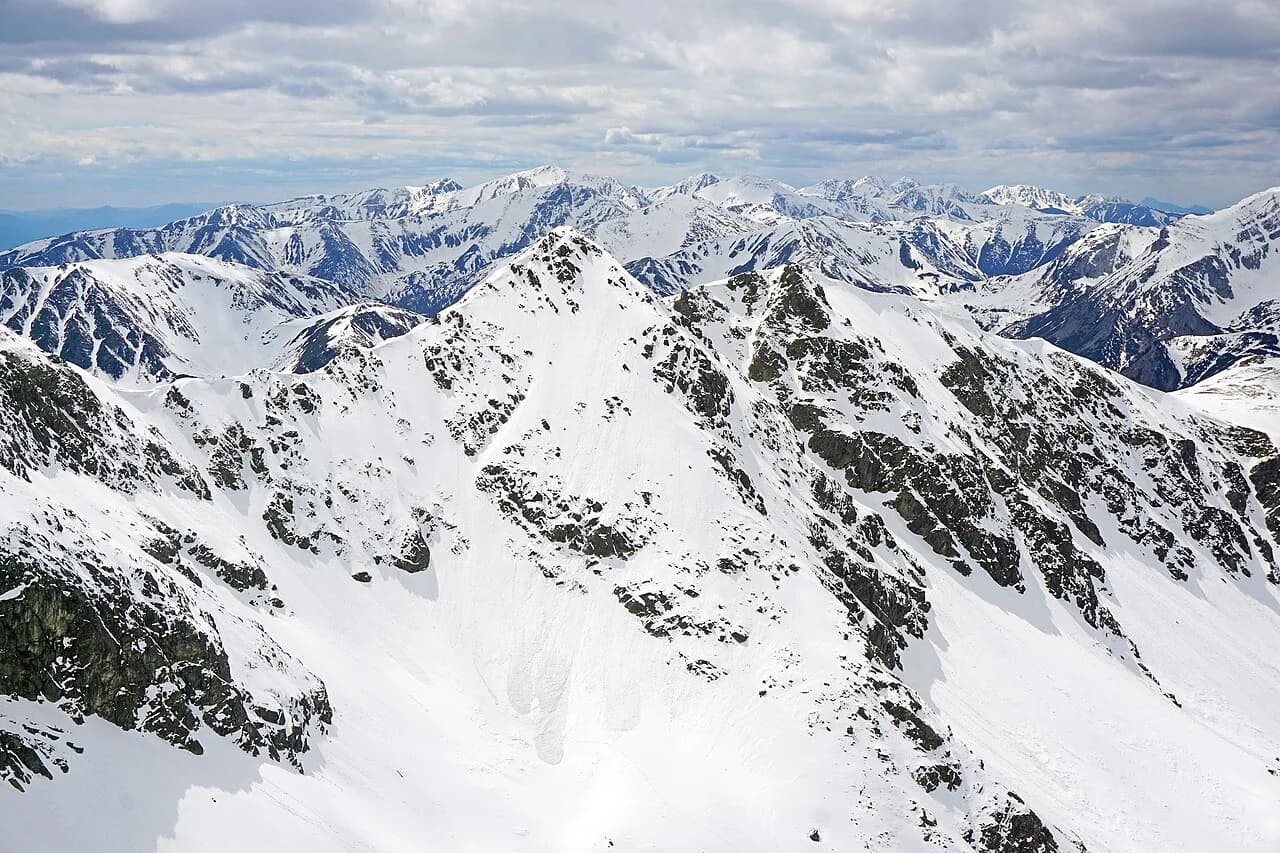
Tatra National Park covers the Polish side of the Tatra Mountains in southern Poland and shares the range with TANAP, the Slovak national park across the border. The park authority says the Tatras are the only place in Poland where stone pine forests grow and where chamois, marmots and bears live. That is the landscape you are entering when you walk out of Zakopane, not a city park with paths laid out for a stroll after lunch.
The distinction matters for planning. A municipal park takes an hour; a Tatra valley takes half a day once you count the approach, the climb and the return. Treat any park day here as a walk with weather and daylight in it, and dress for the mountains rather than the town.
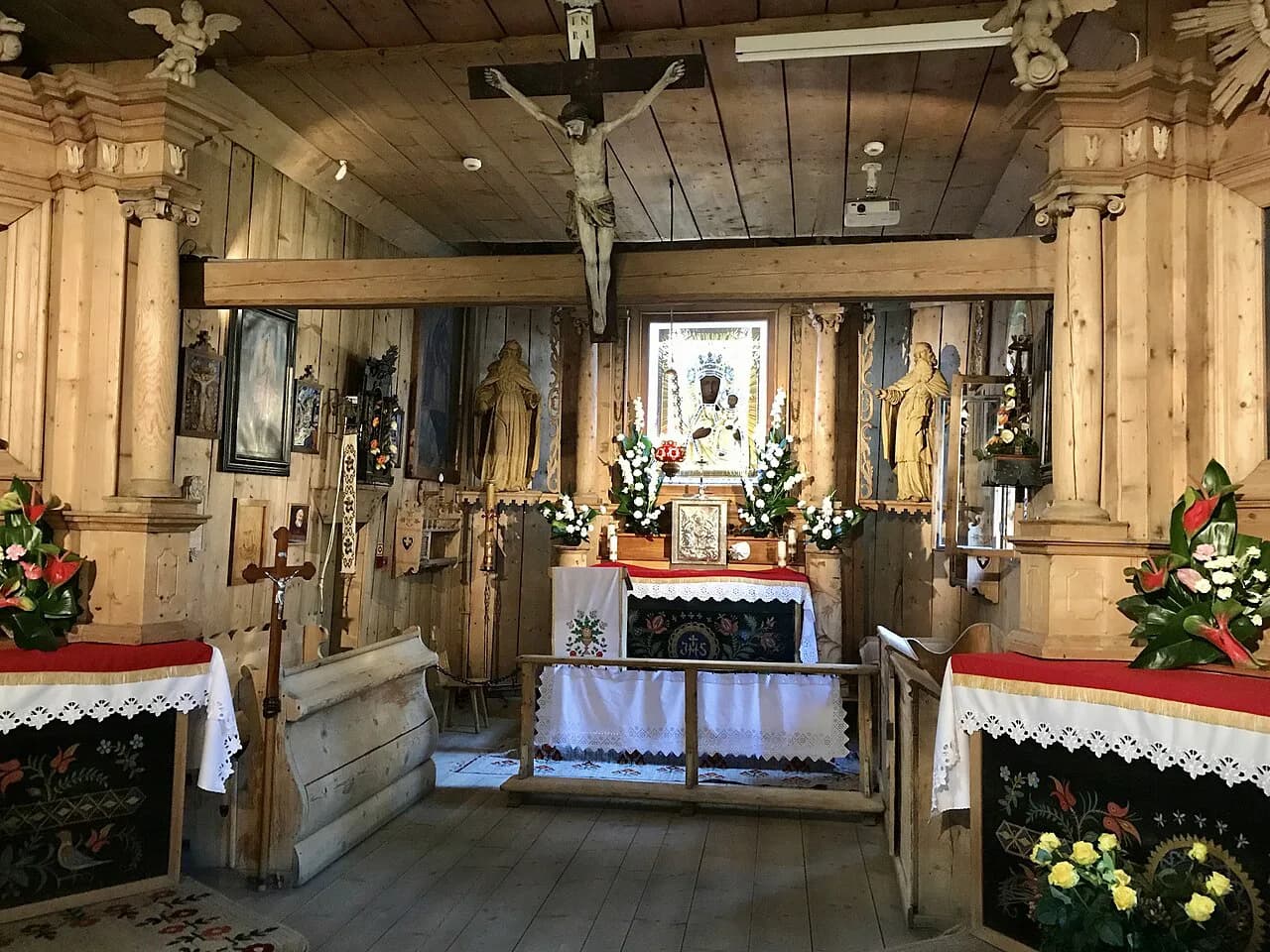
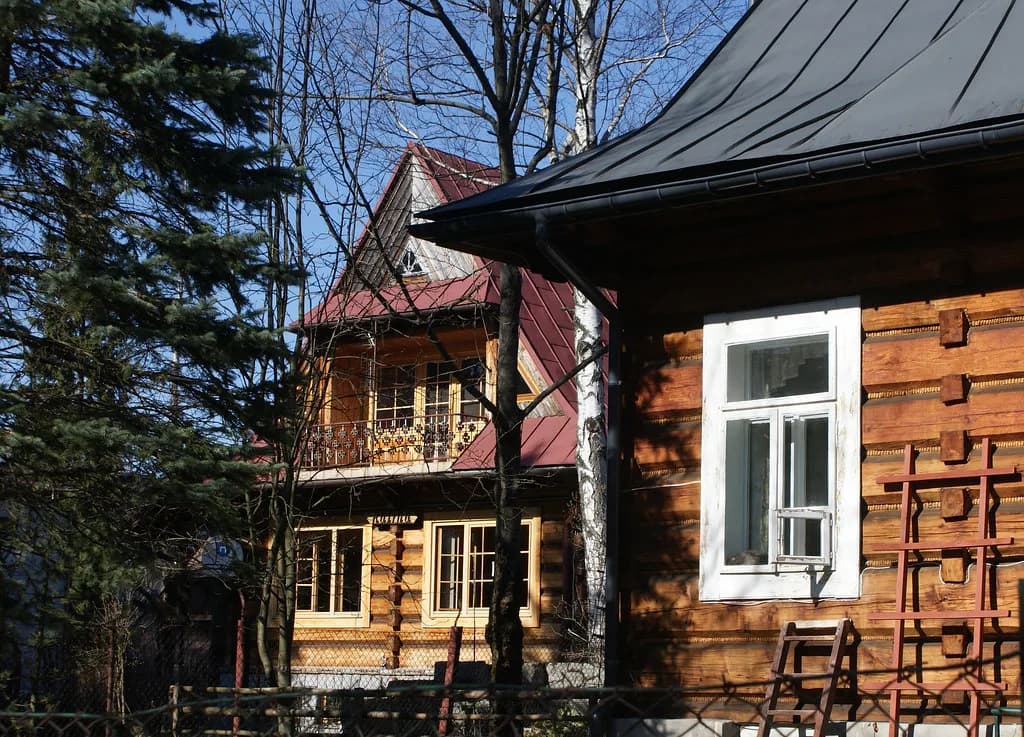
The park also holds traces of Podhale highlander culture, the pastoral tradition the park authority ties to the górale of the region. You will meet that heritage in Zakopane's wooden architecture and museums as much as on the trail, so pair a valley morning with a town afternoon rather than spending every hour above the treeline.
Rules on the trail: paths, noise, dogs, drones, fires and wildlife
The park sets out its rules plainly: stay on the marked trails, keep noise down, do not fly drones, light fires or smoke, and leave flowers, berries, rocks and everything else in place. Dogs are not allowed on the trails, and camping is prohibited. These are conditions of entry, not suggestions, and rangers enforce them.
Wildlife rules follow the same logic. If you meet a wild animal, move away quietly, and never feed animals. Treat a bear or chamois encounter as a possibility rather than a target, and give animals distance rather than a photograph.
Two practical habits help. Hike on the right so faster walkers can pass, and carry out everything you bring in, including litter. Organised children's groups, including school trips, must be led by authorised Tatra mountain guides, so families travelling with a school party should not assume they can self-guide.
Seasonal closures that decide which route you pick
From 1 April to 30 November, all trails close from dusk until dawn. In practice that means starting early and finishing well before dark in spring and autumn, when daylight shortens quickly. Outside those dates the park does not apply the same dusk-to-dawn rule, but winter conditions bring their own closures.
Mroźna Cave is closed from 31 October to 25 April, which rules out a cave visit on most winter and early-spring trips. Between 1 December and 15 May three trail sections are shut: W Grzybowcu Pass to Wyżnia Kondracka Pass, Tomanowa Valley to Chuda Przełączka Saddle, and the stretch from Pięciu Stawów Polskich Valley through Świstówka Roztocka to Morskie Oko. Check those names against your intended route before committing to a winter plan.
Summer and early autumn are the simplest window: trails open through the day and the cave is accessible. That also makes July and August the busiest weeks, so an early start buys you quiet on the path and a place on the bus. Late September often gives clear light and thinner crowds while the full trail network stays open.
Strążyska Valley and the Gąsienicowy area
Strążyska Valley is one of the classic valley walks out of Zakopane, listed among the town's outdoor attractions alongside Czarny Staw Gąsienicowy, Kasprowy Wierch and Nosal. It suits a half-day: a wooded approach, open ground above and a return the same way. Judge it by the daylight you have rather than a printed schedule. The park charges for entrance, so expect to pay on the way in.
Czarny Staw Gąsienicowy sits in the Gąsienicowy basin above the town, reached on foot rather than by road. Nosal is the nearer, lower summit of the same group, useful when cloud is sitting on the higher peaks and you still want a view. Both belong to the marked trail network, so the park's rules on staying on paths apply throughout.
For a gentler town-side walk that still shows you the wooden architecture, the streets around the centre work well before or after a valley. A Zakopane Walking Tour is a sensible way to cover that ground if you would rather not plan the route yourself.
Kasprowy Wierch by cable car
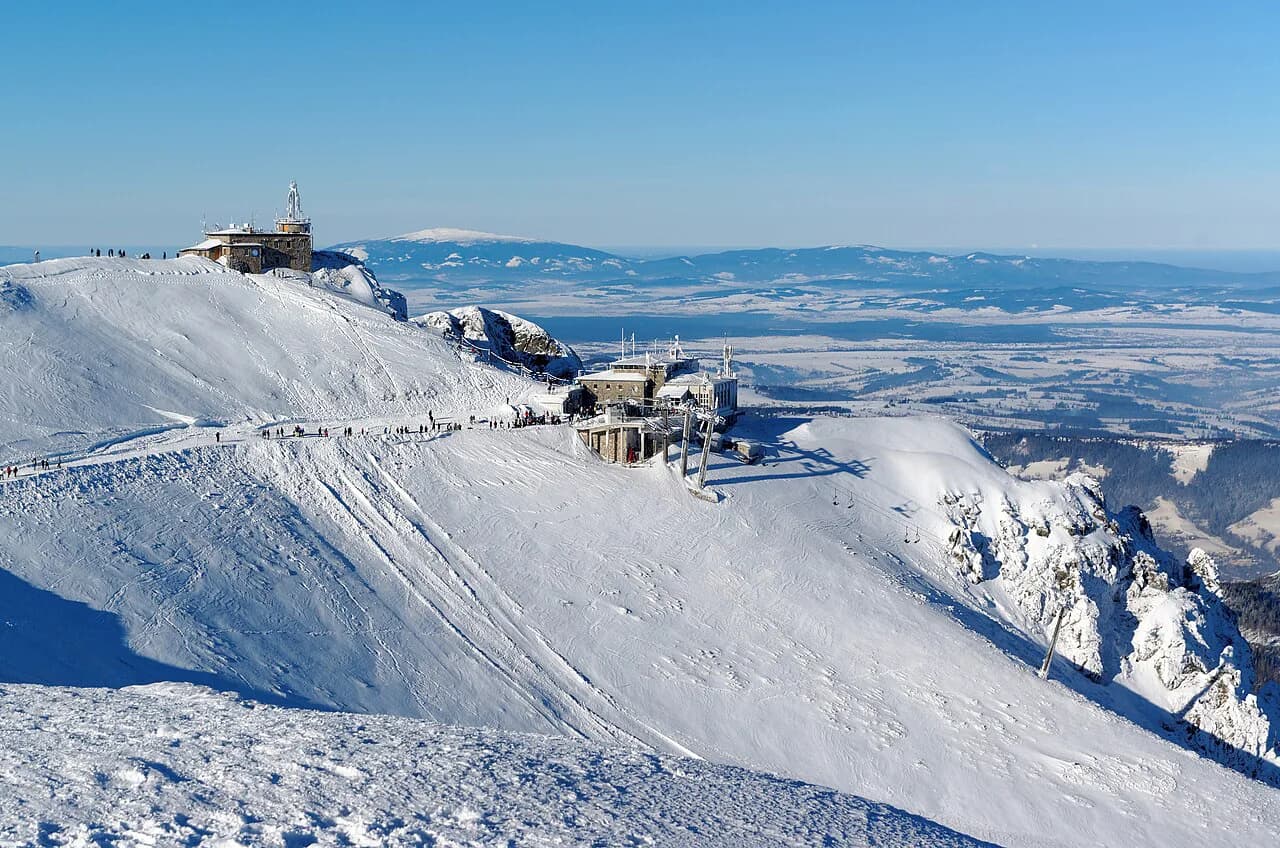
Kasprowy Wierch is the peak reached by cable car and appears among the town's outdoor attractions. It saves the climb and delivers you high on the ridge, which is why it draws queues on clear summer days. The park authority sells cable-car tickets on its own site, so confirm the current arrangements there before you rely on it.
Treat it as a weather-dependent choice. On a clear day the ridge gives you the range at once; in low cloud you pay for a view you cannot see. If the forecast is poor, swap it for a valley walk at lower altitude and keep the cable car for a better morning.
Riding up also means walking down or returning by car, so plan your exit before you buy. And remember that the park's trail rules apply at the top just as they do lower down: marked paths only, no drones, no feeding animals.
How many days the park needs
Give the park a half-day for a single valley such as Strążyska and a full day for a lake basin or ridge walk. On a two-day Zakopane stay, pick one long park day and keep the other for the town's wooden churches, museums and streets, otherwise you spend both days at altitude and see none of the place. A three-day trip allows two park days of different characters, for example a valley and the cable car.
If the park is your only reason for coming, two full days is enough to walk one valley and one higher route without rushing. Anything shorter and the weather becomes the whole plan, since one washed-out morning removes half your mountain time.
Food matters too: mountain days burn time as well as energy, so build a proper breakfast and an early dinner into the schedule. Zakopane food runs to hearty highland cooking, which suits a cold walk far better than a quick snack.
Tickets, information and getting to the trailhead
The park authority runs its own ticket pages for park entry, the cable car, Mroźna Cave and the nature education centres, and publishes transport and parking information for the main trailheads. Confirm your entry and transport arrangements there before you travel, since the park controls these itself rather than through third parties.
The park keeps an information service for visitor questions by email and phone, and publishes practical pages on weather, trails and mountain safety. Use the weather and trail pages together: a closed section listed on the trail page and a poor forecast on the weather page should both change your route.
For days when you want to stay in town, the free things to do in Zakopane list is where to look for low-cost alternatives when the mountain weather turns.
Where the park fits alongside the rest of Zakopane
Zakopane is more than a trailhead. The town's wooden architecture, its highland culture and the Tatra Museum give a rainy day somewhere to go, and the main street's shops fill an afternoon after a morning on the path.
For a market-and-street half-day, the Zakopane market and the town's pedestrian centre pair naturally with a short valley walk. Kraków is close enough to treat Zakopane as a mountain day from the city, though the park rewards an overnight stay far more than a rushed return trip.
Which park day should you book first?
Book Kasprowy Wierch for your clearest forecast day and put a valley such as Strążyska on the other. That way a change in the weather costs you a walk rather than the whole point of the trip, and you still see the town on the margins of both days.
Then check the park's own closure calendar against your dates and confirm entry and cable-car arrangements on its ticket pages before you travel. Those two steps settle the plan faster than any amount of reading around the subject.
Explore more Zakopane guides
Frequently Asked Questions
Are there bears in Zakopane?
Bears live in the Tatra Mountains, and the park authority lists them among the animals found there. It asks visitors who meet a wild animal to move away quietly and never to feed animals. Encounters are not something you can plan for, so walk on marked trails, keep food packed away and give any animal room.
Is Zakopane town worth visiting if I mainly want the park?
Yes, for at least part of a day. The town's wooden architecture, highland culture and museums give you somewhere to go when cloud sits on the peaks, and the centre is walkable. Most visitors do better with one mountain day and one town day than with two identical trail days.
Is 2 days enough in Zakopane?
Two days gives you one full park day and one town day, which is a sensible minimum. If the mountains are the main reason for the trip, add a third day so you can walk a valley and a higher route, with a spare morning in case the weather turns.
Do I need to book park entry in advance?
The park authority runs its own ticketing pages for park entry, the cable car, Mroźna Cave and the nature education centres, so check there what applies to your dates. It also publishes transport and parking information for the main trailheads, which is worth reading before you set out.
Sources
Notes for your next Polish city break
Optional updates to our Poland guides.
You might also like
Continue reading
More guides you'll find useful