Zakopane Walking Tour: Route, Stops and How Long It Takes
Plan a self-guided Zakopane walking tour with stops in order, walking times between them and what you see at each, plus when a paid guide is worth it.
On this page
Allow three to four hours for a self-guided Zakopane walking tour in the town itself, ending with a climb to a higher viewpoint for the Tatra skyline. That is this guide's suggested timing, not an official figure, and it leaves room for a coffee stop on the way. The route below runs in walking order through the centre and keeps the mountains for separate days.
Zakopane works on foot because the town's tourist life is strung along Krupówki, with side streets leading off it to churches, wooden buildings and small museums. A paid walking tour is a short booking on top of that, not a replacement for exploring the centre yourself. Use this route as your day's spine, then add mountain trips on other days.
What a Zakopane walking tour covers and how long to allow
A town walk in Zakopane is about three things: the Krupówki spine, the wooden architecture and churches that survive off it, and the short climbs that lift you above the rooftops for the Tatra skyline. Three to four hours covers that comfortably at an easy pace, including one proper stop. If you want to add a museum visit, budget closer to half a day.
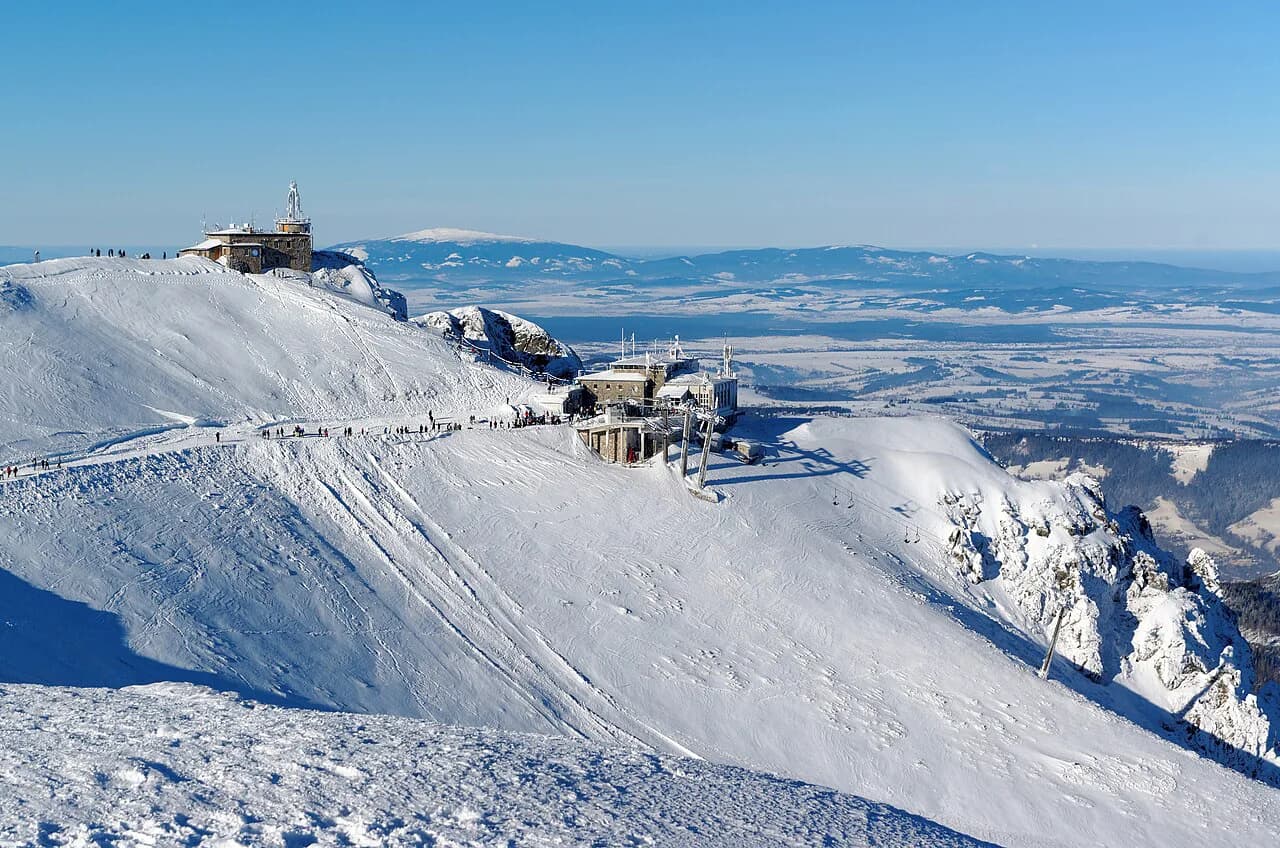
Keep the big mountain days out of this walk. Kasprowy Wierch, Morskie Oko and the Kościeliska Valley are separate outings with their own transport and, in the case of Kasprowy Wierch, a cable car to a peak of 1,987 metres. Day operators in Zakopane run excursions to all three, including a Kasprowy Wierch tour and a Morskie Oko lake tour with transfer included, which tells you how far beyond the town they sit.
If you only have one free morning in town, do the Krupówki-to-viewpoint version and save the side streets for a second pass. For the full menu of what sits around this walk, from valleys to viewpoints, the city guide to things to do in Zakopane fills in the gaps between stops.
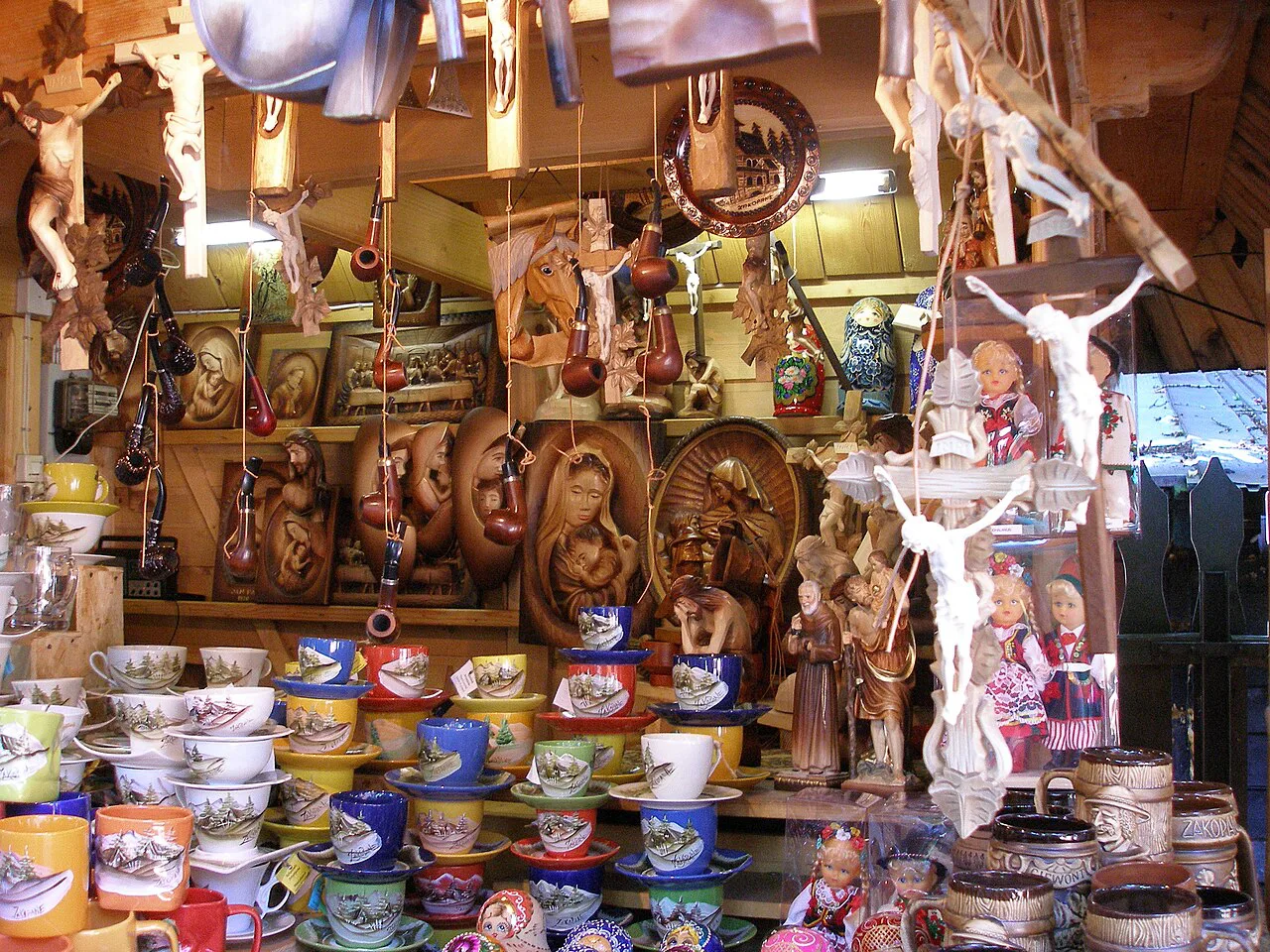
Where to start and how the town is laid out on foot
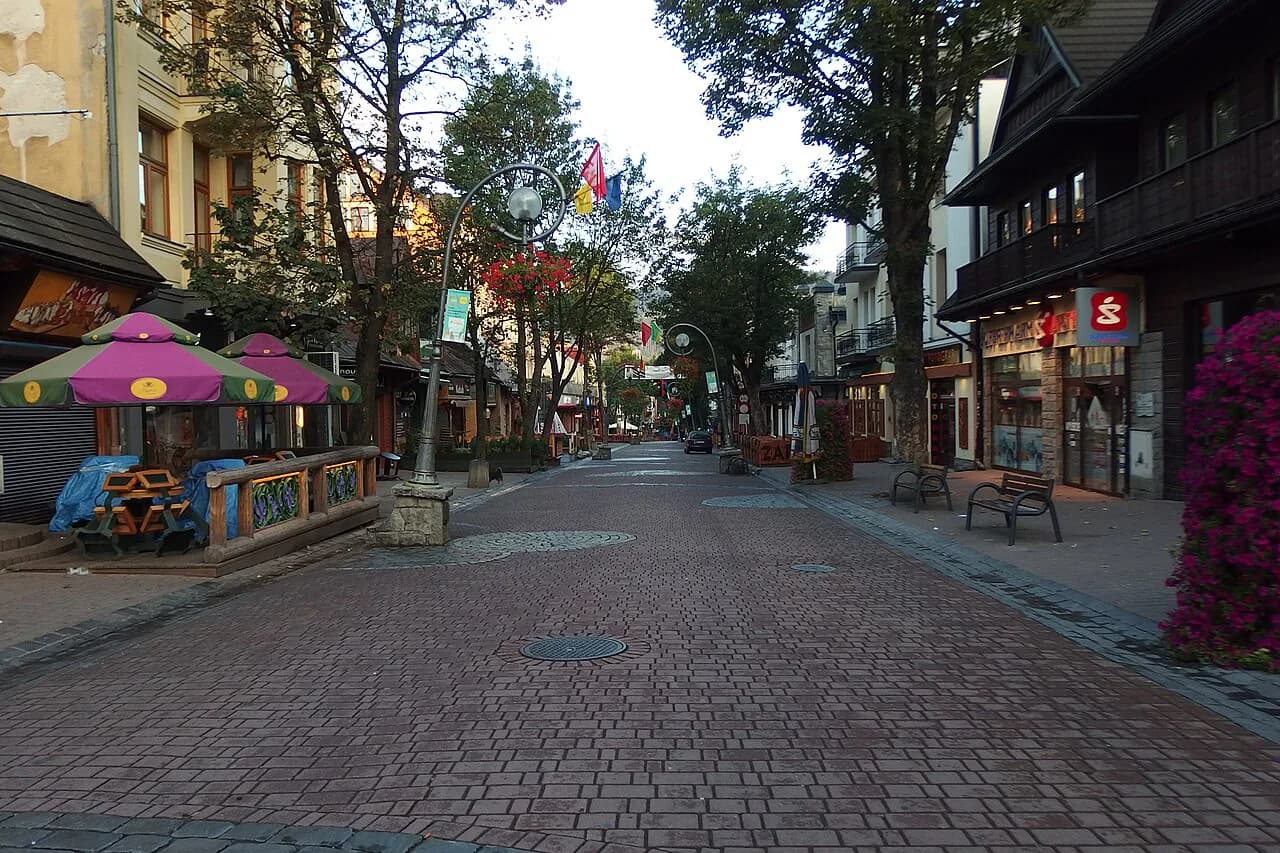
Start at the top end of Krupówki and walk downhill towards the lower town, so the return leg climbs gently and your final viewpoint comes at the end rather than the start. Krupówki is the pedestrian promenade that functions as Zakopane's main street and its social centre, lined with shops and eateries. Almost every town walk naturally begins here.
The layout is simple to hold in your head: Krupówki runs roughly north to south, side streets branch off both sides, and the land rises on the western side towards the Gubałówka ridge. Anything with a number in the street address will be found off the promenade itself.
Use the promenade as your return line: whichever side street you take down, walk back up Krupówki and pick the next turning. That keeps you from doubling back on the same stretch and gives the walk a natural rhythm.
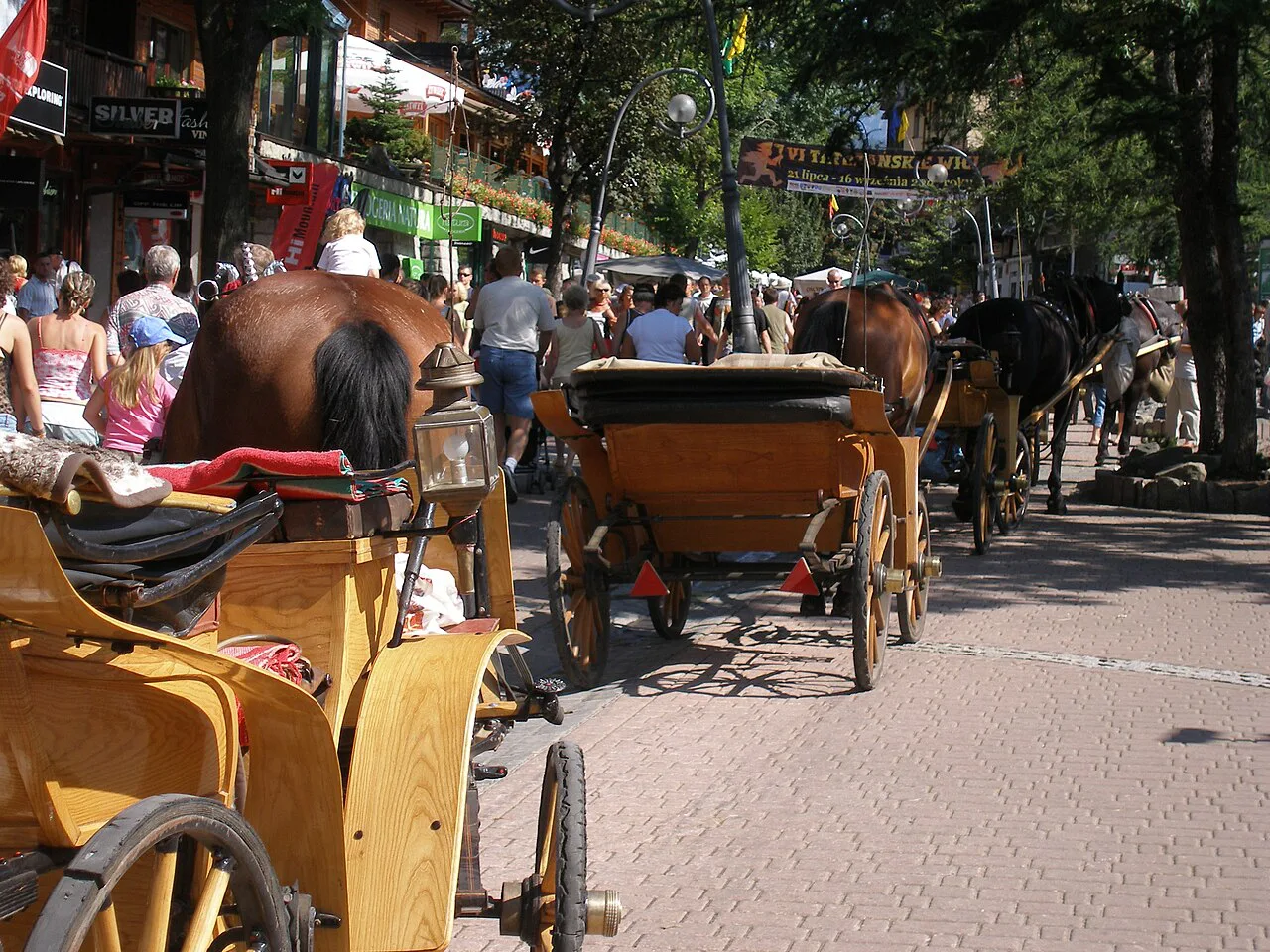
Stop-by-stop route in order
Stop one: the upper stretch of Krupówki. This is the orientation stop, where you get your bearings and pick which side streets to take later. Walk the length of the promenade once without stopping and note what catches your eye.
Stop two: the side streets just off Krupówki, where the wooden villas and smaller churches sit away from the crowds. This is the part most visitors skip, and it is where the town's character actually lives. Take one side street in each direction, then return to the spine.
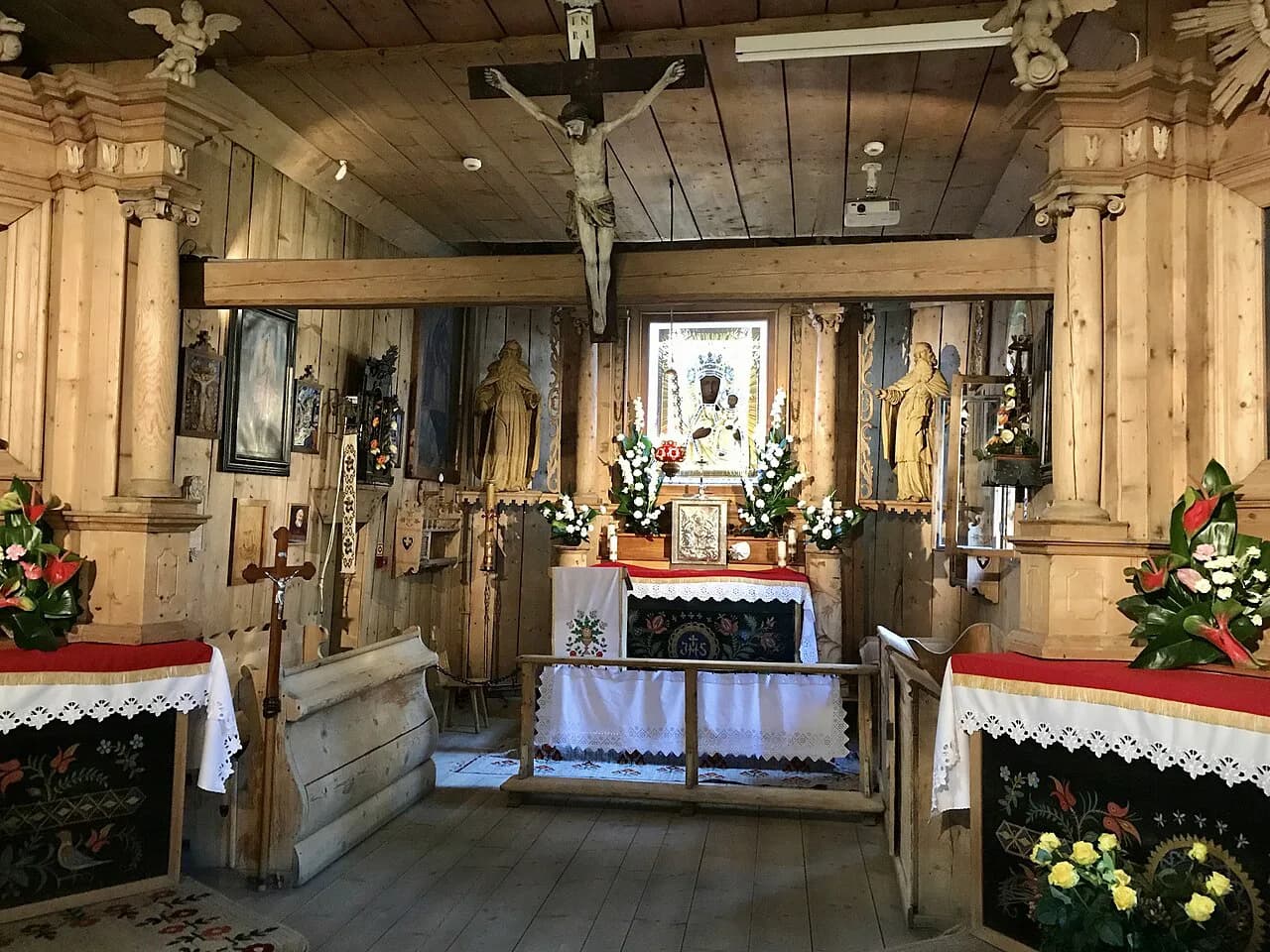
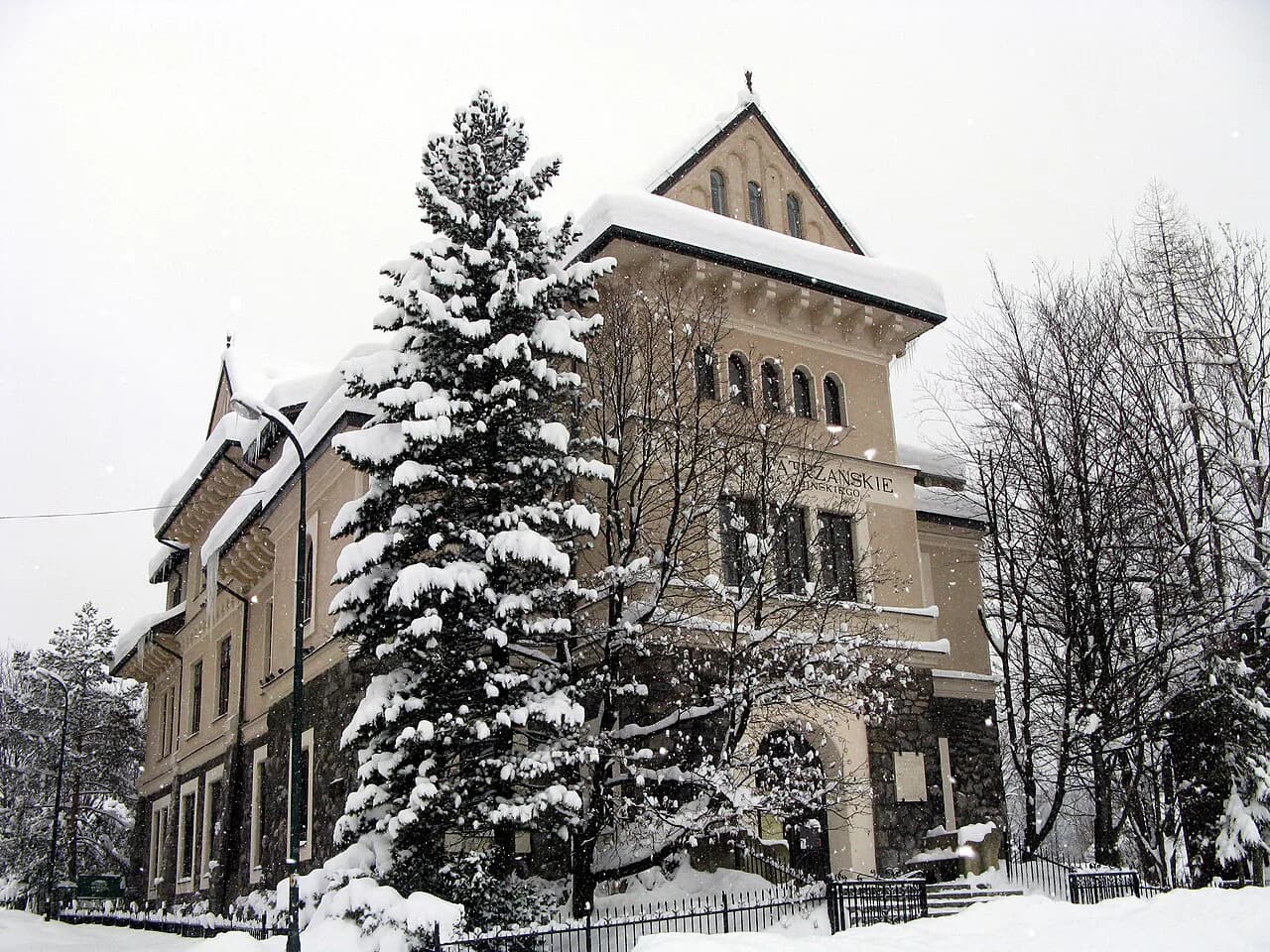
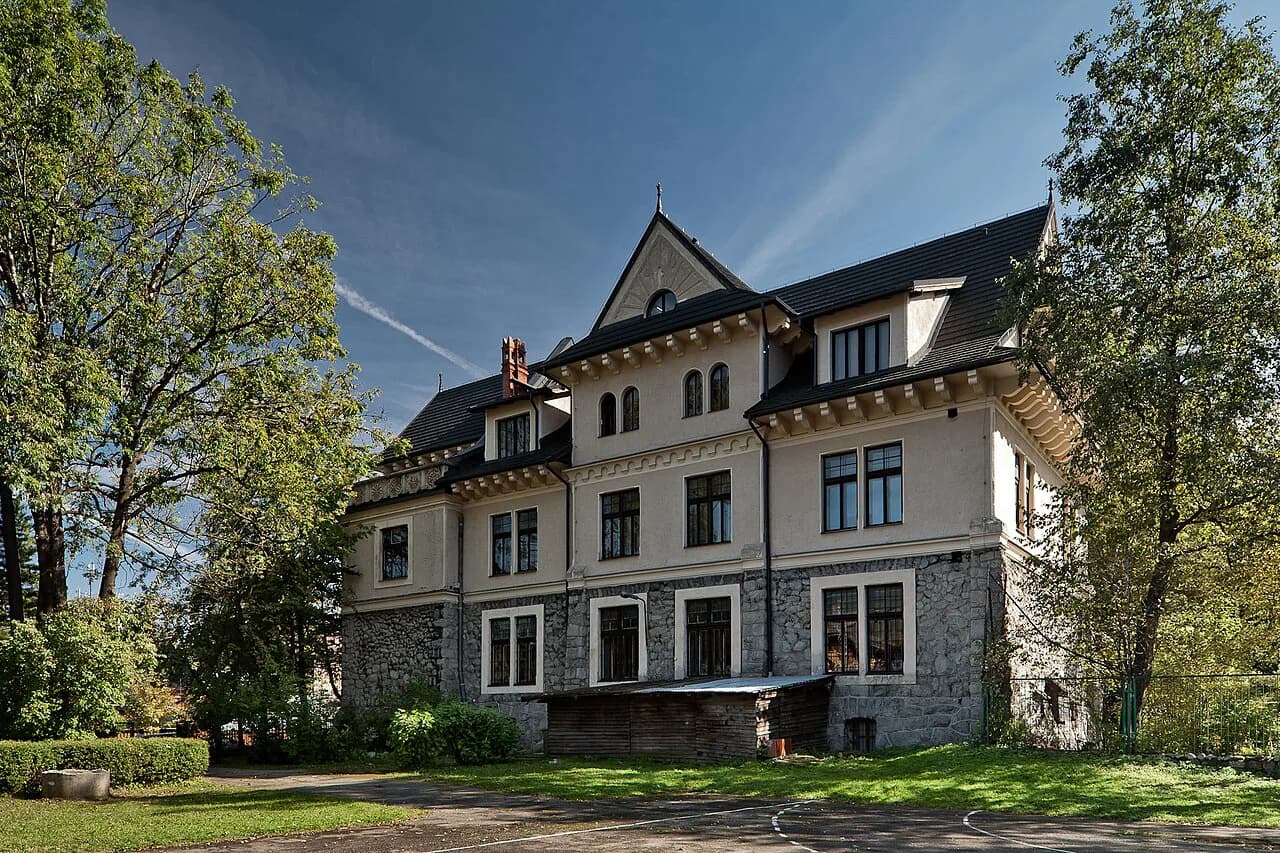
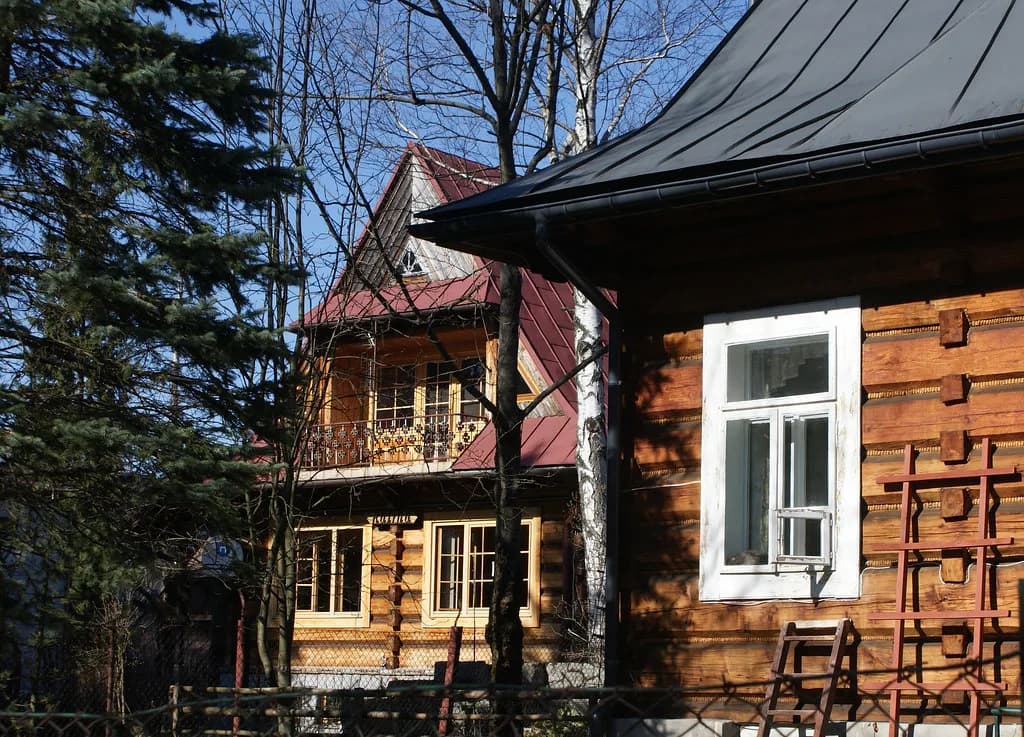
Stop three: the parish church and the old wooden churchyard area in the town centre, a short walk from the promenade. Zakopane's wooden architecture is the reason the town looks like nowhere else in Poland, and the churches are the easiest places to see it close up.
Stop four: the town's market, where highland produce, cheese and crafts are sold. It is a short diversion off the main promenade and a good place to buy something small. For a fuller picture of what is sold where, the guide to Zakopane Markets covers the stalls.
Stop five: a traditional Górale feast or a highland meal to close the walking loop. Zakopane food leans on highland cooking, and a sit-down meal is a sensible way to end a three-hour walk rather than squeezing it in halfway round.
Walk up to the higher viewpoints for the Tatra skyline
The last stage of the walk is the climb. Gubałówka is the ridge above town and the easiest higher viewpoint to reach on foot from the centre, giving you the Tatra skyline across the rooftops. A cable car also runs up to the ridge, which is the sensible option if your legs are done by the end of the walk.
Allow the final hour for the climb and the view, and treat the descent as the end of the walking tour. On a clear day the panorama is the payoff for the whole route, so do not rush it to fit in another stop.
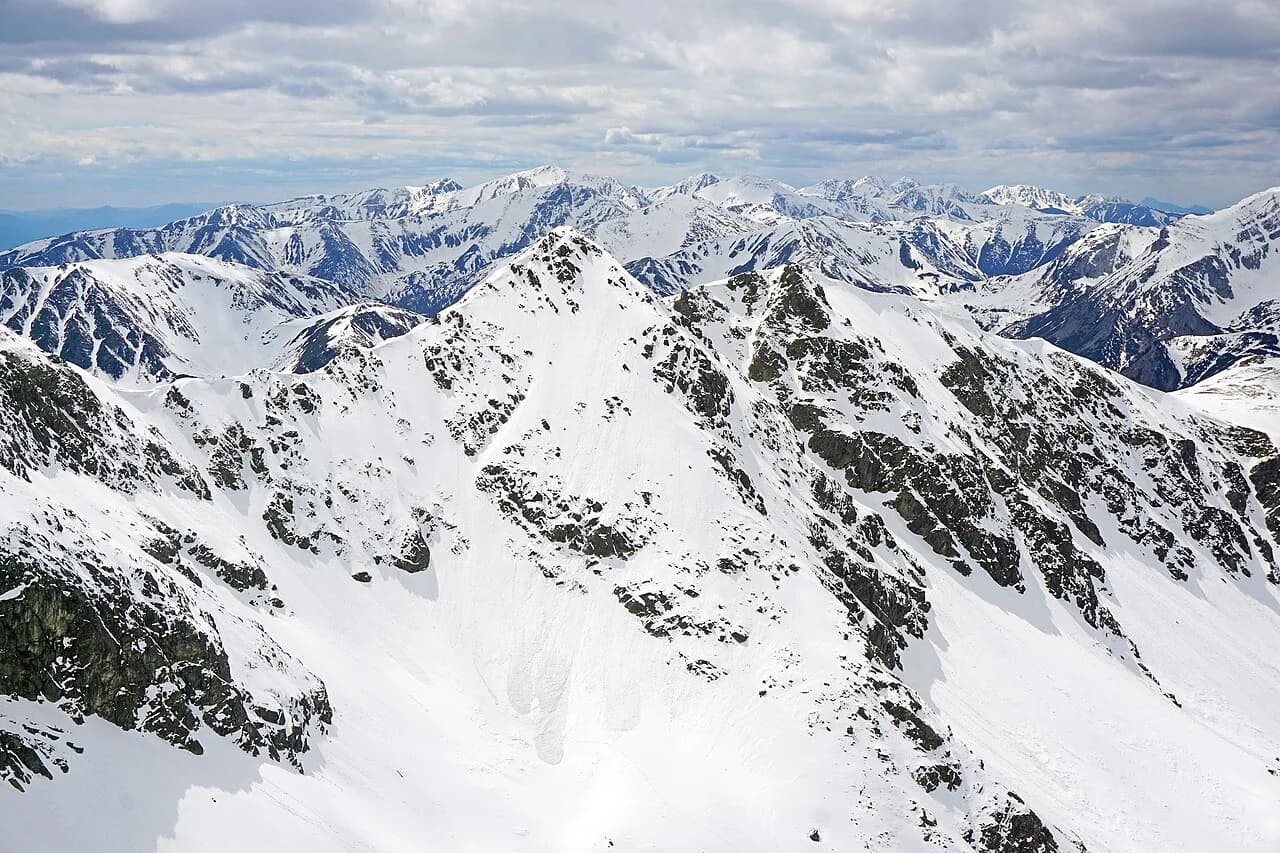
Mountain trips belong on other days: a guided two-day hike from Zakopane covers the Kościeliska Valley and peaks above 1,000 metres, which is a full outing rather than an afternoon add-on. Keep that separate from the town walk and you will enjoy both more.
What a guided walking tour adds and when it is worth it
A guided walk buys you context: the history behind the wooden architecture, the stories attached to the streets, and someone else doing the navigation. A company trading as Walkative! Zakopane offers a free walking tour of the town, run on the pay-what-you-wish model common to free city walks, and a visitor review describes it as a good way to learn the town's history from locals.
Book the free walk on your first morning if you want orientation fast, then repeat the route yourself at your own pace with what you have learned. The trade-off is less freedom to linger at the viewpoint; the gain is not having to read plaques in the cold.
If you want a private guide, mountain leaders in the region also offer paid excursions, which visitors have booked alongside the free town walk. These are aimed at days out in the hills rather than a stroll down Krupówki, so match the booking to what you actually want.
Walking times between stops and how much ground you cover
Set your own timings: roughly 45 minutes on the upper Krupówki stretch, 60 minutes for the side streets and churches, 30 minutes at the market and 30 minutes around the churchyard, then 60 minutes for the climb and the viewpoint. That adds up to the three to four hours suggested above. Add a museum visit and you are into a half day.
The distances are short because everything sits within the town centre and the ridge immediately above it. You are not covering ground so much as covering detail: expect to stop often rather than stride. Comfortable shoes matter more than fitness.
If the climb to the ridge does not appeal, cut it and use the saved hour for a longer market stop or a second side street. The walk still works as a town-centre loop, and you can see the skyline from street level at several points anyway.
What to wear and when the walk is most comfortable
Zakopane sits at the foot of the Tatra Mountains, so pack for a changeable day: a light waterproof layer and shoes with grip are sensible whatever the season. The town centre is paved and easy, but the climb to the ridge is steeper and can be slippery after rain.
Late spring through early autumn is the most comfortable window for a walking tour, when the trails and town are both open. The operator offering guided mountain trips from Zakopane runs its two-day hike from May to August, which gives you a sense of when the season is fully under way.
Summer weekends are the busiest and Krupówki gets crowded, so start early if you want the promenade to yourself. A midweek morning is the easiest version of this walk.
For green space along the way, the town's parks make a good breather between the promenade and the ridge; the guide to Zakopane Parks and Green Spaces lists where to sit down.
Where to break the walk for coffee or a meal
Break at two points: a coffee on Krupówki around the halfway mark, and a full meal at the end. The promenade is lined with cafés and eateries, so you do not need to plan the exact spot in advance. Pick one with a view of the street and watch the town go past.
For the closing meal, choose highland cooking and make it the reward for the climb rather than something to rush. If you are travelling on a tight budget, the guide to free things to do in Zakopane will help you build a cheap town day around the walk.
Is the guided walk worth it, or should you go alone?
Go alone if you want the flexibility: the self-guided route above is easy to follow, and three to four hours covers the town properly. Book the free Walkative! Zakopane tour instead if you want the history explained and orientation on day one, then repeat your favourite stretch at your own pace.
Either way, keep the mountains for another day. The town walk and a Tatra day out are different trips, and trying to combine them shortchanges both. Confirm the current meeting point and any charges with the operator when you book.
Explore more Zakopane guides
Frequently Asked Questions
How long does a Zakopane walking tour take?
Plan on three to four hours at an easy pace for the town walk, including the climb to the viewpoint above the centre. Add an hour or more if you want a museum visit or a long lunch.
Do you need a guide to walk around Zakopane?
No. The centre is compact and easy to follow on foot, and the route in this guide runs in walking order. A guide adds history and navigation, which is why a free town tour is a good first-morning option rather than a necessity.
When is the best time of year for a walking tour of Zakopane?
Late spring to early autumn is the most comfortable window, when the town and mountain trails are both in season. Start early in summer to avoid the daytime crowds on Krupówki.
Sources
Notes for your next Polish city break
Optional updates to our Poland guides.
You might also like
Continue reading
More guides you'll find useful