Zakopane Markets: Targowica, Krupówki Stalls and What's Worth Buying
A practical guide to the market under Gubałówka and the stalls along Krupówki, covering what is handmade, what is imported and how to tell them apart.
On this page
Zakopane's main market is Targowica, the Targowisko pod Gubałówką, wedged between the foot of Gubałówka hill and the start of the Krupówki promenade. It is the place to buy wool, leather, woodware and smoked cheese in one short walk, with the funicular station and a historic church at its edge. This guide covers what Targowica sells, how to tell highland handicraft from imported stock, and how the Krupówki street stalls differ.
Zakopane is worth visiting for the Tatras, the wooden architecture and the market streets, though the stalls are a browsing stop rather than a full day. Plan the market as a morning errand inside a wider list of things to do in Zakopane.
Where Targowica sits under Gubałówka
Targowica occupies the strip between the base of Gubałówka hill and the beginning of the Krupówki promenade, so you pass it on a Zakopane walking tour from the centre towards the funicular.
Two landmarks frame the stalls: the lower station of the cable car up Gubałówka and the historic church with its cemetery at Nowotarska 4. Both are worth a look before or after you shop, and together they make the market a natural half-hour stop rather than a detour.
What Targowica actually sells
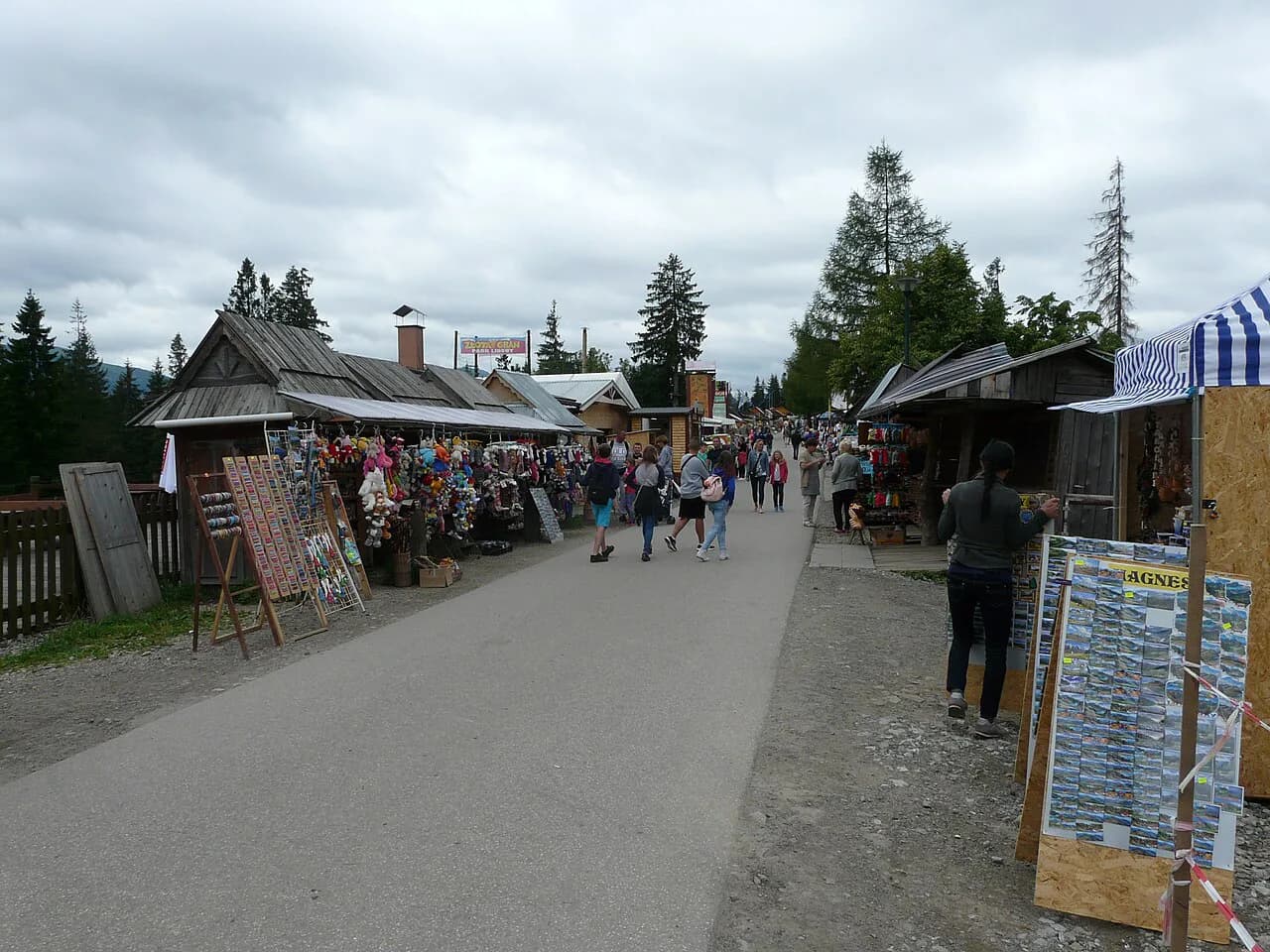
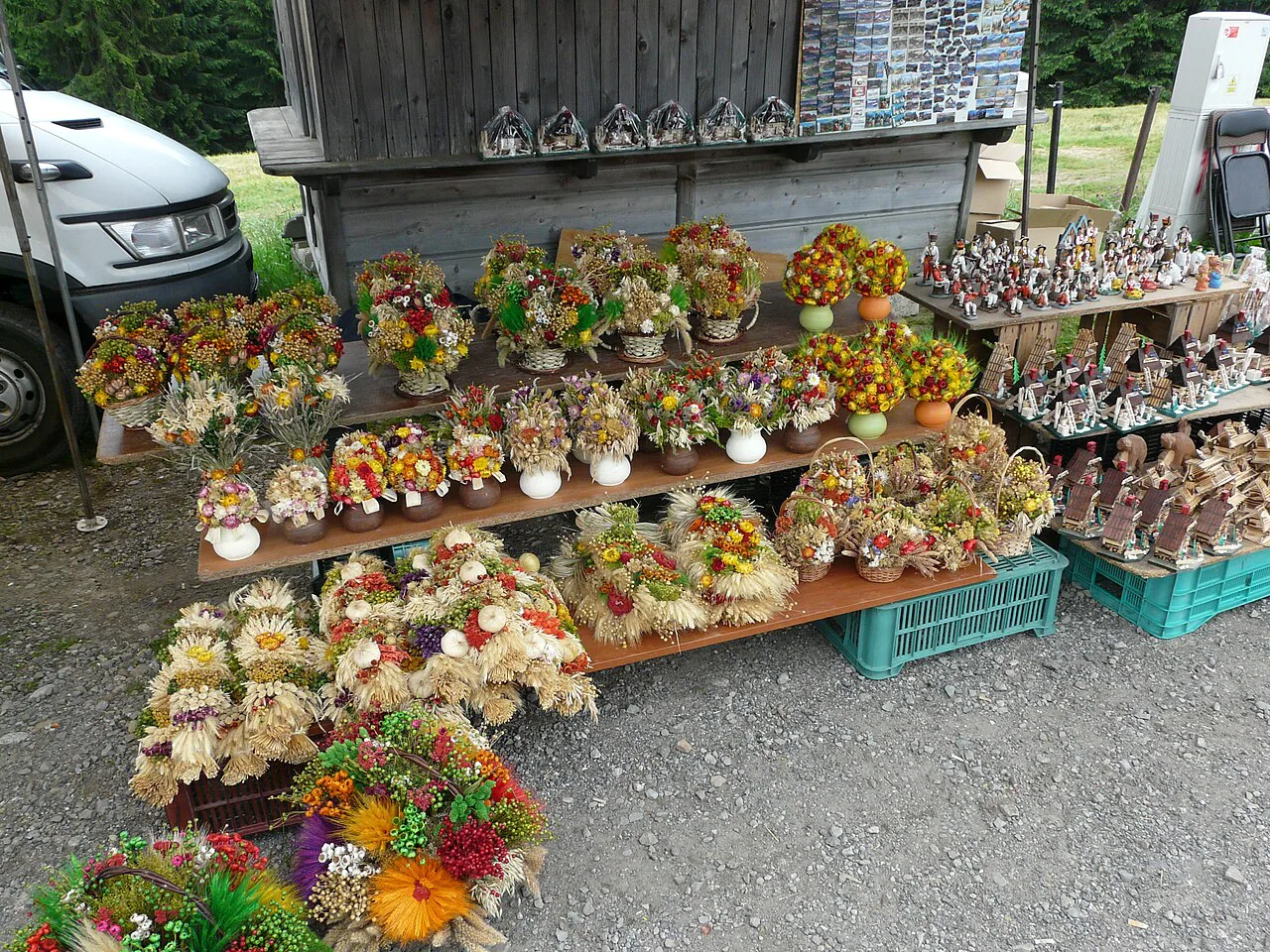
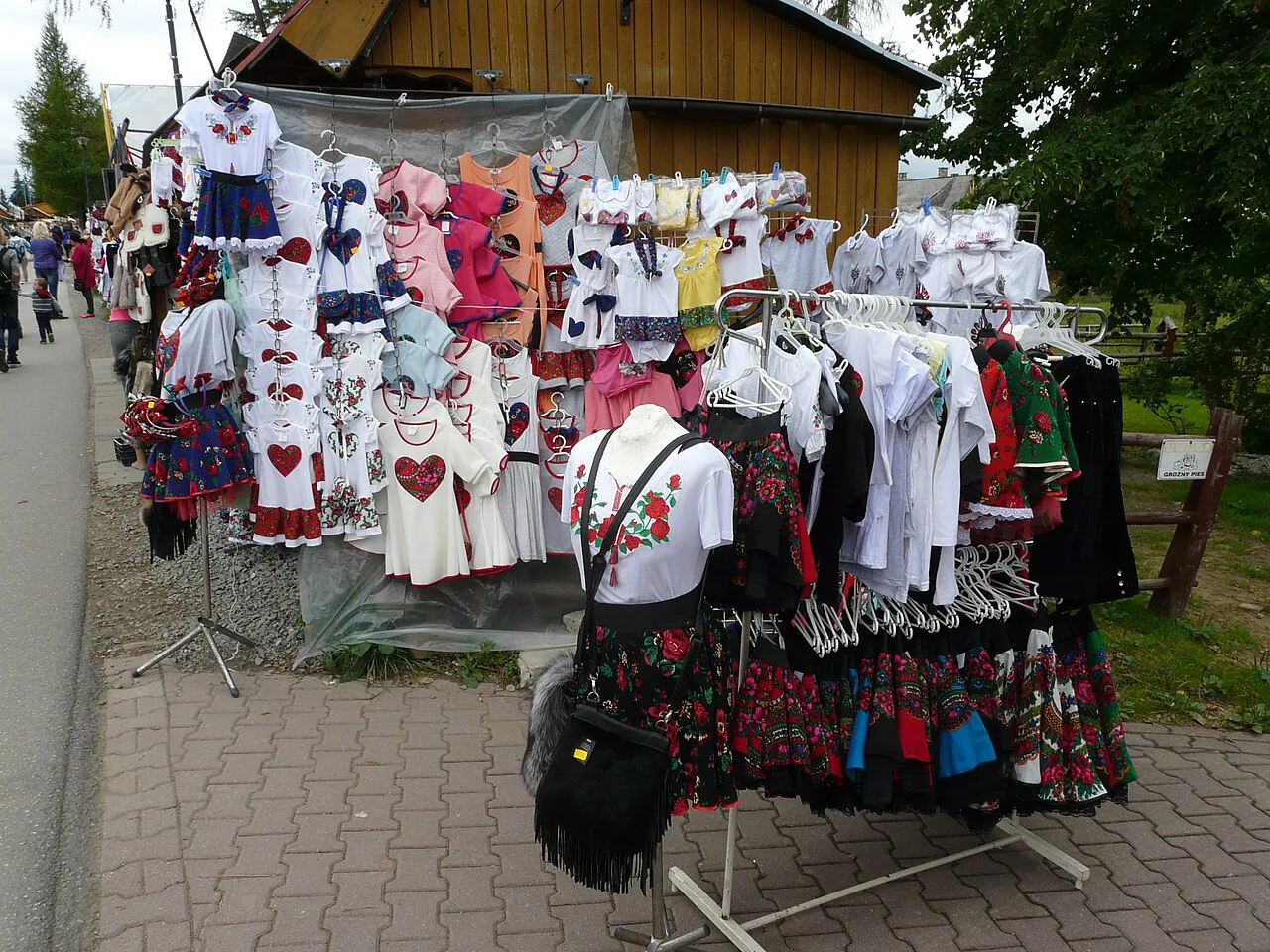
The stalls run through woodware, leatherware, wool clothing, leather jackets and fur coats, shoes and clothing, alongside fruit and vegetables. Quality varies from stall to stall, so handle the goods and compare before committing.
One whole alley is given over to oscypek, the smoked sheep's cheese sold in different shapes and sizes. Buy from a vendor whose stock looks freshly smoked and ask for a taste before you pay.
Handmade highland goods versus imported souvenirs
Much of the market is genuine Podhale work, but a lot of Chinese-made souvenirs have appeared in recent years. They are usually easy to separate from highlander handicrafts once you look at stitching, carving and finishing.
For a fair comparison of what the town's shops and stalls offer, our guide to shopping in Zakopane sorts the crafts from the mass-produced stock. Judge wool by the feel and the seams rather than the label, and treat any 'handmade' sign as a prompt to inspect the item.
Furry slippers, wool socks and gloves
The locally handmade furry slippers are a warm, light and packable souvenir. The priciest pairs were priced at under 15 euros when the market was last described, so treat that as a rough ceiling and check the tag in złoty before buying.
Handmade wool socks and furry gloves sit alongside them and suit anyone whose feet run cold. Check the sizing by trying them on rather than trusting the stallholder's estimate.
Oscypek and the cheese stalls
Oscypek is sold across the market in assorted shapes and sizes, from small decorative forms to larger smoked pieces. Because it is a smoked sheep's cheese, it travels well in hand luggage if you keep it wrapped.
Ask for a sample where one is offered and buy only what you will eat or carry. It is a strong, salty cheese, so a small piece goes a long way, and more of it turns up in our Zakopane food guide.
Krupówki street stalls
Krupówki is Zakopane's busiest street, lined with stalls selling regional crafts, woollen clothing and souvenirs alongside shops for fashion, hiking and skiing gear, plus a post office. Expect tourist prices and crowds, and browse the side alleys for calmer vendors selling similar goods.
It works best as a browsing stroll rather than a single market with set trading days, so fit it around the rest of your walk through town.
The church and cemetery next door
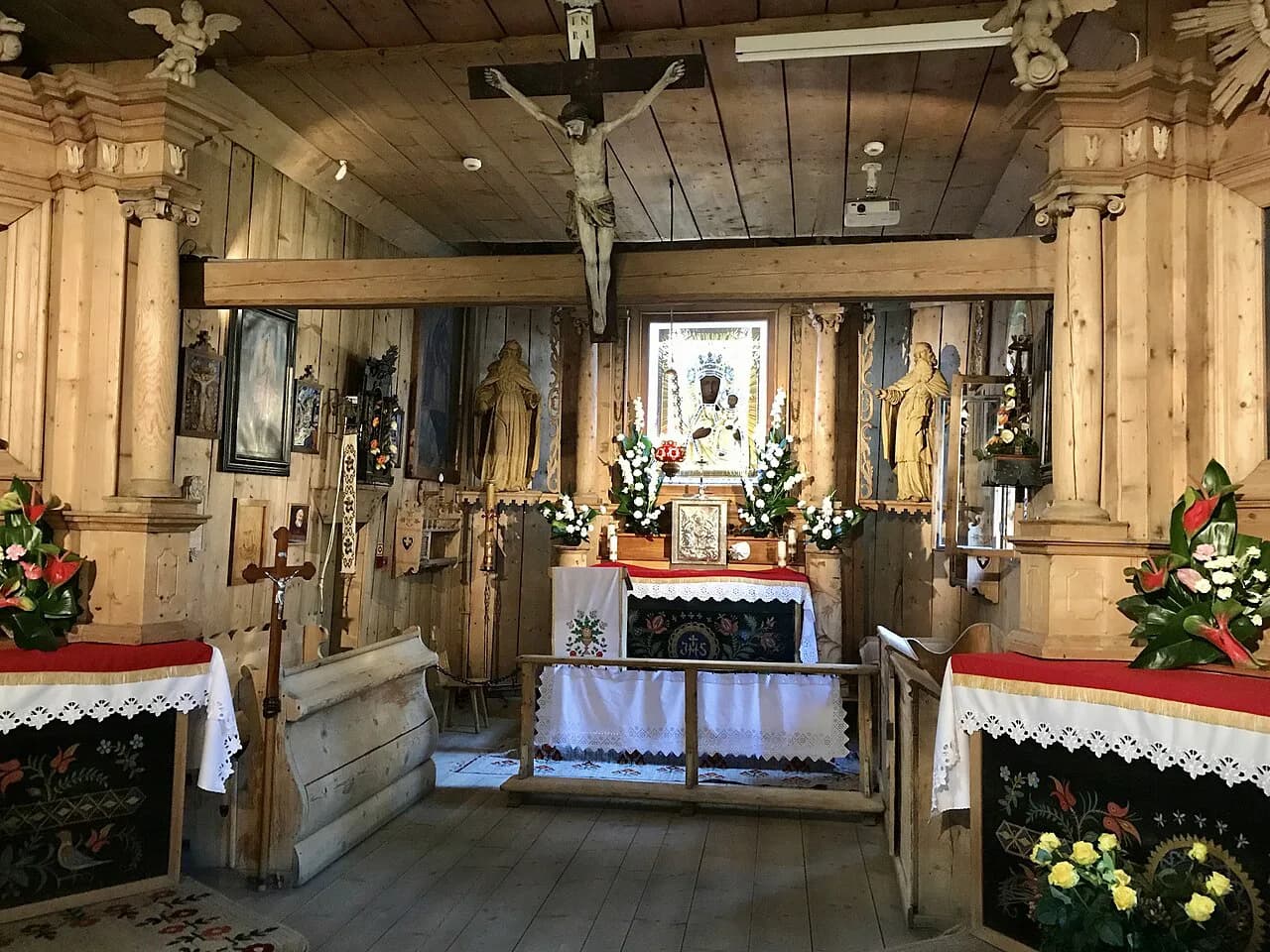
The historic church at Nowotarska 4 dates from 1846 and stands right beside the market. The Pęksowy Brzyczek cemetery is next to it and is at its most striking on All Saints' Day, when the graves are lit with candles.
Both add a quieter note to a morning of browsing. Treat the cemetery with the respect due to an active burial ground: keep voices low and avoid photographing mourners.
Timing a visit
The market is busiest once tour groups arrive, so an early-morning visit gives you space to compare goods and talk to stallholders. The stalls are described as a permanent strip rather than a dated event, and no trading hours are published, so check locally on the day if you are making a special trip.
Early browsing also leaves the rest of the day free for the funicular, the Tatras or the museums. Our guide to the best views in Zakopane covers where to head once you have finished shopping.
Is the market worth your morning?
Yes, if you want wool, leather, woodware or oscypek in one compact stop and do not mind sorting the handmade from the imported. Go early, inspect the stitching and carving, and treat the furry slippers as the low-cost buy that travels well.
Pair it with the funicular and the 1846 church for a short, satisfying walk, and look elsewhere in town for everyday food shopping.
Explore more Zakopane guides
Frequently Asked Questions
What can I buy at the Zakopane market?
Targowica sells wool clothing, leather jackets, fur coats, woodware, leatherware, shoes, fruit and vegetables, plus oscypek from a dedicated alley of cheese sellers. Handmade furry slippers, wool socks and gloves are among the most useful buys.
How do I tell handmade goods from imported souvenirs?
Look at stitching, carving and finishing, and handle the item before buying. Chinese-made souvenirs have become common at the market, but they usually stand out from highlander handicrafts once you compare the details.
Are the stalls open every day?
The market sits between Krupówki and the Gubałówka funicular and is described as a permanent strip of stalls rather than a dated event. Check locally for the day you plan to visit before making a special trip.
Sources
Notes for your next Polish city break
Optional updates to our Poland guides.
You might also like
Continue reading
More guides you'll find useful