Zakopane Food: What to Eat and Where to Try It
Plan your Zakopane food with a guide to highland specialities, mountain huts and market stalls, and how Podhale dishes fit into a one to four day break.
On this page
Zakopane food is mountain cooking from the Podhale region, built on smoked sheep's cheese, sauerkraut, potatoes and long-simmered soups. Give it one proper sit-down meal in town, one trail lunch at a mountain hut, and you have covered the essentials inside a two or three day break. This guide covers the vocabulary you need to order, where these dishes sit between town and trails, and how to plan eating around days on Krupówki and days on the slopes.
What Zakopane food is known for: Podhale cooking and its ingredients
Podhale is the highland region around Zakopane, and its kitchen grew out of what sheep farming and a short growing season could supply. That means sheep's milk cheese, cabbage preserved as sauerkraut, potatoes, barley and smoked meats, with portions built for cold weather and long days outdoors. The cooking is rustic rather than refined, so come hungry and expect dense, salty, warming plates instead of delicate ones.
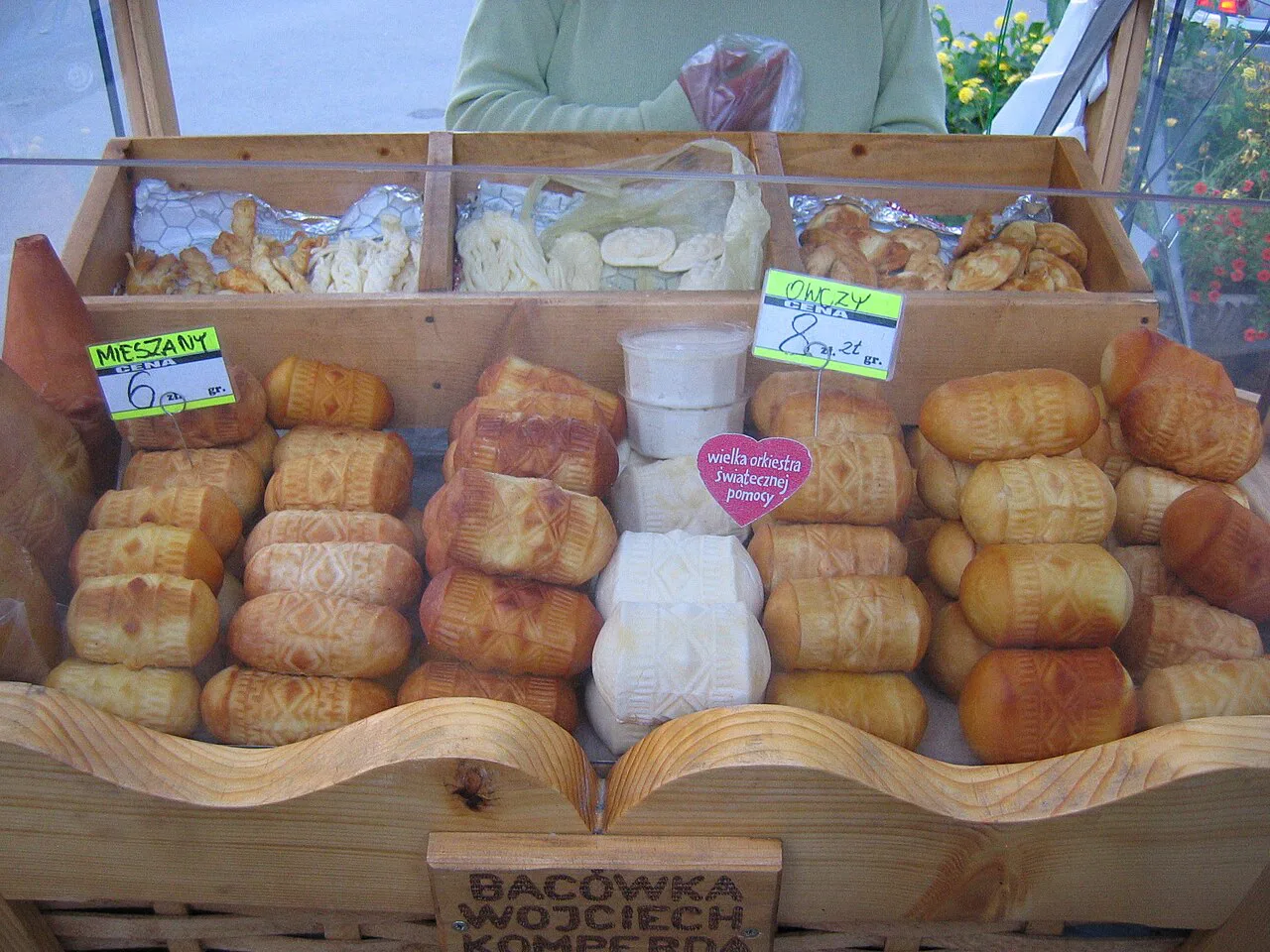
Two ingredients define the experience. Oscypek is a smoked cheese made from sheep's milk, usually pressed into a spindle shape and often grilled until the outside blisters; kwaśnica is a sour soup built on sauerkraut and often made with smoked meat. Once you know those two words, most highland menus become readable, and the rest of this guide hangs off them.
The dishes to try first: oscypek, kwaśnica, moskole and other mountain staples
Start with oscypek, ideally grilled and served with cranberry or lingonberry preserve so the salt and smoke meet something sharp. Kwaśnica comes next: a clear, aggressively sour cabbage soup that is more refreshing than its reputation suggests, and the dish most likely to divide a table. Moskole are flat potato-and-flour cakes cooked on a griddle, a plain, filling staple that works as a side or a cheap lunch in its own right.
Beyond those three, look for hearty dumplings, potato dishes and grilled meats, and finish with something sweet. Portions in highland kitchens tend to be large, so a shared starter plus one main each is usually enough for two people. If you only have one town meal, order kwaśnica and a grilled oscypek and treat the rest of the menu as optional.
Where to eat traditional highland food in town, from milk bars to regional kitchens
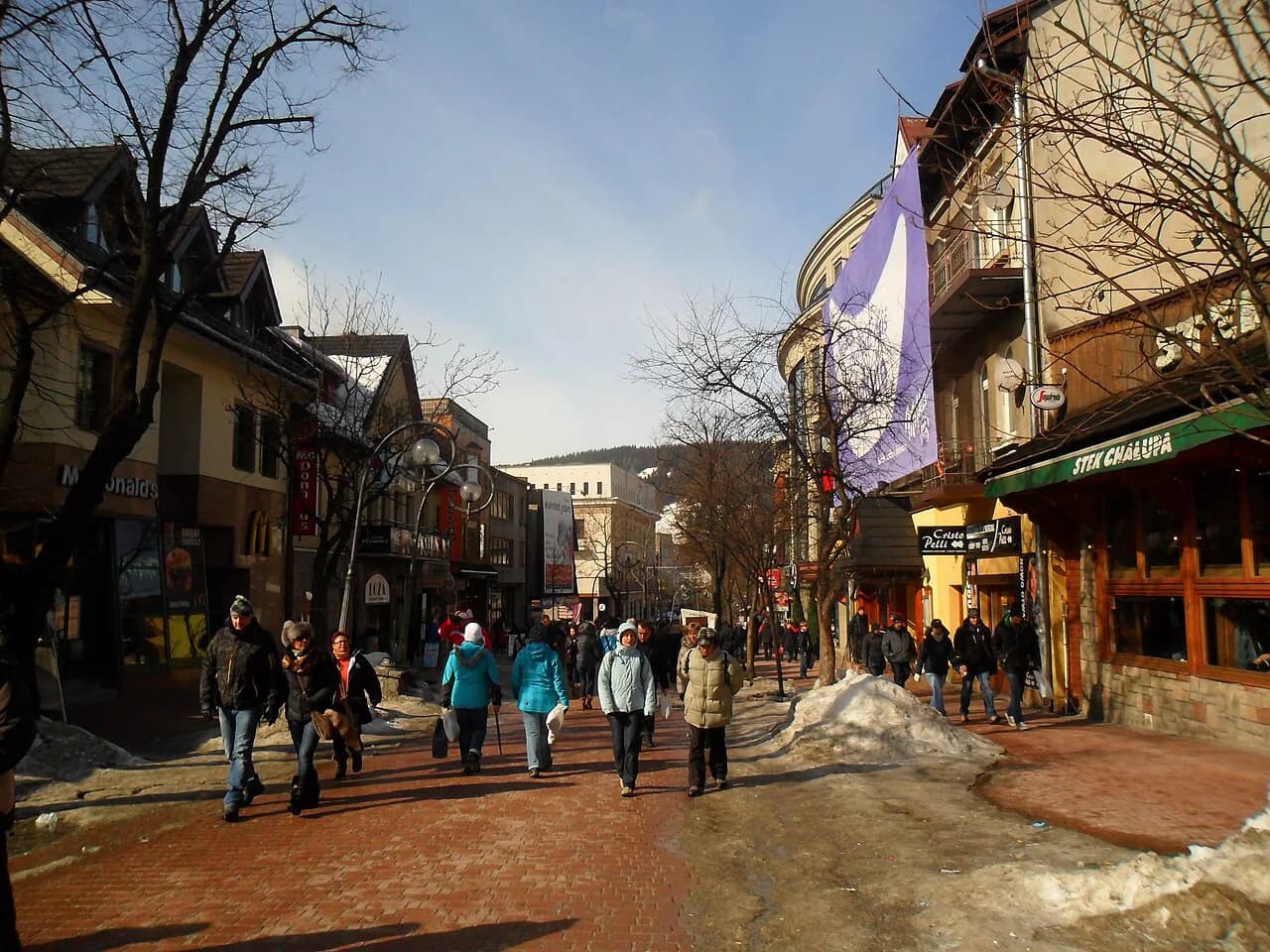
Zakopane runs on tourism, and Krupówki, the main pedestrian street, is where most visitors eat first. Menus along the street lean on traditional highland dishes alongside pizza and pasta, so it works as an easy fallback rather than a destination in itself. Walk a block or two off Krupówki and prices and crowds usually ease, with the same core dishes on offer.
Milk bars are the value option: canteen-style Polish canteens serving simple, cheap home cooking, and the fastest way to eat well without a long sit-down. For a structured half-day that pairs sightseeing with eating, a walking tour is a sensible way to learn the layout before you commit to a lunch spot. Our Zakopane walking tour covers the centre on foot and will leave you oriented for the rest of the stay. If fresh produce and stall food appeal more than restaurants, the Zakopane market is the place to browse before deciding.
Eating at mountain huts: how a day on the trails changes lunch
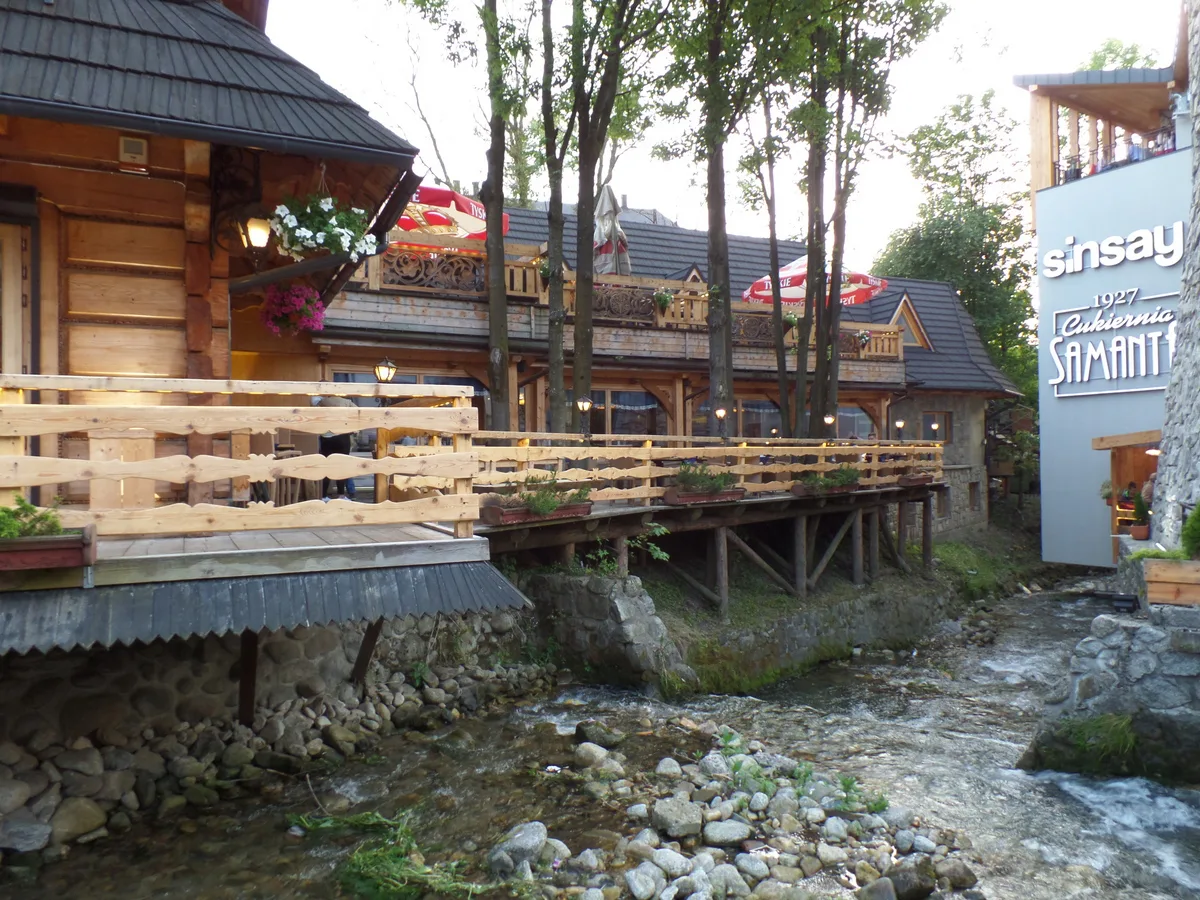
On a trail day, lunch is whatever the nearest mountain hut serves, and the menu is deliberately simple: soups, potato dishes, bread, sausage and hot drinks. Schroniska, the staffed mountain huts, are the reliable stop, and a bowl of kwaśnica after a climb tastes far better than the same dish in town. Build the day around one hut meal rather than a fixed restaurant booking, and carry water and a snack in case the hut is busy.
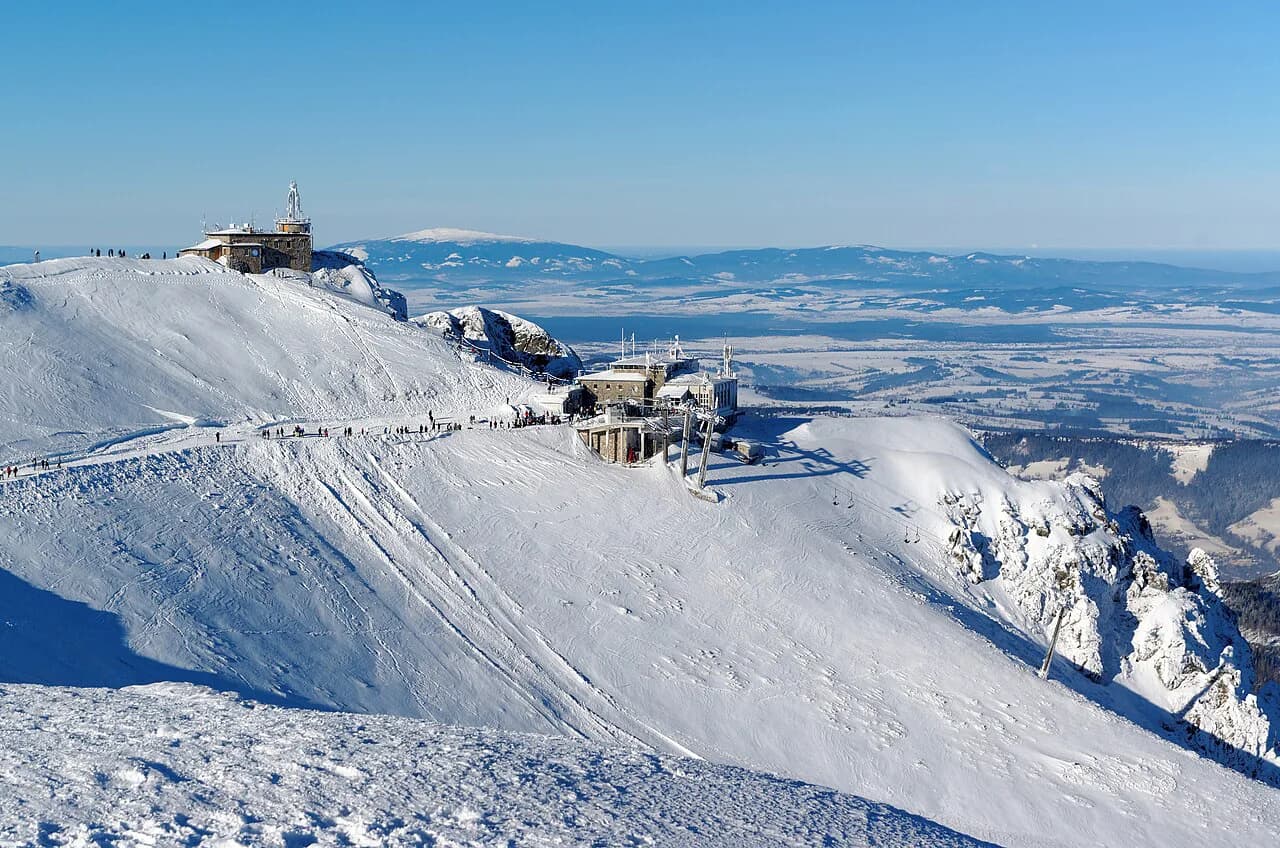
The classic pairing is a morning on the trails and an afternoon back in town. Catching the cable car up to Kasprowy Wierch puts you at the upper station at 1,959 m, with walking routes from the summit toward Hala Gąsienicowa and beyond. That is a proper mountain day, so eat a solid breakfast, plan a hut lunch, and keep the evening meal light in town. For more on how the trails and lifts fit together, see our pick of things to do in Zakopane.
Market halls, food stalls and regional produce to take home
Smoked cheese is the obvious edible souvenir, and vacuum-packed oscypek survives a flight far better than a loose spindle. Market stalls around the centre also sell honey, preserves, smoked meats and wooden kitchen kit, so a food-shopping stop doubles as gift shopping. Check the packaging and any export rules for dairy before you buy in bulk, since cheese and meat can be restricted depending on where you are travelling to.
For the full picture of what is sold where, including craft and clothing stalls alongside food, our guide to shopping in Zakopane sets out the main options. If you want the browsing to cost nothing, several free things to do in Zakopane pair well with a market wander, and a slow loop through the Zakopane park afterwards makes a pleasant end to the morning.
How much a day of eating in Zakopane costs in złoty
Prices are quoted in złoty, and Zakopane is a tourist town, so expect resort pricing on Krupówki rather than big-city cheapness. Food and drink experiences in Zakopane can pair smoked oscypek and local spirits with a stop at a traditional shepherd's hut, so you can price a tasting-style outing before you commit. Set a daily food budget before you arrive and treat the town meal as the one splurge; a milk bar lunch and a hut meal keep the rest of the day inexpensive.
Vegetarian and lighter options when heavy highland food gets too much
Highland cooking is meat- and cheese-heavy, and two days of it can feel like a lot. Oscypek, moskole, potato dishes and cabbage soups give vegetarians workable choices, though kwaśnica is often made with smoked meat, so ask before ordering. Grilled cheese with preserve and a plain potato dish make a reliable meat-free plate when the menu is otherwise sausage and pork.
For a reset, look for lighter Polish staples such as vegetable soups, salads and fish, and use breakfast at your accommodation to balance the day. Menus in Zakopane mix local traditional dishes with international options such as pasta and burgers, which is a useful escape hatch when the highland food gets too much. Coffee and cake in the afternoon is another way to break up the heaviness before an evening meal.
How to fit food into one, two or three days alongside Krupówki and the trails
With one day, eat one proper highland meal in town, walk Krupówki, and pick up oscypek from a stall on the way back. With two days, give the first to town and the second to the trails with a hut lunch; with three, add a market morning and a lighter evening. That structure keeps heavy meals and long walks on separate days, which is kinder on the legs.
Zakopane is also a base rather than a single stop, and the official town site maps out signposted walks such as the route along ulica Krzeptówki, a 2.2 km walk of about an hour from the Sanctuary of Our Lady of Fatima past Sabała's cottage toward Dolina za Bramką. Pairing a short town walk with a single good meal is often the most satisfying way to spend a food-focused day here. For the wider picture covering churches, museums and viewpoints, browse our Zakopane Attractions: 7 Visitor Guides.
Town meal or hut lunch: which should you plan first?
Plan the hut lunch first if you are here for the mountains, because trail days decide themselves and a bowl of kwaśnica at a mountain hut is the meal you will remember. Plan the town meal first if the weather is against you, and use it to try grilled oscypek, moskole and a milk bar lunch without committing to a long walk. Either way, leave one evening free for something light.
Explore more Zakopane guides
Frequently Asked Questions
What should I order on my first highland meal in Zakopane?
Order grilled oscypek with cranberry or lingonberry preserve and a bowl of kwaśnica, then add moskole if you want a filling side. That combination covers the smoked, the sour and the potato sides of Podhale cooking without over-ordering.
Can vegetarians eat well in Zakopane?
Yes, with care. Oscypek, moskole, potato dishes and vegetable soups are widely available, but kwaśnica is often made with smoked meat, so ask before ordering. Menus that mix local dishes with international options give the widest meat-free choice.
Is Zakopane expensive for food?
It is a tourist resort, so prices on and around Krupówki sit above what you would pay in a non-tourist Polish town. Milk bars and mountain huts keep costs down, and a daily food budget set in złoty before you arrive is the simplest way to control spending.
Where do I eat during a day on the Tatra trails?
Staffed mountain huts, known as schroniska, are the standard stop, serving soups, potato dishes, bread and hot drinks. The cable car to Kasprowy Wierch reaches 1,959 m and connects to walking routes, so a hut lunch fits naturally into a morning on the mountain.
Sources
Notes for your next Polish city break
Optional updates to our Poland guides.
You might also like
Continue reading
More guides you'll find useful