Poznań vs Wrocław: Which Polish City Break Suits You?
Poznań and Wrocław both make easy Polish city breaks but feel different. Compare old towns, islands, dwarfs, costs and how many days each one needs.
On this page
Pick Poznań if you want a compact, quieter old town you can cover on foot in a day or two; pick Wrocław if you want more sights, islands and a busier big-city feel over a long weekend. Both sit in western Poland and both work as straightforward city breaks, but they reward different kinds of traveller. This comparison covers the squares, the cathedral islands, the symbols, the museums, everyday prices in złoty and how many days each city needs.
The choice is really about layout. Poznań funnels you towards the Stary Rynek and keeps almost everything else within a short walk, while Wrocław spreads its sights across the Rynek, the Długi Targ in the Główne Miasto and the Ostrów Tumski across the river. If your trip is two nights and you want to feel unhurried, the smaller city wins; if you want to fill three days without repeating yourself, the larger one does.
What each city gives you in a nutshell
Poznań's appeal is a single, confident centre: the Old Market Square with its town hall, the billy goats that appear on its clock, and a short walk north-east to the cathedral island. It is the version of a Polish city break that leaves room for a long lunch and a slow afternoon. The trade-off is range: after the square, the cathedral and a museum or two, you are into repeat visits rather than new districts.
Wrocław offers more ground to cover. The Rynek is one of the largest market squares in Poland, the Główne Miasto runs down to the river, and the Ostrów Tumski sits across the water with its cathedral. Add the small bronze dwarfs hidden around the streets and you have a city that keeps giving for three days. The cost is sprawl: you will walk further, cross more bridges and plan a little more carefully.
Poznań's Old Market Square and Wrocław's Rynek compared
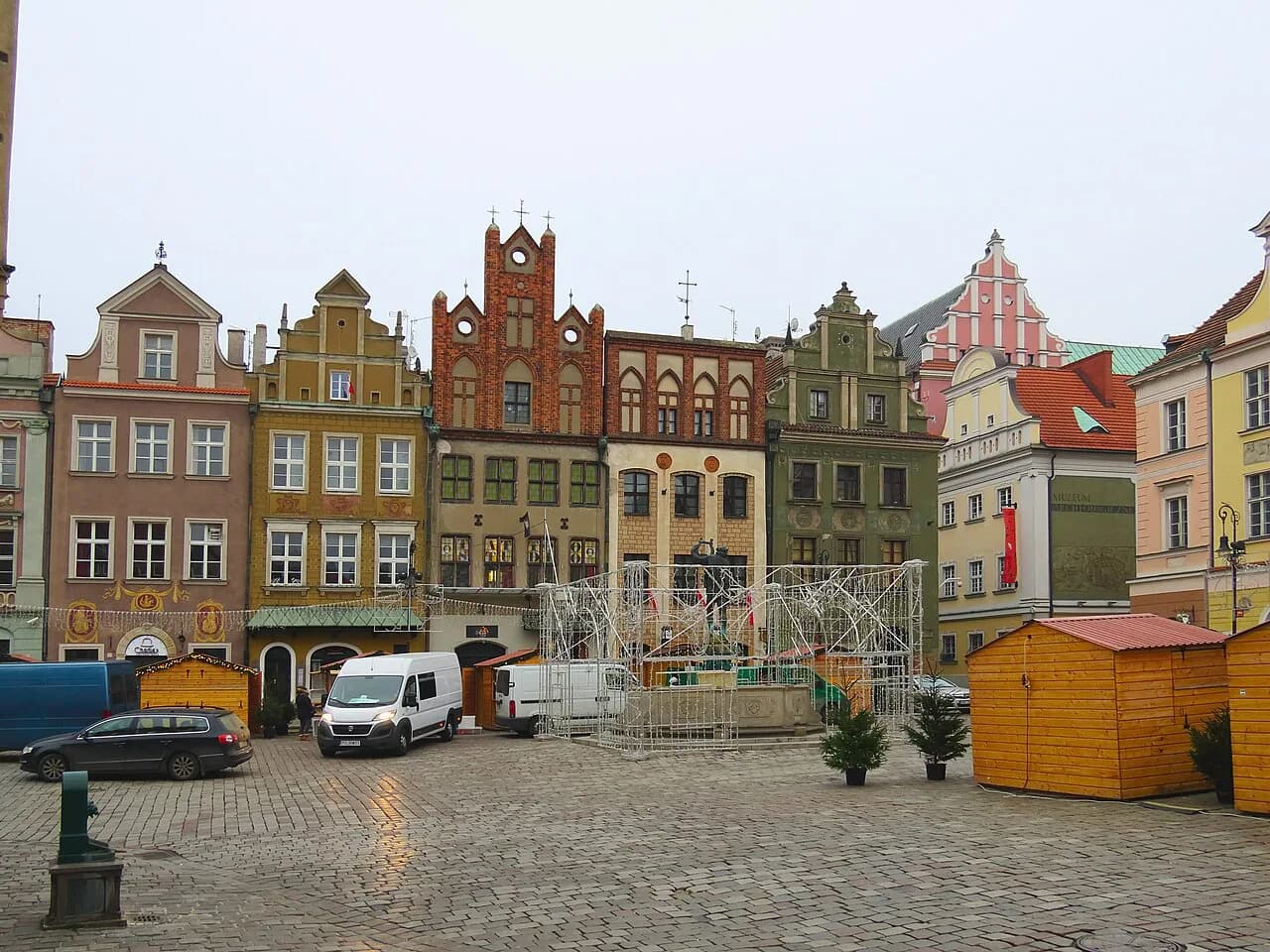
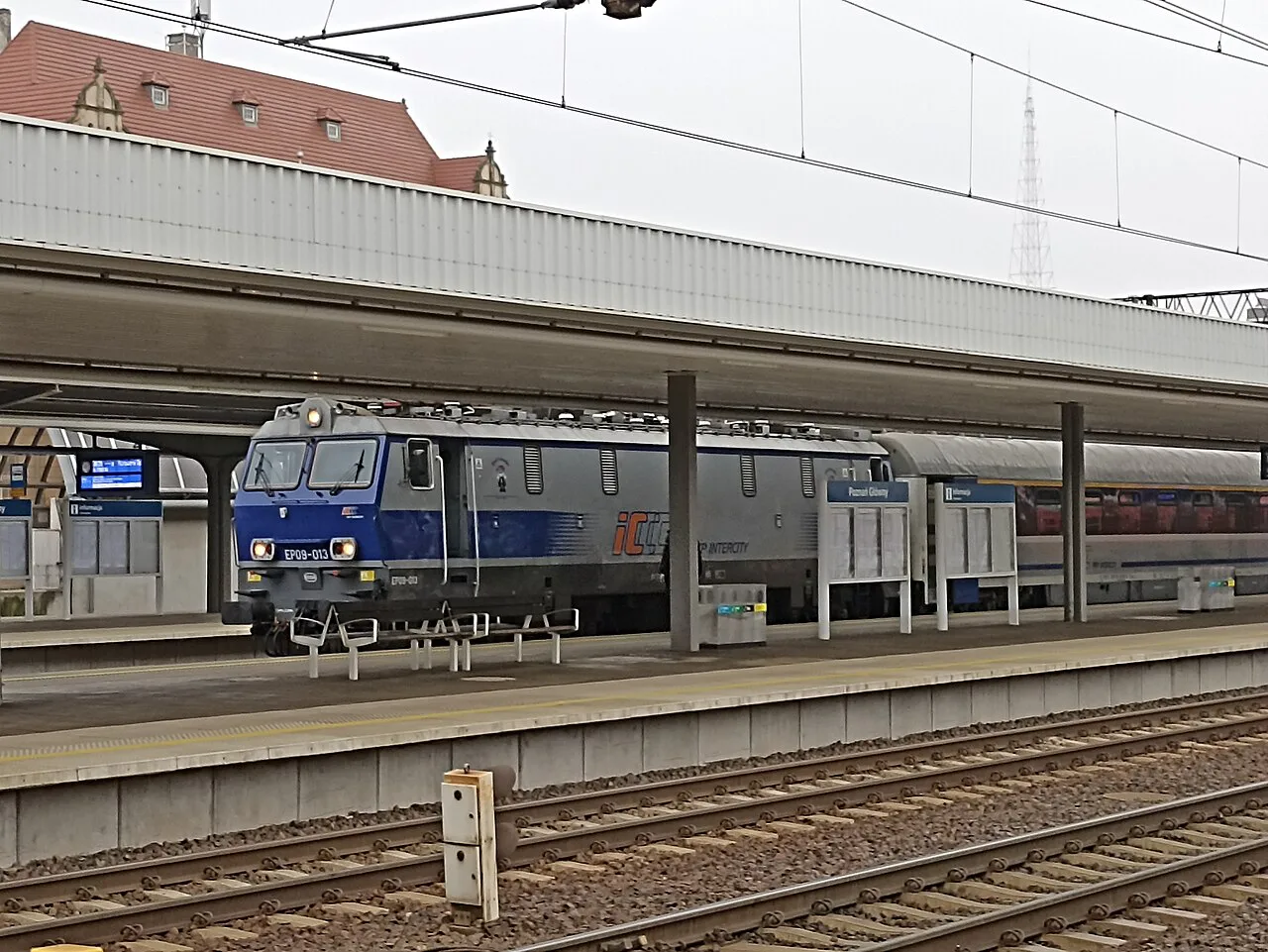
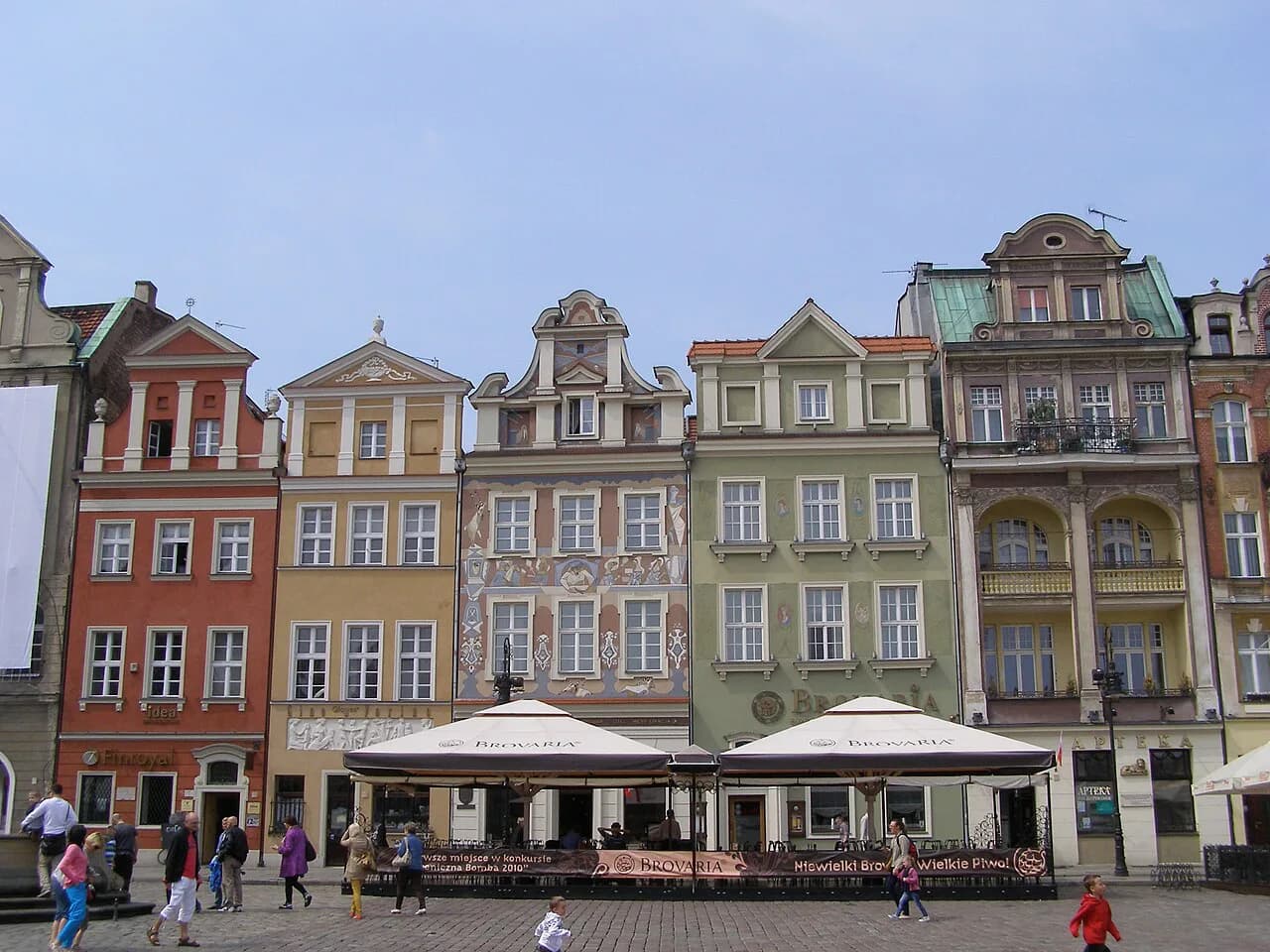
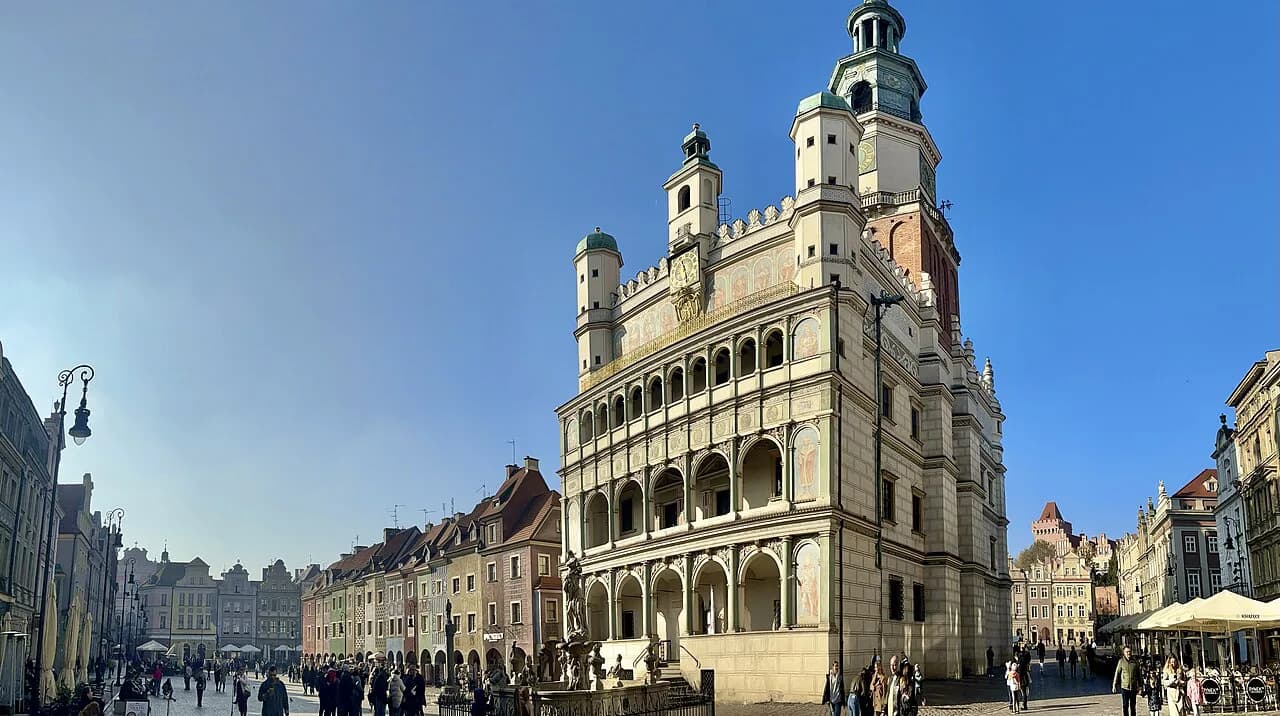
Poznań's Stary Rynek is the classic set piece: a square framed by colourful merchant houses, with the Renaissance town hall at its centre and café terraces filling the edges. Everything radiates from here, which makes it a natural base for a short break. Our Poznań itinerary is built around this square and the streets immediately around it, so you can see how much fits into a day without transport.
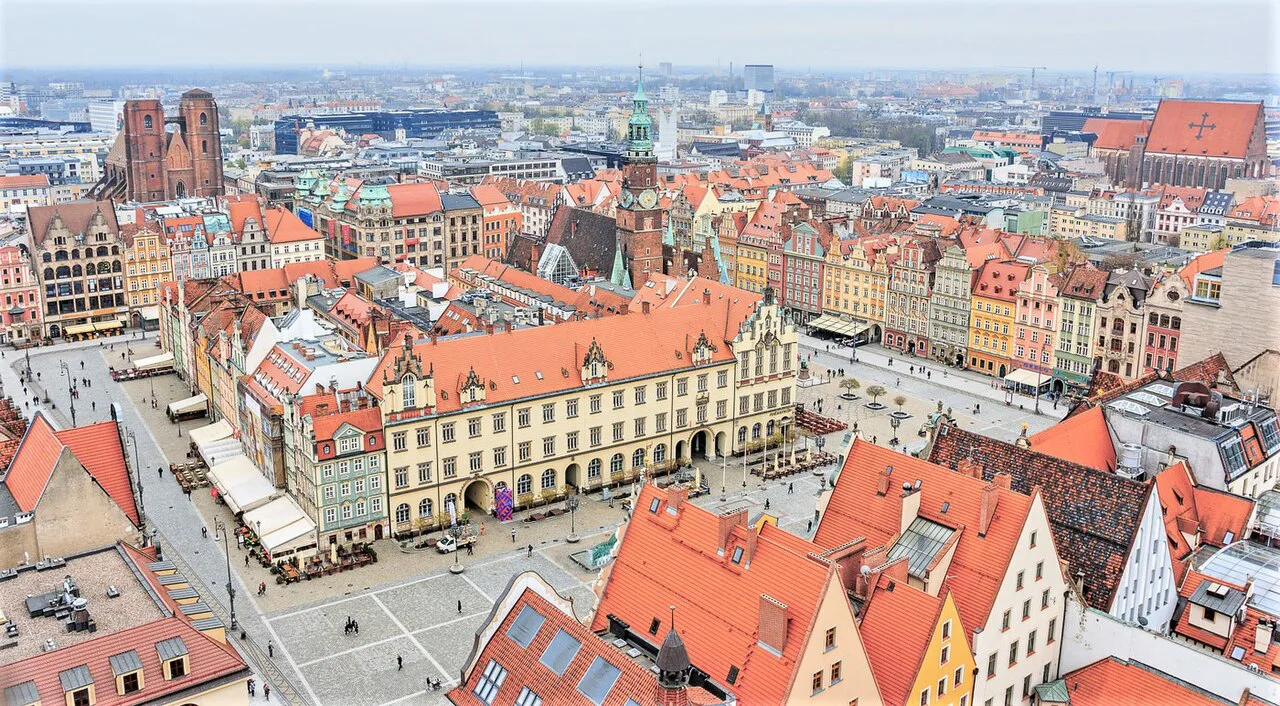
Wrocław's Rynek is larger and busier, split between the main square and the adjoining Salt Square, with the Gothic town hall standing in the middle. It feels more like a working city centre than a stage set, and the surrounding streets hold far more restaurants, shops and galleries than Poznań's compact core. If you like browsing a square rather than simply photographing it, Wrocław's has more to explore over a weekend.
Wrocław's Ostrów Tumski and islands against Poznań's cathedral island
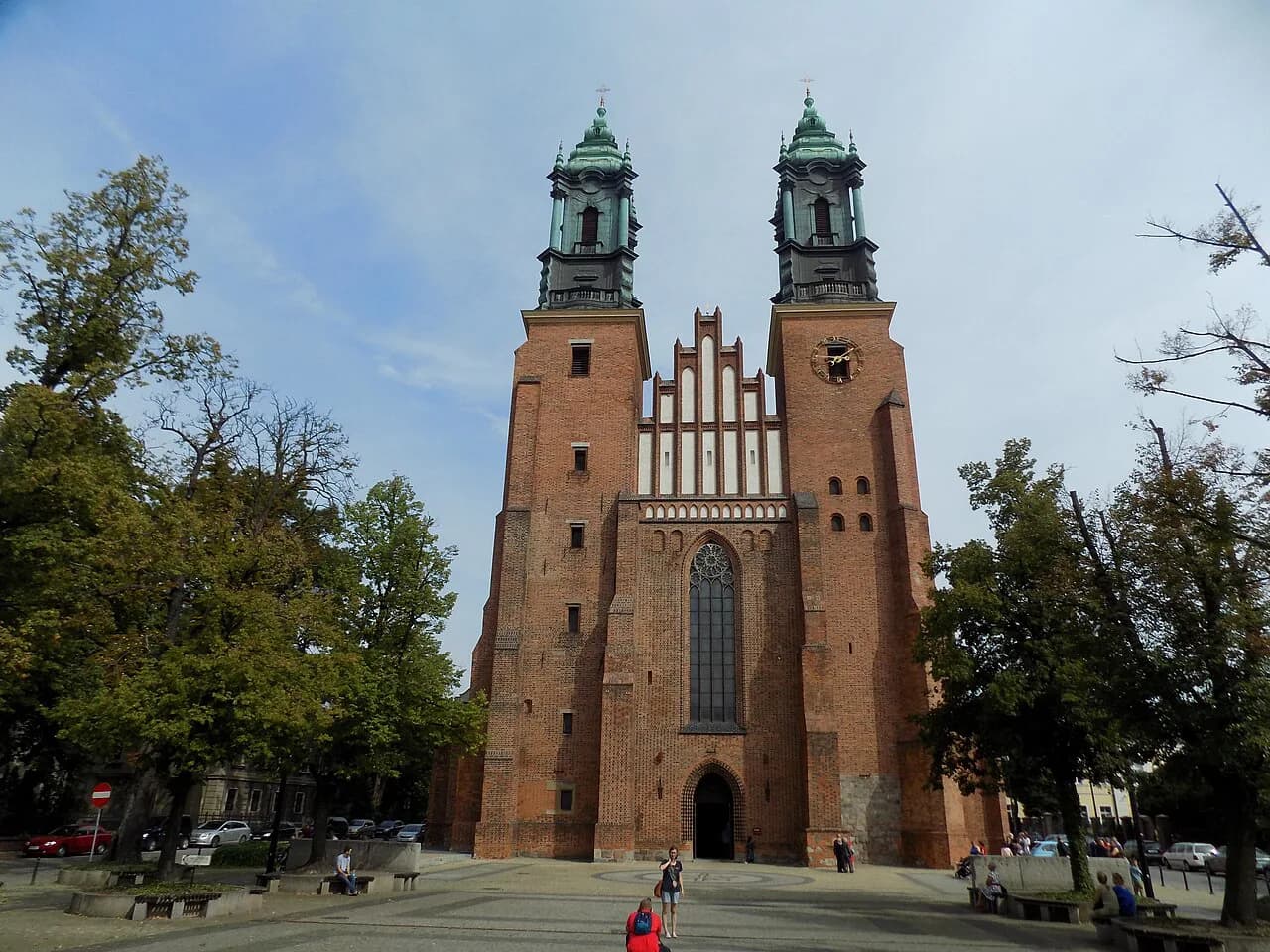
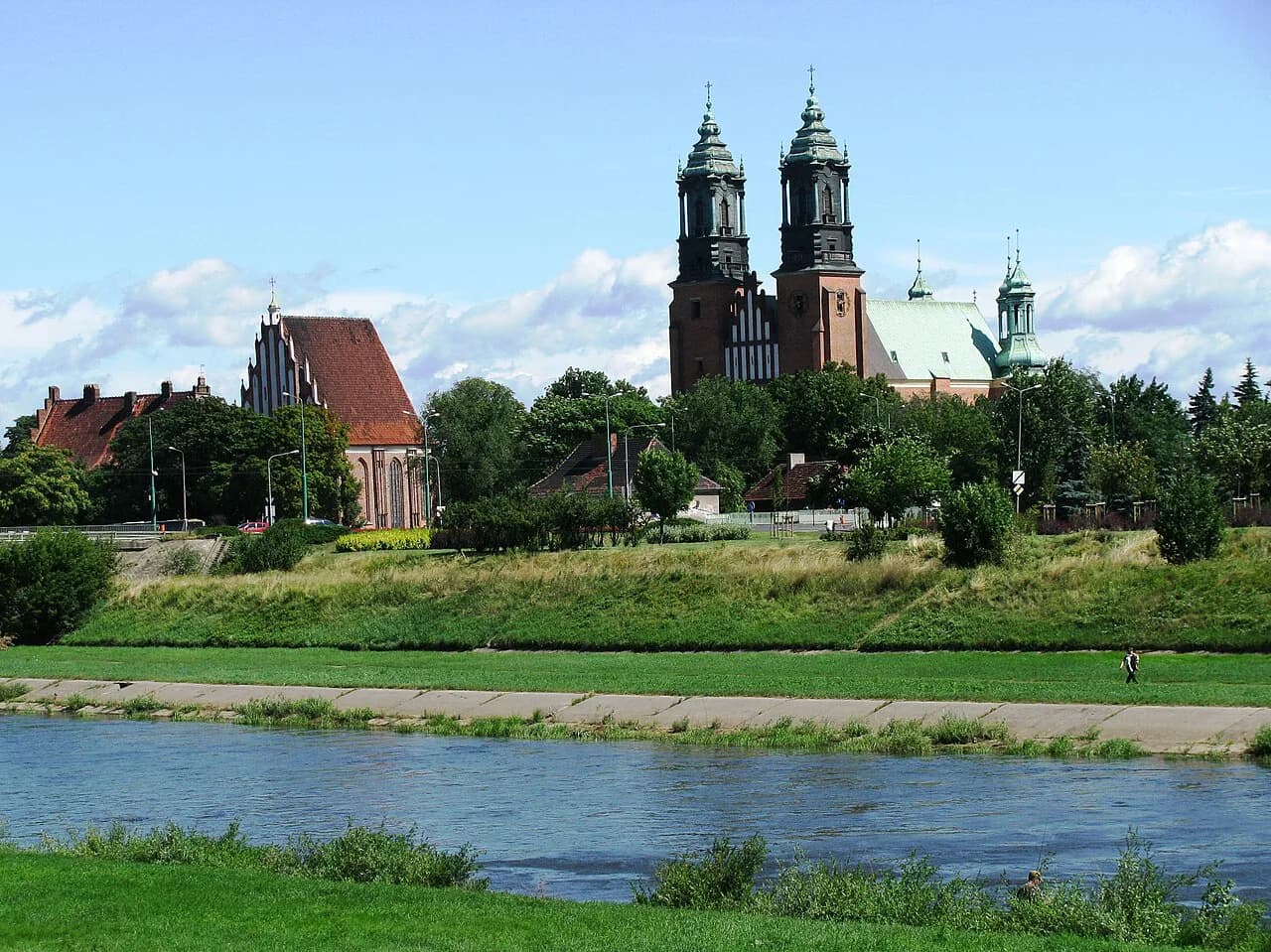
Both cities have an Ostrów Tumski, and both are worth the walk. Poznań's is the smaller, quieter version, reached across the river from the old town and crowned by the cathedral, with the archdiocese museum nearby. It makes a gentle half-day, especially combined with the nearby Śródka district. You can see how it fits a single day in our one day in Poznań plan.
Wrocław's Ostrów Tumski is the grander experience: a whole island quarter of churches, cobbled lanes and gas lamps, linked to the mainland by bridges and best seen slowly in the evening. It gives Wrocław a second centre of gravity that Poznań does not really have, and it is the main reason a one-day Wrocław trip feels thin. Walkers who like water and bridges will lean towards Wrocław; those who prefer everything close together will lean towards Poznań.
Wrocław's dwarfs and Poznań's billy goats: symbols and where to find them
Poznań's symbol is mechanical and scheduled: at the town hall, small billy goats butt heads above the clock each day at noon, drawing a crowd on the square below. It is a two-minute spectacle, free to watch, and easy to build into a morning around the Stary Rynek. Arrive a little early if you want a clear view of the clock face.
Wrocław's dwarfs are the opposite: dozens of small bronze figures scattered across the city, originally a piece of street art and now a city-wide treasure hunt. You will spot them outside shops, on bridges and near the Rynek without trying, but hunting them deliberately is a good way to push yourself into side streets you would otherwise skip. It suits families and anyone who likes a goal while walking.
Which old town is easier to walk and how the cities are laid out
Poznań is the easier city on foot. The old town is compact, the streets are short, and the cathedral island is a fifteen-minute stroll from the square, so you can leave the map in your pocket. That compactness is also why a two-day weekend in Poznań feels complete rather than rushed.
Wrocław's centre is still walkable, but the distances are longer: Rynek to Ostrów Tumski is a proper walk across the Główne Miasto and over the river, and the sights are spread between them. You will do more walking in a day, and comfortable shoes matter more than in Poznań. The upside is that the walk itself is the sight, with the river, the islands and the university quarter passing by.
Museums and rainy-day weight in each city
Wrocław carries more rainy-day weight, with a wider spread of museums, galleries and indoor sights around the Rynek and the islands. If a wet day would ruin a one-square city, Wrocław gives you more backup options. Our Poznań Attractions guide lists the indoor sights worth your time in the smaller city.
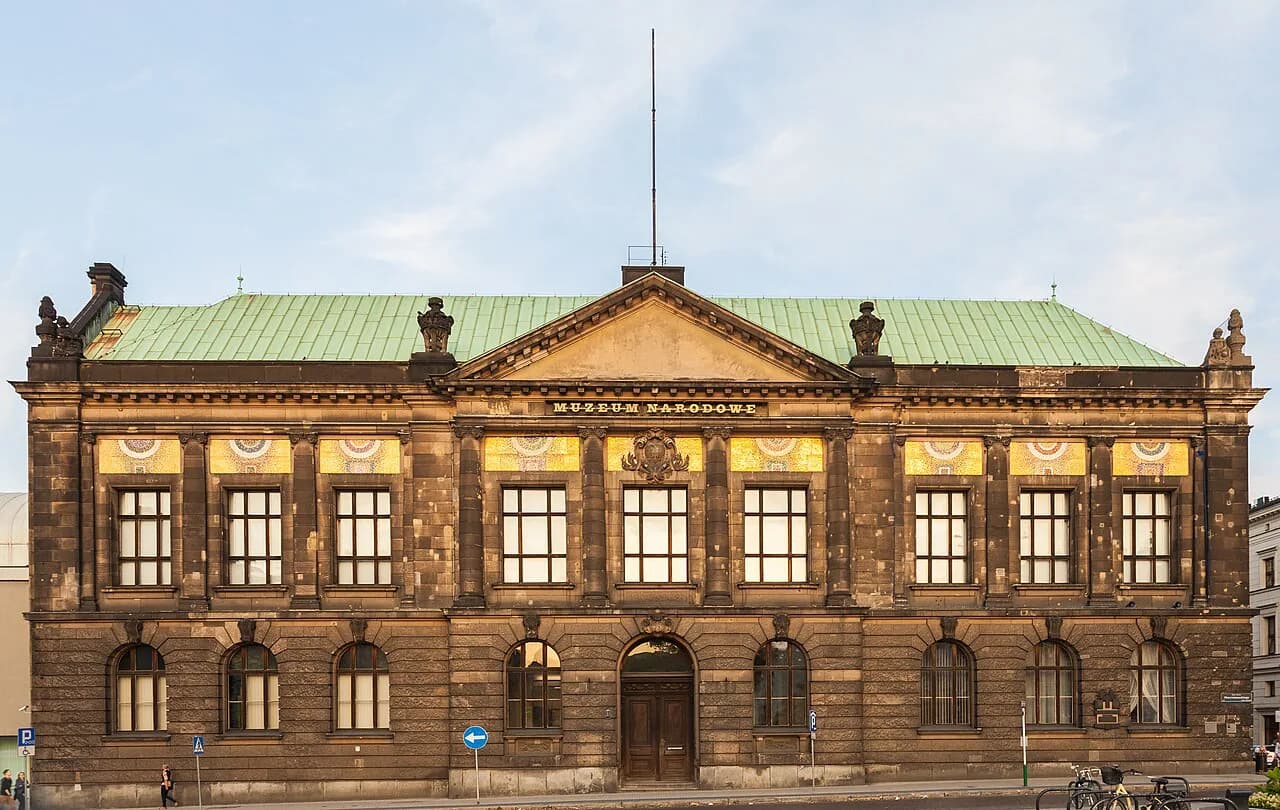
Poznań's museum offering is smaller but tidy, centred on the old town and the cathedral island. That is fine for a short break, less so if you plan to spend whole afternoons indoors. Either way, Polish museums often close one day a week and some run a free-entry day, so confirm the opening days on each museum's own site before you build a day around it.
Everyday costs in złoty: coffee, lunch, beer and transport tickets
Day-to-day spending is close between the two. Indicative figures from CityCost's Wrocław and Poznań comparison put a budget restaurant meal at about 44 zł in Poznań and 40 zł in Wrocław, a cappuccino at around 13 zł in Poznań and 16 zł in Wrocław, and a half-litre of draught local beer at roughly 12 zł in Poznań and 16 zł in Wrocław. Treat these as rough comparisons rather than quotes, since prices move.
Public transport is priced similarly in both. The same comparison lists a single ticket at about 4.50 zł in Wrocław and 4.85 zł in Poznań, which matters less than it sounds because both old towns are walkable. If you want a fuller breakdown of what a break costs, our guide to whether Poznań is expensive sets out daily budgets in złoty.
How many days each city needs: one day, two days, a long weekend
Poznań works on one day and feels comfortable on two. A single day covers the Stary Rynek, the town hall, the cathedral island and a long lunch; a second day adds a museum and the Śródka neighbourhood without hurry. Beyond two days you are repeating ground, which is why our piece on How Many Days in Poznań Do You Need? lands on two as the sweet spot.
Wrocław needs two days minimum and earns three. One day is thin once you add the islands and a museum, and a long weekend lets you see the Rynek, the Główne Miasto, Ostrów Tumski and still have an afternoon for the dwarfs and the river. If you only have one day for western Poland, Poznań will feel less squeezed.
Atmosphere and trade-offs: quieter Poznań vs busier Wrocław
Poznań is the calmer city. The square is busy at noon for the goats but quietens quickly, the streets are less crowded, and the pace suits couples, older travellers and anyone who wants a city break that does not feel like a schedule. The trade-off is buzz: evening options are fewer, and the city does not have Wrocław's sense of a large place still expanding.
Wrocław is livelier and more varied, with a student population, a big cultural calendar and a centre that stays busy into the evening. For travellers deciding whether the city justifies a trip at all, our honest answer on whether Poznań is worth visiting weighs the quiet against the range. Neither city suits someone who wants Kraków's density of sights in miniature.
Which city wins for your trip
Choose Poznań for a short, low-friction break of one or two nights, especially if you value a single compact centre and quieter evenings. Choose Wrocław for a long weekend where you want islands, bridges, more museums and a busier square.
Flight availability can decide the argument before the sights do, so check which of the two has the routes that suit your dates.
Poznań or Wrocław with Kraków already on the itinerary
If Kraków is already fixed, add Poznań as the quieter counterweight rather than Wrocław. Poznań's compact centre gives you a genuinely different pace, and two days there balances a dense few days in Kraków. Wrocław, with its islands and bigger sight list, risks feeling like more of the same busy sightseeing.
If you are choosing between Poznań and Wrocław for a first Polish trip and Kraków is not involved, take Wrocław for three days and Poznań for two. Both are easy to reach by train from other Polish cities, so the decision is about time and temperament rather than logistics.
So which city do you book?
Book Poznań if your trip is a short, calm break built around one square and a cathedral island. Book Wrocław if you have three days, like walking, and want islands, museums and dwarfs to fill them. Neither is a mistake; they simply suit different lengths of trip.
Explore more Poznań guides
Frequently Asked Questions
What is Wrocław famous for?
Wrocław is known for its large Rynek and the adjoining Główne Miasto, the Ostrów Tumski island quarter with its cathedral, and the small bronze dwarfs placed around the streets. The river and bridges tying the city together are part of its character.
Is Wrocław cheaper than Poznań?
Not across the board. Indicative CityCost figures put a budget restaurant meal and a half-litre of draught beer cheaper in Wrocław than in Poznań, while a cappuccino runs slightly dearer in Wrocław; the gaps are small either way.
What food is Poznań known for?
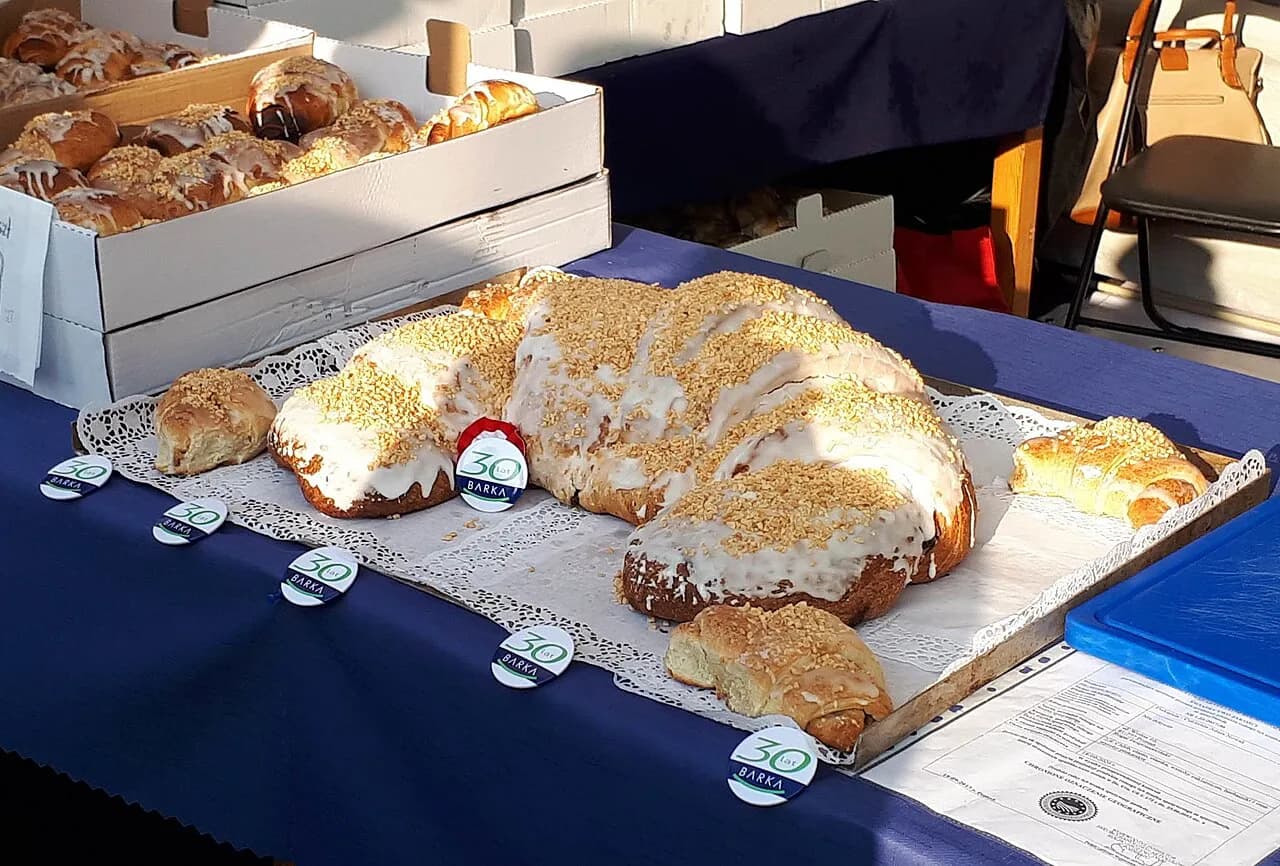
Poznań is associated with Greater Poland regional cooking and with the St Martin's croissant tradition. The old town's café and restaurant terraces are the easiest place to try the regional menu.
Can I see both cities in one trip?
Yes, if you have four or more nights. Give Poznań two nights and Wrocław two or three, and accept that you will see the highlights rather than everything. A single day in each city is too little for Wrocław's islands.
Sources
Notes for your next Polish city break
Optional updates to our Poland guides.
You might also like
Continue reading
More guides you'll find useful