Is Poznań Expensive? What a City Break Costs in Złoty
Poznań is cheaper than Warsaw for day-to-day costs, and many of its best sights are free. Here is what to expect in złoty and how to keep a short break affordable.
On this page
No, Poznań is not an expensive city break. A cost-of-living comparison puts Poznań around 12% cheaper than Warsaw overall, with housing about 40% cheaper, and its headline sights — the Old Market Square, the cathedral island and the town hall clock — cost nothing to look at. This guide separates the free sights from the paid ones and shows where a short break's money actually goes
Two days is enough here, so you are not paying for extra nights to fill a long itinerary. The city is compact enough that the main sights sit within walking distance of each other, which cuts transport spending to almost nothing on a short stay.
Is Poznań expensive? The short answer
Poznań sits comfortably in the affordable bracket for a Polish city break. The only published cost benchmark compares it with Warsaw rather than with tourist spending, and it shows Poznań cheaper on everyday costs across the board. Treat that as a signal about general living costs, not a price list for hotels or restaurants.
Your budget is shaped more by what you choose to pay for than by the city itself. Most of the memorable things here — the square, the churches, the river island, the clock — are outdoor or free to enter, so a day can cost very little beyond food and a bed.
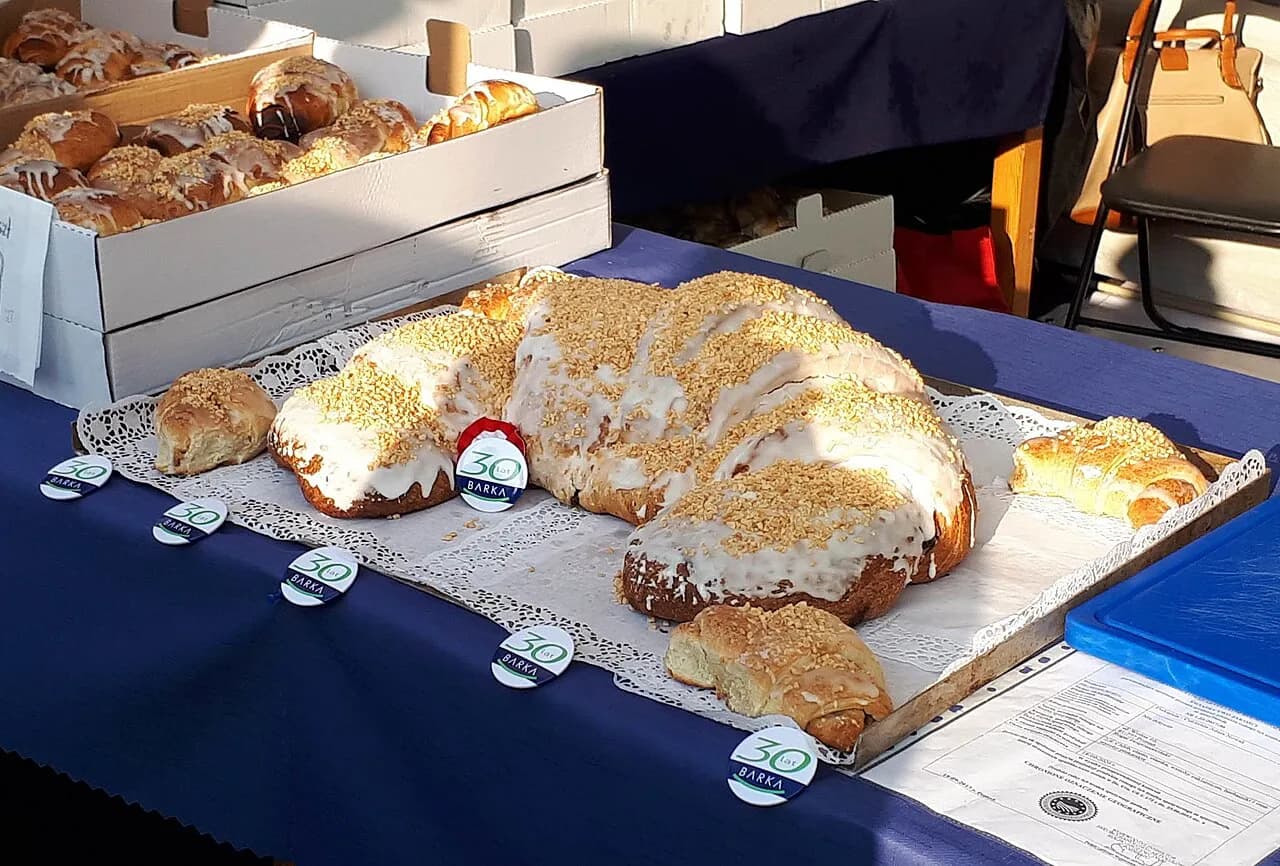
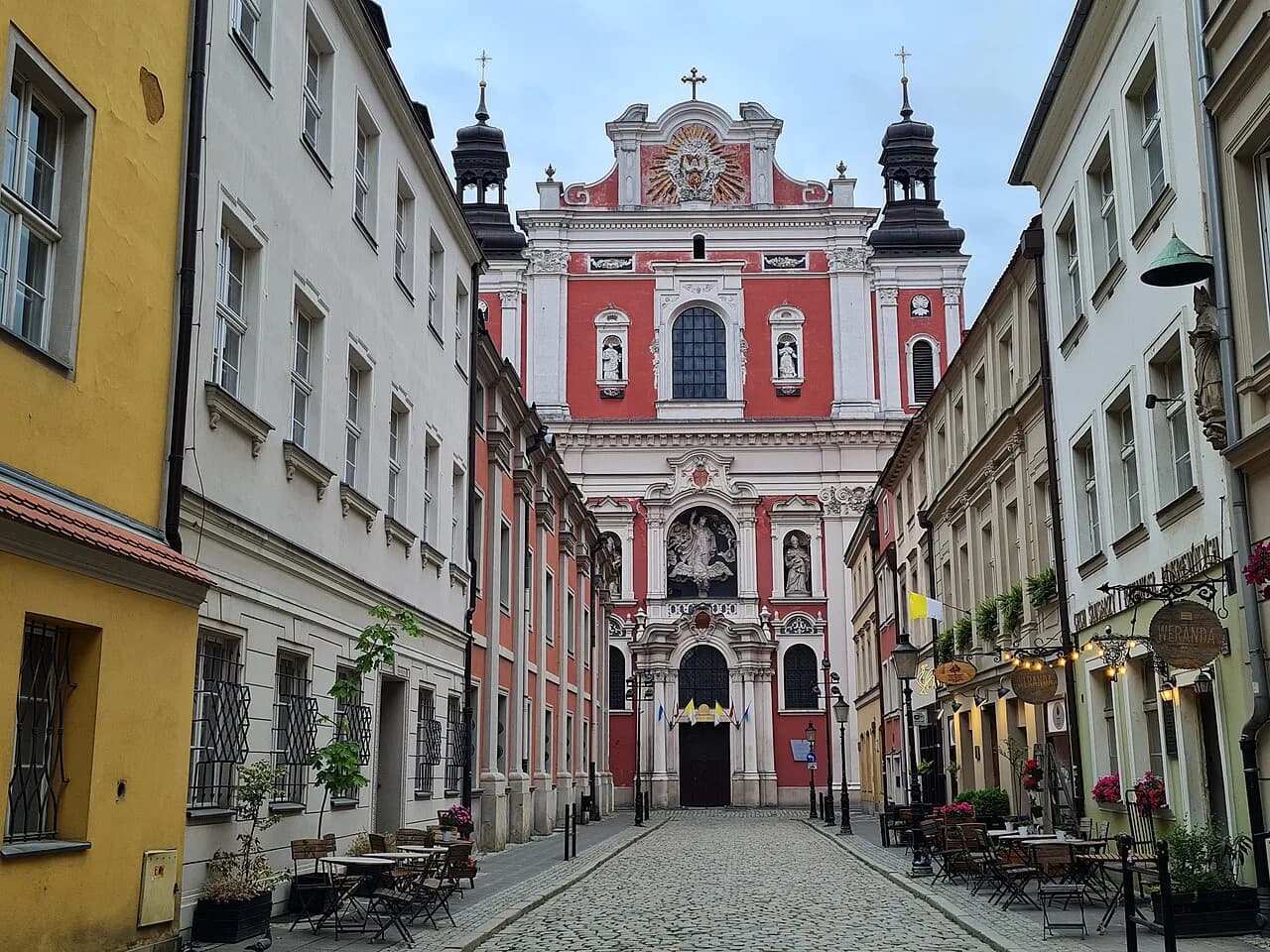
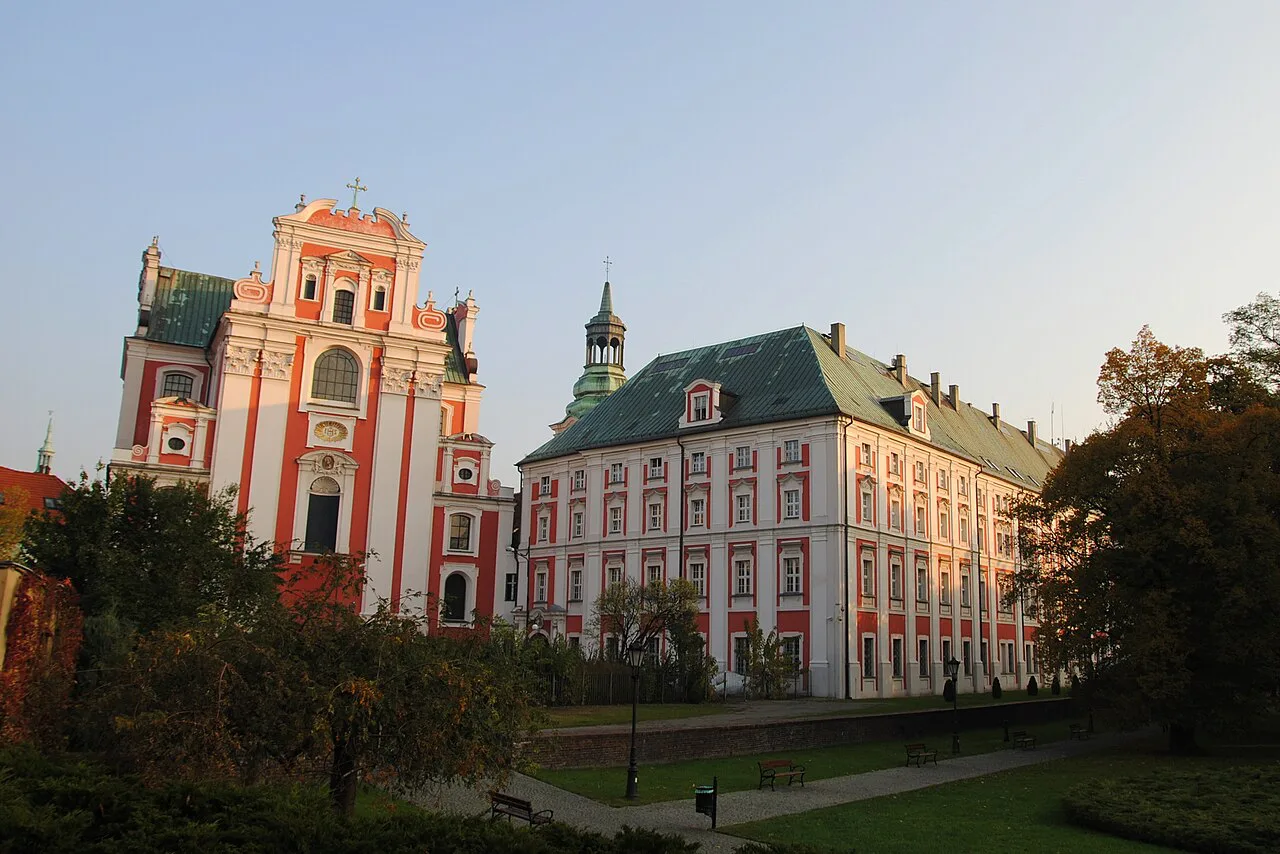
The Croissant Museum and the Parish Church of St Stanislaus both appear on a budget-things-to-do list for the city, though that list is a secondary compilation rather than a price source. Check each venue's own page for current ticket prices and opening days before you commit.
How Poznań compares with Warsaw on cost
Against Warsaw, Poznań comes out cheaper on the measure that is actually published: a cost-of-living comparison puts the capital about 12% more expensive overall, with housing around 40% dearer. That gap reflects rents and daily living rather than museum tickets or restaurant menus.
For a visitor, the practical reading is that Poznań is the gentler of the two on the wallet without feeling like a downgrade. You get a full historic centre, a cathedral island and a proper food scene rather than a thinner version of Warsaw.
If Warsaw is also on your shortlist, the cost difference is real but not dramatic enough to decide the trip on its own. Weigh it against travel time and what you want to see instead of treating the percentage as the whole story.
Which Poznań sights cost nothing
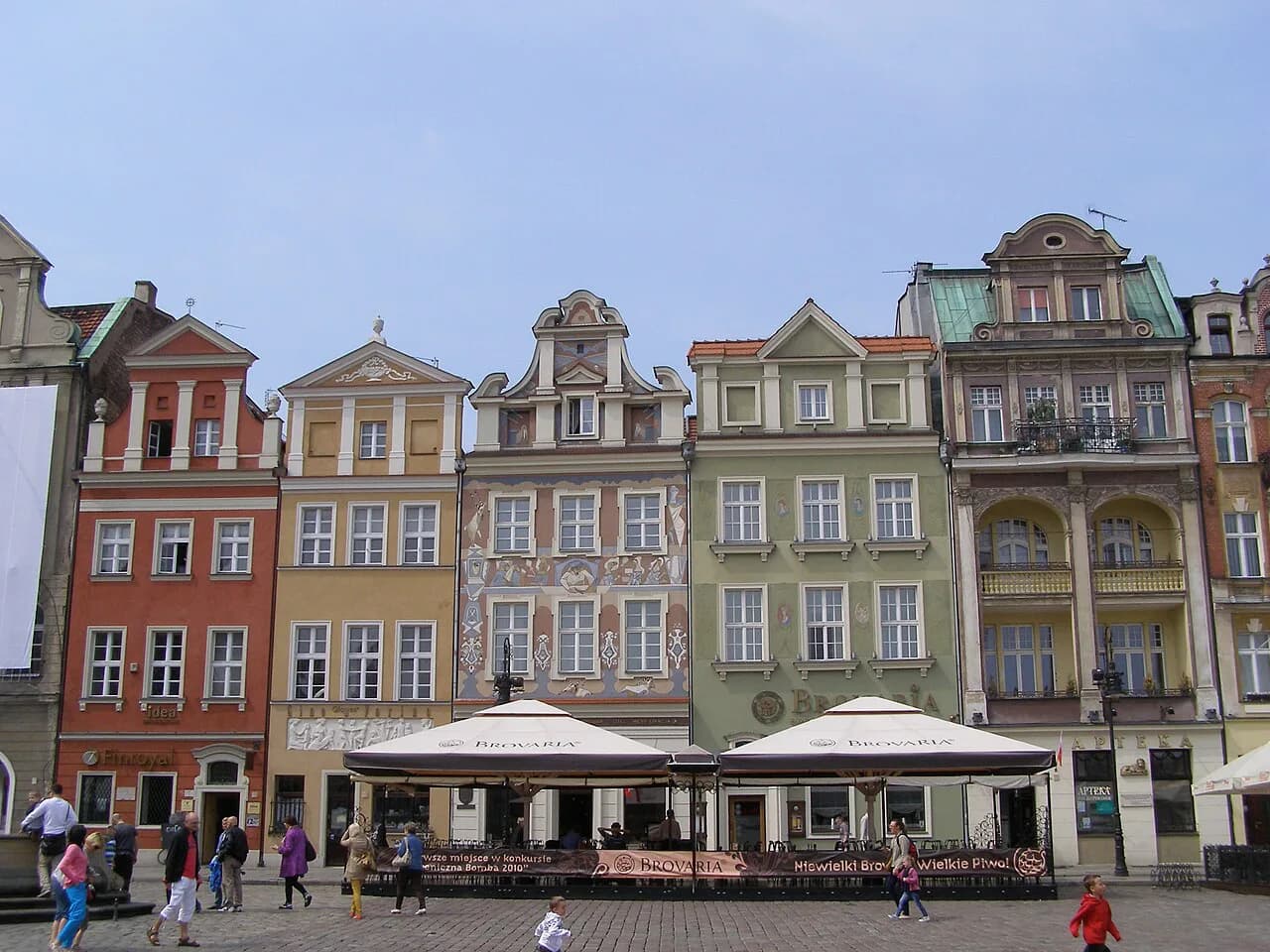
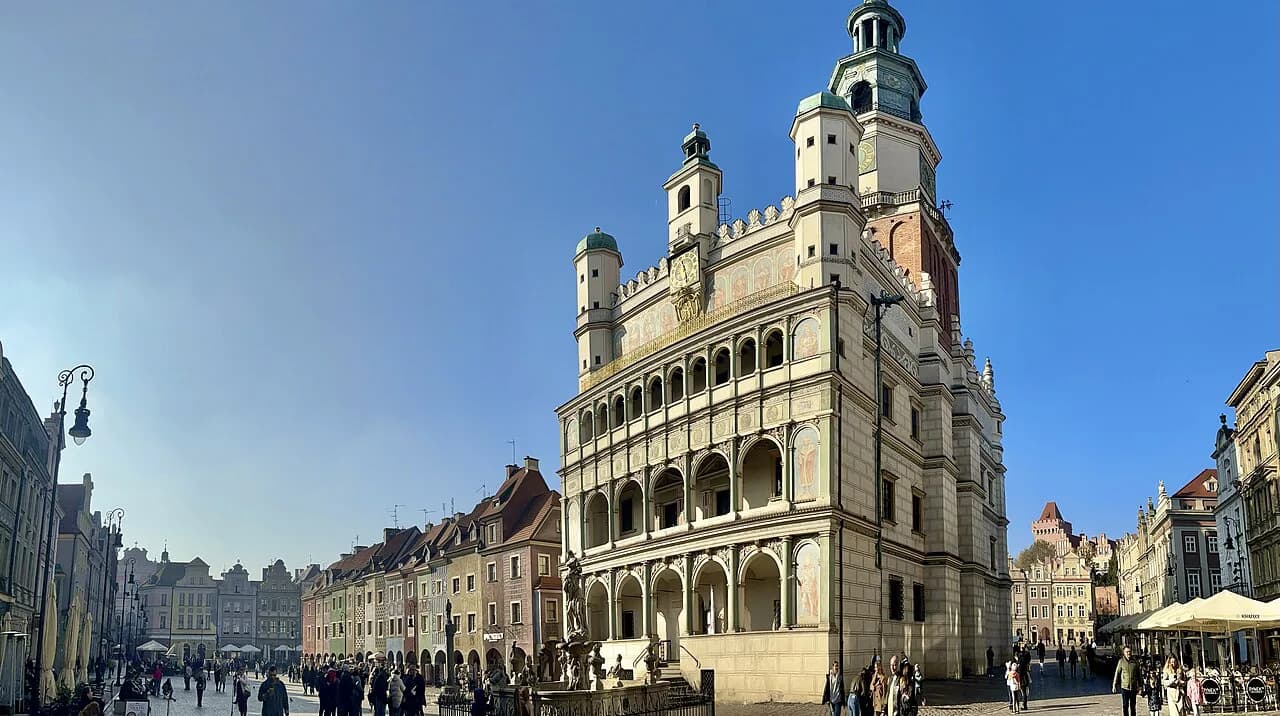
The Old Market Square, Stary Rynek, is the centrepiece and costs nothing to walk around. Its colourful historic buildings, cafés and restaurants make it the natural base for a day, and in summer the square fills with outdoor seating.
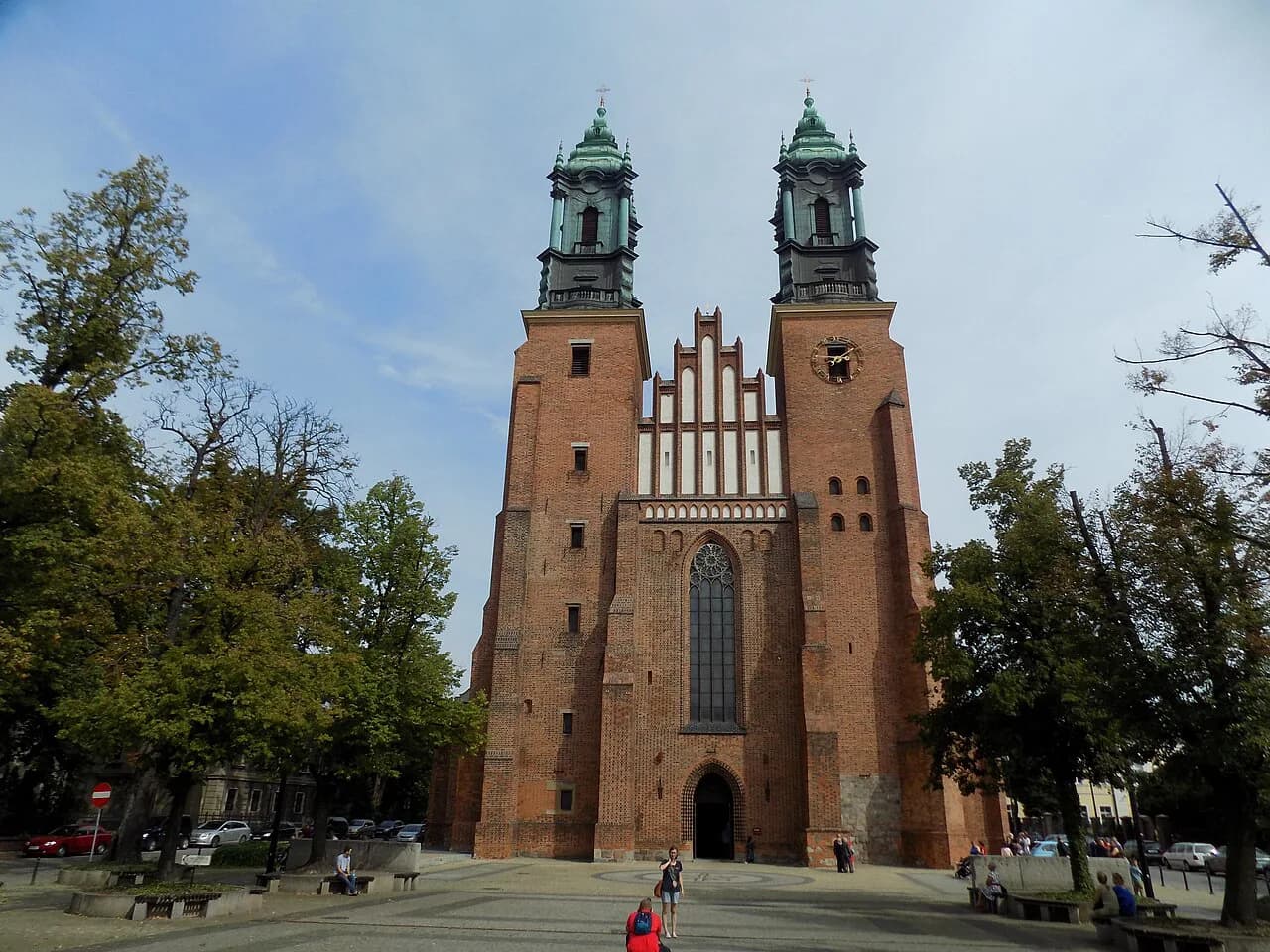
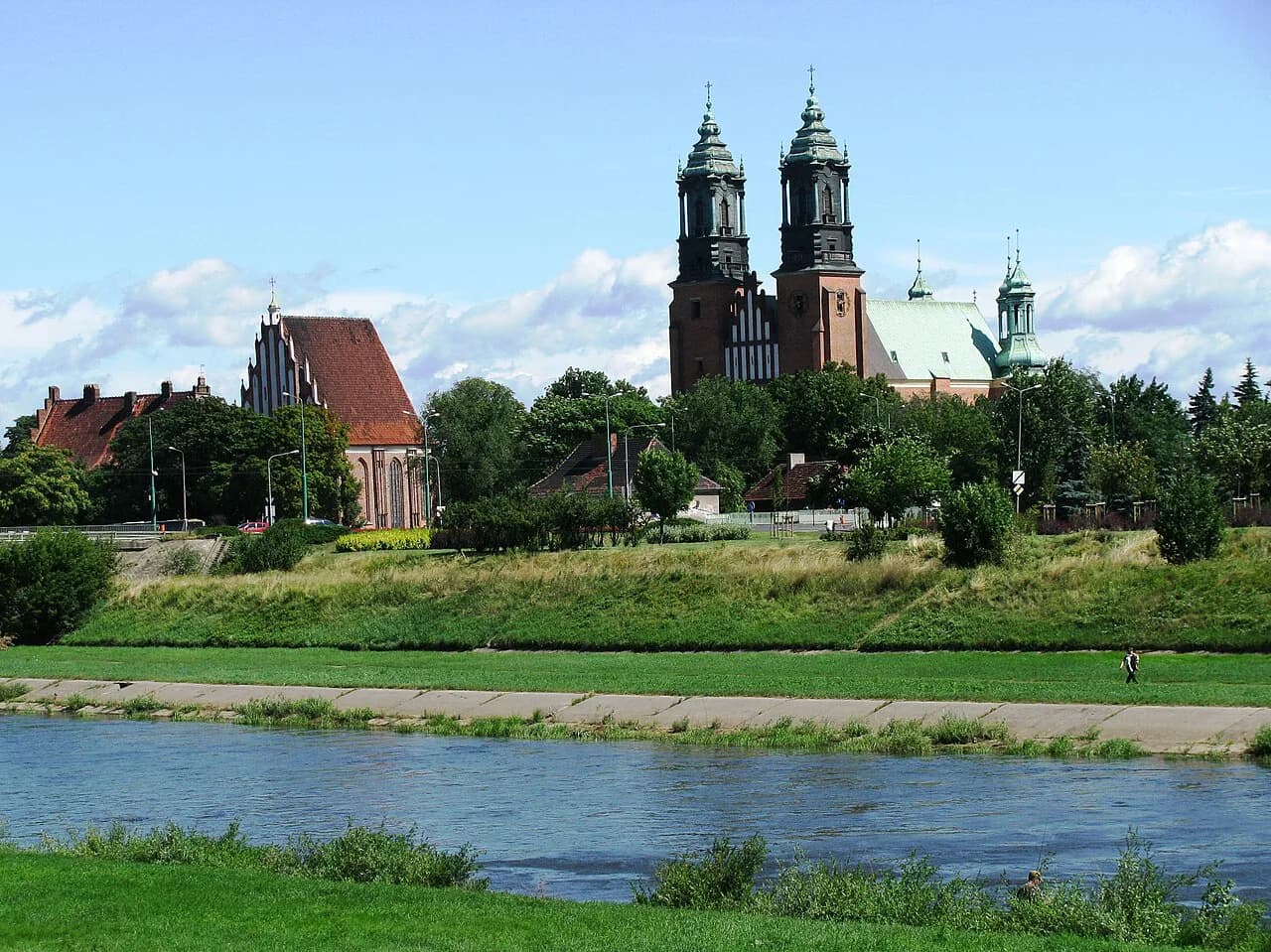
Ostrów Tumski, the cathedral island, is another free-to-wander area with a quieter, older feel than the market square. Walking there from the centre takes you across the river and past the city's earliest history without a ticket booth in sight.
The town hall clock tower on Stary Rynek is free to watch from the square below. The famous goats above the clock are the city's signature sight, and you simply stand in the square to see them rather than buying entry.
Free things to look for: the goat display at the town hall clock tower
The goats appear above the town hall clock and draw a crowd on the square. One traveller account describes watching them at noon, but the display is not confirmed as a fixed daily time here, so time your visit around the clock rather than relying on a single report.
Because the square is free, the goats are the cheapest highlight in the city: you need no ticket, no queue and no booking. Arrive a little early, find a spot with a clear view of the tower, and pair it with a walk around the surrounding streets.
This is also the moment to slow down rather than spend. A free sight works best when it anchors a morning on the square, with the rest of the day built around walking rather than paid attractions.
Paid sights worth budgeting for
The Croissant Museum is the paid sight most visitors single out, and it appears on a budget-things-to-do list for the city. It is a small, specific attraction rather than a whole morning, so check its own ticket price and opening days before building a day around it.
The Imperial Castle, Zamek, sits on a hill above the centre and rewards a visit with views back over Stary Rynek. Treat it as the one paid interior worth planning around if you want a second indoor stop.
Beyond those two, your paid time is optional. Stary Browar, the former brewery turned shopping centre, is free to walk through, and Lake Malta is an outdoor space rather than a ticketed attraction. Neither needs a budget line unless you choose to eat or shop there.
The honest trade-off is that skipping the paid interiors leaves you with a very cheap break and no sense of missing the point. The city's appeal is outdoors and on the square, so paid sights are a bonus rather than a requirement.
Coffee, meals and drink prices in złoty
There is no reliable published price list for Poznań's cafés, restaurants or bars to quote here, so this guide gives no złoty figures for food and drink. Menu boards and café windows are the honest source, and prices are shown in złoty on the spot.
What is clear is that the city has a dense restaurant and café scene around the Old Market Square, with outdoor terraces in the warmer months. That competition helps keep everyday eating reasonable, though the square itself is the most tourist-facing and therefore not always the cheapest place to sit.
For drink prices, including a pint of beer, check the menu where you plan to sit rather than budgeting from a general figure. Prices vary by venue and by whether you are on the square or a street or two back.
Spending less without skipping the good bits
Walking is the main money-saver here. Stary Rynek, the town hall, Ostrów Tumski and the river crossings sit close enough to link on foot, so a day's transport cost can be close to zero.
Timing matters too: May to September brings mild weather and long daylight, which stretches a free outdoor day and reduces the pull towards paid indoor attractions. The trade-off is more visitors and higher accommodation prices in summer.
Keep the trip short. A 48-hour stay is a realistic length for Poznań, which means fewer nights of accommodation and less pressure to fill days with paid activities. A single well-planned weekend covers the free highlights and one or two paid stops comfortably.
Arriving by train or plane rather than driving also trims costs. Poznań is well connected by rail to other Polish cities and by air through Poznań–Ławica, so the journey itself need not add much to the bill.
Should you pick Poznań if budget is the deciding factor?
Yes, if you want a full historic city without paying capital-city prices. Poznań's headline sights are free, its cost of living sits below Warsaw's, and two days is enough to see it properly rather than skimping.
If you are choosing between Poznań and another Polish city, compare what you actually plan to pay for rather than the headline cost. The Poznań vs Wrocław comparison is worth reading if both are on your list, because the two cities offer different free sightseeing.
How to keep a Poznań break cheap
Lead with the free stuff: the market square, the town hall clock and the cathedral island. Then add one paid sight, such as the Croissant Museum or the Imperial Castle, and walk between everything. Two days is enough, and that alone keeps the bill down.
Check ticket prices and opening days for any paid sight before you go, and read menus on the spot for food and drink. That way the złoty goes on the things you actually value rather than on assumptions about what a city break costs.
Explore more Poznań guides
Frequently Asked Questions
How many days should you spend in Poznań to keep costs down?
Two days covers the free highlights plus one or two paid sights. A short stay means fewer nights of accommodation, and the compact centre keeps walking distances short.
Is Poznań cheaper than Kraków?
No direct comparison is published here, so treat any figure with caution. What is confirmed is that Poznań's general cost of living is lower than Warsaw's, which makes it one of the more affordable Polish city breaks.
How much is a pint of beer in Poznań?
There is no reliable published figure for drink prices in the city, so check the menu at the venue where you plan to sit. Prices vary between the Old Market Square and the streets around it.
Are Poznań's main sights free to visit?
The Old Market Square, the cathedral island and the town hall clock tower area cost nothing to see. Paid draws include the Croissant Museum and the Imperial Castle, so check their ticket prices before planning around them.
Sources
Notes for your next Polish city break
Optional updates to our Poland guides.
You might also like
Continue reading
More guides you'll find useful