Museums in Poznań: Which Ones Are Worth Your Time
Poznań's museums range from the Renaissance Town Hall to the Enigma Cipher Centre and Porta Posnania. Here is what each holds and how long to give it.
On this page
Three museums carry a first visit to Poznań: the Town Hall – Museum of Poznań on Stary Rynek, the Enigma Cipher Centre on Święty Marcin and Porta Posnania at ul. Gdańska 2. Add one art collection and you have a solid two-day museum plan without leaving the centre.
The rest divide into history, decorative arts, music and military collections, several of them outside the walkable core. Grouping them by street saves you a second crossing of the city, and opening days and ticket prices are best confirmed with each museum before you fix a day, since Polish museums commonly keep one closing day a week.
How to choose three or four museums for a short break
Poznań's museums split into four clusters. Stary Rynek holds the Town Hall museum, the Museum of Musical Instruments, the Museum of the Wielkopolska Uprising and the Croissant Museum within a few minutes of each other. Święty Marcin gives you the Enigma Cipher Centre and the Museum of the Poznań Uprising – June 1956 almost side by side. Aleje Marcinkowskiego has the National Museum, Góra Przemysława has the Royal Castle collections, and Porta Posnania sits east of the centre.
The trade-off is depth against breadth. Two museums done properly beat five rushed, especially where a collection repays reading. Take an art museum plus one history museum per full day, and keep evenings free.
The Town Hall – Museum of Poznań on Stary Rynek
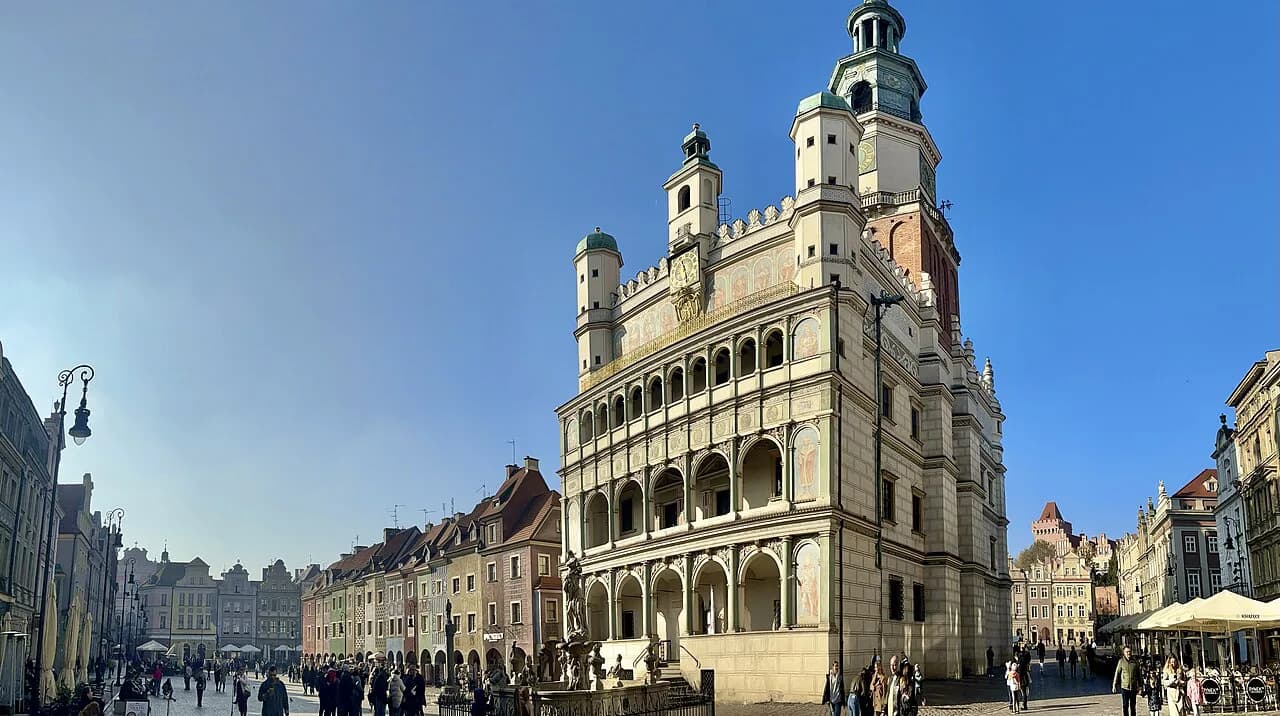
The Renaissance town hall on Stary Rynek is the city's signature building, and the tourist office calls it the pearl of the Renaissance era. Inside, the Town Hall – Museum of Poznań covers the city's own history. Allow an hour to ninety minutes, and treat the exterior as part of the visit: the arcaded façade and the square around it are why most travellers photograph Poznań in the first place.
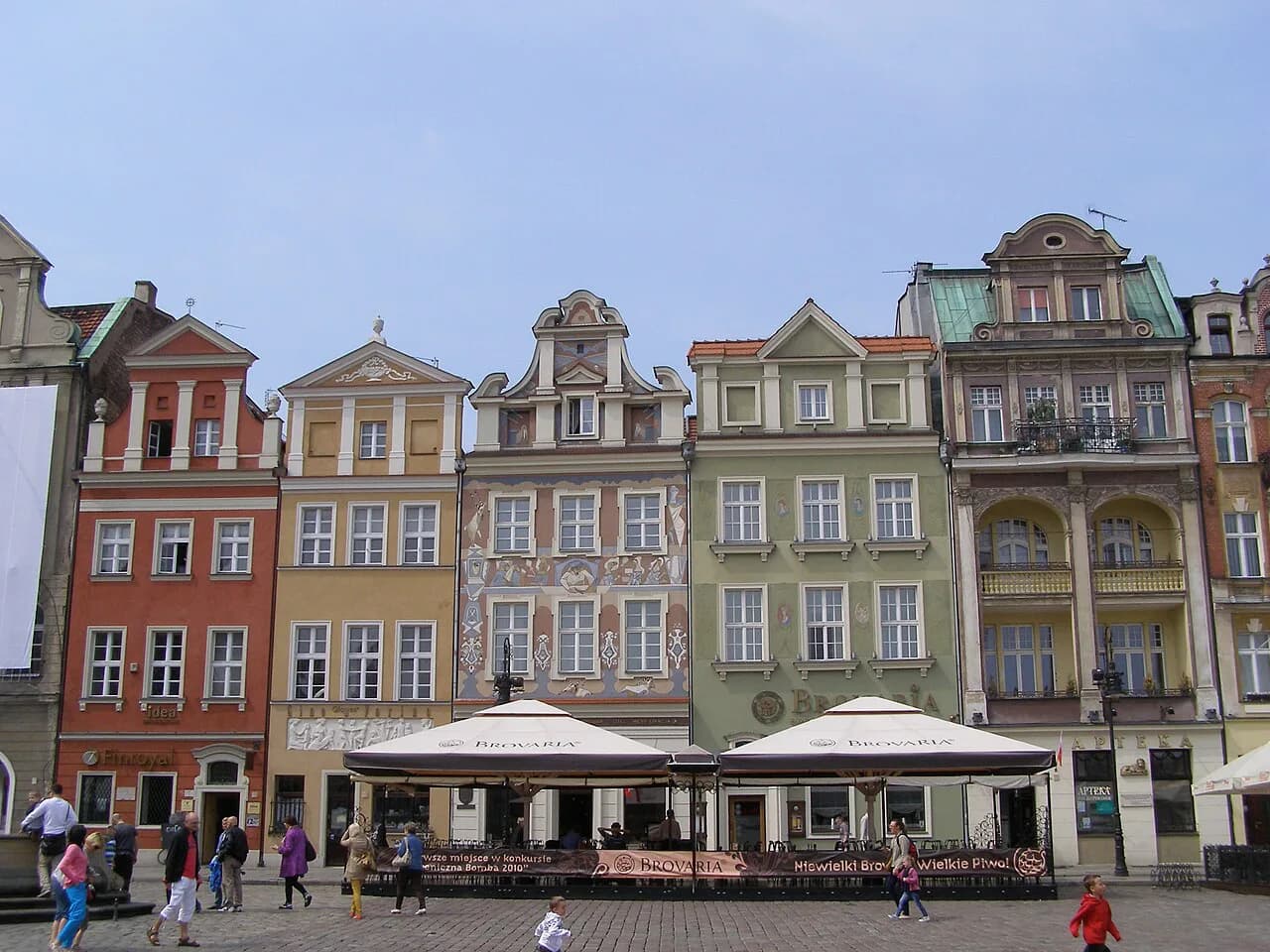
Pair it with the market square rather than making it a separate trip. Stary Rynek also holds the Museum of Musical Instruments at number 45 and the Museum of the Wielkopolska Uprising 1918–1919 at number 3, so a single morning can cover two or three venues.
Porta Posnania Heritage Centre: the origins of Poznań and Poland
Porta Posnania at ul. Gdańska 2 explains the origins of Poznań and of Poland itself, which makes it a strong first-afternoon stop. It sets the scene for everything else: the city's medieval street plan and its role in early Polish statehood. Its modern, multimedia approach suits travellers who find traditional display cases hard work.
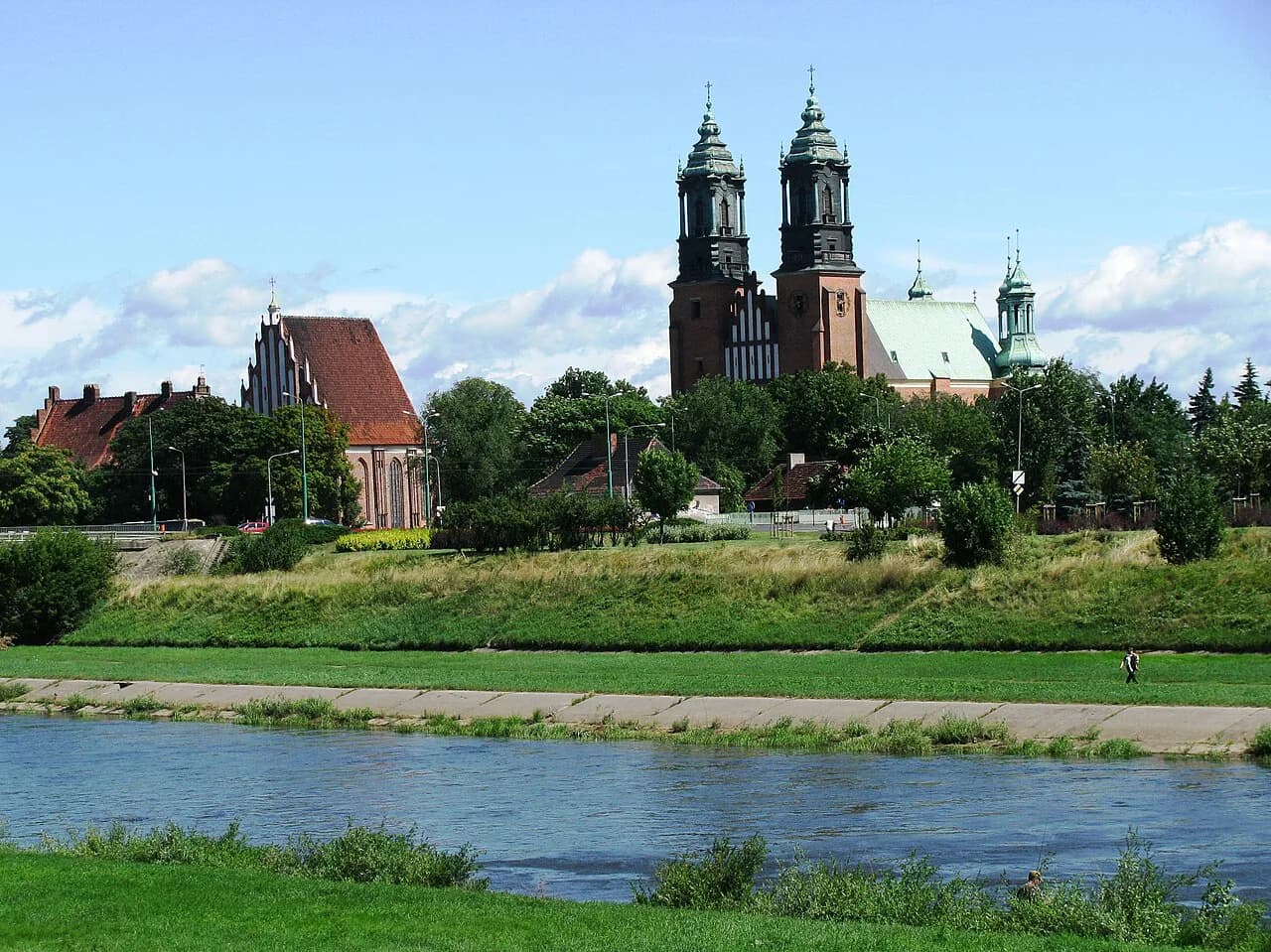
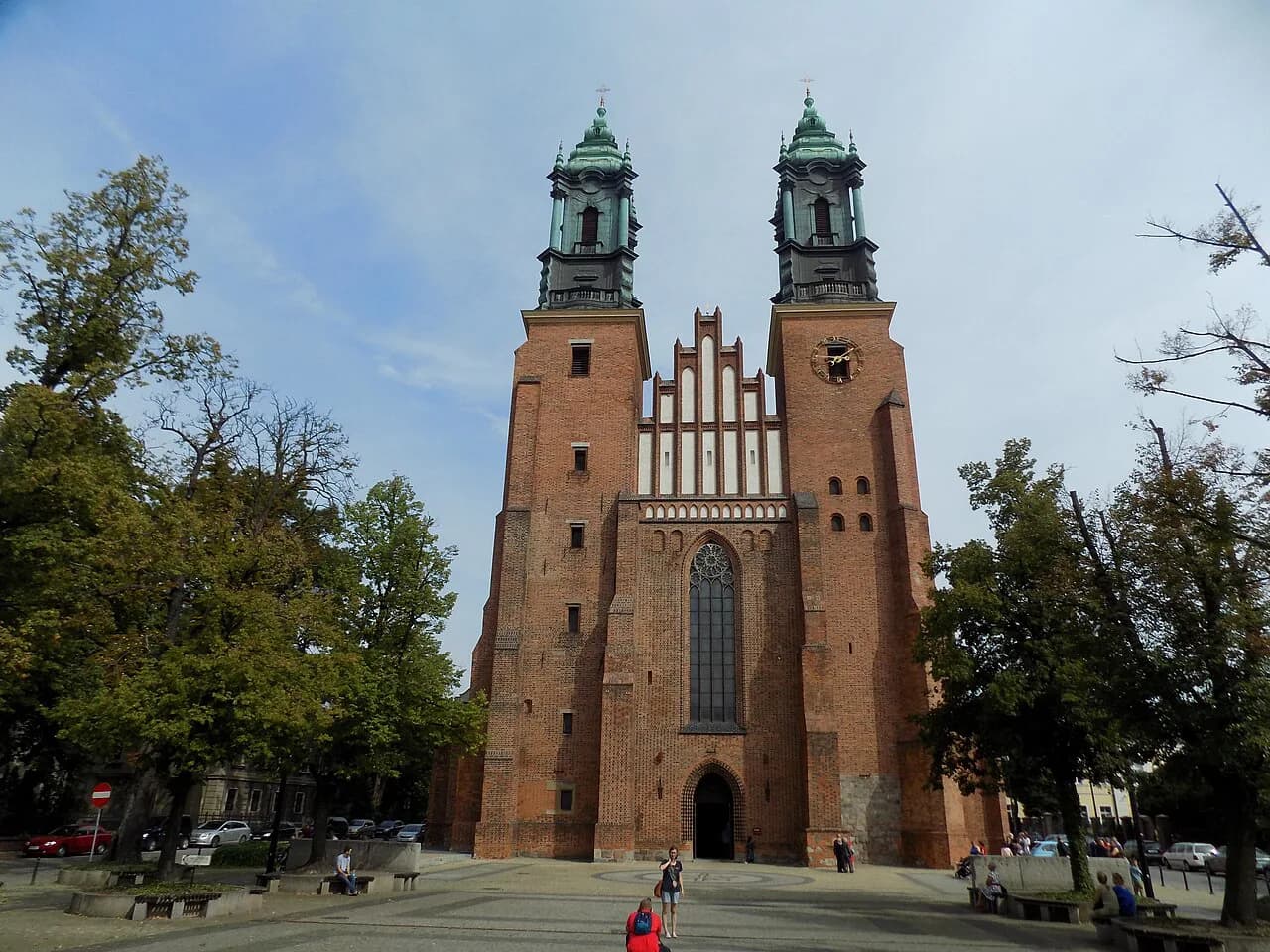
Allow around two hours and combine it with the nearby cathedral quarter rather than doubling back into the centre. Our guide to the churches of Poznań covers what else stands within walking distance.
Enigma Cipher Centre: the mathematicians who broke the German Enigma
The Enigma Cipher Centre on Święty Marcin tells the story of the Polish mathematicians who broke the Cipher of the German Enigma machine, and of secrecy in information more broadly. It is the museum most likely to surprise visitors who assume the Enigma story belongs to Bletchley Park alone. Give it ninety minutes to two hours if you read the displays properly.
It sits at Święty Marcin 78, with the Museum of the Poznań Uprising a short walk away at number 80/82, so the two pair well. Both are indoor, seated-friendly stops on a wet day.
Museum of the Poznań Uprising – June 1956
This museum on Święty Marcin covers the first mass protest of workers against the communist regime in Poland. It is a focused, documentary collection rather than a blockbuster, and the material rewards attention rather than speed. Allow an hour.
Travellers often confuse it with the Wielkopolska Uprising museum on Stary Rynek. They are different events, different buildings and different collections; the 1956 museum deals with the communist period, while the Stary Rynek one covers the 1918–1919 uprising in Greater Poland.
Museum of the Wielkopolska Uprising 1918–1919 on Stary Rynek
Housed in the historic guard building at Stary Rynek 3, this museum explains how the people of Greater Poland won their freedom during the 1918–1919 uprising. The setting does much of the work: a guardhouse on the main square is exactly where a story of local insurrection belongs. Budget about an hour.
If you have room for only one uprising museum, take this one for Polish national history and the 1956 museum for the communist era. The 1956 collection is the sharper experience for most visitors, but the square-side location makes this one easier to slot in.
The National Museum in Poznań: Monet and the Gallery of Painting and Sculpture
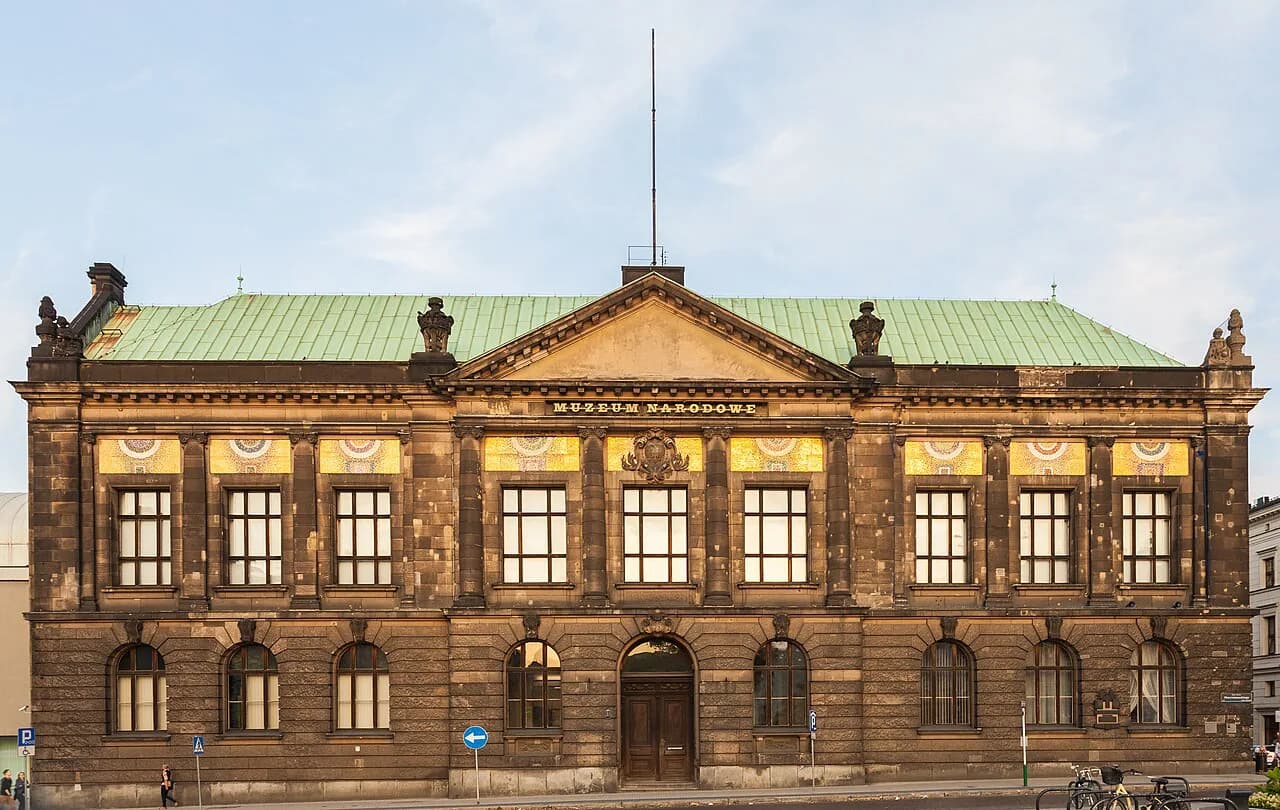
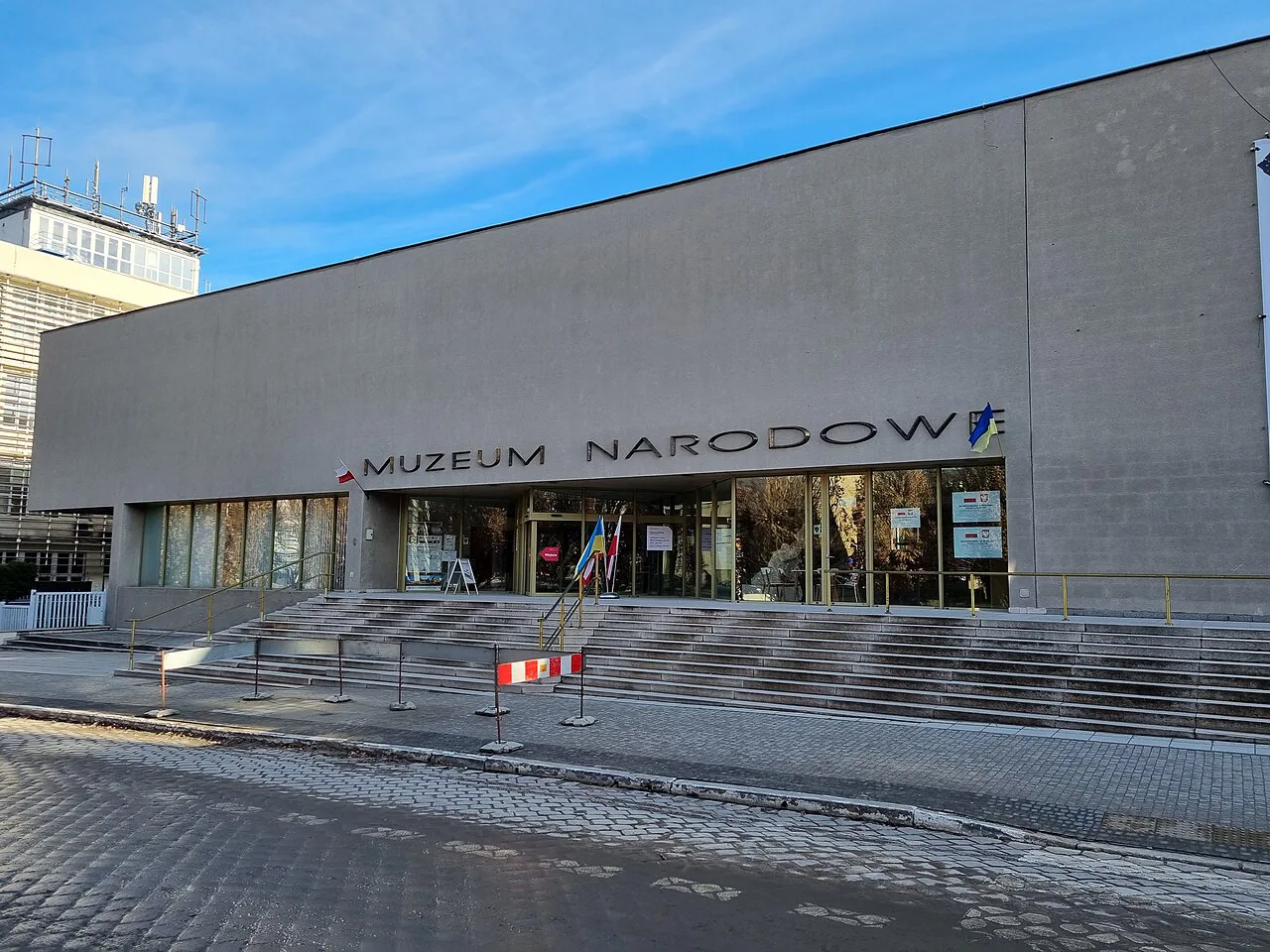
The National Museum's Gallery of Painting and Sculpture on Aleje Marcinkowskiego 9 is the art choice, holding collections that run from antiquity to the Polish avant-garde. Its headline work is Claude Monet's The Beach in Pourville, the only Monet in a Polish collection. Allow two hours for the gallery alone.
The wider National Museum group also runs the Museum of Applied Arts at the Royal Castle, the Town Hall museum, the Museum of Musical Instruments, the Greater Poland Military Museum and the Museum of World Cultures, so check which branches are open on your dates before planning around them. Temporary gallery closures happen, and the museum posts current gallery status on its own site.
Museum of Applied Arts at the Royal Castle on Góra Przemysława
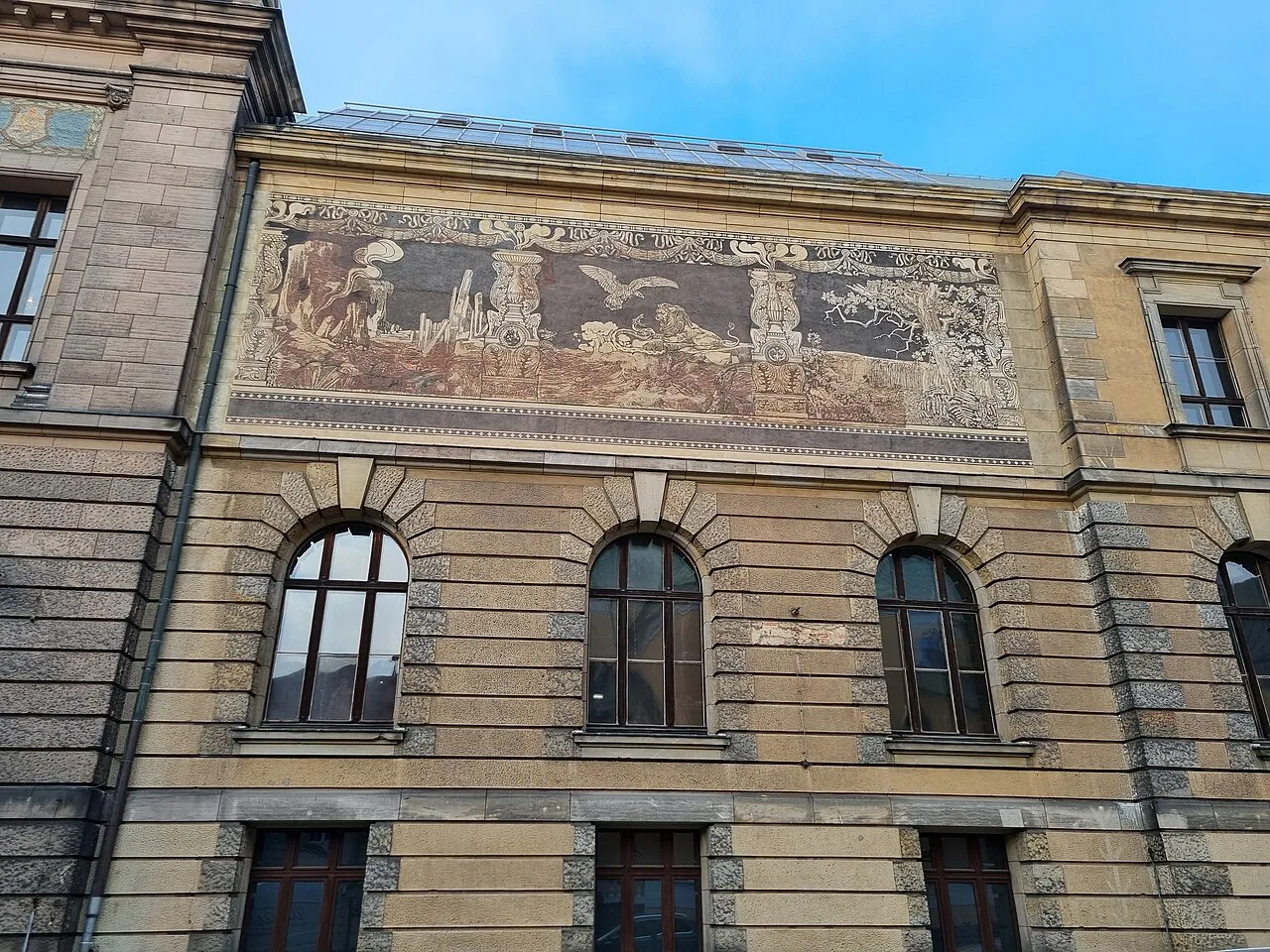
The Museum of Applied Arts at the Royal Castle at Góra Przemysława 1 holds a collection of utility objects, from ceramics to metalwork, in a setting that also gives one of the best views over the city. It is the museum to pick if you want decorative arts plus a vantage point rather than another wall of paintings.
The hill is a short climb from the old town, and the combination of castle, collection and panorama makes it a good hour-long stop before or after Stary Rynek. Our Poznań castle guide covers the rest of the hill.
Museum of Musical Instruments on Stary Rynek
At Stary Rynek 45, the Museum of Musical Instruments holds the largest collection of instruments in Poznań. It is a branch of the National Museum, and a good short stop for travellers with an hour to spare on the square.
Children tend to take to it more readily than to a painting gallery, which makes it a sensible swap when travelling as a family. Check the branch's current opening days before you build a day around it.
Archaeological Museum in the Górka palace on ul. Wodna
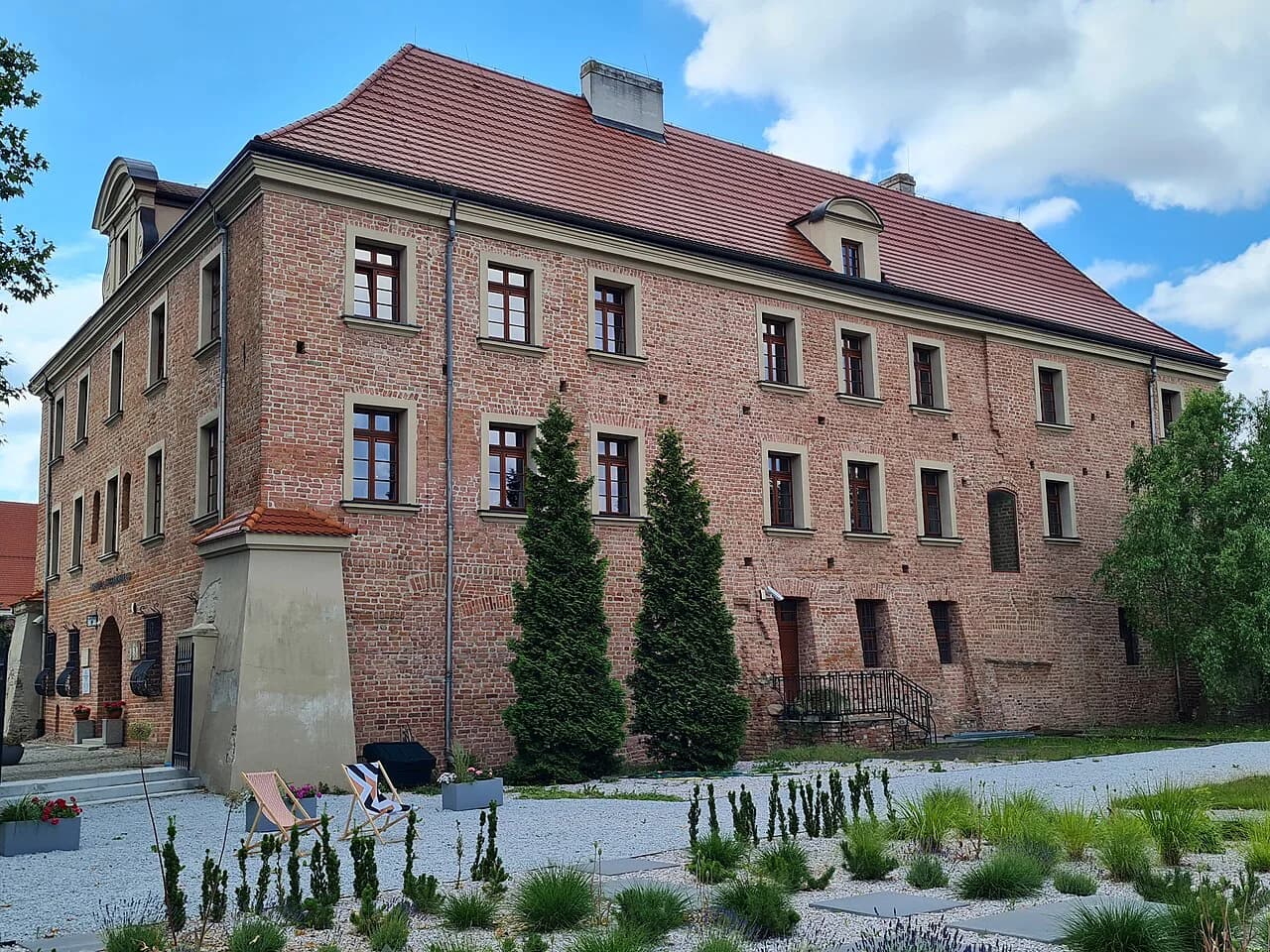
The Archaeological Museum at ul. Wodna 27 fills the Renaissance Górka palace with material from Egyptian mummies to medieval strongholds. It suits travellers who want objects rather than narratives, and its central location makes it easy to add to an old-town morning. Allow an hour to ninety minutes.
It is a quieter alternative when Stary Rynek is crowded, and the palace itself is part of the appeal.
Poznań Croissant Museum & Experience on Stary Rynek
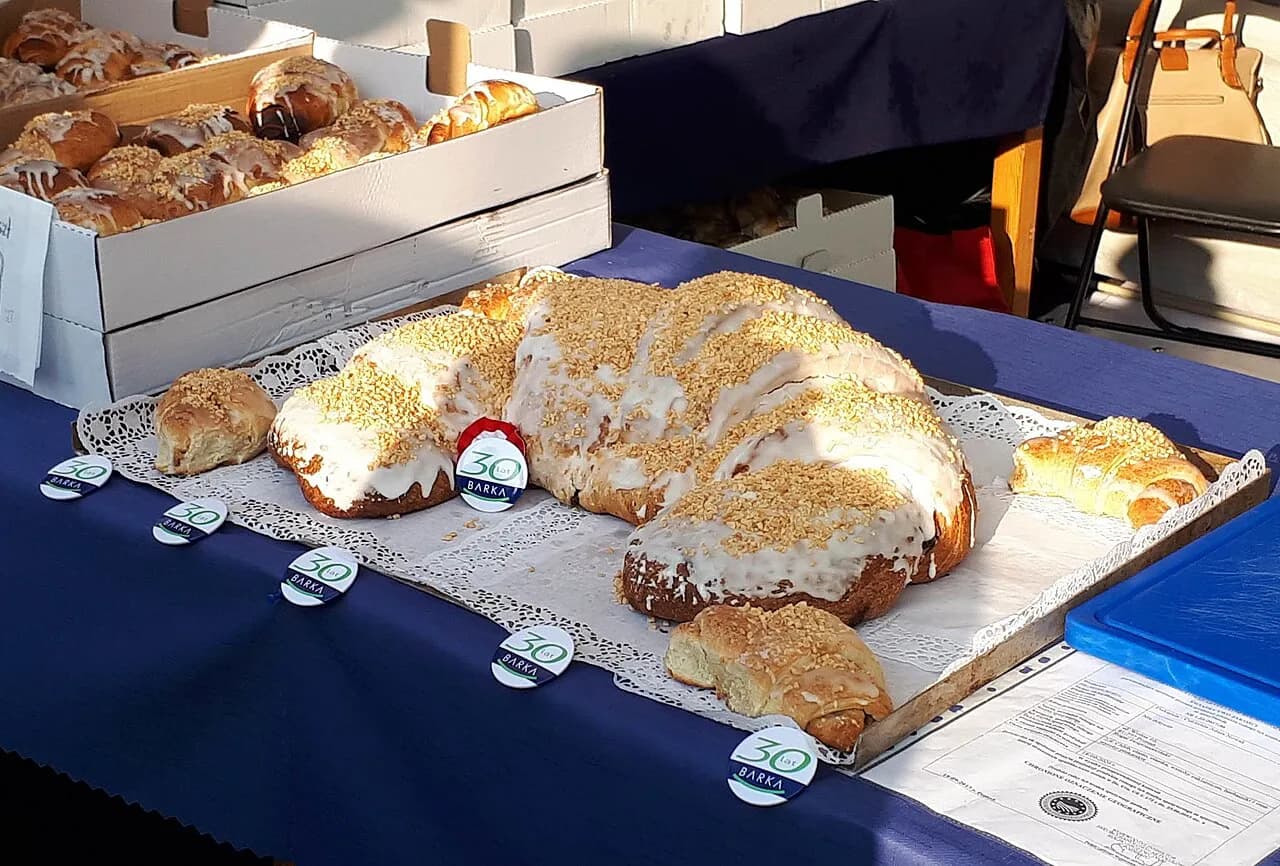
At Stary Rynek 41/2, the Poznań Croissant Museum & Experience explains the rogal świętomarciński, the St Martin's Croissant, through a live demonstration rather than a glass case. The croissant can only be tasted in Poznań, which makes this the most local of the city's small museums.
Because it runs as a demonstration, it is worth checking the current session times on the museum's own site before turning up. It works well as a late-afternoon stop with children.
Smaller and specialist museums: Kaiserpanorama, MoJA and the Museum of Illusions
Kaiserpanorama at ul. Ratajczaka 44 offers three-dimensional photography through a near-century-old viewing device, which makes it a curiosity rather than a full museum visit. The MoJA Jewelry Museum at ul. 27 Grudnia 17/19 holds around 2,500 items, mixing contemporary Polish artistic jewellery with pieces from indigenous groups in Africa, Asia and America. The Museum of Illusions, Science and Art at ul. Woźna 19/20 is built for optical tricks and photographs.
None of these needs more than an hour. Treat them as fillers between bigger collections, or as the main event on a rainy afternoon with children.
Military collections: Armaments and Armoured Weapons
The Museum of Armaments at ul. Armii Poznań 1 displays an extensive weapons collection at the former Winiary Fort. The Museum of Armoured Weapons at ul. 3 Pułku Lotniczego 4 covers the history of Polish armour across four pavilions of real military equipment. Both reward genuine interest in the subject and both sit outside the centre.
These need a deliberate trip rather than a detour. If military history is not your reason for visiting, spend the time on the centre instead; our guide to Poznań WW2 Sites covers the occupation story within easier reach.
Grouping museums by area so you cross the city once
A workable two-day shape looks like this. Day one: the Town Hall museum, the Museum of Musical Instruments and the Wielkopolska Uprising museum on Stary Rynek, then walk down to the National Museum on Aleje Marcinkowskiego. Day two: the Enigma Cipher Centre and the 1956 museum on Święty Marcin, then Porta Posnania and the cathedral quarter.
Keep the military and outlying collections for a third day or drop them. The Poznań Tourist Card gives discounts at many museums, according to the tourist office, which is worth having if you plan four or more paid entries.
Travellers comparing Polish cities will find the same cluster logic works elsewhere. Our guides to museums in Gdańsk and museums in Katowice follow the same streets-first approach, with Główne Miasto and the Silesian Museum as their respective anchors.
Opening days, tickets and how to check before you fix a day
Check each museum's own website for current opening days and ticket prices in złoty before you commit. Several museums in Poznań are branches of larger institutions, so their days can differ from the parent museum's. The National Museum publishes opening status for its galleries, branches and current exhibitions on its site, which is the reliable place to confirm the art collections.
The Poznań tourist office lists every museum with its address and own website, which makes it the fastest way to check a whole shortlist in one place. It also flags the Poznań Tourist Card discount at many museums; confirm the card price and participating venues there rather than assuming.
HistoryLand sits at the top of TripAdvisor's Poznań museum list, ahead of the National Museum and the Enigma Cipher Centre. That ordering reflects review volume and popularity, not curatorial quality, so treat it as a signal about what other travellers enjoyed rather than a plan.
Which to drop when you have one day
With one day, take the Town Hall – Museum of Poznań and the Enigma Cipher Centre, and add Porta Posnania only if you start early. Drop the military collections, the specialist museums and the National Museum, which deserves two hours you will not have. That gives you the city's own story plus its strongest single narrative.
With three days, add the National Museum, the Applied Arts collection on Góra Przemysława and one of the smaller curiosities. The Royal Castle hill is a short climb from the old town and repays the walk with a view.
For the occupation history that the centre's museums touch on but do not fully cover, our Poznań WW2 Sites guide picks up where the museum labels stop, and Poznań Ghetto and Jewish Poznań covers the wartime Jewish story of the city.
Which museum gets your first afternoon?
Give your first afternoon to Porta Posnania or the Enigma Cipher Centre. Both set up the rest of the trip, and both sit close enough to the centre that you can still walk Stary Rynek before dinner.
Then pick one art collection and one uprising museum for your remaining time. That is a realistic Poznań museum plan.
Explore more Poznań guides
Sources
Notes for your next Polish city break
Optional updates to our Poland guides.
You might also like
Continue reading
More guides you'll find useful