Free Things to Do in Poznań: Sights, Walks and Parks
Free things to do in Poznań, from the Old Market Square and Cathedral Island to Park Cytadela, plus which museums charge and where the trade-offs are.
On this page
Poznań gives you a full day of sightseeing for nothing if you stay outdoors: Stary Rynek with its Renaissance town hall, the walk across to Cathedral Island, and the memorials and slopes of Park Cytadela cost nothing to enter. Museums are the exception, so plan on paying for one or two and treat everything else as the free backbone of your trip. This shortlist covers the free sights worth your time, a walking order that avoids backtracking, and an honest note on what a ticket buys you.
Which free sights in Poznań are worth your time
The free core of the city is compact and walkable: the Old Market Square, the river crossing to Cathedral Island, and the northern park at Cytadela. These are public spaces rather than attractions with a gate, so they reward slow wandering rather than a checklist. If you have only one day, spend it on the square and the island and leave the park for a longer stay.
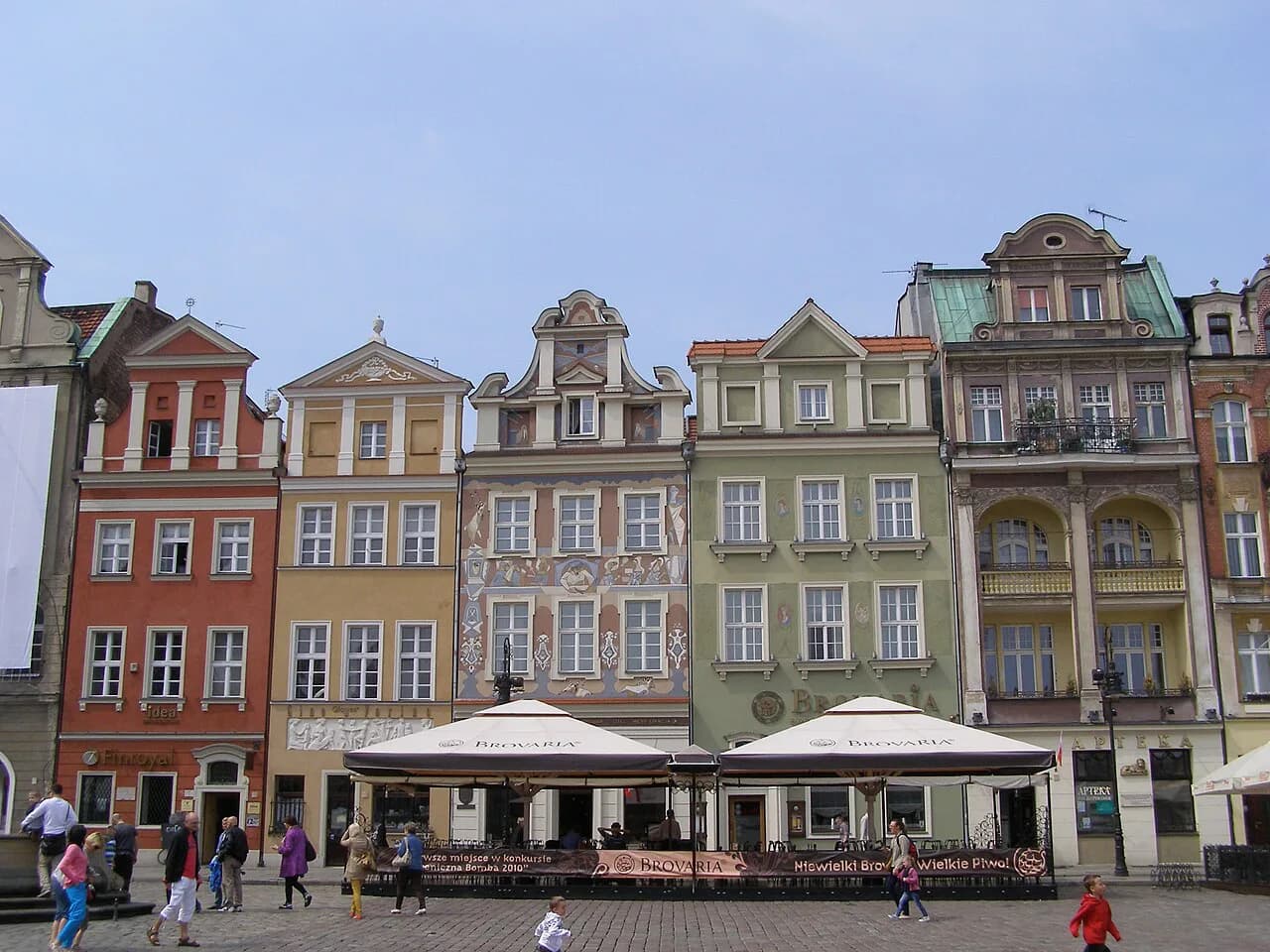
Stary Rynek (Old Market Square): the town hall, the square and the pranger
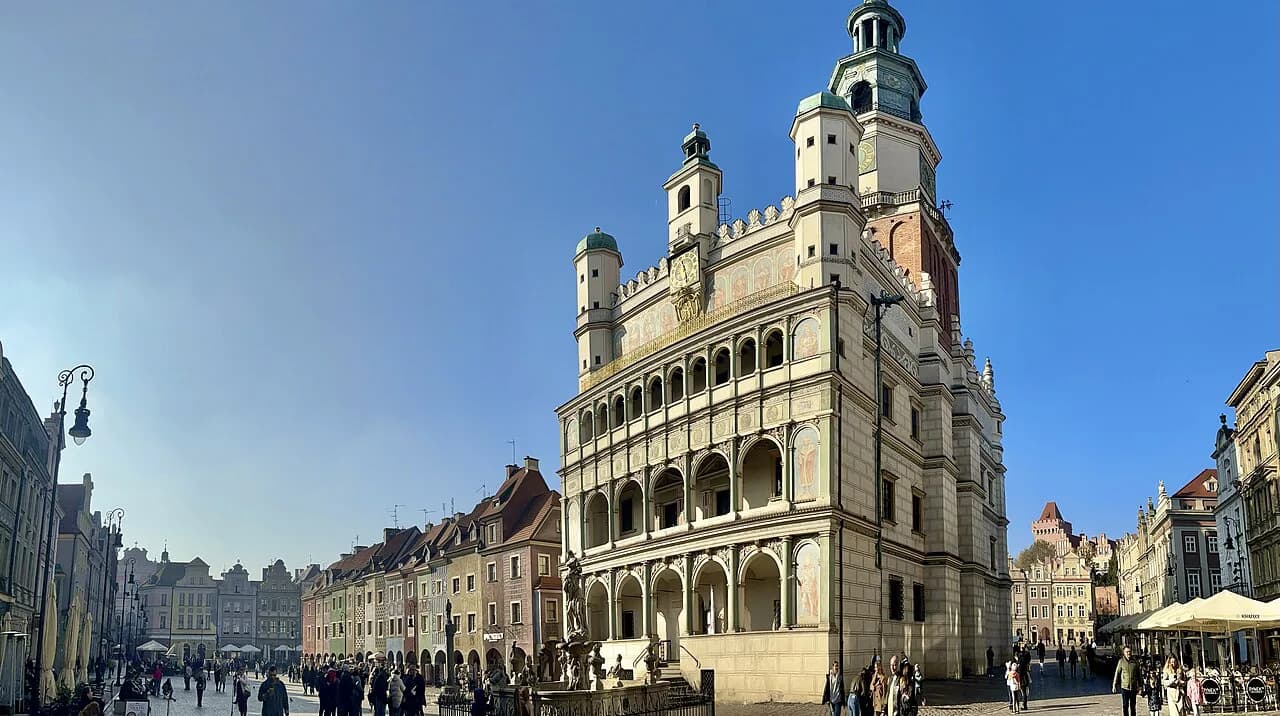
Stary Rynek is the natural starting point, a large cobbled square ringed by colourful townhouses with the Renaissance town hall standing in the middle. The square is open to anyone, so you can circle the town hall, look at the arcaded houses and rest at a café table without buying a ticket. For the arcades, side streets and what sits behind the facades, the Poznań Old Town guide goes deeper.
The square is also where the city's food and drink life concentrates, which matters if you are keeping costs down. Exploring the streets a block back from the front-row terraces opens up more of the Old Town's eating options. Early mornings are the quietest time to see the square without crowds.
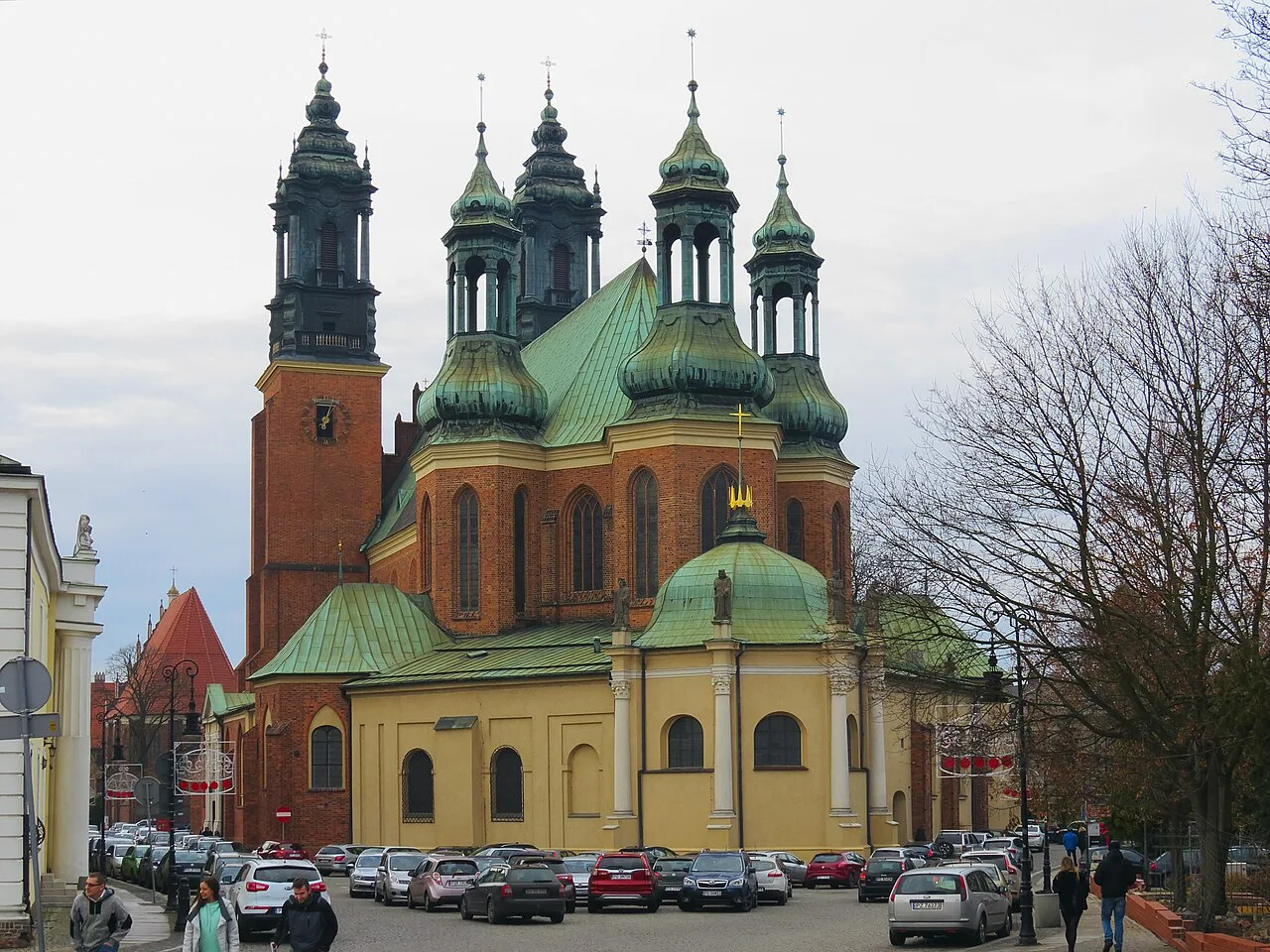
Cathedral Island (Ostrów Tumski): the cathedral, the bridges and the walk over
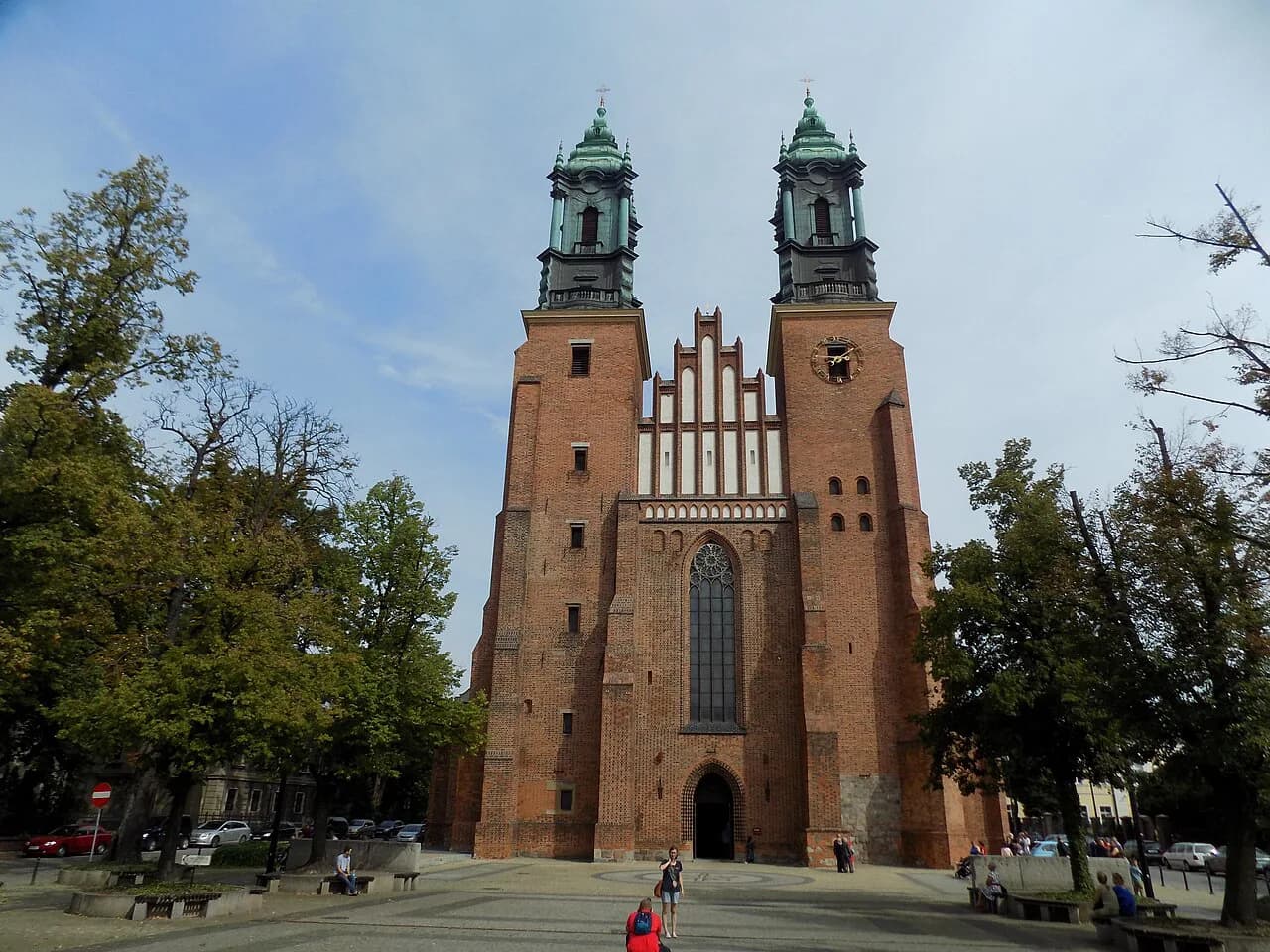
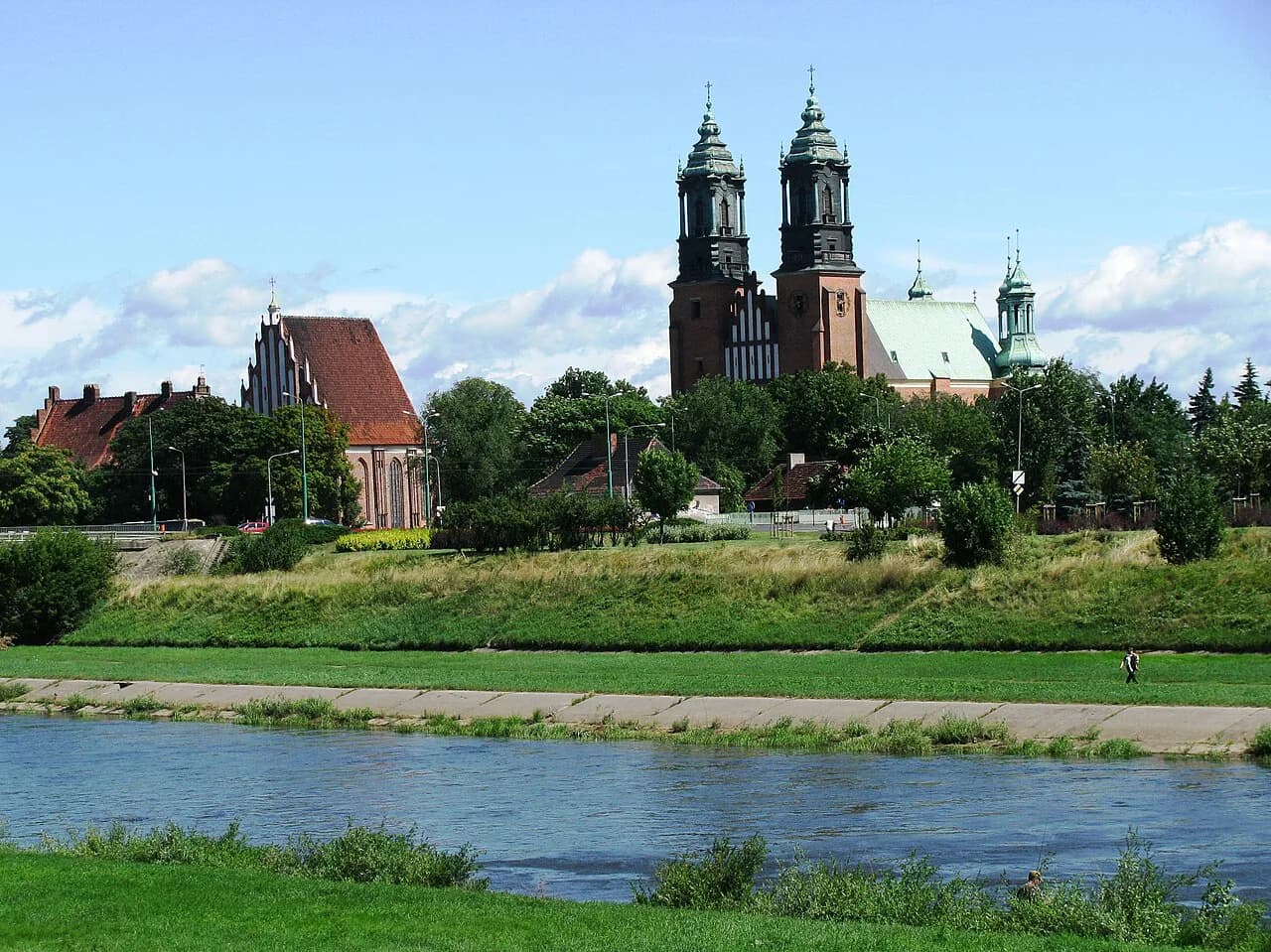
Cathedral Island, Ostrów Tumski, is the oldest part of Poznań and the walk there is half the point. Cross the Warta on the pedestrian bridge from the Śródka side for the best approach, with the cathedral towers and the low riverbanks opening up ahead of you. The island itself is small — a cluster of church buildings, lawns and cobbles that takes under an hour to circle on foot.
Treat the cathedral as the anchor of the visit and check the notice at the door for whether the church interior is open to visitors when you arrive; entry to the building and any charge for the crypt or tower are separate matters. Allow extra time for the bridges and the river views rather than rushing straight to the church. This is the most photogenic stretch of the city on a clear day.
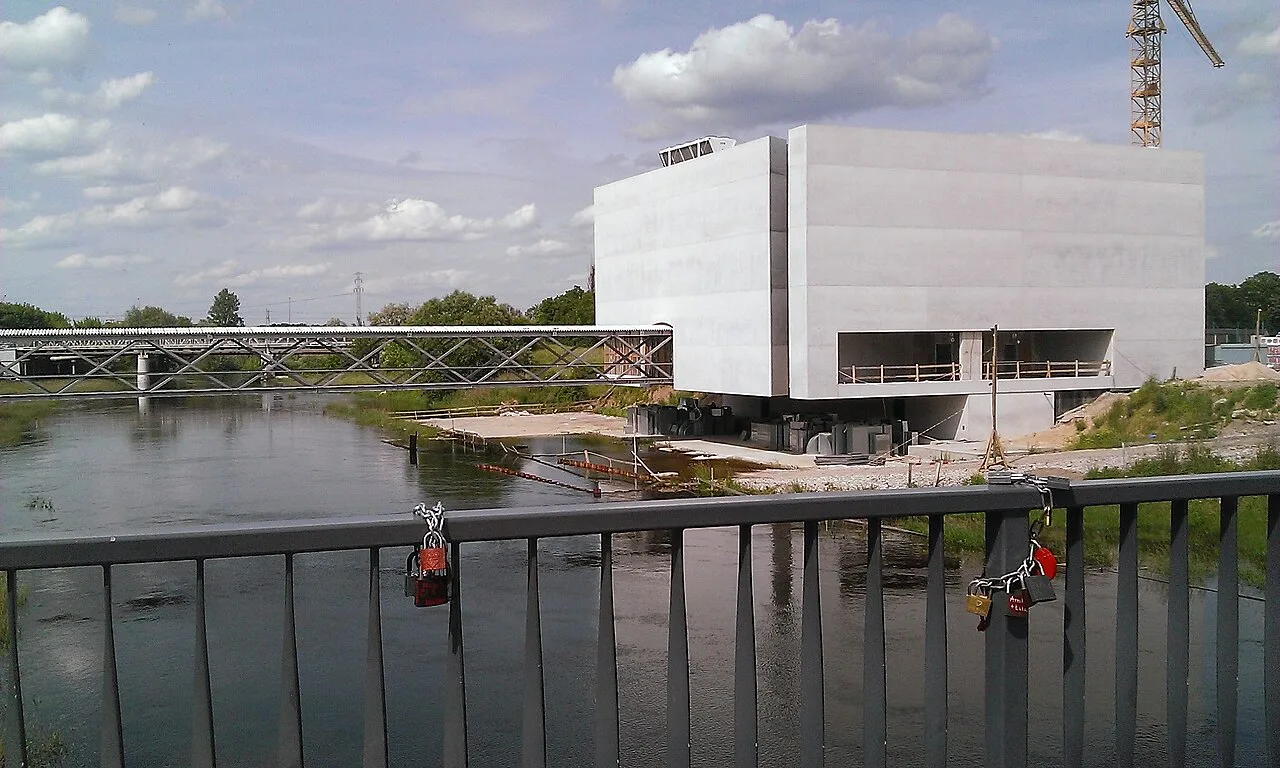
Park Cytadela: the park, the memorials and how much of a walk it is
Park Cytadela is the big green space north of the centre, laid out over the remains of a Prussian fort, and it is free to walk through. It holds war memorials and military cemeteries among its lawns and wooded paths, so it rewards a slower visit than a quick loop. Give it at least two hours if you want to reach the far corners.
The park is hilly in places and larger than it looks on a map, so wear proper shoes and pick an entrance near where you plan to leave. Sculptures and installations are scattered across the grounds rather than lined up along one path. If you are travelling with children, the open lawns and space to run make it a better stop than another museum.
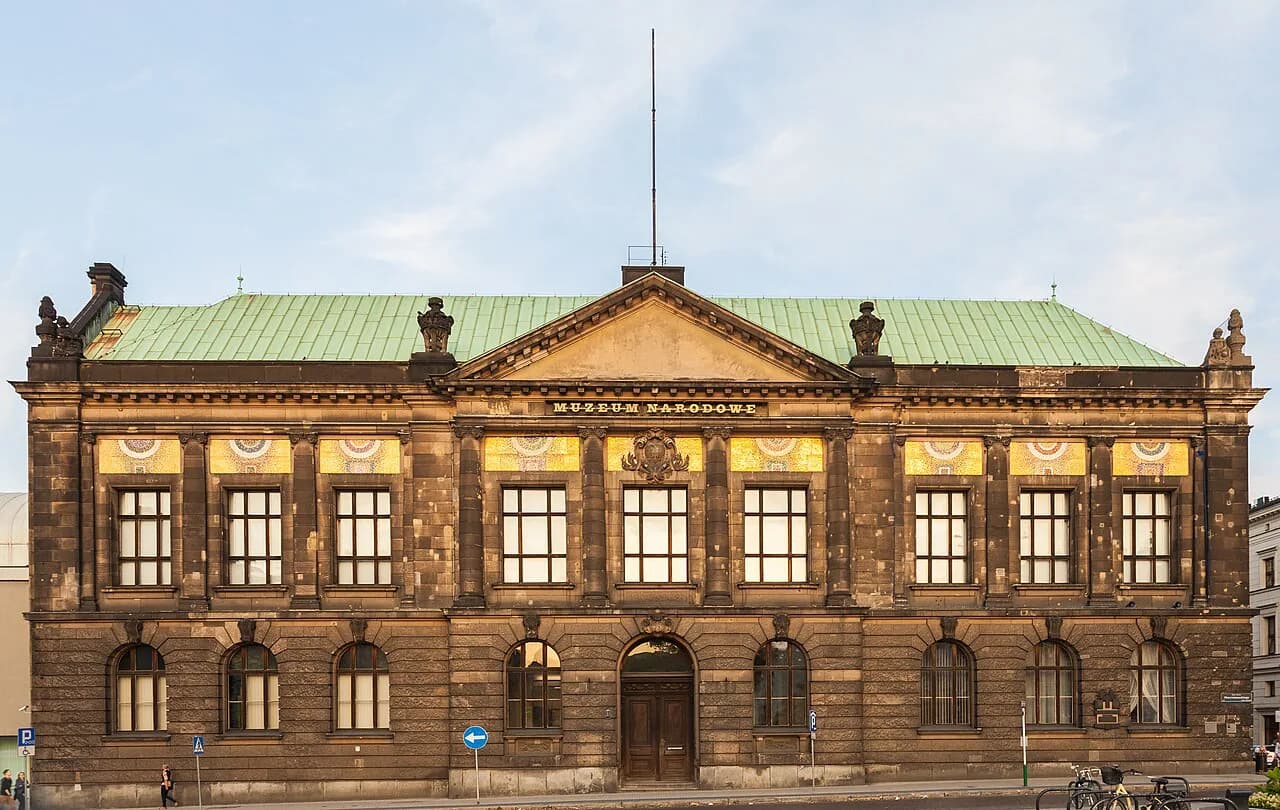
The National Museum of Poznań and what its collections hold
The National Museum of Poznań is one of the country's oldest and largest, with collections running from antiquity to modern art. Its holdings include Polish painting from the Middle Ages to the 20th century, with works by Jacek Malczewski, Stanisław Wyspiański and Jan Matejko, alongside Flemish, Dutch and Italian pictures and the country's only collection of Spanish painting, with Zurbarán, Ribera and Velázquez.
If you are paying for exactly one museum, this is the one to choose for painting. The collections are broad enough to justify a half-day rather than a quick hour, and the building sits on Al. Marcinkowskiego in the centre, which makes it easy to slot into a walking day. Decide before you go whether the Spanish and Polish galleries are your priority, because trying to see everything in one visit is tiring.
The Archaeological Museum in Poznań: the courtyard obelisk and the Rock Art of North Africa exhibition
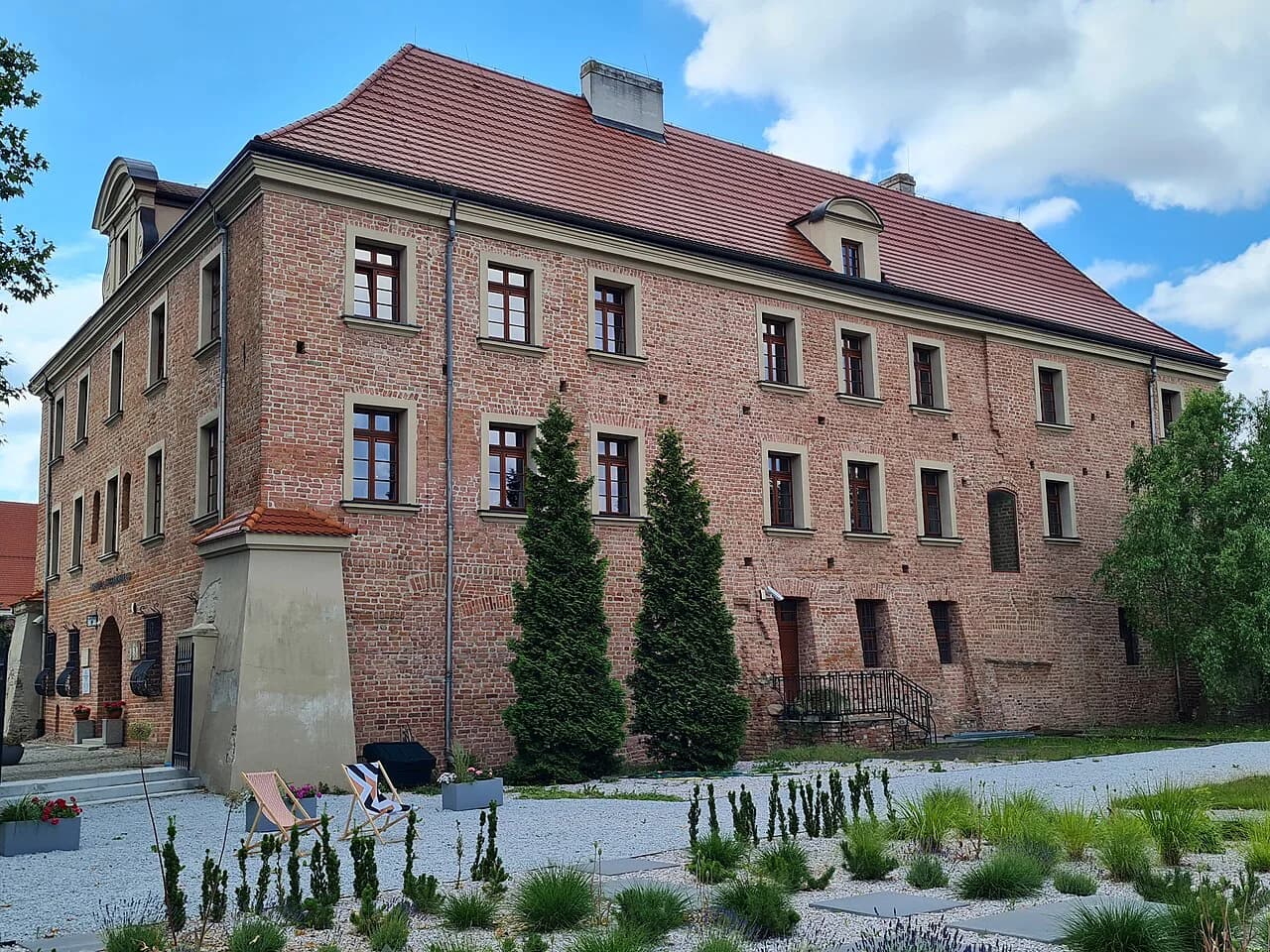
The Archaeological Museum in Poznań occupies the Górka Palace, and its courtyard holds the Athribis obelisk, which came from Berlin in 2002. Inside, the permanent Rock Art of North Africa exhibition covers engravings and paintings from the Eastern Sahara, drawing on the museum's fieldwork in Algeria, Egypt and the Sudan.
The Egyptian gallery closed in June 2024, with a new exhibition scheduled for 2026, so visitors who came for mummies should check what is on display before buying a ticket. The Saharan rock art display remains the reason to come in the meantime, with multimedia installations and a boulder that children can copy engravings from.
The Imperial Castle and its surroundings: what you can see from outside
The Imperial Castle is a landmark on the western edge of the centre and worth a look from outside even if you skip the interior. Its bulk and the surrounding streets give you a sense of the city's Prussian period, and the walk past it fits naturally between the Old Town and the parks. What is open inside changes with the cultural programme, so the ticket desk is the place to ask.
Śródka and the Porta Posnania area: the walk and the views across the river
Śródka sits on the east bank of the Warta, a small old quarter of cobbled streets and a famous mural of trumpeters that makes a good photo stop. The riverbank here gives you the best view back towards the cathedral and the bridge, and walking the loop out and back is free. Porta Posnania, the heritage centre on the same bank, is the paid option if you want the multimedia history of the island; the walk itself needs no ticket.
Where to find the Poznań croissants without paying for a show
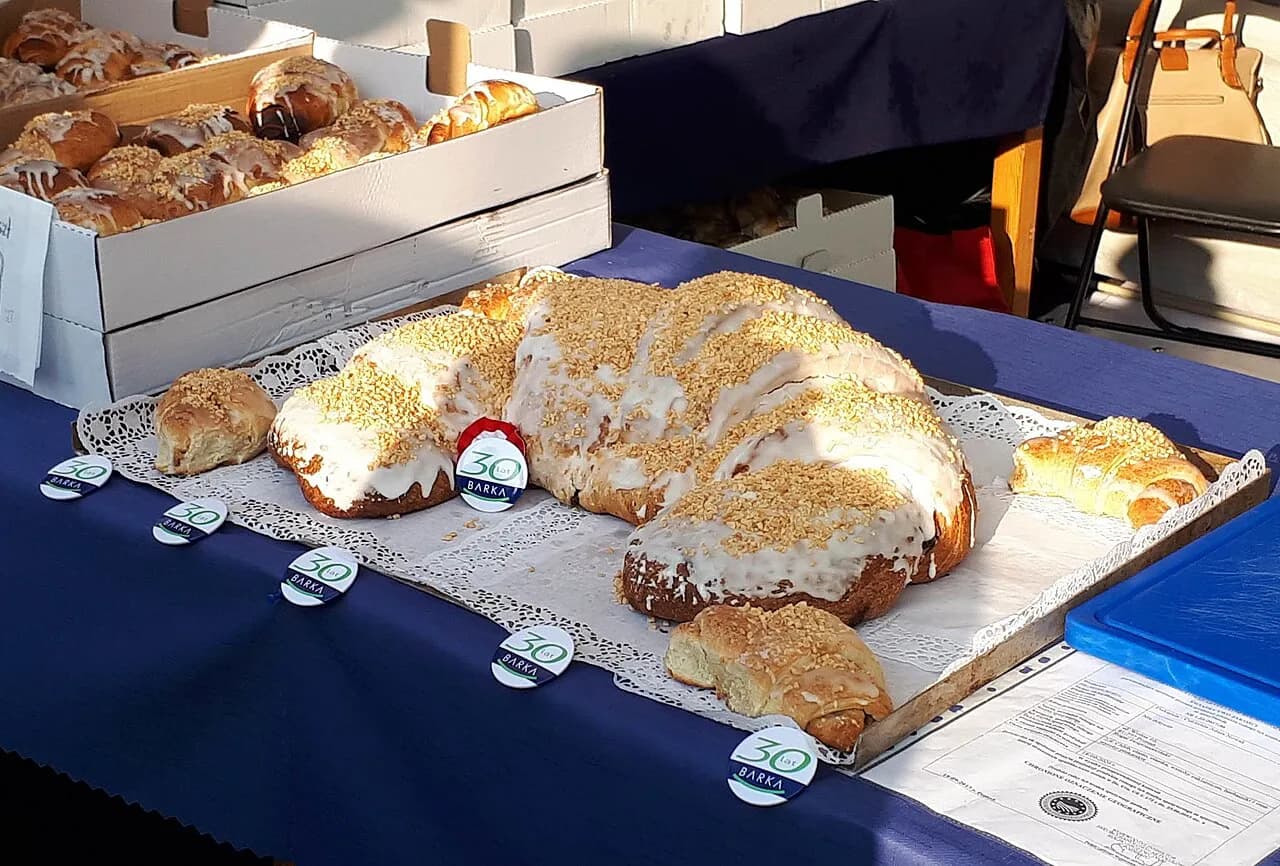
Poznań's St Martin's croissants are the city's signature sweet, and you can buy them from bakeries and stalls around Stary Rynek without booking a demonstration. The paid croissant museum experience is the show; the pastry on its own is the cheaper route. Buy early in the day, as the good bakeries sell out.
A free half-day walking route tying the square, the island and the park together
Start at Stary Rynek, walk east through the old streets to the river, cross to Cathedral Island and loop back via Śródka. From there, head north-west towards Park Cytadela and finish among its lawns and memorials. The whole chain is on foot and fills a generous half-day, with the park as the long tail you can cut short if your legs give out.
Do the route in this order rather than reversing it, so the climb into the park comes at the end when you can linger. Carry water and snacks, since the park has few places to stop. The full set of city sights beyond this loop is covered in the things to do in Poznań guide.
How free days and opening hours change the maths
Inside a museum, expect to pay: the National Museum and the Archaeological Museum are ticketed institutions, and any free-entry days are announced by each museum rather than set citywide. The practical habit is to check the museum's own ticket page the week you travel and build your day around whichever free window appears. The outdoor sights on this list need no ticket.
When a paid museum is worth it
Paying is worth it at the National Museum if you care about painting, and at the Archaeological Museum if the Saharan material appeals. Skip paid attractions that duplicate what you can see outdoors, such as another tower view when the riverbank already gives you one. Save your budget for one strong museum and one good meal rather than scattering it across small tickets.
Which free sights make your shortlist
Build your Poznań day around Stary Rynek, the walk to Cathedral Island and Park Cytadela, then, if you want a museum, choose one that matches your interests and pay for it. Check the museum's ticket page before you travel, since admission is set venue by venue.
Explore more Poznań guides
Frequently Asked Questions
Is Poznań better than Kraków for a short break?
The two cities suit different trips. Poznań's centre is compact and easy to cover on foot in a day or two, with the Old Market Square, Cathedral Island and Park Cytadela close together, which makes it a good fit for a short break. Kraków has the larger historic core and more sights overall, so it rewards a longer stay.
How many days in Poznań is enough?
Two full days covers the centre comfortably, with one day for Stary Rynek and Cathedral Island and another for Park Cytadela and a museum. Add a third day if you want a slower pace or a second museum.
What food is Poznań known for?
The St Martin's croissant is the city's signature bake, sold around Stary Rynek and in bakeries across the centre. Beyond that, look for regional Polish cooking in the streets around the Old Town rather than the front-row terraces on the square.
Sources
Notes for your next Polish city break
Optional updates to our Poland guides.
You might also like
Continue reading
More guides you'll find useful