Poznań Itinerary: A Practical 2- to 3-Day City Break Plan
A day-by-day Poznań itinerary built around the Old Market Square, Cathedral Island and the Citadel, with realistic walking times and honest trade-offs.
On this page
Two days is enough for a good Poznań city break, and three is better if you want the Citadel and the Imperial Castle without rushing. The plan below runs one walkable sweep per day: the Old Market Square first, Cathedral Island and Lake Malta second, then a third day split between the Citadel and the city's murals. The city is compact and flat, so most of what follows is on foot.
Poznań is the capital of the Wielkopolska region, and the Expedia guide to the city credits it with a thousand years of history as well as parks and forests across roughly a third of its area. That green reputation matters for planning: this itinerary keeps the sightseeing tight and leaves room to walk through the parks rather than treating them as a detour.
How many days in Poznań: what fits into one, two and three
One day gets you Stary Rynek, the Renaissance Town Hall, the mechanical goats and a walk to Cathedral Island if you start early. Two days add Lake Malta and Śródka, or a museum stop. Three days let you give the Citadel a proper half-day and still see Stary Browar and a few murals without watching the clock.
The trade-off is always distance against depth. Poznań rewards slow walking in the Old Town more than box-ticking, so if you only have two days, cut the zoo and the Maltanka railway first and keep the centre. A weekend in Poznań that stays on foot often delivers more than a packed three-day schedule with taxis.
How Poznań is laid out: Stary Rynek, Ostrów Tumski and the Citadel
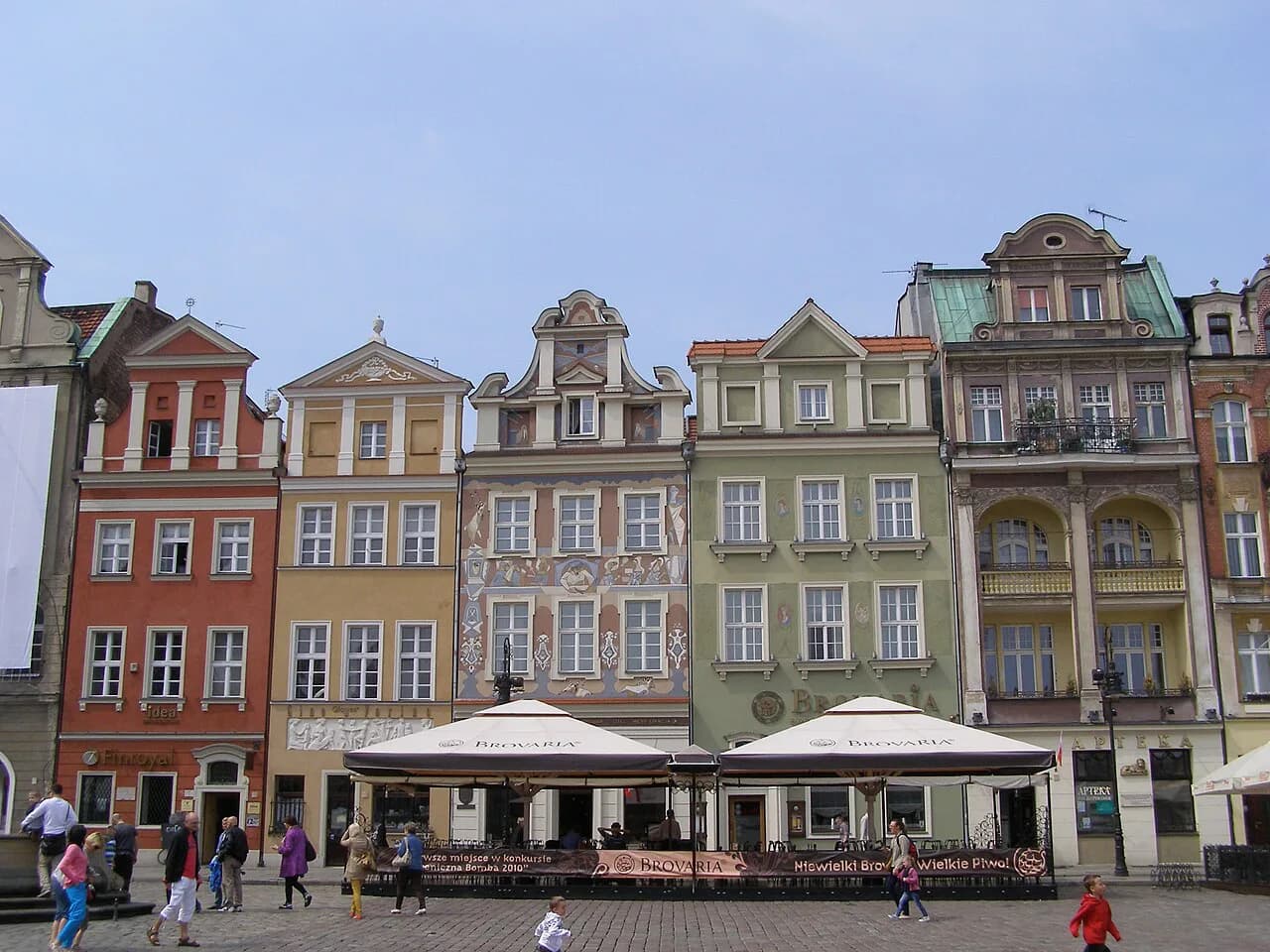
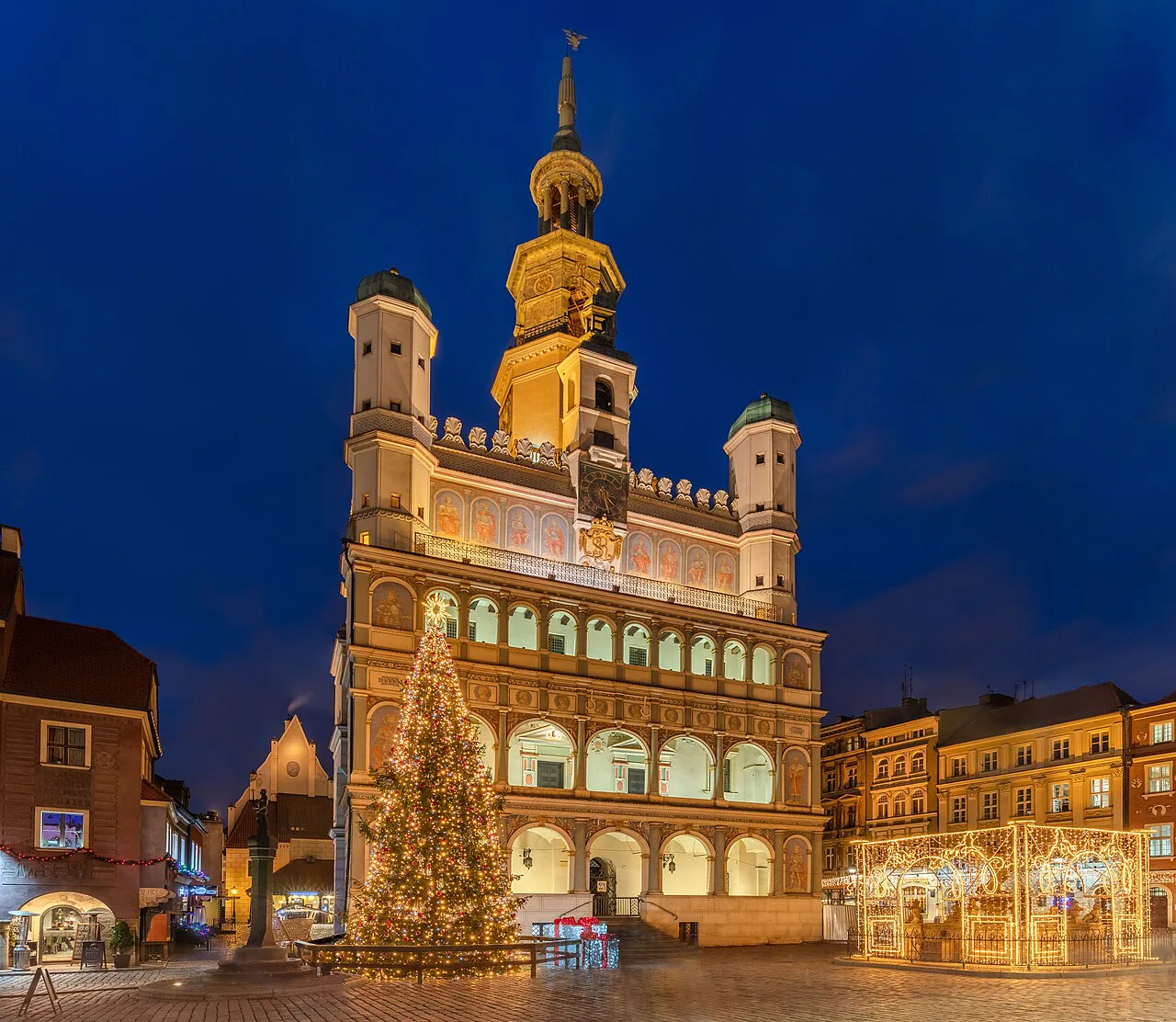
The Old Market Square, Stary Rynek, is the heart of the city, with the Town Hall in its middle and cafés on every side. Ostrów Tumski, the island where Poznań began, sits north-east of the square across the Warta, a walk of roughly twenty-five to thirty minutes. The Citadel park lies north of the Old Town, another twenty-minute walk.
The key layout decision is to treat these three as one loop rather than separate trips. Walk north from Stary Rynek through the Old Town, cross to Ostrów Tumski, and return through Śródka and along Lake Malta. Expedia notes that Cathedral Island is reachable by bus or tram, which is worth knowing if the weather turns.
Between the island and Lake Malta lies the Śródka neighbourhood, with its small painted houses and the nearby Lake Malta shoreline. Keep them in one afternoon rather than criss-crossing town.
Day 1 morning: Stary Rynek, the Town Hall and the noon goats
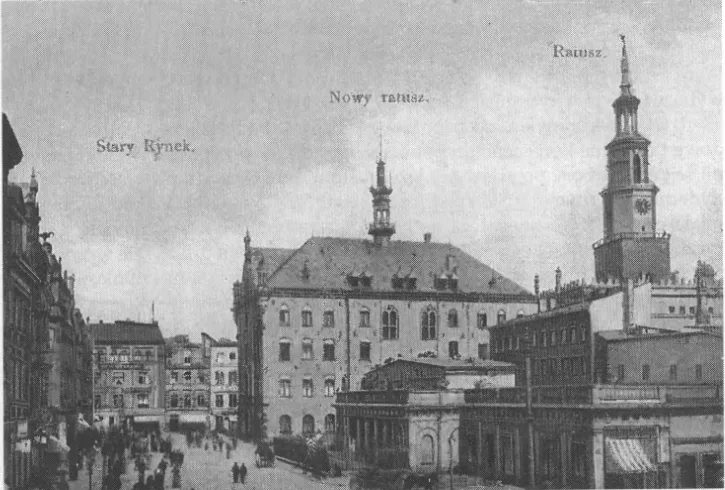
Start in Stary Rynek, which Expedia calls the Old Market Square and describes as holding a Renaissance Town Hall with classical buildings around it. The square is the most photographed spot in the city and its arcades fill with coffee drinkers by mid-morning. Arrive before noon so you can position yourself in front of the Town Hall clock.
At noon the mechanical goats on the Town Hall tower butt heads, and the crowd gathers a few minutes beforehand. This is the one fixed point in the day, so build the morning around it rather than the other way round. The Goats have become the city's symbol; expect them on postcards and souvenirs everywhere.
After the goats, walk the arcades and side streets around the square. The Historical Museum of Poznań occupies the Town Hall itself, so a museum stop here costs you no extra walking. If you prefer a single anchor for the day, this is it.
Day 1 afternoon: Działyński Palace, the parish church and the streets around the square
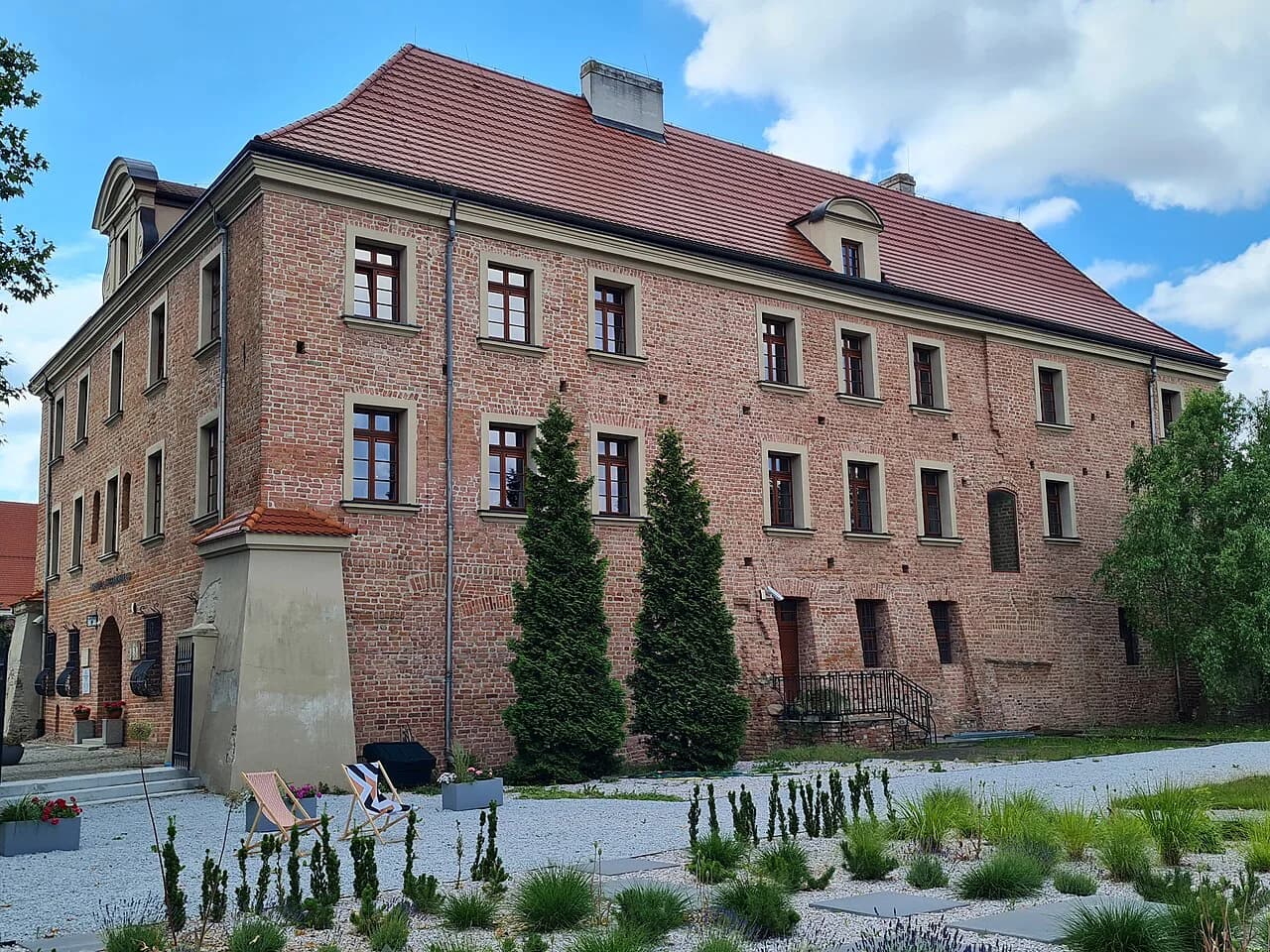
Just west of the square, the Działyński Palace and the surrounding streets are worth an hour. Expedia places the 16th-century Górka Palace, home to the archaeological museum, within the medieval quarter around the Old Market Square. Pick one of these small museums rather than trying both.
The parish church and the side streets between the square and the Imperial Castle finish the afternoon nicely. This is also the time to slow down: the Old Town's pleasure is in its courtyards and passages rather than in a single sight.
If your legs are still good, use this afternoon for the first museum stop of the trip. Check the venue's own page for which day it closes, since Polish museums commonly shut one day a week; do not assume a Monday or a free day without checking that specific museum.
Day 1 evening: eating near the Old Market Square and St Martin's croissants
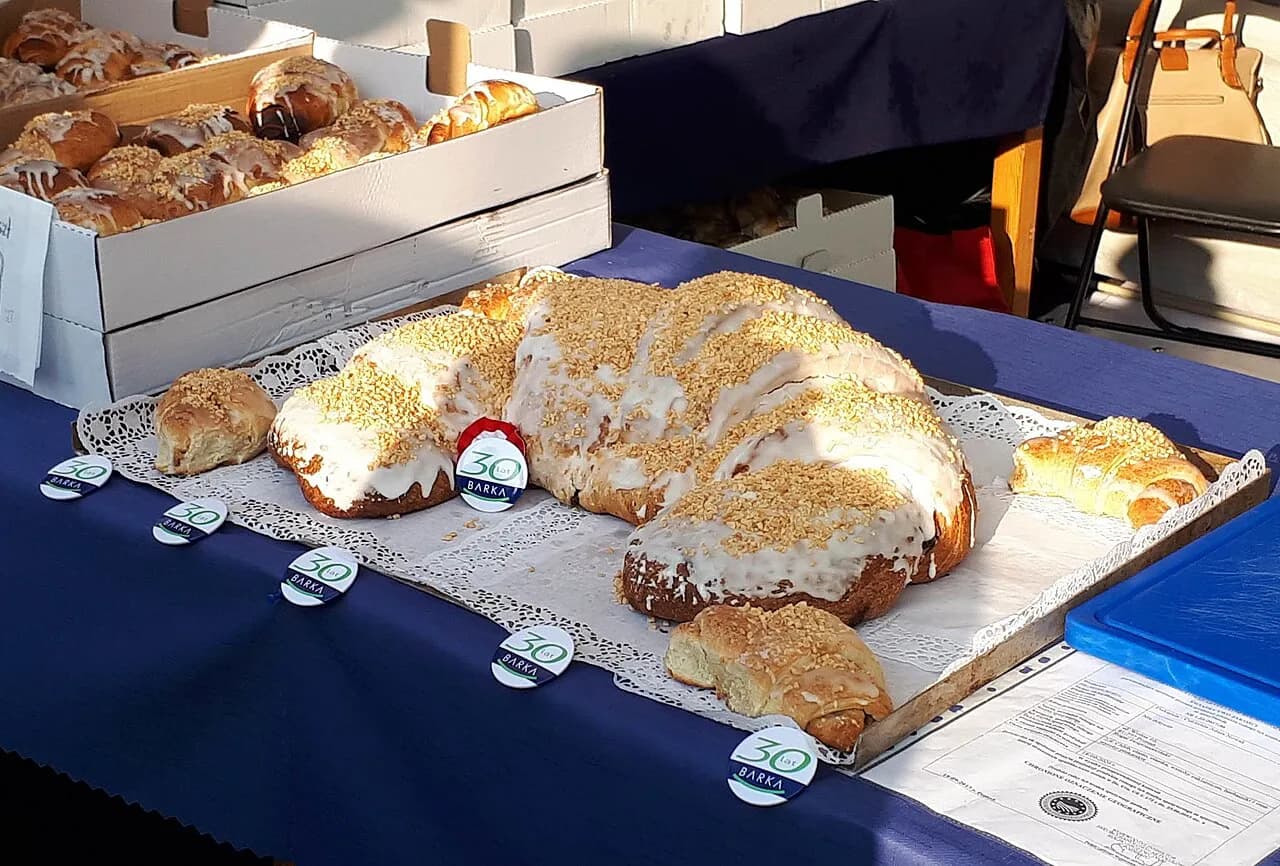
Eat within the arcades of Stary Rynek or one street off it, where you can see the Town Hall lit up afterwards. The city's food identity runs to regional dishes, and the rogale świętomarcińskie, St Martin's croissants, are the sweet souvenir to buy. Expedia recommends trying vodka with cold snacks such as pickled herring for a local evening.
The croissants are sold across the city; buy them from a bakery rather than a station kiosk if you can. This is also the moment to plan tomorrow's start, since the walk to Ostrów Tumski works best before the day heats up.
Day 2 morning: crossing to Ostrów Tumski and the Archcathedral Basilica
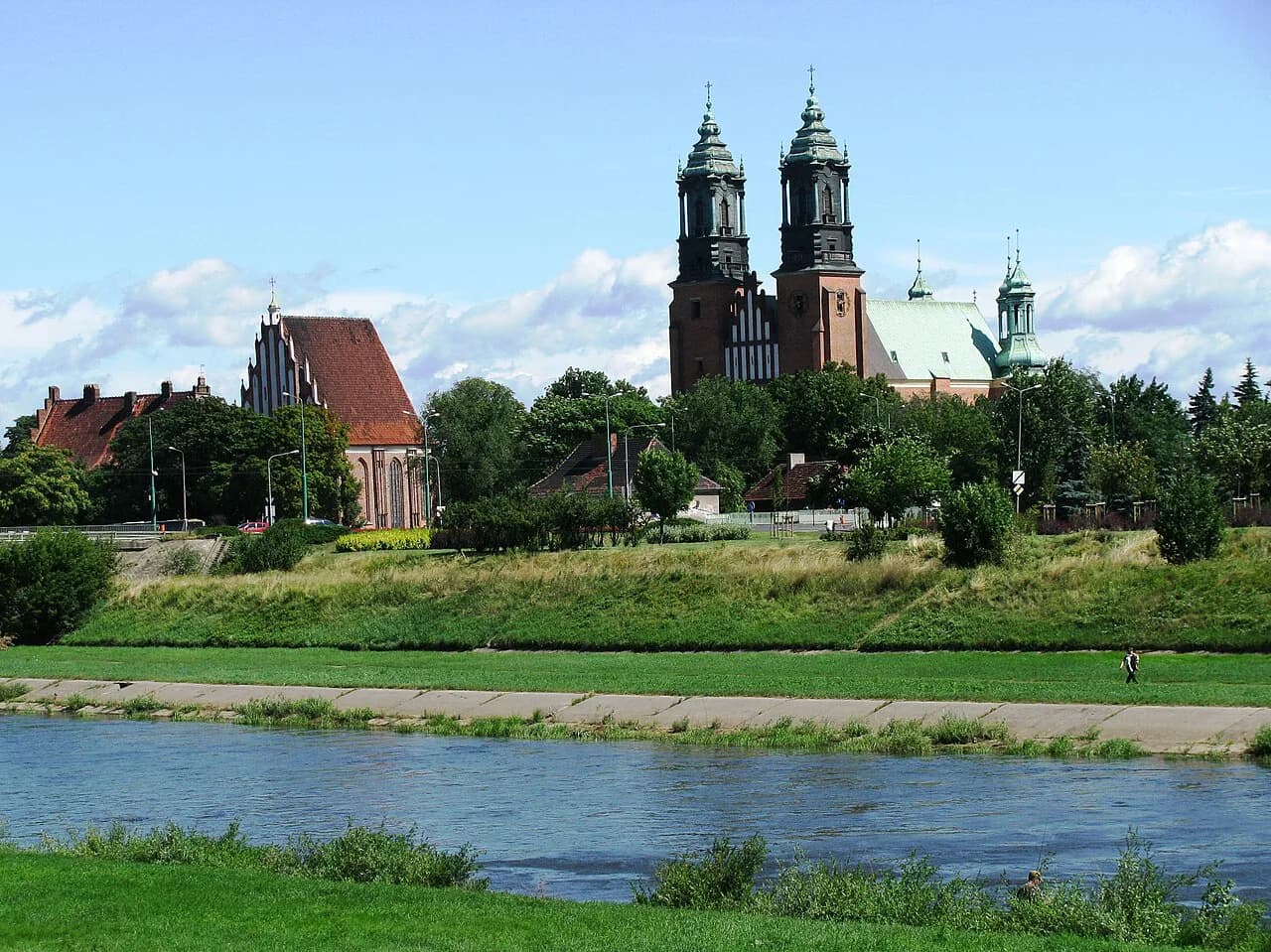
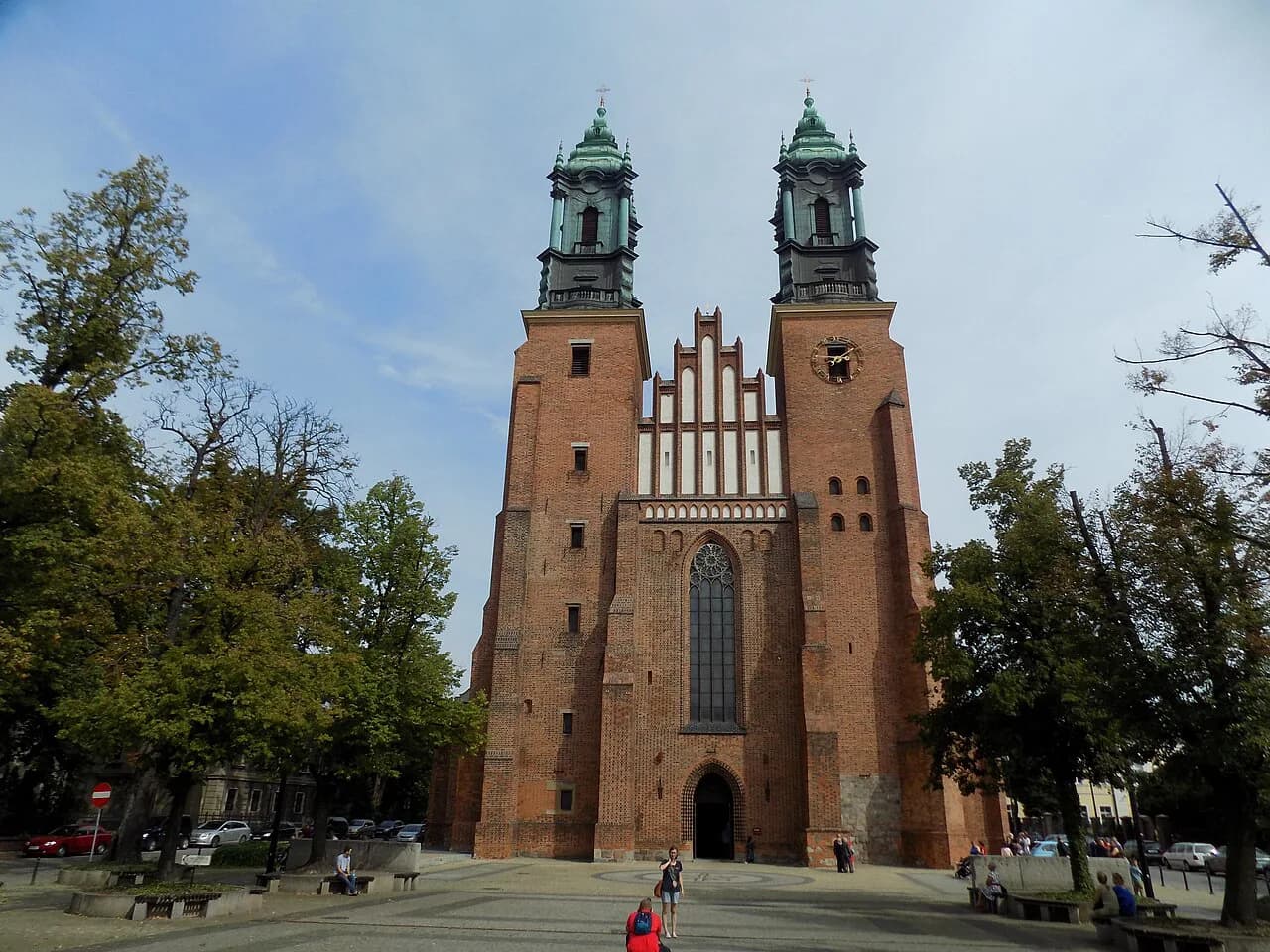
Walk north-east from the Old Town to Ostrów Tumski, the island where the city began. The Archcathedral Basilica of St Peter and St Paul is described by Expedia as a 10th-century foundation and holds the tombs of early monarchs, while St Mary's Church nearby has a Gothic interior worth a look. Expedia calls the island the place where the city began.
Allow a couple of hours on the island. The walk is gentle and the crossing gives you the best view of the cathedral's towers. Visiting hours for the basilica vary by religious calendar, so check the cathedral's own notice for the day rather than relying on a guidebook.
If you are short on time, a one day in Poznań version can compress the island into an hour. On a two- or three-day trip, there is no need.
Day 2 afternoon: Śródka, Lake Malta and whether the Maltanka and zoo are worth it
Cross from the island into Śródka and follow the shore of Lake Malta. Expedia describes the lake as a large artificial lake and recreation area, with Nowe Zoo on its east side and a summer toboggan run on the slope. The Maltanka narrow-gauge railway runs along the lake shore, and Visit Poznań lists the Zoo Poznań alongside it as a combined outing.
The honest trade-off: the zoo and the toboggan run eat a whole afternoon. If you have only two days, keep the lake as a walk and skip both; with three days, the Maltanka ride is a pleasant way to see the shore without much effort. Fares, timetables and season dates are published by the operators, so check them the week you travel.
Lake Malta also has the Maltese Baths thermal pools, which Expedia mentions. They are a good wet-weather substitute for a museum afternoon, though this guide keeps its main plan outdoors.
Day 3 option A: the Citadel, its sculpture park and the Imperial Castle
Give the Citadel a full morning: it is a large park north of the Old Town with paths, open lawns and the headless cast-iron figures Expedia singles out as its sculpture highlight. The scale is bigger than it looks on a map, so wear proper shoes and plan a loop.
On the way back, stop at the Imperial Castle, built in the early 20th century for Kaiser Wilhelm II of Germany, as Expedia describes it. The two together make a coherent third day that does not overlap with anything on days one and two.
The Citadel also hosts museums, so if you want a museum stop, this is the natural place for it on day three. Check the individual venue's opening day before you commit.
Day 3 option B: murals, Stary Browar and the city's green spaces
A slower third day suits anyone travelling with children or recovering from a long first two days. Visit Poznań publishes a Top 10 murals list covering the city and its surroundings, which makes a good self-guided walk. Time it with a visit to Stary Browar, the shopping and arts complex, for a coffee and a browse.
Expedia notes that parks, forests and gardens cover nearly a third of Poznań, with a greenbelt around it, so a slow day here is not a compromise. The trade-off is that you will skip the Citadel. Choose option B if you value wandering over sculpture parks; choose A if this is your only chance to see the Citadel.
If you are weighing whether the trip is worth making at all, this slower version shows the city as a place to live rather than a checklist, which is often what decides the question of is Poznań worth visiting.
Where to put a museum stop and how opening days shape the plan
Polish museums commonly close one day a week, often a Monday, so treat opening days as a constraint that decides which day gets the museum. Visit Poznań's practical pages and the venue's own site are where the current opening days are published. Build the museum into whichever morning or afternoon matches.
If a museum you want is closed on your only full day, swap day two and day three rather than cutting the Citadel. The geographical sweep still works in either order. This itinerary deliberately places no museum on day one morning so the noon goats stay protected.
A good compromise is one substantial museum per trip, not three. The Historical Museum in the Town Hall and the archaeological museum in the Górka Palace are the two easiest to slot in because they sit on the day-one route.
When to go: season, daylight and how the walking changes
Poznań's climate is temperate, with warm summers and cold winters; these are typical seasonal conditions rather than a forecast. Spring and early autumn give the best balance of daylight and comfortable walking.
In winter the daylight is short, so the Citadel walk needs to start early and the afternoon should be spent indoors. Summer allows the lake and the zoo to fit after Cathedral Island without rushing. Either way, the Old Market Square works in any season because the arcades give shelter.
Visit Poznań runs a city card for sightseeing, which is worth pricing against your planned museum stops before you buy. It appears on the practical info pages rather than in the events listings.
What it costs: budgeting in złoty for tickets, food and transport
Keep your budget in złoty and convert once, rather than converting every purchase. Museum tickets, tram fares and restaurant bills are all quoted in PLN. Prices change, so check the venue's own ticket page or the Visit Poznań listings before you travel.
For a fuller breakdown of daily costs, is Poznań expensive sets out what a city break in złoty actually adds up to. Use it to decide how many paid museums fit your trip rather than guessing from hotel rates.
Do not use hotel prices as a proxy for what the city costs to visit. Accommodation is a separate decision that this itinerary does not cover; the sightseeing budget is mostly tickets, coffee and tram fares.
Two-day versus three-day version: what to drop first
If you can only manage two days, drop the zoo and the Maltanka first, then the slow third-day murals. Keep Stary Rynek, the noon goats, Cathedral Island and, if time allows, the Citadel. That order protects the things that make Poznań distinctive.
For the full one-, two- or three-day comparison, how many days in Poznań sets out the alternatives side by side. The weekend in Poznań plan is the closest match if you are arriving on Friday and leaving on Sunday.
The third day is where this itinerary is strongest, because the Citadel and the murals are what separate a rushed visit from a relaxed one. If you have the time, use it.
Poznań compared with Kraków for a short Polish city break
Poznań is quieter and flatter than Kraków, and its Old Market Square is less crowded, which suits a two-day break. Kraków has the larger historic core and the better-known day-trip options, but for a first Polish city break outside the obvious choice, Poznań competes well on food and green space.
For a direct comparison, Poznań vs Wrocław weighs the two most natural rivals in western Poland. The two Ostrów Tumski islands, in each city, are a good place to start that comparison.
If you are building a wider trip, a Poland itinerary can string Poznań with Warsaw Old Town and other cities. Three days in Warsaw is the natural pairing if you are flying into the capital and working west.
Do you need the third day?
Two days gives you the essential Poznań; the third day is what makes the trip feel unhurried rather than rushed. If you can afford it, use it for the Citadel and the murals. If not, keep the Old Market Square and Cathedral Island and save the rest for next time.
Book flights to Poznań Ławica Airport and check the city card options before you go.
Explore more Poznań guides
Frequently Asked Questions
How many days do you need in Poznań?
Two days cover the Old Market Square, the noon goats at the Town Hall and Cathedral Island. A third day adds the Citadel and the Imperial Castle at a comfortable pace. If you are short on time, keep the centre and skip the zoo and the Maltanka railway.
What food is Poznań known for?
St Martin's croissants, rogale świętomarcińskie, are the local sweet speciality, sold in bakeries across the city. Regional dishes and cold vodka snacks such as pickled herring appear on Old Market Square menus.
Is Poznań better than Kraków for a short break?
Poznań is quieter and flatter, with a less crowded Old Market Square, while Kraków has a larger historic core. For a two- or three-day trip based on walking, Poznań competes well on food and green space.
What should I skip on a two-day Poznań itinerary?
Drop Nowe Zoo and the Maltanka railway first, then the slow mural day. Keep Stary Rynek, the mechanical goats and Cathedral Island, which are the things that make the city distinctive.
Sources
Notes for your next Polish city break
Optional updates to our Poland guides.
You might also like
Continue reading
More guides you'll find useful