
Wrocław Japanese Garden (Ogród Japoński): What to See and How Long to Allow

Wrocław's Japanese Garden is a compact, one- to two-hour stop inside Szczytnicki Park, best treated as the calm centrepiece of a half-day in the city's eastern parkland rather than a destination on its own. The garden traces its origins to the 1913 World Exhibition and was reworked in the 1990s with Japanese experts from Nagoya, which explains why it reads as both an exhibition relic and a carefully composed garden. This guide covers what to look for as you walk through, how long to allow, what to confirm before travelling, and the nearby sights that make the trip worthwhile.
What the Wrocław Japanese Garden is and where it sits in Szczytnicki Park
The garden lies in Szczytnicki Park by ul. Mickiewicza, the address it is listed under, within the area of the People's Hall. It forms a small, self-contained part of the much larger park, so you can take in the whole garden in a short time and then wander out into the surrounding avenues of trees. As a defined garden within the open parkland, it offers a natural pause between the bigger sights.
Szczytnicki Park itself is one of the largest green spaces in Wrocław and holds the garden, the zoo and the exhibition grounds around the Centennial Hall, all within easy walking distance of each other. Allow the garden to anchor your visit, then build the rest of the morning or afternoon around it.

How the garden began: the 1913 World Exhibition and Count Fritz von Hochberg
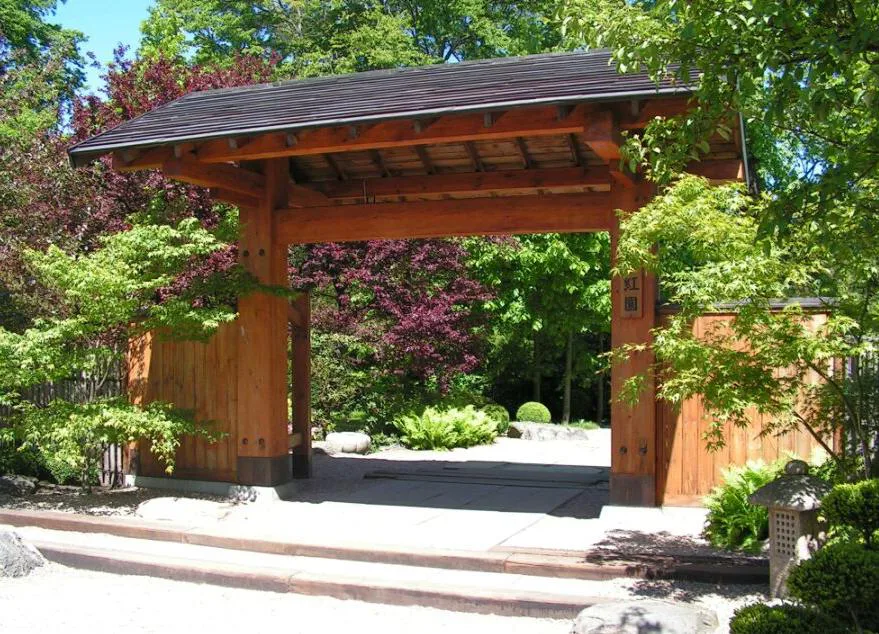
The Japanese Garden was created for the 1913 World Exhibition, the event that also shaped much of this part of the park. Count Fritz von Hochberg, an enthusiast of Japanese culture, initiated the design, and the Japanese master gardener Mankichi Arai helped realise it. It is one of the few traces of that exhibition complex that remained, which is why the garden's history belongs to the park rather than the Old Town.
Knowing this origin changes how you read the garden. It was made for an exhibition audience rather than as a private retreat, and its position among what were the park's exhibition grounds makes sense once you picture the 1913 layout. Notice how the small elements of the garden each hold a deliberate place and meaning rather than simply filling space.

The 1990s reworking with Japanese experts from Nagoya
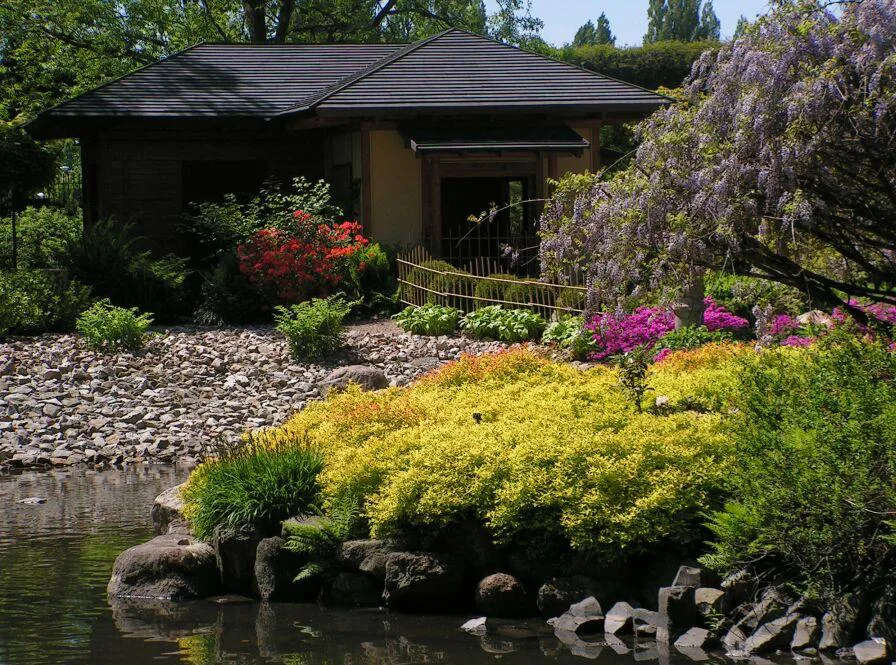
In 1994 the city authorities decided to reshape the garden, and they turned to the Embassy of Japan in Warsaw for support. The works began in 1996, with Japanese experts from Nagoya — master gardeners, stone specialists and garden architects — involved in the reconstruction. Their involvement is the reason the detailing rewards close inspection today.
The result is a garden where each element is meant to have a deliberate place and meaning, a point that rewards slower walking rather than a quick lap. If you have visited Japanese gardens elsewhere, you will recognise the vocabulary of water, stone, pruning and framed views.
What to look for as you walk through: ponds, koi, bridges, stone lanterns and pavilions
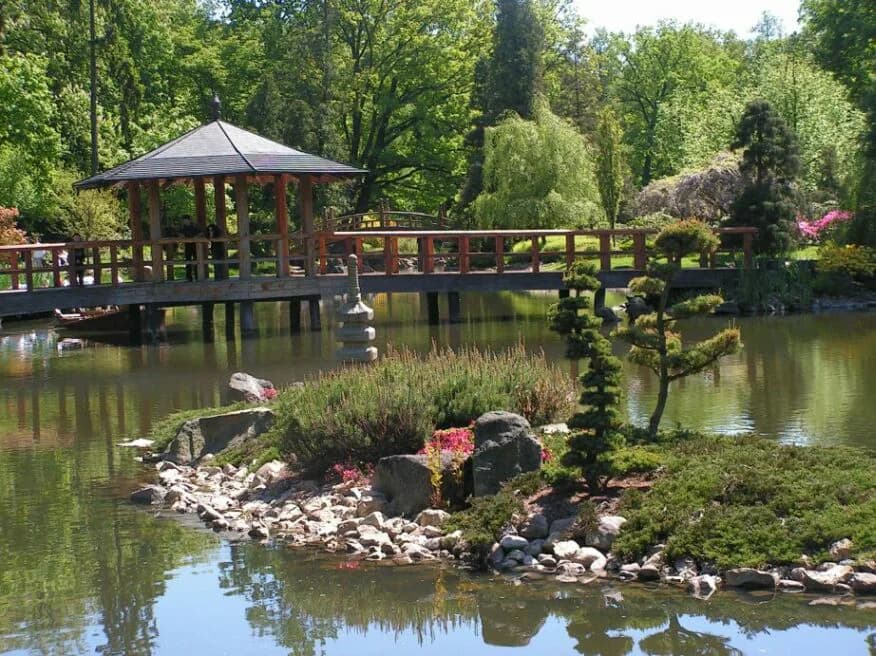
The garden is built around ponds fed by flowing water, crossed by wooden bridges, with stone lanterns and viewing pavilions set among the planting. Koi swim in the ponds and tend to stop visitors in their tracks, particularly on warm afternoons. The route is short, so the pleasure comes from noticing how each bridge and lantern is placed to compose a view.
Move slowly and look for the deliberate details: a lantern positioned to be seen against water, a pavilion angled for a particular sightline, a stepping-stone path that slows your pace. The garden is small enough that a second circuit reveals things you missed on the first, so allow yourself that second pass rather than treating it as a photo stop.
The two waterfalls, Onna-daki and Otoko-daki
Two waterfalls give the garden its soundscape: Onna-daki, the female waterfall, and Otoko-daki, the male waterfall, each with a different flow and character. They are linked to the paths and bridges so that you experience the garden by sight and by sound as you move through. Listen for them before you see them; the water is what gives the enclosed garden its sense of movement.
Find the spot where the water drops into the pond system, then follow it along the paths to see how the garden uses it to structure the walk. This part of the garden sits naturally in the middle of a circuit rather than at the end.
Plants and seasonal character of the planting
The planting mixes species native to Asia, particularly Japan, with a wide range of woody plants, so the garden changes character through the year. Spring brings fresh growth and blossom, summer fills the ponds with reflections, and autumn turns the deciduous planting. Because the garden is enclosed and compact, these changes are easy to read in a single visit.
Shaped shrubs and trees, pruned into layered forms, matter as much to a Japanese garden as the ponds and bridges. Look at the silhouette of a single tree against a bridge or pavilion rather than scanning the whole garden at once.
How much time to allow and when it is busiest
One to two hours is a sensible budget for the garden itself, enough for a slow first circuit, a pause at the ponds and a second pass for details. Treat it as part of a larger Szczytnicki Park visit rather than a standalone morning out, because the garden alone will not fill half a day.
The garden has a reputation as one of the city's most popular and peaceful green corners, so expect the heaviest footfall on warm weekends and in the middle of the day. With its defined, intimate layout, visitors concentrate in a small area when it is busy. An early or late slot gives you quieter paths and clearer views of the waterfalls and ponds.
Opening hours and tickets: what to confirm before you go
A booking listing publishes the garden's hours as 9:00 to 19:00, but treat that as indicative rather than a guarantee for your dates, since a garden of this kind can change its hours with the season. Confirm the current times with the city's visitor information before you set out.
Check the city's visitor information for the current ticket price in złoty before you travel rather than relying on a figure quoted elsewhere. Carry a little cash as a backup.
Getting there from the Old Town and what is nearby
From the Old Town, head east towards Szczytnicki Park and ul. Mickiewicza; the garden sits beside the People's Hall within the park, on the eastern side of the centre. Allow time to enjoy the park itself on the approach rather than treating it as pure transit.
The zoo is a short walk away, and the Centennial Hall exhibition grounds sit in the same parkland cluster, while the multimedia fountain and the National Museum's Four Domes Pavilion make the most of an afternoon here. Plan the garden in the middle of that circuit so the bigger sights bookend it. If you want an evening indoors afterwards, Wrocław Opera and Sky Tower Wrocław both sit back towards the centre.
Is the Japanese Garden worth the walk from the Old Town?
Yes, if you are already spending time in Szczytnicki Park or heading to the zoo or Centennial Hall; no, if you want a headline sight that fills a whole morning. The garden's value comes from its layered history — the 1913 exhibition origin and the 1990s Nagoya reconstruction — plus the small-scale detail of ponds, waterfalls and lanterns. Go early or late, allow one to two hours, and treat it as the calm centre of a half-day in the park.
Explore more Wrocław guides
Frequently Asked Questions
Is the Wrocław Japanese Garden free to enter?
The standard published listings do not give a price, so check the current charge with the city's visitor information before you travel. Whatever the cost on the day, it is a small outlay next to the rest of a city break, and you can confirm the price in złoty on arrival.
Are there Japanese garden shrubs I should look out for here?
The planting includes species native to Asia, particularly Japan, alongside a wide range of woody plants. Shaped shrubs and trees, pruned into layered forms, matter as much to the design as the ponds and bridges. Spring and autumn show the planting at its most rewarding.
What makes the Wrocław Japanese Garden distinctive?
It combines an exhibition pedigree — created for the 1913 World Exhibition and reworked in the 1990s with Japanese experts from Nagoya — with classic Japanese-garden composition: water, stone, pruned planting and framed views arranged to create a calm, controlled landscape. It makes a good introduction if you have not visited a Japanese garden before.