
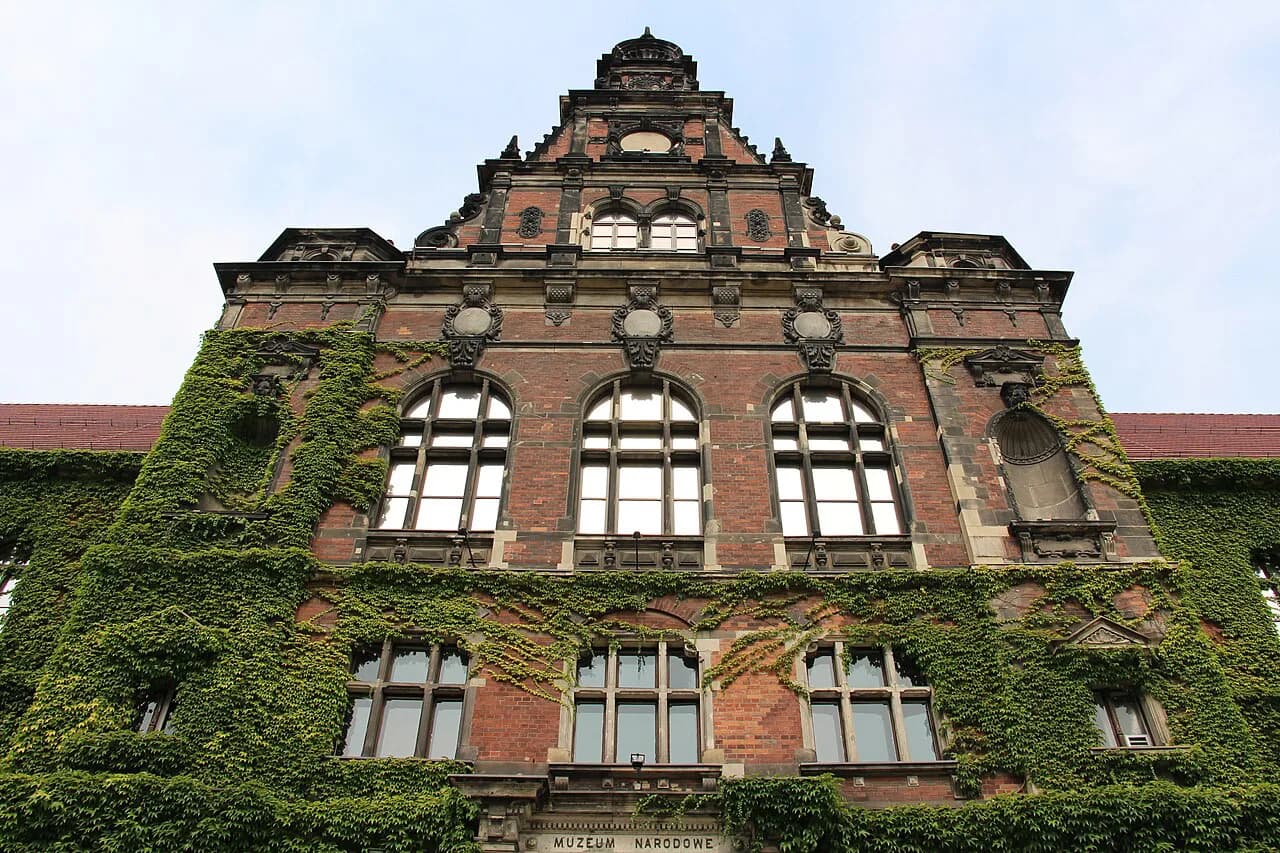
National Museum in Wrocław: a Visitor's Guide to the Main Building

Allow two to three hours for the Main Building of the National Museum in Wrocław, or half a day if you read every label in the painting galleries. The building sits on the Odra riverbank a short walk from the Rynek and gathers Silesian, Polish and European art in one stop. This guide covers the layout, the collections worth prioritising, the medieval gallery's temporary closure and the branches that are separate buildings entirely.
Treat it as a sit-down museum rather than a photo stop: the reward is rooms of painting and sculpture you can take at your own pace, and the trade-off is that it eats into a short city break. If you have one day in the city, pair it with the riverside walk towards Ostrów Tumski rather than squeezing in another indoor collection.
What the National Museum in Wrocław is and where it sits
The National Museum in Wrocław, Muzeum Narodowe we Wrocławiu, is one of Poland's major state art museums. Its history is summarised in an encyclopaedic entry, which dates its establishment to 28 March 1947 and its official inauguration to 11 July 1948. It now runs several venues across the city rather than a single gallery: the Main Building, the Four Domes Pavilion, the Ethnographic Museum and the Panorama of the Racławice.
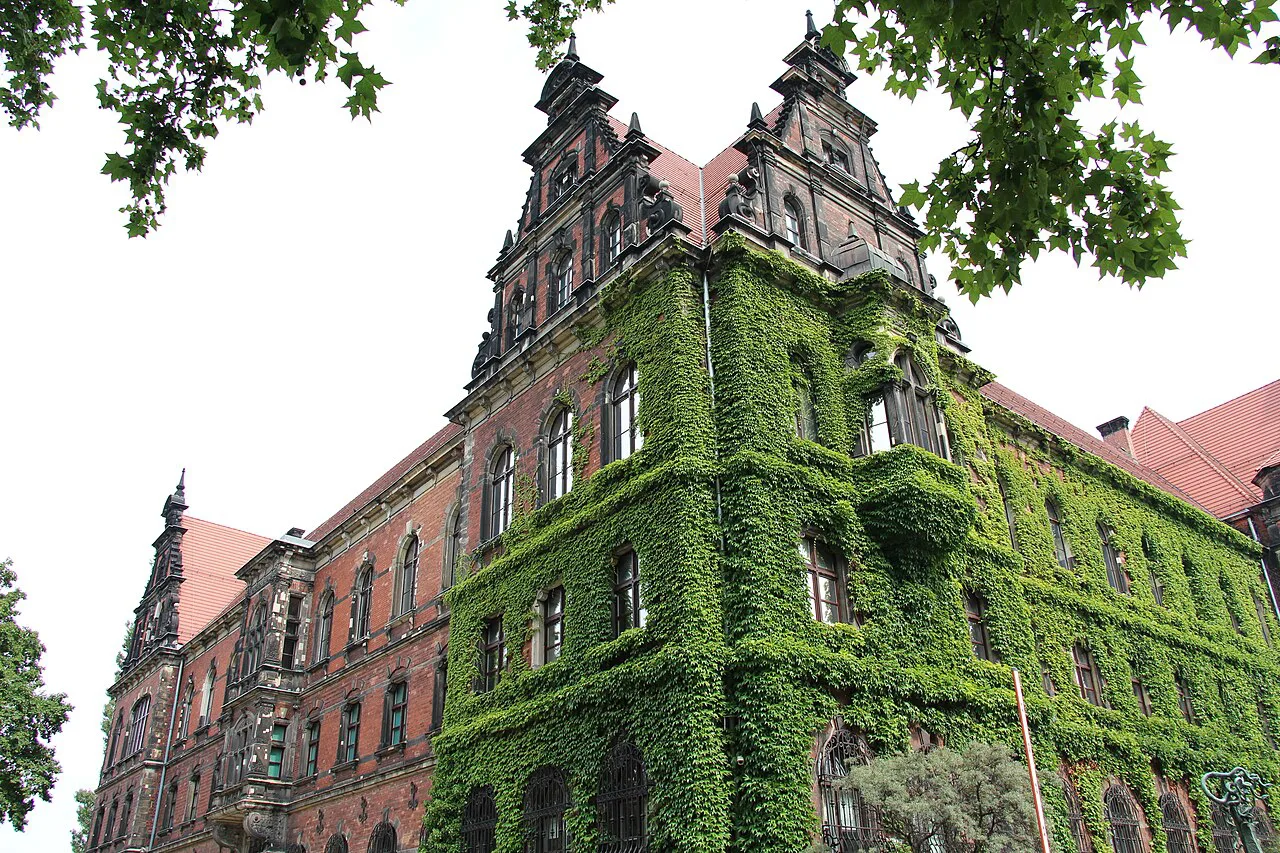
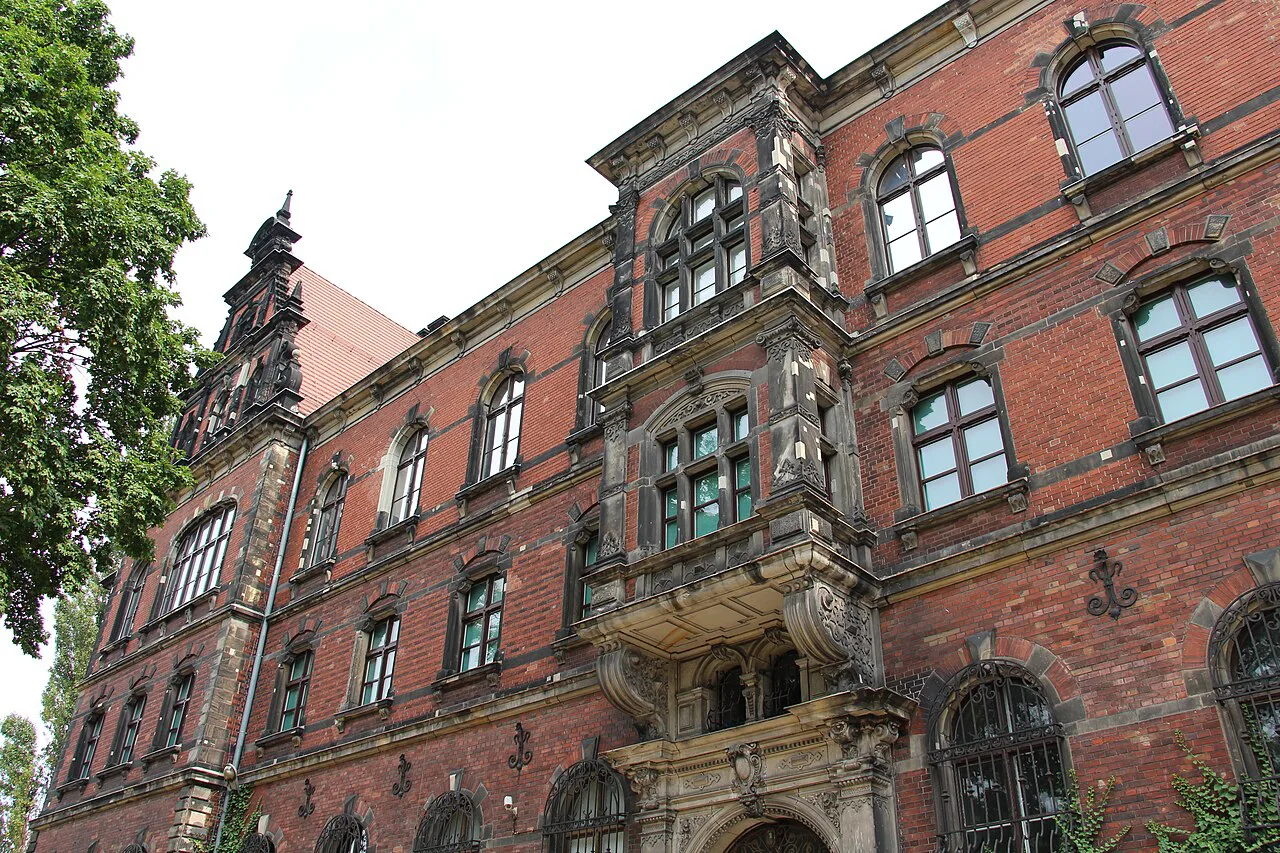
The Main Building, on the Odra riverbank in central Wrocław, is a late 19th-century former Silesian building. That riverside setting makes it easy to combine with a promenade walk, and it puts the museum within reach of the Rynek on foot.
Use the official portal to confirm which venue you are heading for before you set out, because the museum's programme is split between the Main Building, the Four Domes Pavilion, the Ethnographic Museum and the Panorama of the Racławice.

Getting there from the Rynek and the riverbank
The museum address is on Powstańców Warszawy Square, the embankment square on the river's edge. From the Rynek, head west along the streets towards the Odra and the building's long riverside frontage comes into view.
If you are coming from further afield, the riverbank position means the museum pairs naturally with the bridges and the riverside promenade. Plan your approach so the museum is your first stop of the day, then walk on towards Ostrów Tumski while you still have energy for the cathedral.

The Main Building and its collections
Inside the Main Building, the galleries run through Silesian art of the 16th to 19th centuries, Polish art of the 17th to 19th centuries and European art of the 15th to 20th centuries. A separate collection covers Polish art from the second half of the 20th century and the 21st century, so the building covers an enormous stretch of European making in one visit.
Prioritise the European and Polish painting rooms if you have limited time, then use whatever remains for the Silesian sculpture and decorative pieces. The later 20th-century and contemporary holdings suit travellers who want a break from older religious art, but they reward a slower pace than a quick circuit.
The closed medieval gallery and where those pieces went
The exhibition Silesian Art of the 14th–16th c. in the Main Building is temporarily closed. Medieval objects from the Wrocław collection can instead be seen at the Centenary exhibition in the Four Domes Pavilion and through the museum's Digital Museum, so the closure does not remove the medieval material from the city altogether.
If medieval Silesian art is your main reason for visiting, plan the Four Domes Pavilion into the same trip rather than expecting it in the Main Building. The Pavilion is a separate venue, so it adds travel time and a second visit rather than a detour down a corridor.
Separate branches: Pavilion, Ethnographic Museum and Panorama
The Four Domes Pavilion, the Ethnographic Museum and the Panorama of the Racławice are branches of the National Museum but not part of the Main Building. The museum sells a combined ticket covering the Museum, the Pavilion and the Panorama, but each is a distinct venue you reach separately.
The Panorama of the Racławice is the branch most often confused with the main museum, so check which building your ticket is for before you leave your accommodation. It is a separate venue from the Main Building, so plan it as its own stop rather than an extra room.
The Ethnographic Museum is a smaller, more focused branch that suits travellers interested in folk culture and material life rather than fine art. Adding it turns a museum morning into a museum day, so decide whether you want depth in one collection or a sample of several.
How much time to allow
Two hours covers the highlights: a pass through the European painting rooms, the Polish galleries and one wing of Silesian art. Three hours lets you read the labels and sit down between floors, which is the pace most visitors settle into once they realise how much is on display.
Half a day is realistic only if you are a committed gallery-goer or you are also visiting the Four Domes Pavilion. On a one- to four-day Wrocław break, one long museum block usually works better than two shorter visits, because the Main Building rewards continuity.
Tickets, opening days and what to confirm
The museum publishes ticket options on its official site, including a combined ticket for the Museum, the Pavilion and the Panorama of the Racławice. Prices and any reduced rates are set by the museum, so check the ticket page before you travel rather than budgeting from older figures.
Opening days can vary between the Main Building and the branches, so confirm the day you plan to visit on the official site, especially for public holidays, and check whether any gallery is closed for installation.
What is nearby on the riverbank
The museum's riverside position puts the Odra promenade on your doorstep, with the bridges and embankments giving an easy walk after your visit. Continue north-east towards Ostrów Tumski, the cathedral island, where the Cathedral of St John the Baptist anchors a quieter, older part of the city.
If you want a contrast after paintings, the Museum of Architecture in Wrocław is another indoor option for travellers building a bad-weather plan. Otherwise keep the afternoon simple: river walk, cathedral, then back to the Market Square for the evening.
For a wider look at what else the city offers, from towers to parks, browse Wrocław Attractions: 12 Visitor Guides before you fix your days.
One big museum or several smaller collections?
The Main Building suits travellers who would rather see one substantial collection properly than tick off four small ones. Its breadth across Silesian, Polish and European art is the argument for giving it a full morning, and the temporary closure of the medieval gallery is the argument for adding the Four Domes Pavilion if that period matters to you.
The alternative is to spread your time across smaller venues such as the University of Wrocław's historic buildings or the City Museum of Wrocław in the royal palace. Those give you architecture and city history instead of canvases, which is a different kind of sightseeing rather than a lesser one.
For an evening contrast, the Wrocław Opera gives you a very different kind of cultural stop, and the Sky Tower viewpoint offers the city from above rather than from a gallery wall.
Should the National Museum be on your Wrocław list?
Yes, if you want a serious art collection in a single riverside building and can give it two to three hours. Skip it or shorten it if your trip is built around architecture, the islands and the Market Square, since those already fill a short break.
Either way, check the official portal for current opening days, ticket options and which branches are running normally before you go, and plan the riverside walk into the same afternoon.
Explore more Wrocław guides
Frequently Asked Questions
Is the Racławice Panorama inside the National Museum's Main Building?
No. The Panorama of the Racławice is a separate branch of the National Museum, as are the Four Domes Pavilion and the Ethnographic Museum. The museum sells a combined ticket covering the Museum, the Pavilion and the Panorama, but you visit them in different buildings, so check which venue your ticket is for before setting out.
Can I still see medieval Silesian art at the museum?
The Silesian Art of the 14th–16th c. exhibition in the Main Building is temporarily closed. The museum directs visitors to the Centenary exhibition at the Four Domes Pavilion and to its Digital Museum for medieval objects from the Wrocław collection, so plan the Pavilion into your trip if that period is a priority.
How long should I spend at the National Museum in Wrocław?
Two hours covers the main painting galleries at a brisk pace, and three hours is comfortable if you read labels and rest between floors. Half a day makes sense only if you are also visiting the Four Domes Pavilion or want to work through the Silesian and European collections in detail.