
Museum of Architecture in Wrocław: What to See and When to Go

The Museum of Architecture in Wrocław is a compact Old Town museum worth about an hour to ninety minutes, best visited on a Tuesday, Wednesday, Saturday or Sunday morning, or on a Thursday or Friday afternoon when it stays open later. It suits travellers who want one focused interior stop between the river and the Rynek rather than a full day indoors. This guide covers where the museum sits on Bernardyńska, its weekly opening pattern, how tickets are priced, what the building and exhibitions offer, how to pace a visit, and what lies within walking distance.
What the Museum of Architecture is and where it sits
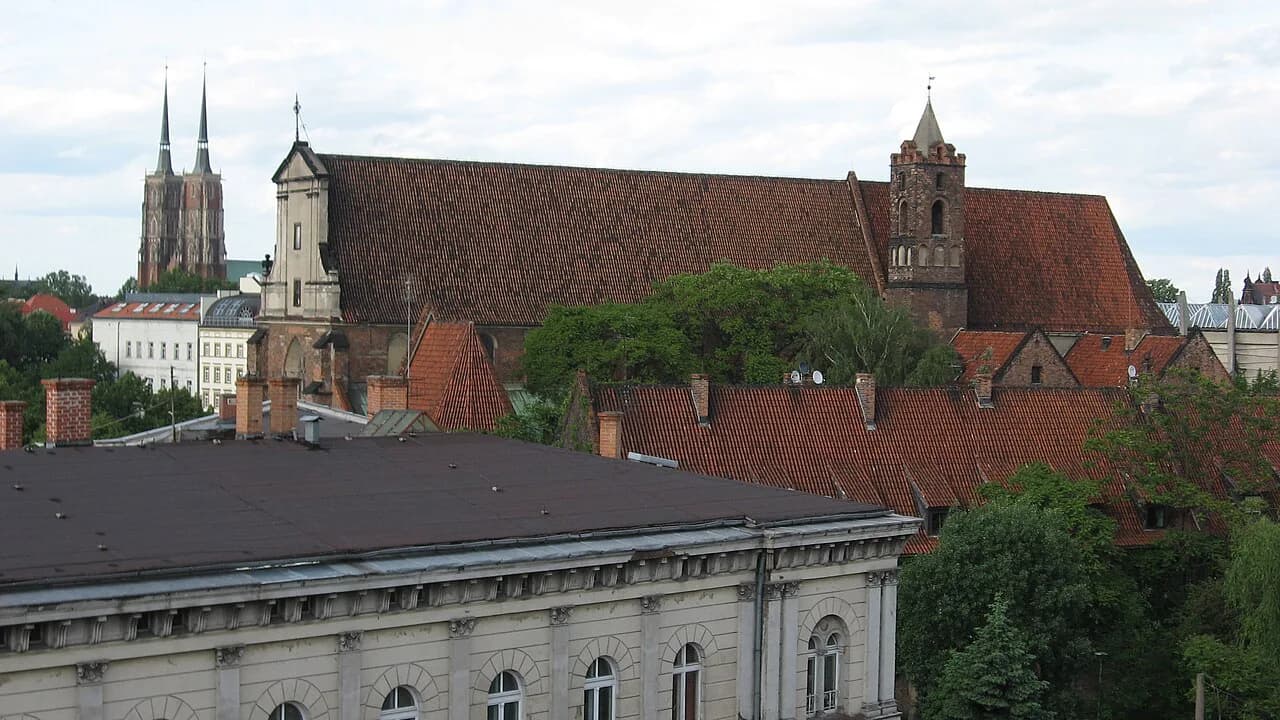
This is a museum devoted to architecture rather than a gallery of paintings, and it occupies a historic building in the Old Town rather than a modern pavilion. It was founded in 1965, which makes it one of the older specialist museums of its kind in Poland. That combination of a historic shell and an architectural subject is the reason to come: you are looking at drawings, models and building culture inside a building that is itself part of the city's fabric.
The address is Bernardyńska 7, in the Old Town, close to the river and the cathedral island rather than up by the Rynek. Approach it from the riverside promenade or from the streets running south of the market square, and you will reach it in a short walk from the main visitor core. Treat the museum as a riverfront stop rather than a market-square one and the geography of your day starts to make sense.

Getting to Bernardyńska and finding the entrance
Because Bernardyńska sits on the southern edge of the Old Town, the easiest approach on foot is from the riverfront or from the streets leading down from the market square. The museum publishes its full postal address and telephone contacts on its own site, which is the reliable way to point a map app at the right doorway. If you are combining it with the cathedral island, walk the museum first and cross the river afterwards, so you are moving in one direction rather than doubling back.
The museum sits within reach of the main tram and bus corridors that serve the Old Town, and the walk from the market square takes only a few minutes. Where exactly you alight depends on which line you take, so check the stop names in a journey planner rather than relying on a single fixed route. The reward for the short walk is a quieter corner of the centre, with fewer crowds than the Rynek.
Opening hours: the Monday closure and the two late afternoons
The museum is closed on Mondays, which matters when you are building a one- or two-day plan: do not save it for the final morning if that morning is a Monday. On Tuesday, Wednesday, Saturday and Sunday it opens from 10:00 to 17:00, and on Thursday and Friday it opens later, from 12:00 to 19:00. Those two late afternoons are the most useful slot for travellers who spend the morning at a bigger sight and want a second museum before dinner.
Practically, that gives you four daytime slots and two evening-leaning ones each week. If your break is short, put the museum on a Thursday or Friday at around 16:00, when the day's main walking is done and a late finish costs you nothing. Confirm the pattern on the museum's own hours page before you travel, since public holidays can shift it.
Tickets in złoty and what a ticket covers
The museum sells tickets for its exhibitions both at the desk and online, and its site keeps a ticket-price page alongside the opening hours. Prices are quoted in złoty, so budget in PLN rather than converting from a sterling figure you remember from another city. Read the price list against the exhibition you actually want to see: the museum runs several shows at once, and what a ticket covers depends on which one you are buying for.
What to see inside: the building, the collection and the exhibitions
The building itself is the first thing to look at: a historic structure adapted for museum use, with exhibition rooms arranged around it. Inside, the museum works as a display of architectural drawing, models and building history rather than a painting collection. Give the architecture of the rooms a few minutes before the displays, and the visit has a natural shape.
The temporary programme is the variable part of a visit, and it can change the reason to come. The museum has staged exhibitions on subjects as unexpected as fungal forms in architecture and drawing triennials, alongside film-festival collaborations about cities. Check the current-exhibitions panel before you commit an afternoon, because a show you care about is worth more than the permanent displays.
The museum also runs education aimed at adults, including lecture, workshop and city-walk programmes on architecture from the medieval period to the present. If your dates are flexible, an event can add a guided layer that a self-directed visit does not have. Events need booking, so look at the programme before you fix your days.
How much time to allow and how to pace a visit
Plan on around an hour to ninety minutes: enough to see the building, the collection displays and one temporary exhibition without rushing. Two hours is realistic if a show is large or if you read the wall texts properly. The museum is small enough that it will not swallow a day, which is exactly why it fits a short break.
A sensible pace is to start with the building and the core displays, then give the rest of your time to whichever temporary show drew you in. Do not try to see every exhibition in one go on a two-day trip; pick one and leave the others. Arriving in the late afternoon, after the main walking is done, also keeps your daytime free for the bigger sights.
What else is within walking distance
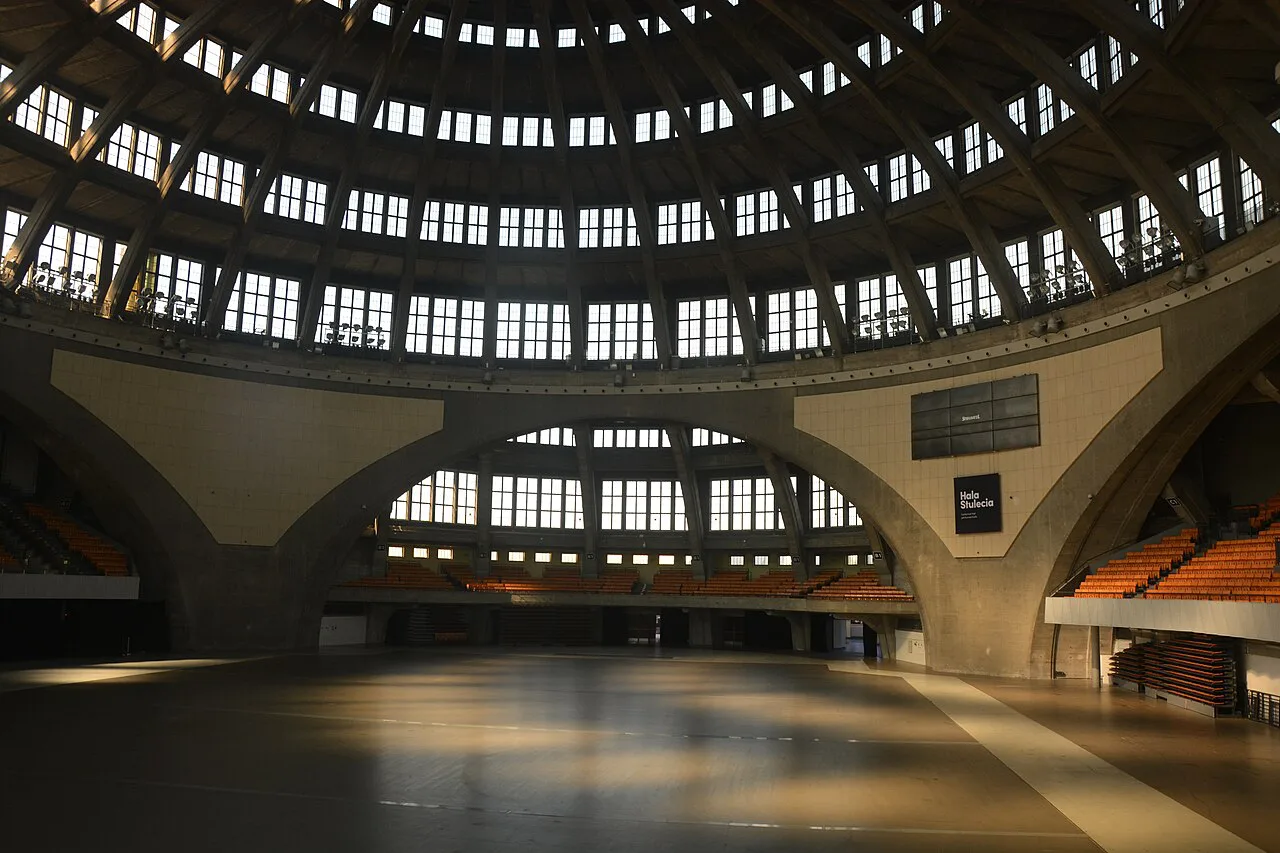
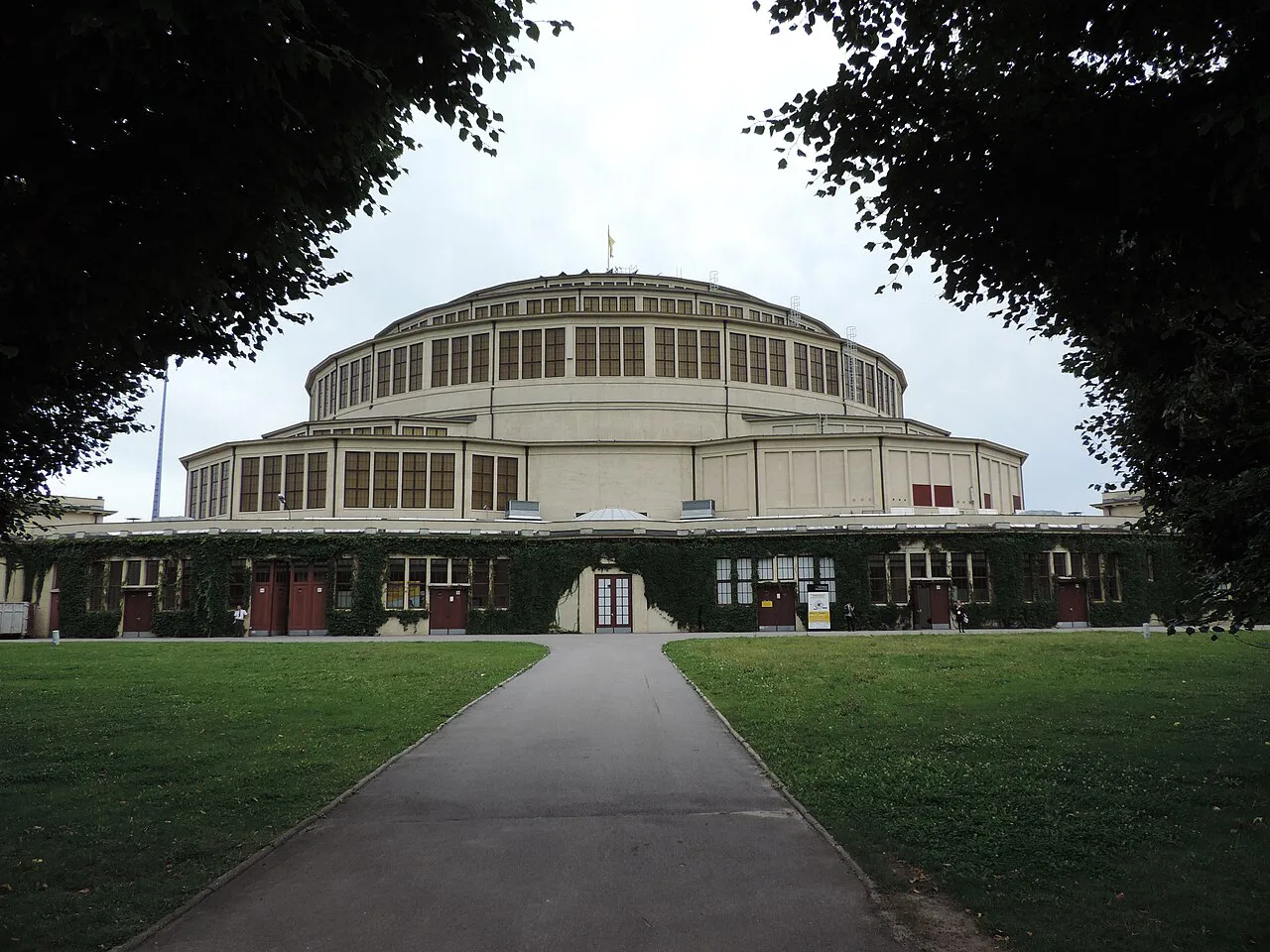
The museum's southern Old Town position puts the riverfront, the cathedral island and the market square all within a short walk, so it slots neatly into a riverside half-day. If you want a completely different scale of building afterwards, the Centennial Hall and its surrounding park lie further east and make a separate excursion rather than a stroll. For a contrast in height rather than history, the Sky Tower viewing level is a modern landmark on the other side of the centre, best combined with a tram ride rather than this walk.
For a bigger art collection, the National Museum in Wrocław is the natural next stop on another day. Closer to the centre, the university buildings and the Opera Wrocławska give you two more interiors to plan around, each with its own opening rules. Keep the museum as one item on a list rather than the anchor of a whole day.

Is the Museum of Architecture worth an hour of your Wrocław break?
Yes, if you want one compact, thoughtful interior stop near the river and you are in the city on a day it opens. Skip it if your trip is a single day and the exhibition programme does not appeal, because the market square and cathedral island will use your hours more efficiently. Check the hours and the current shows the week you travel, then build the rest of the day around the river.
Explore more Wrocław guides
Frequently Asked Questions
Does the Museum of Architecture in Wrocław close on Mondays?
Yes. The museum is closed on Mondays and opens on the other six days, with later hours on Thursday and Friday afternoons than on Tuesday, Wednesday, Saturday and Sunday.
How do I find out what a ticket costs?
The museum publishes its ticket prices in złoty on its own website, next to the opening hours, and tickets can be bought at the desk or online. Check the price list against the specific exhibition you plan to see.