Łódź Architecture: Red-Brick Factories, Villas and Post-Industrial Revival
Łódź architecture runs from red-brick textile factories and eclectic Piotrkowska facades to the Manufaktura complex and EC1. Here is what to see and where.
On this page
Łódź looks different from Kraków or Gdańsk because it was not built as a medieval trading city. It expanded almost overnight in the 19th century as a textile centre, so its defining buildings are mills, factory owners' residences and the streets that connected them. This guide takes the city by architectural period, from the eclectic facades of Piotrkowska to the post-industrial conversions at Manufaktura and EC1, and shows what to look for as you walk.
The shortest useful version: spend half a day on Piotrkowska Street and around Manufaktura for the red-brick story, then add EC1 and one of the reused factory complexes if you have a second day. The trade-off is that the compact Piotrkowska spine and the spread-out sites such as Księży Młyn pull in different directions, so pick your base sensibly before setting out.
Why Łódź looks the way it does
Łódź was a small settlement for centuries, then grew rapidly once the industrial revolution reached Poland and cotton mills began to appear in the early 19th century. Workers arrived from the countryside and abroad, and the city became known as the 'City of Four Cultures', mixing Polish, Russian, German and Jewish communities. That mix is why the streetscape reads as a patchwork rather than a single style, with red brick, stone detailing and later concrete sitting side by side.
The city's boom years earned it the nickname 'The Promised Land', taken from Władysław Reymont's late-19th-century novel set in Łódź. Reymont's title is a useful shorthand for what you see: fortunes made quickly, expressed in monumental factories and showy villas. The best introduction to the architecture is to treat the city as an industrial story first and a picturesque old town second.
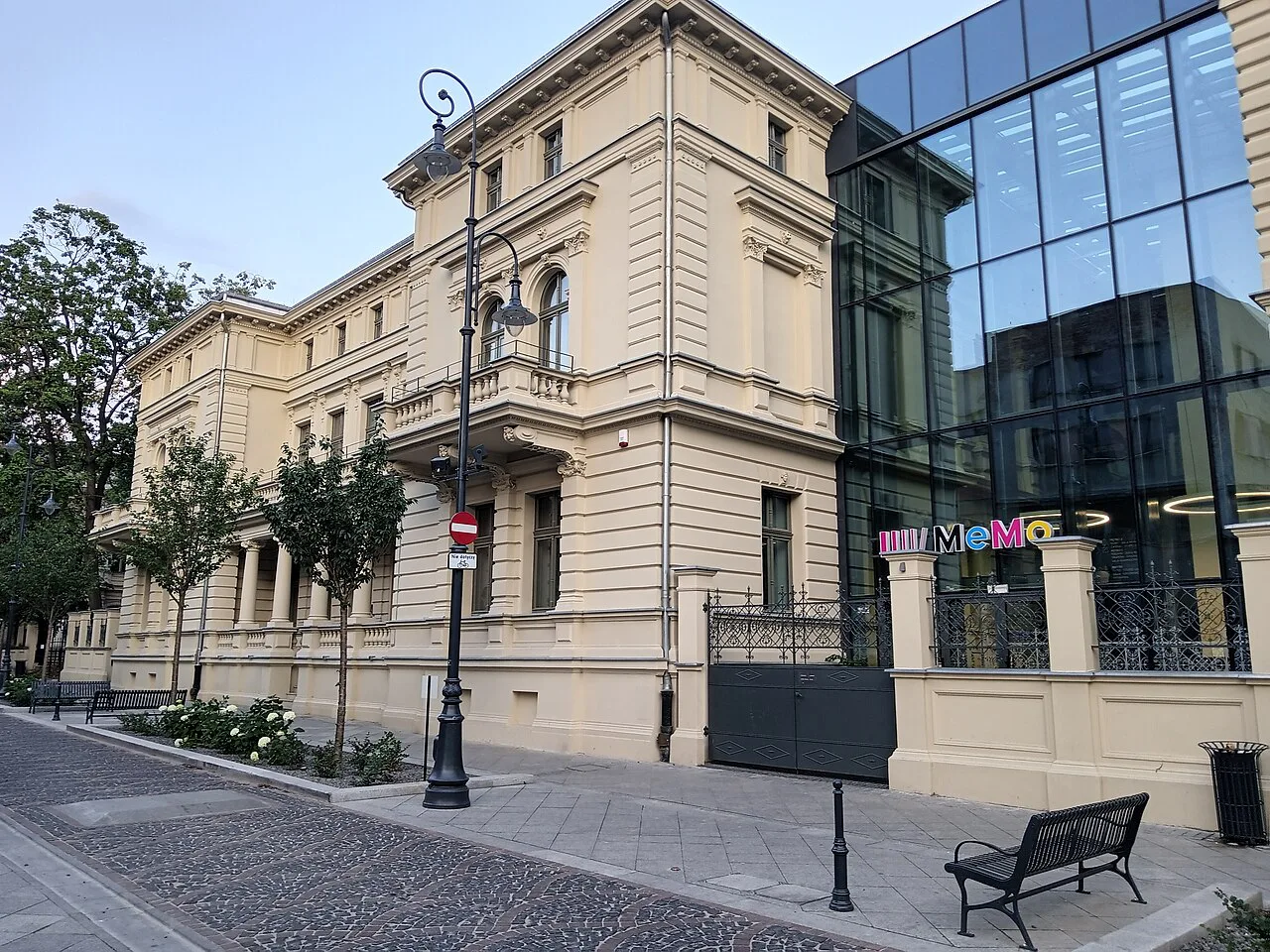
Piotrkowska Street: the city's spine
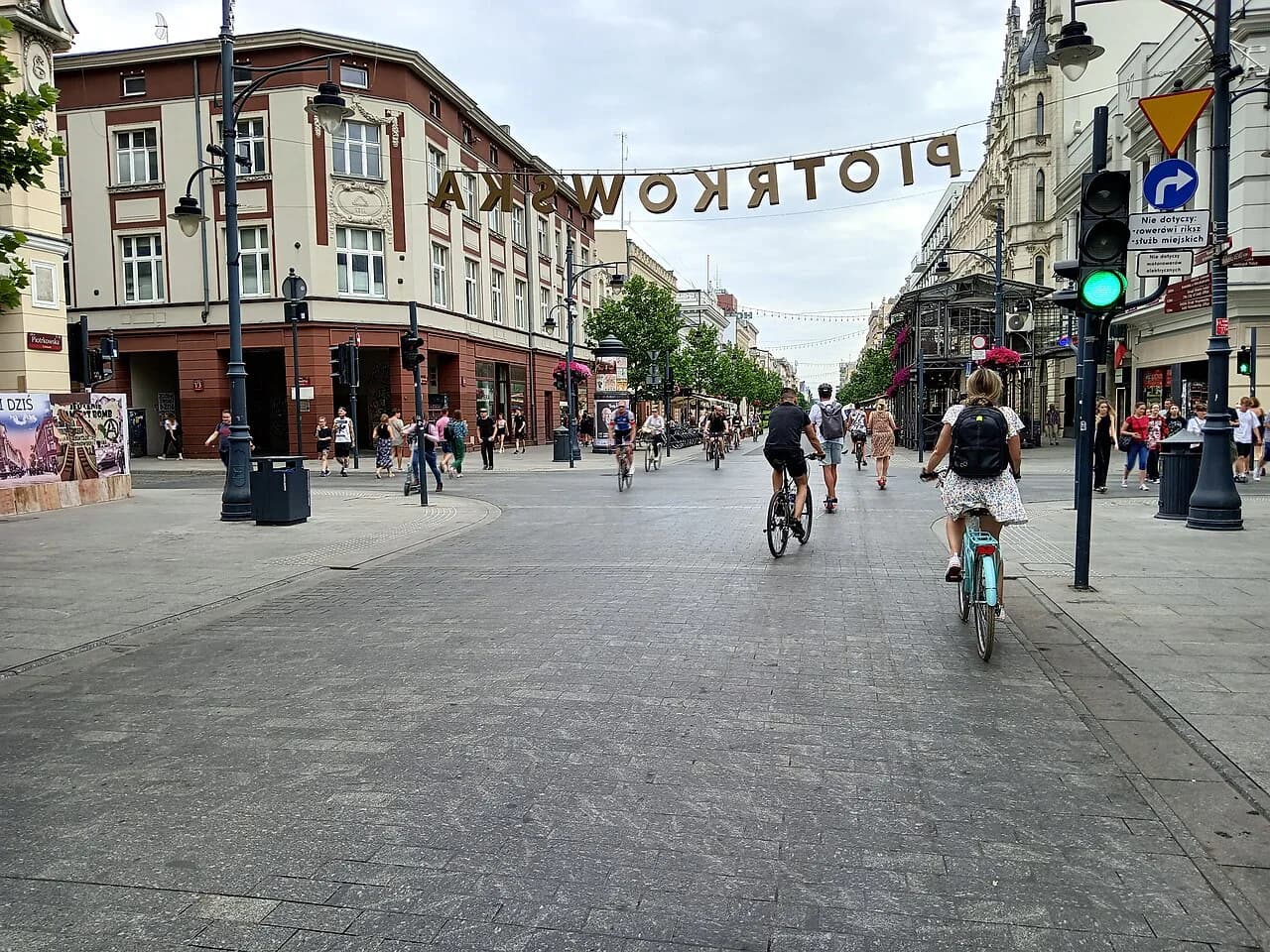
Piotrkowska Street is the longest shopping street in Europe at 4.2km, with 2km of it pedestrianised, and it functions as both the main drag and the best free architectural walk in the city. Walking its length, you pass neoclassical facades, Art Nouveau details and modern shopfronts in quick succession, which mirrors the multicultural population that built the city.
Look up rather than at eye level: the ground floors have been repeatedly remodelled for retail, while the upper storeys preserve the original proportions, window surrounds and decorative bands. Compare a few consecutive buildings and you will start to see the eclectic logic of the street, where each plot was built to its owner's taste rather than to a single civic plan.
Red brick and industry: Poznański and Manufaktura
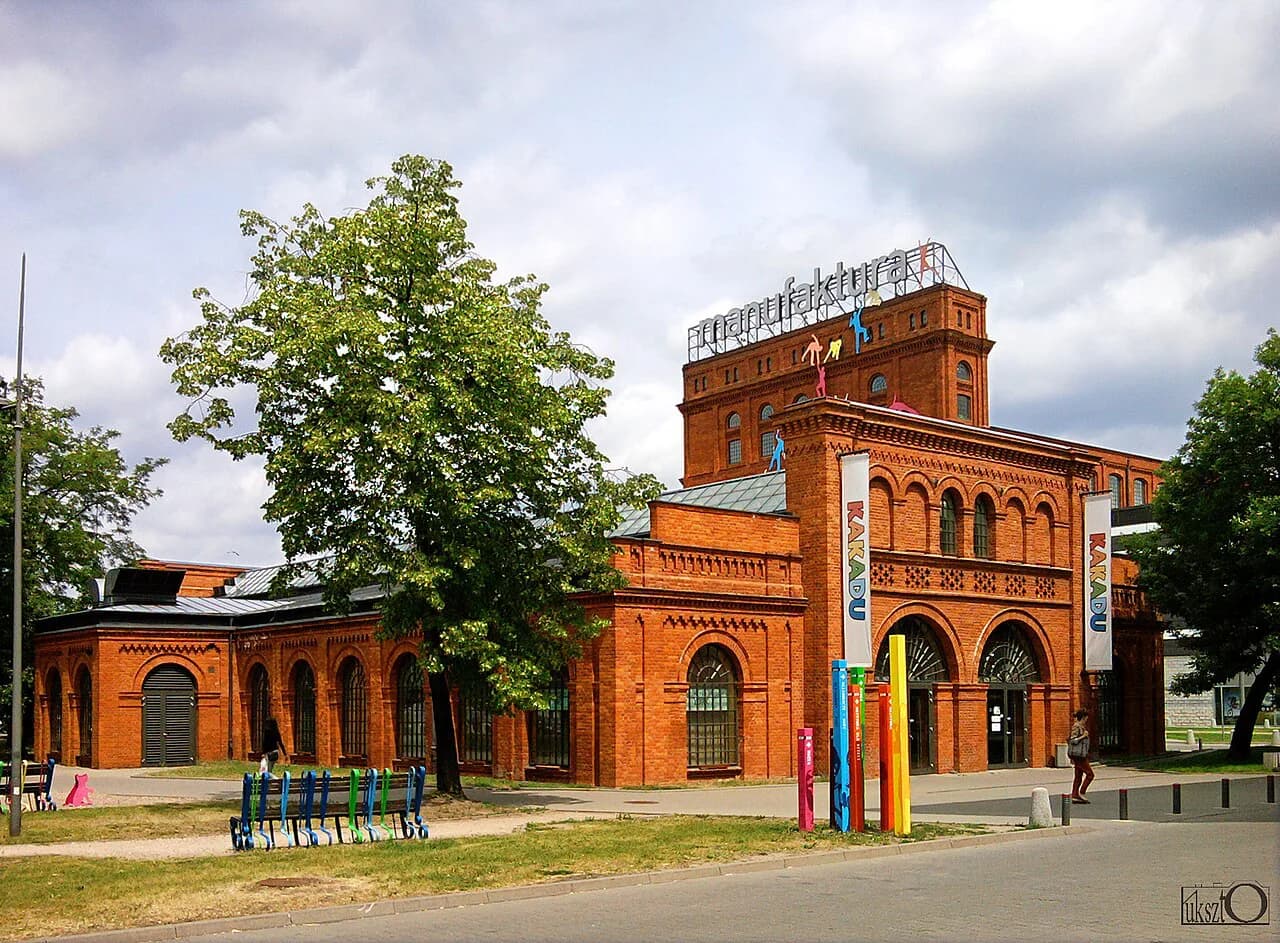
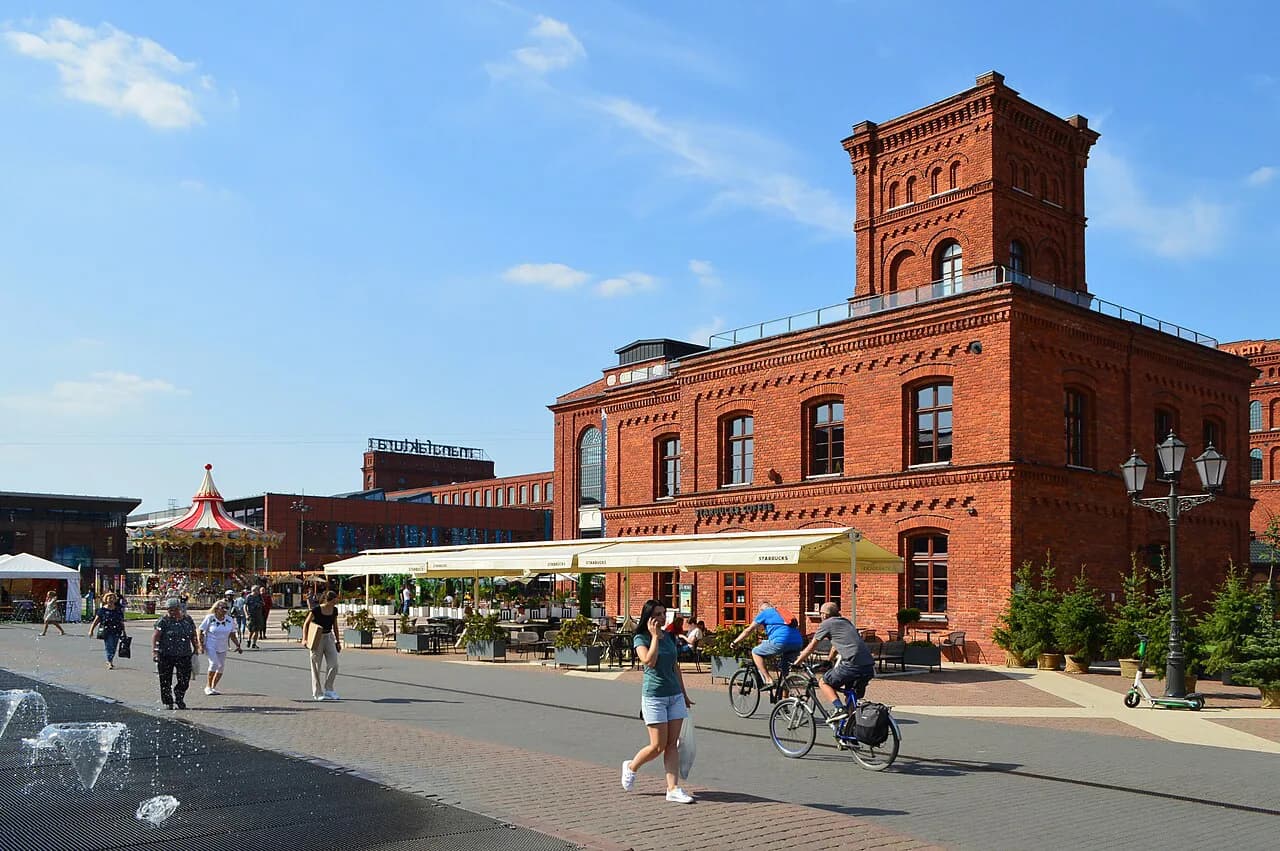
Izrael Poznański was one of the industrialists whose wealth shaped the city, and the factory now known as Manufaktura is the most visible monument to that era. The complex reopened in 2006 with food, shopping and entertainment on site, and it anchors the post-industrial story that most visitors come to see. The red brick, once a symbol of hard labour, is now the emblem of the city's revival.
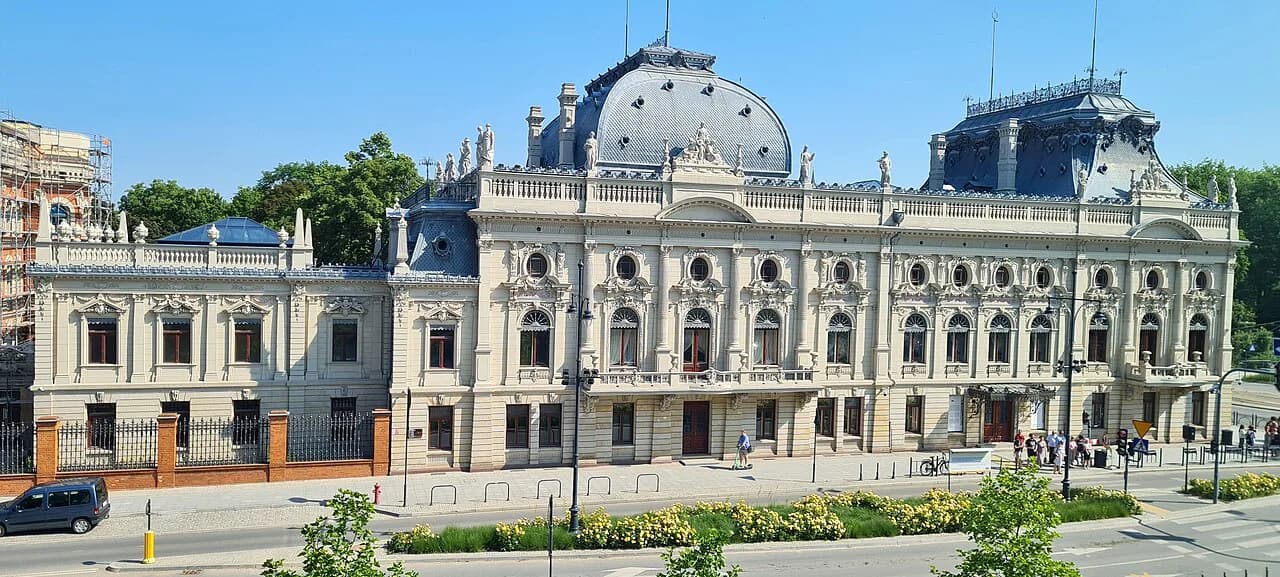
Poznański's palace, often called the 'Louvre of Łódź', sits alongside the factory and is a good example of how industrial money expressed itself in architecture. Treat the palace and the mill as a pair: one shows how the owner lived, the other how the fortune was made. The palace now hosts the Museum of the City of Łódź, and the museums in Łódź page covers which interiors and collections are open and where.
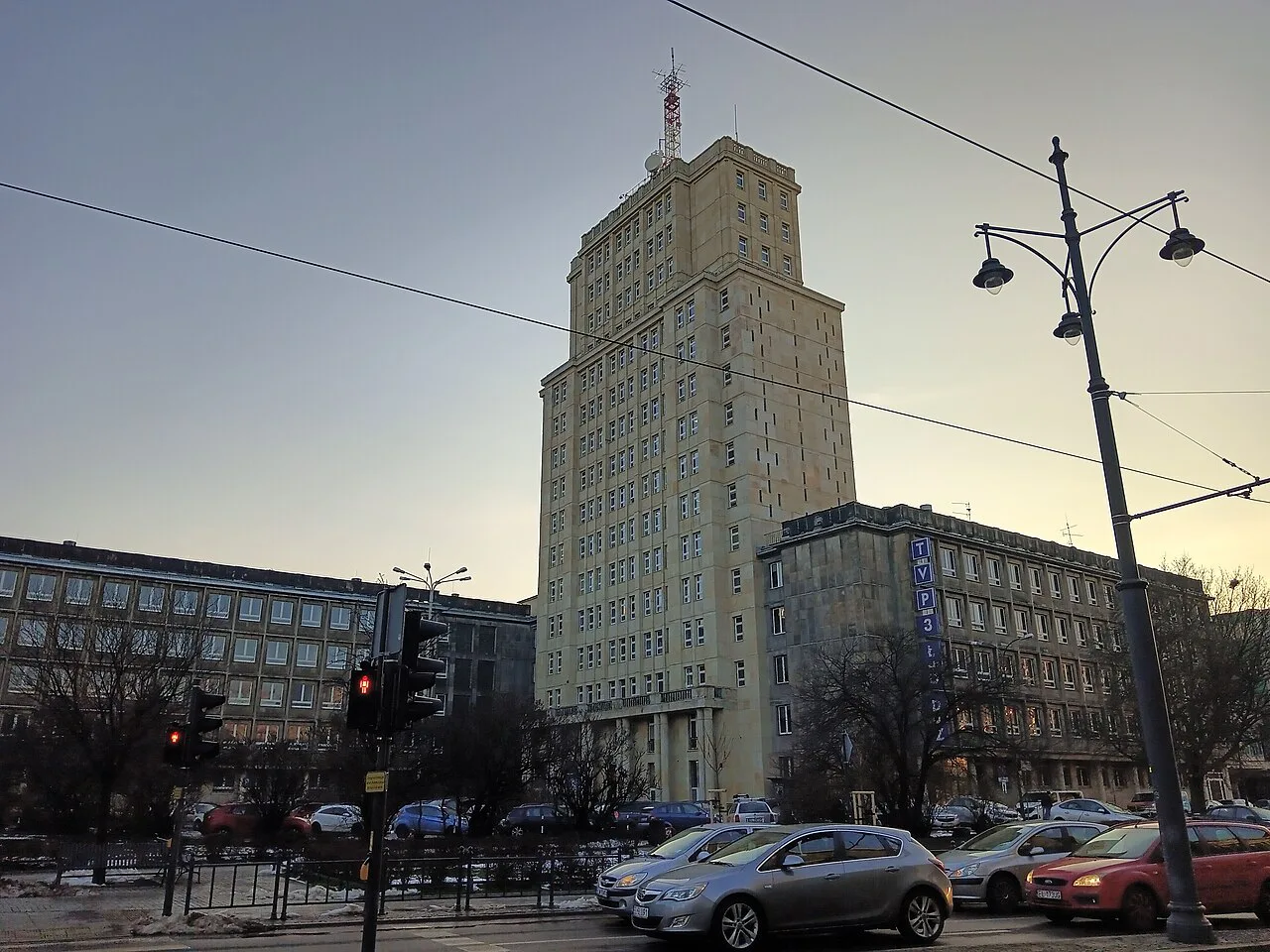
Where the industrialists lived
Beyond the Poznański complex, the villas and palaces of the mill owners are scattered around the centre rather than concentrated in one quarter. The facades of these old villas and palaces have been spruced up alongside the wider renewal of the centre. Walking between them is a way to see the domestic side of the same industrial fortune.
If you only have time for one, prioritise the Poznański Palace for its scale and its place beside the Manufaktura complex and its Museum of the City of Łódź. The rest reward a slower wander, since many are now offices or institutions rather than visitor attractions.
Art Nouveau and eclectic detail
Art Nouveau details appear on Piotrkowska and the surrounding streets, often on buildings that mix several styles in one facade. Rather than hunting for a single landmark, scan for curved ironwork, floral stone carving and asymmetric window arches, which stand out against the plainer neoclassical blocks. This is architecture you read by comparing neighbouring buildings, not by ticking off a list.
Socialist modernism and concrete
After the Second World War, Łódź expanded with blocks of prefabricated housing, a style often dismissed as monotonous but deeply tied to Poland's social history. Even within these grey structures, architects experimented with functionality and space. Placing these blocks on the same timeline as the 19th-century mills makes the city's architectural story coherent rather than a gap between two golden ages.
The war itself left a mark on the city that is part of its built history, and the Łódź WW2 sites guide covers the places associated with the occupation and the Litzmannstadt Ghetto. Read those sites as a separate chapter from the industrial story, with their own etiquette and context.
Contemporary Łódź: power station and film school
EC1, a former power station turned science and culture centre, is the clearest example of how Łódź reuses its industrial buildings rather than clearing them. The Film School campus and the art museum show how modernist ideals merged with cultural ambition in the post-war decades. Together they extend the architectural timeline to the present, where old structures host new institutions.
These buildings are working institutions rather than monuments, so the architecture is only part of what you see. The museums in Łódź page is the place to check which collections and exhibitions are running before you build a day around them.
Post-industrial spaces worth walking through
OFF Piotrkowska, Piotrkowska 217, parts of the former Księży Młyn textile factory and the modernised Monopolis vodka distillery are all former industrial sites now used for food, shopping and culture. They are the best places to feel the scale of the old workshops without entering a museum. The trade-off is geography: Księży Młyn sits away from the Piotrkowska spine, so plan it as a separate loop rather than a detour.
Łódź Fabryczna station, rebuilt as a modern transport hub, is itself part of the same story: a piece of infrastructure designed to make the post-industrial city work. Arriving there puts you within reach of the centre on foot.
How long you need, and how to link the sights on foot
Allow one full day for Piotrkowska and Manufaktura, and a second day for EC1, Księży Młyn and one of the reused complexes. The Piotrkowska spine is walkable end to end, but the factory sites are spread out, so grouping them by area saves time. On a one-day visit, start on Piotrkowska, head to Manufaktura, and treat EC1 as the optional third stop.
When to go for brick and street photography
The brick facades and long street views read best in low, angled light, so early morning and late afternoon give the most definition on Piotrkowska. Midday flattens the detail on the upper storeys. The city's climate is temperate, with cold winters and warm summers, so plan your walking days around the season rather than the other way round.
Which part of Łódź do you see first?
Start with Piotrkowska and Manufaktura if you want the essential Łódź in a day, and add EC1, Księży Młyn or Monopolis if you have a second. The city's architecture is a timeline rather than a single style, and that is exactly why it repays a slower walk than a checklist allows.
Explore more Łódź guides
Frequently Asked Questions
What is Łódź, Poland famous for?
Łódź is known for its 19th-century textile industry and the red-brick factories and industrialists' palaces that came with it. Manufaktura, the Poznański factory and palace, and the long pedestrian stretch of Piotrkowska Street are the buildings most associated with the city, alongside its film tradition and public art.
Is Łódź worth visiting for architecture?
Yes, if you are interested in industrial cities rather than medieval old towns. The appeal is the mix: eclectic facades on Piotrkowska, red-brick mills, industrialists' villas, socialist-era housing and converted power stations and factories. It rewards readers who like reading a city's history through its buildings.
Does Poland have brutalist architecture?
Poland has a substantial stock of post-war concrete buildings, and Łódź's prefabricated housing blocks are part of that wider story. In Łódź they sit alongside the 19th-century mills rather than replacing them, which makes the city a useful place to see how socialist-era building fits into an older industrial streetscape.
Can you see the main architecture on foot?
The Piotrkowska spine and Manufaktura are walkable, and Łódź Fabryczna station puts you within reach of the centre. The factory sites such as Księży Młyn are spread further out, so group them into a second loop rather than trying to cover everything in one continuous walk.
Sources
Notes for your next Polish city break
Optional updates to our Poland guides.
You might also like
Continue reading
More guides you'll find useful