Łódź WW2 Sites: Ghetto, Cemeteries and Memorials to Visit
A guide to Łódź's Second World War sites, from the Litzmannstadt Ghetto and its memorials to the Radogoszcz memorial, with what happened there and how to visit.
On this page
Łódź has no concentration camp to visit; its wartime story is the story of the Litzmannstadt Ghetto, the German Nazi ghetto established in the city in February 1940 and the second-largest in occupied Europe. The sites that tell it are dispersed across the city, so plan on half a day of walking and travel between the former ghetto area in the north, the Radegast station memorial and the Jewish cemetery on Bracka Street to the west rather than expecting one ticket and one building.
This guide sets out what happened in Łódź after the German invasion of September 1939, where the ghetto stood and how that area is laid out today, which memorials and surviving sites to see, and how the Museum of Independence Traditions at Radogoszcz adds the occupation's prison history. It also suggests how to sequence the sites in a day and how to pair them with the industrial city that surrounds them.
What happened in Łódź during the Second World War
German forces occupied Łódź in September 1939 and renamed the city Litzmannstadt. In February 1940 the German authorities ordered the establishment of a ghetto for the city's Jewish population in the northern districts, and the area was sealed off from the rest of the city.
The ghetto was not a camp in the sense of a single enclosed compound with a visitor entrance; it was a district of the city that was walled and fenced, with workshops and factories inside it. That distinction shapes what you can see today: there is no one gate to walk through, but streets, buildings, a station and cemeteries that remain part of the city's fabric.
The Holocaust Encyclopedia entry on Łódź notes that the city's Jewish community was the second largest in Poland before the war, which is why the ghetto held so many people and why its memorial landscape is spread over a large area. Deportations from the ghetto went mainly to Chełmno and Auschwitz-Birkenau; those camps are not in Łódź and are covered by separate guides.
Why Łódź's wartime story is a ghetto story rather than a camp story
Travellers who have visited Auschwitz or Majdanek sometimes arrive in Łódź expecting a comparable site. Łódź's wartime heritage is different: the ghetto was a place of forced labour, hunger and deportation, and its remains are woven into a working city rather than preserved behind a visitor centre.
That makes the visit more about reading the city than following a single route. A walk through the former ghetto area, a stop at the Radegast station memorial and a quiet hour at the Jewish cemetery together give a fuller picture than any one of them alone, and they sit within a half-day circuit rather than a full day.
The Litzmannstadt Ghetto: where it stood and what remains
The ghetto was established in the northern part of Łódź, in the districts of Bałuty and Stare Miasto, and at its height it held a large population in a cramped area. The German authorities sealed it and it operated until August 1944, when the remaining residents were deported.
Today the area is ordinary city streets with housing blocks, workshops and shops. Some buildings from the ghetto period survive, and memorial markers and plaques stand at points associated with the ghetto, but there is no reconstructed ghetto to walk through. Approach it as a neighbourhood with a history rather than an exhibit.
The best way to see it is on foot, starting near the northern end of Piotrkowska Street and moving into Bałuty. Allow an hour or so for the streets themselves; the memorials at Radegast and the cemetery are separate stops that need their own time.
Radegast station memorial and the Jewish cemetery
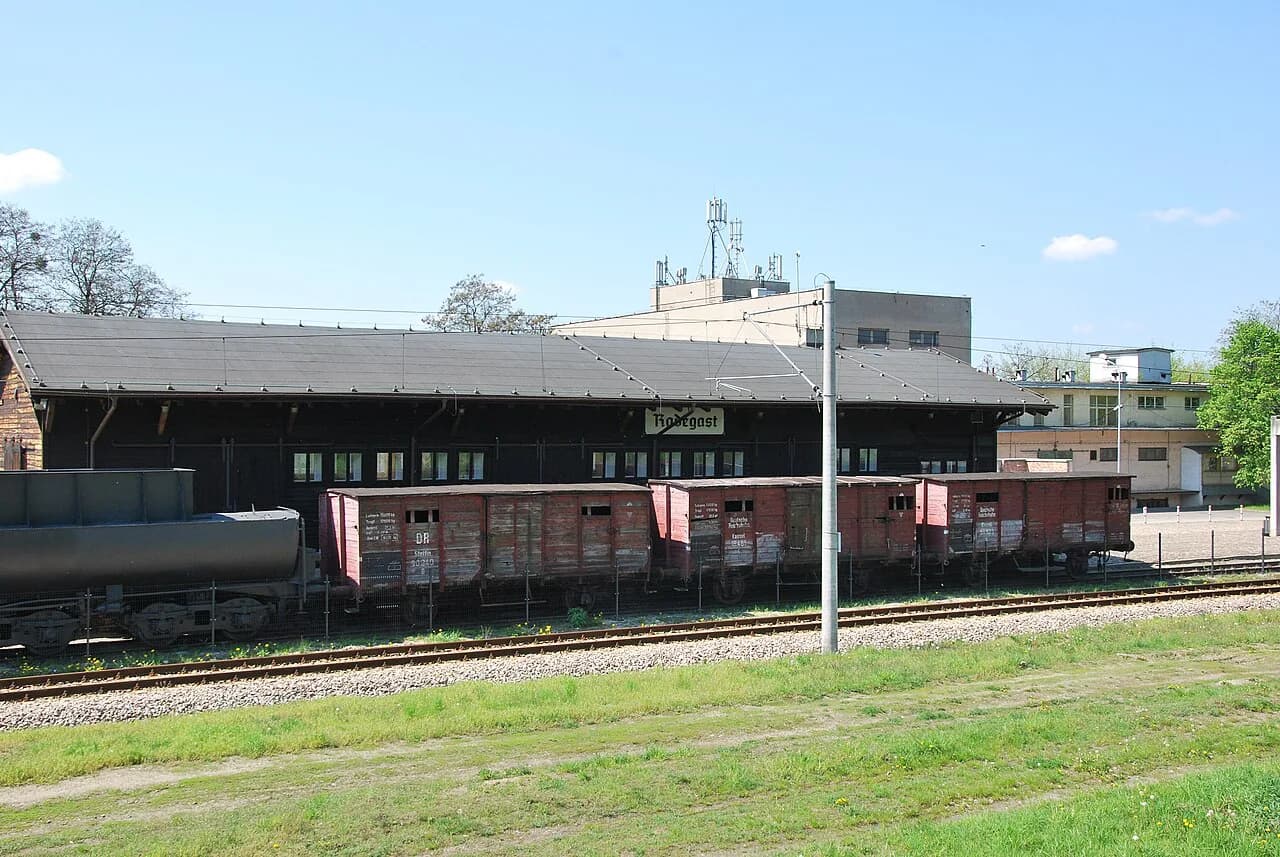
The Radegast station, on the northern edge of the former ghetto, is the most substantial memorial site in Łódź. It was the station from which transports left the ghetto for Chełmno and Auschwitz-Birkenau, and today it is preserved as a memorial with the station building, a monument and memorial walls.
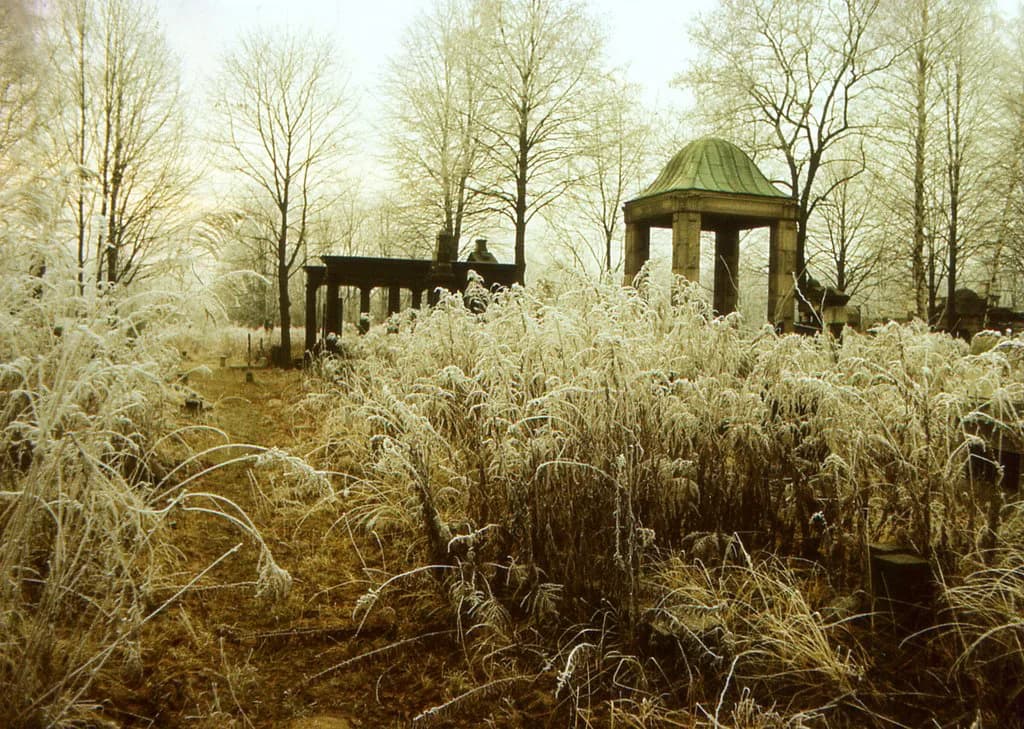
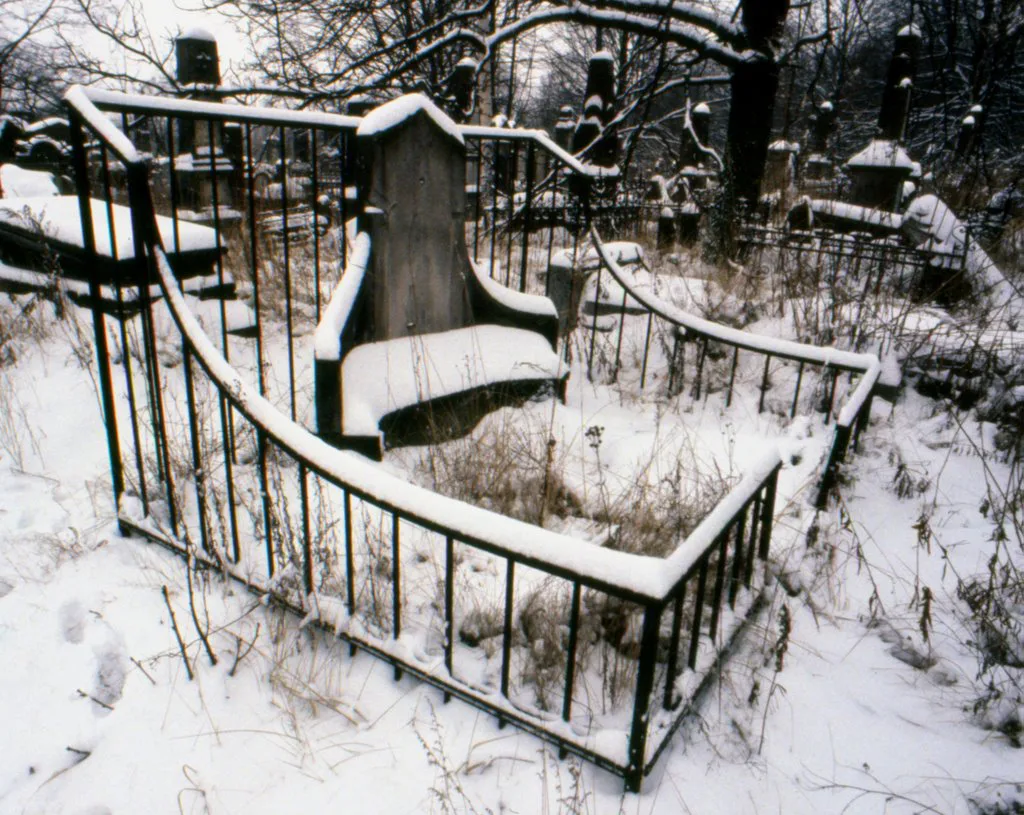
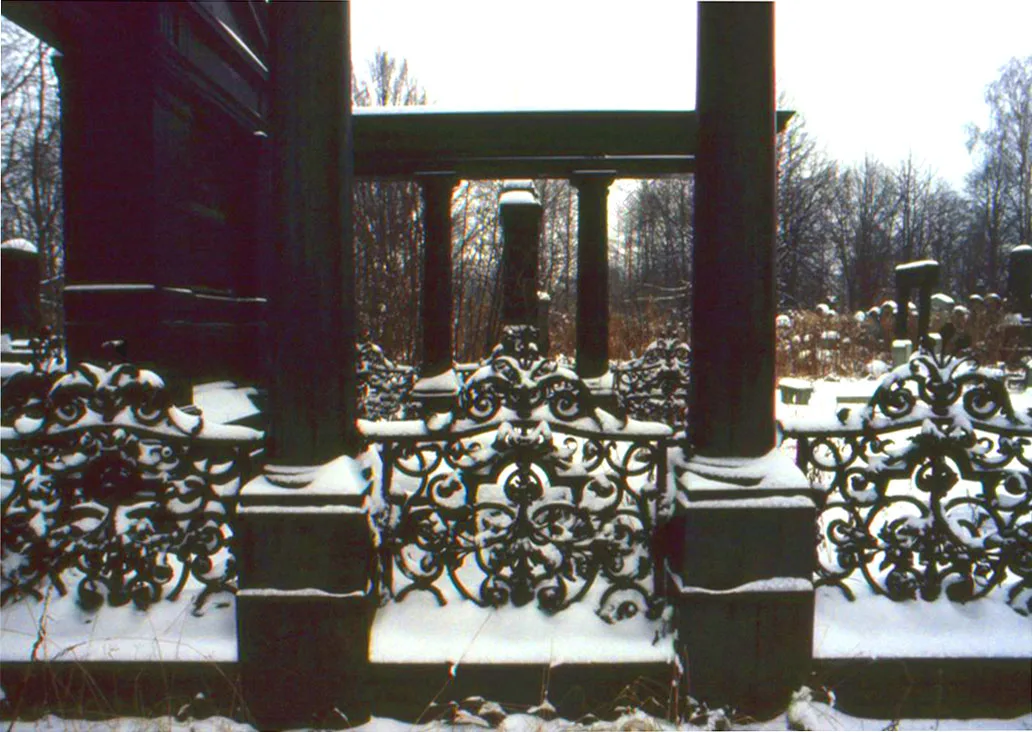
The Jewish cemetery on Bracka Street is one of the largest in Europe and holds the graves of many of the city's pre-war Jewish community. It lies on the western side of the city, and the Łódź Ghetto guide sets out more of the wartime story. It is an active cemetery and a memorial, so it needs quiet and respect rather than a sightseeing pace.
The cemetery and Radegast are both on the northern and western side of the city, so they combine naturally in one morning without crossing the centre twice. Check the cemetery's opening arrangements before you set out, and treat Radegast as a place to arrive at rather than pass through.
Museum of Independence Traditions, Radogoszcz branch
The Radogoszcz site, in the north-west of the city, was a factory before the war and was used by the German occupiers as a prison and transit camp. Today it is a branch of the Museum of Independence Traditions, with the prison building, a memorial courtyard and exhibitions on the occupation of Łódź.
It adds a dimension the ghetto sites do not: the story of political prisoners and the occupation's prison system, rather than the ghetto's civilian population. For travellers trying to understand the full wartime picture in Łódź, it is the site that makes the visit more than a ghetto walk.
Radogoszcz is a short ride from the centre and sits on the western side of the city, close to the Jewish cemetery on Bracka Street, so the two combine neatly. Allow an hour for the building and exhibitions.
Visiting respectfully: how to behave at memorial sites
The Radegast memorial and the Jewish cemetery are places of remembrance first and visitor attractions second. Keep voices low, avoid photographing people's graves, and do not climb on monuments or memorial walls; these are straightforward courtesies rather than rules posted at the gate.
At the cemetery, many visitors cover their heads; a hat or scarf is a simple way to show respect. Do not use the cemetery as a shortcut or a picnic spot, and leave stones rather than flowers on graves if you wish to mark a visit.
At Radegast, the memorial walls and the station building invite quiet reflection rather than a photo stop. If you are travelling with children, prepare them briefly for what they will see, and give them time to ask questions afterwards rather than moving straight on to the next sight.
Practical visiting: time, layout and a one-day sequence
The wartime sites are spread across the north and west of Łódź, so the day works best as a loop rather than a single cluster. Start with the former ghetto streets in Bałuty in the morning, continue to Radegast, then take a tram or taxi west to the Jewish cemetery on Bracka Street, and finish at Radogoszcz if you still have energy.
The ghetto streets need about an hour of walking; Radegast needs forty-five minutes to an hour; the cemetery an hour; Radogoszcz an hour. Add travel time between them and the day fills without rushing, which leaves the next day free for the industrial city.
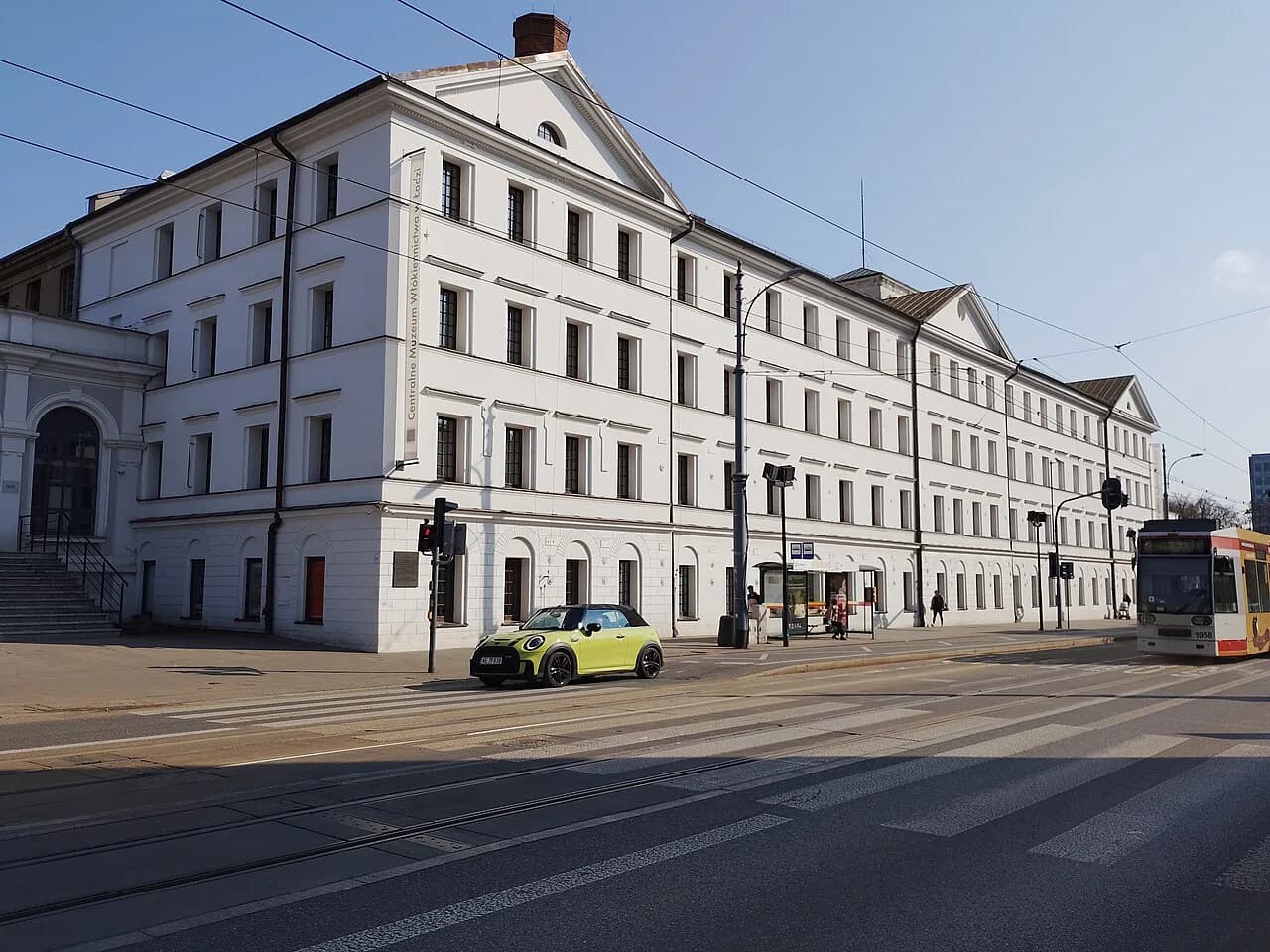
For Museums in Łódź more broadly, the Central Museum of Textiles on Piotrkowska Street is a natural companion, since it tells the industrial story that the ghetto and the occupation interrupted. It is a multimedia museum in the White Factory, the former Geyer factory, with the Łódź City Culture Park in the former palace garden behind it.
Pairing wartime sites with industrial Łódź
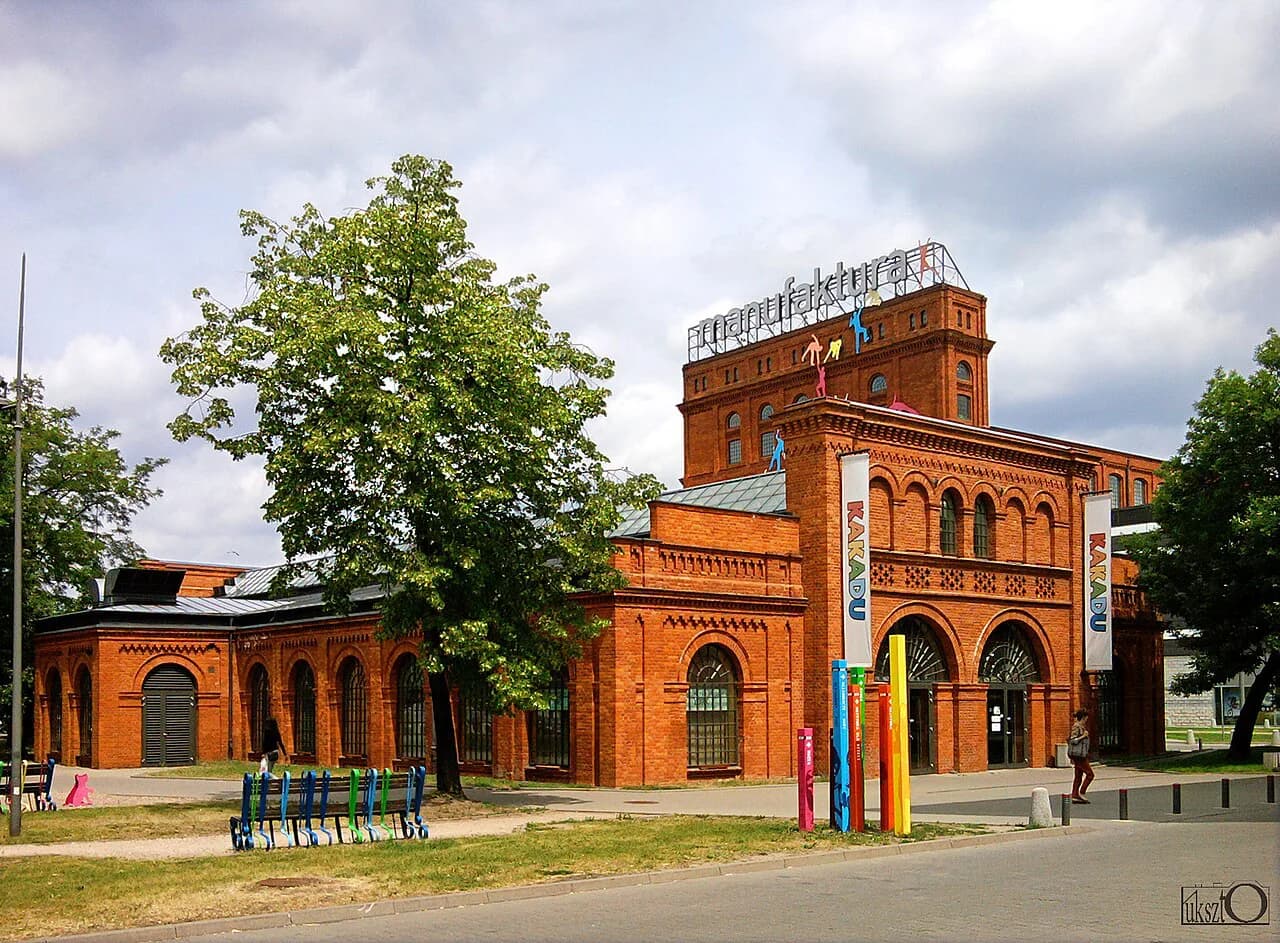
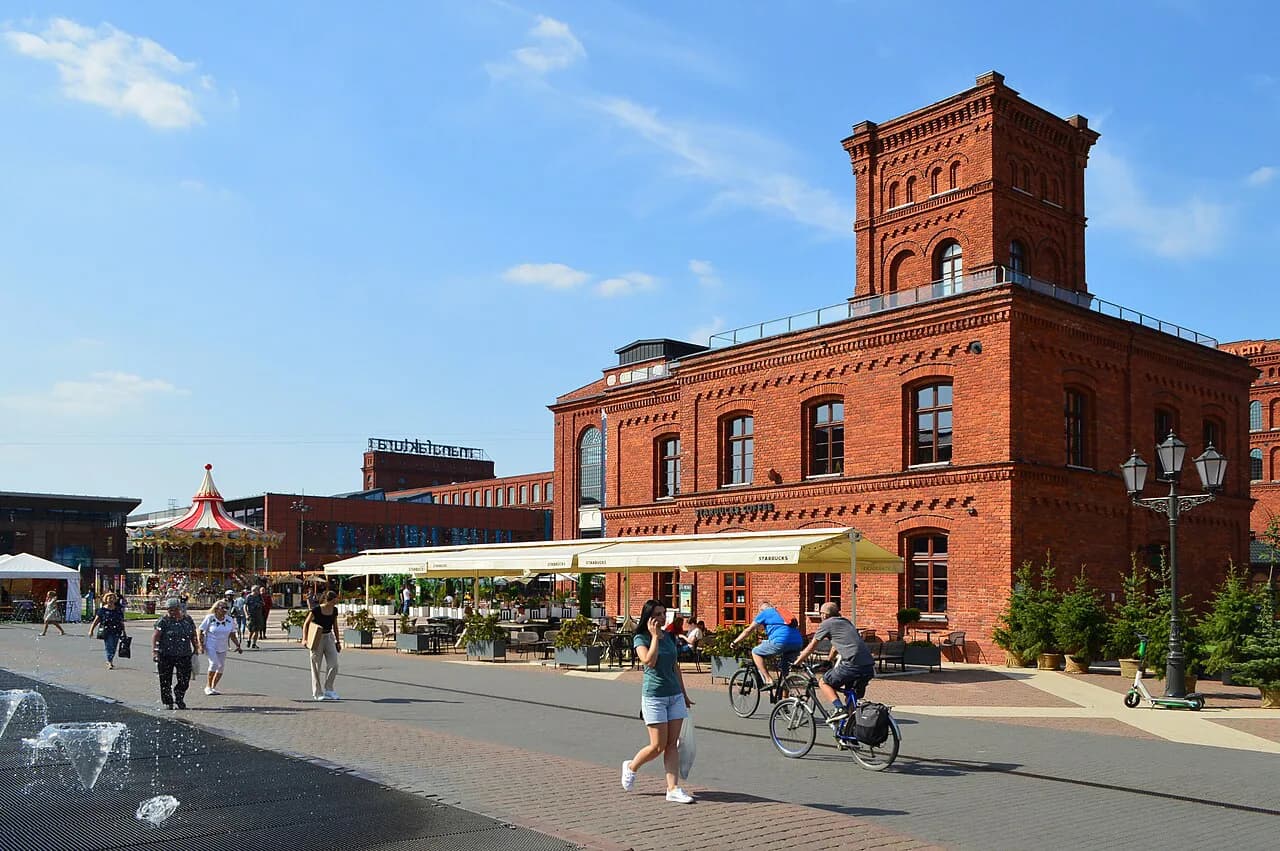
Manufaktura, the former Izrael Poznański factory complex, is now a shopping and cultural centre with over 300 shops, restaurants, museums and a cinema. Its scale and its red-brick architecture give a sense of the industrial city that the ghetto existed alongside, and the Poznański Palace next door houses the Museum of Łódź.
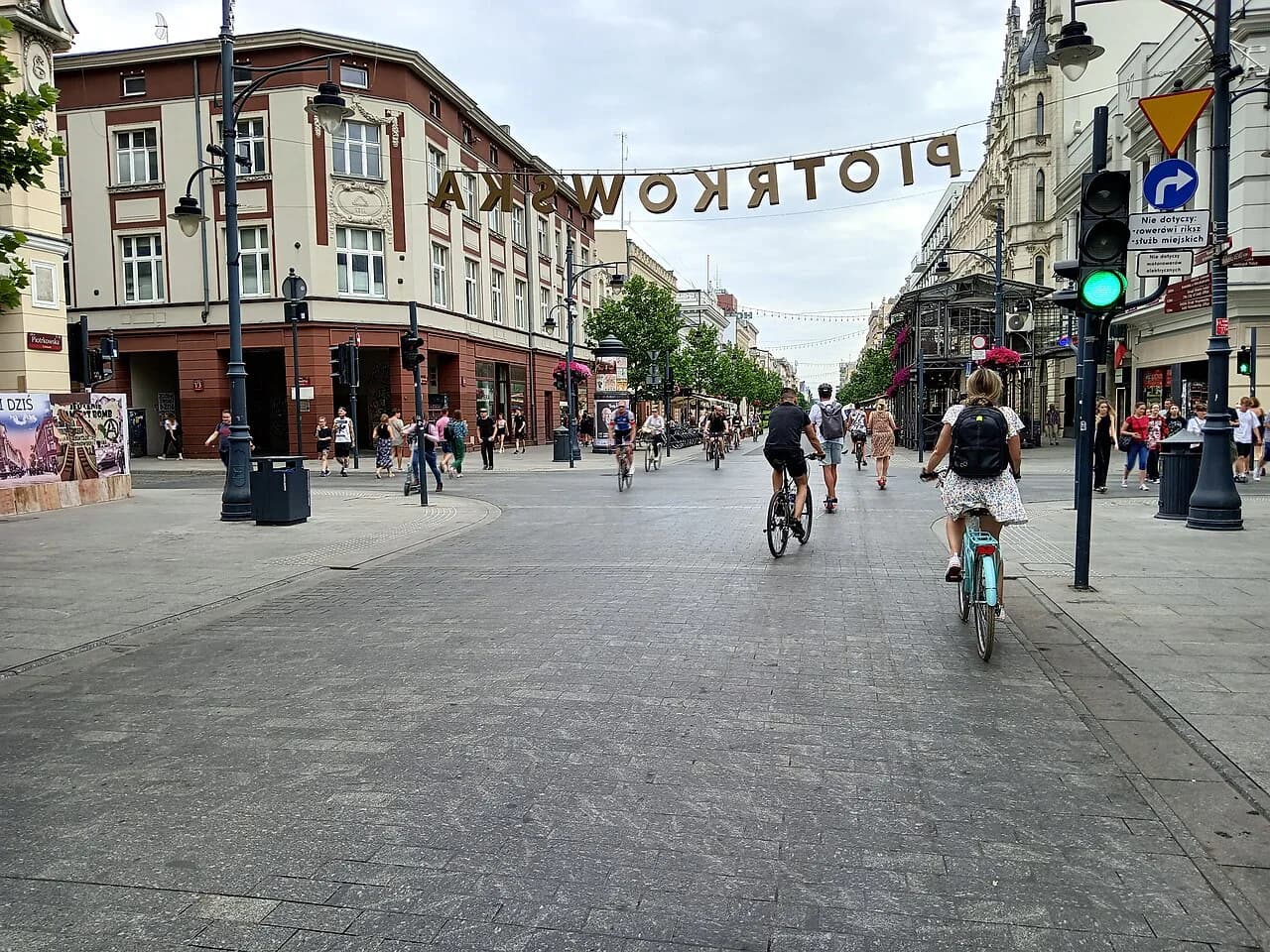
Piotrkowska Street, the city's main artery at over four kilometres long, links the industrial and wartime stories: it runs from the centre towards the southern factory district and passes the White Factory. Walking it after the memorials is a way to see the city as a whole rather than as a set of separate sites.
If you want green space after a heavy morning, the Botanical Garden in the west of the city is open every day from 1 April to 31 October, with a separate Palm House in Źródliska Park. It is a useful counterweight to the memorial sites and a reminder that Łódź is a city of contrasts.
Is there a concentration camp in Łódź?
No. The German Nazi camp system in occupied Poland included Chełmno and Auschwitz-Birkenau, but neither is in Łódź, and the Łódź ghetto was a sealed district rather than a camp. Visitors looking for a camp site need to travel outside the city, while the ghetto, Radegast and Radogoszcz sites tell the city's own wartime story.
How many people were in the Łódź Ghetto?
The ghetto held a large population at its height, and the figure varies by source and date. The Holocaust Encyclopedia and the ghetto article give the accepted ranges; treat any single number as an estimate for a given month rather than a fixed figure for the whole period.
Can you visit the former Łódź Ghetto?
Yes, but not as a single ticketed site. The former ghetto area is now ordinary streets in Bałuty and Stare Miasto, with memorial markers and plaques; the Radegast station memorial and the Jewish cemetery are the main places to stop and reflect. Plan on walking the area and using transport between the memorial sites rather than expecting a visitor centre.
Which wartime sites to prioritise if you have one day
With one day, start at Radegast, continue west to the Jewish cemetery on Bracka Street, and finish at Radogoszcz. That sequence covers the deportation story, the community that was lost and the occupation's prison system without asking you to rush between them.
If you have a second day, add the former ghetto streets in Bałuty and the Central Museum of Textiles, then walk Piotrkowska Street for the industrial city that frames the wartime story. The two days together give Łódź's twentieth century in the round, rather than as a single memorial stop.
Explore more Łódź guides
Sources
Notes for your next Polish city break
Optional updates to our Poland guides.
You might also like
Continue reading
More guides you'll find useful