Łódź Ghetto: What Happened and What Visitors Can See Today
How the Łódź ghetto was set up, run and liquidated, and how to read the former ghetto area and Radegast station within a Łódź city break.
On this page
The Łódź ghetto was the sealed Jewish quarter the German occupiers created in the city they renamed Litzmannstadt, and it was liquidated in September 1944. It was a place of forced labour, hunger and a closed internal currency rather than a district that simply happened to be Jewish. This guide explains what the ghetto was, how it was administered and emptied, and how to give its remains a realistic place in a one to four day city break.
It is deliberately split between history and practical geography: the chronology first, then the questions a visitor actually asks on the ground, such as where the boundary ran, what survives to stand in front of, and how much of a day the former ghetto area deserves. Nothing below presents a museum, exhibition or building as open unless the site itself confirms it, so treat this as preparation for checking current visitor arrangements.
What the Łódź ghetto was, in short
The ghetto was a closed district into which the German authorities forced the city's Jewish population and Jews deported from elsewhere, cutting them off from the rest of Łódź behind a guarded boundary. Unlike a number of other ghettos in occupied Poland, it was kept alive as a labour reserve, with workshops and factories inside its perimeter producing for the German war economy. That combination of isolation and forced production shaped everything about daily life there, from the food ration to the money people used.
The German name for the city during the occupation was Litzmannstadt, and the ghetto is often referred to by that name in German documents and in later literature. Visitors will meet both names on memorials and in museum captions, so it helps to know they describe the same place and period. The wider wartime landscape of the city, including occupation sites beyond the ghetto, is set out in the guide to Łódź WW2 Sites.
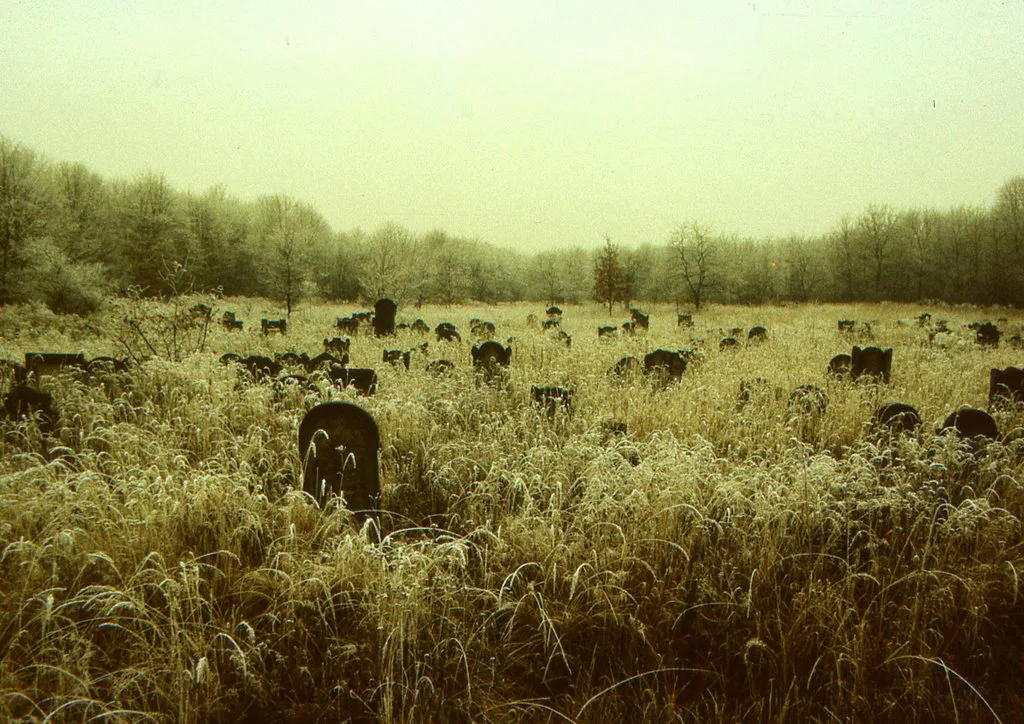
When and how the ghetto was established in German-occupied Łódź
The ghetto was sealed in 1940, in a northern part of the city that was already densely built up and poorly supplied with open space. The Holocaust Explained's case study on the Łódź ghetto records a one mark note issued inside the ghetto in March 1940, which shows how early the internal economy was being formalised. The same page notes that the ghetto was liquidated in September 1944, which gives the district a lifespan of roughly four and a half years.
Deportations into the ghetto continued after it was sealed. Elsa Kafka, a Czech Jew, was deported from Prague to Łódź in October 1941 and later to Auschwitz, and her testimony describes transports arriving incessantly alongside overcrowded rooms and factories. That detail matters for understanding the district's demography: by the later years it held people from across occupied Europe, not only pre-war residents of Łódź.
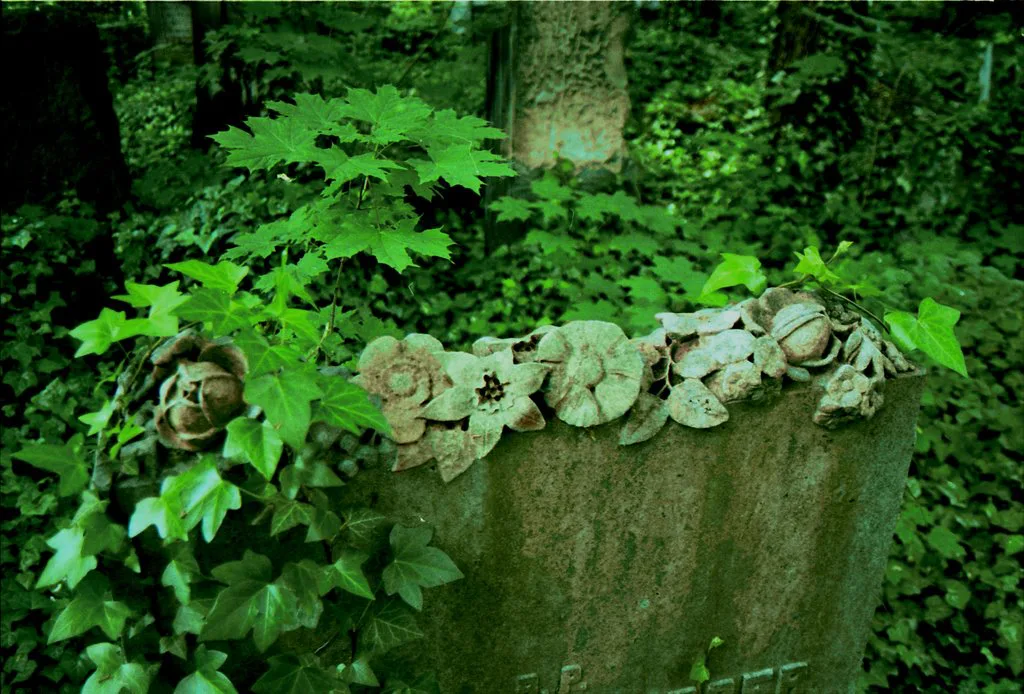
Life inside: work, hunger, currency and the Jewish Council
The ghetto was administered through a Jewish Council, addressed in German correspondence as the Ältesten der Juden, or elders of the Jews. A postcard sent to the Łódź ghetto in July 1942 and addressed to that council survives in the Wiener Holocaust Library collections, and it is the kind of document that shows how formal the internal bureaucracy had become. Understanding that structure helps a visitor read later accounts without mistaking the council for a body with real power over the ghetto's fate.
Money inside the ghetto was its own currency, issued from March 1940 and valid only within the district. That restriction was a control mechanism as much as an accounting device, because it made escape harder and tied survival to the ghetto's internal economy. This is why the notes and tokens that survive are treated as historical evidence rather than as curiosities.
Work was the organising fact of daily life, with workshops and factories running inside the sealed area. Photographs taken by Mendel Grosman, a Jewish-Polish artist and photographer interned in the ghetto, include young men working in a factory; he was employed in the photography section of the council's statistics department and also documented life and death there secretly. His own fate followed the ghetto's: deported when it was liquidated in September 1944, he was shot on a death march shortly before the war ended.
Food and shelter were chronically inadequate. Kafka's account describes wooden huts without windows, overcrowded rooms, and children in the orphanage dying of hunger and cold, while the old were exempt from work. Read those details together and the shape of the place becomes clear: labour for those who could perform it, and attrition for those who could not.
Deportations and the liquidation of the ghetto
The ghetto was liquidated in September 1944, with its remaining inhabitants deported to German Nazi camps. The Holocaust Explained follows Grosman from the ghetto to the Sachsenhausen subcamp at Königs Wusterhausen, and Elsa Kafka was deported to Auschwitz. These are German Nazi camps run by the occupiers, and that terminology matters when reading any account of what happened after the transports left Łódź.
Armed resistance of the kind seen in the Warsaw ghetto did not take the same form in Łódź, because the ghetto's peculiar situation as a labour reserve and its tightly sealed perimeter made organised revolt extraordinarily difficult. That is a point to hold carefully: the absence of an uprising is not an absence of resistance or of suffering, and the documentary record of daily life is where much of the human detail survives.
What remains in Łódź today: the former ghetto area and Radegast station
The former ghetto lay in the north of the city, and the Radegast station on its edge was the point from which transports left for the German Nazi camps. It is the single most important fixed point for a visitor assembling the geography in their head, because the station anchors the route of deportation to a real place in the urban fabric. Confirm current access arrangements and any exhibition space on site before you build a day around it.
Other traces are thinner and more scattered: street lines, building stock that predates the war, and markers that require context to read. This is not a district that explains itself through a single entrance and a route, so going in with the chronology above in mind is more useful than expecting signage to do the work. For the city's broader wartime and occupation landscape, the guide to Łódź WW2 Sites is the better starting point than the ghetto area alone.
Reading the memorial landscape before you go
Memorial language in Poland rewards attention to naming. Where a site refers to Litzmannstadt, it is naming the city as the occupiers renamed it, and where it refers to the Ältesten der Juden it is naming the council the Germans imposed on the ghetto. Knowing both terms stops the same place from seeming like two different stories.
Give yourself the chronology in advance, because the numbers that appear on memorials are not interchangeable: establishment in 1940, transports arriving through 1941 and beyond, liquidation in September 1944. If you want to see how the wartime period sits alongside the rest of the city's history before and after, the guide to Łódź history provides that longer frame.
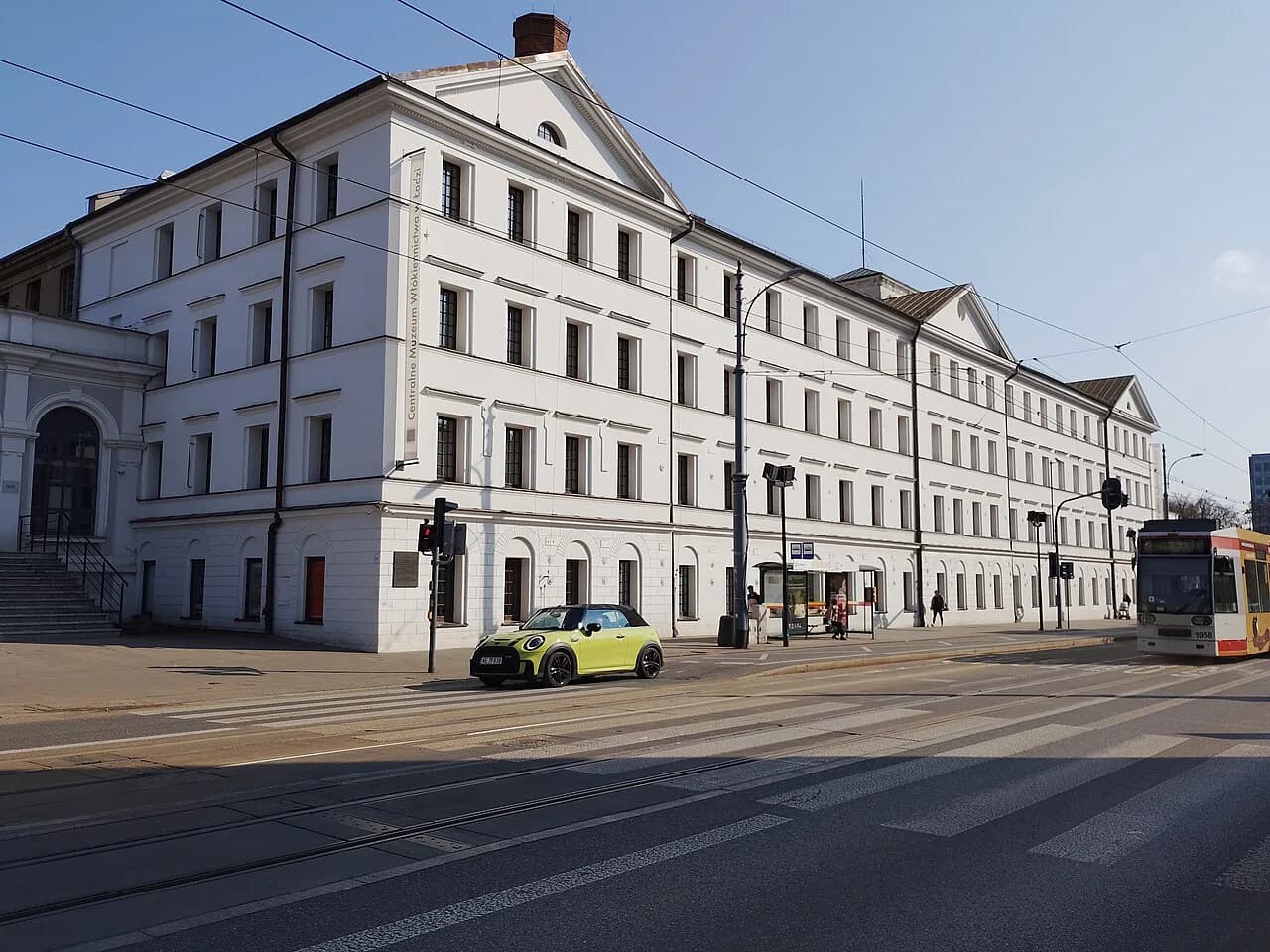
Ground the visit in documents rather than impressions where you can. Postcards, ghetto currency and photographs like Grosman's are the primary material that survives, and they do more explanatory work than a plaque often can. For the city's museums and what each one holds, including fine art collections such as Muzeum Sztuki w Łodzi, start with the museums in Łódź overview before you allocate hours.
How much time to give the former ghetto district on a city break
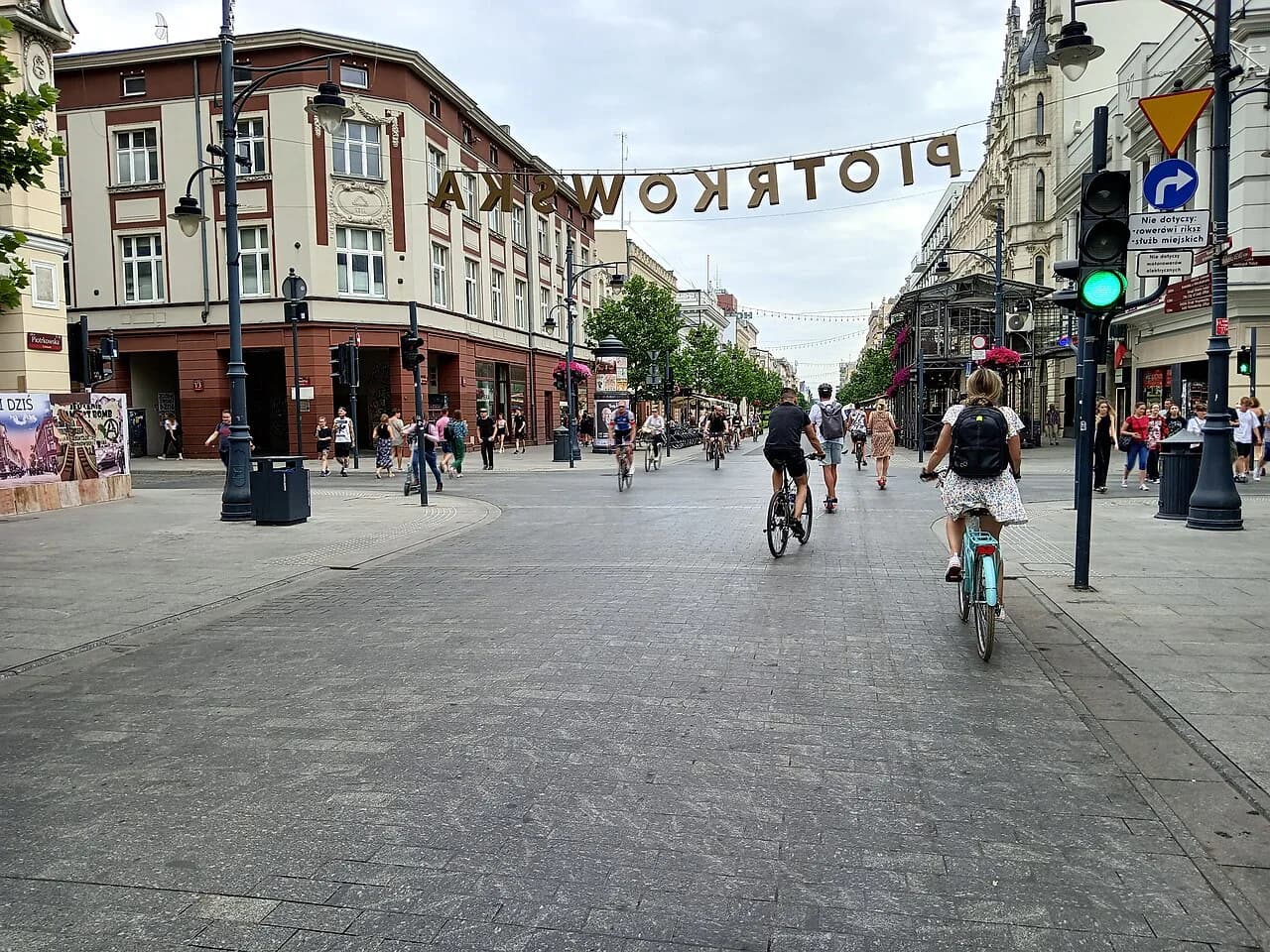
Treat the former ghetto area as a half day at most on a short break, and as a focused half day rather than a wandering one. The northern district does not offer a dense cluster of interpreted sights, so the value comes from visiting the Radegast station and walking the immediate surroundings with the chronology already in your head. On a two day trip, that sits comfortably alongside a city-centre day built around Piotrkowska Street and the central squares.
The rest of Łódź pulls in different directions, and the practical choice is how much of it to give to the nineteenth-century industrial city. Piotrkowska Street rewards an unhurried walk, and the architecture of the manufacturing families can absorb another few hours. If you are choosing between the ghetto area and these, the honest answer is that they answer different questions, and the guide to Łódź architecture, with the wider set of city guides, helps you see the full range of options at once.
Is the former ghetto area worth a half day?
Yes, if you go expecting to hold the history yourself rather than have it presented to you. The Radegast station gives the deportations a physical location, and the surrounding northern streets give the sealed district a boundary and a scale; together they make the documentary record concrete. If you have only one day in the city, see the centre first and come back for this.
The practical sequence is the chronology, then the map, then the walk: read up on 1940 and 1944, find the ghetto boundary and the station on a map before you leave, and allocate a half day rather than a full one. Confirm current access on the official city and museum sites before travelling, and keep the rest of your trip in proportion.
Explore more Łódź guides
Frequently Asked Questions
Was there resistance in the Łódź ghetto?
The ghetto's situation as a sealed labour reserve made armed resistance far harder to organise than in the Warsaw ghetto, and the historical record concentrates on the documentary evidence of daily life, forced work and deportation rather than on an uprising. The same characteristics that made revolt difficult, the guarded perimeter and the role of the ghetto in German production, are the ones that explain why it lasted longer than other ghettos.
Why was the Łódź ghetto called Litzmannstadt?
Litzmannstadt was the German name imposed on Łódź during the occupation, and it is the name that appears in German documents and on material relating to the ghetto. You will still see it on memorials and in museum captions today, alongside Łódź itself.
How many people were held in the Łódź ghetto?
Deportations into the ghetto continued after it was sealed, bringing Jews from Prague and elsewhere in occupied Europe to join the city's own Jewish population, so the number held changed over the ghetto's life rather than staying fixed. For specific population figures, use the Holocaust Encyclopedia entry on Łódź, which gives them in context.
Sources
Notes for your next Polish city break
Optional updates to our Poland guides.
You might also like
Continue reading
More guides you'll find useful