Poznań Ghetto: What Happened and What You Can Visit
No sealed Jewish ghetto was set up in Poznań under German occupation. Here is what happened to the city's Jews and which memorials and sites you can visit.
On this page
Poznań had no sealed Jewish ghetto. Under German occupation the city's Jewish population was expelled and deported rather than confined behind walls in a closed quarter, so anyone searching for a Poznań ghetto will find a history of removal, not a district you can walk through. This guide sets out who the city's Jews were, what happened to them after 1939, what Fort VII was, and which sites and memorials in Poznań still mark this history.
Treat the subject as two separate things: the pre-war community, whose synagogues and cemeteries you can still find, and the occupation years, which are remembered at Fort VII and through deportation records. Keeping them apart stops you from reading a former community building as a camp site or the other way round.
No ghetto in Poznań: what the question really asks
The word ghetto is used loosely for any Jewish quarter, and that is where most of the confusion comes from. In German-occupied Poland the Germans did establish sealed ghettos in cities such as Łódź, where Jewish families were forced into a cramped district and cut off from the rest of the city. Poznań's Jewish population was dealt with by expulsion and deportation instead, so there is no ghetto wall, gate or boundary to visit here.
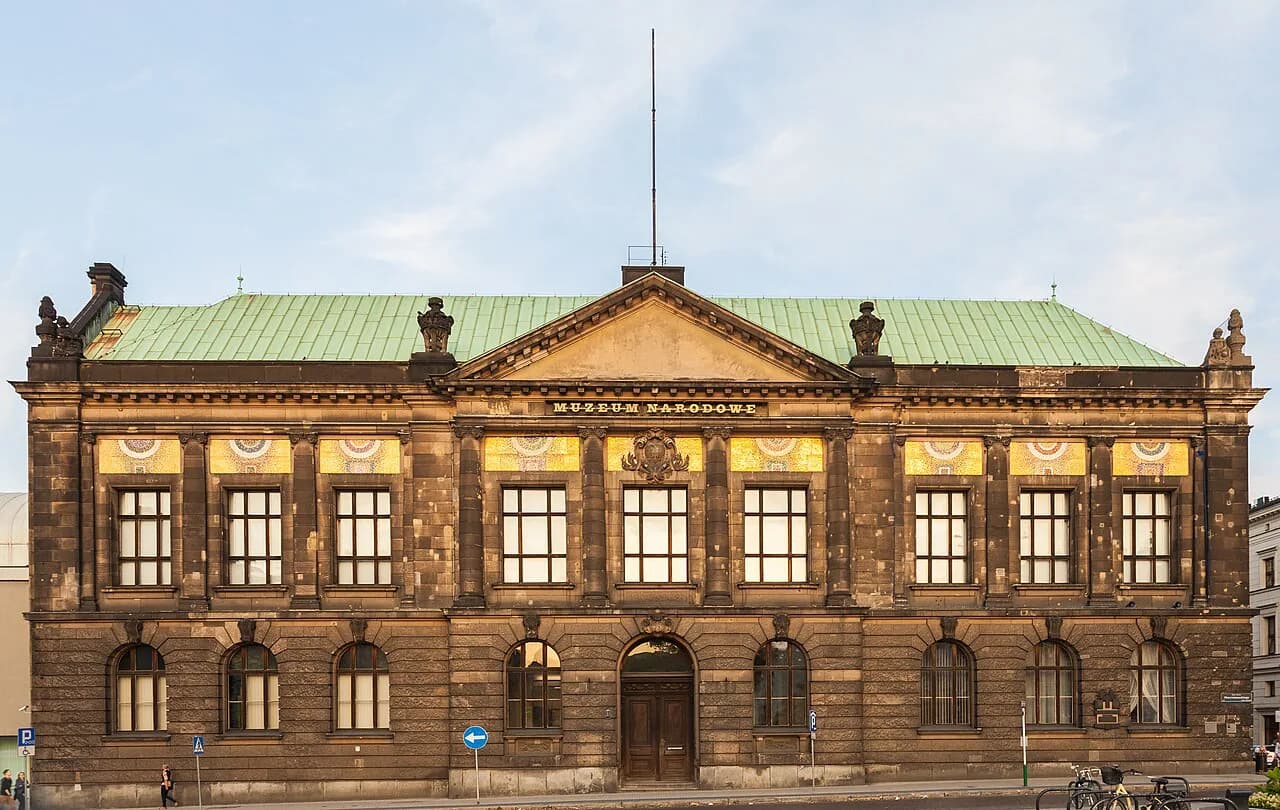
For a visitor that changes the shape of the day. Instead of following a ghetto trail, you are looking at a camp site, a handful of surviving buildings and the record of where people were sent. The wider set of wartime places in the city fits alongside the museums in Poznań, which give the occupation its context in the city centre.
Who Poznań's Jews were before 1939
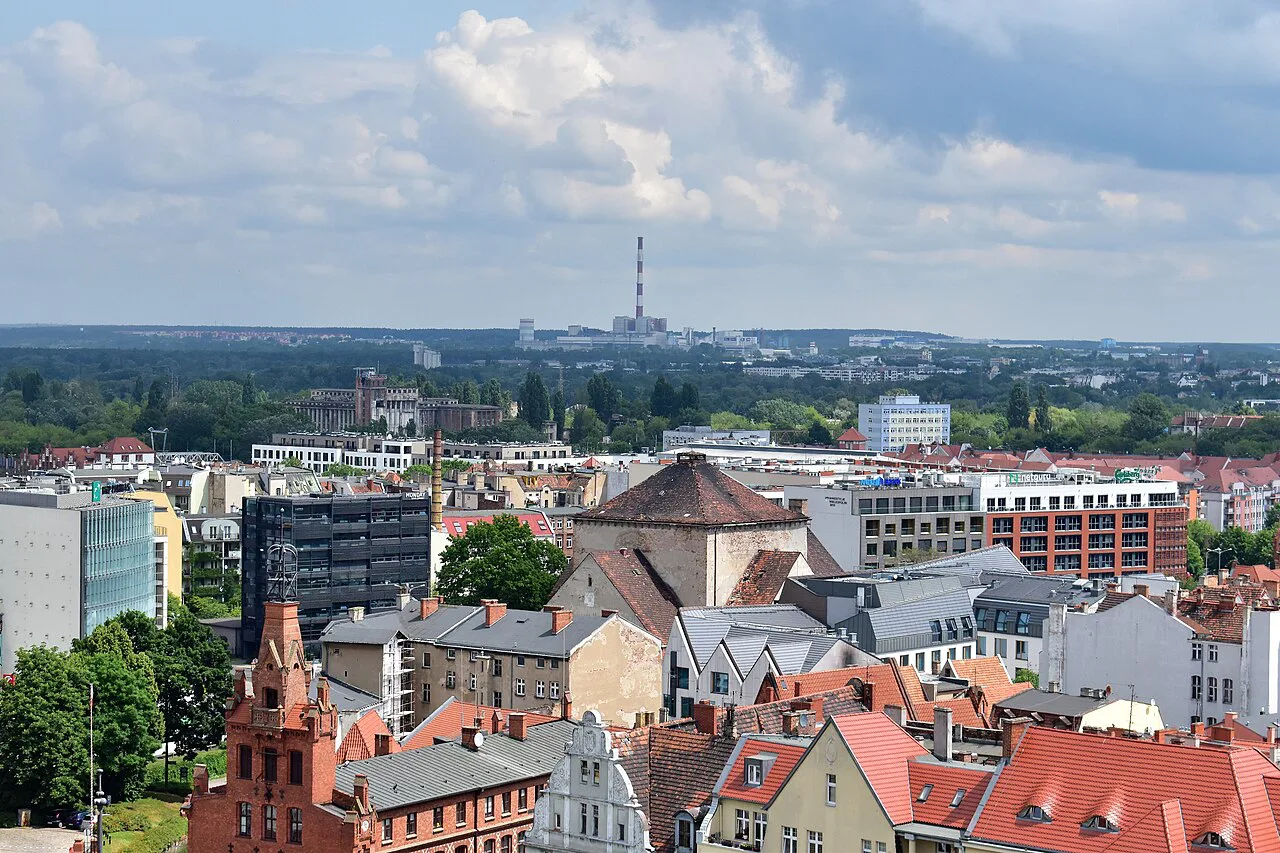
Poznań, known in German as Posen, sat in the western borderlands that Prussia and then Germany ruled for most of the nineteenth century, and its Jewish community was shaped by that German-speaking environment rather than the Yiddish world of eastern Poland. That background matters when you look at the buildings: the community's institutions were urban, central and German-speaking.
One personal record in the United States Holocaust Memorial Museum's collections follows Urszula Kaczmarek, a Polish Catholic girl whose family lived in Poznań, and shows how the occupation reached ordinary households in the city regardless of religion. The same archive holds many accounts from the region and is a good place to start before you travel.
1939: occupation, expulsion and where people were sent
After the German invasion of Poland in September 1939, Poznań was annexed to the German Reich as part of the Wartheland, and the German authorities pushed to make the region German. Jews were expelled from the city and the surrounding area, with many taken to the General Government to the east or to labour and transit points before onward deportation.
Łódź, renamed Litzmannstadt by the occupiers, became the destination and transit point for many Jews from the Wartheland, and its ghetto was the second largest in German-occupied Europe. Some of those deported from the Poznań region passed through it; the ghetto's own history is documented separately.
For family research, the route to follow is the deportation record for the specific town or person, not a search for a Poznań ghetto address. German occupation records, transport lists and survivor testimony held by the United States Holocaust Memorial Museum and similar archives are what allow you to reconstruct an individual route.
Fort VII: the German Nazi camp on Poznań's edge
Fort VII, on the western edge of the city, was adapted by the German occupiers into a concentration camp, Konzentrationslager Posen, and is the single most important site in Poznań for this history. It was set up as part of the ring of nineteenth-century Prussian forts around the city, which is why the setting looks military rather than like a purpose-built camp.
The camp is closely associated with the early phase of the occupation in the Wartheland, when the German authorities used it to detain and terrorise Polish and Jewish prisoners from the region. The Holocaust Historical Society's account of Fort VII sets out what the site was used for and how it fits into the wider camp system in the annexed territories.
Read the fort as a place of detention and terror within the occupation, not as a death camp on the model of the extermination sites further east. That distinction is the one most often muddled by visitors, and getting it right is part of visiting respectfully.
Deportation and murder: the dates the records give
Poznań's Jewish community did not survive the occupation. Its members were expelled, deported and killed, and the city's Jewish life had effectively ended by the middle of the war; the exact dates for individual transports belong to the archival record, not to a general city guide.
Use the Holocaust Historical Society's Fort VII material for the camp and for the German occupation of the region, and cross-check any date or victim figure you plan to quote against the museum or archival source that gives it.
USHMM's identification-card format is a useful model for how to read a single life against the larger event: one person, one family, one route through the occupation. Reading a handful of these before you visit gives the site at Fort VII a human scale that monuments alone cannot.
What remains in the city today
What you can see today is a set of fragments: the fort itself, the site of the main synagogue, the Jewish cemetery and a small number of former community buildings. There is no reconstructed quarter, and none should be expected; the honest experience of Jewish Poznań is a short, sober route rather than an afternoon of sightseeing.
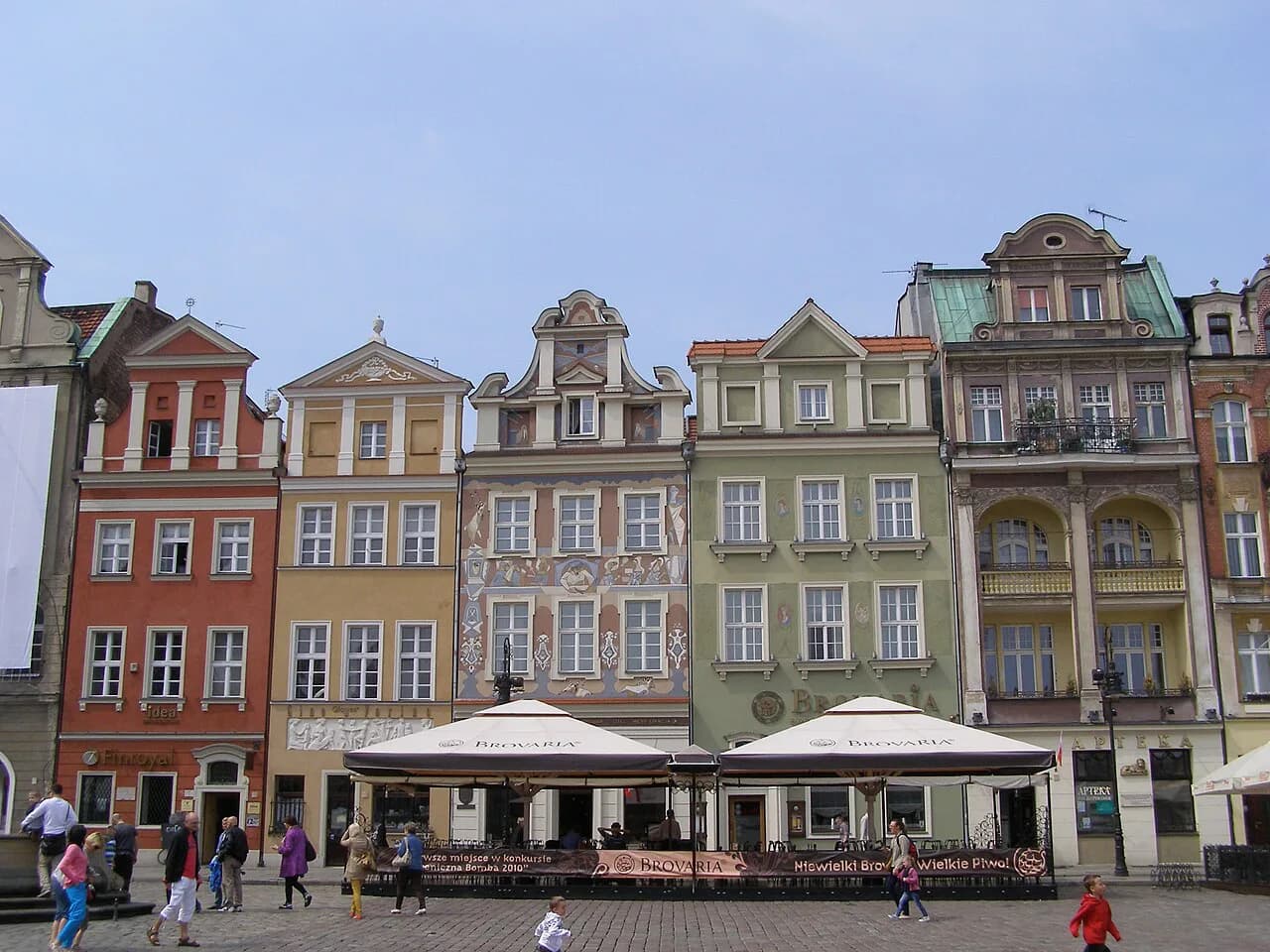
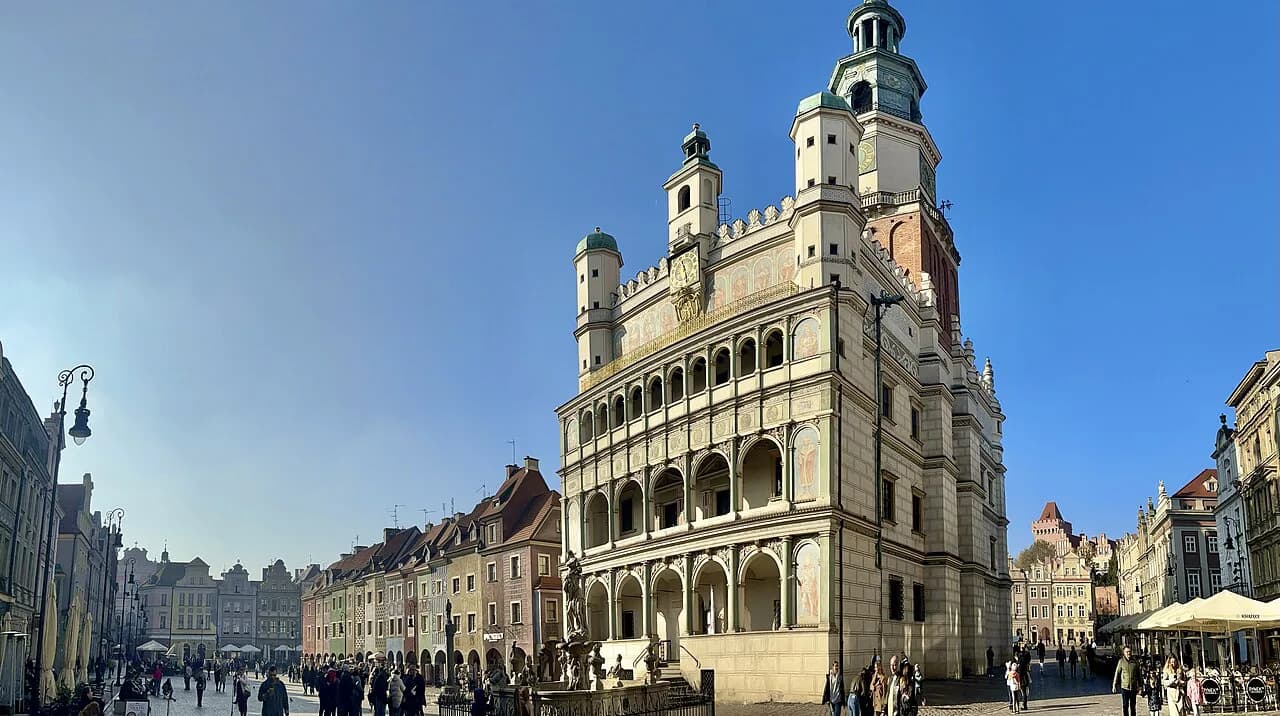
Start on the old market square, Stary Rynek, which gives you the city's centre and its museums before you head west to the fort. From there the wartime route runs out of the centre, and the Fort VII visit is the part of the day that needs the most time and the most preparation.
The fort sits within the nineteenth-century defences, and if the military engineering interests you, the wider Festung Posen ring is worth understanding before you go. It explains why the camp was in a fort at all, and it gives the site its physical context.
Synagogues, cemeteries and community buildings
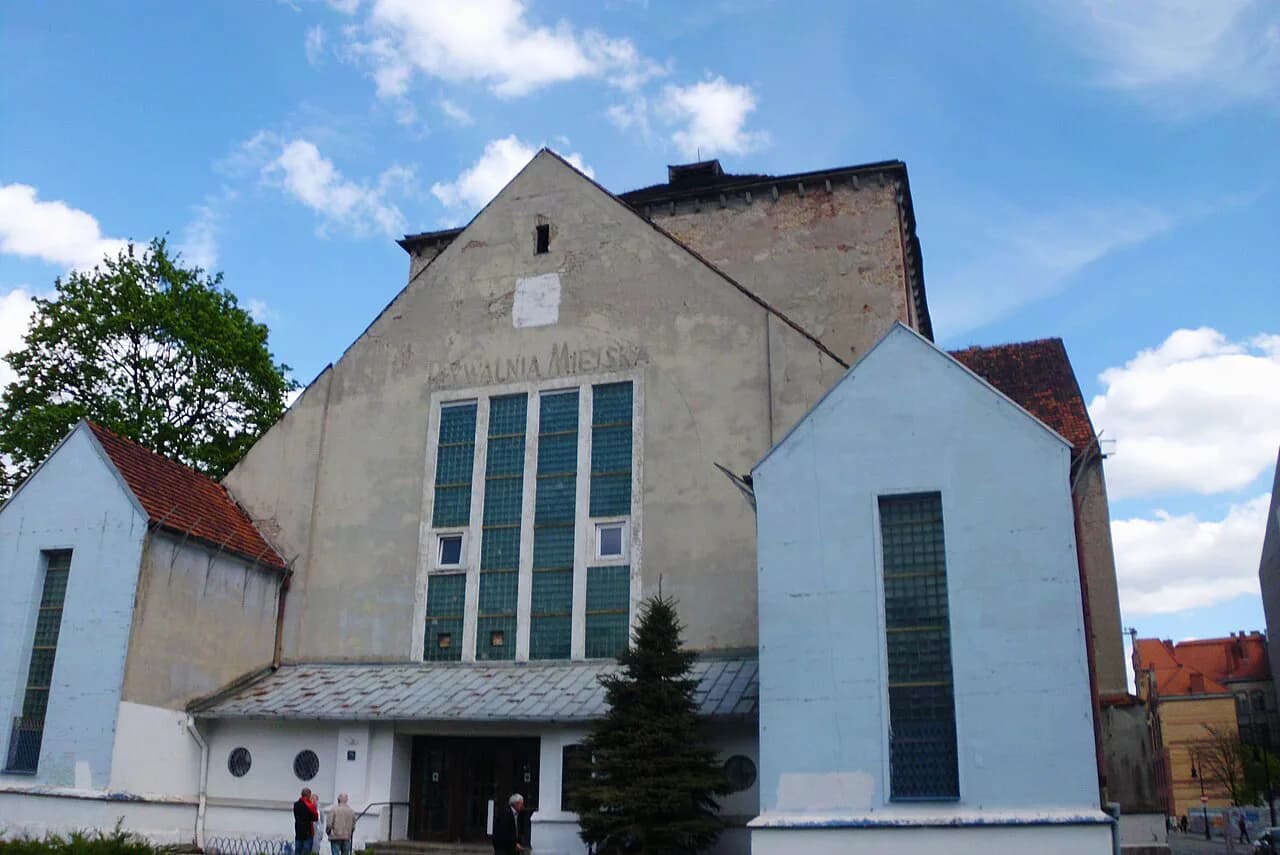
Poznań's main synagogue was destroyed under the occupation, so there is no synagogue interior to visit in the way there is in cities with surviving buildings. What remains is the memory of the site and the community institutions that surrounded it, which you will find marked rather than reconstructed.
The Jewish cemetery is the place to go for quiet reflection and for family names; it is the most tangible survival of the pre-war community in the city. Treat it as a cemetery rather than an attraction, keep to the paths, and do not photograph graves without care.
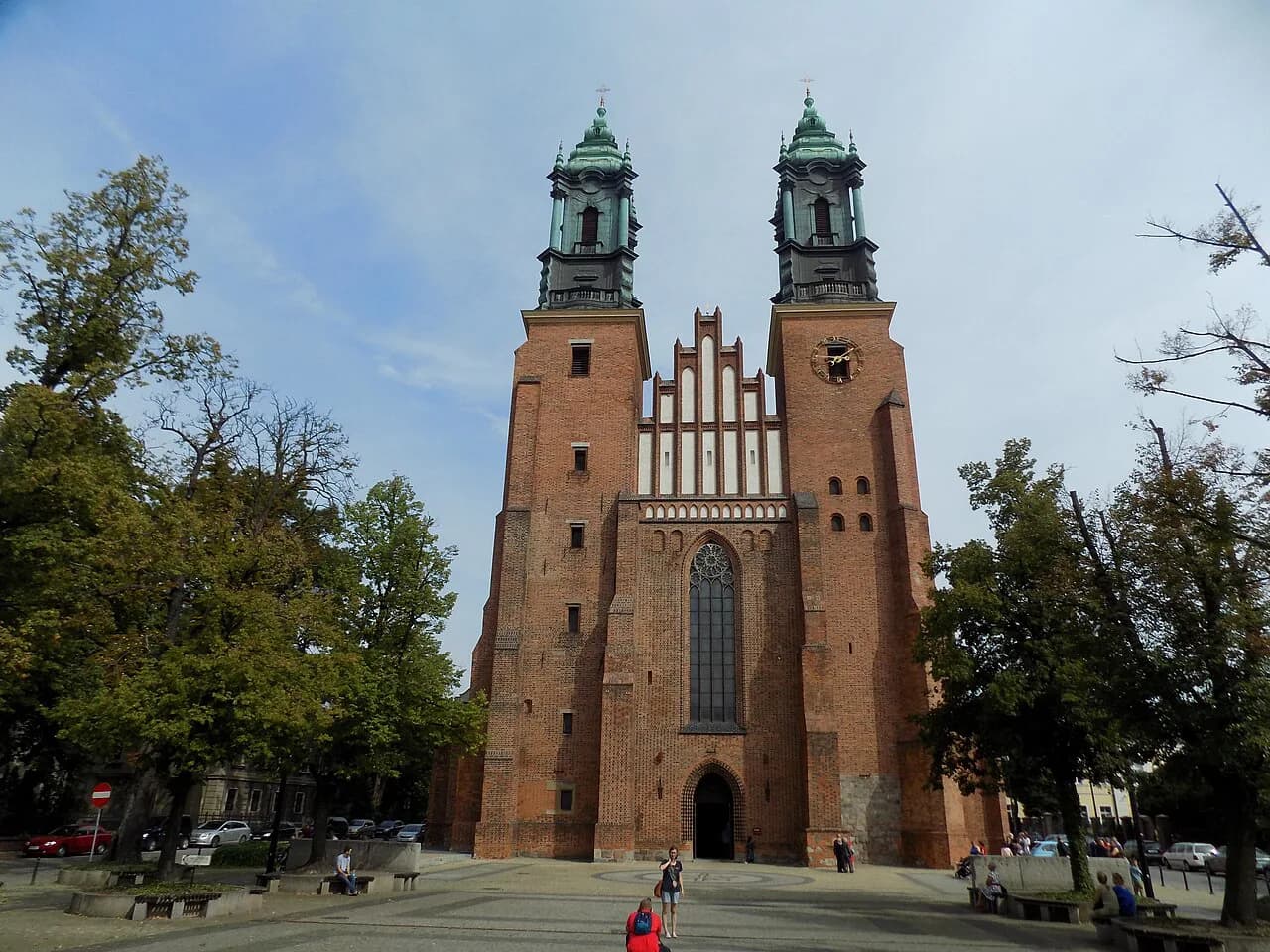
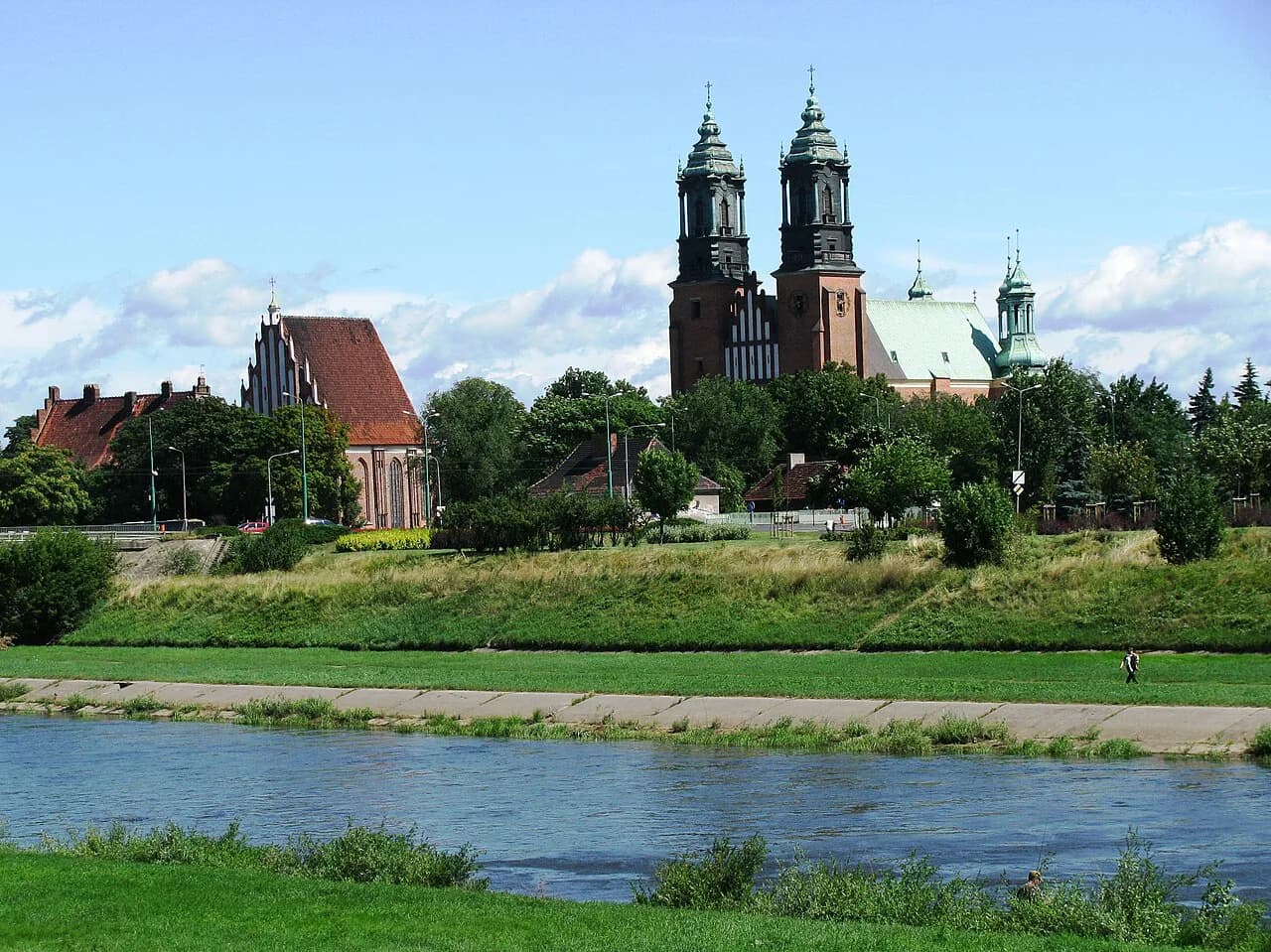
Cathedral Island, Ostrów Tumski, gives you the older Christian face of the city and is a natural pairing with the Jewish sites on a walking day. The Poznań Cathedral and Cathedral Island area is a short walk from the centre and helps you see how the city's religious geography was laid out.
How to visit respectfully
Fort VII is a memorial site, and the right register is quiet attention: read the panels, do not treat the bunkers as a playground, and avoid posing for photographs in spaces where people were held. If you are travelling with children, prepare them for what they will see before you arrive.
Allow more time than you think for the fort, because the material is dense and the site is spread out, and go earlier in the day when you are freshest. Combine it with something lighter afterwards, such as the old town or the castle area on Góra Przemysła, so the day does not end in the hardest place.
Fort VII is managed as a memorial site and its opening arrangements do change, so confirm the current days before you build a day around it. The same applies to any temporary exhibition on the occupation, which may not run during your visit.
Where to put Jewish Poznań in a short break
Give Jewish Poznań a half day, not a whole one: Fort VII first, then the cemetery, with the old town as a counterweight in the afternoon. On a one- or two-day break that is enough to understand the history without turning the trip into a pilgrimage you did not plan.
If you have a third day, use it for the city's museums and churches rather than looking for a ghetto that does not exist. The Poznań attractions guide covers the rest of the city, and the wartime route on Poznań WW2 Sites fills in the occupation story around Fort VII.
Sources
Notes for your next Polish city break
Optional updates to our Poland guides.
You might also like
Continue reading
More guides you'll find useful