Szczecin Markets: Market Halls, Food Markets and Flea Fairs
A practical guide to Szczecin's markets, from covered halls to food and flea stalls, with what each one sells and how to fit browsing into a city break.
On this page
Szczecin's market scene is not one giant sight to tick off; think of it as a set of covered halls, open-air food stalls and second-hand tables that work best as a slow morning rather than a headline attraction. Build a market visit around one type that suits you, then walk it into the rest of your day in the old town or along Wały Chrobrego. This guide sorts the city's markets by kind, explains what each type tends to sell, and shows how to slot one into a one- to four-day break.
The practical catch is timing. Sunday trading in Poland is restricted, so the day you choose matters more than it would in a British city, and many small markets keep only a few weekday mornings. Confirm days and hours for a specific market before you set out, and treat any market morning as flexible rather than fixed.
What kinds of market you find in Szczecin
Think in three groups: covered market halls, open-air fruit-and-vegetable markets, and flea or second-hand tables. Halls are the most reliable for a weekday lunch and a chat with stallholders, open-air produce markets are best early in the morning, and flea markets reward patience rather than a shopping list. Each has a different mood, so pick according to whether you want food, picnic supplies or browsing.
For a short break, one market is usually enough on top of the main sights. Pair a hall with the Stare Miasto and the riverside, or use a flea market as a relaxed start before an afternoon of things to do in Szczecin such as the Pomeranian Dukes' Castle. That keeps the market a pleasure rather than a detour you regret.
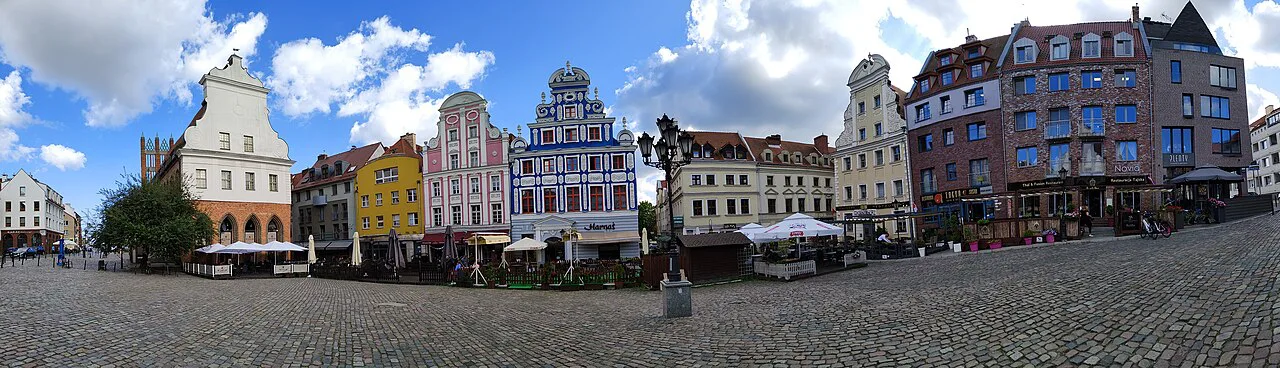
Market halls and covered markets: a cheap lunch and picnic supplies
Covered halls are the workhorses of a Polish city break: fruit and vegetables, cheese, cured meat, bread and a few cooked counters under one roof. They suit travellers who want to assemble a picnic for Wały Chrobrego or grab a cheap hot lunch without a restaurant sit-down. Arrive before midday for the fullest stalls, and bring cash in złoty as a backup even where cards are accepted.
Use the hall as a shopping stop rather than a sight: 30 to 45 minutes is plenty unless you are building a picnic. If you would rather eat properly afterwards, the city's Szczecin food scene covers sit-down options near the centre. For the rest of your day, see Things to do in Szczecin.
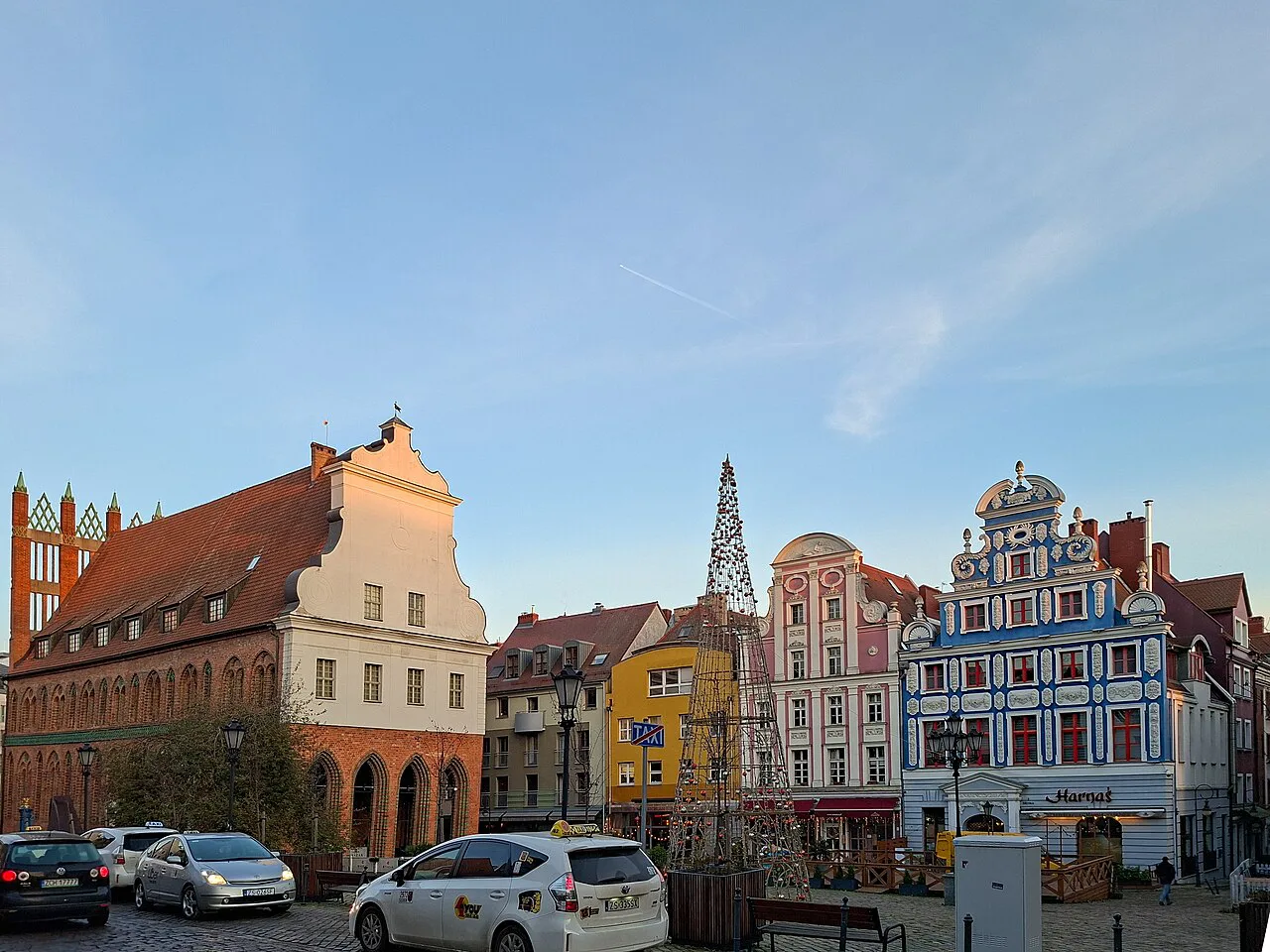
Open-air and food markets: fruit, vegetables and regional produce
Open-air markets are where the local season shows up: soft fruit in summer, apples and root vegetables into autumn, plus eggs, honey and cheese from smaller producers. They are at their best in the morning, when stalls are full and queues are short, and they thin out quickly in the afternoon. Go with a rough idea of what you want and let the produce set the menu.
These markets are also where a market visit becomes a genuine errand, so carry a cloth bag and small notes. If you are pricing up a picnic, ask at the stall rather than trusting a sign, and keep a little slack in your budget for extras. A market morning pairs naturally with a walking tour of the centre afterwards.
Flea, antique and second-hand markets: what turns up
Flea and antique stalls are the browsing end of the market scene: old glass and china, postcards, books, tools, badges and occasional older household ware. Quality varies wildly, so go to look rather than to hunt a specific item, and set a cash limit before you start. Haggling is normal at this end of the market, but a friendly question about price works better than a hard push.
Bring small notes and a bag that closes, and keep an eye on opening times, which tend to be short and morning-based. If your main interest is new goods rather than old, the city's shopping covers the malls and high streets. Otherwise, treat a flea morning as a slow start and leave the afternoon free.
Which days markets run, and how to check before you travel
Market days vary by site, and some stalls only appear two or three mornings a week, so a fixed itinerary can easily miss the best of it. Sunday trading in Poland is restricted, which makes Saturday a safer bet for a market morning and Sunday a day to plan around museums, parks or a river walk instead. Check the market's own day before you commit a morning to it.
City events can shift the picture too: in 2025 the Szczecin Christmas Market ran from 28 November to 21 December, with stalls across Plac Lotników, Plac Adamowicza and Aleja Kwiatowa. Treat that as an example of how central squares get taken over, and check Szczecin events for what is on during your dates.
Where the markets sit relative to the Old Town and Wały Chrobrego
Most of what you want is walkable: the old town and riverside sit within a 15- to 25-minute walk of the central streets, and the main squares are close together. A tram is useful only if your market of choice sits in a residential neighbourhood, where a short ride saves a long walk. Work out the walk on a map the night before rather than improvising on the day.
Use the geography to build a loop: market first, then the old town, then the river. Wały Chrobrego makes a good finish for a picnic, and the city's parks offer alternatives if the weather turns. That way a market visit feeds into the rest of the day instead of isolating it.
Prices: what a market lunch or a bag of produce costs
Treat market prices as the cheapest eating of your trip: a bag of fruit or a portion of cheese costs a fraction of a restaurant main, and a cooked lunch from a stall is modest by city-centre standards. Prices shift with the season and the stall, so ask before you buy and keep a few small notes ready.
For context on what a sit-down meal costs in the city, compare against our Szczecin food guide, then decide whether a market lunch suits your budget. If you want a proper restaurant meal instead, the shopping and food guides cover both ends.
Honest trade-offs and when a market is worth the detour
Some markets are small: a handful of stalls that take 20 minutes, not a morning. Residential-neighbourhood markets need a tram ride and are rarely worth it on a two-day break unless you want to see ordinary city life. And a market on a Sunday may be quiet because of trading restrictions, so plan around Saturday.
The honest verdict: build a market into your day if you want a cheap lunch, picnic supplies or a browse, but do not let one crowd out the Szczecin Old Town or the riverfront. If you are still weighing the trip, our answer to is Szczecin worth visiting sets out the case. Book flights to Szczecin once you have your dates.
Which market should you build your morning around?
Choose a covered hall if you want a cheap lunch and picnic supplies, an open-air market if you want seasonal produce, and a flea market only if browsing old things appeals more than buying food. Keep the visit to one market per day and let the rest of the itinerary follow from it.
Before you travel, confirm the day and hours for that specific market, since Sunday trading restrictions and short opening windows can easily catch out a fixed plan. Then slot the market into a walk that ends at the old town or the river, and treat the rest of the day as the main event.
Frequently Asked Questions
What is Szczecin known for?
Szczecin is a city in Poland's West Pomeranian region, on the Oder, with a riverside setting and a rebuilt old town. Its markets are a practical part of a city break rather than a headline sight.
Are the markets worth visiting on a short break?
Yes if you want a cheap lunch, picnic supplies or a browse, but keep it to one market and check the day first. Sunday trading restrictions can leave a market quieter than expected, so Saturday is the safer morning.
Sources
Notes for your next Polish city break
Optional updates to our Poland guides.
You might also like
Continue reading
More guides you'll find useful