Szczecin Events: What's On and How to Plan Around It
Plan a Szczecin city break around its events: the 2026 Hells Bells Festival at Łasztownia and the National Museum's permanent exhibitions that run year-round.
On this page
Szczecin is a city you can plan around a fixed event or around no event at all: its museums and waterfront stand whatever the calendar says. The biggest single hook is the Hells Bells Festival, a two-day metal and punk event whose first edition ran at Łasztownia on 26–27 June 2026. This guide covers how that festival uses the waterfront, which permanent exhibitions are worth building a day around, and how to check listings before you book.
Treat event weekends and ordinary weekends as two different trips. On a festival weekend the centre fills and accommodation near the river is in demand; on a normal weekend you get the same city with quieter museum halls and easier tables. The sections below map both.
What kind of events Szczecin hosts, and how a festival can change your weekend
Szczecin's event scene runs from large outdoor music festivals on the water to permanent museum exhibitions in the city's National Museum branches. The scale matters for planning: a festival concentrates crowds in one district on one weekend, while exhibitions spread visitors across several addresses all year. If your dates are fixed by cheap flights, check what falls on them before you build an itinerary.
A big weekend rewrites the shape of a short break. Restaurants near the venue fill later and a waterfront hotel is harder to find at short notice. The trade-off is atmosphere: a city in festival mode is louder, later and more memorable than a quiet midweek stay, and you see a side of Łasztownia that ordinary sightseeing rarely shows.
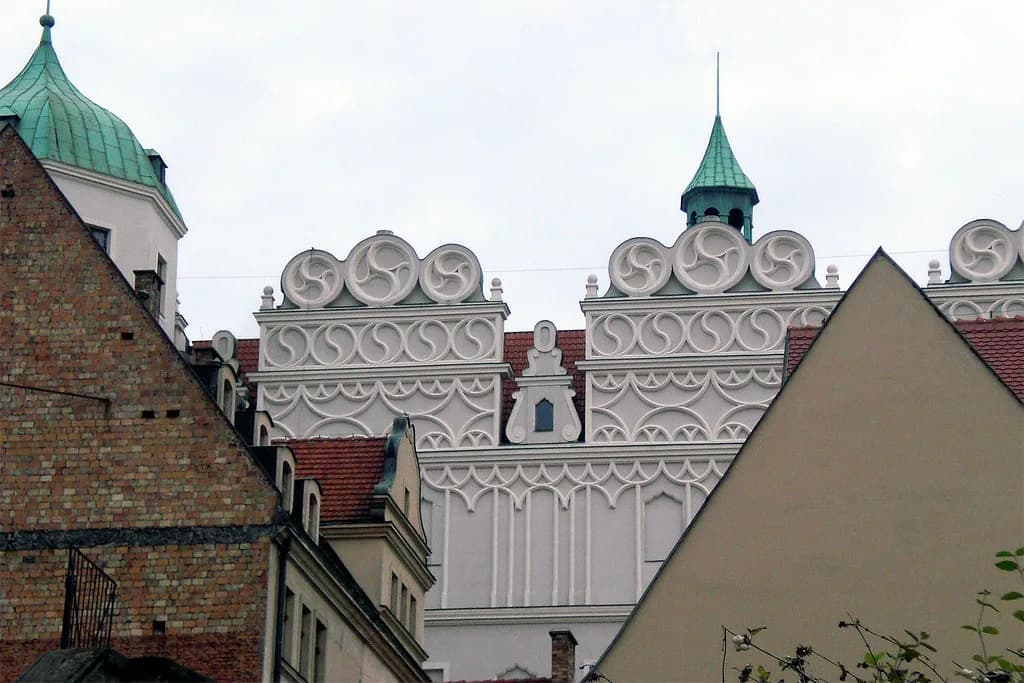
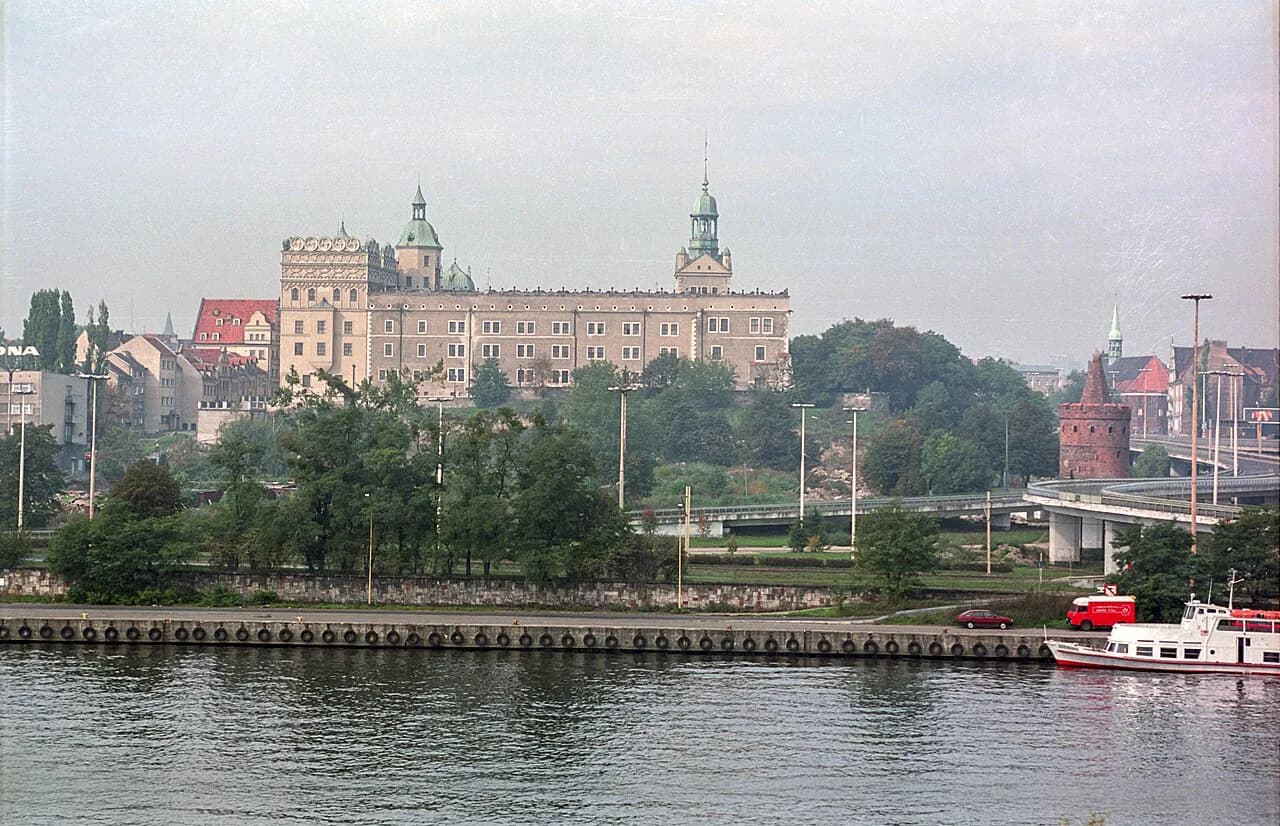
On a non-event weekend, base yourself in the centre and treat culture as the anchor. The things to do in Szczecin list spreads from the Pomeranian Dukes' Castle to the riverside terraces, so a two-day plan can mix indoor exhibitions with walking without any ticketed event at all.
Łasztownia and the waterfront as a festival district
Łasztownia is not a single venue but a riverside district, and that is exactly why it suits a festival. Concerts at Hells Bells are scheduled around Plac Gryfitów, the Old Slaughterhouse cultural complex and the Baltic Culture Port, so the event unfolds across several spaces with an industrial and maritime backdrop. Walking between stages is part of the experience rather than a commute.
For a visitor, knowing the geography helps more than knowing the lineup. Łasztownia sits across the river from the main centre, walkable from the old town side and served by public transport. Build in time to cross the water and find Plac Gryfitów before the first act, because the district is spread out rather than compact.
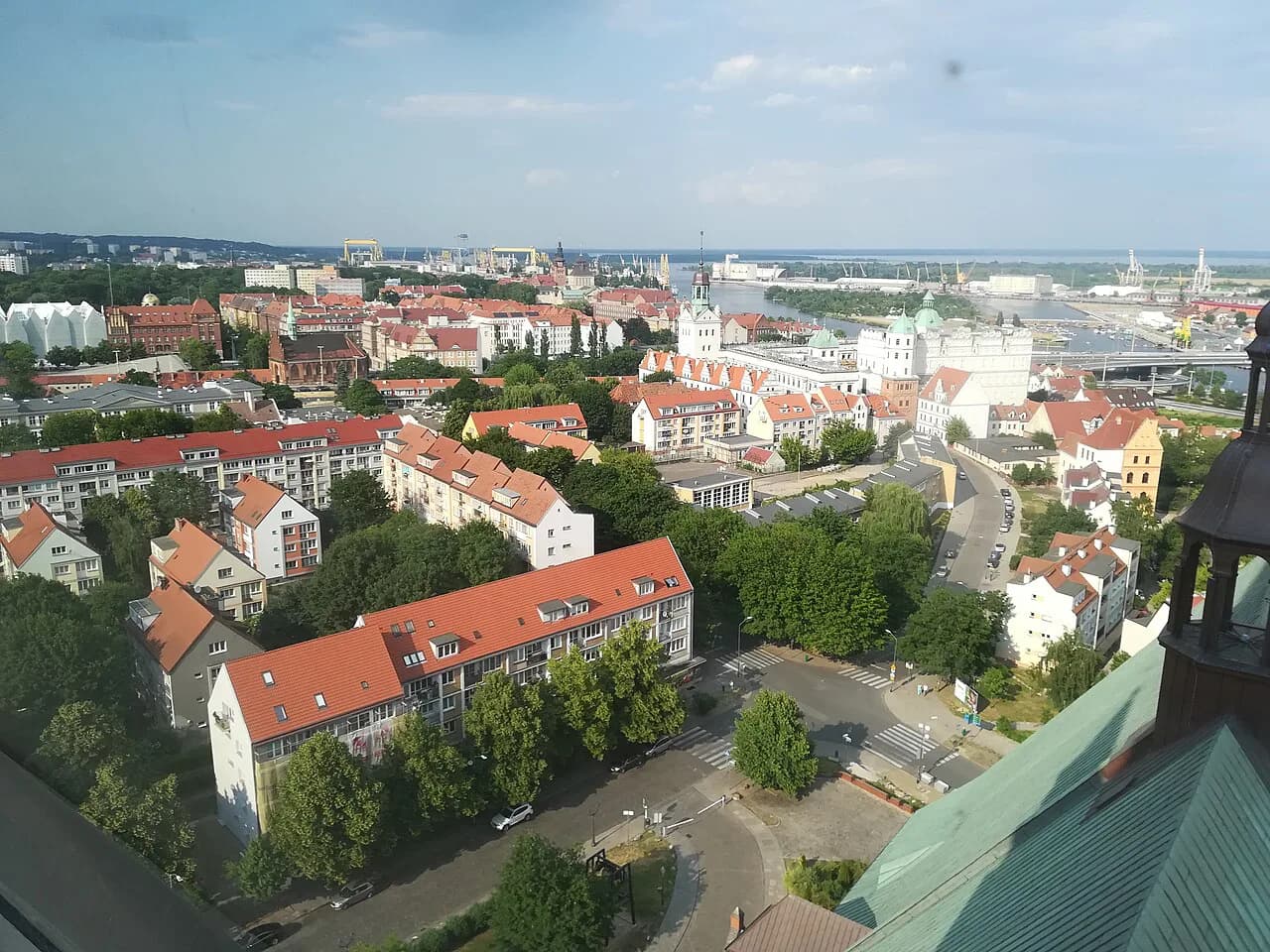
Outside festival dates, the same district is worth a quiet wander. The waterfront setting, the old port buildings and the culture venues give you a different angle on the city from the shopping streets and squares inland. A boat trip on the Oder is the other way to read the harbour geography, and it pairs naturally with an afternoon on this bank.
Hells Bells Festival: a debut metal and punk weekend
The first edition of Hells Bells ran on 26–27 June 2026 at Łasztownia, bringing metal and punk acts from Poland and abroad across multiple stages. Headline names included Dirkschneider, UK Subs, Vader, Possessed, Grave Digger, Discharge, Cockney Rejects and Dezerter, with dozens of bands billed over the two days.
Because 2026 was the debut, treat the June dates as a record of what happened rather than a promise of what comes next. The city's own festival write-up frames the event as a bid to become a fixture on the calendar, not as a confirmed annual booking. If a repeat edition matters to your trip, check the new dates on the organiser's and city's channels before you pay for travel.
For a UK traveller, the lineup is the draw: punk and metal bills with British and European names make this the rare Polish festival that appeals to a specific crowd rather than a general summer audience. Plan the weekend around the music and use the mornings for the city, because two days of outdoor stages leaves little energy for museums.
Year-round culture indoors: the National Museum branches
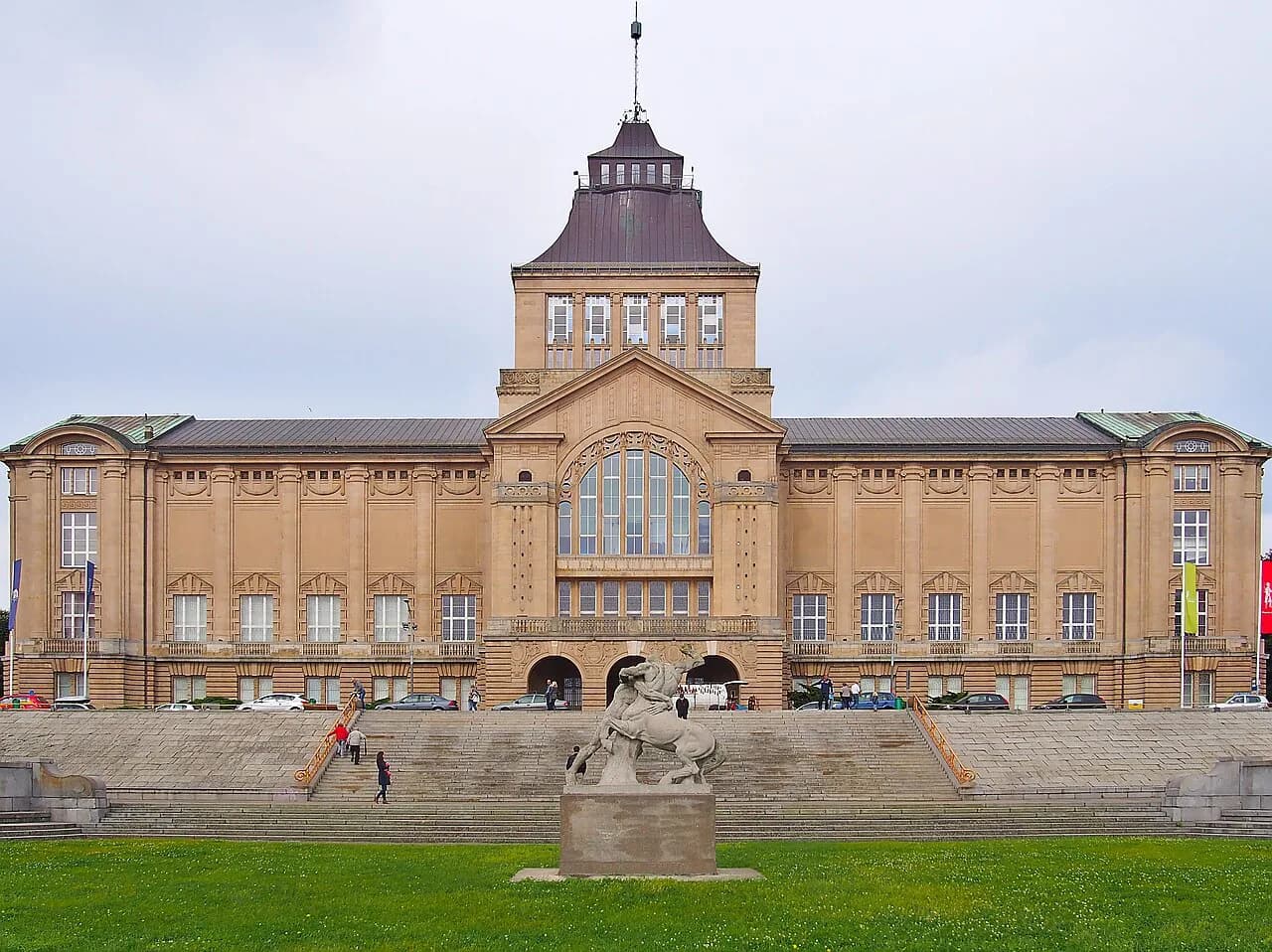
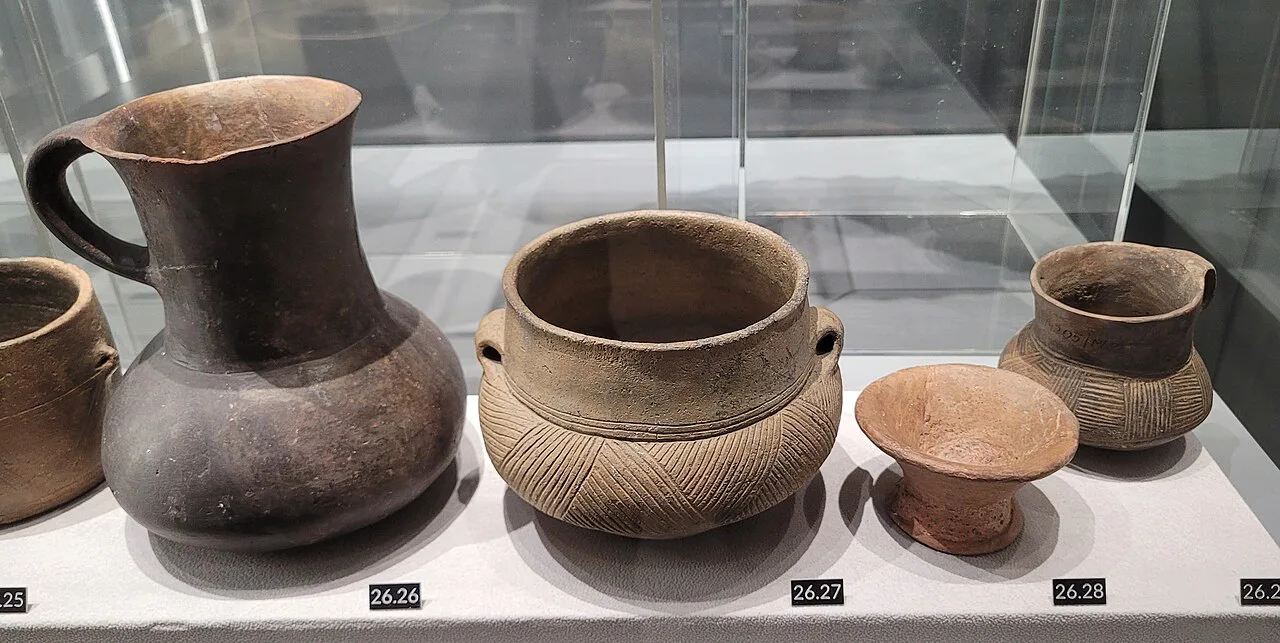
Szczecin's National Museum runs several branches, and the addresses let you cluster a day. The main building on Wały Chrobrego holds permanent exhibitions including Antyczne korzenie Europy, the Dohrn collection of antiquities; Misterium Światła on medieval art in Pomerania; and Dzieci magii, a display of African dolls and marionettes. All are listed as permanent, so they form the dependable core of a cultural visit.
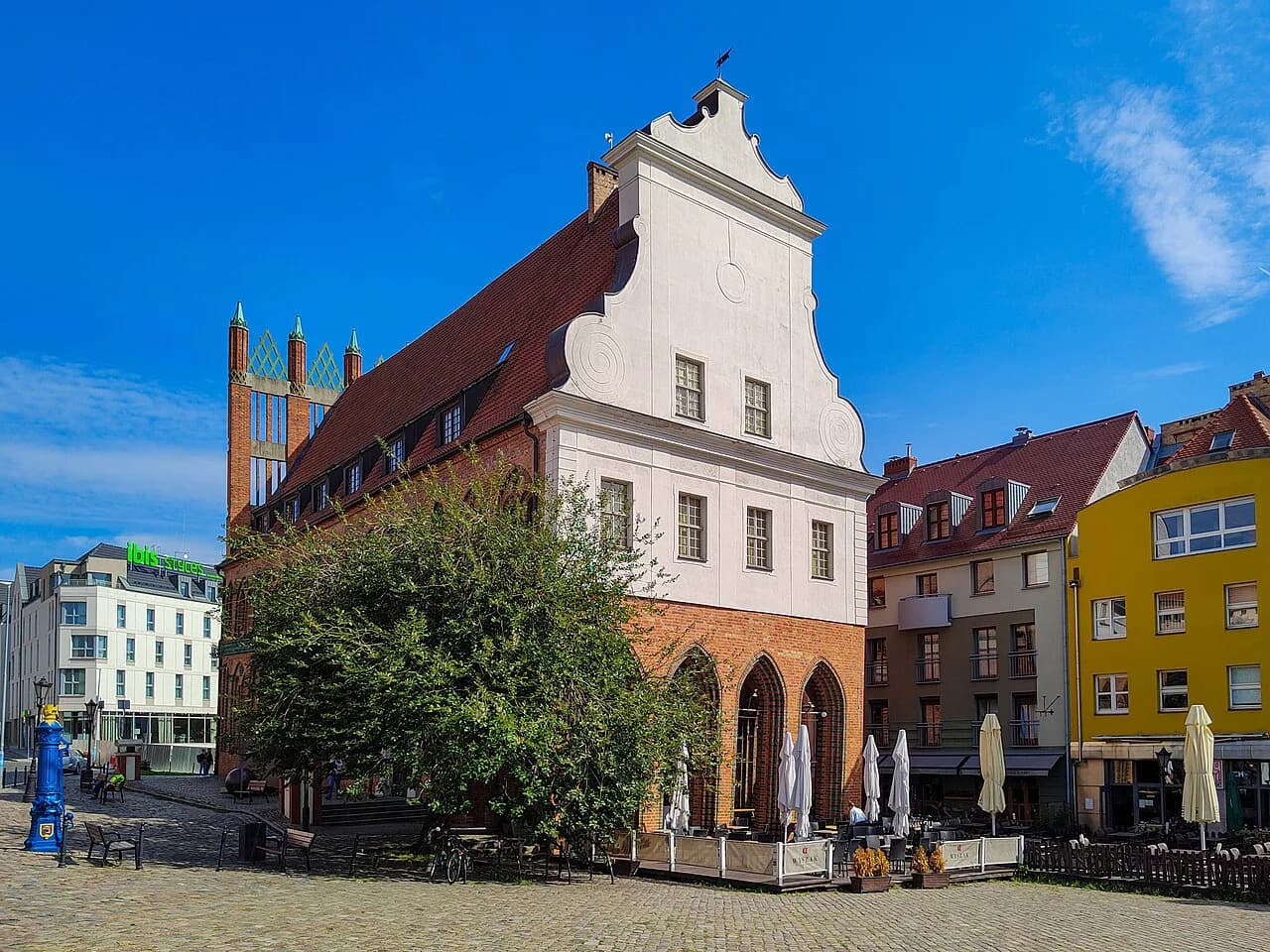
Two more branches sit in the old town streets. The Muzeum Tradycji Regionalnych on Staromłyńska holds Gabinet Pomorski, a collection of coins, banknotes and seals, plus Stare srebra and Świt Pomorza on Pomeranian antiquities. Because these are compact collections in historic buildings, they work well as an hour or two between walks rather than a whole morning.
The Wały Chrobrego address is the one to prioritise if you only have one museum slot. The terrace itself is one of the city's signature views over the Oder, and the museum sits right on it, so you can combine a gallery visit with the panorama.
Centrum Dialogu Przełomy on Plac Solidarności
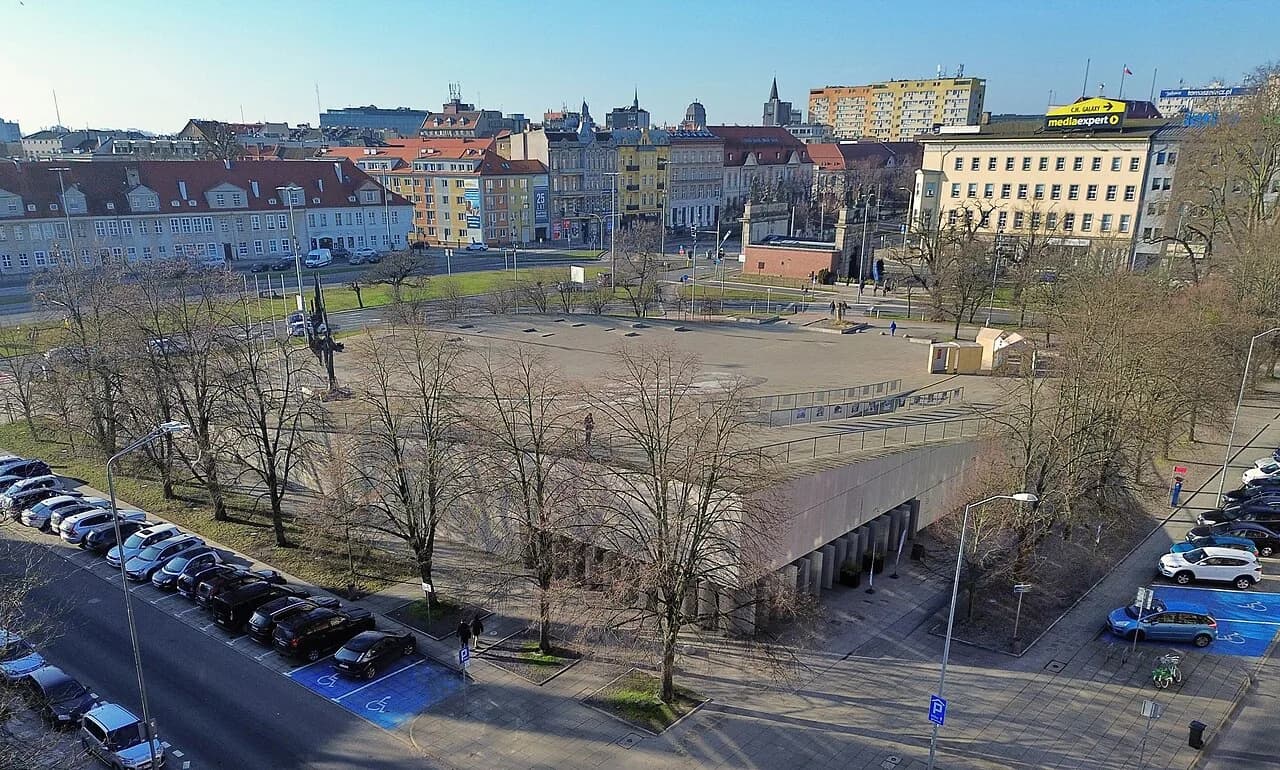
Centrum Dialogu Przełomy, the National Museum's Dialogue centre on Plac Solidarności, carries the permanent exhibition Miasto sprzeciwu – Miasto protestu, on the city's history of opposition and protest. It is the branch to choose if you want the recent political story of Szczecin rather than medieval art or regional antiquities.
The subject matter is serious, and the centre's position on Plac Solidarności ties it to the shipyard city's modern identity. Pair it with a walk through the surrounding streets rather than treating it as a quick stop; exhibitions of this kind reward unhurried reading.
Muzeum Historii Szczecina on Księcia Mściwoja II
The Muzeum Historii Szczecina on Księcia Mściwoja II is where the city explains itself. Hans Stettiner i Jan Szczeciński covers everyday life in the city through the 20th century, while Historia i kultura Szczecina w czasach szwedzkich i pruskich handles the Swedish and Prussian centuries, and Najstarsze karty z dziejów Szczecina covers the earliest chapters.
This is the branch to visit first if you want context for everything else you see. The 20th-century exhibition in particular prepares you for Plac Solidarności and the post-war rebuilding of the centre, so the order museums are visited matters more here than elsewhere.
Checking a current listings calendar before you book
Concert-ticket pages can return an empty bill for Szczecin even when the city is busy, so an empty result is not evidence that nothing is on. Use a general Polish listings calendar to see what is scheduled, then confirm the individual event with its organiser before committing to dates.
Treat recurring listings as living information. Dates shift, editions get cancelled, and a first edition may not return; the only reliable method is to check close to booking and again before departure. That habit costs ten minutes and saves a trip built around an event that has moved.
How event weekends affect crowds, transport and accommodation
A festival weekend compresses demand into a small area. Łasztownia and the crossings toward it are the pinch points, and the centre's restaurants and hotels absorb the overflow. Book accommodation early and accept that the quietest rooms will be the ones furthest from the water.
If your dates are flexible, a non-event weekend gives you better value and easier access to the museums. If they are not, plan around the crowds: see the exhibitions in the morning, keep the afternoon for the riverbank, and leave the evening to the festival.
A two-day shape for a visit that fits around an event
Start day one in the centre with the Muzeum Historii Szczecina on Księcia Mściwoja II, then walk through the Stare Miasto and out to Wały Chrobrego for the National Museum's permanent collections. Finish on the terrace at dusk. This route keeps you indoors while the light is flat and outside when it is worth photographing.
Day two belongs to the river. Cross to Łasztownia to see the festival district in daylight, at Plac Gryfitów and around the Old Slaughterhouse complex, then return for Plac Solidarności and Centrum Dialogu Przełomy. If a festival is running, swap the afternoon for the music and keep the museums for the morning.
For the walking order and the trade-offs between sights, the wider weekend in Szczecin plan is the place to compare options; this page only adjusts it around what is on.
Should you book around an event or around the city?
Book around the city unless a specific event, such as a repeat Hells Bells edition, is the reason for the trip. Szczecin's permanent exhibitions and waterfront deliver a solid two days without any ticketed date, and they never depend on a festival being confirmed.
If you are still weighing up the city against other Polish options, the honest answer on is Szczecin worth visiting covers the case for and against a short break here.
Explore more Szczecin guides
Frequently Asked Questions
When is the next Hells Bells Festival in Szczecin?
No future edition has been announced. The festival's first edition ran on 26–27 June 2026 at Łasztownia. Check the organiser's channels and the city's event pages for new dates before booking travel.
Do Szczecin museums stay open during festival weekends?
The National Museum branches run permanent exhibitions throughout the year, so a festival does not replace them. Confirm the individual branch's current opening days on its own site before you go.
Where does the Hells Bells Festival take place?
In Łasztownia, across the river from the main centre. Concerts are scheduled around Plac Gryfitów, the Old Slaughterhouse cultural complex and the Baltic Culture Port.
Sources
Notes for your next Polish city break
Optional updates to our Poland guides.
You might also like
Continue reading
More guides you'll find useful