Is Szczecin Worth Visiting? An Honest Answer for City Breaks
Yes, Szczecin is worth visiting for a relaxed one to three day city break, with riverside walks, a cathedral tower view and bold modern architecture.
On this page
Szczecin is worth visiting if you want a relaxed city break of one to three days built around riverside walks, a maritime streetscape and one or two standout views, rather than a checklist of blockbuster sights. It is a slower, quieter city than Kraków and it does not pretend otherwise. This page sets out what Szczecin does well, which named sights justify the trip, who will enjoy it and how many days to give it.
The city sits in Poland's far north-west, close to the German border, and much of its centre was rebuilt after wartime destruction, so the appeal lies in individual sights and waterfronts rather than a single intact medieval core. Plan around the set pieces and let the rest of the day fill in around them.
Is Szczecin worth visiting? The short answer
Yes, with the right expectations. Szczecin rewards travellers who like their city breaks unhurried: a riverside city with a strong maritime identity, a rebuilt centre with German-era remnants, and a handful of genuinely memorable buildings.
It is not a substitute for Kraków, and anyone hunting for a dense medieval old town with a Rynek at its heart will find Szczecin more scattered. The honest framing is a slow couple of days with a handful of highlights, and it works especially well as an easy extension of a Berlin trip, since the German capital is roughly 150 km away and well connected by train and bus.
What Szczecin does well: riverside setting, maritime character and rebuilt centre
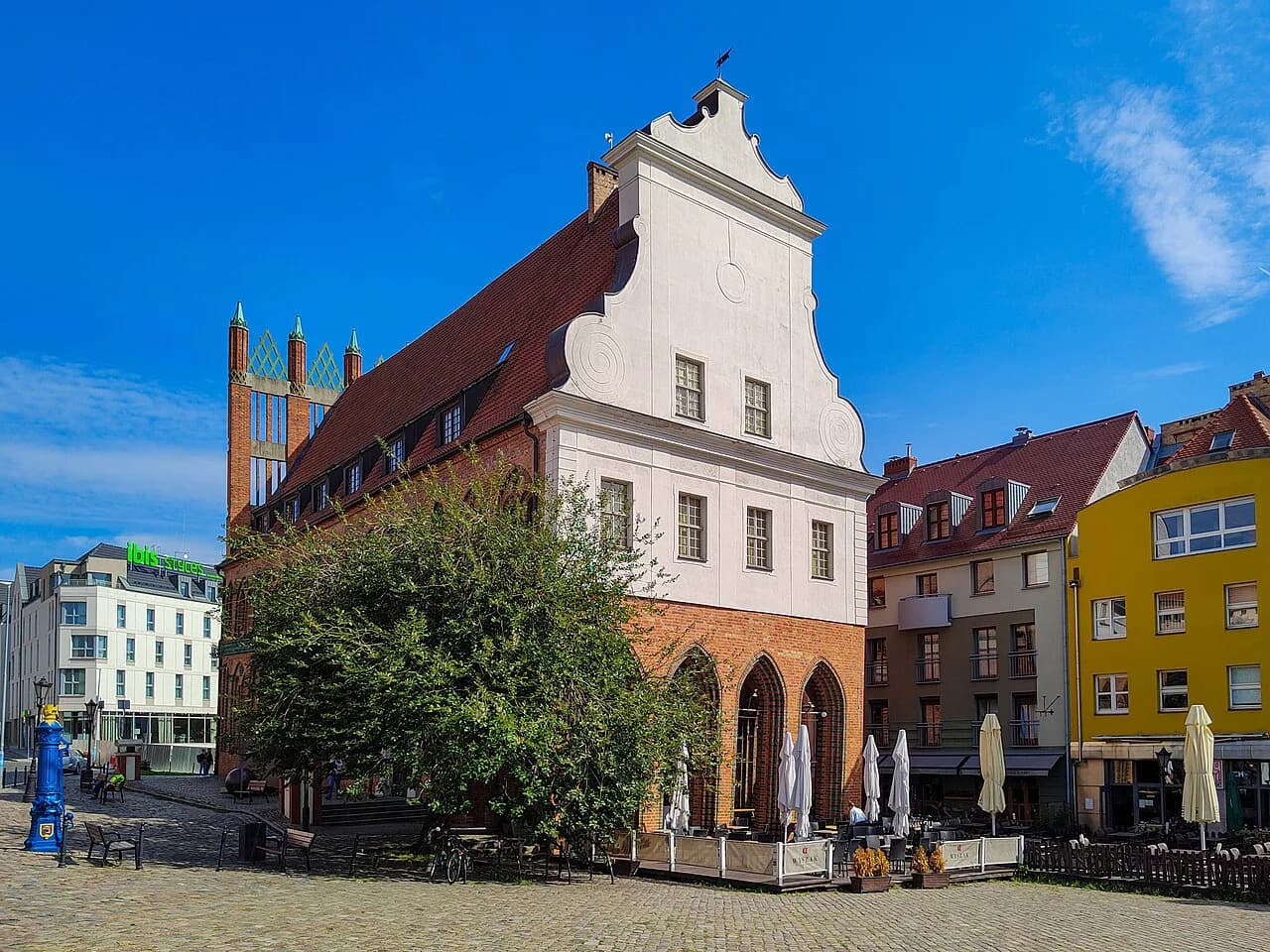
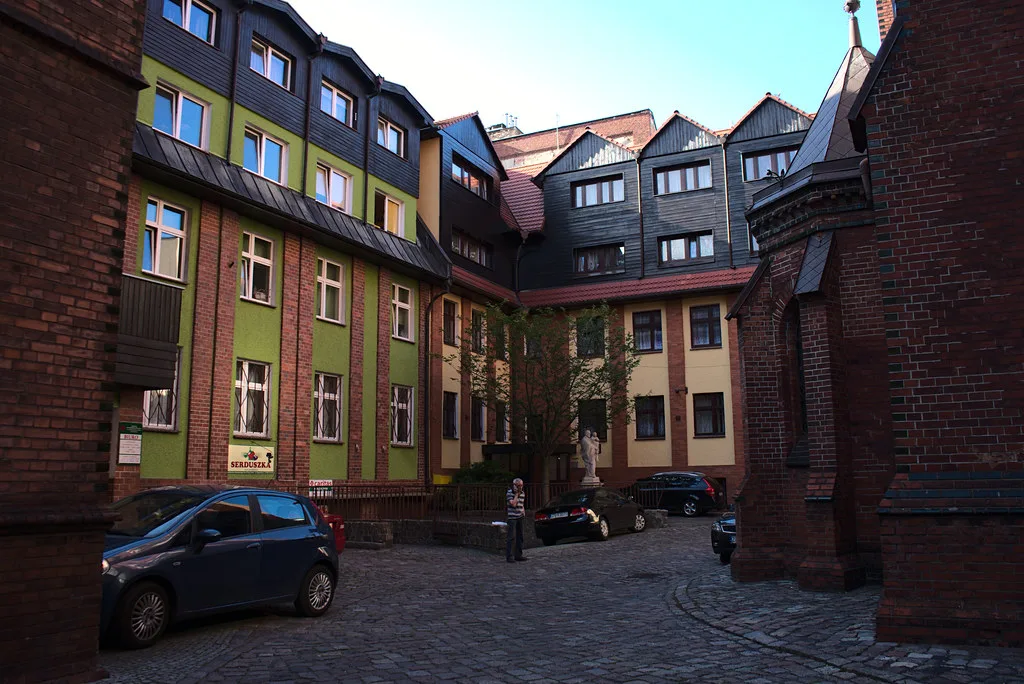
Szczecin's identity is bound up with the Oder and its working port, and the city makes the most of that on foot: waterfront promenades, quays and island districts give it a saltier, more industrial feel than inland Polish cities. The centre is a peculiar architectural mix after wartime destruction, with rebuilt townhouses sitting beside survivals and post-war blocks, which is part of the texture rather than a fault to overlook.
The rebuilt heart is best explored without a fixed route. Wander the streets of the old town and Podzamcze, look up at the townhouses, and treat the centre as a place to drift rather than tick off.
The named sights that justify the trip
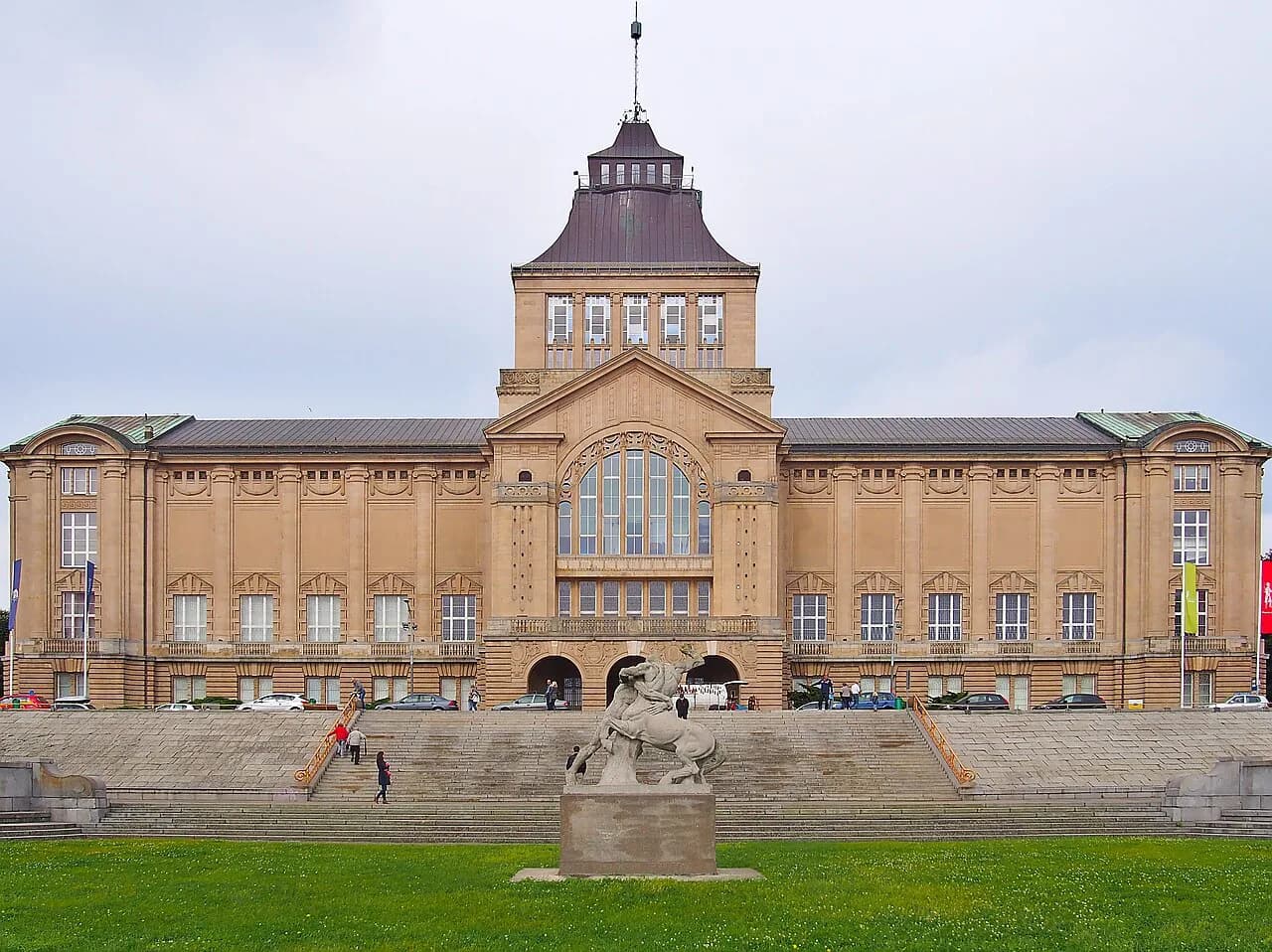
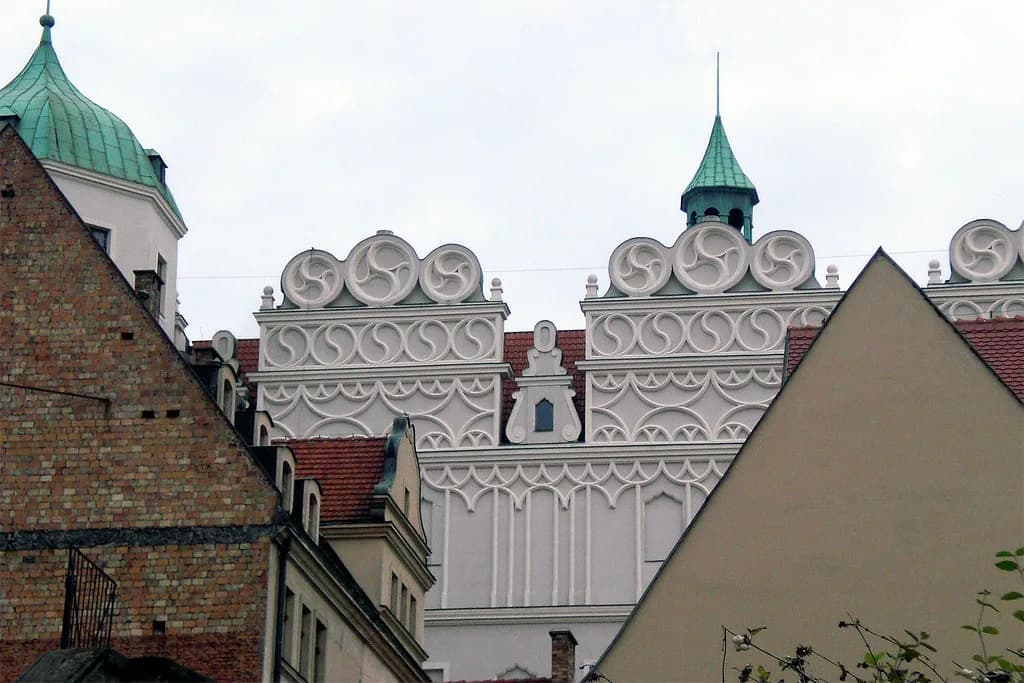
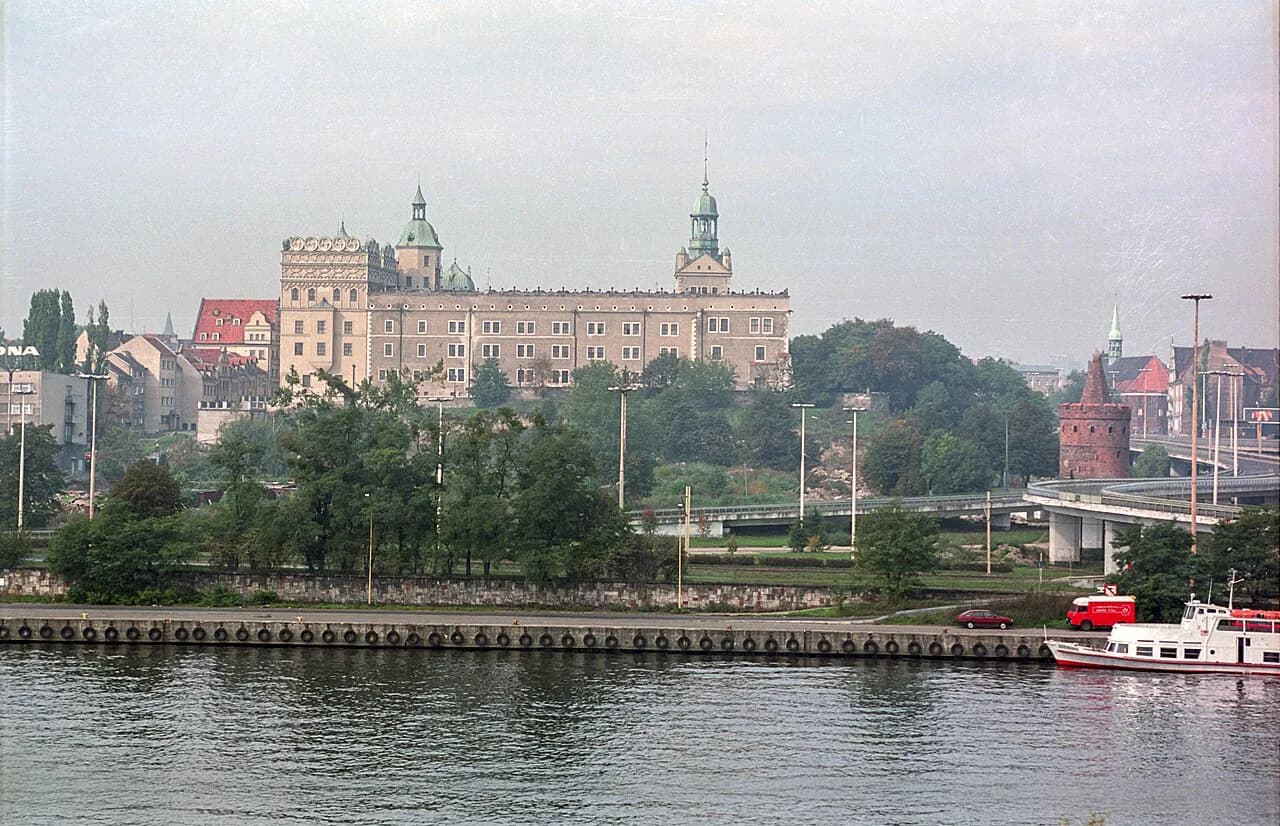
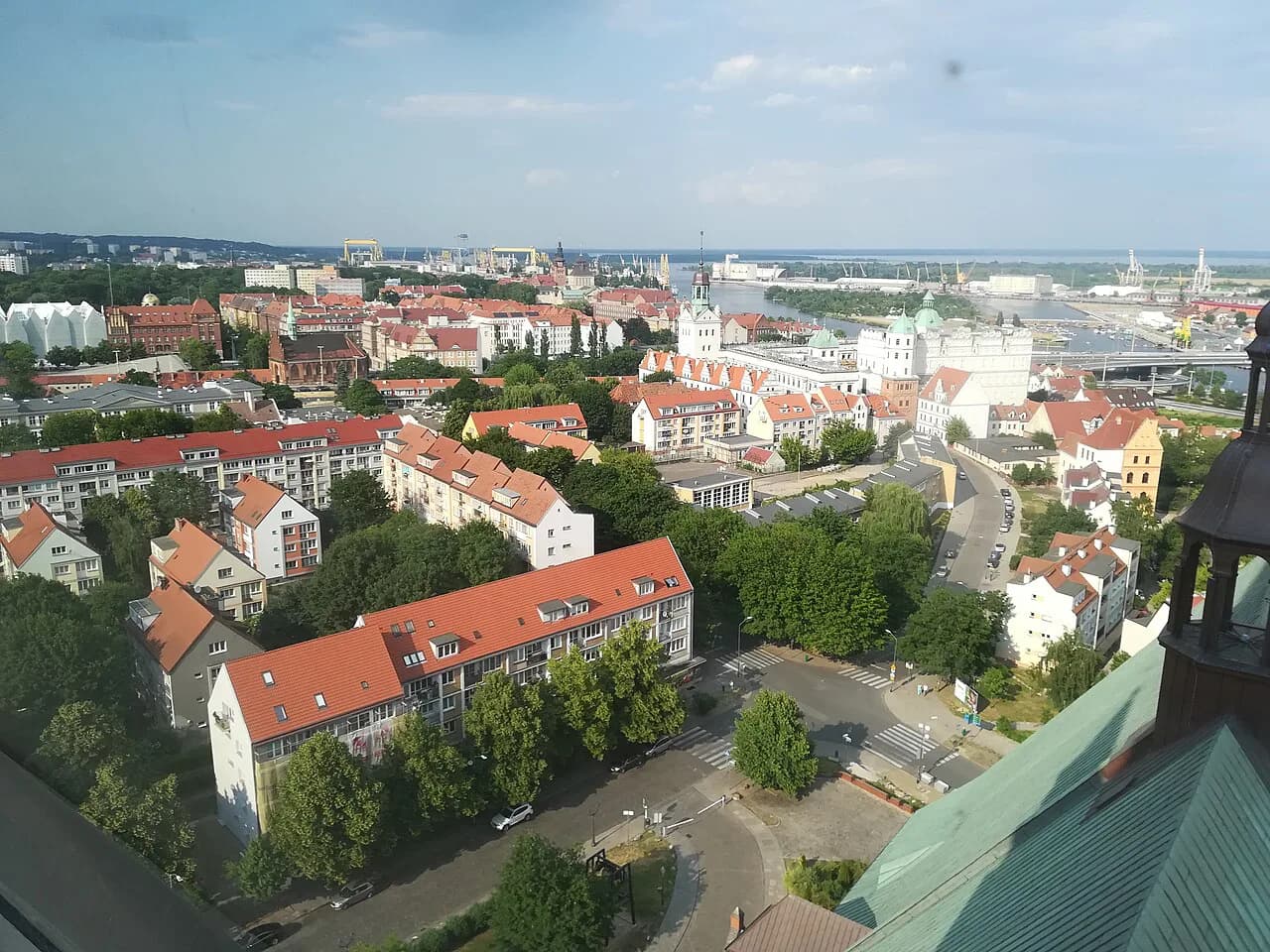
Three set pieces make the trip worthwhile. The Wały Chrobrego embankment gives the city its grandest view over the Oder, the Pomeranian Dukes' Castle anchors the old town with a substantial Renaissance pile, and the Cathedral of St James offers a tower climb and a view back across the rooftops.
Build a walking day around them: embankment first, castle and old town next, cathedral tower when the light is best. That order keeps the walking logical and leaves room for the riverfront afterwards.
Wały Chrobrego sits above the river and is the natural starting point for a first orientation walk, with the waterfront and Podzamcze within easy reach on foot.
The city's modern layer: the Szczecin Philharmonic and the Łasztownia waterfront
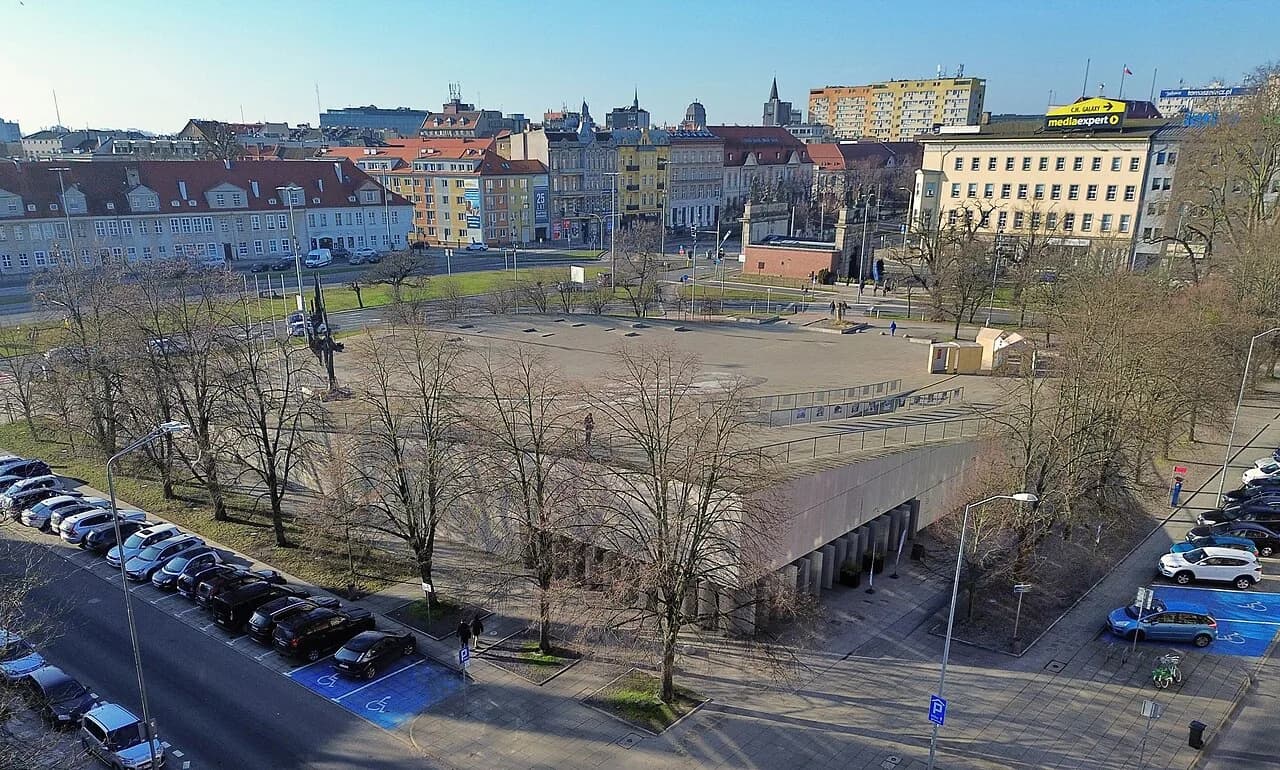
Szczecin's boldest modern building is the Szczecin Philharmonic, whose angular, sculptural form has become a symbol of the post-industrial city. Even if you skip a concert, it is worth detouring to see the exterior and the square around it.
Across the river, Łasztownia island has been reworked into a waterfront district of quays, paths and open views back towards the embankment. It pairs naturally with a riverside walk and gives the city a contemporary counterweight to the rebuilt old town.
Who will love Szczecin and who may not
Szczecin suits couples and solo travellers who want a relaxed, slow couple of days, and it suits architecture fans drawn to the German-influenced streetscape and the post-war rebuilding story. It also works well for anyone already in Berlin looking for an easy cross-border detour into Poland.
It will disappoint visitors who want an unbroken historic centre, a packed evening scene or a long list of must-see museums. The key sights are also spread out, so a few of them sit beyond comfortable walking range and are easier to reach by tram or bus.
How many days Szczecin needs: a day trip versus an overnight versus a weekend
A day trip covers the embankment, the old town and the castle, with the cathedral tower if time allows. That is enough to judge the city, but it leaves the waterfront pleasure for another time.
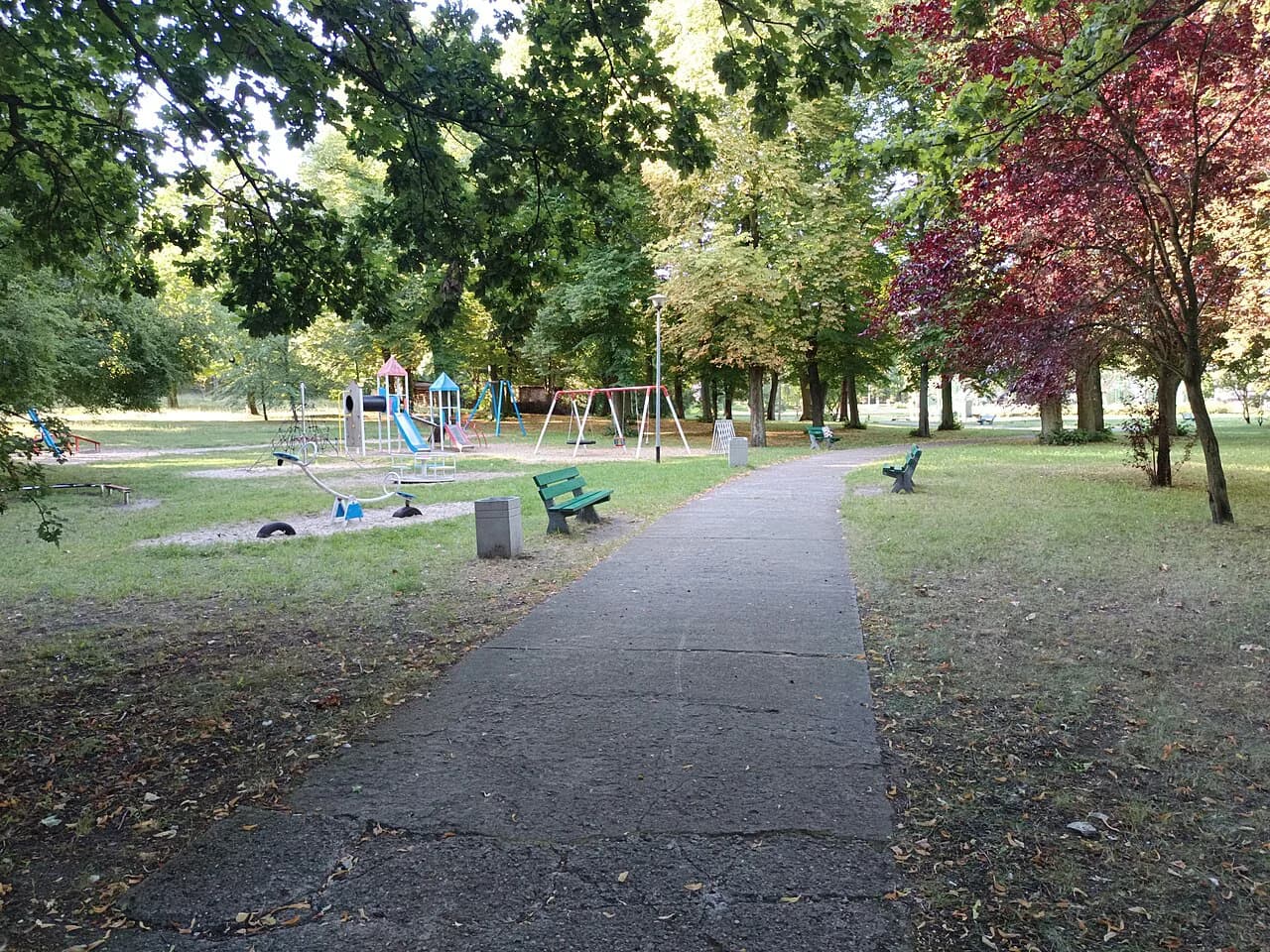
An overnight is the sweet spot: it gives you a full afternoon on the riverfront and a relaxed morning for the sights you missed. A weekend lets you add Jasne Błonia park and the Łasztownia waterfront without rushing, and it is the point at which Szczecin stops feeling like a stopover.
If your priority is a compact historic core packed with sights, Szczecin's scattered layout is the trade-off to accept before booking. Museum-heavy travellers should check which collections are open on their dates before committing to a longer stay.
When to go and how the days fill
The city's appeal is largely outdoor: the embankment, the riverfront, Łasztownia and the parks all reward dry, mild weather, so late spring through early autumn gives you the most comfortable walking. Summer brings long evenings on the water; the shoulder months give you shorter daylight but quieter streets.
Plan each day around one anchor sight and one walk, and leave the rest loose. A morning at the castle and cathedral, an afternoon on the embankment and Łasztownia, and an evening wandering the old town is a realistic and satisfying shape for a single full day.
Getting around: what is walkable and where trams and buses help
Much of the centre is walkable: the old town, the castle, the embankment and the Philharmonic sit within a comfortable stroll of each other. A few worthwhile places, including Jasne Błonia and the central cemetery, are far enough out that trams and buses make the day easier.
Szczecin's tourist card bundles public transport with discounts at attractions such as the castle; a travel blog reports 20 PLN for 24 hours and 30 PLN for 72 hours, bought at a tourist information office. Treat those as historical figures and confirm the current offer before you buy.
Where Szczecin sits for British and US travellers
Szczecin's position is its quiet advantage. Berlin is around 150 km away with frequent trains and buses, making the city an easy add-on to a German trip, while Warsaw is roughly 550 km to the south-east.
For British travellers, the city has its own airport with connections to some English and Irish cities alongside Warsaw and Kraków, so a direct flight can make a short break realistic. Check which routes run on your dates before building the trip around them.
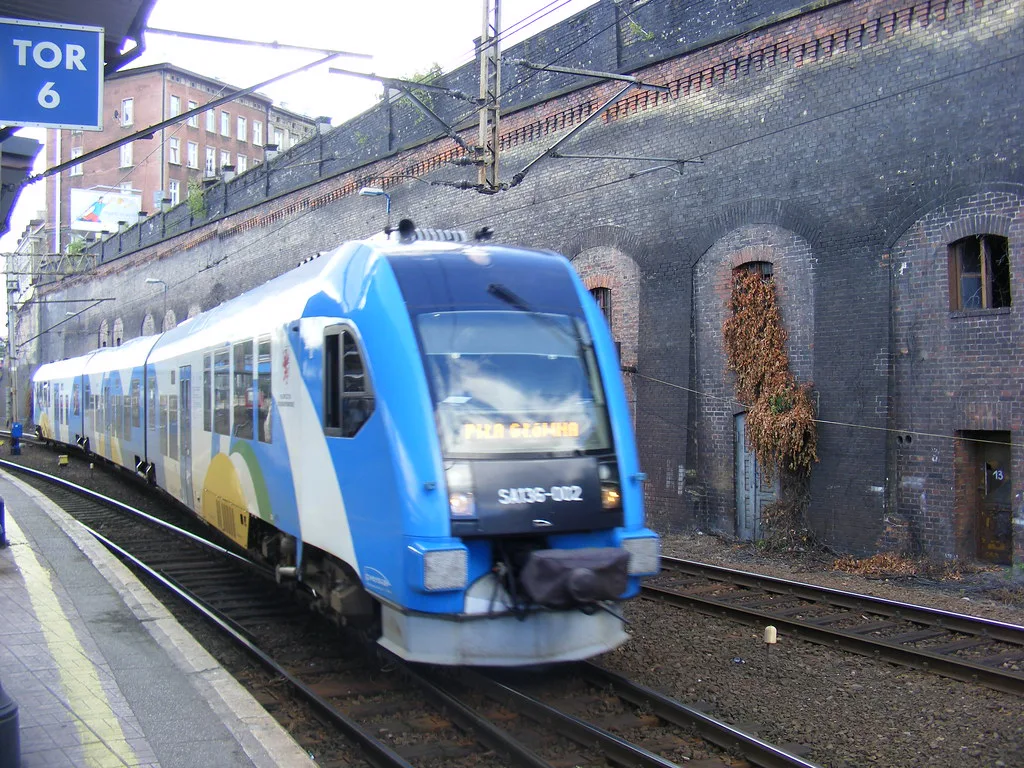
Arriving by train puts you at the main station in the central part of the city, a short walk from several of the main sights, which makes a car-free break straightforward.
Should Szczecin make your shortlist?
Szczecin earns a place on your shortlist if you want a slower, quieter Polish city break with a riverside setting, a rebuilt centre and a handful of strong set pieces. Give it an overnight at minimum and a weekend if you can.
Skip it if you want an intact medieval old town, a busy evening scene or a dense cluster of museums. If you are already planning Berlin, it is one of the easiest Polish additions you can make. For more, see things to do in Szczecin and Szczecin old town.
Explore more Szczecin guides
Frequently Asked Questions
What is Szczecin famous for?
Szczecin is known for its maritime and port heritage on the Oder, its grand Wały Chrobrego embankment, the Pomeranian Dukes' Castle and the striking modern Szczecin Philharmonic. Its German-influenced streetscape and post-war rebuilding also shape how the city looks today.
Is Szczecin safe for visitors?
Szczecin is an ordinary working Polish city, and the practical advice is the same as anywhere: keep an eye on your belongings in crowded places and use licensed taxis or ride-hailing apps late at night. Check your government's current travel advice before you go.
What is there to do in Szczecin in one day?
Start on the Wały Chrobrego embankment, walk into the old town for the Pomeranian Dukes' Castle and the Cathedral of St James tower, then finish along the Łasztownia waterfront or outside the Philharmonic. Book the cathedral tower and castle around their published opening days.
Sources
Notes for your next Polish city break
Optional updates to our Poland guides.
You might also like
Continue reading
More guides you'll find useful