Parks in Szczecin: Which Green Spaces Are Worth Your Time
Jasne Błonia, Kasprowicz Park and the Rose Garden in Szczecin, plus what each one connects to and how long it takes. A practical guide to the city's green spaces.
On this page
Give Szczecin's parks half a day, not a whole one. Jasne Błonia and Kasprowicz Park sit side by side on the western edge of the centre, roughly 20 to 25 minutes on foot from the old town, and together they fill a relaxed morning before you turn back towards the museums and the river. This guide sets out what each green space actually offers, which sights they connect to, and how to slot them into a one-to-four-day break.
The shape of the day matters more than the list. A coffee stop on Jasne Błonia, a slow loop through Kasprowicz Park past the summer theatre, and the return along Pope John Paul II Avenue towards the Philharmonic and Solidarity Square makes a natural half-day circuit. Pair it with an afternoon indoors when the weather turns, and you have used the city's green spine without wasting time on transport.
What Szczecin's main parks are and where they sit
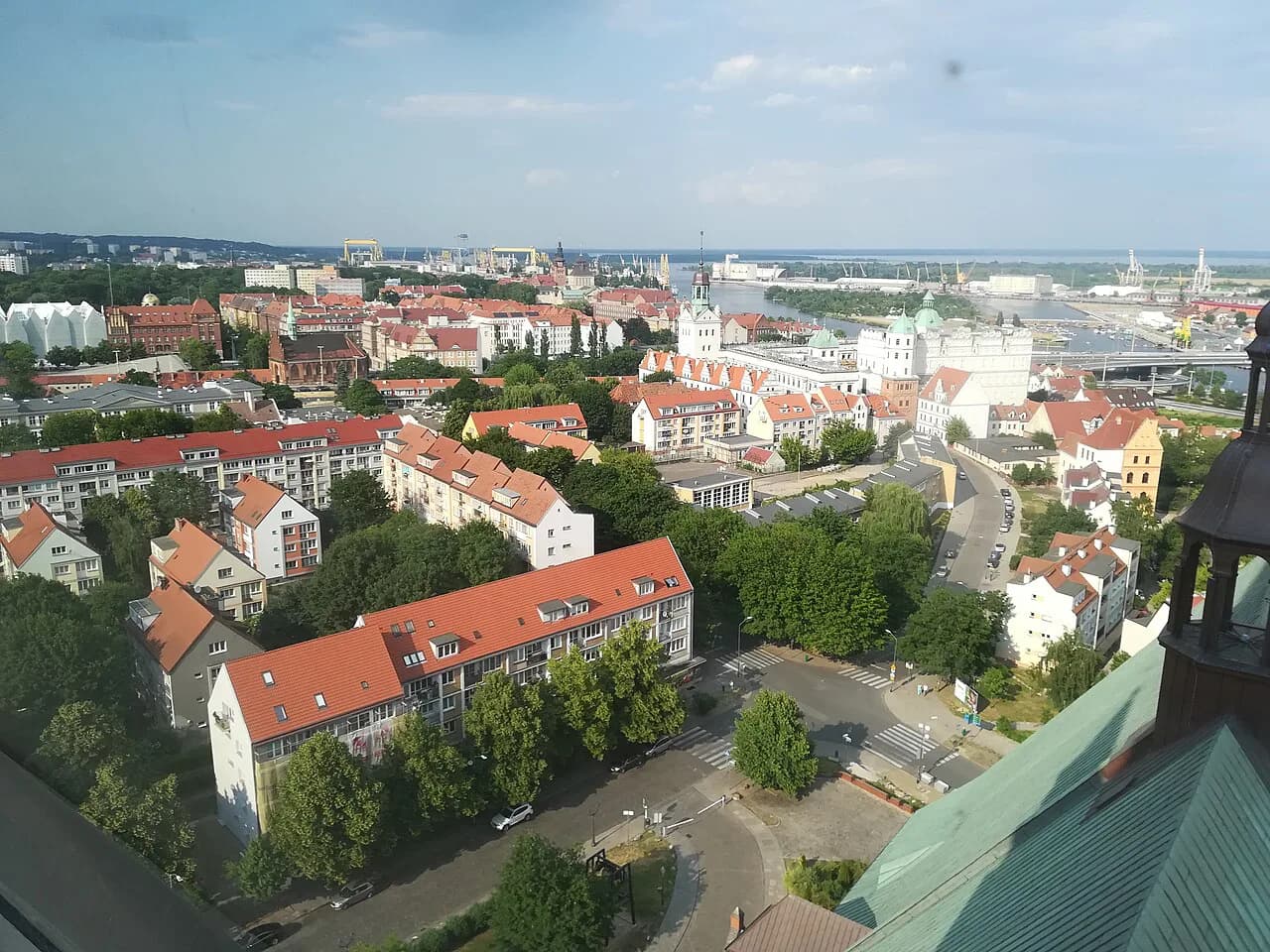
Szczecin's green core is a cluster rather than a single park. Jasne Błonia, named after Pope John Paul II, is the formal square of plane trees; Kasprowicz Park, known in German as Quistorp Park, spreads out beside it with looser paths and the Rose Garden signposted within. Both sit along the axis of Pope John Paul II Avenue, which runs back towards the centre and the water.
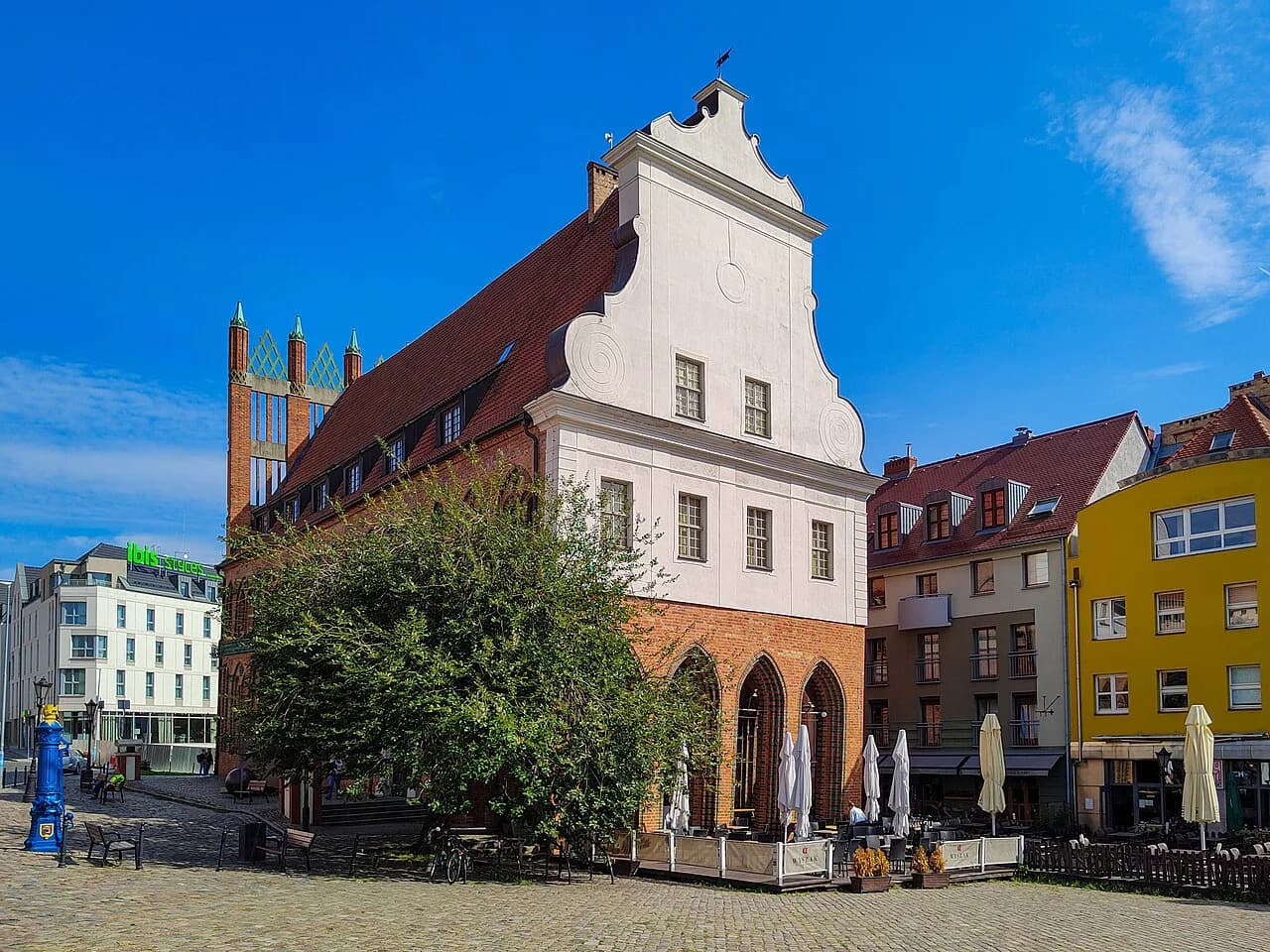
That layout is what makes the parks useful. You do not travel out to them; you walk through them on the way between the city centre, the City Hall and the Chrobry Embankment. The old town and its brick Gothic churches, including the Old Town Hall and three churches on the European Route of Brick Gothic, lie a comfortable walk east, so a park morning can end in the Stare Miasto rather than back at your starting point.
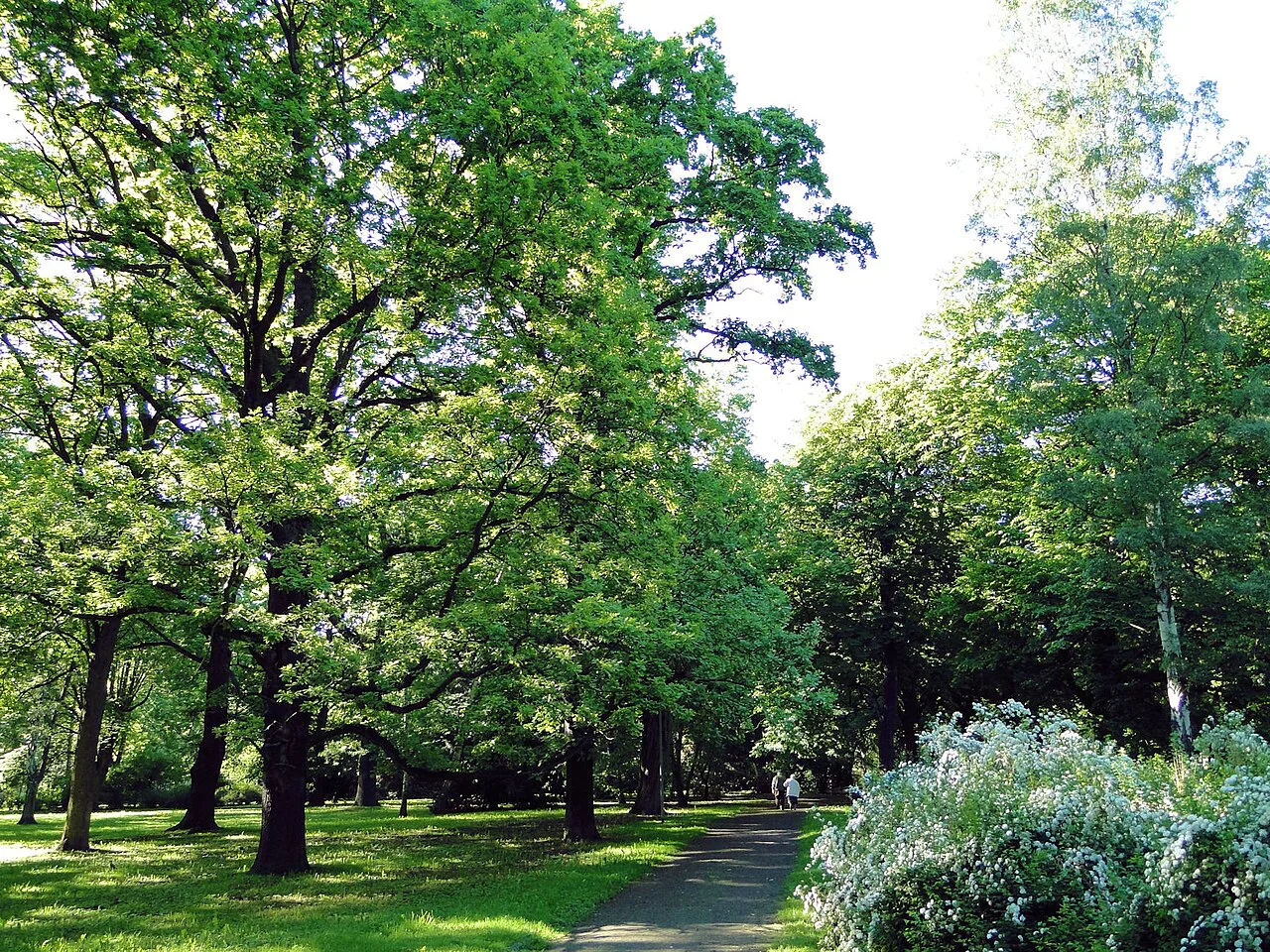
Jasne Błonia: plane trees, coffee and a reliable start
Jasne Błonia is the most formal of the city's green spaces and the easiest to use. Wide avenues of plane trees frame an open square, and in autumn the leaves turn gold, which makes it the natural first stop of the day. Local roasters have cafés nearby, so the square works as a coffee-and-orientation point before you commit to a longer walk.
Allow around an hour here if you are stopping for coffee, less if you are just passing through. The trade-off is that Jasne Błonia is a square rather than a park: there is no circuit to explore, and its appeal is the avenue, the openness and the cafés at its edge. Treat it as the gateway to Kasprowicz Park rather than a destination in its own right.
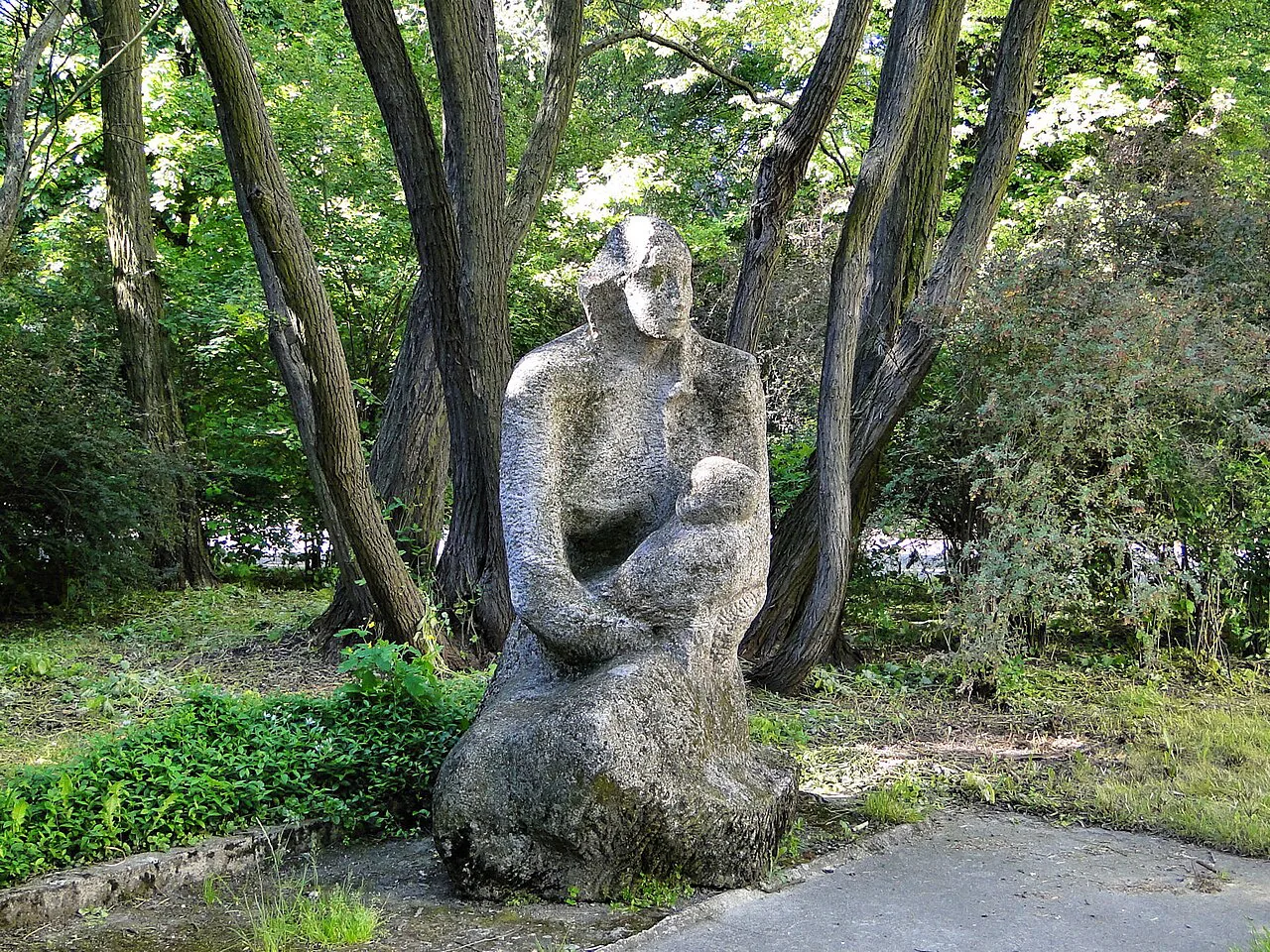
Kasprowicz Park: paths, the summer theatre and the Rose Garden
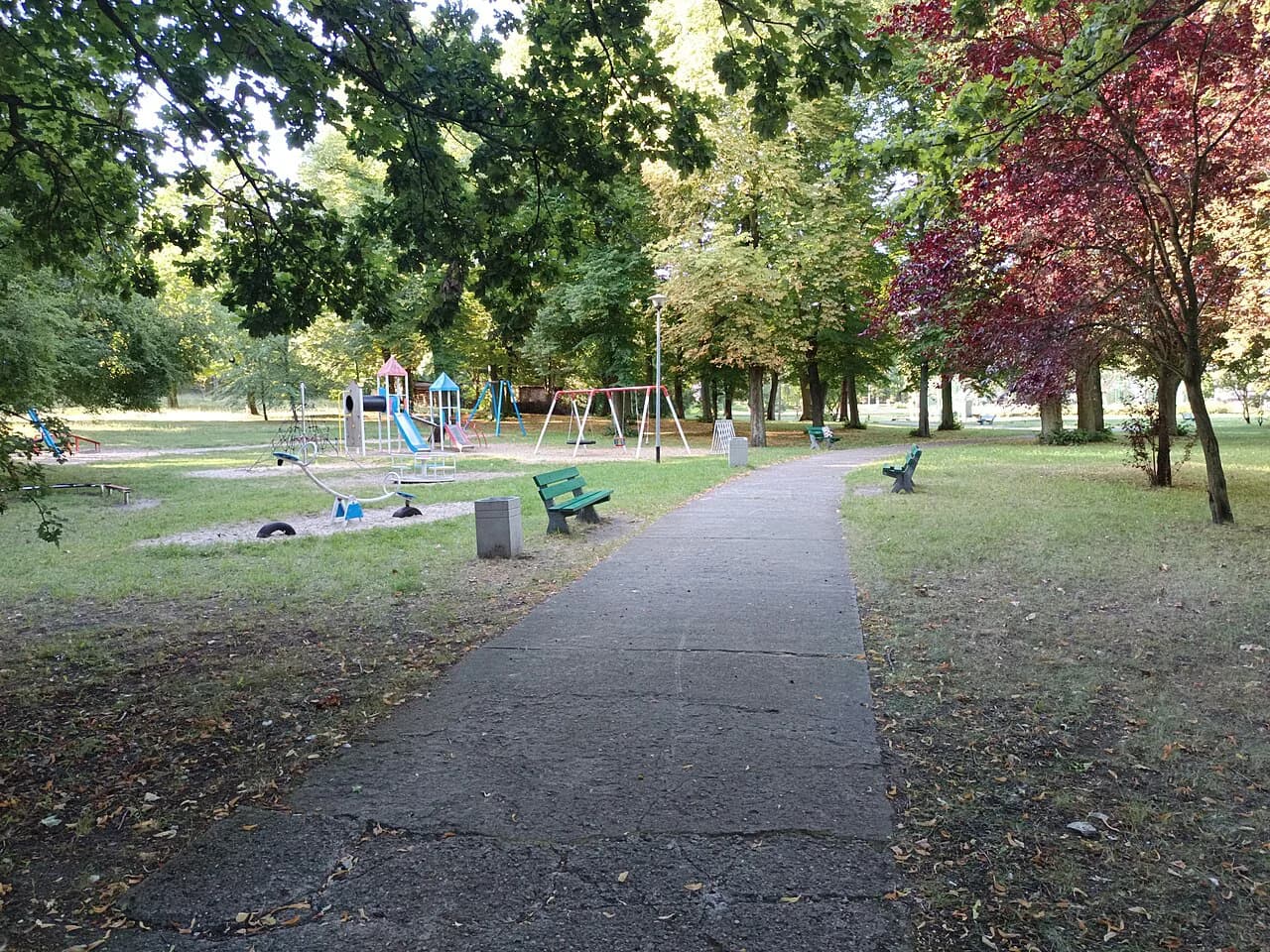
Kasprowicz Park is where the green space becomes a proper walk. Narrow paths thread through the trees and lead to the Helena Majdaniec Summer Theatre, one of the largest amphitheatres in Poland, recently modernised and named the country's best public space in the Property Design Awards. In the 1960s its stage hosted the Young Talents Festival, and the Polish big beat scene is associated with it.
The Rose Garden is signposted within the park and rewards a detour. In autumn it is a quiet place among the last roses; in summer, Saturdays and Sundays bring concerts, children's workshops and dance parties. If you want the park at its liveliest, aim for a summer weekend afternoon, and if you want it empty, a weekday morning is the better bet.
Budget ninety minutes to two hours for Kasprowicz Park including the Rose Garden and the amphitheatre. The Lentz Villa, a piece of bourgeois architecture now housing a cultural institution, sits on the route back towards the centre and can be visited individually or with a guide, which makes it a sensible add-on rather than a separate trip.
Linking the parks to the City Hall and the Philharmonic
The City Hall sits on Pope John Paul II Street beside Kasprowicz Park, so the park and the civic architecture belong on the same walk. Built from 1924 as the seat of the Pomeranian provincial authorities, its neo-Baroque facade faces south-east, and its dark green plaster earned it the nickname the Spinach Palace. It was designed by Szczecin architect Georg Steinmetz from Charlottenburg, with construction started symbolically on 5 June 1924.
Continue east along Małopolska Street and you reach the Mieczysław Karłowicz Philharmonic, which opened on 5 September 2014. The building by Spanish studio Estudio Barozzi Veiga won the Mies van der Rohe Award in 2015, and its white glass and aluminium facade hides 25,000 LED fittings that glow after dark. Look in on the white lobby and the Sun Hall if the building is open during a concert or event.
A short walk further along Małopolska Street brings you to the Chrobry Embankment, the terraced viewpoint above the river that is Szczecin's most recognisable sight. From the parks to the embankment on foot is a continuous line through the city's best architecture, and it is the reason a park morning here does not feel like time away from the sights.
Where the parks meet Pope John Paul II Avenue and Solidarity Square
Walking back towards the centre, the route runs down John Paul II Avenue and Aleja Kwiatowa to Solidarity Square. Beneath the square is the Upheavals Dialogue Centre, a museum covering Szczecin from the end of the Second World War to the fall of communism, with a café by the exit serving herring sandwiches and paprykarz szczeciński. It is the obvious wet-weather substitution if the park day turns.
Across the street stands the Philharmonic, so the avenue delivers you from trees to architecture to a museum in one unhurried stretch. The whole line from Jasne Błonia to Solidarity Square is walkable in under an hour at a normal pace, which makes it a good bones-of-the-city introduction on your first morning before you commit to any paid attractions.
Spending longer in the greenery: the Rose Garden and Lentz Villa
If Kasprowicz Park leaves you wanting more, head for the Rose Garden above all, and add the Lentz Villa on the way back through the centre. The two together fill an unhurried extra hour: the Rose Garden for a quiet loop among the beds, and the villa for a look at the interiors of a historic merchant's house now used by a cultural institution.
Lentz Villa can be explored individually or with a guide. Both stops are outdoor or semi-outdoor propositions, so they suit a dry morning better than a wet one; if the rain sets in, pivot to the Upheavals Dialogue Centre or the Philharmonic instead.
Fitting park time around museums and Sunday trading
Park time is flexible; museum time is not. Many Polish museums close one day a week, often Monday, and several run a free-entry day, so check the individual museum's published hours before you build a day around it. The Upheavals Dialogue Centre and the Philharmonic's concert schedule are the two most useful anchors on this route, and both publish their own calendars, with tickets sold through the Philharmonic's website.
Sunday trading is restricted in Poland, so plan any shopping around the park rather than the other way round. Do your browsing on a Saturday, keep Sunday for the parks and museums, and check individual shop and gallery hours directly, as chains and independents follow different rules. The city's shopping centres publish their own opening times, which is the reliable place to confirm a Sunday plan.
Which park to pick if you only have two hours
With two spare hours, choose Kasprowicz Park over Jasne Błonia. The square is a fifteen-minute look and a coffee; the park gives you paths, the amphitheatre and the Rose Garden in a single loop, and it connects directly to the City Hall and the Philharmonic on the way back. Start at Jasne Błonia, walk the park, and exit towards Pope John Paul II Avenue.
Skip the extra park stops on a short break. They add time for scenery you can largely get in Kasprowicz Park, and your two hours are better spent on the walk that ends at the Chrobry Embankment. If it is raining, abandon the parks entirely and take the Upheavals Dialogue Centre instead.
Should you eat before or after the parks?
Eat before, and eat cheaply. Szczecin's signature snack is the pasztecik, sold for over 50 years from a small bar on Wojska Polskiego Avenue, and the recipe was added to the EU's List of Traditional Products in 2010. A pasztecik and a coffee on Jasne Błonia is the right fuel for a park morning, and it leaves your budget for the museums.
Is a park morning worth half a day in Szczecin?
Yes, if you use it as a route rather than a destination. Jasne Błonia, Kasprowicz Park and the Rose Garden connect the City Hall, the Philharmonic and the Chrobry Embankment into one walkable line, so half a day in the greenery costs you nothing in sightseeing. The Central Cemetery and Grodzka Island can wait for a return visit.
Build the walk into your first morning, keep the afternoon free for a museum, and check the museum's own opening days before you commit. The park route is an outdoor walk, so pick a dry morning and dress for the wind off the river.
Explore more Szczecin guides
Sources
Notes for your next Polish city break
Optional updates to our Poland guides.
You might also like
Continue reading
More guides you'll find useful