Museums in Szczecin: Which Ones Are Worth Your Time
Plan museum time in Szczecin: National Museum branches, Dialogue Centre Upheavals, the technology museum, Monday closures and free-entry days.
On this page
Szczecin rewards two days of museum-going rather than one: the National Museum's branches alone span maritime and old art on Wały Chrobrego, archaeology and coins on Staromłyńska, and a subterranean exhibition on the city's recent history. If you have a single rainy afternoon, pick the Dialogue Centre Upheavals for the most concentrated story of the city. This guide covers what each museum holds, how long to allow, which days they open and where the free entry falls, and for the war years it pairs with Szczecin and the Second World War.
Which museums in Szczecin are worth a slot in a short break
Three groups deserve your time. The National Museum in Szczecin runs several branches across the city, each with its own subject and address, so treat them as separate visits rather than one museum. The Dialogue Centre Upheavals holds an award-winning underground exhibition on the city's latest history. The Museum of Technology and Transport, in a former tram depot, suits anyone who likes old Polish cars, bikes, wartime vehicles and trams.
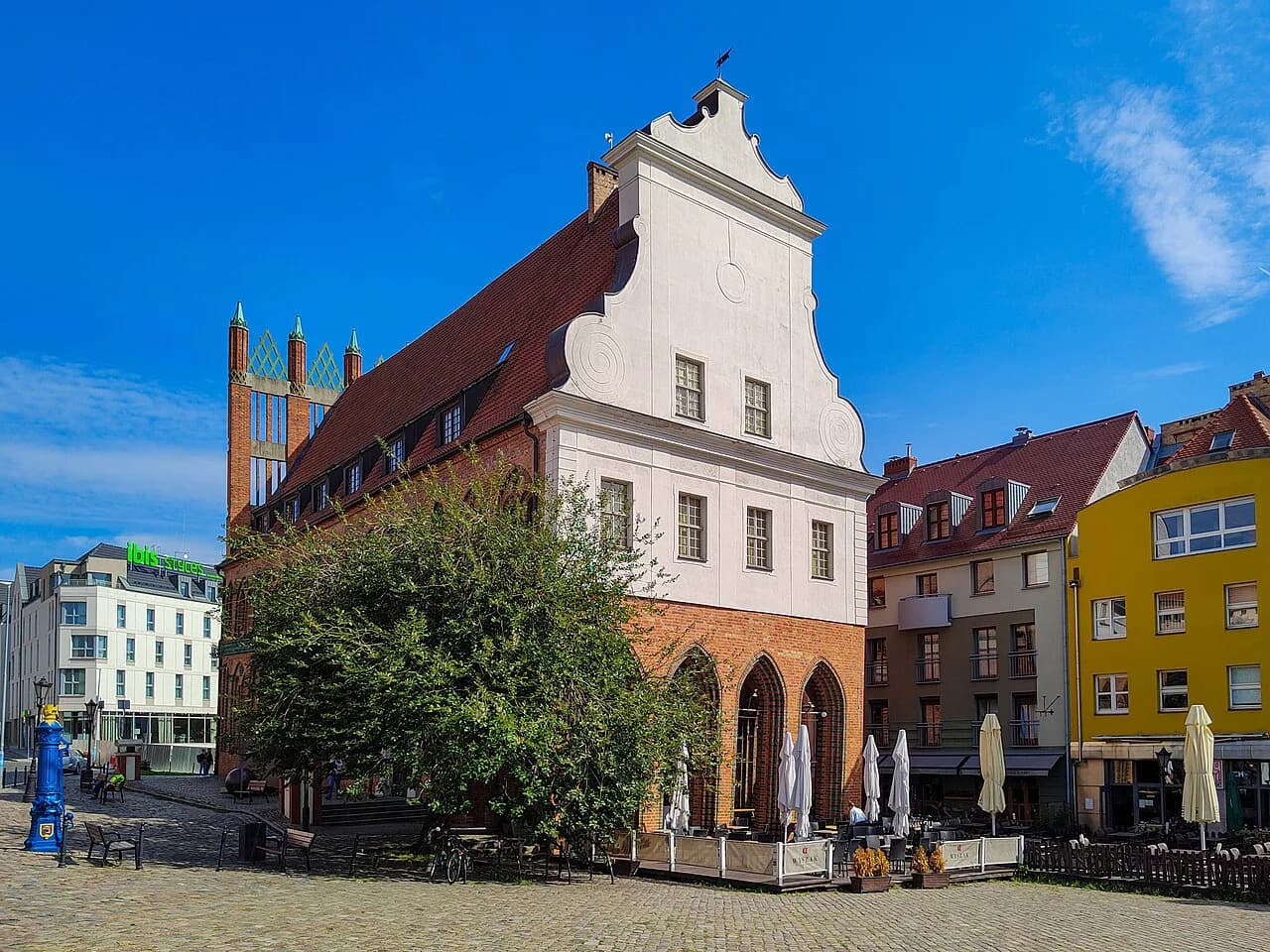
Art is the other strand. The Museum of Contemporary Art on Staromłyńska is a National Museum branch, while TRAFO Center for Contemporary Art is the region's first centre for contemporary art and sits apart from the National Museum's structure. The Old City Hall, a Gothic building from the fifteenth century, is a separate Old Town landmark from the Szczecin History Museum, which the National Museum runs at Mściwoja II 8.
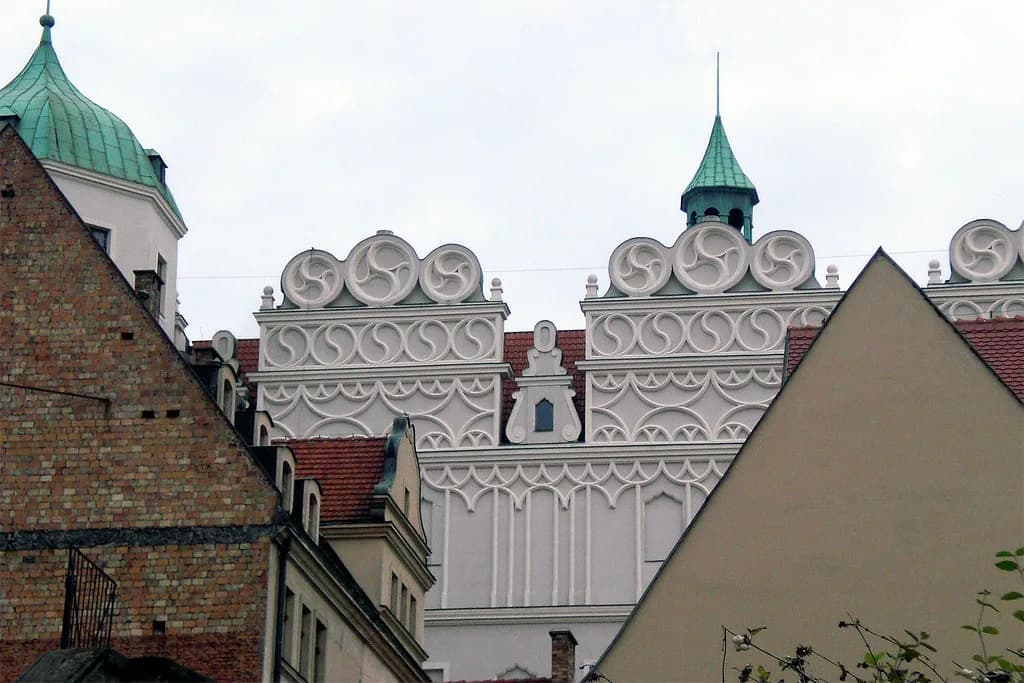
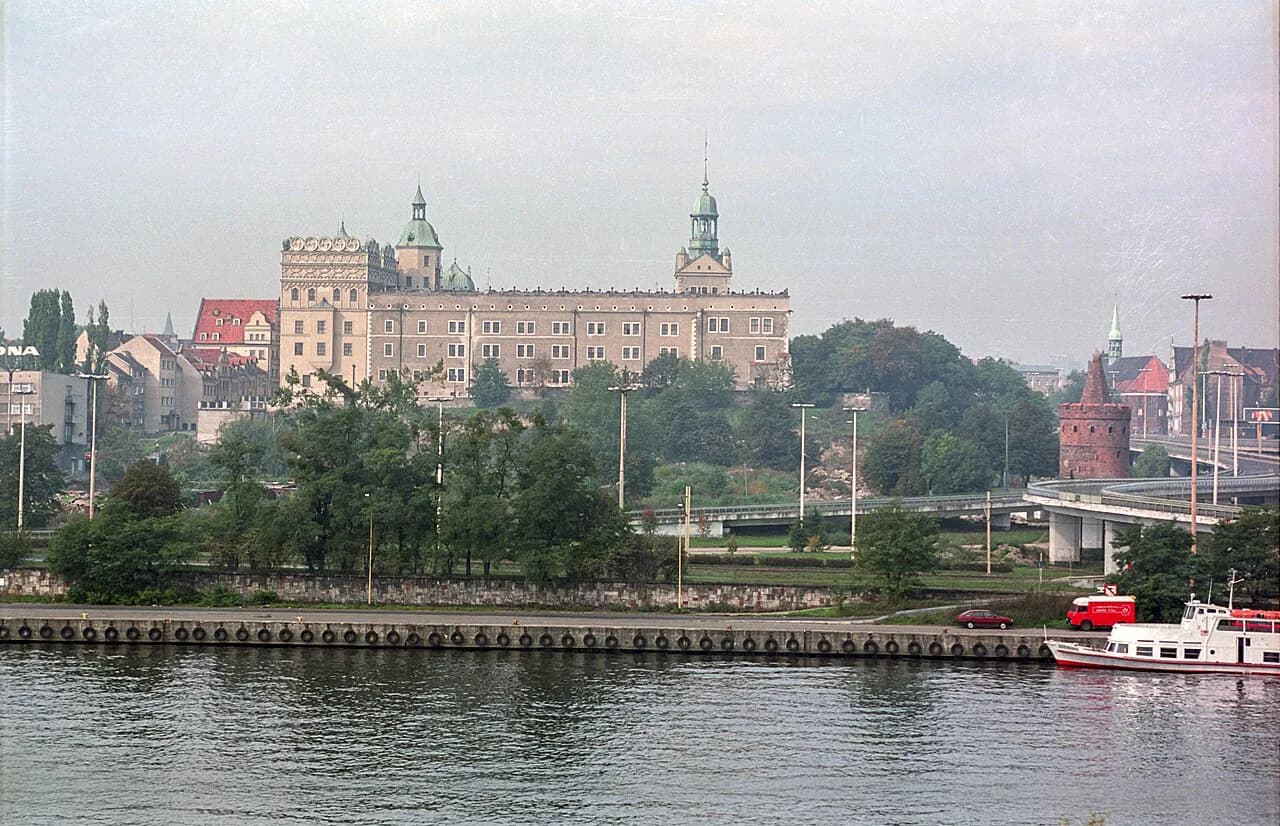
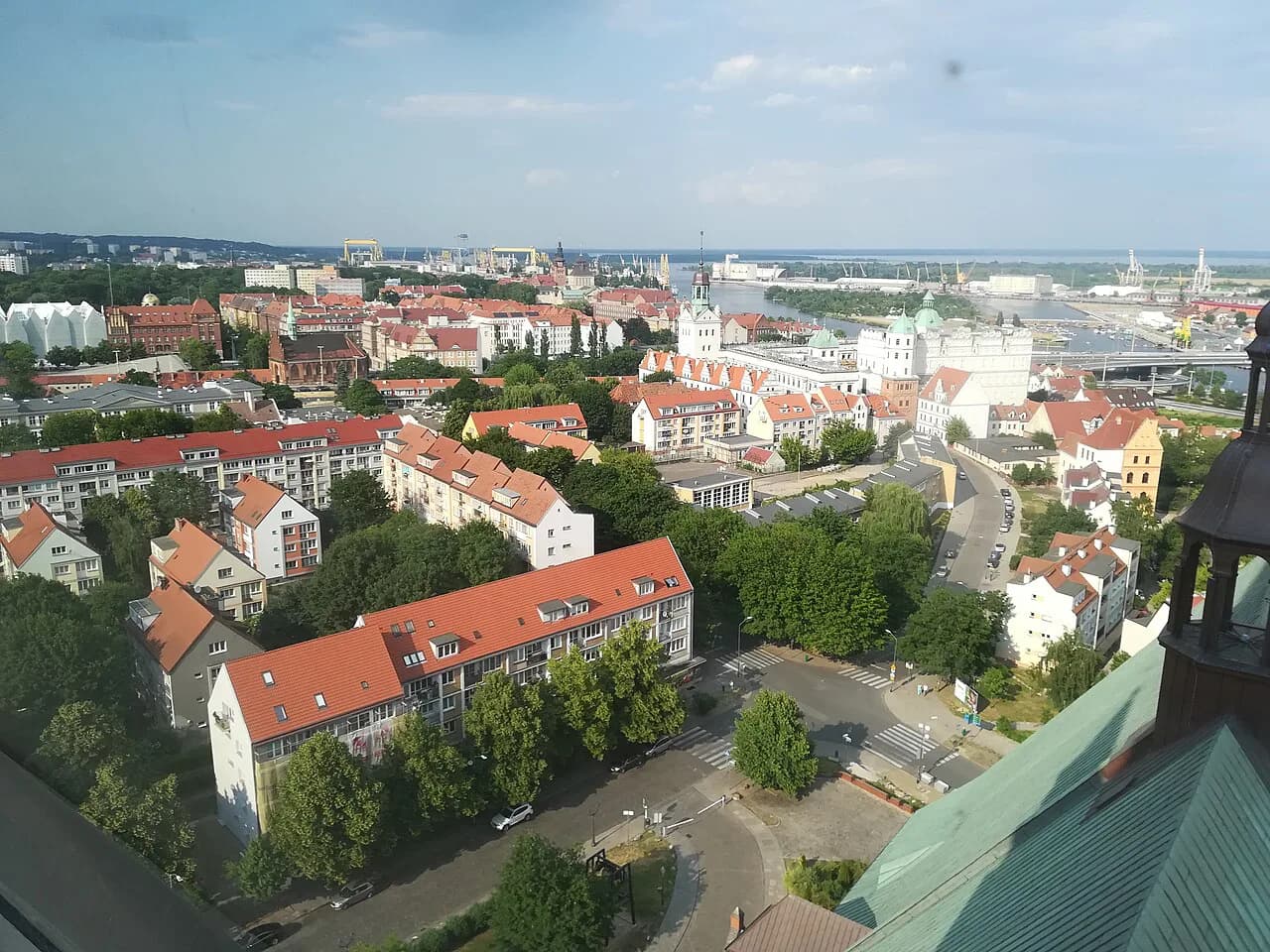
Two sights sit alongside the museums without being museums themselves. The Pomeranian Dukes' Castle, a pale Renaissance silhouette with green towers, is the former seat of the Griffins dynasty, and it hosts summer concerts in season. The red-brick cathedral stands just as prominently when you enter the city over the Oder bridges.
The National Museum in Szczecin at Wały Chrobrego: what is inside and how long to allow
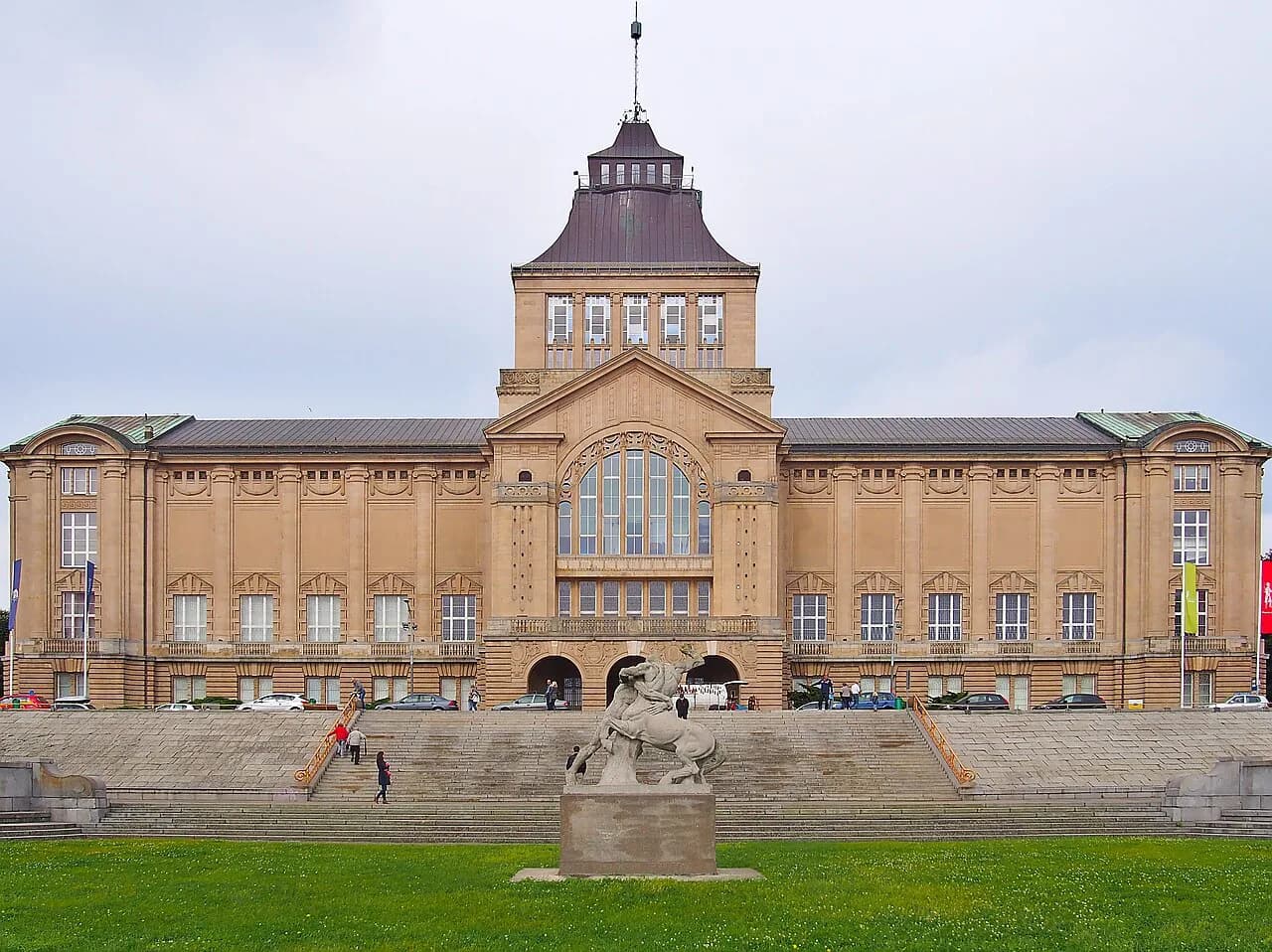
The National Museum building on Wały Chrobrego is the largest cultural institution in West Pomerania and the one most visitors picture. Its departments run across old art up to the eighteenth century, European art from 1800 to 1945, contemporary art, archaeology, numismatics, ethnography of Pomerania and non-European cultures. That breadth is the argument for giving it a clear two hours rather than squeezing it between other stops.
The building survived the Second World War almost intact apart from a roof fire, which is part of why the interiors feel substantial rather than reconstructed. Pair the visit with a walk along Wały Chrobrego itself; the boulevard is the city's grandest set piece and the museum sits directly on it.
The Museum of Regional Traditions on Staromłyńska: archaeology, coins and the courtyard lapidarium
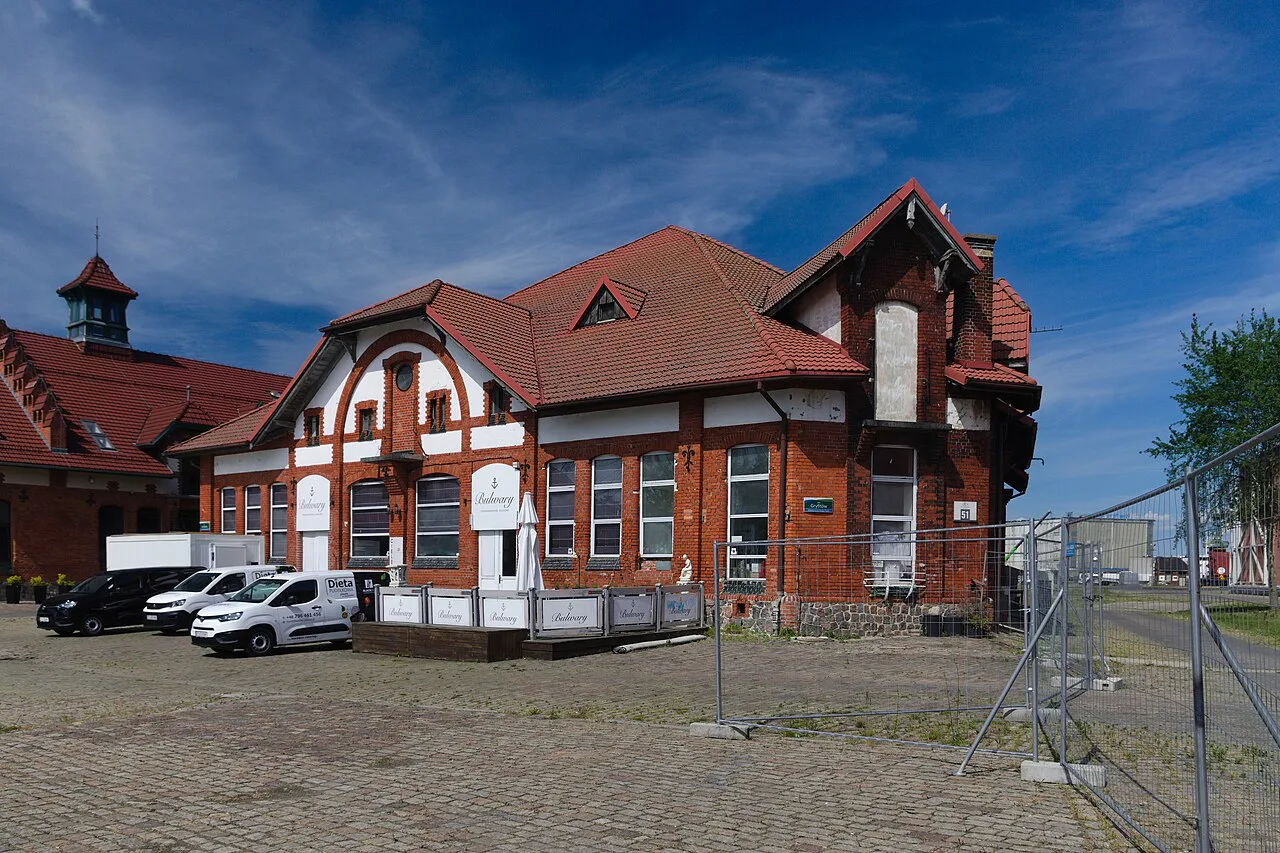
This branch occupies a former Landed Gentry House built in the 1720s to a design by Gerhard Cornelius van Wallrawe, later converted for museum use. Its modernisation created a lapidarium in the internal courtyard, where monumental statues are displayed and cultural events take place, and opened permanent numismatic and sigillographical exhibitions alongside a new archaeological display. Allow around an hour unless coins and seals are your thing.
The building's own history is worth a moment. It came through the war with only a roof fire, probably from bombing on the night of 16/17 August 1944, then lost art works and documents when the Red Army was stationed there in 1945. The Museum of Western Pomerania began work in the devastated building at the end of that year.
The Dialogue Centre Upheavals: the underground exhibition on the city's recent history
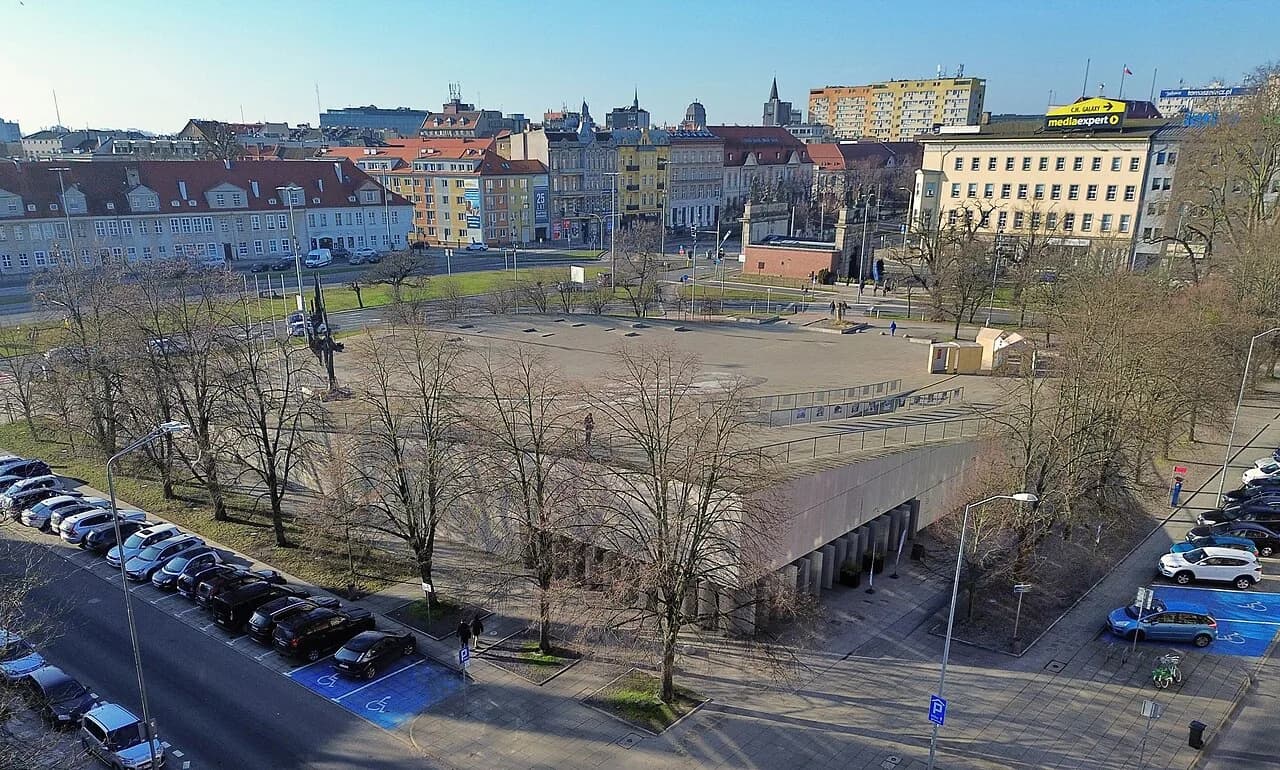
The Dialogue Centre Upheavals, at plac Solidarności, tells Szczecin's latest history through an award-winning underground exhibition. It is the branch to choose if you want one museum that explains how the city got to now, and its subject matter connects naturally with the striking architecture of the surrounding streets.
Set it beside the cathedral and the castle rather than treating it as a separate outing; all three sit in the historic core and make a natural half-day. The underground setting keeps it a sensible choice in poor weather, when the surface-level sights lose their appeal.
The Szczecin History Museum on Księcia Mściwoja II
The Szczecin History Museum is another National Museum branch, based at ul. Mściwoja II 8. It follows the same weekly pattern as the other branches and is free on Saturdays, which makes it a low-risk addition if you are already in the Old Town. Give it forty-five minutes to an hour, or longer if the city's nineteenth and twentieth-century story is what brought you here.
Its subject overlaps with the Old City Hall, the Gothic fifteenth-century building that appears on city listings. If you are choosing between them on a tight schedule, the history museum gives you a structured narrative while the hall gives you the building itself.
The Museum of Contemporary Art on Staromłyńska and TRAFO
The Museum of Contemporary Art sits at ul. Staromłyńska 1, a short walk from the Museum of Regional Traditions at number 27, so the two can be done back to back. Contemporary art is also covered within the National Museum's departmental structure, so check which space is showing what before you commit an afternoon.
TRAFO Center for Contemporary Art is the region's first centre for contemporary art and stands outside the National Museum's branch list, which means its free-entry arrangements are not the same as the Saturday offer. If contemporary work is your reason for visiting, build the day around Staromłyńska and treat TRAFO as the second stop.
The Museum of Technology and Transport in the former tram depot: cars, bikes and trams
The Museum of Technology and Transport occupies a former tram depot and holds a large collection of old Polish motor cars, bikes and wartime vehicles. It is the most family-friendly of the city's museums and the one that rewards a longer stay: two hours is realistic if you read the labels.
It sits at ul. Niemierzyńska 18A, away from the Wały Chrobrego and Old Town clusters, so it needs its own slot rather than a detour between other sights. City visitor listings make Tuesday its free day, which sets it apart from the National Museum branches and their Saturday free entry.
Opening days and hours across the National Museum branches, and the Monday closure
The National Museum in Szczecin publishes one weekly pattern across its Wały Chrobrego, Mściwoja II, plac Solidarności, Staromłyńska 27 and Staromłyńska 1 sites: closed Monday, open Tuesday and Sunday from 10:00 to 16:00, and Wednesday to Saturday from 10:00 to 18:00. Plan around that Monday closure first, because it removes most of the city's museum content from the start of a short break.
A three-day weekend therefore works best with the museums on Friday, Saturday or Sunday, leaving Monday for the castle, cathedral and streets, which you can plan around Szczecin Cathedral. Sunday's shorter day means an early start if you want two branches before 16:00, when the National Museum branches close.
Free entry: which branches are free on Saturdays and which museum is free on Tuesdays
Saturday is the free day for the National Museum's city branches: the Museum of Szczecin History, the Museum of Regional Traditions, the Dialogue Centre Upheavals, the Gallery of Contemporary Art and the National Museum itself. That covers most of a museum weekend at no admission cost, and it is the single most useful fact for a budget short break.
City visitor listings also give Tuesday as the free day at the Museum of Technology and Transport, which runs on a different rhythm from the National Museum branches. Because the two offers fall on different days, you cannot combine them in one visit unless your trip spans both.
Ticket prices in złoty and how to weigh a museum pass against single tickets
Plan the złoty budget around the free-entry days rather than fixed ticket prices: a Saturday visit to the National Museum branches and a Tuesday at the technology museum cost nothing in admission. For anything paid, check the ticket page of each museum's own site before you travel.
The city's tourist card and information service can tell you what combined offers exist at the time of your trip; the tourist information centres also hand out free maps. Do not assume a pass pays off unless you are visiting three or more paid sites in a day.
How the museums fit together geographically: Wały Chrobrego, the Old Town and Niemierzyńska
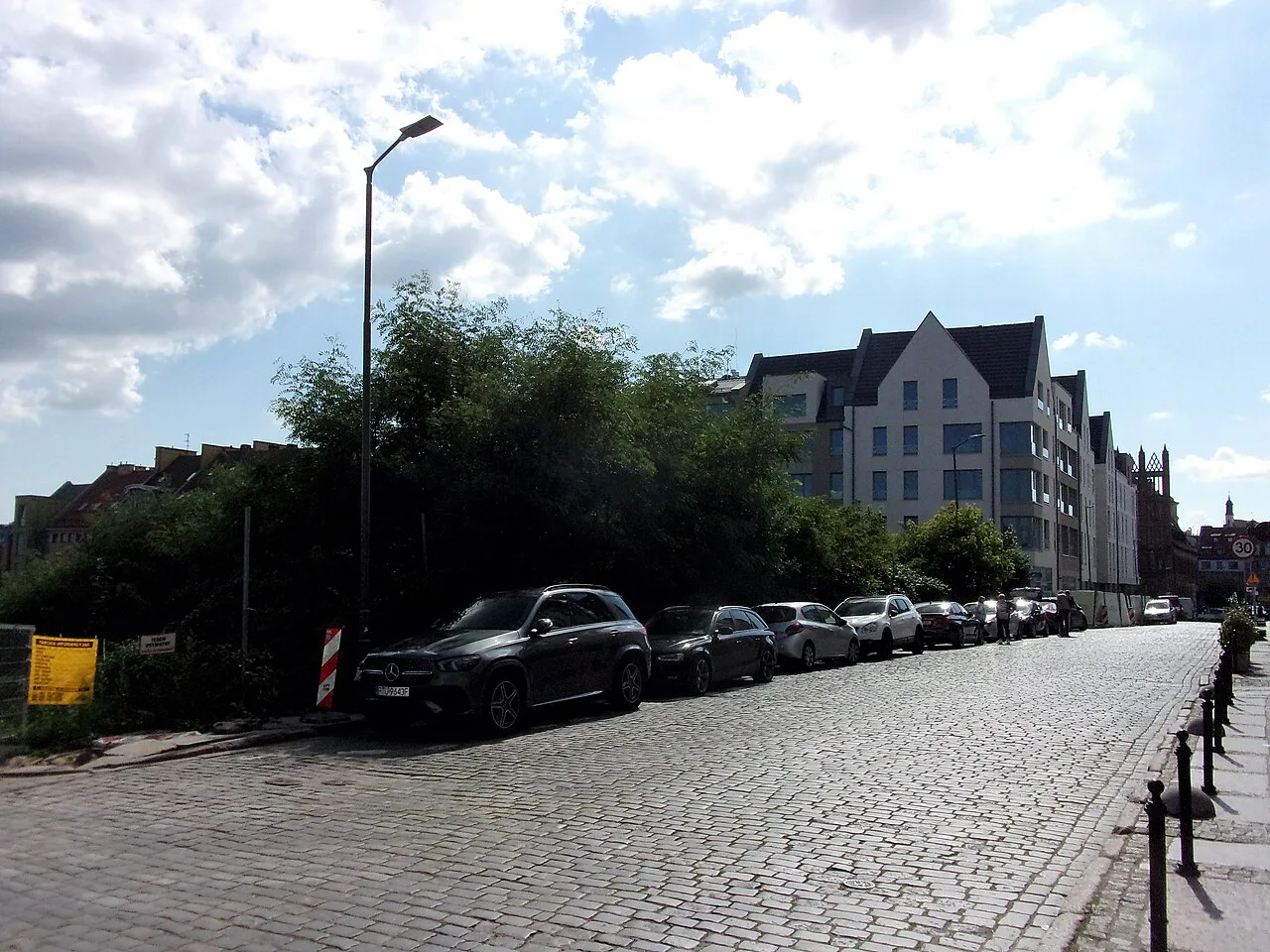
Group your days by neighbourhood. Wały Chrobrego holds the main National Museum building on a boulevard built for walking. The Old Town cluster covers Staromłyńska for the regional traditions and contemporary art branches, plac Solidarności for the Dialogue Centre, and Mściwoja II for the city history museum, all within comfortable walking distance of each other and of the castle and cathedral.
Niemierzyńska is the outlier: the technology museum needs a tram or a longer walk from the centre, so give it a half-day rather than trying to bolt it onto an Old Town morning. The Wojska Polskiego avenue, the green artery through Śródmieście, is a useful spine for orienting yourself between the clusters.
A one-day museum plan and a two-day museum plan for a city break
With one day, start at the National Museum on Wały Chrobrego when it opens, spend two hours there, then walk into the Old Town for the Dialogue Centre Upheavals and the Museum of Regional Traditions. If your day is a Saturday, all three are free, which leaves your budget for lunch on Wojska Polskiego. Finish at the castle or cathedral as they close.
With two days, give day one entirely to the Old Town branches and the castle, then take day two to Wały Chrobrego followed by the technology museum at Niemierzyńska. Check that day two is not a Monday before you commit, and remember the technology museum's free Tuesday if you can shift the schedule.
Which museums to skip if you only have one rainy afternoon
With a single wet afternoon, choose the Dialogue Centre Upheavals. Its underground exhibition gives you the city's recent story in one concentrated visit, and the setting keeps you out of the weather entirely. Add the Museum of Regional Traditions if you have a second hour, since the two are a short walk apart in the Old Town.
Leave the technology museum for a longer trip. Its collection is the best of its kind in the city, but the journey to Niemierzyńska and the two hours inside make it a poor fit for a short rainy window. If you are comparing Polish cities, the museums in Gdańsk and the Silesian Museum in Katowice are the obvious counterweights to what Szczecin offers.
Build your museum days around Saturday and Tuesday
Szczecin's museum scene rewards a little planning: the National Museum branches share a Monday closure and a Saturday free day, while the technology museum is listed as free on Tuesdays. Fit the Old Town branches into one day and Wały Chrobrego plus Niemierzyńska into another, and check each museum's ticket page for current złoty prices before you go.
If your time is tight, the Dialogue Centre Upheavals and the Wały Chrobrego building give you the widest view of the city for the least walking. Everything else is a bonus.
Explore more Szczecin guides
Frequently Asked Questions
What is the German name for Szczecin?
Szczecin was known in German as Stettin, the name used through the period when the city was part of Germany. You will still see it in older guidebooks and on historical maps, which can be confusing when you are planning a trip. The Polish name is the one to use for current listings, transport and museum sites.
Is there a free day at the National Museum in Szczecin?
Yes. The city's visitor service lists the National Museum's city branches, including the Museum of Szczecin History, the Museum of Regional Traditions, the Dialogue Centre Upheavals and the Gallery of Contemporary Art, as free on Saturdays. Treat that as a guide only and confirm the current offer before you travel, since free days can change.
Are the museums open on Mondays?
The National Museum in Szczecin's branches are closed on Mondays, so plan those visits from Tuesday to Sunday. The technology museum follows its own schedule and is listed as free on Tuesdays, which makes Tuesday a strong day for museum-going across the city.
How long should I allow for the National Museum at Wały Chrobrego?
Allow about two hours. The building holds old art, European art from 1800 to 1945, contemporary art, archaeology, numismatics, Pomeranian ethnography and non-European collections, so a rushed forty-five minutes will only skim the surface.
Sources
Notes for your next Polish city break
Optional updates to our Poland guides.
You might also like
Continue reading
More guides you'll find useful